Most recent posts are here (others are saved as PDFs)
Author: Elizabeth Andrews
I love to travel. My image is from Prague, standing in front of the Lennon Wall.
I’m also a pharmacoepidemiologist (mostly retired), I play piano (mostly classical), explore the local greenway trails on my e-bike, love to watch birds, and read.
Chris and I escaped the extreme NC heat to see the beautiful landscapes of Norway and Iceland. Along with Chris’s brother Tim, his wife Kim, and her sister Jane, great travelling companians, we signed up for a Viking Ocean cruise, with a pre-trip to Oslo and train ride from Oslo to Bergen.
Below is a day-by-day summary of the trip. The most interesting photos are later on, so feel free to skip text and jump around. If you click on a photo, you will get the full image and can scroll through the images in that “block,” using the direction keys if on a laptop. Hit escape to return to the blog. In some sections there are multiple blocks of photos under the same text. I create these blogs as a way to help me remember key details of trips, and to put in context some of my favorite photos. I also love sharing the experience with friends and fellow travellers from different trips we have taken.
Friday, June 27
We arrived in Oslo after an Icelandair flight from RDU to Reykjavik, ate breakfast in the airport, and boarded the next flight to Oslo. Our hotel, the Radisson Blu, was centrally located, by the train station/mall and a short walk to the waterfront. Pizza and bed were all our jetlagged bodies could handle after we dumped our bags in the room.
Saturday, June 28
We had a morning tour of Oslo, which included a visit to a viking museum (the main museum was closed for renovations), and my favorite sculture park. At the museum we had a demonstration of the methods of viking shipbuilding, using overlapping planks of wood; and saw a model of an actual viking ship which had been excavated from land — it was a burial ship, which would have housed a body and key possessions of the dead.
Vigeland Scupture Park is inside the Frogner Park in Oslo.
Gustav Vigeland created all 212 granite, bronze, and cast-iron sculptures in the lovely park. Two of his creations, were originally planned for the central city until it was decided to consolidate all of his works in the park, which he designed. The fountain depicts all stages of human life. The monolith includes 121 figures reaching toward the heavens. I loved the small children’s garden with statues of little children surrounding a statue of an unborn child.
The angry boy is popular with tourists as you can see from his left hand!It had been raining earlier, and I loved the effect on this little one.
In the afternoon, Chris and I walked to the Opera House and the new Munch museum. I had been to the earlier Munch Museum, which was housed in a small mid-century modern building on the outskirts of the town. The new building is impressive, overlooking the harbour. I learned so much about Munch’s life and artistic inspiration!
Exterior — you could walk all the way to the top.Chris and an unnamed new buddyEnjoying the view from the hotel’s rooftop bar
Sunday, June 29
I have long wanted to experience the train ride from Oslo to Bergen, described as one of the most beautiful train rides in the world. Our train was delayed by an hour (for extra “cleaning”), and later during the ride, while they cleared trees off the tracks and electric cables. Strong winds were blowing trees down. So our planned 7 hour ride became 10 1/2. We still saw beautiful scenery! When we finally boarded our ship before midnight in Bergen, the dinner service was long past, but the staff had left some goodies in the stateroom and we found a lounge with excellent soup!
No getting rid of some reflections!What’s growing on the roof? Extra insulationThe snack car was unusually crowded because the train had to drop a car, so all the affected passengers crowded into any available space. But we enjoyed conversing with fellow travellers.
June 30, Monday
We had a day to get our bearings on the ship and to explore the lovely town of Bergen. Ole Bull, who was a composer and virtuostic violinist (on par with Paganini, according to Robert Schumann), helped discover and encourage a young Edvard Grieg.
We visited Nykirken, a historic church, also known as the “children’s church,” with ruins of an archbishop’s palace underneath. History (or folklore) has it that some young hooligans set fire to part of the town, and as punishment were locked into the cellar of ruins. Food was lowered by dumbwaiter. Occasionally dead bodies were also lowered. Imagine the nightmares of these kids when they were finally released! The church is called the children’s church because of the many children’s events held there.
The Theatre had an important role in the town. From Wikipedia: “Opened under the name Det Norske Theater in 1850, the theatre has roots dating back to its founding on the initiative of the Norwegian violinist Ole Bull. The theatre was created to develop Norwegian playwrights. Henrik Ibsen was one of the first writers-in-residences and art-directors of the theatre and it saw the première in Norway of his first contemporary realist drama The Pillars of Society (Samfundets støtter) on 30 November 1877.”
Ruins beneath the churchAngel (created in style of ship decorations) is lowered over infants during christening services. Old phone booths are now little librariesIbsenTheatreOle BullThe local amber aleOur first meal at the Italian restaurant on the shipThe “in”famous steak Florentine. (Our first, in Italy, was barely edible)Fruit de mer linguini — I made the right choice
July 1, Tuesday
The ship sailed overnight and arrived at Geiranger, which is located in the Geirangerfjord, a UNESCO World Heritage site. We had a scenic drive to the Eagle’s Bend Outlook, where we could view the Seven Sisters and Bridal Veil falls. In the evening, we had our first meal at the Chef’s Table, which pairs wine with the different food courses. The theme of this meal was the Route to the Indies.
Our ship was dwarfed by the other boat that docked hereThis tender took us from the boat to the dock. That monster behind is NOT our boat!
July 2, Wednesday
This was a day at sea as we made our way up the coast. Along the way, we passed the demarcation of the arctic circle. We also had a great view of Torghatten: from wikepedia below:
“Torghatten is a mountain located along the coastal area of northern Norway that features a distinctive natural tunnel passing completely through it. According to legend, the hole was made by the trollHestmannen while he was chasing the beautiful woman Lekamøya. As the troll realized he would not overtake her, he released an arrow to kill her, but the troll-king of Sømna threw his hat into the arrow’s path to save her. The hat turned into the mountain with a hole in the middle.”
We had a tour of the bridge. We learned that the senior officers are from Norway and the Philippines.
July 3, Thursday
We arrived in Narvik, in the Ofotfjorden, within the Arctic Circle. We toured the old town, visited the famous railroad station, and the main church, where members of the choir treated us to some folk songs. We had a tour of the bridge, and enjoyed our second meal at the Chef’s Table, this time with a Korean themed menu.
Wolverine
July 4, Friday
We spent a day in the town of Leknes, in Lofoten. The Lofoten islands are over a hundred miles off the Norway mainland, and are home to small fishing villages. We saw fish drying racks along the way in our bus and boat tour. Some of the homes of fishers are right on the water so they can fish from their porches.
Drying racks
July 5, Saturday
We docked at Tromsø today. It is the northernmost city in Norway, considered the “gateway to the arctic” for various expeditions. Our city tour took us to the Arctic Cathedral, and then to the planetarium where we watched an amazing film about the northern lights. The theatre was a digital dome, and the images were filmed by Ole Salomonsen, who chases extreme auroras, using fisheye lenses. https://skyskan.com/shows/extreme-auroras/. It was truly amazing!
I later took the shuttle back into town to visit a pharmacy and stumbled upon the Troll Museum, the only such museum in Norway. It was delightful! They have made extensive use of Augmented Reality technology in their exhibits and museum book. There were so many great stories of Trolls, including the play Peer Gynt, written by Henrik Ibsen. The story is about a human boy who gets in trouble and runs away into the mountains, where he encounters trolls. Ibsen wanted to turn the play into a musical and invited Edvard Grieg to compose the music.
From the website The Norwegian American is this summary of this first encounter with trolls.
“In the Hall of the Mountain King” is the most famous piece of troll music ever written. Peer Gynt has been captured by trolls and is made to stand in front of the troll king. Naughty little troll children want to hurt him. One asks the king, “May I slash his finger?” Another says, “May I pull his hair?” A naughty little troll girl says, “Hei, hoo, let me bite his butt!” But the troll king won’t let the children hurt Peer. And guess why: because he wants Peer to marry his ugly daughter. Peer is tempted. If he married her, he would some day be king of the trolls himself. “But,” he thinks, “she looks like a cow! She is SOOOO ugly!” Think about this conversation when you listen to “In the Hall of the Mountain King.”
It was warm enough to eat lunch outdoors on the ship. You had to fend off the aggressive gulls, however!
July 6, Sunday
We docked today at Honnigsvåg, which is on Magerøya island overlooking the Barents Sea.
In the morning, I went on an excursion to see the birds of Stappen Islands. A bus took us from our dock to the town of Gjesvaer (upper left on map), where we boarded a boat for the ride to the islands. The islands are protected, so we were not able to land, but observed so many birds from the boat. Among our first sitings were Great Cormorants and seals. As we approached the islands we saw thousands of puffins either in the air or on the water, black guillemots and razorbills in the water, and other birds. We saw a colony of Northern gannets on a cliff.
We also saw white tail eagles (two in a “death spiral,” and shags (small cormorants).
In the afternoon, we took a drive to the North Cape, on the top right of the map.
We watched a video about the islands in different seasons, and walked out to the Cape monument in some pretty strong wind and cold. Along our drive we saw lots reindeer that are owned and managed by native Sami families. The reindeer are white in the winter, but lose the white hair and turn brown in the summer. Their eyes also change color due to the different light conditions. They are taken off the islands in the winter and returned in the spring. We passed a Sami village.
This one is losing his white fur.Two favorite trolls outside the Arctic Souvenir Shop
July 7, Monday
We had our second sea day, going across the Barents Sea to the Svalbard Archepelago, which is part of Norway, between the mainland and the North Pole. While the rugged terrain, frozen tundra and glaciers are home to some special wildlife, we did not get to see any polar bears or Arctic foxes. (Another trip?!!). On board we spotted whales not too far from the ship, and enjoyed great food, vistas, live music, and lectures.
Also on board, the crew held a Blue Nose Ceremony for the travellers who wished to participate. It is a tradition among some naval ships to have a ceremony after crossing the Arctic Circle, by demonstrating feats of strength. In the case of our ship, this involved plunging into an ice-cold pool. After the plunge, the participant received a blue nose (some blue substance slathered on their nose), and a shot of Aquavit.
July 8
Upon arrival
We arrived at Longyearbyen, one of the main towns in the Archepelago. I took a boat ride to Isfjorden to see birds. The boat was an open boat; you straddled the seat and held onto a metal bar in front. I had dressed in layers, and we were provided with head-to-toe, water-resistant suits, life vests, and googles. Nevertheless, it was a very cold journey.
We saw a large colony of black guillemots on a cliff, and at a later stop, the remains of an old Russian mining town.
July 9, 10, 11, Wednesday, Thursday and Friday
Chris and I were feeling under the weather, so we skipped the trip to visit the museum in Longyearbyen. The next two days were sea days on the Norwegian Sea, passing by Greenland on the way to Iceland.
We were so fortunate that the sea was super calm the entire trip. On sea days we still had so many things to do, including viewing the landscape/seascape, looking for birds, listening to live classical music, attending or viewing (via screen in the room) wonderful lectures from historians and a naturalist, and eating well.
July 12, Saturday
We arrived at Isafjördur, Iceland in the morning. Jane and I had both signed up for an excursion to Vigur Island. This is the second largest island in the Isafjördur Bay, but still a small and narrow island. A few years ago the island was purchased by a couple who are arctic naturalists/researchers, who wanted to preserve the island’s bird colonies, restore the ancient buildings, harvest eider down, and welcome small groups of visitors to the island. A total of 10 people live on the island. https://www.vigurisland.com/visit. Arctic terns nest on open ground, and are quite protective of their young, so as we walked on a small pathway past their breeding ground, we carried tall sticks by our heads to fend off bird strikes (they are NOT shy!).
The island is also home to a huge number of puffins. It was great to see them on land as they strutted and posed for us. During the spring and summer, eider ducks nest on the island. The residents harvest the down, clean it and sell it for a pretty penny (Eider comforters are super expensive in Japan. Individuals display them outside their residences). When the eider mom lays her eggs, she lines her nest with down. As she leaves the nest for food, the residents retrieve the down, replacing it with straw. The eider mom continues to sit on the eggs, adding more down to the nest. When the chicks leave the nest, the rest of the down is collected, cleaned and processed.
There is also a large colony of black guillemots on the island. We really enjoyed watching the puffins by the old restored windmill behind the main buildings. The residents also farm rhubarb on the island, and operate a small cafe, with gift shop and tiny post office. They provide coffee and rhubarb pie to their guests — it was delicious.
Eider MomsI love the impertinence!Arctic tern little one
Later in the day, we had a tour around Isafjördur, stopping at the Ósvör Maritime Museum. The museum is a replica of a fishing outpost from the late 1900s. Each year a group of 8 (7 fishermen and one woman who cooked and sewed) would leave their farms and come to this area to fish, mainly for cod. Our guide was dressed in the period waterproof gear, and he showed us a typical fishing boat and described life at the outpost. The small boat had a stripe painted about two thirds of the way up to the top. Once they had filled the boat with enough fish that the water line reached this stripe, they returned to shore, and processed the fish, which included salting and drying. As the end of the season, they took a long row toward Greenland to catch a large shark which they pulled beside the boat while they extracted the liver for its vast quantify of oil. We were able to walk through the small kitchen/residence, the salt shed, and drying shed.
After the museum, we stopped to hear a short vocal concert of Icelandic songs, and then visited an awesome waterfall with water so pure we could drink it.
July 13, Sunday
The next day, we docked in Reykjavik, disembarked, and were taken to a convention center/opera house to wait until time to get a ride to the airport for the direct flight home.
The conference center on the harborChildren stacking rocksWe did not go to this museum, as I had already seen photos posted by a travel friend Betsey!One last troll at the shop in the airport
The Onboard Experience
Our ship, Viking Neptune, was gorgeous and immaculate in every way. The Scandinavian styling is lovely. Our stateroom had plenty of space, a nice veranda with two chairs and a table, a TV with lots of movies and access to replays of all the lectures delivered in the auditorium. Internet connection was usually good.
We adored the pianist, Lydia from Romania, who played multiple times each day, as did a cello and volin duo. Once each day, there would be “Munch moments” when the pianist or duo would play Norwegian music, while the large screen over the main staircase would display images of Munch paintings. Viking had acquired exclusive access to these digital images, and also produced a nice book about Munch that they gave us. There were three historians and a naturalist who gave lectures during the cruise. Topics include history of the vikings, role of Churchill in Norway’s history, role of a diplomat (one lecturer was a distinquished former diplomat from the UK). Most were fascintating and excellently delivered.
One of our favorite locations was the Explorer’s Lounge, which had two levels at the front of the ship. A guitarist/singer played there every afternoon. There was an indoor pool under a retractable roof (which was retracted one day of the trip), and an infinity pool and hot tub at the back of the ship. The Winter Garden, adjacent to the indoor pool and very sunny, hosted high tea with classical music every afternoon. Best scones ever!
The Nordic Spa was amazing. There was a thermal pool, hot tub, steam room, and snow grotto in the co-ed area. In the women’s dressing room there was a sauna and icy plunge pool. I had one amazing spa treatment, but enjoyed the rest of the spa on multiple days.
Food was excellent everywhere – in the main restaurant, the informal World Cafe (buffet), Manfredi’s italian restaurant, the Chef’s Table, and the Explorer’s Lounge, which had Norwegian soups and specialties at certain times. No casino, very little shopping on board — just two jewelry stores and a Nordic shop. No high pressure anything! Staff were unbelievably wonderful everywhere, especially wait staff and the stateroom stewards. We aren’t cruise people, but this trip was perfect for cruising because so much of the trip was about the beautiful scenery, and the time on the ship was great.
Our favorite chairs at the very front of the ship. Around the indoor poolA casual cafe by the poolOne of the lovely serversOur group at our last dinner
A few wildlife photos as an introduction (click for full image).
Rwanda/Kenya/Tanzania Trip
Sept-Oct. 2024
After two African safaris, I was hooked, and determined to see Kenya and Tanzani to round out my prior experience in Southern Africa. Moreover, trekking to see the mountain gorillas has been on my bucket list for years! So I had my eye on this Overseas Adventure Travel (OAT) trip to Kenya and Tanzania with a pretrip to Rwanda to see the gorillas. It seemed the trip would wait for a year or two, but then I got notice of a huge discount on OAT trips if I booked soon. This particular trip was included in the deal, and a spot was available for a single traveller, with no single supplement— a very rare situation. So I signed up! I knew Chris had no interest in joining me on this bumpy adventure; moreover, it was football season. So I flew from Raleigh Durham to JFK, and from JFK to Nairobi. After a 7-hour wait in the comfortable Kenya airways lounge at the Nairobi airport, I flew to Kigali, Rwanda to start this great adventure. Of the 11 individuals signed up for the main trip to Kenya and Tanzania, 9 were participating in the pretrip.
The following is a day-by-day summary of the trip, including many of the cultural insights and interactions (an important feature of all OAT trips, which is a reason I travel with them) as well as the game drives, with photos of the landscapes and wildlife sightings. The text can be pretty long, so feel free to skip ahead. The photos can be clicked on to open the full images. Most of the images are from my Sony alpha 6300 mirrorless camera with a 50-400 mm lens (equivalent to 75-600 mm given the crop sensor) or my iphone 14 pro. This was my first trip shooting in RAW, editing with Lightroom mobile. I do everything on my ipad. Bear with me if I have committed any over-editing sins! This is a great learning experience. Some photos might also be from colleagues on the trip (many thanks!). I have also added a few videos, with links to youtube. The map is from our trip guide.
Monday, Sept. 16
(Lemigo Hotel)
We started our first day of the Rwanda pretrip with cultural activities related to the Rwandan genocide involving the killing of Tutsis by Hutus. We had an orientation session with our trip experience leader (TEL) Didier, our driver Fred, and local guide Annie and two young assistants. Didier provided an overview of the country and our upcoming activities. Then Annie, the guide for the day, gave detailed historical background of the 1994 genocide in Rwanda and what has happened since then.
The genocide was not a tribal war, as I had been led to believe, but a planned activity devised by the colonial rulers who divided the country in Hutus and Tutsis arbitrarily and documented the distinction on identity cards, based on physical features and the number of cows a family owned, with a cutoff of ten. They created hatred through unfair laws and systems, by orchestrating propaganda campaigns, arming and training the Hutus, and then launched a horrific, barbaric assault to eliminate the Tutsis, following the assasination of the Rwandan president, whose plane was shot down. (A very abbreviated version, but the one reported by the Rwandans we met.)
The Rwandan government organized extensive reconciliation activities to bring harmony and economic stability to the country. Thousands of perpetrators had been imprisoned. They were afforded the opportunity to seek forgiveness from their victims’ families and show the families where their loved ones were buried in order to be release from prison. In addition, the government established reconciliation villages, where survivors and perpetrators lived side by side. Annie proposed a new project that would bring travellers from other nations to witness the reconciliation efforts in the country that could improve the image of Rwanda and benefit the local communities through increased revenue. She was given the green light for her project, and our activities were proof of its value.
Our first visit was to a community where many Tutsis had been concentrated after being relocated by the government. At the start of the genocide, many sought refuge in a Christian church where 10,000 people labelled as Tutsis were murdered, and more have been buried. The church has been preserved as a memorial to the genocide. Bullet holes and garments from the victims remain in the structure. It was a deeply moving experience. After learning a great deal about Rwanda’s history and visiting two major genocide memorials, we spent several hours in a reconciliation village near the church. We were able to see how survivors and perpetrators of the genocide live together in this community. We visited a family’s garden and livestock corral, and joined them for a delicious fresh lunch. We met with a group of villagers and heard reflections about the genocide from both a perpetrator and a survivor. The villagers encouraged us to ask loads of questions. It is so important to them that the rest of the world understands what they went through and to commit that such events should never happen again (and yes there are people who deny it happened). One young women who was translating the words of a speaker became so emotional she could not continue translating. Other members of the community appeared emotional as well. One of the travellers asked the villagers how many of them were perpetrators vs survivors. Their answer was a resounding “we are all Rwandans.”
Annie, in green, and a local womanOur group listening to the personal stories of the genocide.Our trip leader, Didier, and members of the community listening to the storiesEntrance to the church (photos were not allowed inside)Bullet holes over the entrywayMemorial/mass gravesite behind the churchPreparing lunchPreparing lunchIn the middle of this area was a pit where harvested grain were fermented for making beer!Village women selling lovely woven items
It is amazing the proactive approaches the Rwandan government and society have taken, in very specific and replicable ways, to heal from this tragedy and move forward as one people. It is hard to imagine living through the genocide and the healing process, but we did see some of the results. There is much we in the US and the rest of the world can learn from their experience.
The country is now vibrant, future oriented, and reasonably progressive. It seems the economy might have been boosted from some infusion of resources from outside, but that is pure conjecture. And boy is the country clean! On the last Saturday of every month, everyone in the country spends from 7 am until noon cleaning their neighborhoods and towns. It is quite a remarkable place.
Tuesday, Sept. 17
(Mountain Gorilla View Lodge)
This morning we visited the National Genocide museum for more background on the country’s history and events. In the afternoon, we drove to the mountains to Volcano National Park. The drive was interesting as we passed villages, small businesses, and soooo many bicycles — they are used to transport absolutely everything!!! Our lodge was in a lovely setting with beautiful private cabins which had fireplaces and nice porches. We were greeted by a group of singers and dancers before we dined at the main lodge.
Transporting potatoes
Wednesday, Sept. 18
We awoke early, had breakfast at 6:00 and departed for the Gorilla trekking at 6:30. After checking in at the main center and getting assigned to different groups of 8 total particants, each group headed to their starting point. Trackers had gone ahead and located the different gorilla families that the groups would be paired with. At the starting point, we were given carved wooded walking sticks and introduced to our individual porters, who were fabulous. The porters carried our backpacks and heavy cameras, and would lead us by hand over steep and rocky terrain, and over the rock fence that separated the domestic farms from the National Park. Our hike took about a hour to reach the Park border fence, then another hour in steep terrain with dense vegetation to reach our gorilla family. Once near the family, we grunted a friendly greeting so we would be accepted by the family. We left our sticks and packs with the porters and proceeded to the family area with our guide and tracker, who made sure we showed the proper respect and distance from the family members. The family we visited, the Muhoza family, had several very young and playful infants (youngest 3 months), other youngsters, an impressive silverback male, and a total of 9 females. The mothers and infants were moving through the vegetation, and we followed at a distance. We found ourselves surrounded by the family members. At one point, with a mother an infant in the bush, a baby swung down to the ground on a vine, rolled around, and the silverback male ambled through the clearing, intending to chew on some additional vegetation. He was just inches from some of us, so we backed up to give him space. It was just amazing!!
Each year there is a naming ceremony, called Kwita Izina, for the gorilla babies who have been born in the previous 12 months. It is held in Kinigi, Musanze, at the foothills of Rwanda’s Volcanoes National Park. Famous conservationists, athletes, members of Royal families, guides, and trackers have named the babies, each with a Rwandan name that has peace and conservation meaning.
My tracker, who kept me from turning an ankle over the rough and steep terrainThis is the site of the naming ceremonies
In the afternoon, we visited the Ellen Degeneres Campus of the Dian Fossey Gorilla Fund. The campus was a 60th birthday gift to Ellen from her wife Portia di Rossi. They continue to raise funds to help save the population of mountain gorillas, to continue the work that Dian Fossey started 50 years prior to this gift. The center has wonderful educational exhibits and is well worth the visit. They had to kick us out at closing time.
Thursday, September 19
The day after visiting the mountain gorillas, we had a shorter trek up the mountain to see the golden monkeys, who only live in this part of the world. The process was similar, with trackers going ahead to find out where the groups were, a hike to the site, and an hour-long visit, wearing masks, keeping quiet, and observing these beautiful primates. It was another amazing and intimate experience! These monkeys are so expressive!
Porter as we walked through the fields of pyrethrin plants with white flowers.
After our visit with the monkeys and lunch, we drove back to Kigali (a couple of hours) and were dropped off at the airport to have dinner on our own and to catch our flight to Nairobi.
Friday, September 20
(Eka Hotel, Nairobi)
We met our remaining two travellers for the beginning of our main trip during a morning briefing with our trip leader, Amani.
Our first stop for the day was the Nairobi National Museum which includes extensive exhibits about Kenya’s history, archaeological finds (of Richard and Mary Leakey), a comprehensive exhibit of birds of Kenya, and a special exhibit on textiles of Kenya, featuring the Kanga, a fabric originating in East Africa with saturated colors, bold designs, and often a text saying near the border. This was most fascinating to me. In addition to the exhibits, there were scores of school children in and around the museum in their school uniforms. While I explored the bird exhibit apart from the rest of our group, I was greeted by so many young children with smiles, high fives and fist bumps, and with English greetings and conversations from older children. This was a very special time!!
We had lunch at the Karen Blixen (author of Out of Africa) Coffee Garden. I learned Blixen, aka Isac Dinesen, also wrote Babette’s feast! In the afternoon, we visited Kobe Tough, an organization of Maasai women who craft ceramic beads and make jewely from beads and leather to make a living. They were previously forced into poverty when drought ended their livelihoods tending to cattle. They have a thriving business, conducting all the components of ceramic jewelry making. As travellers, we were delighted to support the local economy when we entered the gift shop!
There was a shopping mall close to the hotel. I needed some hair gel, so I walked over in search of a pharmacy or grocery store. Security staff were so friendly and helpful. I discovered I had purchased the wrong product and returned to the mall to see if I could get a refund and/or exchange. The transaction was successful, and the extended conversations with the local folks very friendly. These are the types of casual interactions that make a trip memorable.
Our lovely guide through Kobe Tough
Saturday, September 21
On our second day in Nairobi, we had an amazing experience in the morning visiting Kibera (meaning forest), the largest “slum,” or low income housing, in Africa, with up to one million residents. The area is self-contained, with entrepreneurial vendors, schools, hospitals, a clean water supply (residents collect water in containers), electricity, and government sponsored flushing-toilet outhouses. The aerial water supply system has dramatically decreased the incidence of waterborne diseases/diarrhea that was rampant in this community. Homes do have electricity. A local guide took us around, meeting shopkeepers, riding on the back of motorscooters to see more of the area, and visiting his home for a discussion about the politics and self-policing of the forest. His home was quite large for the area, with four rooms. We also visited a married mother of three whose home was more modest, with an all purpose room for eating, sleeping, watching TV, etc. and a small kitchen. She and her baby were about to leave for work in a salon, where she braids hair. Her other children were in weekend enrichment school. Her husband is a day laborer. When she moved to Nairobi from a rural area to improve her life, she rented an appartment elsewhere in town, but soon found that she could cut her rent in half by moving to Kibera.
The water towerBlue poles bring the water from the overhead flexible pipes to accessible kiosks.Stones are sold for pregnant women to lick to obtain calcium and other minerals (see PICA in public health literature)This women makes pancakes and sells candy to locals for about $1 a day. This guy makes sandals from old tires as well as beaded items, such as kitchen magnets.Local guide’s kitchenLiving room, with sleeping area for some residents. The adorable baby did not want to leave the arms of Amani, our trip leaderMaking a treat with layers of pancake and filling, for the children.
Later in the day, we visited the Giraffe Center, an organization run by the African Funds for Endangered Wildlife that breeds Rothschild Giraffes and sends them into the wild as they mature. They currently have 11 or 12 giraffes. People who stay at an on-site hotel have breakfast with some of the giraffes. Visitors get to feed the giraffes in the afternoon after an orientation lecture. We were warned that if we held our bowl of food without offering the giraffes a snack, we might receive a headbutt. Before the mature giraffes are released into the wild, they are moved to an area away from human contact for a long time.
Tongues are the texture of sandpaper!
Sunday, September 22 and Monday, September 23
(Nahdy Travel Mara Sentrim lodge)
We caught a very early flight from Nairobi’s Wilson Airport to the Maasai Mara National Reserve, where we boarded our two safari vehicles. Unlike the open vehicles used in my two other safari experiences, these vehicles were closed Toyotas with three rows of passenger seats, all having windows, and a pop-up top, allowing travellers to stand on the floor or seats to get unobstructed views. Our first game-viewing drive was on the way to the lodge. We were totally spoiled by this first encounter in the Maasai Mara. The landscape was vast and spectacular. The wildlife along the way was filled with wildebeest and zebras (part of the great wildebeest migration), Thompson’s gazelles, Grant’s Gazelles, giraffes, warthogs with little wartlets, elephants, impala, ostriches, lions, and amazing birds.
Interestingly, wildebeest have been described as being created out of “spare parts,” when God had finished creating the other animals: face of a grasshopper, horns of a young buffalo, sloping back of a hyena, rump of a donkey, beard of a billy goat, and tail of a horse (there are other versions). It is part of the “ugly five” including wildebeest, warthog, vulture, marabou stork, and hyena. The “big five” are lion, leopard, cape buffalo, elephant, and rhinoceros.
ImpalaElandTopiGrey crowned craneMaribou storkThompson’s gazelleI think this is a paradise flycatcher hanging around my cabin,
We ate lunch at the lodge, where we had permanent tented cabins with a porch overlooking great views, electricity, running water, flushing toilets, and very comfortable beds.
The afternoon and next day game-drives not disappoint, although our first morning’s drive led to very high expectations for the rest of the trip. We added cheetahs, lilac-breasted rollers, cape buffalos, and a lion chomping on its prey (zebra) to our increasing list of major animal sightings. Interestingly, it is usually the female lions who bring down the prey, but there is a pecking order for eating it: adult males first, then younger males, then females. After the lions finish, the hyenas and other scavengers take over, with vultures left to clean the bones.
Lilac breasted rollerMale ostrich in pink breeding colorsThis was a newborn, with umbilical cord still attached
Tuesday, September 24
More incredible game drives! Hartebeests, buffaloes, lions, giraffes, and more. We spotted our first black rhinos, a pair up the hill in a semi-forested area, too far for good camera shots, but fine for binoculars. A couple of young lions were wrestling on a hill, obviously for our benefit.
We visited a community clinic in the local village. A physician’s assistant gave us a tour of the facility. The clinic staff all live in buildings surrounding the clinic. The clinic handles all primary care activities for the neighboring villages, including preventive and acute care, contraception options, prenatal care, and deliveries. C-sections and other complicated medical conditions are referred to a better equipped hospital. The clinic provides vaccinations to the whole community (children are 99% complete with recommended vaccines). The standard of care is quite high considering that most prior care was handled by community helpers and midwives who learned their techniques and treatments handed down over the generations without benefit of modern science. I asked about access to rabies treatments and vaccines, given the prevalence and proximity of key wildlife carriers. They stock both rabies treatments and vaccines. They receive some aid thanks to Unicef and the World Bank.
Delivery roomContraceptives well stocked (including Mirena, one that prompted a study we conducted as epidemiologists)Main consultation room
We then visited a local medicine man. His treatment center was a dark tent with a wood fire in the entry way for boiling his teas/treatments. He frequently ventures to the mountains to obtain a variety of tree barks, carries them back in a canvas sack, and then boils them over the fire for his treatments. In a bucket was a cow’s head, which was also to be used in a treatment. Our trip leader and the medicine man’s son and nephew (in training to take over his practice) helped translate as we asked questions about the types of problems he treats. There are many aches and pains, stomach problems, and other issues that he “cures” with a variety of potions. He passed around a cup with the fresh batch of healing for us to taste. Given the appalling lack of sanitation, I just smelled the smoky, woodsy potion.
Our way back to the lodge was delayed as the local cows crossed the road along with their handlers.
In the late afternoon, we had a chat with one of the lodge managers, Rebecka, who told us her personal history. She joined us by the fire in traditional Maasai attire, which she explained in depth. Unique to the Maasai are the plaid blanket-like shawls, beaded necklaces, and a walking stick. Many of the Maasai have patterns etched into their cheeks. In the past, the front two bottom teeth were extracted from all children. The tradition was a result of lockjaw (tetanus), and the need to create an opening in the mouth to provide liquid sustenance during the illness. Some Maasai continue the tradition to show their heritage. Our speaker was born in a Maasai village, in which education of girls was not supported. At the age of six, and with the help of a teacher, she left home and attended a boarding school, getting sufficient financial support to cover her full schooling expenses. After her education, she returned to her village. She has become a community leader, advocate, and role model for the education of girls, and she is now supporting her retired parents.
Wednesday, September 25
(Nahdy Travel Sentrim Lodge, Amboselli)
We flew back to Wilson airport in Nairobi and boarded safari vehicles to travel over the vast savanna to Amboselli National Park, which is on the border with Tanzania. This was our game drive for the day, with a stop for a boxed lunch on the way. Our lodge, with lovely tented cabins, was at the foot of Mount Kilimanjaro with a great view of the mountain. The lodge was very active with banded mongoose rooting on the ground and vervet monkeys swinging around in the trees!
Thursday, September 26
This was our “Day in the Life,” one of the cultural highlights of all OAT trips. We visited an authentic Maasai village. The villagers greeted us warmly as we entered the village and allowed us to wander freely around the village, looking at their lodgings, pens for the wildlife (goats and sheep), and asking questions. We then gathered in a circle of chairs to hear from the Maasai chief. He is chief for a variety of local villages, and inherited his position from his father. We talked about the prior custom of men marrying multiple wives. In fact, given the division of labor between men (managing the livestock) and women (family, food, building the huts and everything else), it was usually the first wife who proposed and selected a second and any subsequent wives to obtain additional labor for the family. Having multiple wives and many children was previously a sign of wealth. However, with increasing droughts and the decline in lifestock populations, the major source of wealth, very few men have more than one wife. After that and other discussions, we joined the villagers as they showed us some dances, a jumping competition, and prayer.
Showing off his antenna shoes!
We then gathered with the women in the village and a community leader, partially supported by funds from the Grand Circle Foundation (affiliated with OAT), for a discussion of female genital mutilation (FGM). The leader works with all the local villages to educate the population about FGM, the long-term harms and possible complications, and to get them to curtail the practice. In the past, women were not considered eligible to be married if they had not undergone FGM, and of course, women had no acceptable future without marriage. Gradually the practice is becoming rare. In fact, our community advocate predicted that she would be out of a job in a few years because the practice would be eliminated in her geographic area. We had frank discussions with the women who were gathered about sexuality and the consequences of FGM. There was a great deal of sharing, learning, and laughter in our very candid discussions.
After our time in the village, we visited a primary school that is supported by the Grand Circle Foundation (supplies, bathrooms, a girls dormitory, a classroom, a basketball court), and met with the senior teacher who explained the primary school subjects and schedule, as well as some of the additional needs of the school. We then visited a classroom full of students. They sang a song for us and we tried pitifully to sing one to them. The children broke into applause mid-way through our song, bringing it to an early close. Then we separated into smaller groups to have conversations with the children. I had purchased an instant Fujifilm camera (like the old Polaroids) for the trip and was able to take photos and give the physical pictures to the kids. Boy was it a hit! The kids were crawling all over me — saying “me me me next!” The teacher had the kids line up, which brought some order to the pandemonium. It was so much fun to see their delight as the images slowly emerged from the photo paper!
We the toured the school grounds, and helped pour lunch porridge for the children who did not walk home for lunch. Our travelling group is hoping to collect enough funds among our group to pay for a mobile science laboratory for the school, one of the main needs mentioned by the head teacher.
After lunch at the lodge, we had an afternoon game drive. Our vehicle was lucky enough to spot Michael, one of the three remaining super tuskers in the park. Super tuskers are elephants with tusks weighing a minimum of 100 pounds each, which means they reach almost to the ground or actually hit the ground. Due to poaching, changing diets, and other reasons, the elephant population has evolved to grow smaller tusks, so very few super tuskers still exist.
Friday, September, 2024
(Burunge Tented Camp)
We rose early to start the game-viewing drive to the Tanzania Border (a very easy border stop with all the required passport, visa, and yellow-fever card checks) and on to Tarangire. We stopped for shopping in Arusha at the Cultural Heritage Center, which had genuine Tanzanite gems, wonderful wood carvings, fabrics, and artwork all locally made.
We ate lunch at the Arusha Coffee Lodge, home of a former coffee plantation, and visited Shanga, a local glass-blowing, weaving, and craft business employing individuals with physical disabilities.
A benefit of stopping (and shopping) in Arusha was that we would be coming back to a local hotel for lunch and a “day room” for a few hours on last day, so we could leave items we did not want to take for the remaining days of the trip in the hotel storage area.
We arrived at our lodge near Tarangire National Park. Among the animals at the lodge were little dik-diks, really small antelopes.
Dik-dik
Saturday, September 28
(Burunge Tented Camp)
We had a full day game drive in the park. The park is known for its many baobab trees (tree of life), which were pretty incredible. We stopped at one that had previously been used by poachers as a hiding and sleeping spot and place to store their plunder. The interior of the tree was massive, and we could see the interior ladder rungs hung for their goods and bounty. Fortunately there is no longer much poaching in the park.
The Tarangire River provides a great setting to attract the wildebeest migration and lots of buffalo, elephants, giraffes and zebra. We also saw waterbucks and lions. We were fortunate in seeing a lion pair in early stages of mating. The process lasts 3-4 days, with coupling occuring every 15 to 30 minutes during those days, with no pause for meals. If the mating is successful, the female lies down on her back.
We stopped by the roadside to visit with a group of local villagers who were braiding palm leaves into rugs, mats, baskets and trivets of all sizes.
We saw loads of birds, including thousands of flamingos during an afternoon walk along the lakeside.
The main eating deck of the lodge, next to the swimming pool, overlooked Lake Burunge in the distance, a wooded area, and a clearing where there were several man-made water holes that were filled in the morning and evening to attract local elephants. The elephants were delightful to watch, as were monkeys, mongoose, herons, and other birds.
Monkeys at a lunch breakA very friendly boy at the weaver’s display!
Sunday, September 29
(Tloma Lodge)
We made our way to Karatu for the next few nights. Along the way, we stopped at Mto Wa Mbu (mosquito river) Village, which is located in the Great Rift Valley. We were joined by two local guides, rode in tuk tuks (three-wheel taxis) to the open-air market where we used local currency to purchase food items to be used in our home-hosted lunch. I love visiting local markets! After the market, we made our way through the village to a local bar to try the popular banana beer and banana wine. I sniffed both, and prefered the wine to the very frothy and highly textured beer. Then we visited the home of a lovely family, talked with them about their family and livelihoods (both parents were retired educators), toured their home, and had lunch in a beautiful courtyard. Lunch items included a variety of local dishes which were delicious.
Remarkable sightings along the way to our lodge included hyenas, water birds (pelicans, egrets, herons, geese), kori bustards, grey crowned cranes, cape buffalos, and a serval cat with a mouse in its mouth.
Kori bustard
Our next lodge was in a beautifully landscaped setting. I took the afternoon to relax, while many of the group visited a local wood carving center and all-manual coffee production business.
Monday, September 30
Our day was spent en route to and exploring the Ngorongoro Crater, which is the world’s largest intact caldera, and is home to 7 different habitats, including highland plains, savanna woodlands, and forests. It is also home to some black rhinos. The number of vehicles allowed into this UNESCO World Heritage Site is limited, so we had to check in at the entrance. We drove along the crater rim, and then slowly descended to the floor. Maasai tribes had lived within the crater, but most have been relocated outside of the rim. Scenery was varied and beautiful, animal sightings great, and we even saw two rhinos in the distance.
Back at the lodge, it was time for a swim and some down time before dinner.
The road into the crater was windy and steep. This happened the day before.
Tuesday, October 1
This was an amazing day! We drove to Lake Eyasi, where we met with a local guide, who then led us on a short hike to meet with a nomadi tribe of hunter-gatherers. These are the Hadzabe, who speak using a click language that is not written down, and hunt with bows and arrows. Different arrowheads are used for different animals and birds. We saw their temporary living area, and the fire used to light their marijuana cigarettes, its use being common. (They did not offer to share.) Then we joined the group in a cleared area where a woman dug into an area inhabited by mice. Once she found their tunnel, she was able to chase a mouse to the other end of the tunnel, where one of the men stabbed it as it emerged. Another of the men had shot a weaver bird in a surrounding tree. The tribesmen built a fire from scratch, and proceeded to roast the mouse and the bird. A couple of fellow travellers were bold enough to taste them, but being the public health nerd, I just watched.
Next the tribesmen gave us a lesson in using the bows and arrows, and further described the types of arrowheads and methods for hunting different small and large animals. Our local guide translated.
After saying our goodbyes to the Hadzabe, we visited members of the Datoga tribe, who live in the same area, and practice metal working using reclaimed materials. For example, they make arrowheads from large nails. They also made lovely jewelry.
On the way back to the lodge, we stopped at a local wood-carving enterprise. The work was beautiful, made from ebony wood. Most of our group had already visited them, but a few wanted to return to shop, and it was the first visit for me.
The children liked their photos.
Wednesday, October 2
We spent most of the day driving to the Serengeti National Park. Along the way we passed Maasai villages and villagers herding their animals to and from water sources. We also stopped at the Olduvai Gorge, called the “cradle of humankind,” being the source of fossil remains of two bipedal hominim species with very different skull structures, bothdating back 1.84 million years. One was discovered by Mary Leakey in 1959.
Immediately upon entering the national park, we were treated to a group of female lions sunning themselves on a rock beside the road. Later we saw our first leopard, the one remaining member of the big five for our trip.
Obviously not one of the females, but Iliked the mane.
We later arrived at our semi-permanent tented camp in the park. The camps are relocated at least once a year, requiring a couple of weeks each to take apart and set up. This was my kind of camp!!! Rustic, set amid the grasses and wildlife, with animals roaming pretty close to our tents at different times of day.
The tents were well appointed, with canvas floors and mats, comfortable beds, separate vanity with running cold water, en suite with flushing toilet, and shower area for bucket showers we could schedule whenever we wanted. Our front porches had a table and chair, and an outdoor light. Because of the proximity of the wildlife, we were not permitted to walk without an escort in the dark.
Two zebras were in front of my tent.
On our first evening, hundreds of wildebeest and zebras were in our “front yard.”
The night sounds were full of lions, hyenas, zebras and wildebeest. One member of our trip was sure there had been a deadly attack on a baby zebra given the screams at 1:30 am, but no carcass or circling vultures were evident the next morning.
Thursday, October 3
We were met at our camp at 4:30 am to head to our sunrise hot air balloon ride. The starting position of the basket was unusual: because of the strong morning winds, the basket was sideways, and we boarded in a seated position on our backs. As the balloon filled and was untethered from a truck, the basket righted and we were able to stand up. The reverse happened on our very bumpy “drag” landing. Our pilot, Moses, was the lead pilot, trainer, and mechanic for the whole outfit and was just delightful. The scenery as we drifted soundlessly was breathtaking.
It takes a big crew to launch and recover each balloon. And the off-road driving for recovery is probably not healthy for the park!
After a lovely English breakfast (and a needed stop at the awesome “Loo with a view”), we were driven to the cultural center in the Central Serengeti to meet our trip leader and driver/guides. At the center, we had a talk about poaching and wildlife in the Serengeti with a park ranger. Most of the commercial poaching throughout the Serengeti has been stopped. Subsistence poaching from villagers around the perimeter of the park has been curtailed thanks to educational activities and efforts to provide meaningful alternative sources of income for these residents who were accustomed to hunt wildlife for sustenance and livelihoods.
Thursday afternoon, Friday, and Saturday, October 3, 4, and 5
The remaining days were dedicated to full-day game drives in which we took picnic lunches with us so we could venture long distances within the park to explore different ecosystems and different wildlife. We were eager to spot leopards and cheetahs, and of course more lions. We ended up spotting a total of 67 lions on this trip, which was just amazing. Photos show some of the animals and birds we saw in the Serengeti.
Late afternoons in the Serengeti we had drinks at the fire pit at the lodge, and one unscripted sundowner in the park before dinner.
Oxpeckers love cape buffaloHippos with red-billed oxpeckersSecretary birdBlue capped condon bleusStriped kingfisherImpalasAmani is probably relieved it is the last evening of the trip!Leopard’s prey (impala)JackalOstriches in mating strutsYellow-billed storkA farewell shot as we prepared to leave our drivers behind and fly to Arusha
At the end of this blog, I include a list of most of the wildlife we spotted during the whole trip, even if I didn’t get a good photo.
A few remaining comments
This was a great trip. What made it so good were the people: those in our travel group; our wonderful trip leader, Amani; the driver/guides throughout the trip; and the staff at the lodges. The people in the villages were so warm, welcoming, and willing to share any and all details of their lives and perspectives. The lodges were great, food was delicious with good variety and an abundance of fresh vegetables, and fresh eggs and pancakes (crepes, really) were available every morning.
The close-up experience with the gorillas and golden monkeys will stay with me forever. As will the experiences we had in the genocide memorials and reconciliation village in Rwanda. Life in the Kibera “slum” was an eye opener. The lifestyles of the Maasai are changing, in many way for the better, and it is hard to believe that the Hadzabe nomads will be able to maintain their lifestyle, culture, and language for long.
The landscapes with acacia trees, hills, plains, and varied vegetation, were magnificent, something I was not prepared for after my two prior safari trips. And the wildlife!!!!!!
Roads were bumpy and dusty — washboard roads provided the true “African massage.” We were so busy with cultural activities and game drives, we hardly had any down time, but that was OK. There was no time for sketching and little opportunity to read. I went to sleep early every night, which is unusual for this night-owl.
The return home was fraught – a one-day delay due to a missed flight, a scary, dark hotel in the slums (which we knew were actually pretty safe, but seemed threatening at 1:30 am), and a very tired body. But that is travel, and I’d do it again in a heartbeat!!!
My next step is to make some watercolor sketches of some the beautiful people we encountered, particularly the women in the Maasai village. I hope to capture their open, joyous faces, and the colorful beads and fabrics they wore.
Some of the wildlife (not always captured in decent photos):
Chris and I spent 3 weeks exploring this beautiful and varied country, learning about different cultural and religious customs, meeting gentle and generous people, and eating flavorful meals!
We signed up for another Overseas Adventure Travel (OAT) trip, Moroccan Safari Odyssey, and this time embarked on the pretrip, which included several days in the North of the country, in Chefchoaen, the “blue city,” and Tangier. We landed in Casablanca on April 18 to begin our adventure. Of the 15 total travellers on the main trip, 11 opted for the pretrip as well. The Trip Leader (TL), Mohammed Ait Alla, led both the pretrip and the main trip. Most of the photos are from my Sony mirrorless camera or Iphone 14, and some, particularly group photos, were shared by other travellers on the trip, including our trip leader. Thanks to all who shared photos! Click on the photos to see them full size, as the embedded images are generally truncated thumbnails.
Here’s an OAT map with the trip agenda
Screenshot
April 18
After a short meeting with the individuals in the pretrip, we had a group dinner in a local restaurant to try our first tagine. The food was wonderful and the group friendly.
Friday, April 19
We started our pretrip activities today. We boarded our small coach to head to Chefchaouen. The land was fairly flat along the highway. We stopped for a short break and drank a “nas nas,” which is half coffee and half milk. Along the way, we saw lots of storks and stork nests on various towers. We also became aware that cats are everywhere!! People in the towns feed them and they mostly appear healthy.
We then headed past the Sebou river to the town of Souk El Arbaa du Gharb. Towns were named after the day of the week of their market, and our town was “Wednesday.” The restaurant owner/butcher showed us how he prepared fresh beef for our main course. The staff provided lovely local hospitality and a wonderful meal. Olives, bread, and sauce to begin with, a nice lentil soup, roasted vegetables, and meatballs in a sauce with tomatoes. Dessert was sweet, fresh oranges.
We travelled through the mountains, stopped for a view over the city of Chefchaoeun, and checked into our amazing riad (hotel). Riads were previously homes, often for multiple generations of a family. The outside door is alway very modest, and the interiors can be quite elaborate, with multiple stories built surrounding a courtyard, open to the sky, with at least one fountain. None of the riads in our trip were still open to the sky. Group gathering areas, the kitchen, and bedrooms overlook the courtyard. This particular riad had been expanded to allow for more guests. Our room had views over the blue city and the mountains behind. We had a porch with a couch and table and two other window balconies.
Always at checkin we were greeted with tea and snacks
Our trip leader took us on a walk through the old town and town square, past many small shops and lovely blue-painted alleyways. The layout of the town reminded us of Positano. Many steps down to the main square!!! After seeing the ways to navigate the town, possible dinner venues, and shopping and museum ideas, we headed back to our hotel for a lovely 3-course dinner in the garden. We retired to our room around 9:00 after a wonderful day!
Saturday, April 20
After breakfast, Mohammed led us on another walking tour of the town. We took a different route this time, had lots of photo ops before the crowds emerged later in the morning, and made a few interesting stops along the way. The first was to a very old bakery. Interestingly, in addition to preparing bread and pastries to sell to passers-by and fulfilling orders from restaurants for the day, the baker takes in prepared dough from local residents and cooks it in the bakery oven for 1 dirham/loaf. The dirham is the local currency, with 10 dirham=1 USD. The baker has to keep track of which dough belongs to which family! The families prefer the taste of bread baked in the wood-fired oven over bread from their home propane ovens.
Our Trip Leader showed us a couple of the old town gates to this walled city, and some of the fountains. As the old town was built, it was common to locate bakeries and hammams together near the fountains to take advantage of the flow of water and the heat. (Note: hammams are bathing spots with pools of different temperatures. In traditional hammams, women and men enter in at different times of day. An attendant uses a “kess,” a scratchy hand mit, to exfoliate the skin and remove the black soap, “savon beldi,” after letting the soap marinate the skin in the hottest room. These baths must have felt good after days of working in farming or other hard labor).
We visited another local baker who was roasting almonds. We were able to taste some freshly cooked bread and talk with the baker. He originally was studying for another career, but when his father became ill, he took over his bakery business. We also saw the current baker’s son, who is already learning the trade.
Mohammed showed us a doughnut shop and pointed out the only men make doughnuts, and only women make pancakes, by tradition.
The bakeryA fountain across from the bakery and next to the hammam
We took a ride through the Rif Mountains to Houmar, a rural village to visit a family home. The father, also named Mohammed (a family’s first-born son is usually named Mohammed), showed us the traditional way of making tea, starting with green tea leaves, adding sugar (they use quite a lot) and then fresh mint leaves. Tea was introduced into Morocco by the English, but it is now purchased from China. The father showed us his large garden and some of our group helped to pick fava beans, peas, and parsley to use in our lunch. When we arrived back at the house, we helped chop vegetables for the meal. The meal started with home-prepared olives (shriveled and tasty). Then a cabbage dish; next a stew containing chicken, beans, potatoes, and carrots; and finally a dish with the fava beans, garlic, tomatoes, and parsley we had picked. All these dishes had been cooked on the gas stove in tagines, the traditional clay cooking and serving containers. All the dishes were wonderful. We had a chance to talk with the mom and dad about their lifestyle, how they spend their time, and about schooling of their two children, one of whom joined us. Another child, a neice, was there as well, with her mother, with infant on her back, who was helping to prepare the food. While the food was cooking, “our” Mohammed explained customs about marriage. There are currently very few arranged marriages in Morocco, even though they were common in the past. In most cases, when a couple wants to get married, they do ask permission from the parents. The husband’s family provides a dowry, an agreed amount of money, which is given directly to the wife for her independent use. A rural wedding ceremony is held over three days and can include the entire community. A city ceremony lasts a single day. The couple typically moves into the household of the husband, although more couples are recently chosing to live independently if they can. If a husband dies, the wife continues to live with the parents and is owed the same inheritance.
Interestingly, the Moroccan divorce rate is high, around 44% (similar to the US), and most divorces are no-fault divorces. Both individuals are free to remarry if they wish; many women choose not to.
The litle girls at the house were quite charming and active, making for a delightful afternoon!!
The hat is a traditional berber hat, with pompom colors depicting the local tribe.Their bread ovenOutter courtyard, front doorThe garden is bordered by a low rock fence.One of our group coloring with the daughterInteresting bread bowlThis is the traditional tagine, the pot used for cooking most everything on the stove.
Around 6:00 pm, Mohammed led a group of us on a walk up the hill behind our riad to a mosque for a great view of the town, and some good exercise.
Our dinner at the hotel was great. A seafood paella for me, seafood pasta for Chris, and a Moroccan salad to share.
The mosque on the hill. This mosque is not active, although the call to prayer is broadcast live from it. The imam does not have to walk up the stairs, but sing into a microphone at the base of the minaret.
Sunday, April 21 – Sunny and warm!!
We decided against participating in an optional tour to a different small town, Tetuoun, and instead continued our exploration of Chefchaouen. We walked into the town in search of the vibrant paint pigments we had seen the day before, and an ATM for getting more local currency. In front of an ancient olive tree that still thrives after having been split by lightening years prior, was a seated young man who engaged us in English. I asked him where to find the pigments. He told us he had them, so I went downstairs into a seating area of his shop and waited while he retrieved the pigments, from another store. He assured me these were completely pure and natural pigments from indigo, saffron, and other sources, so I decided to buy a set of 20. We bargained on the price and settled on 475 Moroccan Dirham (about $47). I did not have cash since we were on our way to the ATM in the main square. He wrapped up the pigments and gave them to me and walked with us to the ATM. His English was great, from studying at NYU. He was such a lovely individual! After we got cash, paid him 500 MAD, we caught a taxi back uphill to the riad. We spent much of the afternoon at the swimming pool and on our porch.
I walked back into the town for a quick stroll to watch people at the top of the little waterfall at the edge of the town, and wander past shops, and meander down alleys. As the water passed under a bridge into town, there were tables/raised containers that townspeople used for washing laundry.
Inside the shop, down a few steps. Not shown is a woman weaving. The main squareThe KasbahCats were quite contentChilling by the pool. I jumped in but the water was way too cold to stay.Peacocks on the bridge below the little waterfall. Owner wanted cash for letting me take a photo.The locals gather by the waterfall and chat.Chilling oranges by the waterfallLooking down from the little waterfallLast views of our lovely riad as we headed out.
Monday, April 22
We had to leave our riad and board our coach for a drive north toward Tangier. We passed the town of Tetouan, the strait of Gibraltar, and saw the Rock of Gibraltar, and passed a new massive port (built since 2015 to promote industry and trade between Morocco and European ports). On the outskirts of Tangier, we stopped at a restaurant across the road from the Mediteranean sea for a lovely lunch. We then headed past a wealthy area with palaces and mansions to have a walk by the sea, starting from the point where the Mediteranean meets the Atlantic. It was a beautiful afternoon for this walk. Then we headed to our riad in the heart of the old town of Tangier and to a group dinner.
Rock of Gibraltar in the distance“Cat” fountain below our lunch balconeySuch a cute boy with his camel!Fran loved hanging out with a sweet cat and had a beautiful view
Tuesday, April 23
Below is a brief history of Morocco from out OAT briefing document.
“Morocco is unique for having been occupied by one group of people for all of its recorded history—people who have rarely been subjugated by outside forces. The Berbers or Imazighen (men of the land) have endured for millennia. They are not a homogenous group, but comprise various tribes who share some ethnic lineage. Nor were all Berbers nomads despite the stereotype. Most Berbers were farmers, but connected to fellow Berber traders and horsemen who developed semi-permanent encampments as they forged trade routes.
“The Berbers often frustrated Roman attempts to govern them, though their rebellion was not always violent but often based on shrewd alliances and gamesmanship. Most Berbers continued to practice their traditional, animist religions. They also borrowed from other African and Egyptian religions, and as the millennium turned, many Berbers were Christian or Jewish.
“In the 7th century AD, the Ummayad Arabs conquered the Middle East in less than a decade, but needed 70 years to subdue Morocco’s Berbers. They brought the Arab language, architecture, civil codes, and mostly, the new religion of Islam. Its ideals resonated with traditional Berber values and its adoption was widespread, rapid, and willing. But the Arabs were never able to unify the region politically. Though they enlisted Berber vassals to lead their conquest of Iberia, the sprawling caliphate proved difficult to manage, paving the way for Arab-Berber dynasties such as the Almoravids, Almohads, and Nasrids, who presided over Moorish Iberia, called al-Andalus. These dynasties have ruled Morocco continuously from the 8th century to the present.
“When the Moors were expelled from al-Andalus in 1492, Muslim and Jewish refugees brought their cultures back to Morocco, enriching the Imperial Cities of Fez, Marrakesh, Rabat, and Meknes. Rulers rose and fell for 140 years and in the 1630s, the Alaouite family overthrew the Saadis, establishing a line that rules to this day. In the late 1800s, Morocco’s strategic location and natural resources attracted France, which took control by 1912. Spain hung onto a small protectorate on the coast, Tangier was made an international zone, and Rabat became the capital. When Berbers rebelled in 1926, it took 25,000 Spanish-French troops to subdue them.
“During WWII, Morocco was ruled by Vichy France, which was a Nazi puppet. But independent- minded Casablanca provided crucial support for the Allied North African campaign. After the war in 1944, Morocco demanded freedom, and France was eventually pressured to grant it. Mohammed V returned from exile in 1955; Morocco won its independence in 1956; Mohammed V crowned himself king in 1957; and handed power to his son, Hassan II, in 1961. Hassan II earned the people’s affection in 1975 when he led the Green March into the Western Sahara to force Spain to hand over the province. More than 350,000 volunteers marched that day, but the dispute between Morocco and the western separatist Polisario Front still simmers.
“Mohammed VI took the throne in 1999, and advanced many liberal policies including women’s rights. In 2002, he married Salma Bennani, a computer science engineer, and many believed it symbolized the acceptance of modern roles. In 2004, the government imposed changes to family law geared toward lifting the gender inequality and protecting children. During the Arab Spring of 2011, Mohammed VI reacted with a deftness that eluded other leaders, announcing constitutional reforms, ceding more power to parliament, and making Berber an official state language. But Mohammed VI has increasingly been criticized for repressing freedom of speech, and the nation still struggles with poverty, unemployment, and corruption in the justice system.”
We started the morning with a fascinating tour of Tangier, with a local guide, Mohammed, who spoke excellent English, with an American accent. He provided a comprehensive historical perspective on the various groups who governed Tangier as an international proctectorate, beginning in 1925. The governance included various European countries, the US, and the Moroccan sultanate. The arrangement was an attempt to keep a single country (Spain) from having total control of the Strait of Gibraltar and therefore trade throughout the Mediteranean.
Sketch of traditional costumeFran bargaining for a geodeThe famous Cafe Baba, with windows looking over the Bay of TangierThis shopkeeper was wearing the traditional dressCommon areas in all the cities were beautifully manicured!Lobby/courtyard of our Riad in TangierPick-up lunch at the train station
After the tour, we made our way to the train station to take a high-speed train to Rabat, the capital of Morocco, where we met the remaining 4 travellers, and started the main trip. Dinner was at the hotel.
Wednesday, April 24
We officially kicked off the main meeting with introductions, summary of the upcoming trip, and tips for a successful experience (including no discussing of American politics). Then we were joined by a local guide for a fascinating tour of Rabat. We visited the outside of the Royal Palace. This is a large compound including gardens and a school for the families who live and work at the palace. We learned about how the current king, Mohammed VI, is very popular, having introduced many social reforms, open government, support for equality of women. According to a student we met with later, his son, who was also a student at the same university, is very progressive and will likely be a popular leader when he succeeds his father.
We had several views of the Mohammed VI Opera House (not yet open), designed by Zaha Hadid and her architecture firm, and Mohammed VI tower (a 55-story rocket-shaped skyscraper to include hotels, banks and other businesses). Both structures are scheduled to open at the same time.
TowerOpera house
We then visited the Mohammed V Mausoleum, commissioned by Hassan II, and begun in 1961. It houses the remains of Mohammed V and his two sons. Across from the Mausoleum stands the Hassan Tower, which is an incomplete minaret originally intended in the 12th centure as part of one of the largest-ever mosques to be built, commisioned by Abu Yusuf Yaqub al-Mansur, the third caliph of the Almohad Caliphate. When al-Mansur died in 1199, all construction was stopped, leaving the incomplete columns, walls and minaret of the intended mosque. Note: the convention for naming the first son differs for the royal family – they alternate between Mohammed and Hassan in successive generations. The current king is Mohammed VI, and his son will be called Hassan III.
Gate to the plaza containing the Mausoleum and Hassan TowerThe mausoleumCeiling of the mausoleumFlags at the main tombElaborate interior wallMosque next to the mausoleumWestern pavillionHassan tower – only 44 meters, originally planned as the largest minaret in the worldWall intended as part of the largest mosque in the world. Partially destroyed in earthquake.
We then visited the Kasbah Oudeya, built in the 12th century. (Check out the youtube video of the chase seen from Mission Impossible: Rogue Nation). Kasbahs were originally built as defensive fortifications. This Kasbah is now a largely residential area with narrow streets and whitewashed homes. Many doors feature the hand of Fatima, which is thought to counter the evil eye. Fatima was the daughter of the prophet Mohammed and his first wife, Kadija There was a great spot for viewing the Bou Regreg River. We stopped for tea at a cafe that was a key watering hole for pirates, and walked through an Andalusian garden.
Hand of FatimaHand of Fatima as door knockerSteps to the gate, site of various movie scenes
We had time on our own and spent an hour at the botanical garden…..
Our welcome dinner was at a local restaurant owned by a Jewish family.
Our Riad in Rabat
Thursday, April 25W
We drove to Fez (pronounced fes) through rolling hills and farmland. We stopped at a pottery business, where all the processes are performed by hand, using beautiful natural pigments. Because the kilns are so hot and smokey, they have been relocated out of town.
A member of our group getting practice at the wheel.
We had to leave our bus at the outskirts of Fez and walk through the medina to our riad (Riad au 20 Jasmins). We had lunch at the riad and then checked into our rooms. We had a lovely dinner with new friends in a garden restaurant close to the riad.
Friday, April 26
I took an optional tour to the ancient Roman ruins of Volubilis, a beautiful setting full of wildflowers, and a visit to the town of Meknes, which had previously housed the Moroccan sultanate.
We also visited the national music museum housed in a magnificent building. Tilework, intricately carved plaster surfaces, painted cedar trim and ceilings were beautiful. Also colored glass windows.
It is alway fun seeing what kids wear and carry to and from school.
This evening was our home-hosted dinner, which was at the home of a lovely family. The mother and 16-year old son spoke excellent English, the husband spoke none. We exchanged information about our families and careers, and the mom explained details of wedding ceremonies. Particularly for some families, the bride has seven wedding outfits, the first and last are white, and the last can be a western-style bridal gown. The others are traditional, but elegant, and paired with special jewelry. The family hires a wedding coordinator who helps select the outfits and jewelry to rent, hires the attendants for the ceremony to help the bride with the costume changes, to support the bridal chair, etc. We saw photos from the mothers neice’s wedding. The family had moved from a riad in the old town to a smaller apartment with a garden, in the new town. The mother missed the neighbors and small town feel at the riad, but the new apartment is more convenient to schools and places of work
The dress she wears to weddingsMinaret across the street from the family’s apartment
Saturday, April 27
We explored Fez with a local guide. The medina (old town) is a UNESCO World Heritage site. We started in the jewish section of the medina, called the mellah, including the Ibn Danan synagogue. We wandered through the narrow streets with shops selling everything including rugs, clothing, consumables, and shoes. We had lunch at a local restaurant and continued our tour of the medina and the al-Attarine Madrasa (school for islamic studies) and visited a local tannery that had been operated by the same family for generations. We were given mint leaves to put in our noses while we viewed the dying vats, which smelled awful. Some of us purchased beautiful leather goods that were hand made in this family shop.
We had dinner at the riad and got ready for an early morning departure.
Subteranean pool beneath the synagogue
The markets are called souks.
Sunday, April 28
We had our longest ride of the trip, heading to the Sahara. We drove through the Middle Atlas Mountains, through a variety of landscapes. We stopped at a ski town of Ifrane for photos. We stopped along the road to view the barbary macaques as they were being fed by other tourists. We had lunch in Midelt, where they offered trout from the local fish farms.
In late afternoon, After crossing the High Atlas mountains, we checked into a lovely hotel in Erfoud, Chergui Kasbah. We packed for the desert tented camp by putting just what we needed in smaller bags so our main luggage would stay on the bus and avoid the sand of the Sahara.
Monday, April 29
We stopped at an enterprise that collects and makes artistics products from fossils. The whole geographic region had previously been under water, so there is abundant material for their tables, artworks, and jewelry. There are laws protecting valuable fossils from leaving the country, so the only ones for sale are those that are not protected. Then we took the bus to the small town of Rissani. We stopped at a livestock farm and had the opportunity to try camel milk; we opted out of that opportunity. As public healthers, we only drink pasteurized milk ;).
We broke into 5 groups to ride in 4×4 vehicles for the drive through the Sahara to the dunes near Merzouga. We checked into our tents and had lunch. In the afternoon we visited a desert farm, and rode around the area where we would start our camel ride the next day. Back at camp our chef gave us a cooking demonstration and we had another wonderful meal after watching the sun set.
Tuesday, April 30
Some of us watched the sun rise over the dunes. After breakfast, we drove to the starting point for our camel ride over the dunes. The camel handlers wrapped our scarves around our heads and necks to protect us from the sand and sun. The camels had multiple layers of padding between their backs and our seats, and were tied together. We each mounted our camel while it was kneeling, and then it rose to standing – wow, what a launch! No one fell off! The ride was beautiful and the motion rather swayingly smooth. It was amazing how the camels could walk at the very edge of a dune ridge.
We then visited the village of Khamlia Gnawa, know for its music. Black Africans from the Gnawa tribes in Sudan, Mali and Niger, are descendents of slaves who worked the salt mines in the Sahara. As Islam does not allow slavery, the slaves were freed when Islam took hold in Morocco. The Gnawa originated a type of rhythmic music and chanting,which is played on drums, iron castenets, and stringed instruments called Guembri and Hajhuj, made of intestines and skins of goats and wood from the tamarisk trees.
On our way back to camp, we visited a nomadic family, consisting of a father, mother and two young children. The father’s brother was minding their herd of sheep some distance away. We dropped in with no notice, and they welcomed us into their formal tent, and served us tea and homemade snacks (cookies and a mixture of nuts). We were able to ask them questions, take photos of their various tents, and enjoy their company. Because of their lifestyle, the children do not go to school and both parents are illiterate. They move to follow water sources, and take everything on backs of donkeys and camels. This type of lifestyle is dying out, with individuals increasingly moving to cities for menial jobs and small apartments. The nomadic lifestyle seems very hard, but the family appeared to enjoy the outdoors and freedoms of their choice.
Wednesday, May 1
We left our camp and headed to the next stop — Ouarzazate.
Along the way we stopped at one of the entrances to the underground irrigation tunnel system that had been used to bring water from the Atlas Mountains into the desert.
We later stopped in a small town walled berber village, a ksar, Tinejdad, to tour a Berber museum housed in a rustic stucco building. On the ground level were a group of women training others in the art of embroidery. They were singing, and a film crew was filming them.
Late in the afternoon we checked into our riad at Ouarzazate. Internet connections were a real problem, but a little wine and meal in the hotel helped us to refresh after a long travel day.
Thursday, May 2
Breakfasts were on the rooftop, which had beautiful views of the town, and a stork nest on top of the minaret across from us. We experienced our “Day in the Life” ourside Ouarzazate. First we stopped to view the ancient city of Aït Benhaddou, a UNESCO world heritage site, where many movies have been filmed, including some scenes from Game of Thrones. We travelled a bit further to Asfalou where we met our local family. The father is a brick maker and demonstrated how he fashions bricks, allowing us to help. We walked down to the garden area, sat under shade trees for tea, bread and home-made olive oil, and chatted about life of the family. Our host showed us how they harvest clover, which they use for animal feed, with a hand scythe. We then made our way back into the main room of the house (taking our shoes off, of course), to help prepare lunch, which included couscous. This was a muli-generational extended family, with lots of helpers. We had great discussions.
After saying our goodbye with waves and hugs, we drove to the Grand Circle Foundation-sponsored Imik Simik Women’s Association for Rural Development. A group of 15 local women (now 43) had gotten together with a plan to boost their economic chances as women in a male-dominated economy by learning new skills. While a men’s organization had offered a plan for a GCF project, GCF selected the women’s group to support through the building of a two-story building with rooftop level as well. An industrial kitchen was furnished an the women were trained in making pastries and other items to sell to local hotels and in the new cafe of the building. There is also a child-care center upstairs, a sewing room with great equipment (training will start soon), and a large gathering room for training and discussions. We had tea and cookies, and talked with the women, and then two of the women drew henna tattoos on some of our palms. It was a delightful experience to see how this endeavor is thriving and growing. There are plans for them to open a restaurant in the future.
We had dinner at a local restaurant back in Ouarzazate.
Cool sink in our hotel room
Friday, May 3,
We drove through the High Atlas Mountains, stopping to see how Argan Oil is made from the nuts of the trees that grow only in Soutwestern Morocco.
We checked into our riad in Marrakesh for lunch and then a had walking tour of parts of Marrakesh, particularly the Bahia Palace. Building of the palace began in 1859 by Su Musa, the grand by Si Musa, grand vizier of Alaouite sultan Muhammad ibn Abd al-Rahman, and completed by his son in 1900. Si Musa was descended from black slaves and his family rose to the highest ranks in the government. The tour ended in the Djemma El Fna, the main market square filled with vendors of all sorts, snake and monkey handlers, and motercycles that seem determined to run you over in the narrow alleyways from the square to our riad, the Palais des Princesses. The small alleys of the souks were crowded with vendors, shoppers, and motorcycles doing their best to avoid running us down!!
Some of the travellers ventured with Mohammed to find local street food options for dinner. Chris and I were tired from our travels and ordered sandwiches at the hotel, which were delivered to the rooftop seating area. We had purchased some bottles of wine and were able to sneak some up to roof to go with our food. Yes, in Morocco, wine and beer are scarce!
Admiring our henna tattoosA photo of an argan tree with goats climbing to eat the fruits.A last step, grinding the argan nuts.Gate to the PalaceAmazing paintings on the cedar ceilings. These are painted before positioning the boards.
Saturday, May 4,
We opted not to join the group for the rest of the walking tour of Marrakech and instead did our private exploration of the souk and market square near our riad.
We met the group for lunch at a local restaurant cooking lamb chops and lamb burgers, and later had an hour and a half tour around Marrakech in horse-drawn calèches. We were able to see some of the new town with very modern and fancy homes, hotels, and restaurants, in addition to the old town market streets.
For dinner, we again opted to order from the riad and eat in the rooftop area. We had the most amazing salad of fruits, dates, and nuts, and a pastilla, which is a “pie” made with shredded chicken, shaved almonds, and spices wrapped in phyllo pastry. I can’t wait to try to make the pastilla!
Sunday, May 5
Two of us met a driver at 5:00 am to travel outside of town for a hot-air balloon ride. We watched the amazing preparations, then boarded our very large balloon. Our pilot was a very experienced Egyption pilot and helped the other balloons get up before we left. We were able to see the sun rise as we were taking off, then floated along to see the scenery, that included the highest peak in the High Atlas Mountains, goat herds, little villages, and about 30 other balloons. It was just amazing. I will do this again every chance I get!!!
After we landed and the crew prepared the rocky ground for the balloon to safely settle on, we were treated to a full Moroccon breakfast and then headed back to town.
Chris and I went silver shopping and I bought a Moroccan bracelet.
We later met in one of the riad dining rooms for a discussion with a student about life in Morocco, opportunities for women, cultural pressures, wearing of the veil, views on marriage. Despite her father’s pressure to wear the traditional scarf and pursue an economics college curriculum, she later decided to remove the veil and choose a different academic path. Interestingly, her father was completely supportive (leading her to wish she had asserted her independence earlier). I asked her about recent survey results I had read about which said a high percentage of women reported domestic abuse in the last year. Her response was that the abuse would totally have been psychological/emotional abuse and not physical abuse.
We had our farewell dinner at an amazing restaurant.
Monday, May 6
Off to Casablanca. When we arrived, we toured the Hassan II mosque, the only mosque in Morocco that allows non-muslims to visit. It was completed in 1993, designed by Michel Pinseau, overseen by Hassan II, and build by artisans from around the country. The minaret is the second tallest in the world, with a laser on top always pointing toward Mecca. The mosque is the second largest in Africa. It can accomodate 105,000 worshippers both inside and out. It was built on land reclaimed from the Atlantic. It was an amazing site and our guide was so helpful in explaining various rituals, customs and beliefs. The overall site also houses a madrasa and hammam, and faces the El Hank Lighthouse.
For our last dinner in Morocco, a group of us ate at Rick’s Cafe, the restaurant created to memorialize the movie Casablanca (which was filmed in Hollywood). Food and company were great. There was even live music. Next day we headed out for an early flight.
Thailand, Laos, Cambodia and Vietnam (Ancient Kingdoms trip)
Seven travellers from North Carolina joined another eight lovely individuals for a trip organized by Overseas Adventure Travels (OAT). From NC were Tim (my husband Chris’s brother), his wife Kim, Kim’s sister Jane, and friends Kris, Laura and Bill. We flew from Raleigh Durham to Detroit, starting at 5:30 am Sunday, January 7, then to Seoul (14+ hours), and from there to Bangkok (another 6 hour flight), arriving after midnight, January 9, local time. It was grueling, but uneventful.
A word about the photos and videos below:
Most of the photos are mine, but some were provided by others on the trip, particularly Martha, a lovely traveller from Maryland, and Mark, our trip leader. Many thanks! In going through this blog, you can click on small photo images to see the entire photo, and then scroll through the full photos for each section. The video links go to YouTube.
Our group and performers posing with masks after a wonderful puppet performance in Vientiane, Laos
A few observations before the day-by-day summary.
Being an American visiting Laos, Cambodia, and Vietnam was sobering. Just prior to the trip, I watched the ten-part documentary, The Vietnam War, by Ken Burns and Lynn Novick. This helped set the stage for many of the sites and memorials we visited, and stories of people we met. Of course, the local people refer to the war as the American War and rightfully so. It is fortunate for us that the vast majority of residents in these three countries are buddhist and therefore value life in the present rather than dwelling on the past. This trip involved a great many interactions with local people in small rural communities, and a few people with personal war histories. Many memories of these interactions will stay with me.
One fun aspect of the trip was experiencing the various modes of transportation. We had many chances to see cities and the countryside by boats, including a refurbished wooden rice boat and small sampans. By road, we were carted through Bangkok by tuk-tuks; in Laos by Jumbos, in Cambodia by moto-remorques (or remorks), and in Vietnam, the Lambros - all three-wheeled vehicles in different configurations. We rode in buffalo-drawn carts through a rural community near Siem Reap, Cambodia. And in Saigon, some of us opted to go on a wild adventure riding behind college students on the omnipresent scooters for a progressive “street food” dinner.
The trip had many planned activities and meals for the whole group of 15 travellers. In addition, we had free time, some optional tours (the street food tour), and some dinners on our own.
TRIP SUMMARY
Tuesday, Jan. 9
After settling in at hotel in the heart of Bangkok, sleeping, and devouring a great hotel breakfast, some of us had Thai massages, which were wonderful. The view from the hotel consisted of tall buildings and construction cranes everywhere. In the afternoon, we met our trip leader, Mark, who suggested we visit the Jim Thompson Thai House Museum. Jim Thompson was an American who settled in Bangkok and established a high-quality silk company. He disappeared mysteriously in 1967. His house was interesting, mainly because of the display of Asian artworks he had collected. These included Chinese ceramics, and statues of buddhas. In the compound was a “spirit house,’ designed to keep evil spirits at bay. These structures must be placed where they are not in the shadow of the main house. Daily offerings to the spirits included fresh flowers, food, and incense. We took an elaborate van to the house and the sky train back to the hotel.
Spirit houseTeapot that pours upside downSpools of silkA common sight: tangles of communication cables.Offerings of water, flowers and incense at a spirit house by our hotel. Various figurines are placed in these shrines, usually including elephants.
Wednesday, Jan. 10
Today was the first official day of the tour. After breakfast and a welcome briefing about the trip, we traveled by coach to the 100-year old traditional home of a family (Apple and Kim) along a small river previously used as the primary means of transportation, and still an active waterway. We participated in a cooking lesson, the first step being to make Thai red chili paste. The chef explained all of the ingredients and let us have some first-hand experience with them, preparing them as necessary before Tim, volunteered by the group for his cooking expertise, used the mortar and pestle to mash them into a paste. Then the group participated in making the rest of the chicken and curry dish in a wok. We had a great lunch including several main dishes. Dessert included pineapple slices dipped in a sweet and savory powder.
The hosts had several trophies for karaoke singing. During Covid, the Thai government had encouraged singing contests as a way of keeping people active. Our hosts had a karaoke machine, drum, and tamborine, which we had to try out. The chef showed us a traditional group dance often performed with guests after a dinner party. Flowing and distinctive arm, wrist, and hand patterns are features of all the SEA dances we saw on the trip.
In the evening, the coach took us to the waterfront, where we boarded a small boat for a trip up the Chaophraya river and our welcome dinner on board. The temples and other structures up and down the river were magnificent, as was the asymmetric suspension bridge. The temple spires shaped like corn, we learned, reflected the Cambodian style of temple structure. We had a great experience riding in colorfully (garishly?) lighted tuk-tuks on the way back to the hotel.
Wat Arun RatchawararamMark, our trip leader, with his light, making sure we made it into the vehicles without getting hit by oncoming traffic.Street mural
Thursday, Jan. 11
This was a big sightseeing day, with a visit to the Grand Palace of Thailand, dating back to 1782, when Bangkok was known as Krung Thep, or the City of Angels. Rama IV, (depicted in the movie The King and I) ruled from this palace. In the most elaborate temple, the Royal Chapel, is the “Emerald Buddha,” discovered in 1434. It has found a home here since 1785, despite other countries laying claim to this relatively small buddha carved of jade. I believe this was the hottest day of our trip, and the slow entry line was tedious (they were implementing a new ticketing system – just our luck!). I can’t imagine visiting in the summertime! This palace contained the most elaborate buildings and statues of the trip.
Emerald Buddha shot from outside the temple
Over lunch at a local restaurant, we were joined by a student protester, who discussed her activism against one of the country laws that prevents any public comments/displays against the royal family. This was the first of our “controversial topics,” a feature of all OAT trips. I have to confess that I couldn’t catch all of the discussion because of language issues, but we did have more discussions of the topic with Mark during our time in Thailand. Unlike the other countries we visited in this trip, Thailand was never colonized. The government was an absolute monarchy, but switched to a constitutional monarchy, which has had various types of administrative leadership, including a military junta from 2014 to 2019, to a coalition government currently in place. There is freedom of speech with the exception of topics related to the titular royal family.
After lunch, several of us attended a performance of Thai Khon Masked dance at the National Theatre. According to the theatre’s website, the performances “narrate tales from Ramakien, with masked dancers portraying demons, creatures from other worlds, and monkey gods.” We thought it was excellent. Photos were not allowed.
Several of us went to a local bistro for dinner. Spring rolls were wonderful and the art on the wall was great!
Friday, Jan. 12
We drove to Ayutthaya, the capital of Siam (name of Thailand until 1939) from 1353 to 1767 to visit the temple ruins of Phra Sri Sanphet. There were many temple stupas - which were conical Buddhist structures erected to hold the remains of important people and to be places of meditation. This was an impressive site. Many of the other visitors were young monks or novices.
Laura and Kris
We stopped at a family-owned street stall where family members were making a type of treat that consists of something like spagetti-shaped cotton candy wrapped in a thin pancake. It was delicious! We then took a short boat ride on the Pa Sak river to get a view of local residences, and had lunch at a restaurant that ressembled a large US diner, and had loads of Christmas items for decoration and for sale (how odd!).
In time for sunset, some of us walked to the Mahanakhan Tower Rooftop Skywalk. The “lego-like” building is the tallest in Bangkok, and the Skywalk has great views of the city and a glass ledge that is very popular for posing for photos. Of note, the sky in Bangkok was never completely clear - a combination of polution (some from China) and humidity.
Ceiling in the hallway leading to the elevator had a 3-d cityscapePaper footies were required to walk on the glass.
Saturday, Jan. 13
We flew to Luang Prabang, Laos. The residents of the Lao People’s Democratic Republic use the traditional pronunciation without the “s”. Owing to the inner city being a UNESCO World Heritage Site, buses were not allowed in the main town, so we transferred to Jumbos, the 3-wheel vehicles used in Laos. We had lunch at a cool bakery, and checked into our hotel, the Sanctuary Hotels and Resort. Rooms were in 2-story buildings with individual porches, and safe drinking water stations on each level. Throughout the trip, we used bottled water for everything, including brushing teeth. The buildings surrounded a lovely courtyard with pond and lush vegetation. We then walked around the town and down to the waterfront of the Mekong river.
Courtyard at the hotelThe contents of the eggs have been extracted, seasoned, returned to the shell and baked.
Sunday, Jan. 14
We rode in jumbos to the Royal Pier to hop on a wooden boat for a ride along the Mekong river. We stopped at a small village and learned how the residents make Kaipen, a very tasty crispy snack combining seaweed, sesame seeds, garlic and tomatoes, using a traditional method of brushing the seaweed on wire grids to remove much of the water. Then the grids are arranged to dry in the sun for a day before they are folded and bagged for sale in local towns. They also make crispy rice bowls used for some snacks and seafood dishes, These products and farming are the primary source of income in the village. At the entrance to the village from the river is a lovely temple.
Karl didn’t fully master the techniqueKim, however, did an outstanding job.Laura learned that it wasn’t so easy to shape these bowls.
Our next stop was a cave with thousands of buddha statues. The cave was up a hill and under a high ledge. Some of us purchased incense and marigolds to place as offerings, and to support the local economy. We ate our lunch on the boat and headed back to town where we had free time.
Two adventurous sisters, Maria and Grace, posing at the back of our boat after the cave climb!
Several of us went to a local craft center in Baan Xang Khong village. We saw the process of making paper for various products such as shopping bags, greeting cards, and lanterns. The weaving staff gave us a tour of their processes of raising silk worms; spinning the silk thread; dying the silk, mostly using plant dyes; and weaving fabrics. The scarves and other products were gorgeous, and priced very reasonably. I later went with several travellers to the local “night market,” which starts getting set up around mid-afternoon. I found a water bottle sling, elephant pants, and a red and white elephant skirt I had been looking for. The prices were amazingly low!
Silk worm cocoonsSpinning the silk thread from a single cocoonSilk worm eggsBaby silk worms
Monday, Jan. 15
It was an early morning in which we headed to a street in the heart of town to set up for alms giving. We wore traditional sashes, sat on short chairs by the street curb, and held baskets of sticky rice. As the buddhist monks and novices came by, we gave each a portion of the sticky rice. We also delivered some fruit and prepared food dishes directly to a temple where a monk accepted our offering, transferred the food into the temple’s containers, and said a blessing with the group. The monks live in the temples, and are solely fed by these contributions. They eat twice a day, once in the early morning and again at lunch.
KimTimJane and KrisOur group getting ready, before we had our baskets of sticky rice.Me with the sticky rice basketThe offering at the templeInside the templeThis buddha stature seemed too life-like!
We had local coffee and tea by the river. The residents use sweetened condensed milk rather than milk in their coffee, so the coffee is extremely sweet. Interestingly the instant coffee in the hotel room included a blend that ressembled this mixture. Next we went to the local daily market that sells produce, fish, dairy products, and other grocery items. We embarked on a scavenger hunt, with each person being given the name of a product and local currency to buy the right quantity of it. These items were purchased to help prepare today’s lunch.
We returned to the hotel for our breakfast and then we drove to a nearby village for our “Day in the Life,” another standard experience for OAT trips. We met the leaders of the village, which included representatives of the three different ethnic groups in Laos — the Hmongs from the mountains, those originating in the lowlands, and those from the piedment. We had a demonstration from one of the village women of how they make a specific liquor using rice, and we tasted a sample —very strong. We visited the local primary school, talked with the teacher and spent some time with the students. This was a one-room school with a class that included multiple ages. The children sang a few songs and then gave us big hugs. Other children were having a fun time hanging around the village and playing with soccer balls. We also saw women weaving scarves and other items, and villagers making straw baskets. The Grand Circle Foundation (the charitable arm of the organization OAT is part of) has provided resources to this village to build the new school building, install electricity, build toilets, and to provide looms to 16-19 women so they can weave products to sell. Most of the villagers support themselved by farming.
Is that velcro on her head?The teacher and our local guide, SamVelco pad is now on the mom’s head (lol)
One of the village leaders gave us a demonstration of using a traditional hunting bow and arrow to shoot at a target, and he then played a native instrument and danced and sang along.
Making the rice potionJane was a sharp-shooterWe had another strong beverage with snacks before lunch
We participated in cooking the stir-fry dish using a large wok over a fire, then ate lunch in the village center with the chief, mayor, and other leaders. We had some conversations about community and national governance, the communist style of government, and freedom of speech, or lack thereof. These are conversations that had to occur indoors without the chance of being overheard.
Maria, one of two sistersOnce package contained these glass noodles, and the other had a meat dish, I think.
Sometime along the way, we stopped to look at a rice field up close.
Back in the town, we gathered for sunset at a cafe/bar by the river.
Tuesday, Jan. 16
We left the lovely town of Luang Prabang, using jumbos, then bus, and then a “high-speed” train to Vientiane, after grabbing some lunch to go from the excellent bakery we previously visited. Scenery was beautiful through the mountains. Once in Vientiane, we checked into our hotel, the Sabaidee hotel. This was the evening of our home-hosted dinner. The hosts of our small group of five travellers were two sisters, a brother, and niece. The sisters’ parents ran a local grocery store and we waved at the mother as we passed her closing up the store — they lived behind the store. A bit further down an unpaved road we arrived at the sisters’ house. We saw family photos in the living rooms, went upstairs to sit on a large, comfortable porch overlooking their extensive garden, washed our hands in the upstairs happy rooms, and proceeded to the front porch to assemble part of the dinner. We chopped vegetables and herbs for the papaya salad, then moved indoors to the dinner table. After wonderful dinner conversation about our different lives and careers, we moved to the living room for a Baci ceremony that involved wearing traditional sashes, and being given string bracelets that symbolize the bringing into balance the body’s 32 spirits (associated with 32 organs) that may wander outside the body and become unbalanced. The blessing is intended to bring health and prosperity. We were asked to wear the bracelets for three days. It was a wonderful evening!!
Karen, Greg, Vone and son, Laura, me, and BillVanhThe neice of the two sisters – daughter of the sister third sister. She is studying in Paris
Wednesday, Jan. 17
We visited Wat Sisaket, a the oldest Buddhist monastery in Laos, with thousands of Buddha images. We had a conversation with a monk and were able to ask him lots of questions about Buddhism, the primary belief structure, the rules for monks, range of activities of monks. He also demonstrated how they dress themselves using the orange fabric, as novices, and in informal or formal settings as monks. The monk we met serves as a college English teacher. Monks live in the temple, perform various jobs to maintain the temple, perform other services in the community, and spend much of their time in meditation. Many teenage boys and young men become novices and monks as a path to gain a free education. They can remain as monks or return to life outside the temple whenever they wish. I just read a wonderful book on Buddhism, “What the Buddha Taught,” by Walpola Rahula, a distinguished and erudite monk.
We then visited the COPE center (Cooperative Orthotic and Prostehetic Enterprise). This NGO provides prosthetics and other healthcare and rehabilitation support for individuals harmed by bombs dropped during the American War (we call it the Vietnam War) that were unexploded when they landed. Over 20,000 civilians are estimated to have been killed or injured by these bombs. We had a discussion with a man who had lost his legs in such a circumstance (in this case, prior to American War).
In our free time, most of us chose to attend a performance at a government-supported puppet theatre just around the corner from our hotel. The performances depicted different subjects relevant to Laos history and culture, including a skit about trash. In so many places we visited there was trash scattered everywhere. This particular skit is targeted for school children to try to change the behavior of the population. The whole visit was delightful!
Thursday, Jan. 18
We flew from Vientiane to Phnom Penh, Cambodia. Before checking into our hotel, the Katari Hotel, we visited the Champey Academy of Arts. This is an organization that seeks to provide a career path to children who are orphaned, live on the streets, or are otherwise disadvantaged. They are also seek to preserve traditional art forms. The children performed some lovely dances in traditional costumes for us. The musicians accompanying them later showed us their instruments, including the tro sau, a bowed stringed instrument tuned to a fifth. The dancers helped our group put on the traditional attire and dance with them on stage. We also visited the art room where individuals were practicing their pencil drawing skills.
Friday, Jan. 19
It was a sobering morning. We visited one of the many killing fields in Cambodia, the Killing Field of Choeung Ek, and then the Tuoi Sleng Prison Museum. When Pol Pot and the Khmer Rouge came into power, they began the genocide of 1975-79. To support the Marxist idea of a rural and socialist country, anyone suspected of collaborating with the enemy, and/or being an intellectual or teacher was detained. They were often told they were needed to help lead the new initiatives of the country. Many were imprisoned and tortured, and once they were no longer of value in revealing other “collaborators,” they were taken to the killing fields and murdered by axe or other implement Twenty-five percent of the Cambodian population was killed – 1.7 million people. It was commonly understood within the Cambodian army that if there was any doubt about a person’s “innocence,” it would be better to kill them than to let a potential traitor live. In the killing field memorial, we saw sites of many mass graves, a tower of skulls of victims, and remnants of clothing. The museum housed photographs of the individuals who had been held in the prison, many women and children. Of the thousands held at the prison, only 7 survived. We met two of them and had a chance to hear their stories and ask them questions. The younger man had been arrested with his mother and younger brother. His mother was killed, and the boys were released fairly soon when the regime was toppled by Vietnam in 1979. The older man had been spared when he continued to assert his neutrality and history as a manual laborer. They let him live mainly because he could repair their typewriters.
Someone notice the cooler full of Krud beer, evidently the most popular beer around
In the afternoon, a group of us visited the Carol Cassidy Lao Textile workshop. Carol Cassidy is a textile designer who worked with Laos weavers who had been trained in the craft by mothers and grandmothers. She ask them to weave many new and more intricate designs than traditional ones, which they initially asserted they could not do. In addition to developing the new skills, they were also able to build reusable templates for the designs. The resulting silk products are absolutely amazing. Unfortunately China is fabricating less expensive, copycat products that mimic the finished look of the Carol Cassidy products.
At sunset we took a boat ride along the river to savor drinks and snacks and see the last of the city before heading out.
Mark, our Trip LeaderJane and MarthaBillLaura lost in thoughtTrash and more signs of Krud
Saturday, Jan. 20
We had a long drive to Siem Reap, the only long drive on this trip. Along the way, we visited with a woman who hunts and cooks tarantulas to sell as delicacies in the local market. She showed us how she hunts, looking for holes in the ground covered by a web. She then extracts the tarantulas and removes their fangs. She washes them well and fries them with garlic and salt. The legs were tasty, but I stopped with one small bite.
Karl and Kim (the other Kim)
After a riverside lunch stop, we drove until we reached the Kampong Kdei Bridge (or ancient bridge) that was around a thousand years old. Upon arrival at Siem Reap, we walked around the area and had dinner. Our hotel was the Regency Angkor Hotel.
Sunday, Jan 21
We started the day with a ride in buffalo-drawn carts in a rural village.
We then visited a floating village by boat. We visited the home of a multi-generational family and had the opportunity to discuss their experiences with them. The family included the grandmother, mother and father, and five children. They make their living by fishing. The father goes out in his fishing boat very early in the morning (3:00) to be back when the buyer is still available to purchase his catch. Fishing this time of year is not terribly productive. The older girls are in a local school. When asked, one said she definitely did not want to fish for a living!
The house was small, with bed mats rolled up in the bedroom to clear space. They had electricity, and a TV. The bathroom had a hole to the water for toilet.
After a restaurant lunch, we went back to the hotel for a short while, then headed out to the Ta Prohm, a temple that mostly stands in decay. Amazing trees, stangler figs, grew out of sections of the temple. This temple, along with several we saw, was used in the Laura Croft Tomb Raider movies. I haven’t seen those movies. Evidently Angelina Jolie is quite popular here!
Most of us chose to head to Pub Street to take in the colorful lights, grab a cocktail and bite to eat at the Red Piano Bar, and wander through one of the night markets.
Karen and Kim
Monday, Jan. 22
Today we visited the temples of Angkor Wat, one of the trip highlights, and the largest religious site in the world. It was built between 1113 and 1150. It is surrounded by a moat and forest land. There are many bas reliefs throughout the site. With 5 total towers, is was intended to represent the “center of all physical and spiritual universes and home to many gods in Hindu and Buddhist mythologies.” We climbed stairs to the third level for great views.
Library building on the siteThe French recreated the ceiling as it would have been in the original structure.
In the afternoon, we went to Banyon Temple, build in the 12th century. This was the most interesting temple to me because of the over 200 carved smiling faces on the stone towers. It is thought that the faces represent the spirit of Jayavaman VII, a favorite Cambodian king, or a combination on Buddha and Jayavaman. The bridge to the entrance was lined with remains of figures carrying logs. At the end of the bridge were the 7-headed nagas, which symbolize prosperity and the spirit of the land and water.
We had a toast, with some interesting snacks (including snake?) at an overlook where we could see Angkor Wat at Sunset.
Sovan was our local guide, next are Diana, Karl and Kim….
Tuesday, Jan 23
We had some free time in the morning, then visited the Angkor National Museum to see more relics from Angkor Wat and more historical insights. We picked up some dinner snacks to eat on the evening plane to Saigon, Vietnam, where we checked into the Nhat Ha L’Opera Hotel. We met our fabulous local guide, Shirley.
Wednesday, Jan. 24
Today was the opportunity to explore the Mekong River and Delta. On the way to our boat, we stopped for a break at a local coffee and tea shop with hammocks available for long-haul drivers to nap.
We headed to the dock and found our boat, an old wooden rice barge. We stopped in Vam Xep, to visit a family that farms mostly fruit, including jackfruit and pomelos.
Our local guide, Shirley, was full of life!
Later we switched to sampans, narrow canoe-like boats with a rower in the rear. We were able to pass through some lush fields and narrow straight of tropical plants.
We stopped for lunch at a restaurant where we had tables at the waterfront and had a wonderful meal with the whole fish on the table. The flakey fish meat was placed along with vegetables in a delicate soft wrapper. Shrimp and fixings topped crispy rice shells. The whole meal was fabulous.
We then walked to a coconut candy maker, and later made our way via small vehicles, Lambros, to get back to our boat.
Why do they make alcoholic beverages or remedies with such vile-looking creatures?
Thursday, Jan. 25
We took a city tour of Saigon. Much of the architecture was inspired by the French colonials. Of note were a brick “copy” of Notre Dame. We walked through an alley lined with book stores and filled with people, including a group gathered because of a planned collective book reading. We then walked to the Post Office, which looked very much like a European train station from the front. So many people were preparing for the new year celebrations in February by staging photo shoots wearing dressy attire. They really know how to pose for photos!! We visited Independence Palace, the former Presidential palace, offices of the country leaders and site of international collaborations. Underneath was a bunker for war communications. There was a secret door from the president’s office that led to the bunker.
The smiling woman with the straw bag insisted we take a photo with themWhat fun!!This is the back of the building in the photo showing the last of the US delegation leaving Saigon. The building was not the US Embassy (which was torn down and replaced).
Next we visited a very tiny bunker where two tons of ammunition had been stored in preparation for storming the Presidential Palace during the Tet Offensive. Because the Tet celebration is a time when people update their homes, the rebels were able to hide weapons in pieces of furniture and market baskets to transport them unnoticed to the palace.
I climbed down far enough to know the bunker was too small for comfort!Schematic of the building
At 5:00 a group of us departed on a special “street food” tour of Saigon via scooter. Scooters are by far the main mode of transportation in the city. We were able to ride behind local college students who like to practice their English speaking. We went through the city streets, including commercial alleyways, and made our first stop for delicious Bahn Mi. After riding for another 20 minutes or so, we stopped at a seafood restaurant for an amazing meal of fresh shellfish. After another 20 minutes of riding, we stopped for ice cream. Then we rode back to the hotel, taking time to cross the beautiful bridge in both directions, looking at the evening cityscapes.
Friday, Jan. 26
This was our last full day. I had a GI bug, and missed the group trip to the Cu Chi Tunnels. A fellow traveller, Maria, share some of her photos with me:
I visited the Continental Hotel, where Graham Greene, media outlets, and others headquartered in Saigon during the French occupation/war. I had a lovely massage in the late afternoon, and joined the group for our farewell dinner in the evening. Early to bed because many of us had to head to the airport by 4:00 am for the long journey back home. It was a fascinating trip with such lovely travelling companions!
I did some quick sketching along the way, hoping to make some larger watercolors later.
It was very sad that a number of children had very damaged teeth. His teeth too.
Chris and I left Raleigh Aug. 19 for a two-week trip to Scotland. While I have been to Scotland a number of times in a college trip and various work-related meetings, Chris was eager to experience its charms for the first time. It was great to be escaping the brutal August heat and humidity of Raleigh. Weather in Scotland was predicted to stay in the 50s and 60s. It occasionally rose into the 70s and we had a fair bit of sprinkles.
Our travel coordinator was Overseas Adventure Travel (OAT). The Trip Experience Leader was Robyn Airlie, a young woman from Edinburgh, who was wonderful and so much fun. There were a total of 16 travellers in the group. Three of us play ukulele, but no one brought their ukes. We would have had a blast! One is a singer, choral director, and has a recording of sea shanties: Born of Another Time: Songs of the Sailors—Songs of the Sea, Tom Goux and Jacek Sulanowski. We enjoyed listening to his music on Apple Music. Our group was full of experienced travellers who got along extremely well, as has generally been our experience on OAT trips.
Thanks to Robyn for sending some great photos after the trip. I have included some of those images here. The map below was provided by OAT. The red circles show the towns where we stayed the night (2 or 3 in each).
Day 1, Sunday, August 20
We arrived in Glasgow on Sunday, August 20 and checked into the Maldron Hotel in the heart of downtown. We were the first of our group to arrive and fortunately a room was ready for us.
We had a short walk around the downtown area in the late afternoon, then stopped at a very old pub, the Drum and Monkey, for a drink and some pub food. There was a group of musicians playing traditional Scottish tunes. It was a great way to end the first day.
Day 2, Monday, August 21
It was my birthday (71) and the second time I’ve celebrated it in Scotland. The last time was during an International Society for Pharmacoepidemiology (ISPE) conference in Edinburgh in 2002. We were staying in dorms at the Heriot Watt University, and my colleagues gave me a university sweatshirt as a surprise gift, and I still have it.
We started the day with a “panoramic tour” of Glasgow. We had intermittant clouds, clear weather, and a bit of dizzle – typical Scottish weather. We visited the Glasgow Cathedral and the Necropolis. We saw the university and museum areas. It was a good overview by a local guide who had hysterical stories of Glasgow events with her rowdy mother.
The city symbols on the Glasgow coat of arms are the tree, bird, fish, and bell (there is a story of St. Mungo behind each symbol):
There’s the tree that never grew, There’s the bird that never flew, There’s the fish that never swam, There’s the bell that never rang.
A wee biking girl checking the parking kiosk for coins?Names of famous people at the University gate. Lister for ListerineGate to the Barras – a market based originally on push-cart (barrows) vendors
We had lunch at the Soul Food Sisters, a non-profit group that helps refugee women find their way in Glasgow. They have been successful in attracting grants, even during the pandemic. For example, they were able to get catering contracts to provide food for schools during the pandemic and holiday breaks. They plan to move into larger space than the small area where we ate. We had a wonderful lunch with a variety of foods from different cultures. The two women there, the founder and a fairly recent volunteer, provided food and description of their work.
In the afternoon, we had free time. I visited the Gallery of Modern Art, hoping to see the Banksy graffiti exhibit, but all the same-day tickets were sold out. I saw some interesting exhibits of modern works. It was fun wandering around the streets and squares in the downtown area.
We had our welcome dinner at a great spot, a building designed by the most famous architect of Glasgow, Robert Rennie Macintosh: Macintosh at the Willow. It was our first serving of haggis. (Haggis is minced sheep or calf offal, mixed with spices and oatmeal, cooked in a bag made from the animal’s stomach.) The building was fabulous after so many renovations helped restore it to its former glory.
Haggis in puff pastry. Not my favorite.
Day 3, Tuesday
We took a coach ride to the village of Alloway, to the homeplace of Scotland’s National Poet, Robert Burns, aka Rabbie Burns. Our local guide gave us the history of Burns’ parents and the birth and life of Robert and his siblings. We walked along the Poet’s Path and into a cemetery and ruins of an old church, Auld Kirk, which had inspired Tam O’Shanter. Then we walked to the bridge over the river Doon —Brigadoon. The sun was finally out and the area around the bridge and the nearby pub were gorgeous. Particularly the monkey puzzle tree.
From the poem “To a Mouse…” which includes the lines “The best-laid schemes o’ mice an ‘men Gang aft agley,”Monkey puzzle tree
We returned to Glasgow in time to hear most of the 1:00 organ concert in the Kelvingrove Museum and Art Gallery.
Screen on either side of the entrance show the organist’s feet and handsWonderful formal gown of kente cloth from Ghana, designed by Glasgow designer.
The evening was devoted to our home-hosted dinner. Our host family was a couple, Fiona and Arthur, who live in a lovely home built in the 1910s which had been beautifully restored and decorated. The stained-glass windows on all the rooms facing the street were the originals. In addition, they had several authentic Tiffany lamps they had been given by a neighbor who had collected them. We ate mince and tatties and green peas, followed by meringue, ice cream and fresh Scotland strawberries. It was an amazing evening. OAT trips always include a home-hosted dinner. Usually the hosts are local, multi-generational families who really benefit from the additional income. Our hosts participate because Fiona discovered her elderly father enjoyed talking with the travellers so much. He was away, so Arthur, the husband, “stood in.”
Fire in the fireplace in August!Arthur and Fiona
Day 4, Wednesday
Today we left Glasgow and drove about an hour to Loch Lomand, where we boarded a boat for a circle tour of the lake. The rain held off and we even had a few moments of sunshine. The lakeside was quiet and beautiful.
After our boat ride, we drove to the Drover’s Inn for a filling pub lunch (macaroni and cheese, bread, salad). A previous owner of the inn was a taxidermist, accounting for all the stuffed animals throughout, including an upright bear at the entrance. Moreover, they had a stuffed “haggis,”which was a combination of several different small rodents. Evidently little children are told that haggis is a small and hard to spot animal. Kids are asked to look for them during car trips! We discovered that everyone in Scotland seems to have great stories of the haggis.
Stuffed “haggis”
We stopped at the Glencoe Village visitor’s center, which included glorious views and a replica of an old mud/thatch house. We then made our way to Oban, to our hotel right on the water. We had dinner at the Barn and Bar, an out-of-the-way pub that opened for us even though they were closed on Wednesdays. The food and ambiance were great. I had ratatouille and Chris had a venison stew. We saw the first of many single and double rainbows, thanks to the weather, that alternated frequently between drizzle and sunshine.
Our lovely hotel on the waterfront
Day 5, Thursday
This was our “day in the life” of a highland cattle farm, Cladich Fold. All OAT trips include this type of cultural experience. We visited the farm of John and Queenie on the south side of Loch Awe in Argyll. We were driven around the farm in a wagon pulled by a tractor. The farm manager, Stuart, told us all about raising highland cows (hairy coos), including how to prepare them for shows. Their cows have won many awards, and Stuart is so experienced he even judges shows in the UK and other countries (including an upcoming show in Tennessee). The bulls are kept separate from the females except at breeding time. We stopped and visited with several groups of females. They LOVE being groomed — about as much as our dog likes a good belly rub. They also raise sheep on this extensive property. It was interesting to see how John and Queenie, who previously worked in finance, had brought this old farm and small community back to life, refurbished buildings to provide good housing for workers, and built a beautiful house with magnificent views of mountains and valleys. We enjoyed lunch with them after the farm visit and also saw some images and videos of Stuart and his award-winning coos.
Stuart, the farm manager and show judgeOur hosts, John and Queenie
Day 7, Friday
We had a full day outing, taking a ferry to the Isle of Mull in the Inner Hebredes, where a bus took us on an hour ride through gorgeous landscapes to a ferry terminal in Fionnphort to catch a short ferry ride to the island of Iona. After eating at a local restaurant, and our first taste of cullen skink, a popular smoked haddock soup, we met a local guide who led a walking tour of the island. The Celtic church, Iona Abbey, was thought to be the site where the Book of Kells was written. We visited the abbey and nunnery, saw the cemetery and other ruins under less than favorable conditions. Rain was pouring much of the time. It’s too bad because you could tell the little island is just beautiful! After visiting some artisan shops, we headed back the way we came, and the weather cleared so our vistas were amazing!
Since Oban is the “seafood capital of Scotland,” we ate at a seafood restaurant in the harbor and had wonderful platters of shellfish and fish.
From the dock – our lunch was in one of these buildingsYes, the ferns took root through the stones.
Day 8, Saturday
We left Oban and headed to Fort Augustus, on Loch Ness, for a lunch break in a local pub and a walk around town. We did not see the hunt for Nessie, but it was in the news:
“LOCH NESS, Scotland, Aug 27 (Reuters) – Hundreds of hopeful volunteers joined a two-day hunt for Scotland’s fabled Loch Ness monster on Saturday and Sunday, in what organisers described as the biggest search for the elusive “Nessie” in more than 50 years.
“The Loch Ness Centre, which partnered with voluntary research team Loch Ness Exploration to organise “The Quest”, said they would be using surveying equipment that had not previously been tried at the loch, including thermal drones.
“Volunteers from around the world were allocated locations around the 23-mile (37-km) long lake from which to monitor for any signs of Nessie, while others took to boats. A hydrophone was also used to detect acoustic signals under the water.
“We did hear something. We heard four distinctive ‘gloops’,” said search leader Alan McKenna. “We all got a bit excited, ran to go make sure the recorder was on and it wasn’t plugged in.”
The town of Fort Augustus was lovely! We had a stop at Urquhart Castle, then motored on to Inverness. The Scottish highlands are full of castles.
Day 9, Sunday
We had our “controversial topic” session with two locals who take opposite sides in the debate about whether to create a fully independent Scotland or stay in the UK. The recent difficult experience with Brexit seems to have dampened the enthusiasm for secession. We then explored the battlefield of Cullonden, where the Duke of Cumberland (the government side) handily defeated Prince Charles Edward Stuart (“Bonnie Prince Charley,” who attempted to bring the Stuarts back to the throne) in the last Jacobite uprising. The battle was brutal, with more than 1500 soldiers dying in an hour of fighting. The government troops showed no mercy to the injured and retreating forces. This was a powerful reminder of the human tragedy and senselessness of war. The museum had some good exhibits, including a four-walled video, immersive battlefield experience. The day we went, they also held a demonstration of how kilts were fashioned and two fun-loving members of our group participated.
On our way back to Inverness, we stopped at the Clava Cairns, and area with standing stones and stone burial mounds that go back centuries. These standing stones were evidently the inspiration for the concept of time travelling through ancient stones for Diana Gabaldon’s Outlander book series. Robyn shared tastes of Drambuie, the secret recipe of which was created for Bonnie Prince Charlie, and was given by the prince to someone who helped him escape Scotland after the failed uprising.
After returning to Inverness, we had lunch in a food hall, followed by a very interesting whiskey tasting. Of the three whiskeys we tasted, we prefered a mellow one that had been aged in sherry casks. Taste definitely improves with addition of a drop or two of water. The peated whiskey was pretty awful and defintely an acquired taste! There are some whiskeys they sell for 1,000 BP a dram! Interestingly, in the US casks are used only once. The Scots use them multiple times for the aging process, so they import and reuse American casks.
Pro and Con speakersCharacters dressed as the different sides of the battle. Precision pleats, courtesy of the museum guide, and Jane and Mike of our groupJane, part of our group, wore it with distinction!
Day 10, Monday
We drove through the Cairngorms to Ballater, a lovely village at the foot of the Cairngorms National Park. This was some of the most spectacular landscape of the trip. Unfortunately I could not get decent photos from the coach. Heather was in full bloom all over the hills. We stopped at a spot where a local artist had created seats that resembled modern standing stones from the rear, but were comfortable and quiet paces to absorb the scenery.
Thanks to Robyn for this photoSky view from a seatView down the valley from channels cut in stonesThe town is a hub of wood carving, with annual competitions
We arrived at Aberdeen and had dinner upstairs in a local restaurant, followed by live music played by two women with violin and small harp, and foot percussion. They played songs from a variety of regions and styles in Scotland. It was great!!!
Day 11, Tuesday
We visited the Fyvie castle, with a tour by the most informative guide. One of my favorite portraits was of one of the lairds of the castle, John Stirling, and his youngest daughter, Jean Wilhelmina, painted by Sir Henry Raeburn. She was a very interesting and important colleague of Frederick Chopin, starting as his piano student in Paris, and then becoming a manager, archivist, and financial supporter. Because of her inherited wealth, she was able to cover costs of many of this travels, concerts, and possessions. While they may never have had a romantic relationship, our guide told us that after his death, she wore mourning attire for the rest of her life.
I don’t know how Chris spotted this teeny frog in the grass
After lunch at a cafe devoted to training individuals with intellectual and other disabilities, we had a presentation by a local artisan about traditional straw weaving and were able to create our own wheat dollies.
We had the rest of the day on our own.
Day 12, Wednesday
We left Aberdeen en route to Edinburgh. We stopped for most of the day in St. Andrews. We saw the famous golf club with its multiple golf courses, and had a guided tour around the historic town. Of course, St. Andrews is one of the oldest and most prestigious universities in the world, founded in 1413. It is also where Prince William and Kate Middleton met, so we were regaled with key sites of their meeting, favorite cafe, dorms, etc. The town is lovely, with many significant historical figures and events. We found a great pub for lunch, the Criterion; my steak and ale pie was unbelievably wonderful. After walking around after lunch, we indulged at the famous gelato shop, Jannettas.
One the way to Edinburgh we stopped to view the three bridges, created in three different centuries, over the Firth of Forth.
We headed to Edinburgh, settled into our hotel at the foot of the royal mile, and walked uphill along the Royal Mile to dinner.
Day 13, Thursday
We began the day with a morning tour of Edinburgh, led by a local guide. We stopped in the New Town to observe the architectural features and gated parks, visited the National Museum, and finished with a tour of the castle. I was on the lookout for places featured in Alexander McCall Smith’s “44 Scotland Street” series and Ian Rankin’s Rebus novels.
The temporary arena by the castle, used every August for the Royal Tatoo (which I saw on an earlier visit), was being dismantled. We just missed the crowds in town for the Fringe Festival, also held in August.
We stopped in a small restaurant for lunch and headed back to the hotel. Chris had caught a cold and needed some rest. We had a picnic dinner in our room.
John Knox house on the royal mile‘Hard to see, but there is a boot scraper and candle snuffer on the corner of the railing.Pet cemeteryThe best sock shop!
Day 14, Friday
We decided to skip the planned morning activities of learning more about kilt-making and bagpipe construction. Instead, we visited one of my very favorite art museums, the Scottish National Gallery. Their collection includes amazing medieval and renaissance paintings. I particularly enjoyed the many portraits by Sir Henry Raeburn. We had lunch in the sister Portrait Gallery, in a cafe looking out over the gallery gardens, and headed back to pack our bags for the journey home.
Our farewell dinner was at a cosy restaurant up the Royal Mile, and we said our goodbyes to our Trip Leader and our fellow travellers. We were to be picked up at 3:30 Saturday morning for our flight to Healthrow, and then to Raleigh. We were lucky the flights were on time!
I’m adding a few sketches I did from the trip. Mostly pencil and watercolor.
Robyn sent the following playlist, from traditional songs she played during the trip.
Flower of Scotland – the Corries
Will Ye Go Lassie Go – the Corries
Hush Hush – the Corries
The Skye Boat Song – the Corries
The Massacre of Glencoe – the Corries
Caledonia – Dougie MacLean
Wild Mountainside – Eddi Reader
Ae Fond Kiss – Robert Burns & Eddi ReaderTo a Mouse – Robert Burns & Gordon Kennedy
Auld Lang Syne – Robert Burns & Dougie MacLean
Letters from America – the Proclaimers
I’m Gonna Be (500 miles) – the Proclaimers
I’m On My Way – the Proclaimers
Cap in Hand – the Proclaimers
The Northern Lights of Old Aberdeen – Alexander Brothers
Somewhere – Runrig
Loch Lomond – Runrig
And those are the wee “bits and bobs” that stuck out in my mind.
From July 13-30, five of us women undertook an amazing trip to witness wildlife in a mobile safari in Botswana. The trip was organized by my friend and superstar photographer Debbie Lucas (www.debbieophotography.com). Participants included Margie Gardiner, whom Debbie and I worked with in Burroughs Wellcome some forty years earlier, Kathy Biederman, a long-time friend of Debbie’s, and Jennifer Lynn, my friend and neighbor. This travel log/blog is different than my others because I’m taking a two-part approach. Mainly, I’m describing the sites and fun adventures of the trip. But also, I’m adding some commentary, in italics, I’ll call “Taking a Risk on Robson.”
Let me explain. The five of us took a risk by signing on to the first official trip of Tracks of Old Safaris (https://tracksofoldsafaris.co.bw ), a company founded by our guide, Moagi Robson, and his wife, DK. Debbie Lucas, who had been on numerous safaris, knew Robson from a previous excellent trip. He is a Bushman from Botswana who learned wildlife tracking from an early age has been guiding expeditions for over 20 years. His skills are beyond amazing. And he is personally just delightful! He and DK set up their own company and planned to lead mobile safaris, which allow for much more extensive wildlife drives than the typical lodge-based game drives. You can learn more about mobile safaris and see Robson in a Youtube video entitled “The Soul of Botswana – a film by Roland Steffen.” Our trip was Robson’s inaugural mobile safari. He was our guide and drove the safari vehicle, plus he hired and coordinated the staff of 4 and the truck that carried all the equipment for setting up each of the camps and our food. DK continued to work as a guide with Belmont Lodges. As an inaugural trip, we anticipated a few hiccups. I will detail them in the italicized text. We love Robson and wish him the greatest of success, and know that one day he will look back at this trip, laugh heartily, and be delighted that it ended so well.
The maps below give an overview of the country, with the one on the right providing more detail of towns, roads, and parks. And below the maps are a few random shots to set the stage.
Our vehicle for two weeksA typical spot for a tea or lunch breakHamerkop on a hippoSaddle-billed stork with fishGreater blue-eared starlingWater Thick-kneeSable antelopeOne of the bee-eatersPearl-spotted owlet (has markings on back of head like eyes)Hippo bothered by jacana
Day 1, Thursday, July 13.
The five of us flew from Newark on July 12, arrived in Johannesburg, SA, around 6 pm on the 13th, and were picked up by staff at the Sunrock Guest House. We arrived too late for dinner, but the lovely staff were able to order pizzas to be delivered to the bar, where we had our first drinks (Amarula with vodka – excellent!!! or wine). Hot showers and comfy beds were heaven after the long flight!
Day 2, July 14
After breakfast at the hotel, we were driven back to the airport, where we boarded a flight to Maun. Robson greeted us at the airport and drove us to the Waterfront Lodge, where we had the afternoon to explore the river with its wildlife, which included goats, pied kingfishers, jacanas and other birds. I spent some time on my porch sketching the kingfisher. We went to dinner with Robson at a local restaurant, Marc’s, and were joined by another guest at the hotel who was solo until joining his group. On the menu were warthog stew in beer and Eland Goulash, as well as more traditional entrees. We discussed plans for the next day.
White-browed robin chat
Day 3, July 15
We got up early to drive to the airport for a one hour helicopter ride, doors off, over the Okavanga Delta. The landscape was amazing, as was the lighting as the sun was rising. We spotted elephants, hippos, giraffes, tsessebees and other antelopes.
Back at the hotel, we enjoyed a great breakfast and left with Robson in our safari vehicle. Before leaving Maun, we needed to purchase some supplies for the trip, which took much longer than expected due to some financial issues and the fact that is was a holiday weekend. Some of us sat in a parking lot for over an hour as Robson and Debbie got drinks for the early portion of the trip. We were also hoping to find a way to charge batteries using plugs and not just USB connectors. The vehicle only had USB outlets. There was no available solution. (An inverter was purchased later). My camera battery chargers needed electrical outlets. I had all the adapters, but needed to plug them in! We headed to an ATM (unsuccessful, plus it ate Debbie’s card), and shops for picking up large jugs of drinking water. This was a most tedious morning/early afternoon.
We picked up our lunches at the Dusty Donkey (restaurant at the turnoff to the airport in Maun), grabbed Savana Cider and wine from the cooler, and made our way to our first night in the tented camp at the Ntwetwe Pan Campsite, which is East of the Salt Pan. We needed to disinfect our shoe soles and vehicle tires before entering a wildlife area. Along the way to camp, we stopped by the roadside for our first extended viewing of elephants and zebras. Elephants had discovered they could break water pipes that ran alongside the main road to obtain water. This has been happening for a few years, with no remedies. I’m not sure about the downstream effects for the communities that rely on the water source. It was great to watch the elephants and zebras in the golden light as the sun was setting. Margie and I kept picking up a whiff of something that turned out to be wild sage – a memorable aroma of Botswana.
We arrived at the salt pan after dark, to a partially set up campsite. The salt pan seems an alien landscape devoid of trees or any shade. The truck bringing the crew and equipment had broken down and had arrived late, so the crew had to rush to set up basic tent structures, a temporary long-drop toilet in the open for us all share (we created a human wall for privacy), and to prepare for dinner. We sat around the fire, had dinner, and waited still longer around the fire until the tents were habitable. The beds were comfortable. The long-drop toilets in the en suites were a nice addition! It was a very cold night, and the promised bush babies (hot water bottles in fleece covers) were missing from the supplies. We got the bush babies at the next camp.
We also learned that the original crew Robson had hired had changed their mind about joining him about two weeks before our departure date. So he had recruited a new group to drive the truck, set up camp, cook, serve the food, bring us warm water, make sure the solar lights were charged during the day, wash clothes, drive the truck, fend off monkeys and honey badgers, etc. Fortunately Robson found some wonderful folks. What a beginning! We were pretty worried about the rest of the trip!
Day 4, July 16
We spent the day at the Nata Bird Sanctuary and in the Ntwetwe salt pan which were about an hour drive from our camp. Because of the limited amount of rain, the salt pan was dry and the flamingoes and pelicans, usually present, were absent. The landscape, however, was spectacular. In the distance in all directions, we saw what appeared to be water, based on the color and reflections of the trees above. It was a very convincing mirage. We did see Wildebeests, ostriches, the arrow-marked babbler, white-crowned shrike, and many other animals. I’ve include a more comprehensive list of our sightings at the end — it would take too long to mention every species seen every day. I’ll just show selected photos to give an idea of the terrain and key sightings. Most everyday we saw elephants, zebras, wildebeest, giraffes, impala, warthogs, helmeted guinea fowl, greater blue-eared starlings, lilac-breasted rollers, ostriches, fish eagles, and vultures. Caveat: I might have mixed up up some of the days and sightings.
When we returned to camp, we discovered that heavy winds had take a toll on some of the tents. However, we were happy to see our individual tents fully set up, with rugs, trash cans, shelves, and a bucket shower, water basin and mirror in our en suites. The staff filled our basins and shower buckets with heated water and we were able to wash hair and take showers. Around the fireside, we had some productive discussions with Robson about our interest in prioritizing wildlife viewing. He and Debbie had already had a “heart to heart.” It appeared that the days originally scheduled for us to spend in the Central Kalahari Desert (CKD) would yield a low number of animals and birds, so Robson suggested changing the itinerary, omitting the CKD and spending extra days in the Okavanga Delta. This seemed a promising change, particularly since I was very keen to spend time in the Delta after the disappointment of my previous (marvelous!) trip that was diverted to the delta panhandle rather than the heart of the delta.
Day 5, July 17
After another cold night in what I chose to call the “ice pan,” we drove another hour or so to the Planet Baobab Lodge for an adventure. We and another two travelers were driven another hour to a site that was home to a host of meerkats in the wild. Our local guide gave us an orientation to the delightful creatures and set us free to interact with them (supervised of course!). One meerkat would stand on top of our heads and jump from one head to another – quite the experience to have those tiny toes on your scalp! Others were chattering, scampering around, and digging in the sand for insects. There were two pairs of babies who were really amusing to follow. Two little ones actually approached Jen’s black-gloved hand and one ventured to sit on it! Listen to the chattering in the video below. After some hours with the meerkats, we were driven to a fenced-in village for our other two travelers to get oriented to a quad bike and start their ride around the salt pan. We had opted not to ride the quad bikes because of the dust (we had plenty of dust and dry air in our game drives), and instead drove around the salt pan in the safari vehicle, stopping to take photos and enjoy the amazingly stark scenery and layers of rocks that formed the floor of the pan. We had lunch at the lodge, wandered around the amazing baobab trees, and returned to our camp. The fruit of the baobab includes a hard chalky substance that works just like chalk! How about the ingenious foot-operated hand sanitizing station below?
Day 6, July 18
We left camp and moved through the savanna and Kalahari Desert to the Nxai Pan Lodge in the Makgadikgadi Pan area. The yellow grasses were so shimmery! Along the way, our vehicle had a flat tire, which we all helped change. Our lodge was fabulous with large, long rooms with windows facing a waterhole that attracted elephants. Running water and electricity were a plus!! At a distance from the waterhole was a wall of mid-height, brownish-gray vegetation. The elephants would gradually emerge from this wall, and after having their fill of the water, would plod back one by one to disappear behind what we labelled their “field of dreams.” I spent our precious free time making a crude watercolor sketch of several elephants at the waterhole. Because we were staying in a lodge, we were accompanied on game drives by the lodge’s guide and tracker, who were wonderful. (Aside: The typical lodge – often with permanent tented cabins, running water and flushing toilets – has its own guide staff and a schedule consisting of early breakfast, a morning game drive, lunch and siesta at the lodge, and an afternoon game drive with sundowner, followed by dinner at the lodge.) On our afternoon game drive, we saw ostriches, kori bustards, jackals, a bee-eater, and viewed the sunset behind a landscape of elephants. Back in the lodge, we had a lovely dinner.
Day 7, July 19
We had two game drives today. The first was to a second water hole where we saw Egyptian geese, blacksmith lapwings, white-headed vultures, white-backed vultures, the go-away bird (gray lourie), lilac-breasted roller, crimson-breasted shrike, laughing dove, springboks along the way, and more elephants. We also saw the carcass of a leopard tortoise. We were back to the lodge for lunch, and started a second game drive late in the afternoon.
The typical park gate
As the sunset was approaching, our vehicle took a sharp left turn away from the sun and we were faced with a pleasant surprise — a lovely full bar with snacks for an amazing sundowner. Amarula with vodka on ice was a delicious treat. The sunset was beautiful. We arrived back at the camp and sat around the campfire before dinner. The whole camp crew descended from the dining area and performed local songs and dances with some complex rhythms, and sang farewell to those leaving camp the next day. It was awesome.
The long stripes are our shadows
Day 8. July 20
Today we drove to the Kamaga campsite in the Makgadikgadi salt pan. The first part of the drive through the Ntwetwe Pan was through deep sand. We had another flat tire. We stopped at the park gate and ate our boxed lunch with Savannah hard cider. Jen asked for a wifi password in the office and received it quickly, maybe because they knew a Black Mamba (dangerous snake) was somewhere in the office.
Proceeding on to the campsite, again in deep sand, we had another flat. All the flats so far were on the left rear side. Fortunately the first flat had been repaired so that we had two spares. The camp was just a short way from our flat. We were getting good at the various tasks of changing the tire and placing the flat on the back of the vehicle. Each time was quicker. We arrived in camp while is was still daylight, and settled in after a quick drive to the riverbed, where we saw zebras, elephants, wildebeest, guinea fowl and other birds and antelopes. The camp setting was lovely, at a clearing among old trees. Our dinner conversation was really lively. The age-range of our group: 4 retired (and awesome) women approaching or hitting 70 (I’m the oldest), a bright, athletic, and still-working 38-year-old divorced woman, and Robson (42), the lone male (who, by the way, had not heard of the Beatles!) facilitated many intriguing revelations. As an example, we learned a lot about how women go about finding and vetting dates, and the process of first dates in the current environment!
This campsite was in a park with a number of ablution blocks, which housed a couple of flushing toilets, showers, and sinks. Hot water was available in the midday. Unfortunately it was too dangerous to walk to the buildings in the middle of the night.
oxpecker!
Day 9. July 21
We had two drives today to the same general area of the Boteti riverbed, which contained a few pools of water, one man-made. The animals came down the sandy slopes from different places and at different times. Guinea fowl were abundant at each drive. Along the drives we saw elephants, giraffe, one of whom appears stationary and perhaps hurting from a sore above his hoof. In the afternoon drive, we also saw a bloated elephant carcass on the sand, and hippos on the shore and in the water.
Day 10. July 22
I skipped the morning drive to have some time to myself and sketched a cool giraffe face — they are so interesting with many curves and planes.
Afternoon game drive and sunset were awesome. This was the ideal place to watch the zebras and wildebeests on their migration, as well as the many elephants and giraffes that ventured to the water at different and overlapping times. Hippos really know how to nap! We saw vultures and maribou stork feasting on a downed zebra (video not shown). We saw our first and only Orex. The vervet monkeys were fun to watch, but a menace — they stole a serving spoon, fruit, and probably other items we did not notice!
The video clip below is a bit long, but it captures the barking of the zebras, and images of zebras big and small, many very pregnant and some quite young. It is hard not to fall in love with the zebras!
July 23
We left this lovely camp and headed to Maun for one night at the Crocodile Safari Lodge and spa. We checked in early enough to schedule afternoon massages before a late dinner. Robson drove us into town to have lunch. It was Sunday, so many restaurants, including the Dusty Donkey and Marc’s, were closed. We ended up eating at a lovely spot right across from the airport. A driver from the lodge drove us back while Robson was organizing the supplies and details for the next leg of the trip. The lodge was wonderful, grounds were lovely. The massages all start with a traditional foot bath. My 90-minute massage succeeded in taming the neck pain and decreased range of motion that started after our helicopter ride. Yay!!!! Talking with the massage therapists, it was obvious that the local residents rarely, if ever, venture into the bush for animal exploration.
We had dinner in a boma (fenced in area) next to the lodge restaurant. Robson and his three girls and their nanny joined us about 8:30 or so. The girls were awesome.
July 24
We awoke at the Crocodile Lodge in Maun, had breakfast, and waited for Robson, who was due shortly after we checked out at 10:00. When it was obvious he would arrive late, we moved to the bar to get some drinks (Sex with the Bartender for me) and watch for wildlife in the dry creekbed. We went back to the reception area and waited until 2:00. Fortunately we had wifi after a long internet drought. Evidently it was time-consuming to make the arrangements for the new campsite and get a refund for the originally planned one since we had changed our itinerary. We concluded that Robson needed a “back office” with someone who could handle communications and logistics while we were continuing with our planned activities. We were not a little frustrated by the delay, when we could have arranged our time differently since arriving at the lodge. Robson also had to find a new chef, because our previous chef left to take on a different assignment.
Our long drive northwest to the Khwai region of the Okavanga Delta began on a paved road for long enough to finish our lunch, which had been prepared by the Dusty Donkey. Then we were on sandy roads for the rest of the way. Close to the camp, we took a detour to watch Spotted Hyenas. A mother/caretaker, and eight babies: two spotted and the rest still solid black. Once the mother/caretaker left, the babies went into their den, which consisted of several deep and broad holes, with a network of tunnels underground, originally created by Aardvarks. We arrived at our camp, which was mostly set up, which was in a lovely setting surrounded by mature trees. We had a nice time by the fire and our first meal prepared by our new chef, Nancy.
July 25
We learned that during the early morning an elephant had approached the staff tents, creating fear and anxiety among the staff, understandably. There was nothing they could do other than wait for the elephant to move away peacefully.
We rose at 5:15 for an all-day game drive beginning in the edge of Chobe National Park. Robson spotted Leopard tracks, which we tried to follow until it became obvious baboons were after the leopards and we needed to abandon the chase.
We saw lots of birds and antelopes. Just after I mentioned that I had never seen a tsessebee run (they are the fastest antelopes), they took off running. We had our first view of lions, as two adults were feasting on the remains of a water buck.
We had a beautiful stop by the river around sunset and were surprised by another safari vehicle driven by DK, Robson’s wife. We shared stories with DK and her two guests from the Belmont lodge where DK was working as guide. We enjoyed some wine and snacks and watched the elephants and hippos as the sun set.
Southern ground hornbill TsessebeeKudu
July 26
We woke up at 4:45 so we could leave early to drive to the Moremi Game Reserve in search of a lioness and her two cubs that had previously been spotted. We arrived in Moremi after viewing a beautiful morning, with loads of birds and wildlife along the way. We were among several vehicles in communication with each other trying to find the lions. While searching, we received a communication of wild dogs (same as painted dogs) around 6 km away. Robson flew to the site, passing a couple of dawdling vehicles, and we arrived at the site in time to see 4 wild dogs. Two were rough-housing in the sand. After a few minutes, the four dogs took off to our left. Robson tried to drive to a location where we could view them en route, but we did not see them again. It was such a rare sighting!!!! I did not post the image of the largest dog pooping—or maybe that is the first image..
As we proceeded on our drive, we saw a variety of birds, antelope, including the red Lechwe, elephants, giraffes, an occasional warthog, and one sighting (perhaps earlier) of a cape buffalo. We crossed the river Khwai, a one-lane bridge. We saw amazing birds and wildlife, had a late tea and coffee break, and then found our way to the lioness and her cubs. We watched for an extended time. The mom came over to our vehicle for a stay in our shade. The cubs were enjoying sleeping in the shade of scrubby plants. The mom decided to head out, probably in search of food for her cubs. The lions were amazing!
After a very late lunch and early dinner we were going to take an evening game drive. However, Gabe (our infectiously happy “waiter”) had spotted what he thought was a cheetah. It turned out to be a leopard, right in our camp. We followed the leopard as it was stalking an impala. We watched until the leopard began her chase. We did not want to interfere with the natural events. Debbie managed to get some amazing photos even in the dark (maybe I can add them later).
July 27
We had a morning drive, trying to see cheetahs and lions. We had heard there was a pair of mating lions close by, so we headed to watch them. The lion mating ritual lasts about 4 days. In the early stages, they mate every 5-8 minutes. We had the opportunity to witness a number of attempts. The male was obviously young and inexperienced. Rather than initiating the contact, the female approached him each time. On a couple of occasions, the mating was evidently successful because she laid down on her back, paws elevated. Another 20 minutes or so passed with no action, which is very unusual, and we left. We had a stops by the water multiple times, seeing hippos and elephants. We enjoyed watching the reflections of the elephants on the water and the moving reflections of water on their bellies.
On the way back, there was a dead elephant off the roadside and we drove in, covering our noses from the stench. A leopard was feasting. We watched until hyenas started showing up, chasing the leopard away. The truck had experienced some problems, so the owner/mechanic had been called. We passed the truck a couple of times on the road with the mating lions. We were back at camp enjoying dinner. Robson visited the truck and saw it was getting fixed. When he returned, he said the truck was a few minutes behind him. When it didn’t show up, he went out and found it — the driver thought he knew the way back to camp, but had gotten lost.
Honey badgerGrey go-away birdsLeopard at dusk. Carcass not shown!
July 28
We left camp early in the morning for a short game drive, then returned to make sure everything was getting packed up for transporting to the next camp. We were to take a long, game-driving route (90 km or so), which the truck was going directly to the camp (about 30 km) so everything could be set up. This was a full-day game drive through the park. We stopped at a campsite near one of the park gates for a lunch provided by Nancy – delicious fried chicken and potato salad.
One the way back, we took a side road to avoid the washtub bumps of the main road. We saw a vehicle in a parking area beside the river and asked what they were looking at — it was a wet leopard that had just crossed the river.
We also saw Roan antelopes, which are uncommon in Moremi.
Mongoose
We arrived at the south gate where our campsite was located. When Robson checked in, he learned that the truck had never arrived in camp. He had had no means of communicating with the crew all day, and just assumed they would arrive and have the camp set up. Robson – get satellite phones so you can stay in communication with your team!!! We were quite put out by that time and were ready to tell Robson we needed to go to a lodge for the two remaining nights. There was no way we could settle in the camp that evening and it made no sense to set up camp for only one remaining night. Robson knew of a lodge about 50 km away, so we headed there. Along the way, we encountered the truck and let them know what we were doing. When we arrived at the dark lodge, Robson was able to speak with staff who agreed to check with management and see if they could accommodate us. There were no other guests. Fortunately they had some space available and we were able to settle in, have dinner, and get warm showers in our permanent tented cabins. What a frustrating day!!!!
July 29
After breakfast, we went on a full day game drive. Honey badgers had gotten into the vehicle overnight. We heard of a leopard with two cubs, so we set out to find them in the park. On the way, we stopped at the campsite and said hello to the crew. Gabe seemed very disappointed that we were not planning to return to camp. The plan was to say goodbye to the crew at the airport before we left the next morning.
We visited “paradise” in the park, and later located the leopard mom and cubs. An impala carcass was hanging in a tree near their resting place. One cub was a feisty male who was licking the carcass, then pestered his mom, who kept swatting him away. Zebras approached the leopards. In addition, a baboon scout was approaching. We took the vehicle between the leopards and the baboon, and the baboon was chased away. We were worried about the cubs because they had been so exposed on the leopard hill where they were playing. Once the leopards realized the danger, the mom moved away and the cubs took refuge in a tree “hotel” that they were obviously familiar with and an effective hiding place. We had a lunch prepared by the lodge, went back to see the leopards again, and watched other animals and birds. At some point in the we watched yellow-billed storks fishing. A saddle-billed stork caught a large fish, only to have it taken away when a fish eagle swooped down from a nearby tree and stole it! We had earlier seen a large herd of cape buffalo, so we drove around the park until we found them. It was an amazing sight as hundreds passed in front of our view. We were parked off-road, where we were not technically supposed to be, and out of view of all the official roads. Unfortunately, we discovered the vehicle battery was dead. We attempted a few remedies which did not work, and so Robson attempted to contact other vehicles. There were none other because lodge vehicles would be on siesta and not coming back out until 3:30 ( it was about that time). Robson walked to the main path and was fortunate to flag down a vehicle — the friend we had shared the leopard family with. They were able to tow us into a jump start. Instead of visiting the leopards again as planned, we drove straight to the park gate, which was closing at 6:30. We arrived at 6:32. Robson visited the guard’s house, then opened the gate and we made our way back to the lodge for dinner. The lodge had set up our dinner on the boma facing the elephant “pasture,” by a fire. It was a lovely dinner. One additional benefit of the lodge was that it was closer to Maun than the planned campsite, so our drive to the airport would be shorter than planned.
After a leisurely breakfast, we departed the lodge for the airport. We were met by the staff and said our farewells. After checking our bags, we were able to spend some time shopping. The flight was uneventful. We arrived in Joburg, and checked in for our flight. The flight was delayed; we had to really hustle in Newark to go through passport control, collect and recheck bags, go through security again and make it to the plane with only a few minutes to spare. It was great to get home, get clothes in the wash, empty sand from my duffle bag and get a long, hot shower.
Following the last photos are images of some of the pencil and watercolor sketches I made on the trip and upon return. After those images are lists of the birds and other wildlife we saw. Apologies for not being able to sort the lists! I invite my fellow travelers to send me any corrections!
We didn’t really need the mosquito nets. Bugs were not a problem.The Meerkat pose
Chris and I travelled to Northern Italy with Overseas Adventure Travel (OAT), from May 3-17. Among the 13 travelers on the trip were Chris’s brother Tim, and his wife Kim Hoke; Kim’s sister, Jane Hewitt; my brother, Norman, and his wife Ginny Andrews; and Margery Kowal, a friend from Asheville, whom we met on a trip to the Baltic Capitals and St. Petersburg. Our Trip Experience Leader was Daniele Zanzi, from Milan. Below is a summary of the trip, by day, and some of our favorite photos.
For most of the photos, you can click to enlarge them.
Photo below sent by Dani.
hdr
Thursday, May 4
For our first few nights, we stayed at a hotel in Malgrate, across Lake Lecco from the town of Lecco. The lake is one of the two legs of Lake Como. On our first full day, we took a walking tour of Lecco. In the town square was a statue of Alessandro Manzoni: poet, philosopher, and author of the novel “The Betrothed,” published first in 1823, which I read about a decade ago. We joined a local journalist for our first discussion of a “controversial topic,” something included in all OAT trips. He discussed politics in Italy, specifically the rise of neofascism. The views of Lecco from our side of the lake were lovely at night.
Friday, May 5
We toured Milan. Our schedule was set by the time of our tickets to see Da Vinci’s The Last Supper. We had a brief walking tour of the city, seeing the Galleria Vittorio Emanuele II, the majestic and ornate Duomo, the statue of Da Vinci in the Piazza della Scala, and the outside of the La Scala opera house. After viewing the Last Supper, we had free time to further explore the city on our own. Since we had not been able to see La Scala on our first visit to Milan many years ago, I chose to visit the La Scala museum. From the museum, you can enter several of the opera house boxes and observe the theatre. A rehearsal was underway so the house lights were not fully on. Nevertheless, it was great to get a view. The museum itself was impressive. There was an amazing exhibit about Franco Zeffirelli. I was familiar with his movies, but not his operas. He had a long partnership with Maria Callas, and the exhibit showed photos of great and lavish operas he directed as well as many of the key costumes from those operas.
Statue of Da VinciAnother statue of ManzoniMilan’s Vertical Forest, two residential towers with over 900 trees.
Saturday, May 6
We said good bye to our lovely hotel at Lake Lecco and headed to a mid-day stop at Varenna, a fishing village on Lake Como. We hiked around Villa Monastero with its beautiful gardens, including some huge trees at the Magnolia Meditation area. Following exploration of the quaint village, we had lunch at a local sports club.
After the lunch, we headed to our next destination, Tirano (pronounced a bit like Toronto). We had a brief orientation walk around the town, including the old town, then had time to explore on our own. Some of us found our way to a wonderful pizza restaurant with outdoor seating. It provided a great view of the approaching lightning in the mountains, as we wrapped up dinner and headed the few steps to our hotel before the rain came.
Sunday, May 7
Today we had our “Day in the Life.” We visited a goat farm in the Valtellina Valley. The family’s son had graduated from college and had a good job in the high-tech industry, but he decided he really wanted to return to the farm and work with goats. He started a fairly large goat farm (60 females), in the land adjacent to the grandmothers’ house. Neighbors allowed him to use their land for grazing. His father retired and helped with the eco-tourism part of the business. Now they have a good business making cheese and hosting groups. They have a small pet goat, Fortuna, and the young daughter plays with Fortuna and enjoys the goats. We helped move a fence so the goats could graze in the right spot for the day. After the goats moved from the barn to the grazing area, we gravitated back to the farm house for lunch (after Margery had a chance to play with the family dog!). The grandfather showed us how they take the goat milk solids to make cheese. After we ate lunch (salad, several different cheeses), we finished draining our individual portions of goat milk to make a semi-solid cheese and add honey to it for dessert. Not my favorite. The family was absolutely delightful!!!
We headed back to our hotel in Tirano and had a short hike around the town, through an apple orchard and past a sporting area where people were playing soccer, and some were practicing shooting. (There is a shooting club and the guns stay locked at the club unless there is organized practice). We walked through the lovely old town with its narrow streets, rusty doors, and real charm.
Dani sent us this photo. This was a view from where the coach dropped us off. The farm is up the hill behind the camera.
Here is a link to a video taken from the path above the farm, where we set the fence. (You may need to copy the link into your browser.)
The male goat was kept away from the females. The last of the farm picturesBack in Tirano, these are grafted apple trees.The river was straightened to manage flooding of farmland.
Monday, May 8
We boarded the Bernina Express Train this morning with a local guide. This is the world’s highest Alpine crossing (up to 7,400 feet) and the steepest (gradients up to 7%). We reached the Diavolezza station in Switzerland, then took a cable care further up. We had time to view the scenery and have lunch before heading down. Despite the cloudy beginning, we had some blue sky and beautiful views of the Switzerland Alps. What a great day!!! The train took us back on the same beautiful route to Tirano. In the evening, we divided up into smaller groups for our home-hosted dinner. We were driven to our family’s house by their son — a rather speedy voyage in their BMW. We had a lovely dinner and discussion with the parents. The mom had dual citizenship (US —from Nevada, and Italian from Milan). One son was an accomplished pianist. Margery and I played some pieces on their piano after dinner. Great fun!!
Avalanche barriers
There are two links to the time lapse videos of our descent.
Tuesday, May 9
Today we travelled toward Lake Iseo. We stopped in the morning to visit a winery, Bersi Berlini, run by two women. Some of the wines were sparkling, made with the champagne method. We had a tour of the winery, and then a blinded wine tasting before a super buffet lunch.
We then headed to our hotel, Villa Kinzica, on the shore of Lake Iseo. It was a lovely spot for spending a few nights! The group had a tasty dinner in the hotel restaurant.
Our hotel
Wednesday, May 10
The next morning, instead of joining the group for an optional tour of Brescia, requiring an hour there and back, mostly in the rain, we took the morning to enjoy the lake and hotel. There is a sweet church in the village center and a few shops. We found a local cafe/bar for a casual lunch. The cafe was the center of the universe for this village — with everyone stopping in to chat with the owner, pick up packages, grab a quick coffee and run. They sold all sorts of drinks, pastries, and some sandwiches and pizzas. Also Lotto cards, candies, etc. We also passed waterfront houses with beautiful walled gardens with fragrant roses.
Tiles arranged atop a fenceMore photos at the hotelBy the pool. Not so inviting in the cool drizzle.I loved these bike racks!
Later in the afternoon the group took a ferry to the largest town on the largest island in the middle of the lake, Monte Isola. There had been an art installation called the Floating Piers, by Christo and Jeanne-Claude, linking the mainland to two islands. Photos of that installation were amazing, and can be found on the web.
We walked around, saw sardines drying near the fishing boats, took a walk up a hill to see views of the town and lake from the top. Back at the hotel, some of us dined in the hotel. Chris’s clam shells were mostly empty! We liked the toasted cheese lollipops.
Thursday, May 11
We left Lake Iseo and drove to Lake Garda, the largest of the lakes in Italy. We stopped in the town of Desenzano, a lovely town with a castle overlooking the lake. On our walk to the castle to see the view, we stopped at a local leather shop and chatted with the owners. There was also a cool curio store with various items featuring floating spinning globes, and painted porceline French Bulldogs. We then drove a short distance to an olive mill owned by the Manestrini family. After learning about the olive trees and seeing the processing facility, we had an olive oil tasting, followed by a delicious lunch featuring items made using the oils.
The family dog did not welcome strangers, but loved his bed and people.
Our next stop was Trento on the Adige River. After checking into the hotel, the Grand Hotel Trento, Danni took us on a walk to orient us to the town.
Friday, May 12
The next day, we met a local guide and had a walking tour of the town that was home to the Council of Trent in the mid-16th century. The Castello del Buonconsiglio was an impressive sight. The guide pointed out a few signs that had previously paid tribute to Mussolini, but had since been altered. After the tour, we explored the ancient ruins unearthed underneath the main square of the town. We had dinner in a lovely local restaurant, in which we were the only guests.
Our hotel lobby.Studded castle wallLarge fossil marine life. The bundle of wheat, a symbol of strength , was used by Mussolini, but is found in many other settings.
Saturday, May 13
We departed Trento for Bressanone. Along the way, we stopped for a hike in the Val di Funes, a beautiful valley surrounded by the Alps. We hiked up to a small church with an interesting cemetery with photos, candles and bowls for holy water in front of each gravestone. We learned that a local guy, Rheinhold Messner, had been the first to climb Mount Everest solo and one of the first pair to climb it without supplemental oxygen. Lunch was in the local lodge before we headed into Bressanone to check into the Elephant Hotel (amazing historic hotel, with a lovely garden across the street). Daniele took us on an orientation walk around the small old town. We ate at a local restaurant which was very busy!!!
More photos below.
She did not expect such a big calzone, or the whole table gawking at the first dish to arrive.
Sunday, May 14
We took a local train to Bolzano for a walking tour of this South Tyrol area, where the majority of people speak German as their primary language. We met with a couple of individuals for another “controversial topic” discussion about Tyrolean history and culture. One was a German Speaker, and the other, Italian. We toured the Bolzano Museum of Archaeology, where we saw Otzi the Iceman — a 5300 year old mummy preserved only by ice. His skin had tattoos, which were probably accupuncture marks rather than actual tatoos, based on size and placement. On display were items found with him along with a scientifically created model of Otzi.
After the museum, Daniele treated us to delicious gelato from his “gelato budget,”and then we made for a cable car to take us to great views above the town.
We enjoyed dinner in a restaurant that had a Michelin mention.
Recreated Otzi. Photos were not allowed when viewing the actual mummy.
Here is the time-lapse video of our descent.
Monday, May 15
We took a drive to Val Gardena for our longest hike and beautiful views of the Dolomites. This is the area where Ladin is still spoken. We had a walking guide who was also a ski guide. The hike was spectacular. We stopped at a lake with swans, and some individuals could take the coach to a local cafe/bar, and the rest continued to hike. Lunch was in a restaurant up a windy road way at the peak of the mountain. After taking in the mountain views following lunch, we returned to Bressanone, where we could explore on our own.
A local artist had pieces all over his property. So many dandelions everywhere!
May 15, continued
Chris and I enjoyed shrimp, cheese, fruit and bread with a Lugano white wine from the market in our grand room. I walked around town to view the marine light show that had numerous installations in the old town.
These are the socks that are supposed to “change your lif.e”The garden across from our room.A seatin area outside our hotel room.Our door.In our room.
Here’s a video of one of the art installations.
Tuesday, May 16
On our last day, we headed to the countryside near Venice. Along the way, we stopped at an apple farm. After viewing the orchard — all trees grafted for ease of growing and picking, we prepared strudle, with several of us were drafted to roll the dough and finish the preparations, then had lunch.
We drove to our hotel, a villa converted into a massive hotel, the Villa Corner Della Regina, where we had toasts, farewell comments and dinner. It was a great trip.
Our morning ride to the airport at 3:30 went off without a hitch.
We said happy birthday to Tim a bit early.
Here are some additional images sent from Dani from various parts of the trip. Thank you Daniele for being such an amazing and fun trip leader!!!
hdrhdrhdr
A few ink and watercolor sketches I made on the trip.
January 17, Chris and I headed to Costa Rica for an Overseas Adventure Travel (OAT) small group trip to Costa Rica
Day 1, January 17 was a travel day, from Raleigh through Miami, to San Jose. To the hotel, lunch at a local spot around the corner, and soup for dinner at the hotel.
Day 2, January 18. We started the day with a welcome lecture by our trip experience leader Juan Diego Montero, introductions, and plans for the trip.
Around 9:45 we headed out in the coach for the suburb of Escazu, which is a very traditional area with small shops and businesses and a large residential area, with many ex-pats. We started at the central square with the San Antonio de Escazú church. All towns are laid out the same, with a Church facing West, so the altar faces East for sunrise. Across the street is a soccer field, on the other side are schools. Around the square are municipal buildings. Bars must be located at a minimum of 100 meters from the schools. We also saw a statue of workers, a man and a woman, leading Oxen pulling an ox-cart. Each town has a town emblem and special artwork markings for their oxcarts, including the wheels, which are made of wood and rimmed with metal. The town has rural roots and holds an annual festival in March – The Day of the Oxcart Driver. A funeral procession had just left the church and we could still smell the lingering fragrance of the sweet/herbal incense. Interestingly some of the stain glass windows include the Star of David, reflecting a multicultural history of the church.
Note: lots of women were declared witches, based on the fact that people overheard jewish women secretly performing Shabbat services and thought they were witches.
We then went to the workshop of a mask-maker. He learned the craft from his grandfather, who also had helped design the church. He had another paying job, but maintains the role of making traditional masks which represent various figures from history and fables, and are used during festivals. His goal is to make a museum to preserve these traditional masks. The mask maker’s grandson and our local guide donned masks and danced to a traditional tune.
We then had lunch in a small restaurant. The cook was the wife of the mask maker. We had sangria, a salad, and a traditional meal with chicken, potatoes, tortilla and cheese-filled fried yucca croquettes. You can see the traditional decorations on the beam, inspired by the yolk of the oxcart.
After lunch, we drove back into the heart of San Jose, saw more of the city and stopped to tour the National Theatre. The theater guides, some wearing garb from the founding of the theater, showed us around, explained the history (it opened in 1897 with a performance of Faust), described the artwork and marble, mostly imported because at the time there was little art skill in the country.
Heroes of Misery
Created by a Costa Rican artist as contrast to the other works by European artists
The theater floor was made to be raised by about 10 feet, so it could be used for parties and celebrations. It is currently only raised when there is a new president, and the president goes into the lower level with his aides to assist in raising the floor. A mural, Allegory of Coffee and Bananas by Milanese artist Aleardo Villa, is on the ceiling above the grand staircase, and is featured on the five colón bill. It contains numerous inaccuracies, since the artist was clueless about the coffee and banana business!
We closed the tour with a visit to the national park and discussion about the political origins of the country, freedom from Spain, independence from the Federal Republic of Central America in 1821, and historic new constitution in 1948 guaranteeing equal voting rights for all and abolishing the military.
Back to the hotel for dinner and rest.
Day 3 January 19
Before leaving San Jose, we stopped at the local farmer’s market, where all the local folks and restaurant owners purchase fresh food. Juan Diego introduced us to many new fruits, roots and other vegetables. The item that looks like ginger is curcumen root.
Some street scenes from our drive out of the city.
Then we drove into higher elevation, where coffee can be produced. We had a tour of a carbon-neutral, family-run, coffee plantation (finca) in the town of Poas in the Alajuela province. The coffee finca is run by Don Miguel or “Pancho,” who is 68, and well know in the field, also an expert coffee taster, and representative on the board that oversees coffee standards in Costa Rica. He showed us their process of starting plants from seed, and the hand collection of beans over 4 passes over time. After collecting, they remove the outer two coats of the bean in a shaking machine, let the remaining bean dry, sort them by size, shake them through another machine to get the last coats off the bean, then roast them to the desired color. He demonstrated two methods of brewing the coffee: one using a sock-shaped cotton filter after mixing the grounds with hot water, and using a French press with a specific set of timed steps.
We had a traditional lunch at the finca, consisting of broth, into which we added an assortment of vegetables and meat, called olla de carne.
We then drove to Sarapiqui, stopping along the way to see a magnificent waterfall, and another scenic spot with great birds and vegetation. We tasted tortillas made with corn and cheese with sour cream on top. We also stopped to observe a large group of White-nosed Coatimundis who were being fed by some tourists (or locals who should know better, according to our guide). They are omnivorous and very accustomed to people!
We arrived at our lodge in the town of Virgin in the Sarapiqui area, locally-owned La Quinta Sarapiqui. We socialized with fellow travellers while watching birds on a porch, and enjoyed a buffet dinner and early bedtime. Birds below are Emerald Toucanet, Blue-gray Tanager, Clay-colored Thrush (national bird of Costa Rica), Silver-throated Tanager, Green-crowned Brilliant Hummingbird, Cherrie’s Tanagers, and Grey-headed Chachalaca.
Day 4, January 20 (Friday)
This morning’s adventure was a rafting trip on the Sarapiqui river, down Class I,II, and III rapids. It was fun to paddle on white water again! Chris opted for the nature walk instead, along the park area and swinging bridge.
We enjoyed lunch and a chill afternoon at the lodge. The blue birds below are a Red-legged Honeycreeper, and a Golden-hooded Tanager. With them is a female Baltimore Oriole. The silhouetted bird is a Black Guan. More Cherrie’s Tanagers, and the small yellow bird might be a Palm Tanager. Hummingbird is probably a Violet Sabrewing.
Before dinner we were joined by a local entrepreneur who described the harms to the environment of monoculture. The large corporate farms, particularly pineapple farms, are harmful due to their overuse of chemicals and water, soil degradation and erosion, and deforestation. We had a great dinner at the lodge. Unfortunately, a lovely member of the group was experiencing abdominal pain. A physician was called and determined she should be taken to a private hospital in San Jose. (She had surgery the following day, and following some complications, was able to fly home with a healthcare attendant, to enter a Boston hospital, some days after the rest of us had flown home. According to her friend, the hospital was a step above most US hospitals, and the trip insurance company was great).
Day 5, January 21 (Saturday)
We took 2-hour hike in the Tirimbina Biological Reserve, which is dedicated to preserving the endangered tropical forest ecosystem. We saw a Blue and Black Poison Dart Frog. We crossed the 860-foot suspension bridge and several others along the way. One small bridge was washed out, resulting in a very slippery and muddy creek crossing.
We then headed out to Chachagua. We stopped twice. One stop was in a village with a great supermarket for loading up on supplies, and spotting a female sloth (see last photo above) that hangs out in the forest beside the parking lot. The second, unplanned stop, was at a restaurant/bar with an amazing overlook with hummingbirds and other brightly colored birds and plants. We arrived at our new lodge, Bosques de Chachagua, an amazing spot!! The lodge had a hot spring pool as well as a traditional swimming pool. The rainforest landscaping was lovely and the tropical birds were abundant. As with the previous lodge, our porch included a comfortable hammock. Before dinner, Juan Diego gave us a talk about the country’s educational system, in preparation for our visits the next day. Food was great. I had terrific talapia ceviche two nights in a row.
Day 6, January 22 (Sunday) A Day in the Life
On our way to the “Day in the Life” at San Juan de Penas Blancas village, we stopped at a local grocery store to pick up items we would need to help prepare our home-hosted lunch. We stopped to pick up the community leader, Rocio Trejos (I wish I had a picture of her — she was quite lovely in sleek black dress and heels), who moved to the village many years prior and helped organize the community, sought and received grants to build infrastructure. There are now a few paved roads, electricity, clean water, and public school for this rural community and surrounding areas. We the visited San Juan de Penas Blancas school and learned how this local school had been set up. Because school was not in session (it was a seasonal break, plus it was Sunday), only the Principal and 2 students, one of whom was the daughter of the community leader, met us at the school. We learned even more about the educational system (everything including transportation from remote areas is supported by the government). All the children from this high school have graduated, with most going on to college and some to trade school, also supported by the government. The two girls entertained us with beautiful dancing, and had some of us participate in a dance as well. We also visited the school’s butterfly house.
Following the school visit, we visited a local farm family. The family raises cows, and is the sole source of milk and cheese in the community. We had a tasty lunch, a casado, typical meal with chayote ( a summer squash), double-fried plantains, rice and beans, and fruit juices. It was followed by a beverage much like Bailey’s, made with cocoa and milk.
We enjoyed free time back at the lodge, followed by dinner. For breakfast the next day, I opted for the traditional fare, which included rice and beans, egg, ham, fried plantain and tortilla. Yellow bird by the pool is a Great Kiskadee, which we saw very frequently. Fruit is star fruit.
Day 7, January 23 (Monday)
After a leisurely breakfast at the lodge, we drove to the town of Fortuna, near the Arenal Volcano. We stopped at the city square while Juan Diego made an urgent visit to his bank, and explored the lovely vegetation and surrounding shops. We then took a hike along the Peninsula Trail at the Arenal Volcano National Park. The end of the trail provided a nice view of the volcano. The crested birds below are male and female Great Curassows. Male has the yellow knob on his bill. We returned to the town square and were on our own for lunch. Chris and I had fabulous Pizza overlooking the square. Light poles had the colors of the CR flag. Sign says something like – demonstrate your level of education by picking up after your dog.
We then drove toward our lodge, Hotel Ecoarenal, after dropping off those of us who were going on a forest canopy tour, ziplining across twelve stations, spotting monkeys in trees, and being greeted by Black-manible Toucans at the last stop. The rain poured on our walk back to the registration hut!
Dinner was at the lodge.
Day 8, January 24 (Tuesday)
We awoke to a family of howler monkeys cavorting in the woods behind the building our room was in. They were great fun to watch. Mid-morning we drove to the Rio Frio for a 2-hour cruise on the river. Along the way, we saw Anhingas, Aracari, Amazon Kingfishers, Neotropical Cormorants, Snowy Egrets, Pygmy Kingfishers, Mangrove Swallows, Northern Jacana, Vine Snakes, sleeping bats, Green Iguanas, Boat-billed Night Herons, Green Herons, Howler Monkeys, Roseate Spoonbills flying overhead, and Little Blue Herons. And small crocodiles. We ate lunch at a rustic local spot and then headed back to the lodge. Dinner was on our own, but we all went with Juan Diego to a local restaurant that specialized in seafood. The food was generally excellent. I had yellowfin tuna with two large shrimp on top.
Day 9, January 25 (Wednesday)
In the morning we stopped at a center where we met a member of an indigenous tribe that still maintains a traditional village, preserving traditions and language. We then visited a cacao farm to learn about all the steps in making chocolate. Chris really enjoyed the tour while I hung out at the main center of the farm, not feeling so great. Lunch was at the farm, and then we drove to the Alajuela District, to Rinco de la Vieja, in the foothills of the Rincon de la Vieja volcano. The lodge, the Blue River Resort and Hotel was great!!!
Day 10, January 26 (Thursday)
Instead of participating in the next activity on horseback, like the others in the group, Chris and I followed the group in the bus to the waterfall, about 3 miles from the lodge, passing local families and homes. Many of us swam in the pool below the waterfall, which was refreshing. What a gorgeous setting!
Chris and I walked around the lodge trails, looking at the vegetation, the butterflies at a butterfly house, and hummingbirds at a gazebo with feeders in each corner. ‘Back to the lodge for lunch and a swim in one of the naturally heated mineral pools. Then I had a massage and facial at the spa. After the spa, I explored the trails to the natural sauna and also tried out the mudbath.
Before dinner at the lodge, we went to a local cantina for drinks and group karaoke! It was a blast!
Day 11, January 27 (Friday)
This was mainly a travel day, heading to our next lodge near Puntarenas on the Central Pacific coast. We stopped for lunch along the way, and then made our way to the Hotel Punta Leona.
After we arrived, we took bus ride to the lodge’s beach club (really a short walk from our rooms) to see the amenities and beach. There was a sloth in one of the trees — with the closest views yet. Then we drove to another, less crowded, beach to watch an amazing sunset!
Day 12, January 28 (Saturday)
Some of us met Juan Diego at 7:00 am for a 1.5 hour walk above the lodge, seeing a variety of interesting trees, a plant that plays dead when touched, and great scenery, including views of the pacific. After breakfast, Chris and I walked to the local butterfly house and garden. Outside the garden were several orapendula (my favorite birds in Peru) nests with the birds flying in and out. It was a highlight to hear their calls while we observed the butterflies.
We had some time to read and relax at the pool and watch the iguanas eating plants and monkeys scampering over the roof of the restaurant, which had netting above it to keep the monkeys out. But it didn’t stop them from hanging around!
In the afternoon, we took a cruise of the Tarcoles River, through Mangrove forests, with lots of water birds and crocodiles. We stopped to watch the sunset from a beach island in the river delta. The large bird is a Slaty-tailed Trogon. Great black Hawk, Snowy Egret, Scarlet Macaws, Osprey. Yellow-crowned Night Herons, Other Herons, Egrets and White Ibis. In addition, we saw Amazon Kingfishers, Magnificent Frigatebirds, Mangrove Swallows, Brown Pelicans, Neotropical Cormorants, Anhingas, Black-necked Stilts, Black-tailed Whistling Ducks, Spotted Sandpipers, Yellow-hooded Caracara, Crested Caracara, Yellow-naped Parrot, Black Vultures, more Great Kiskedees, Green Iguanas, and American Crocodiles
Dinner was on our own, but we all went with Juan Diego to a spot he recommended.
Day 13, January 29 (Sunday) — our last day!
In the morning we paddled by 2 outrigger canoes, with an extra guide and his dog in a kayak, along the cliffs and sandy beaches. The sky was full of Magnificent Frigatebirds and Brown Pelicans. We stopped at a beach, where the guides set up chairs and a lunch with fresh pineapple and watermelon, and make-your-own sandwiches. We had the chance to swim in the ocean; the water was perfect, although getting out from a rocky bottom was f. After changing into dry clothes at the outrigger station, where scarlet mackaws joined us in the neighboring trees, we drove to San Jose, checked into the same hotel we started from, Hotel Parque del Lago, and headed to our farewell dinner at a local, wonderful, French restaurant.
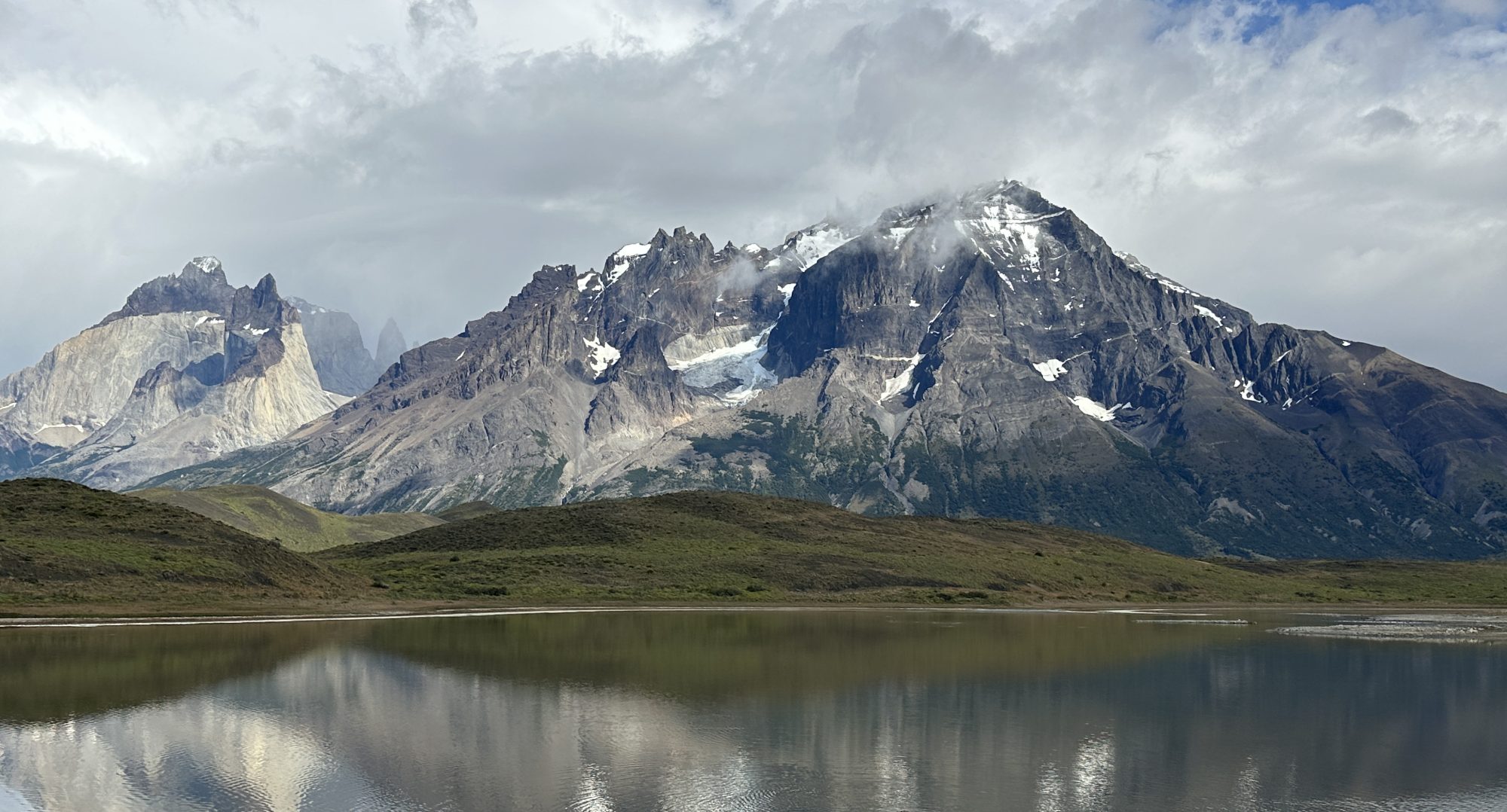

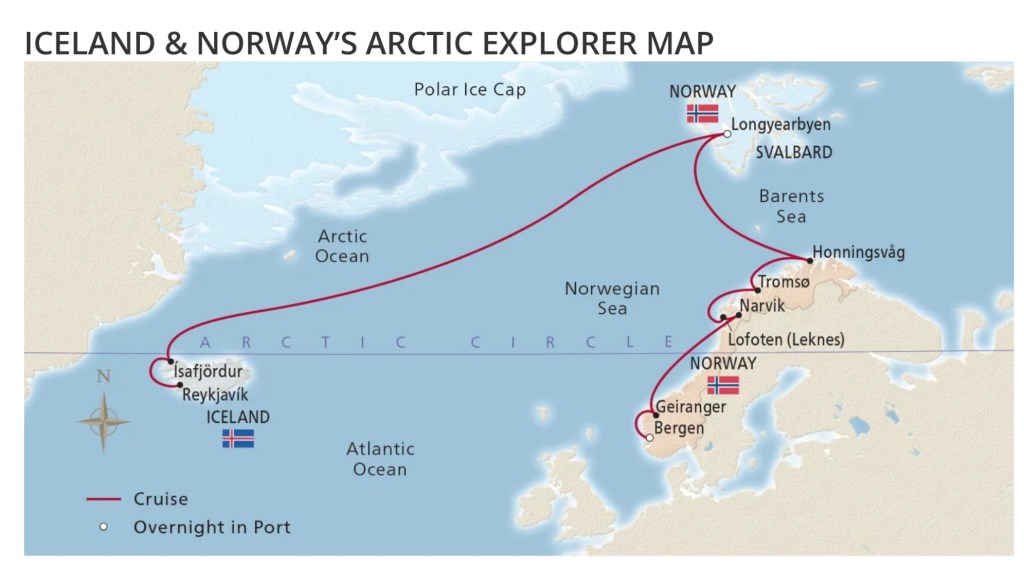


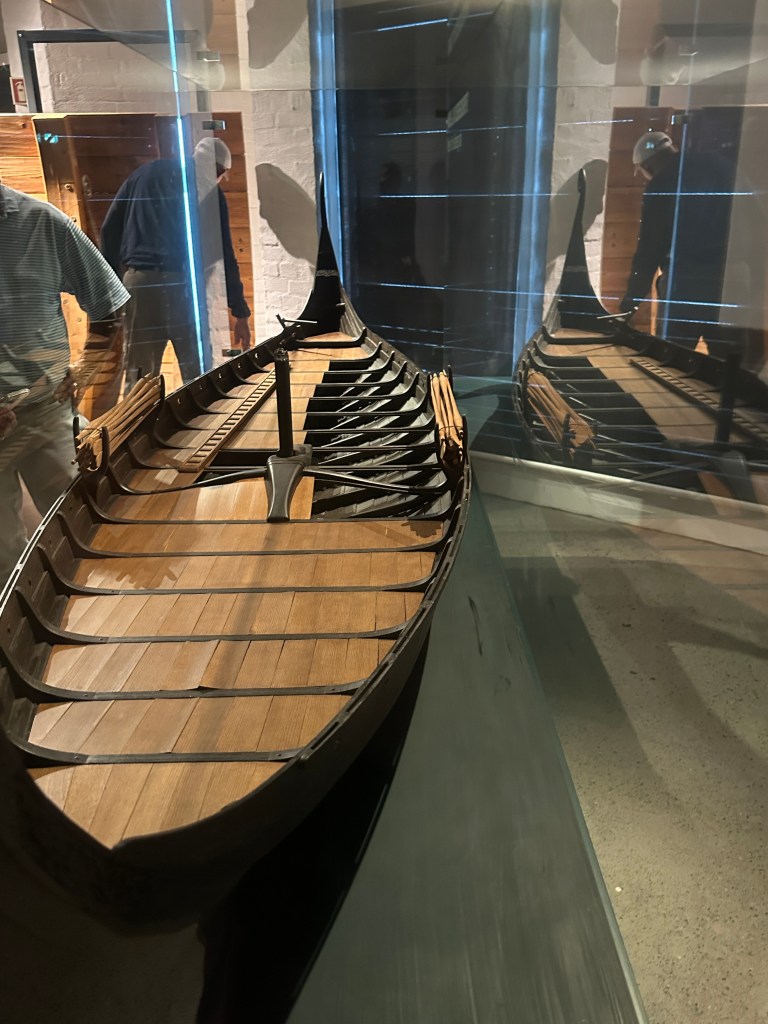


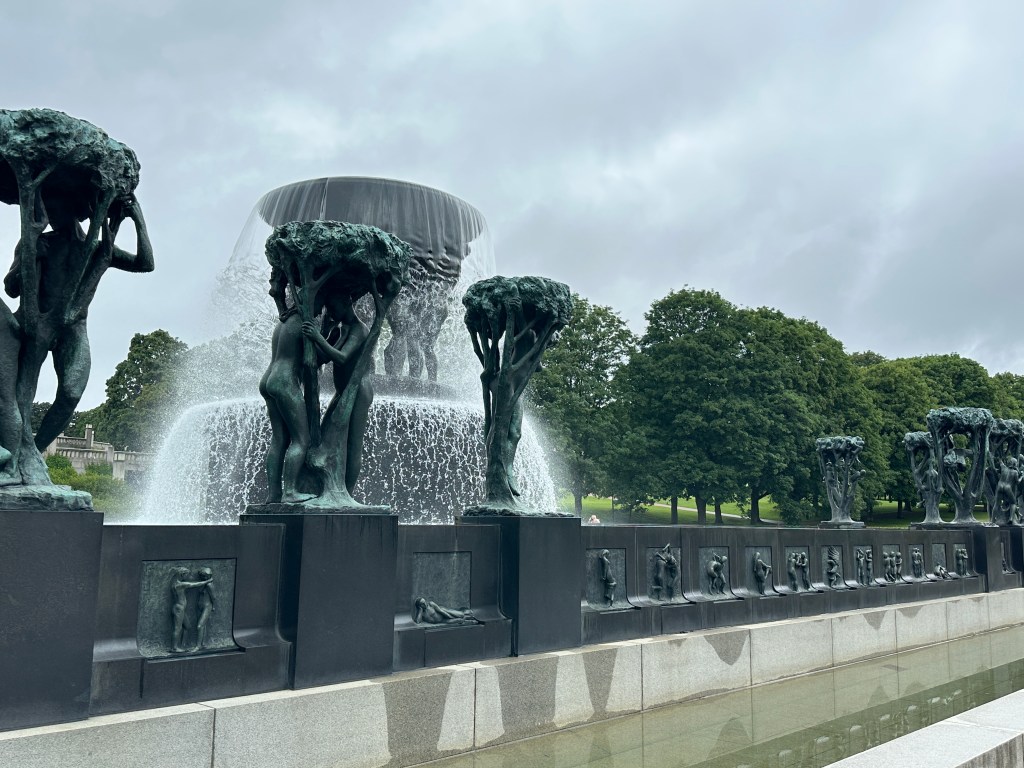


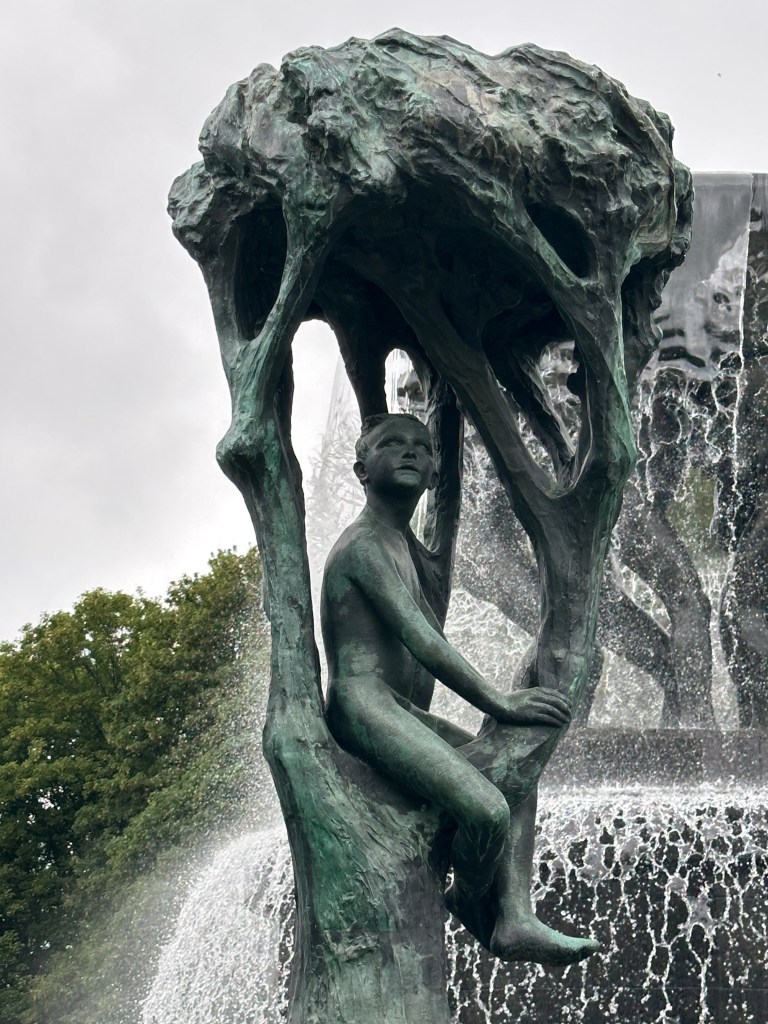
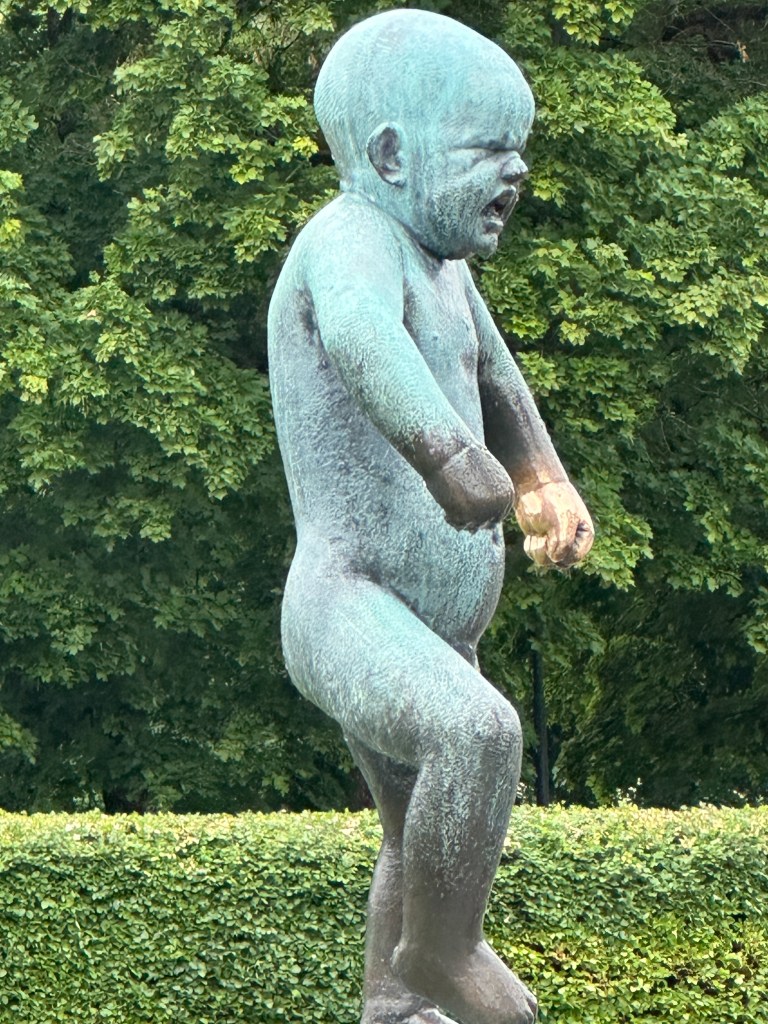


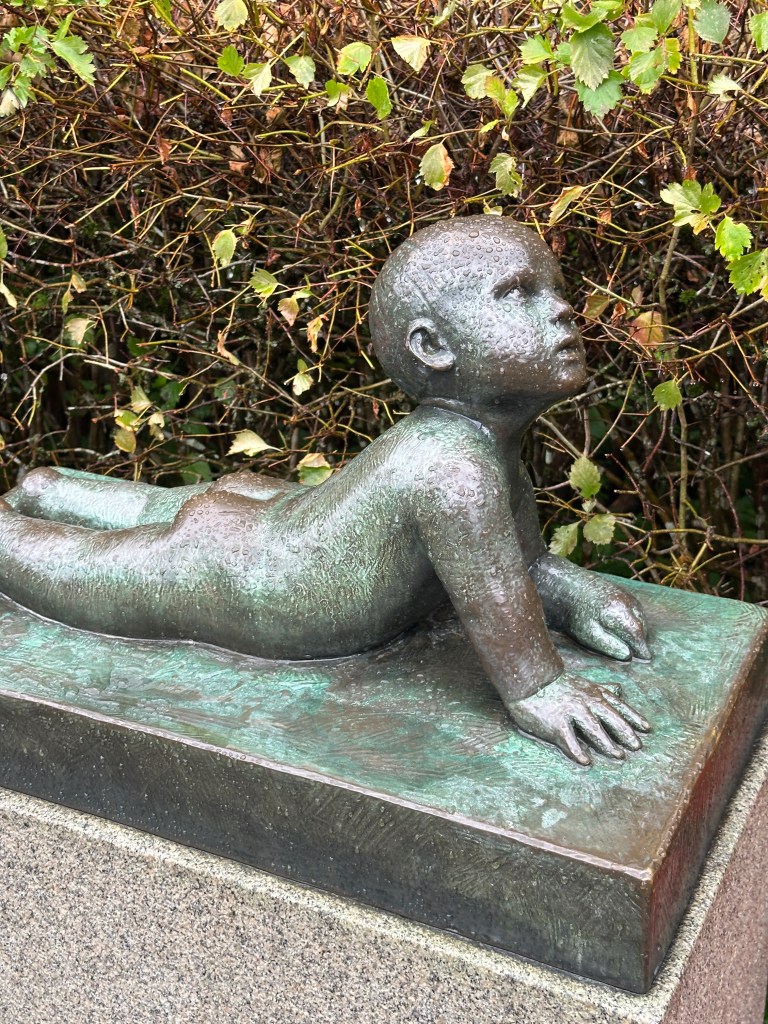

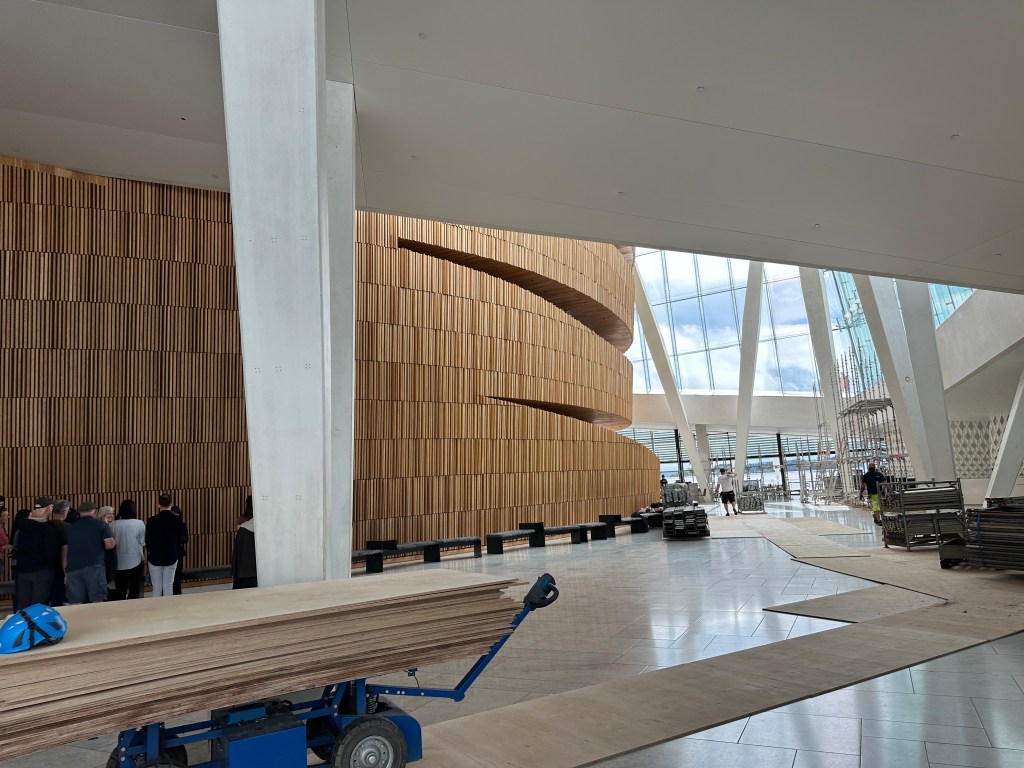


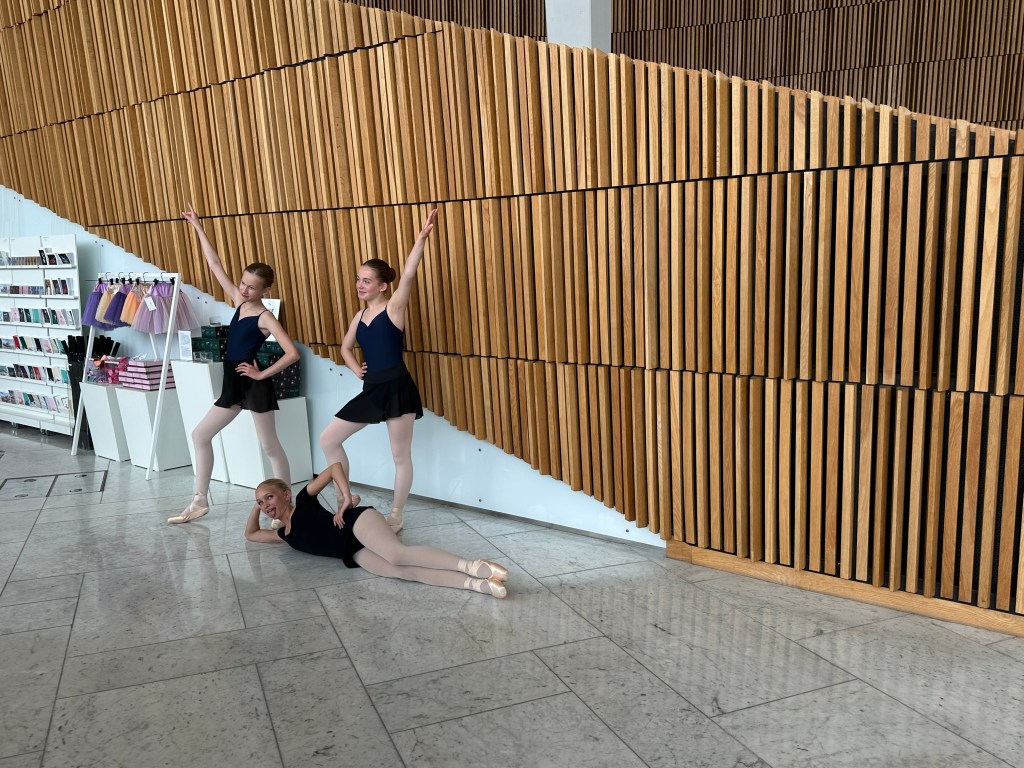
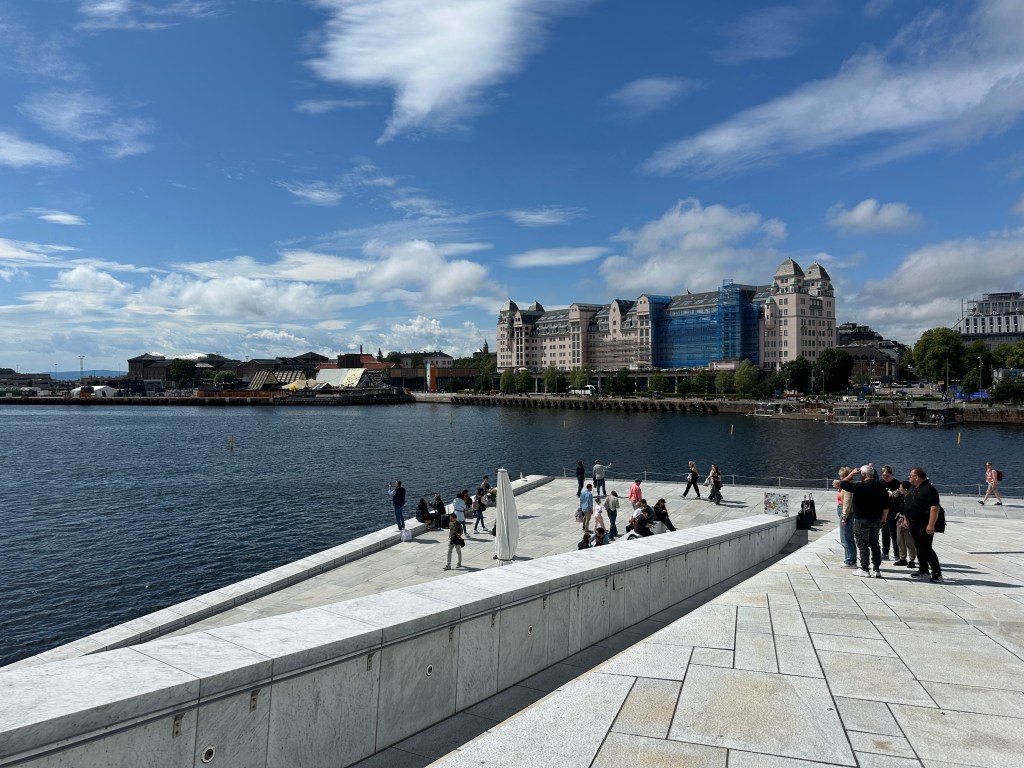


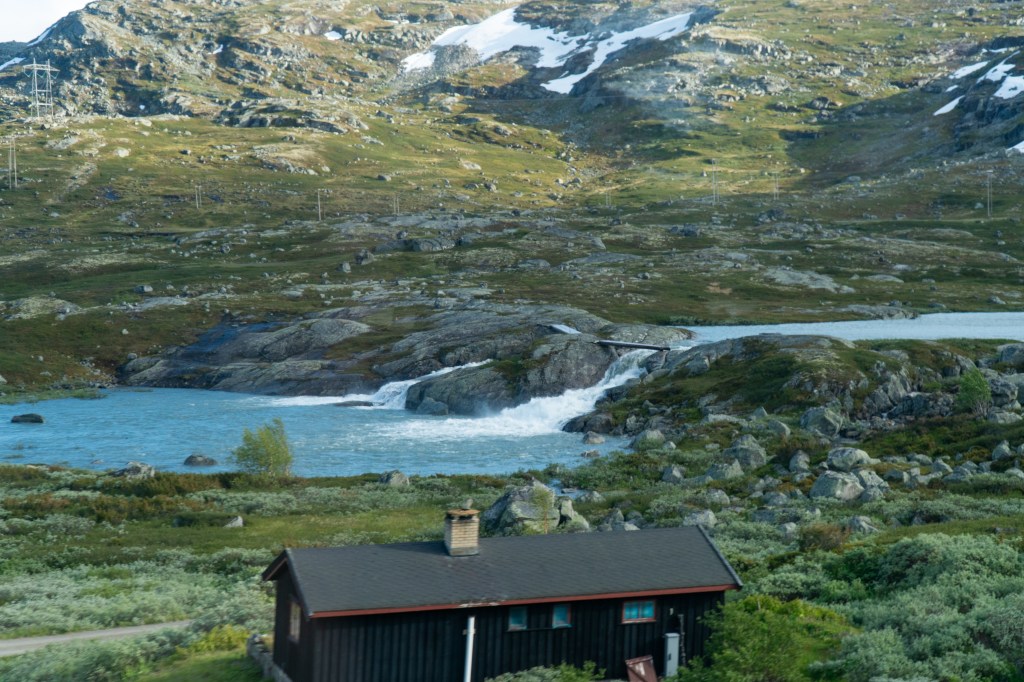


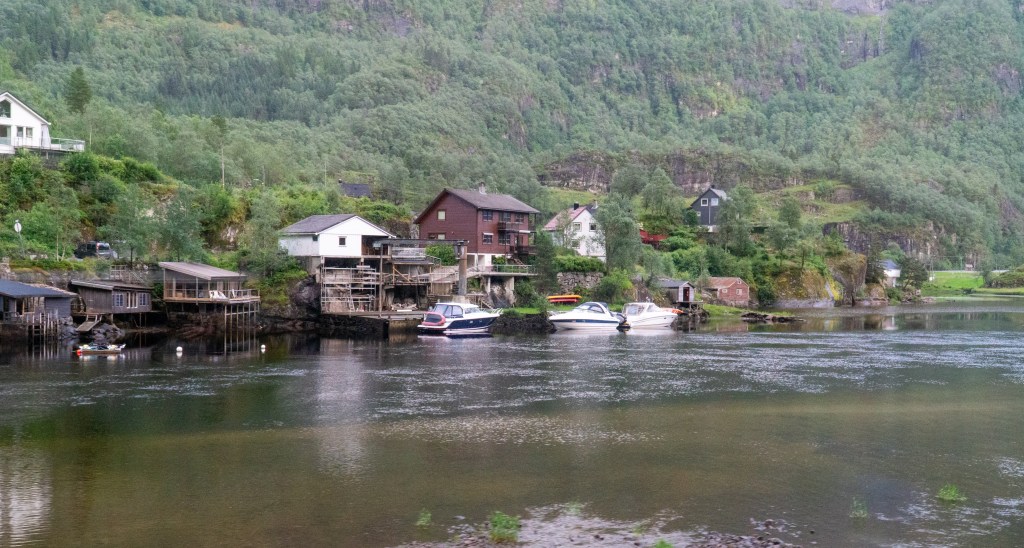
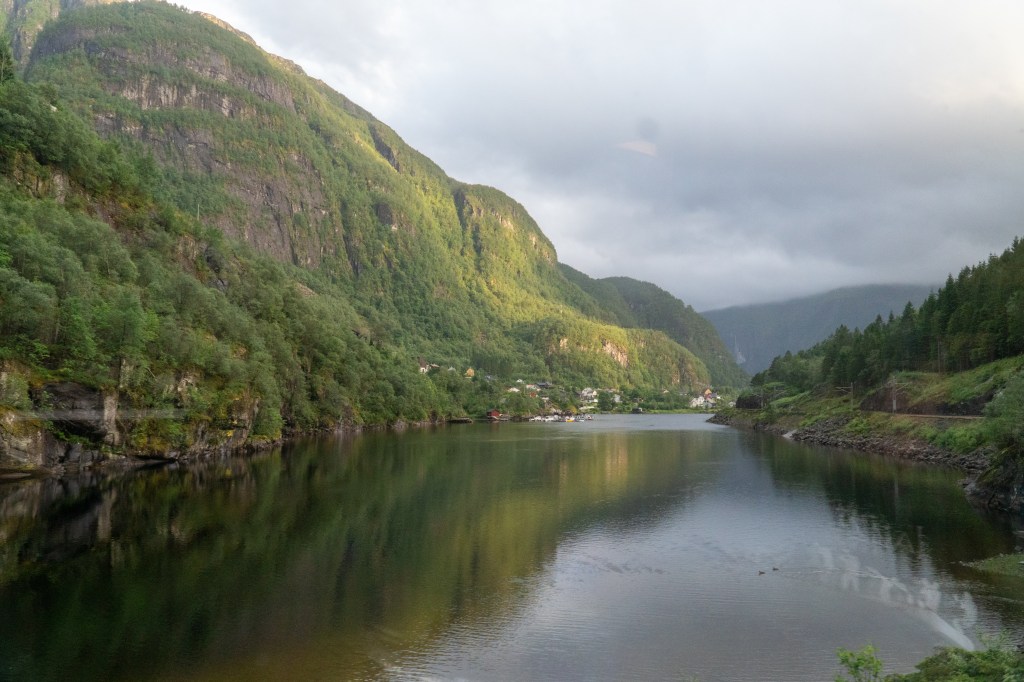

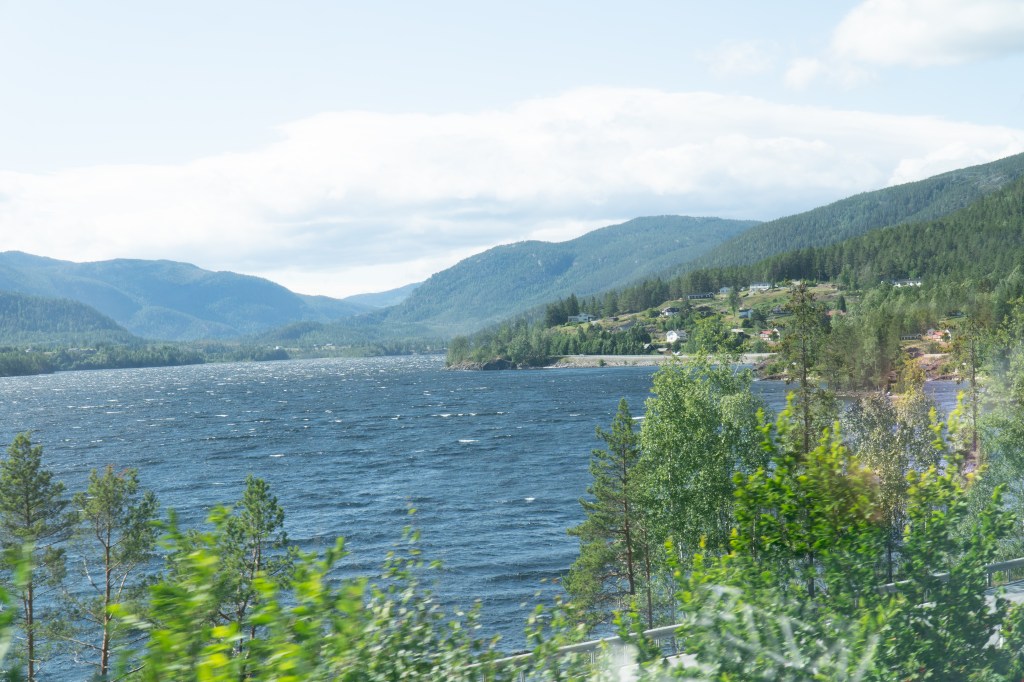
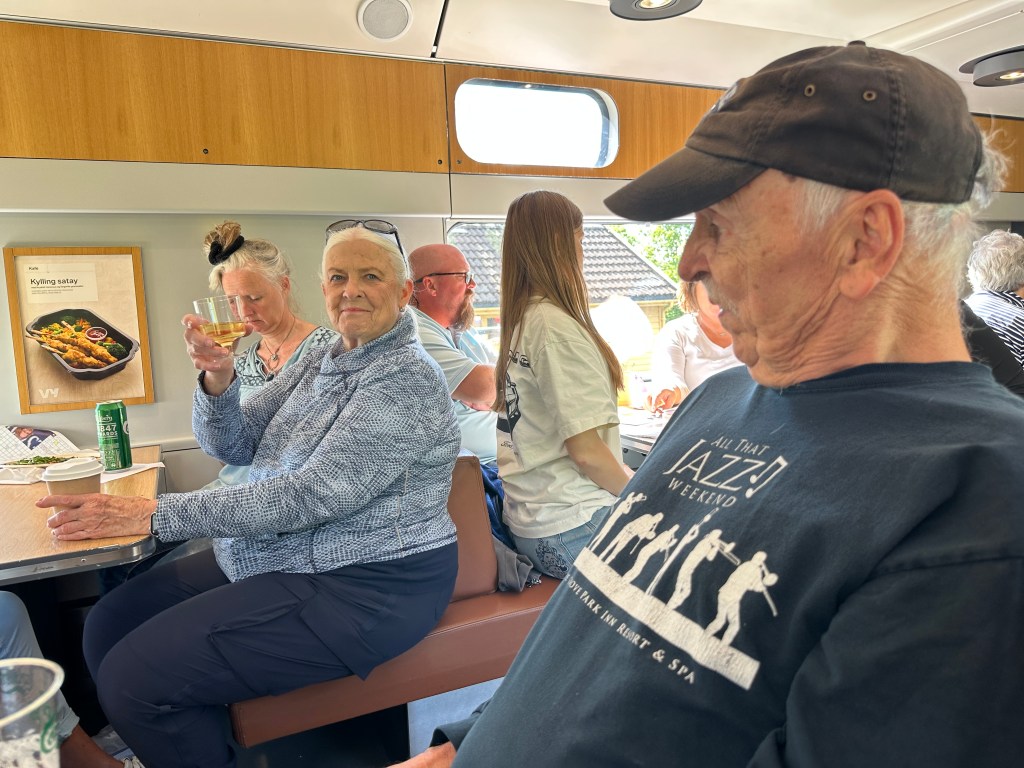
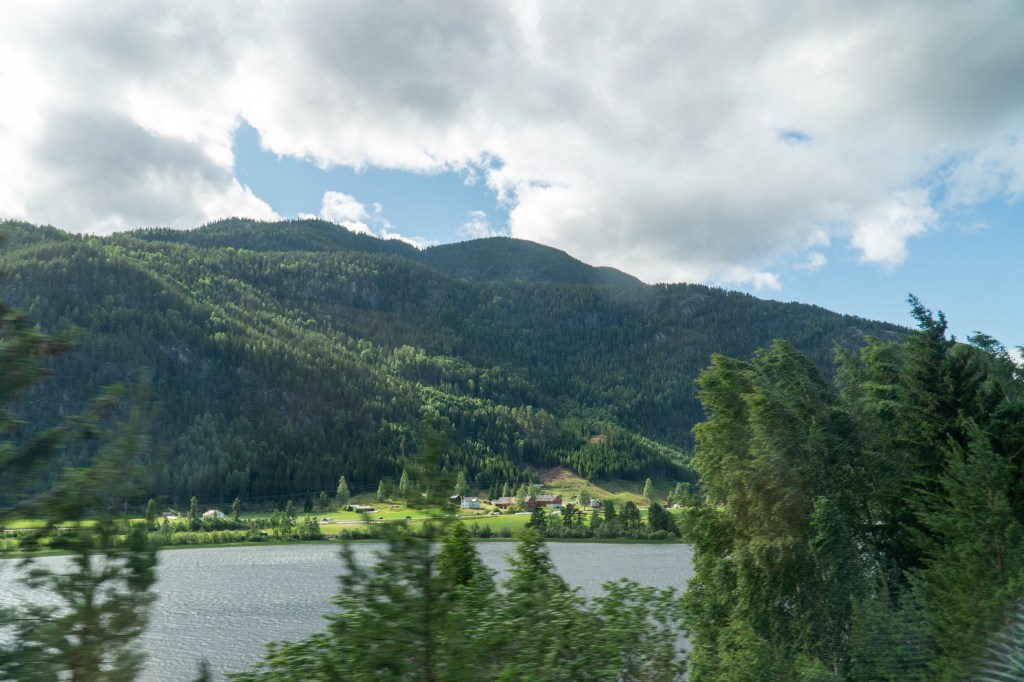


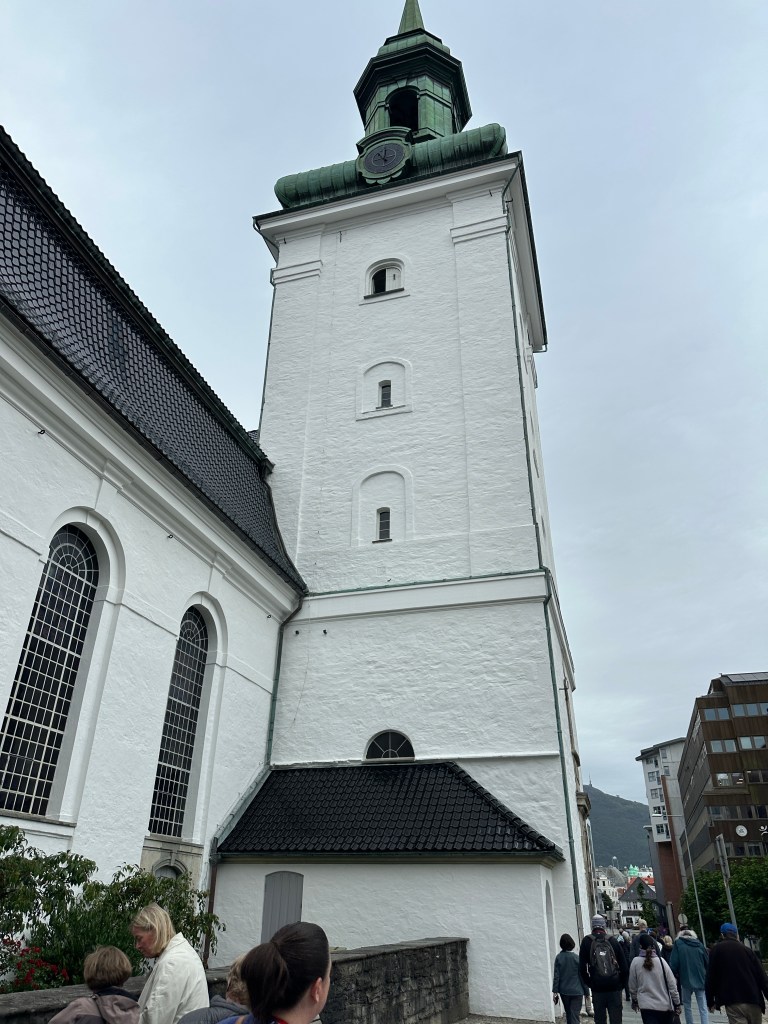

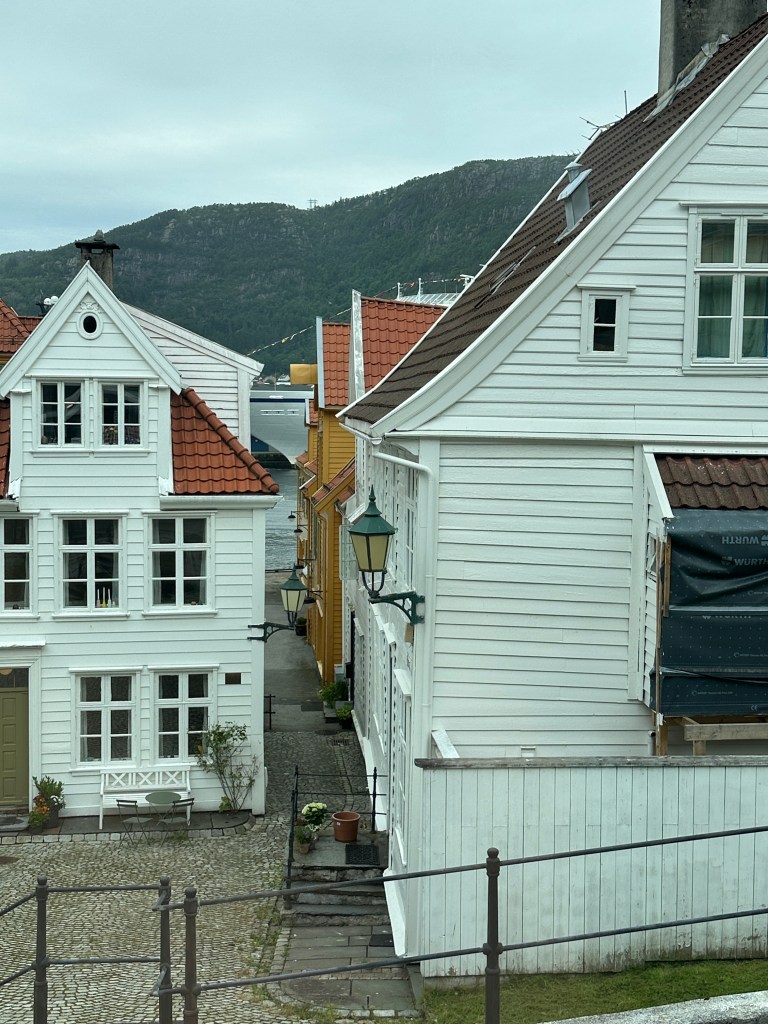

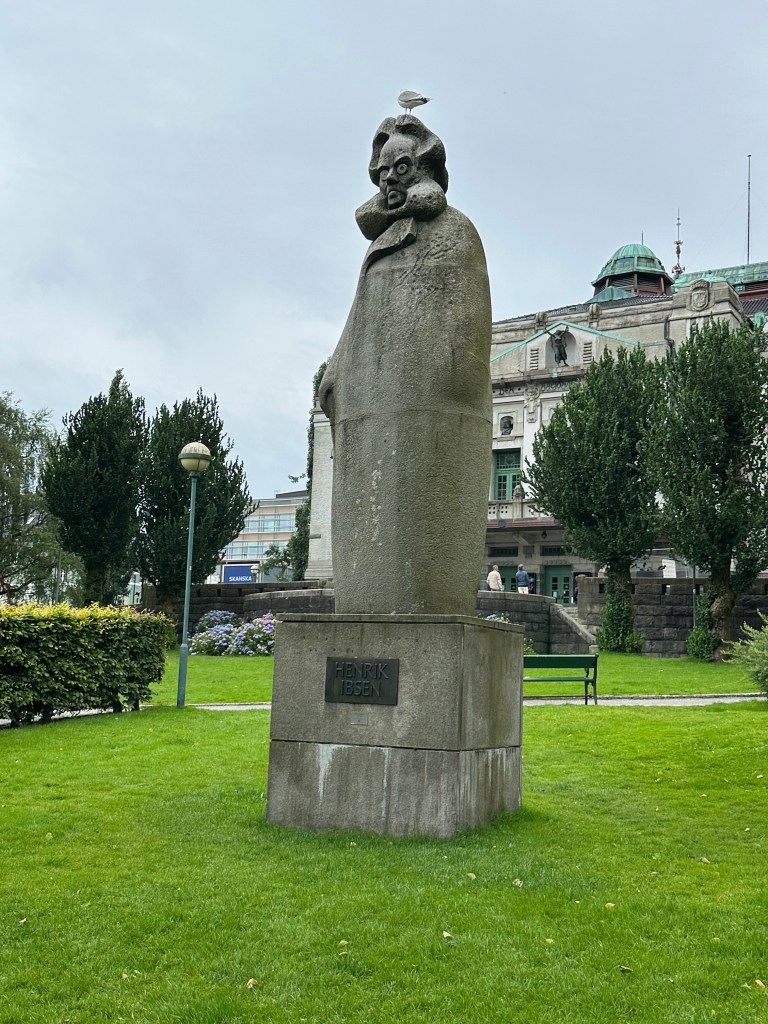


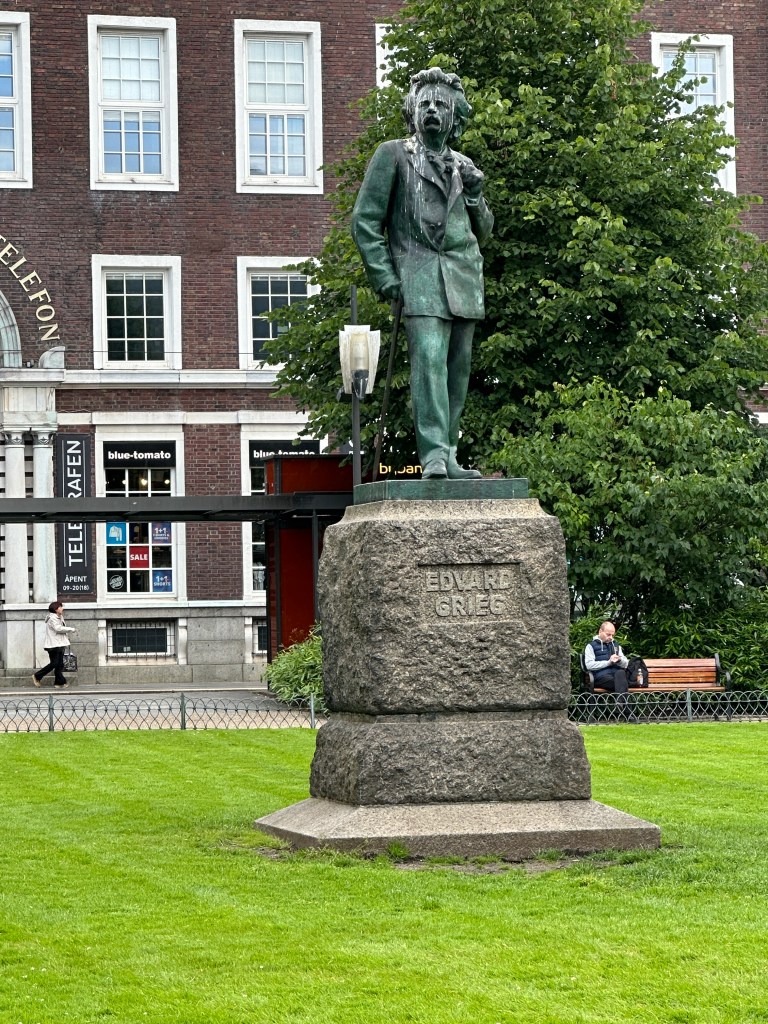
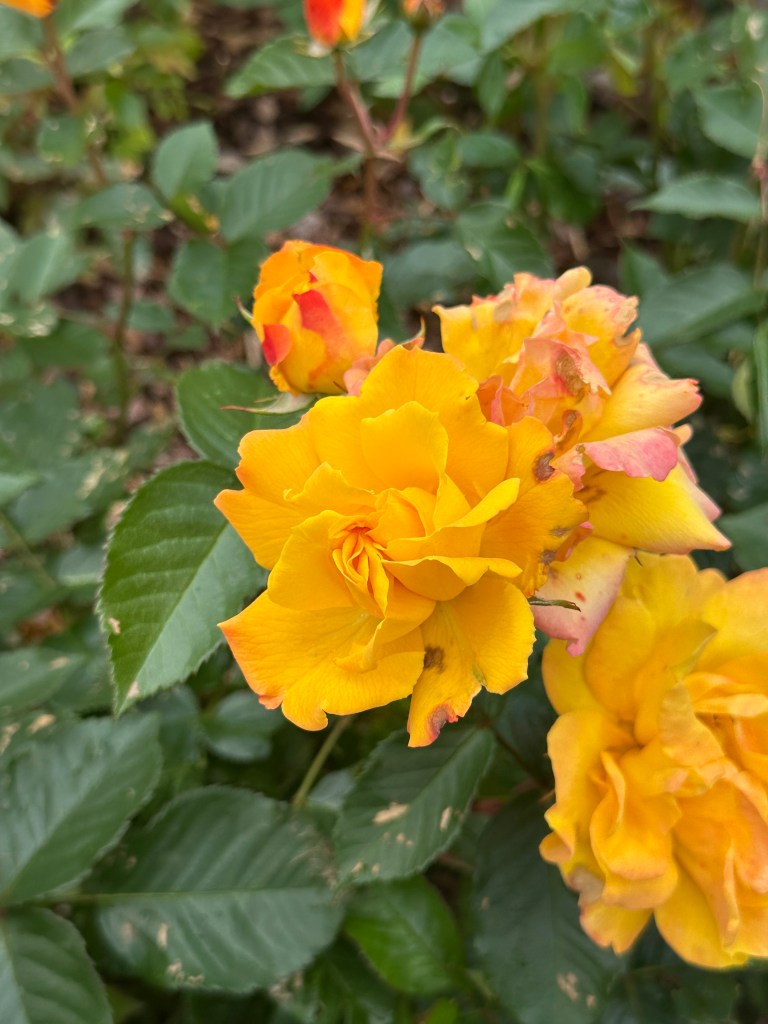
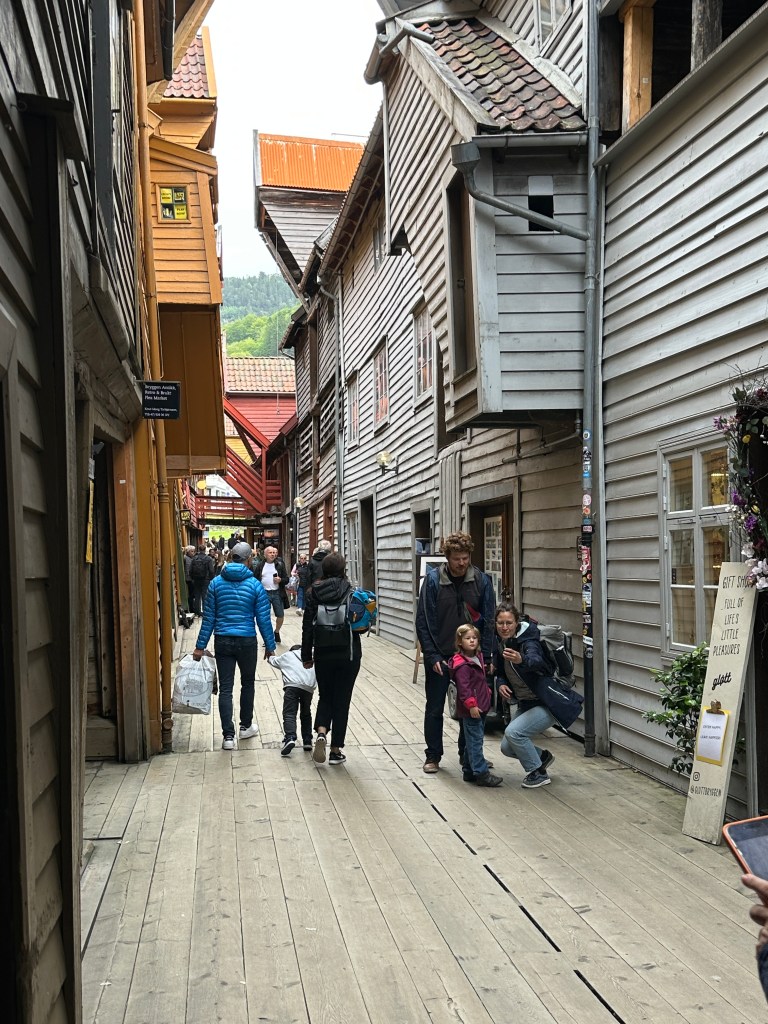
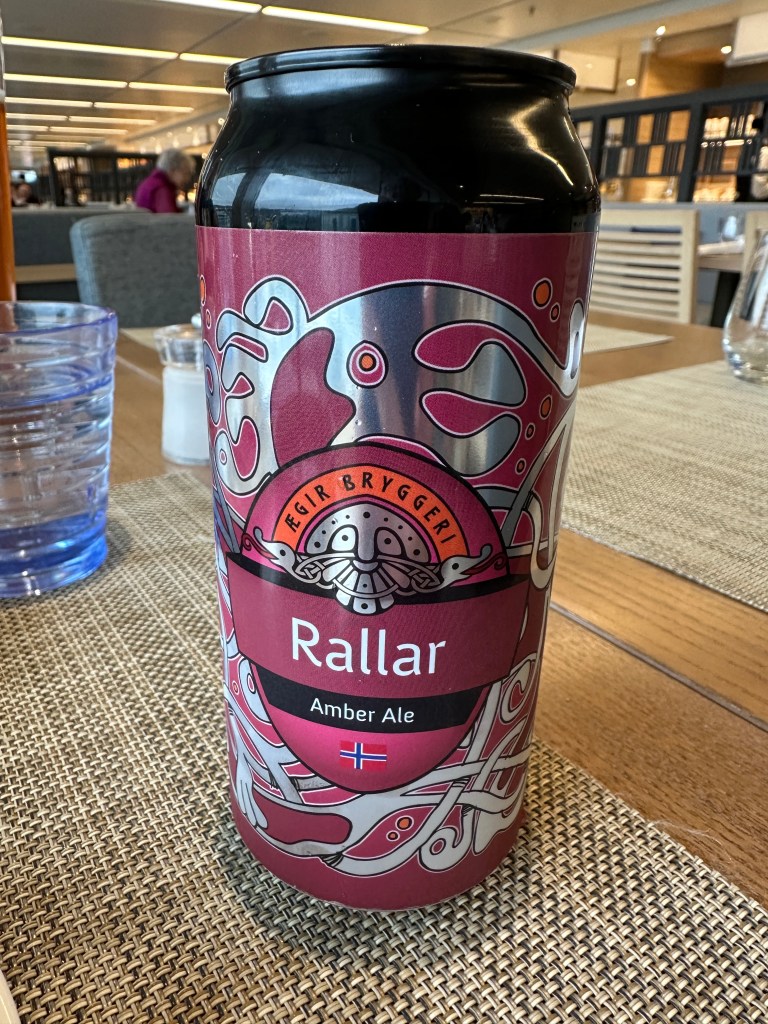


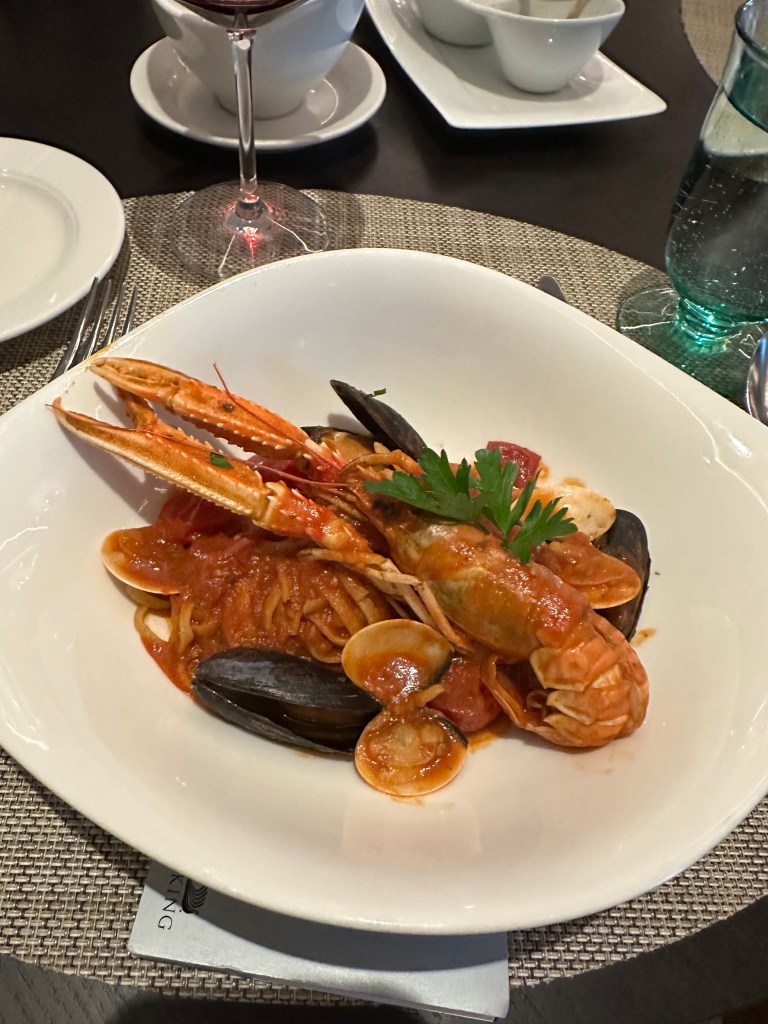

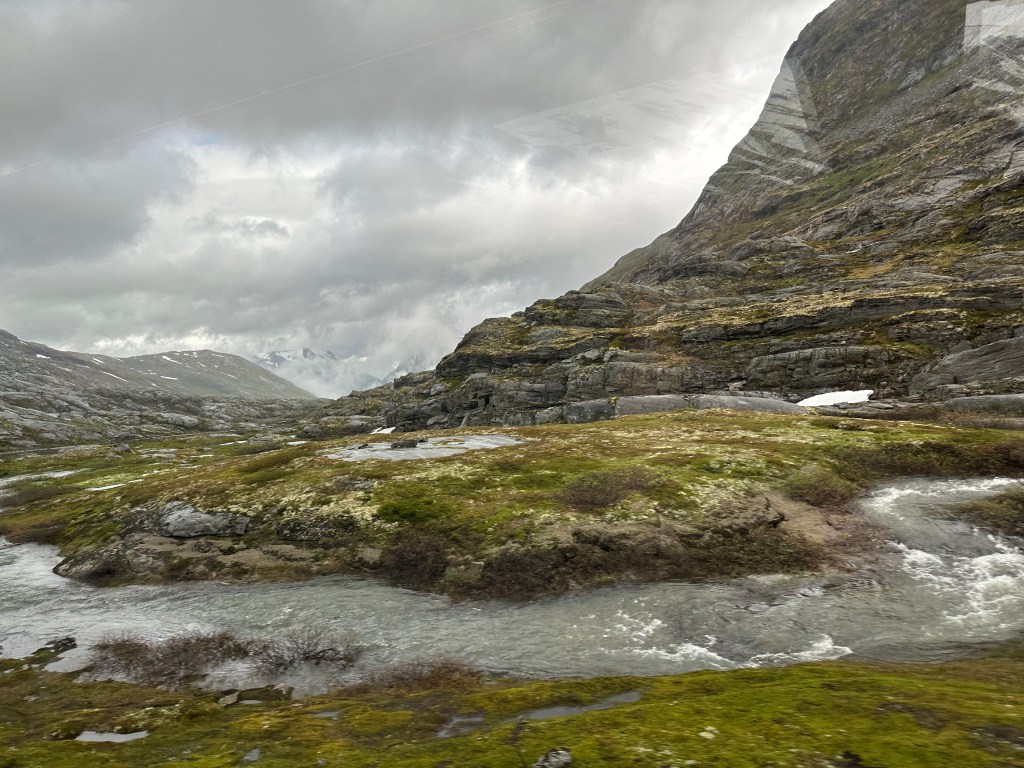

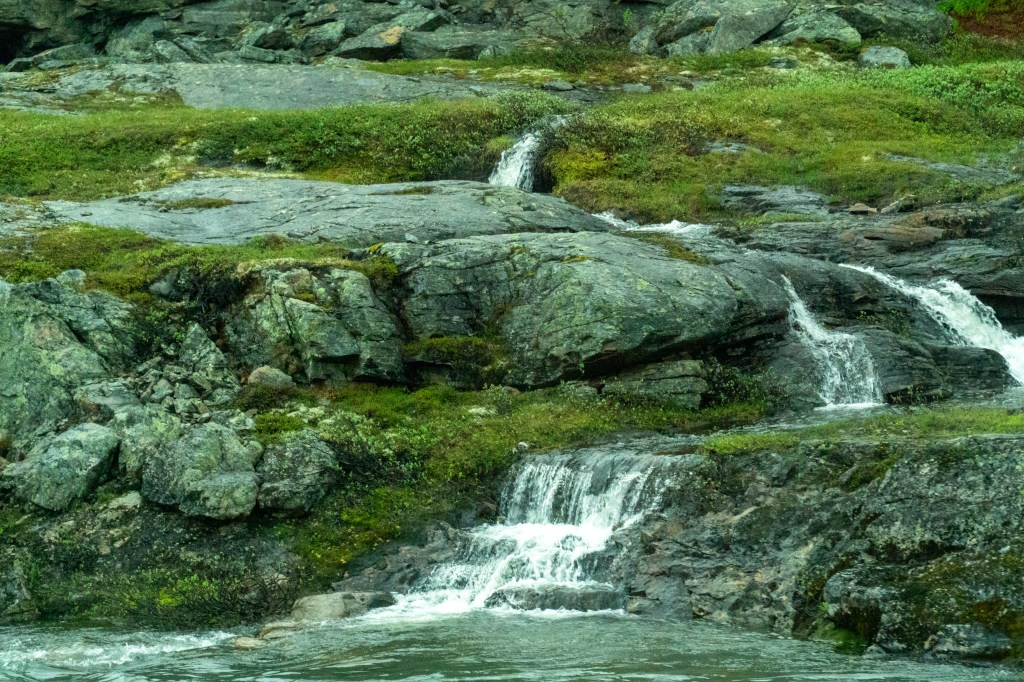
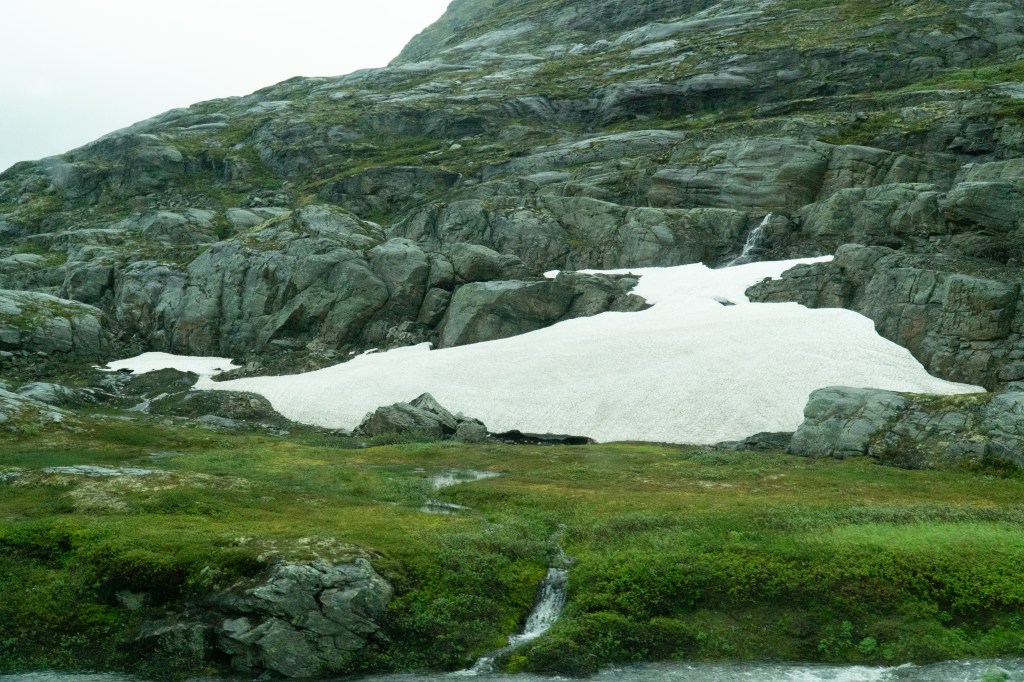


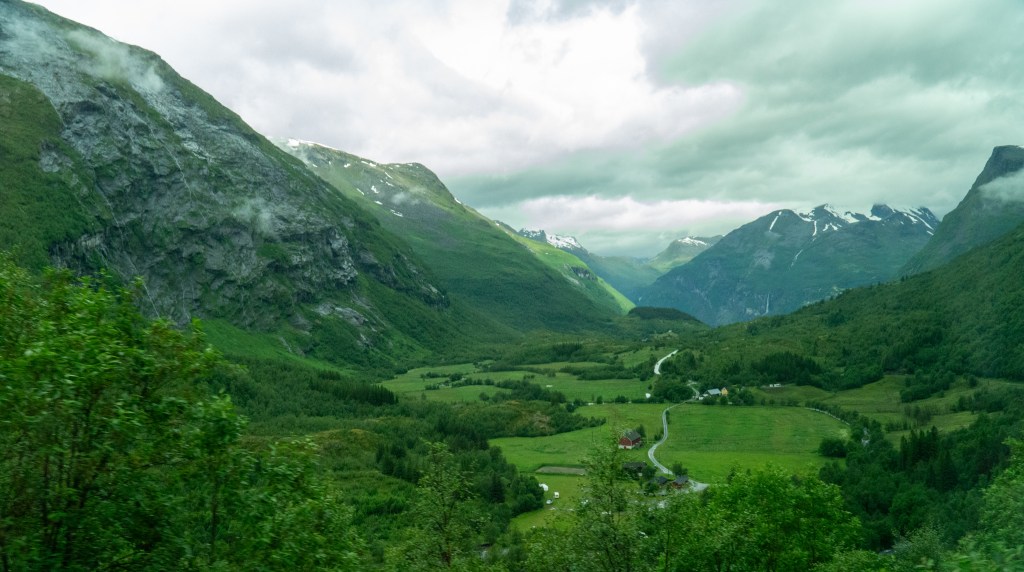
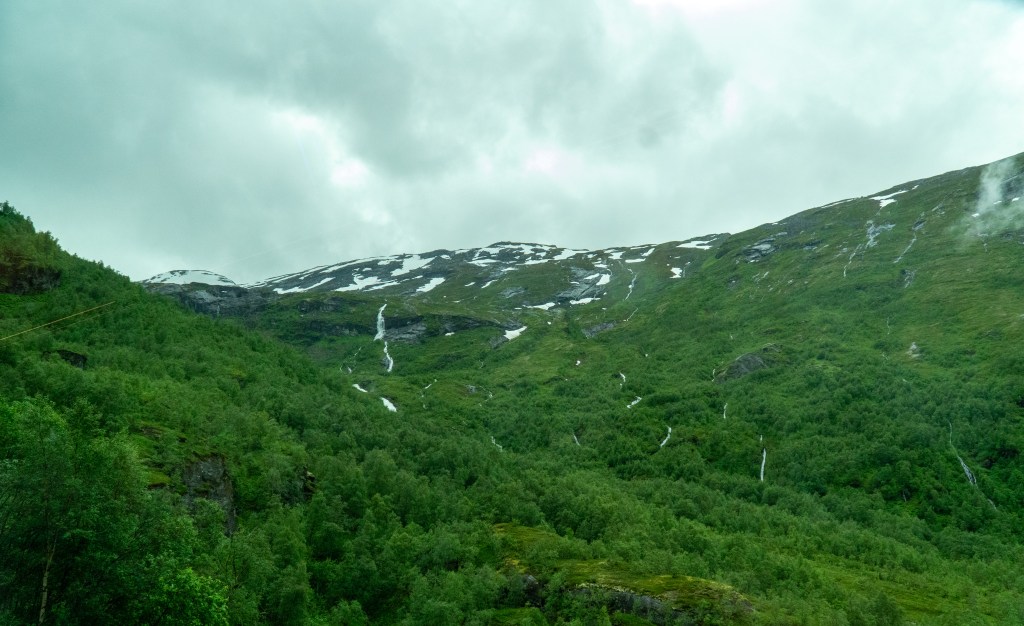
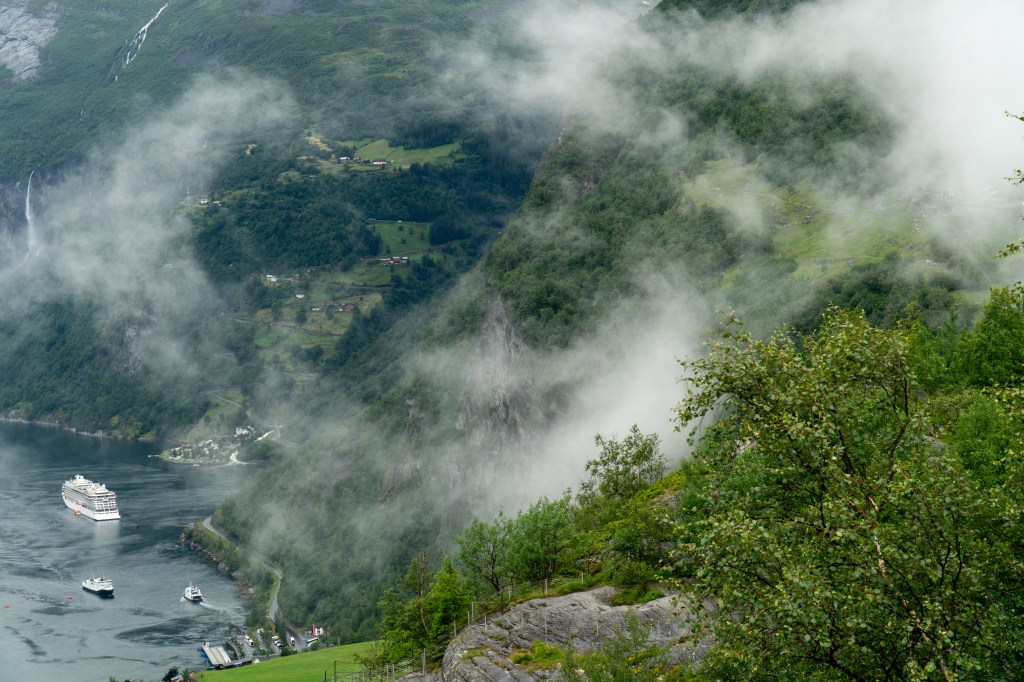

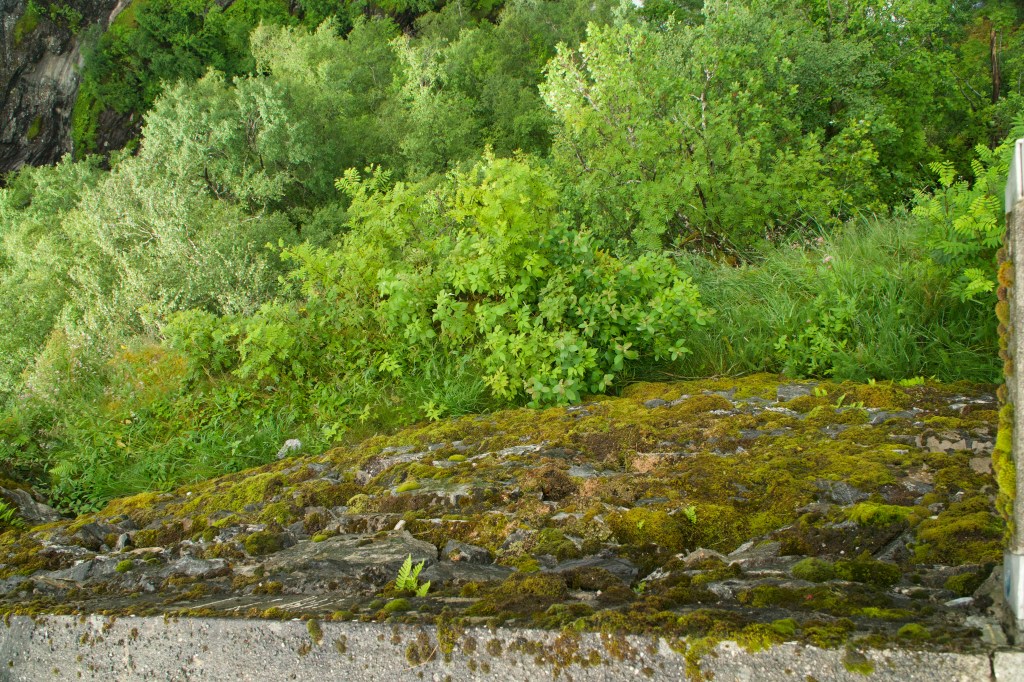

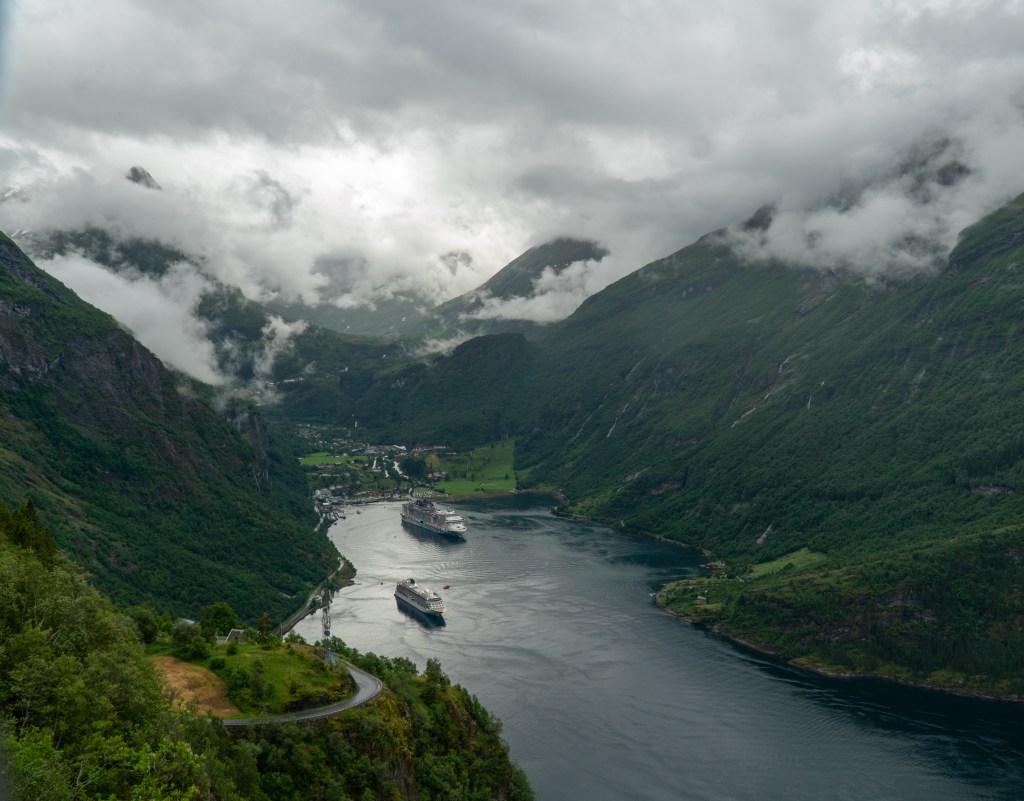
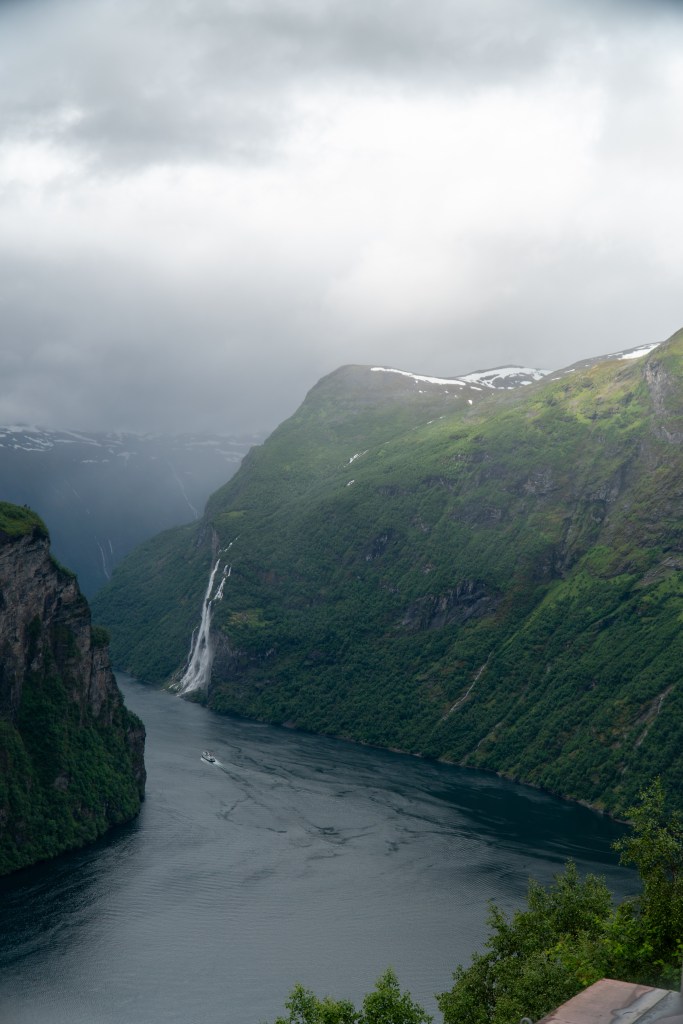
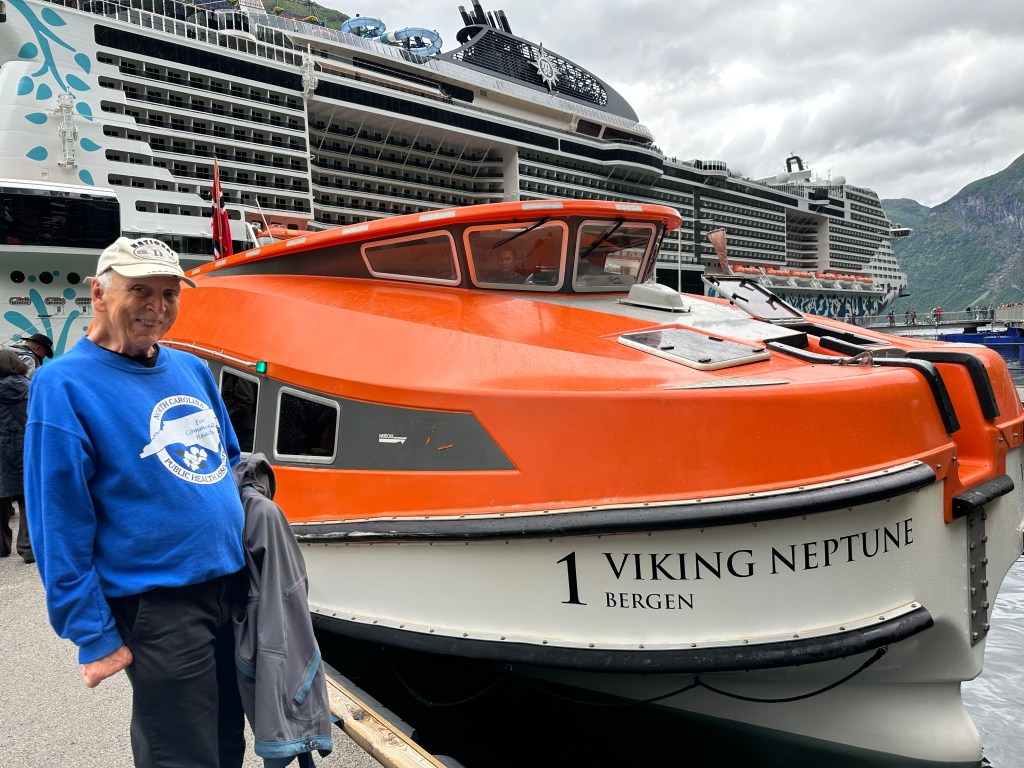
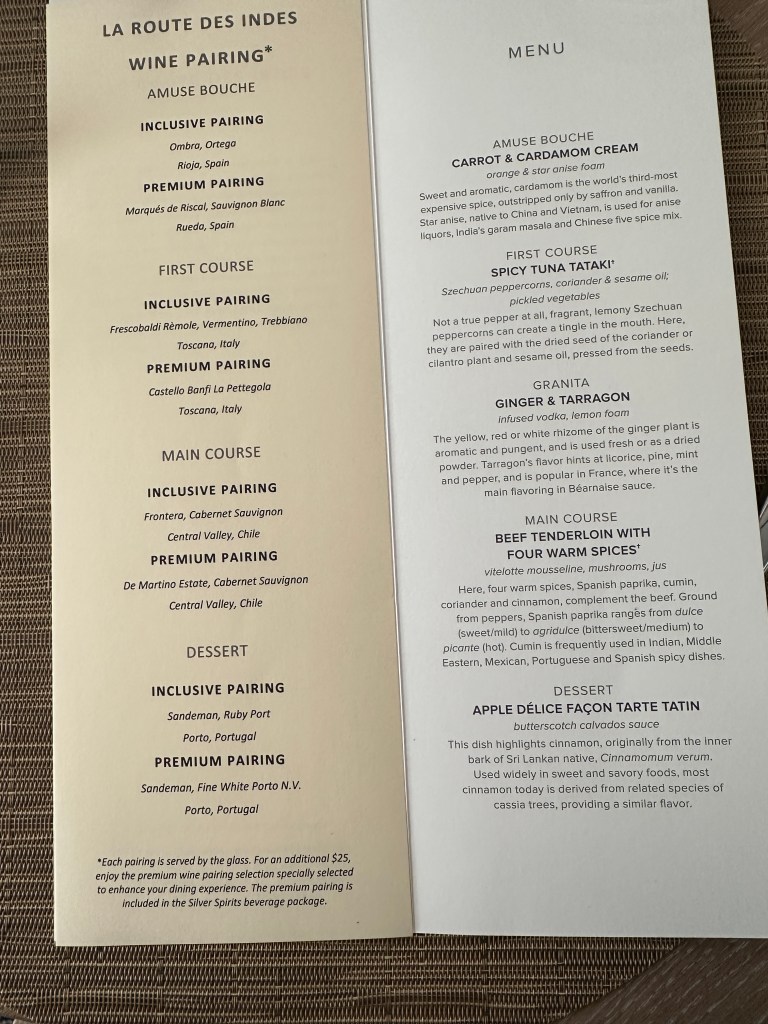


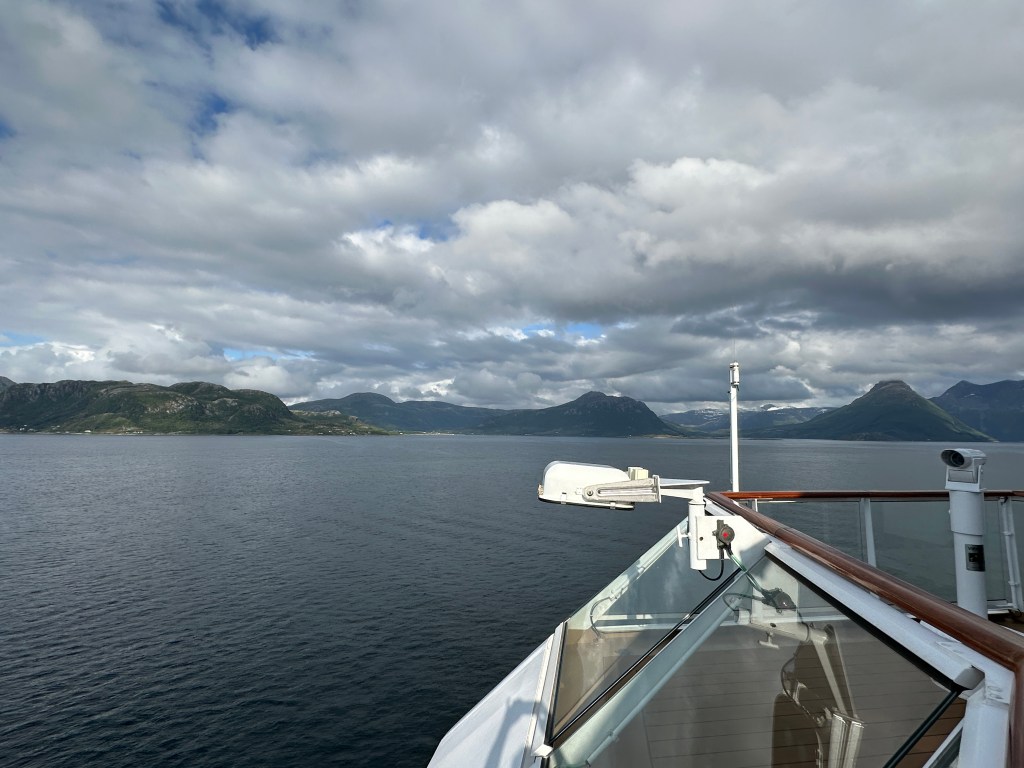
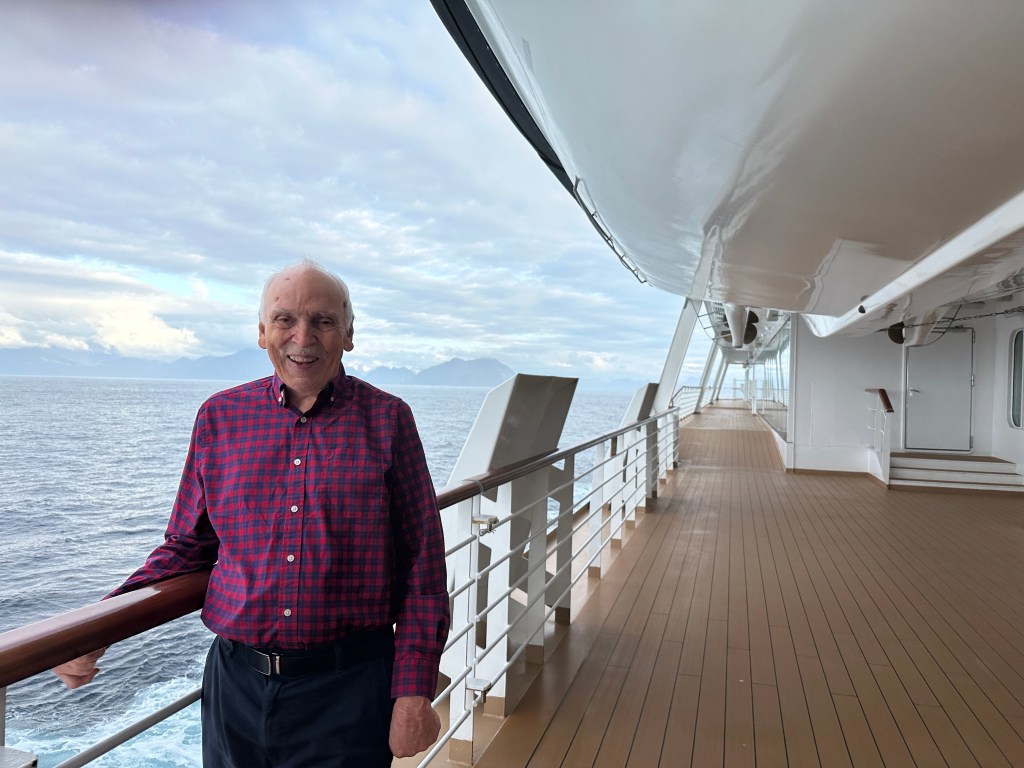

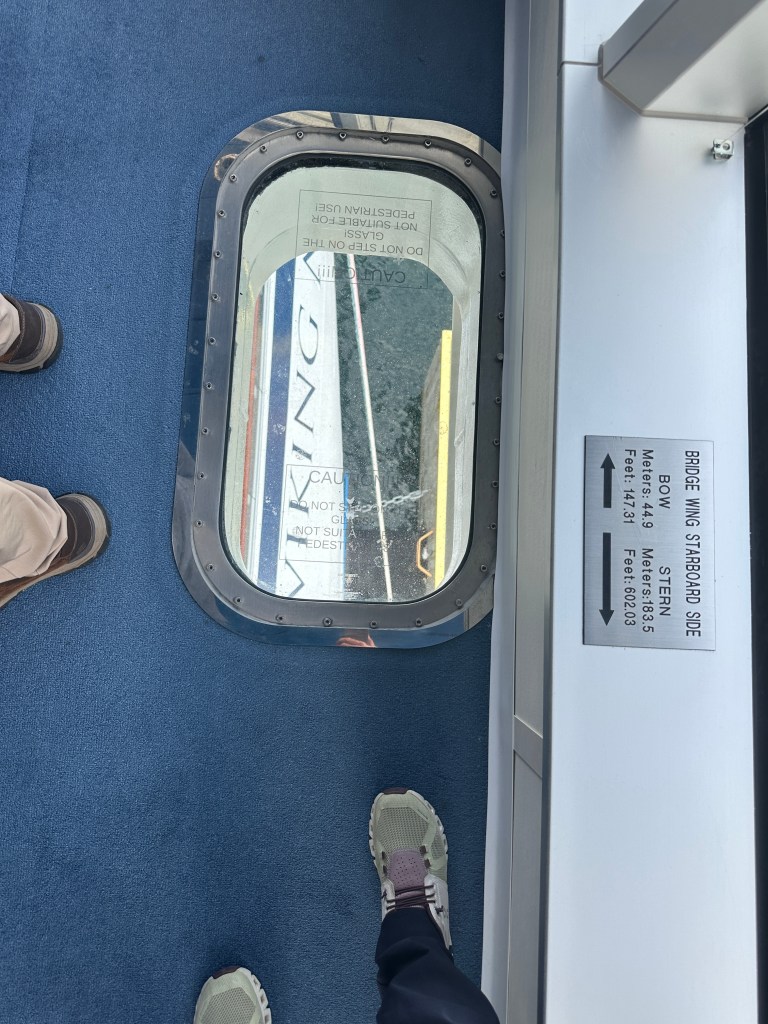
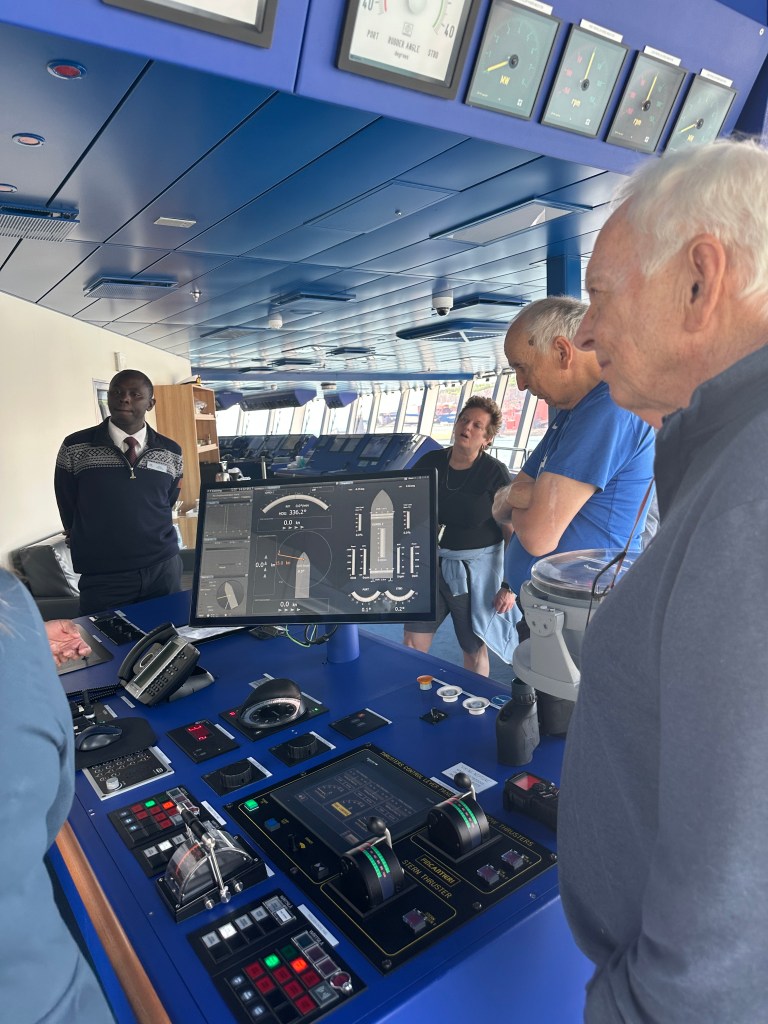


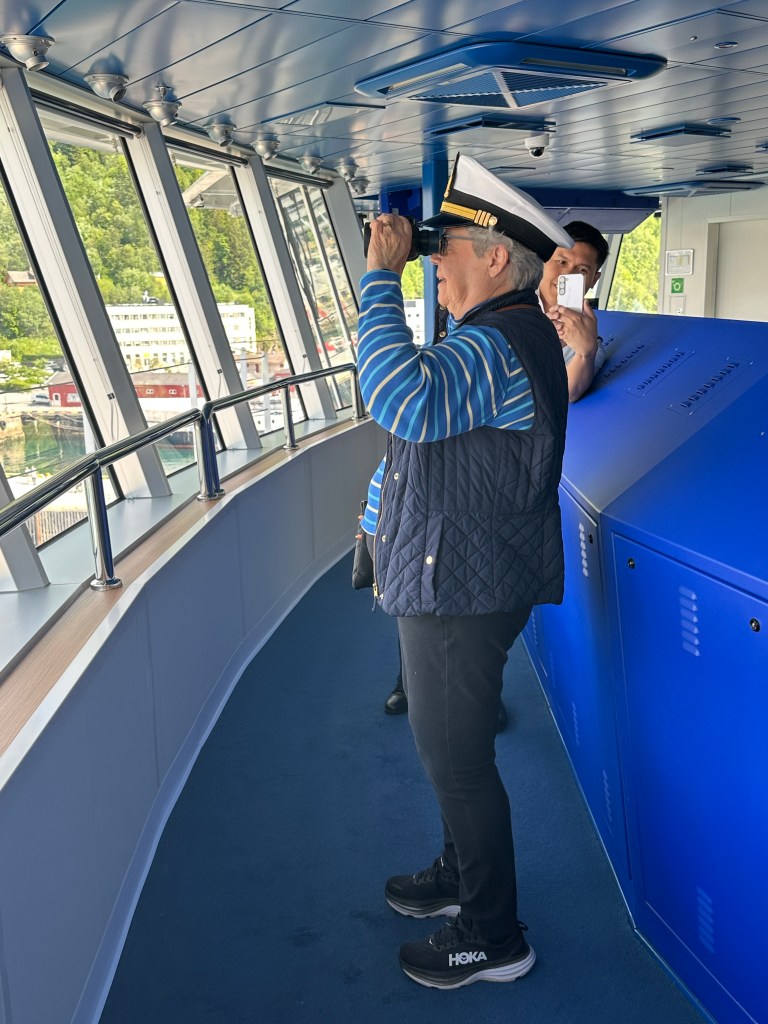


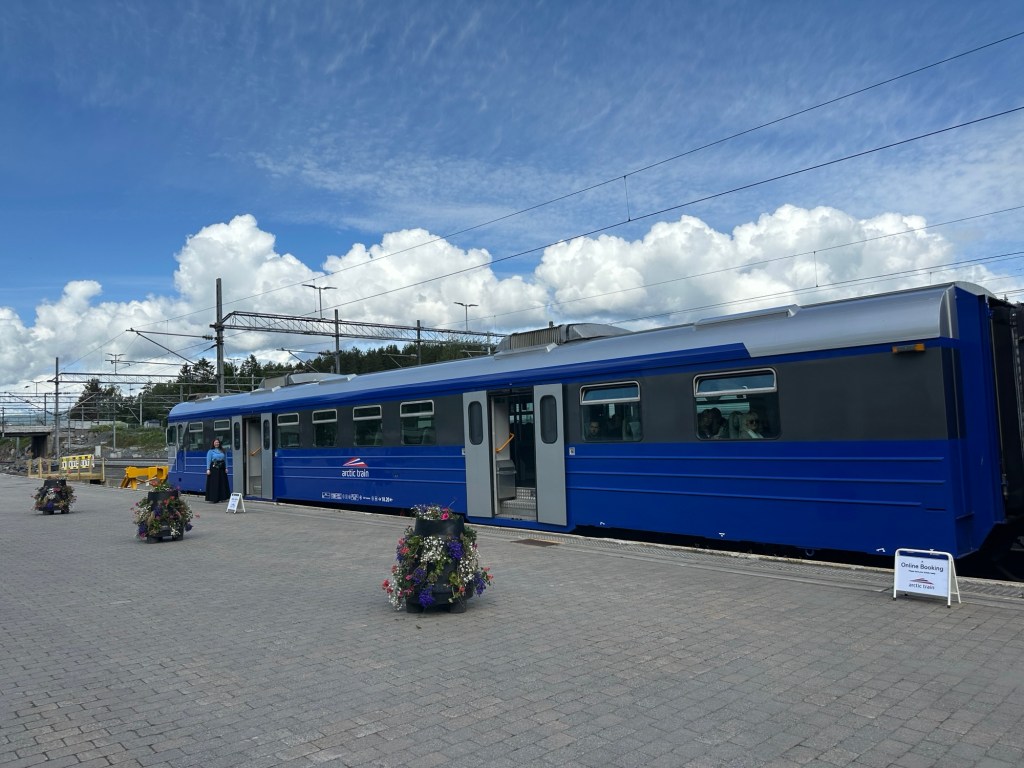

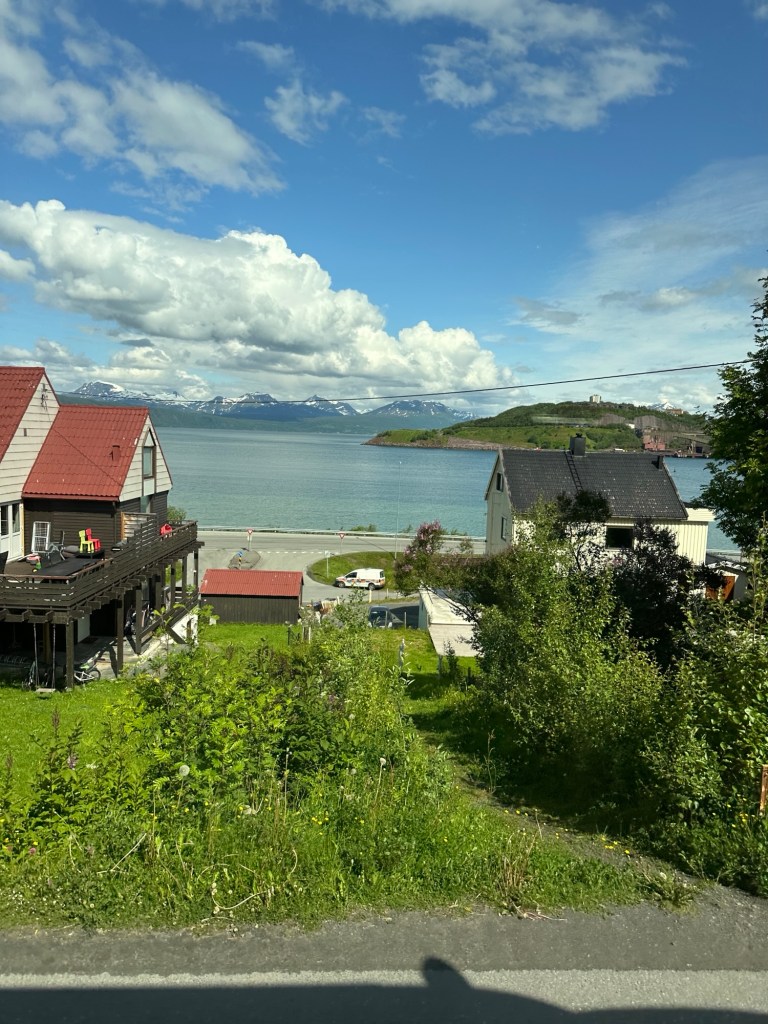
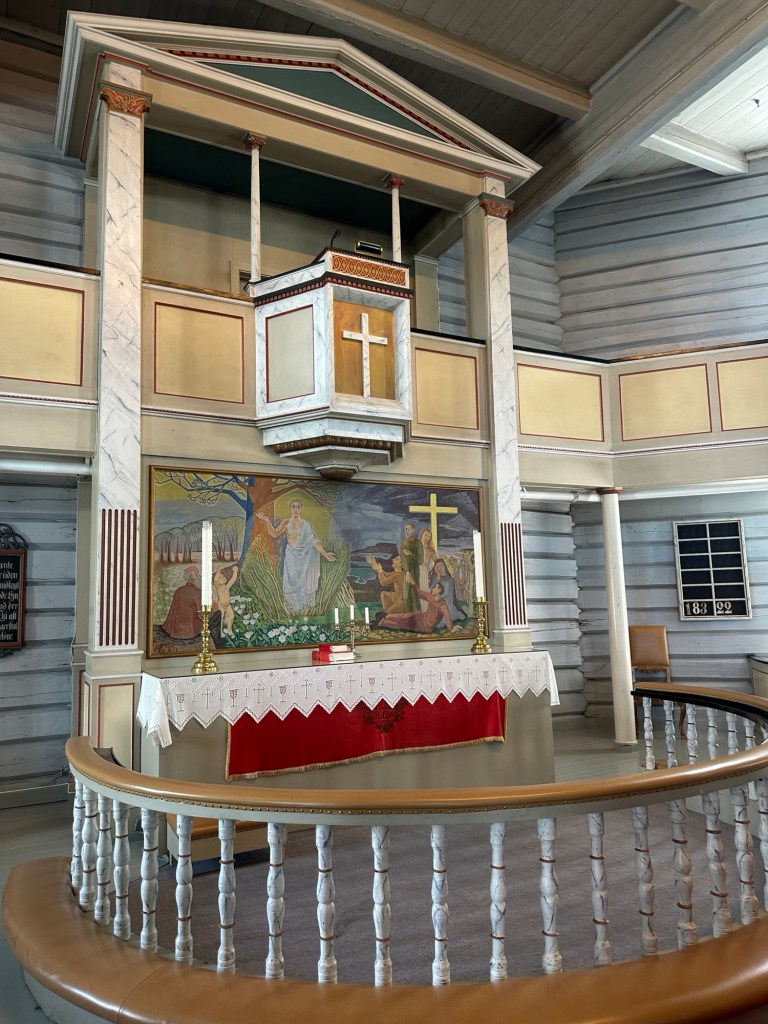


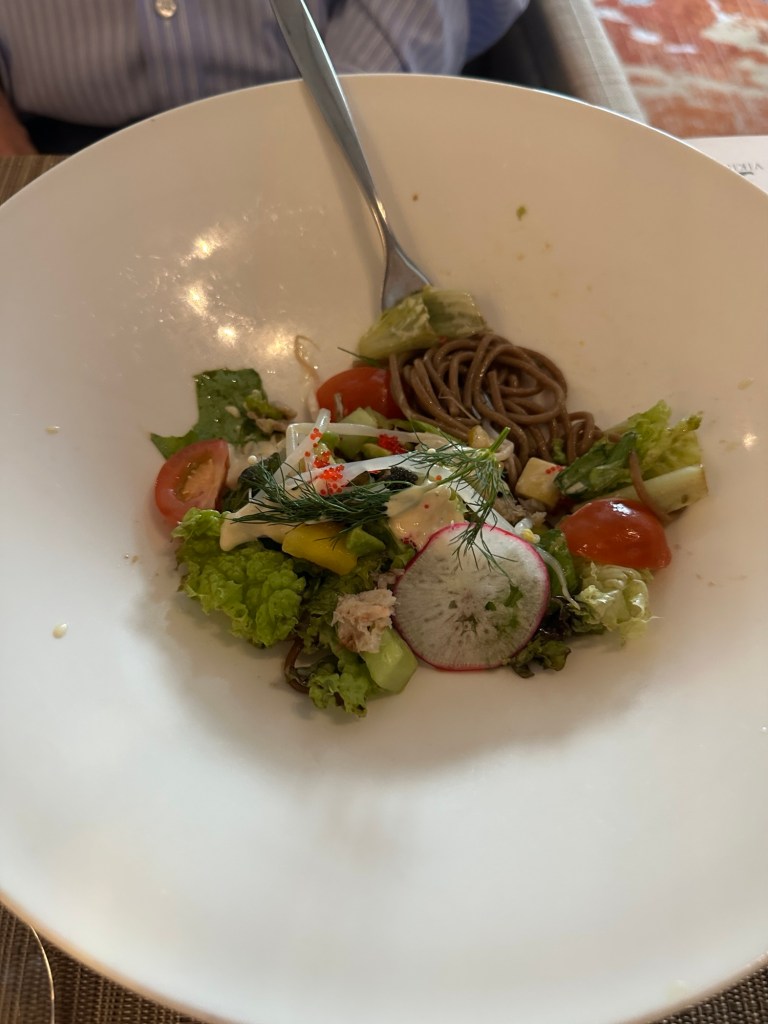

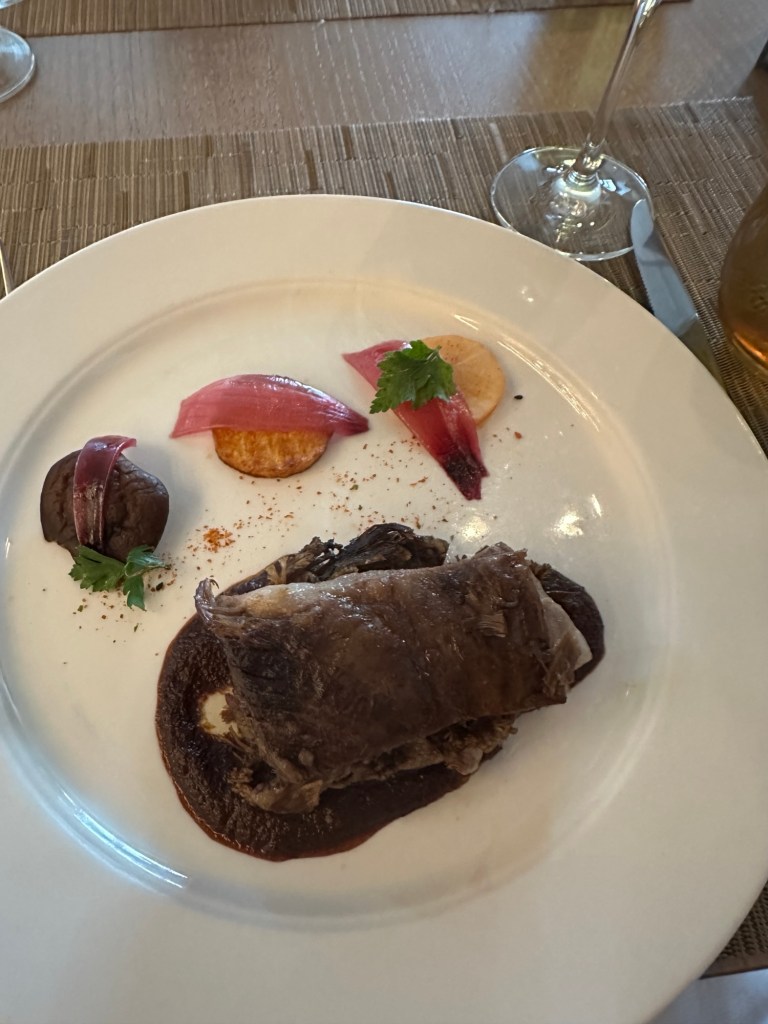


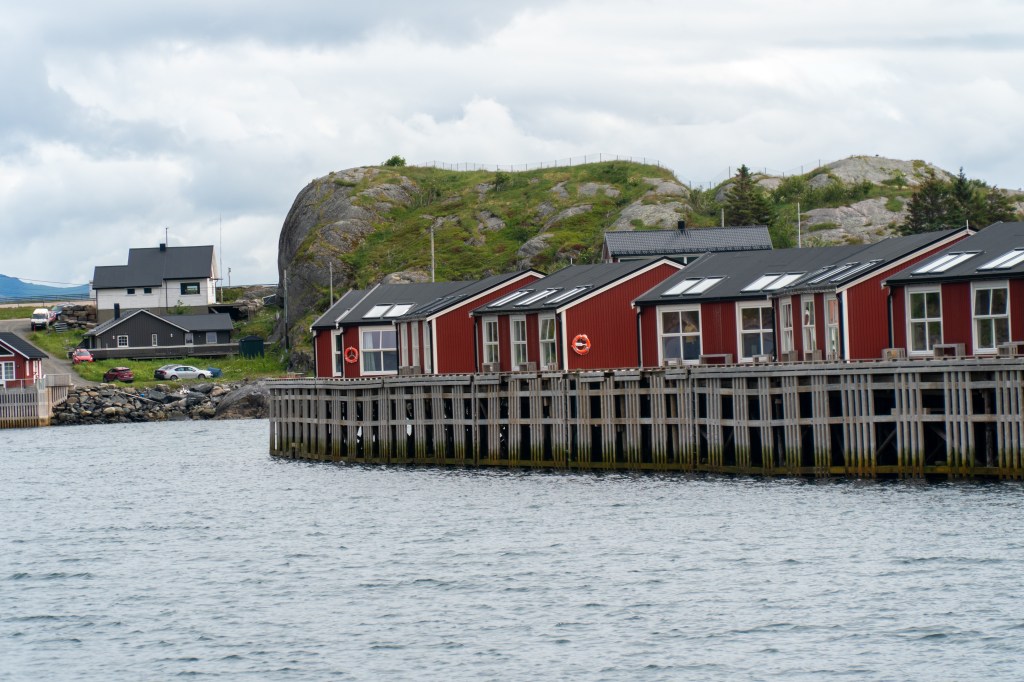


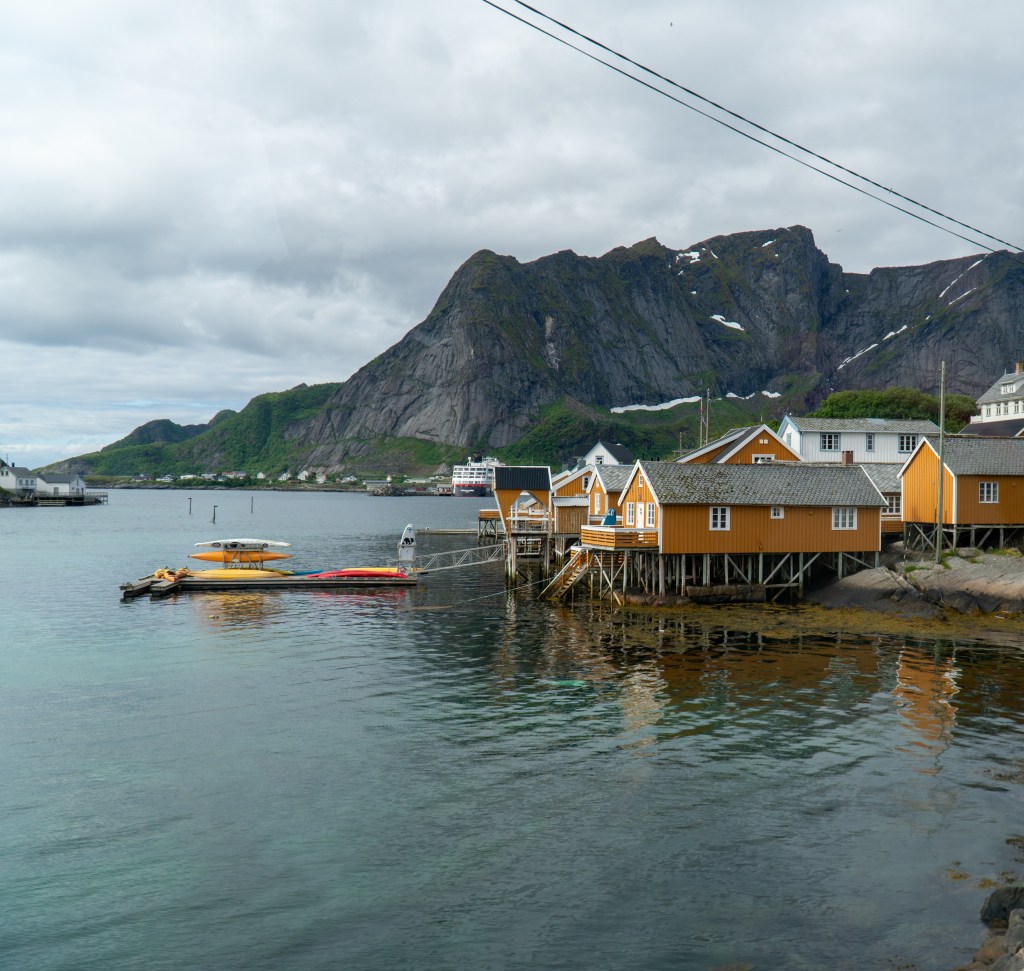

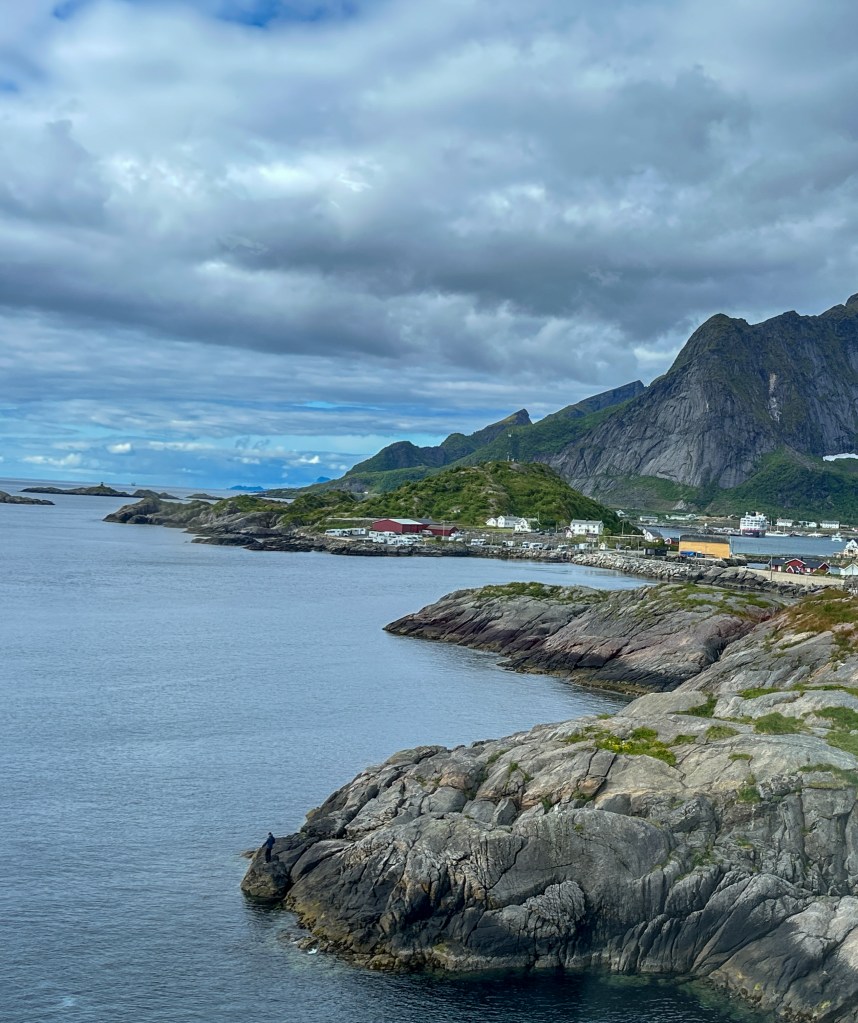

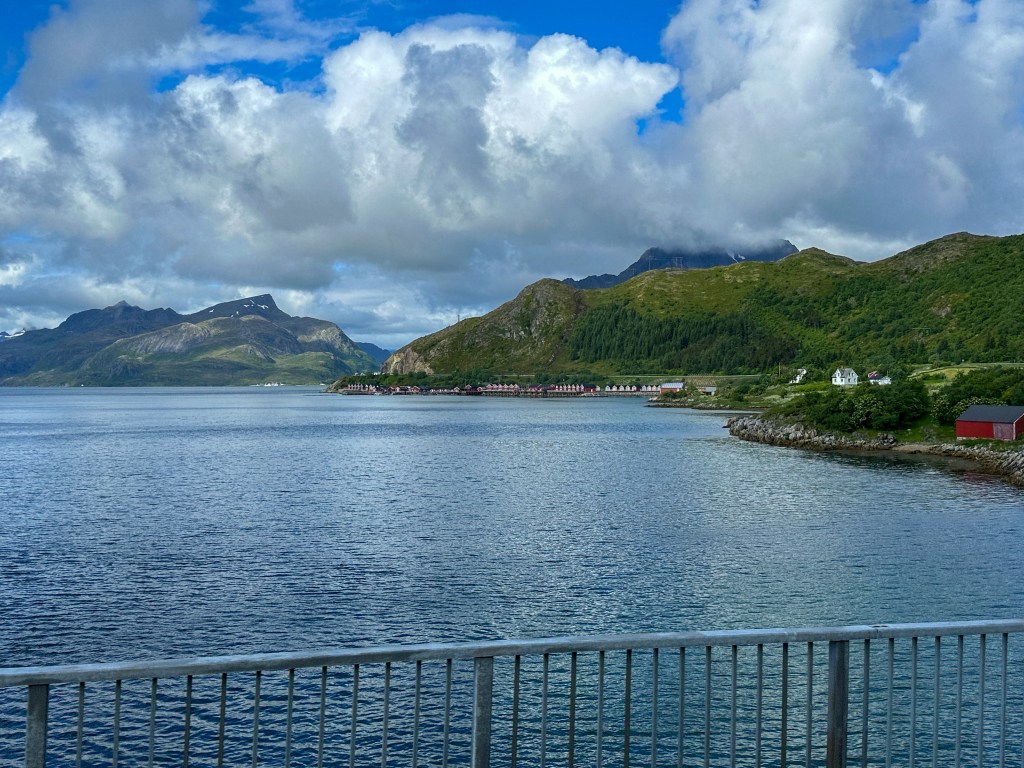
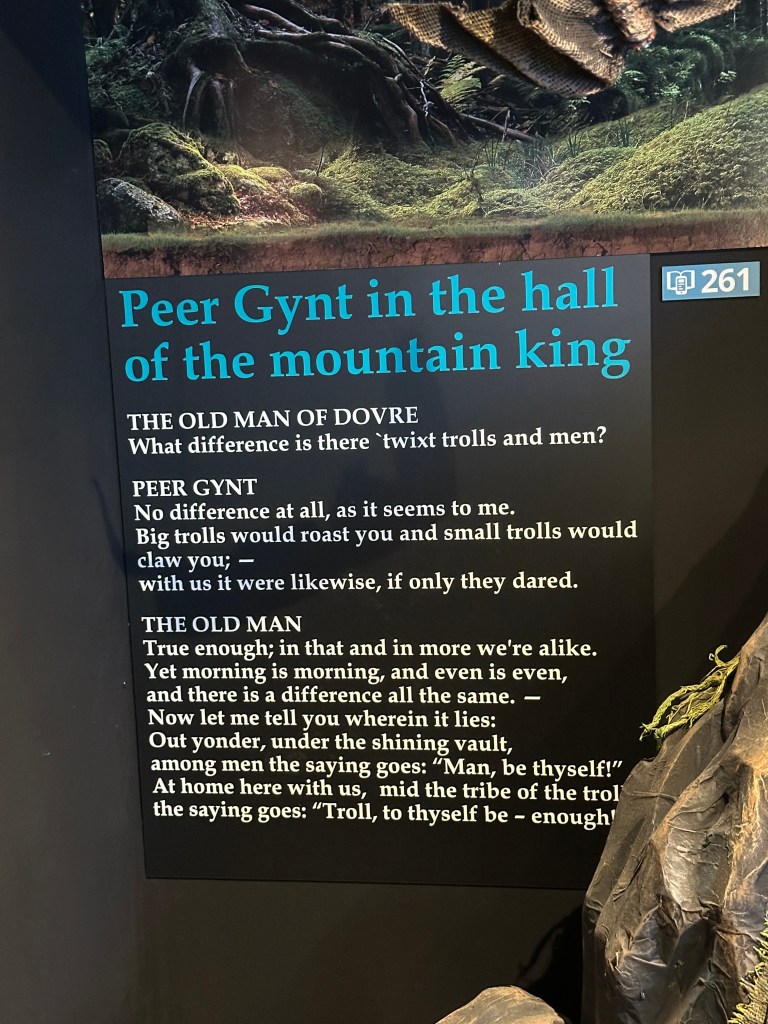


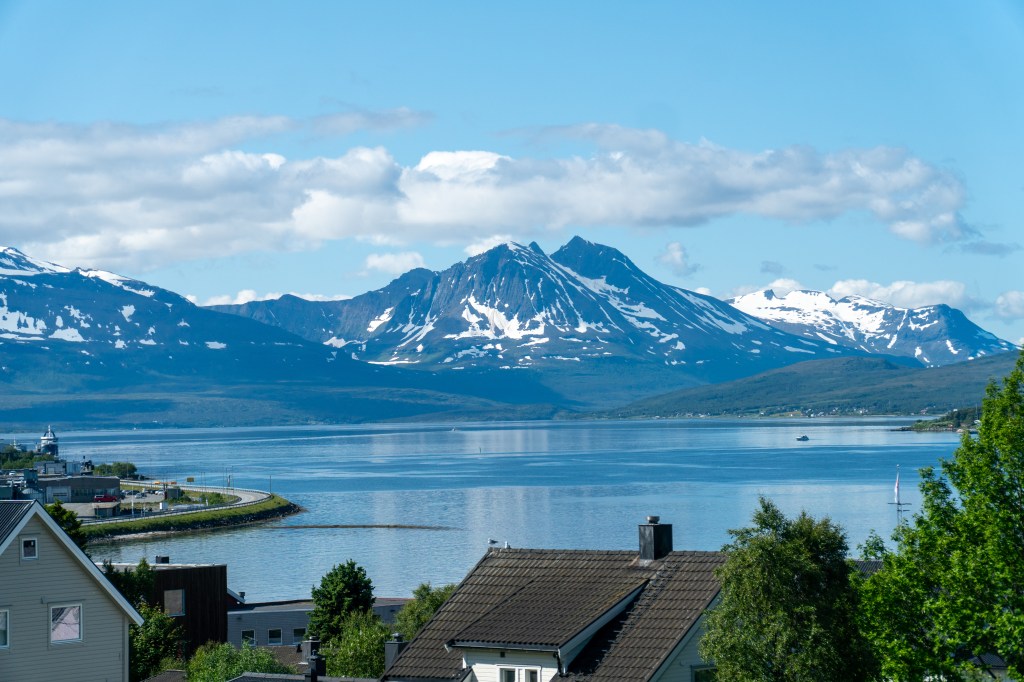
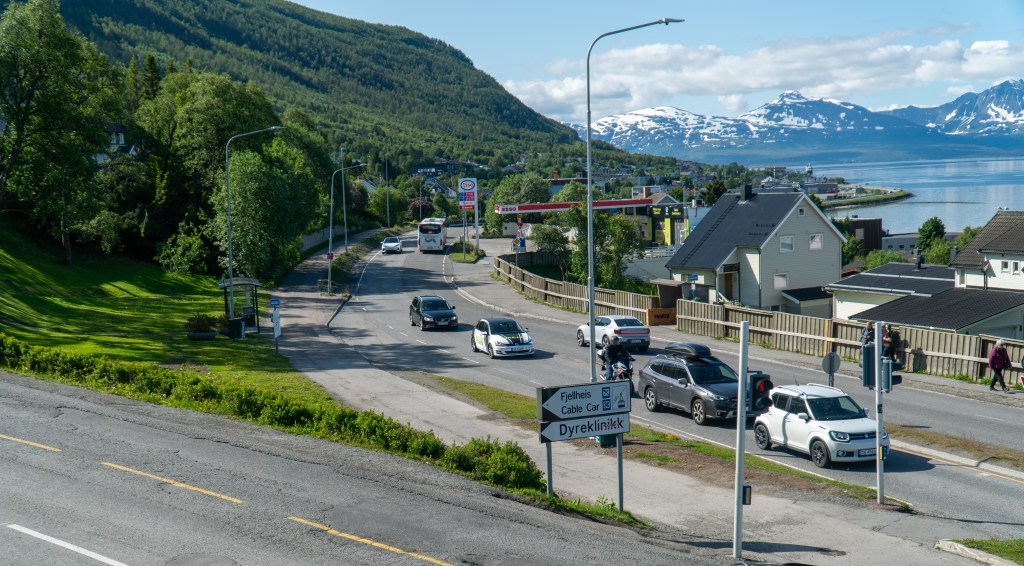


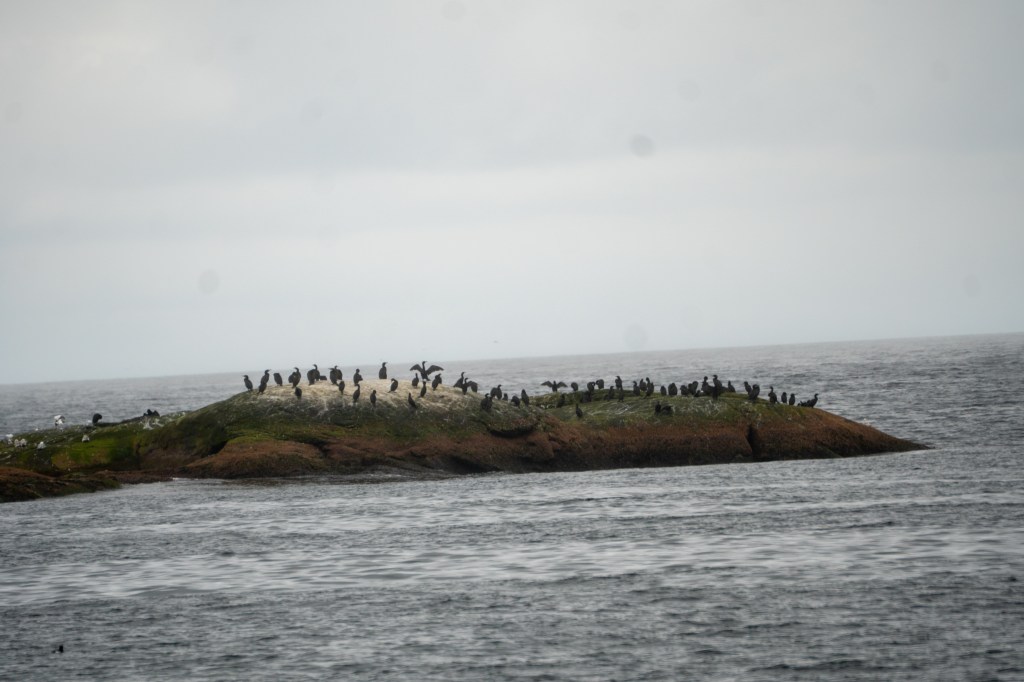
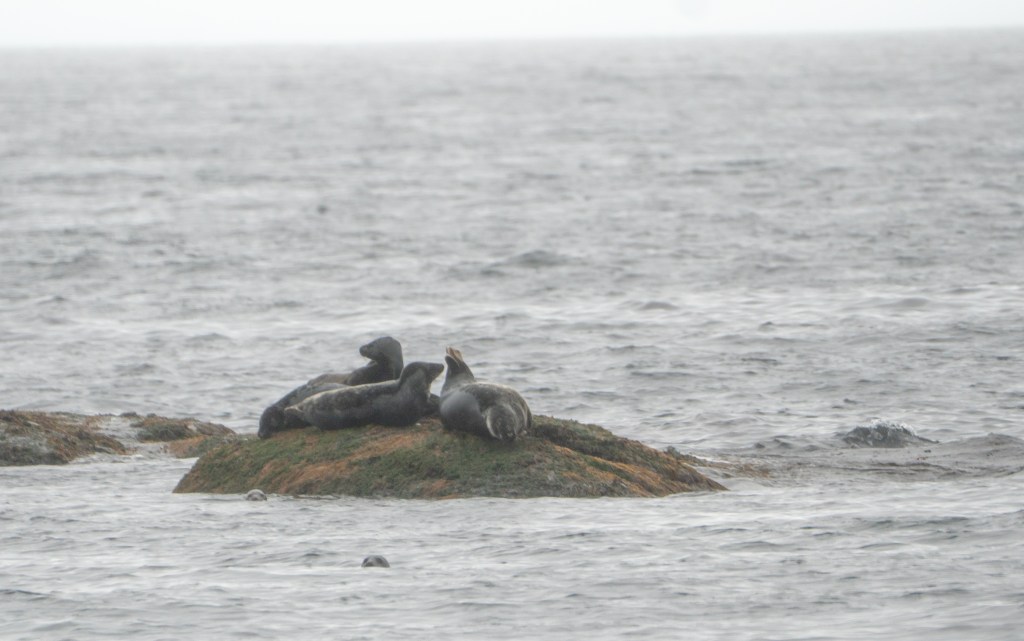


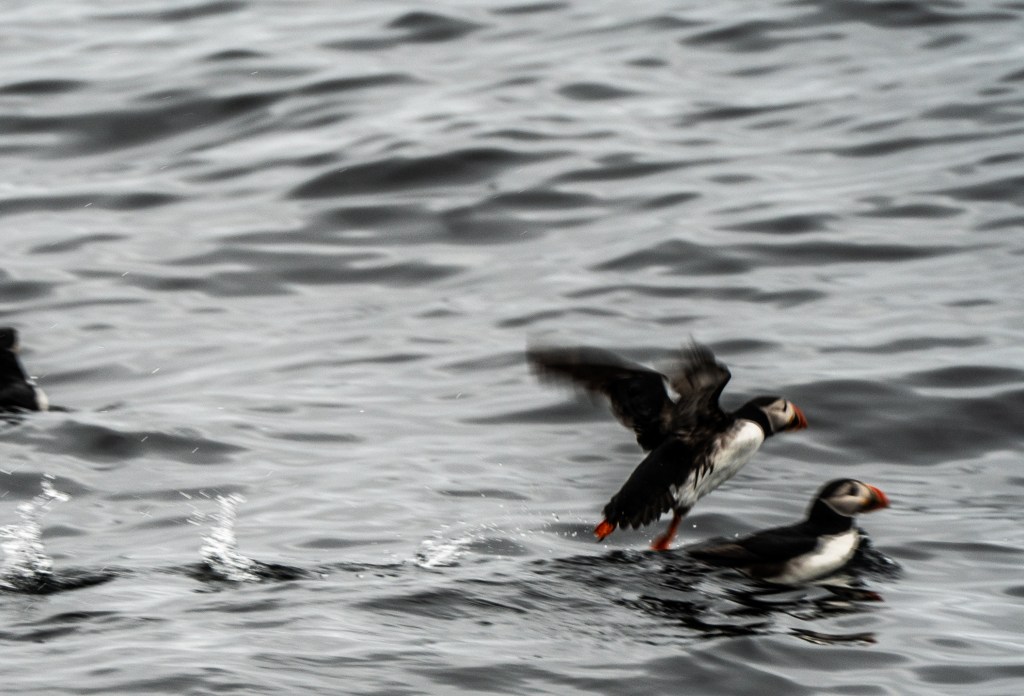
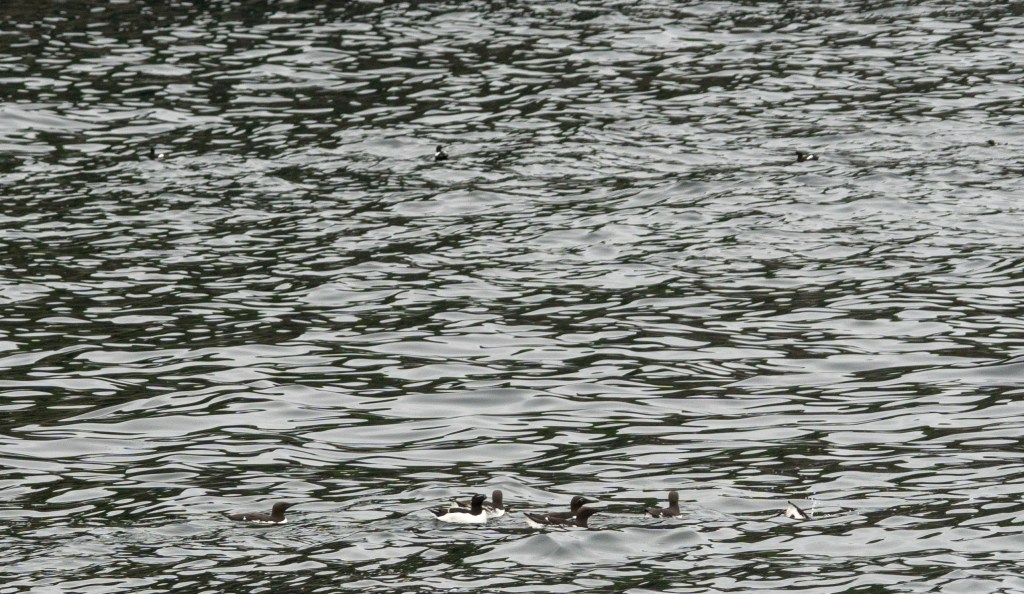


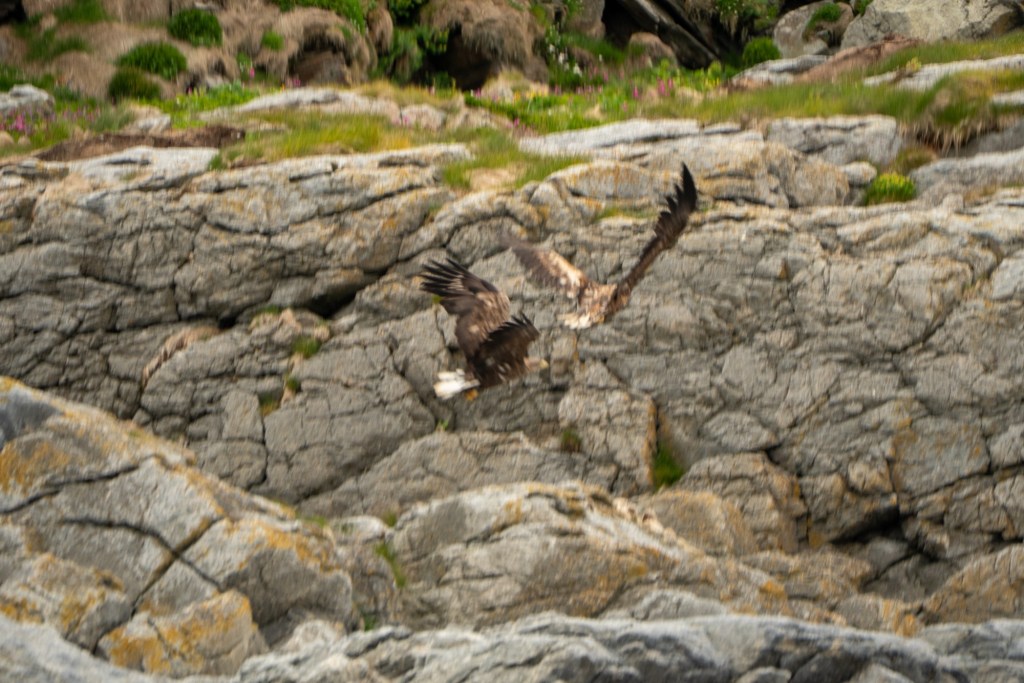

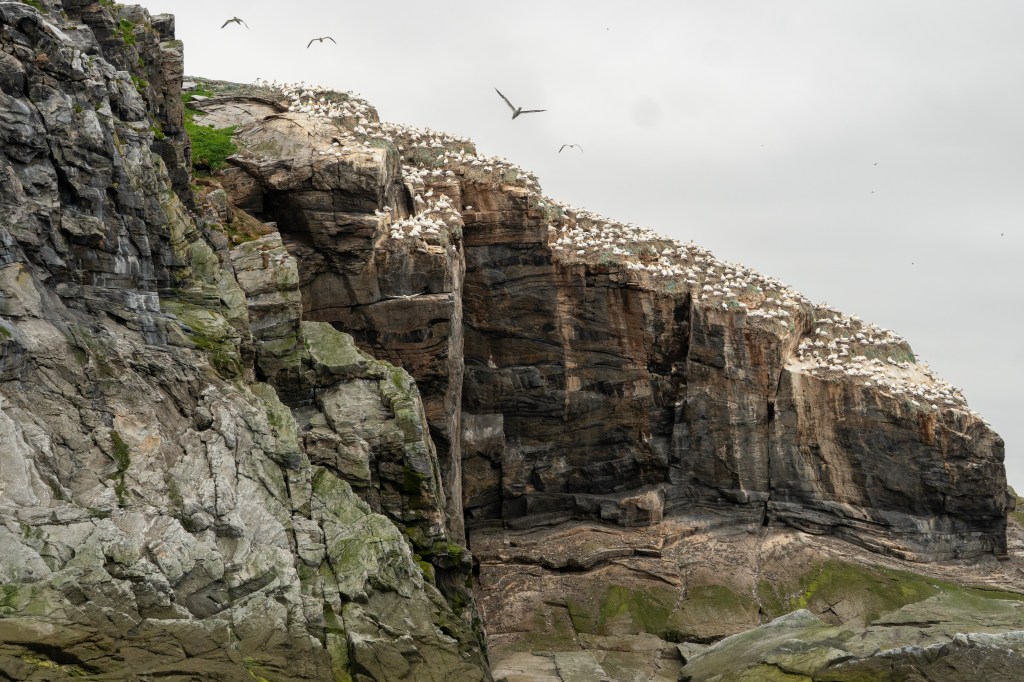
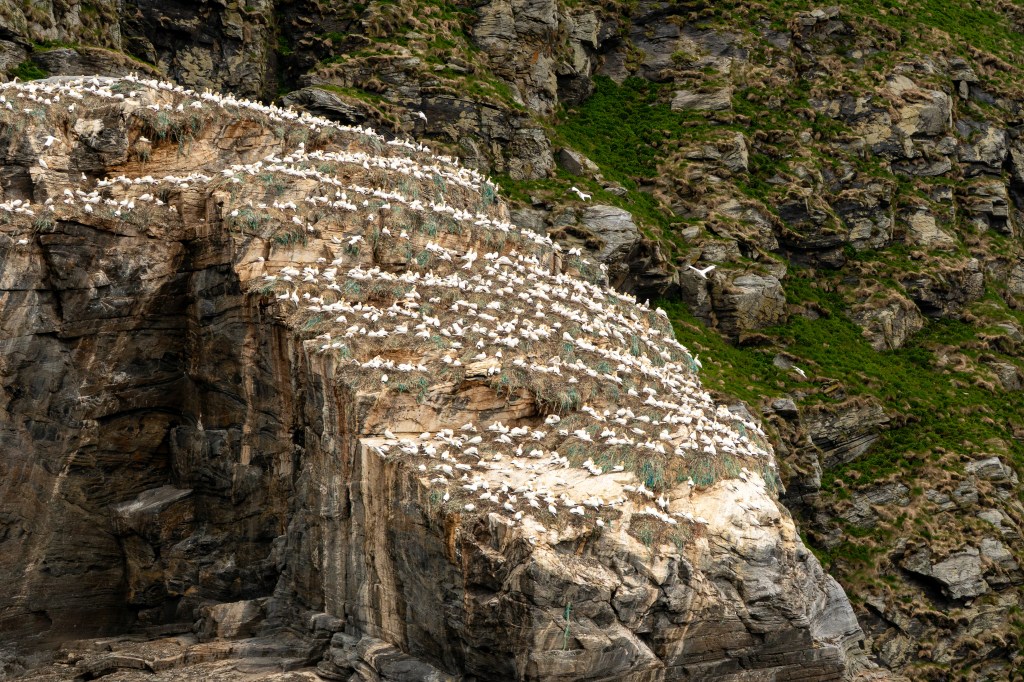

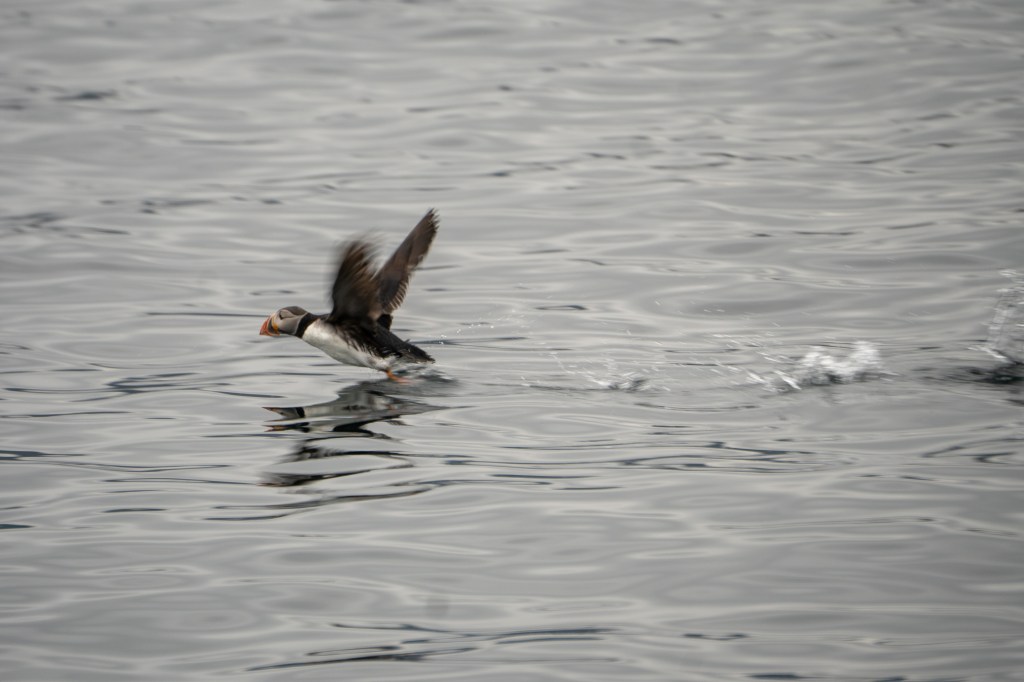


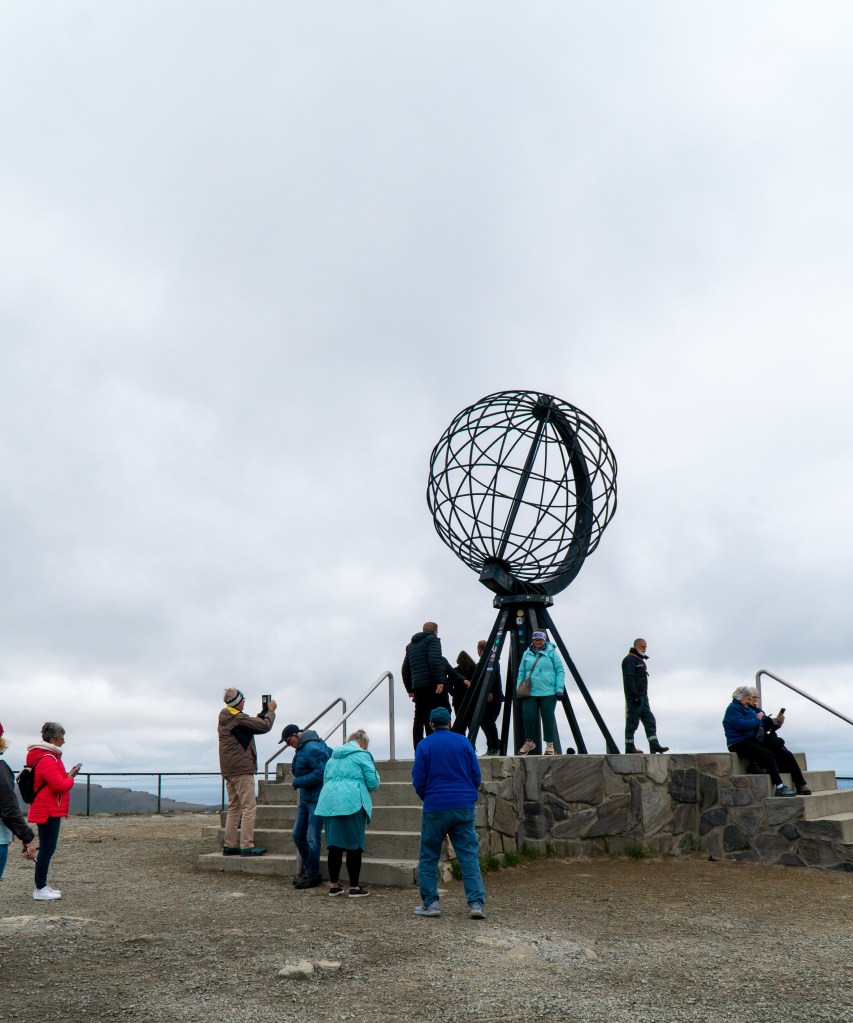


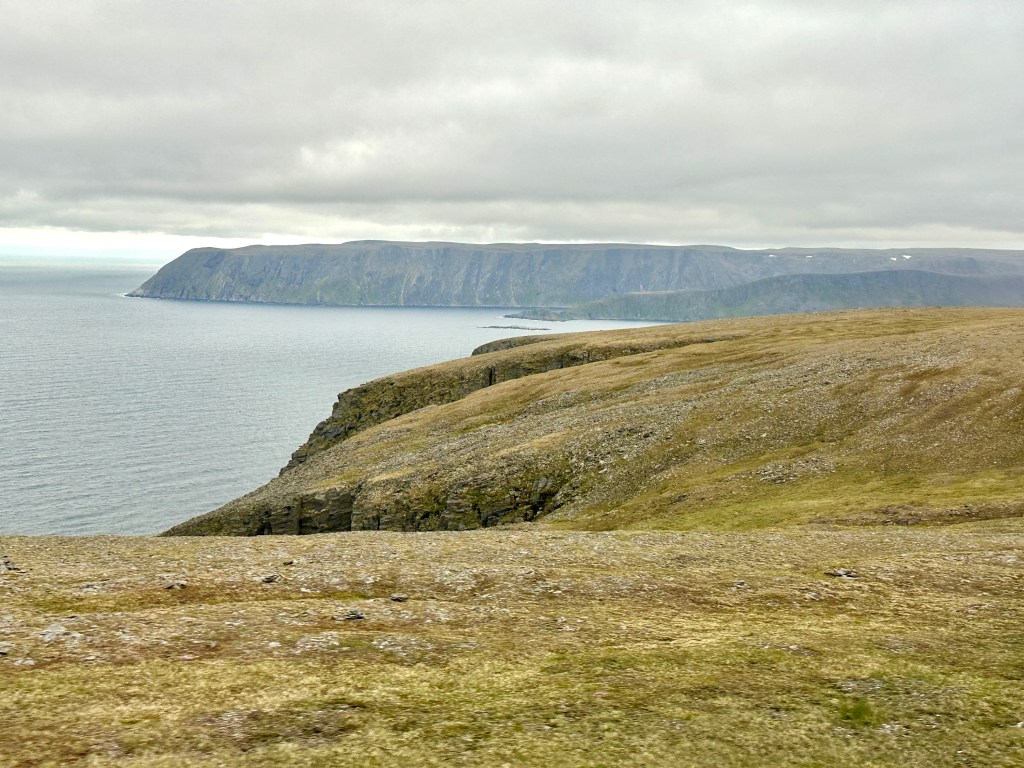


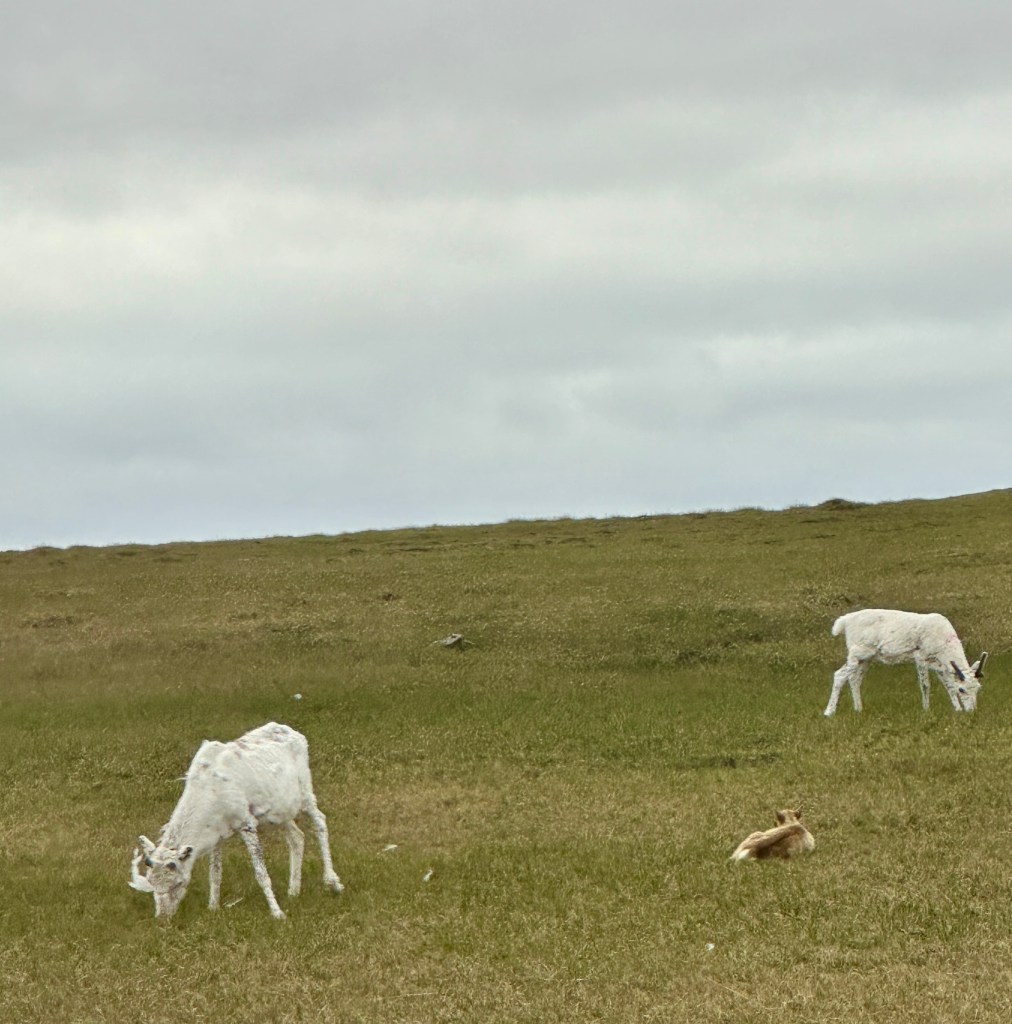
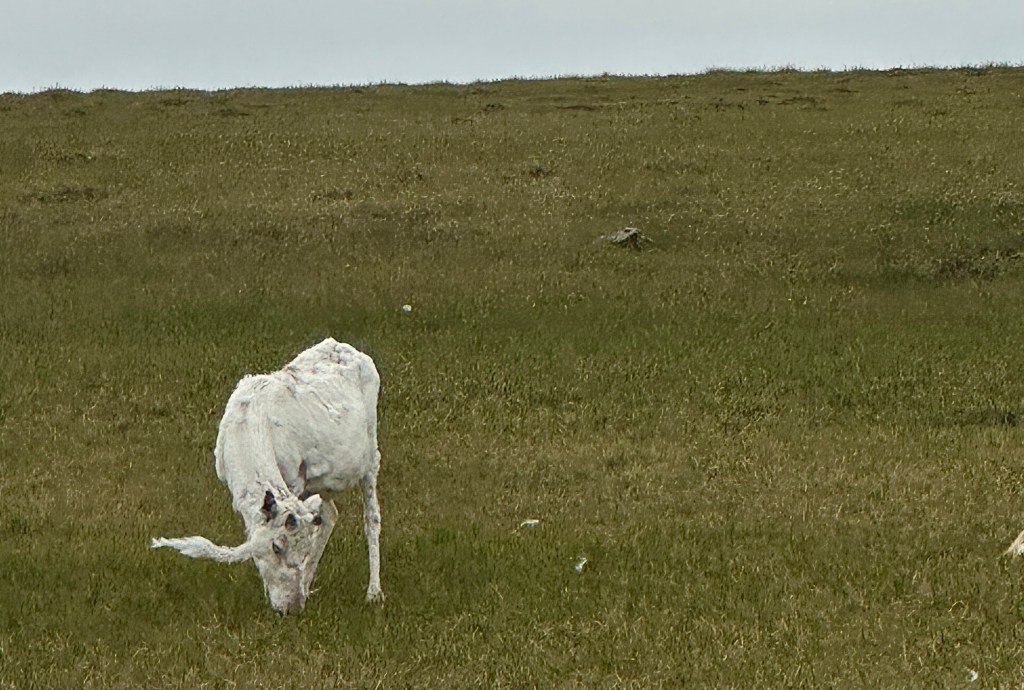


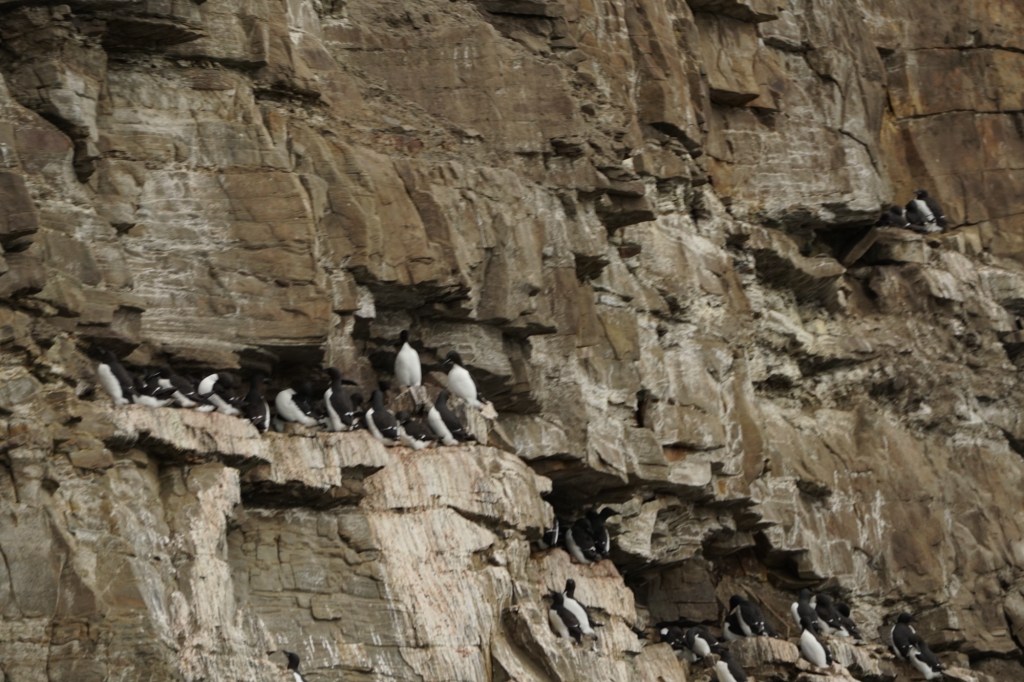

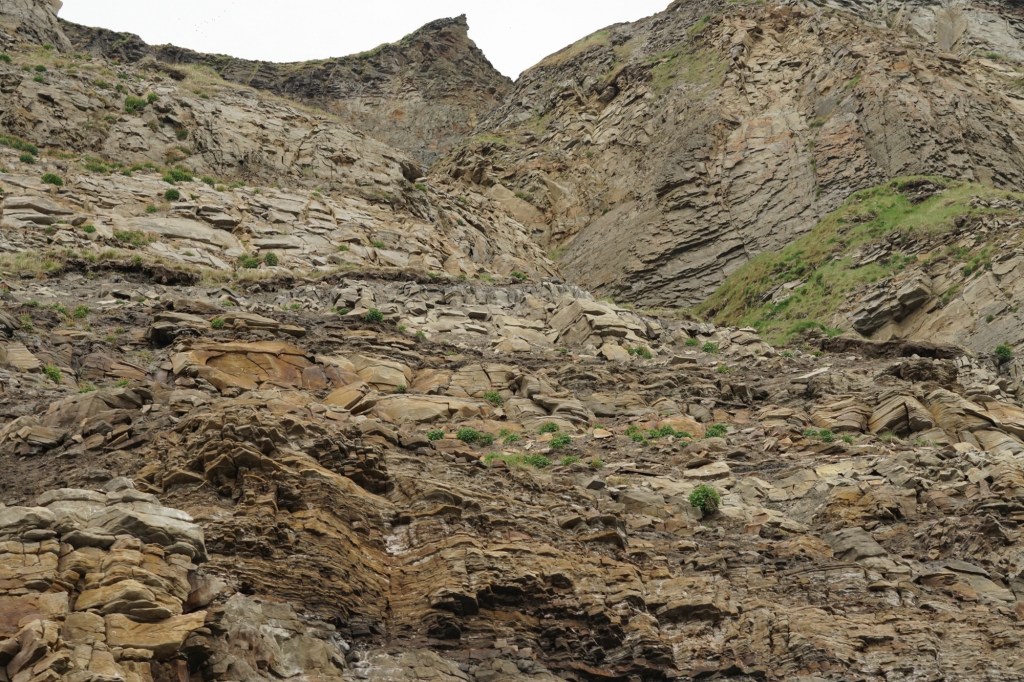
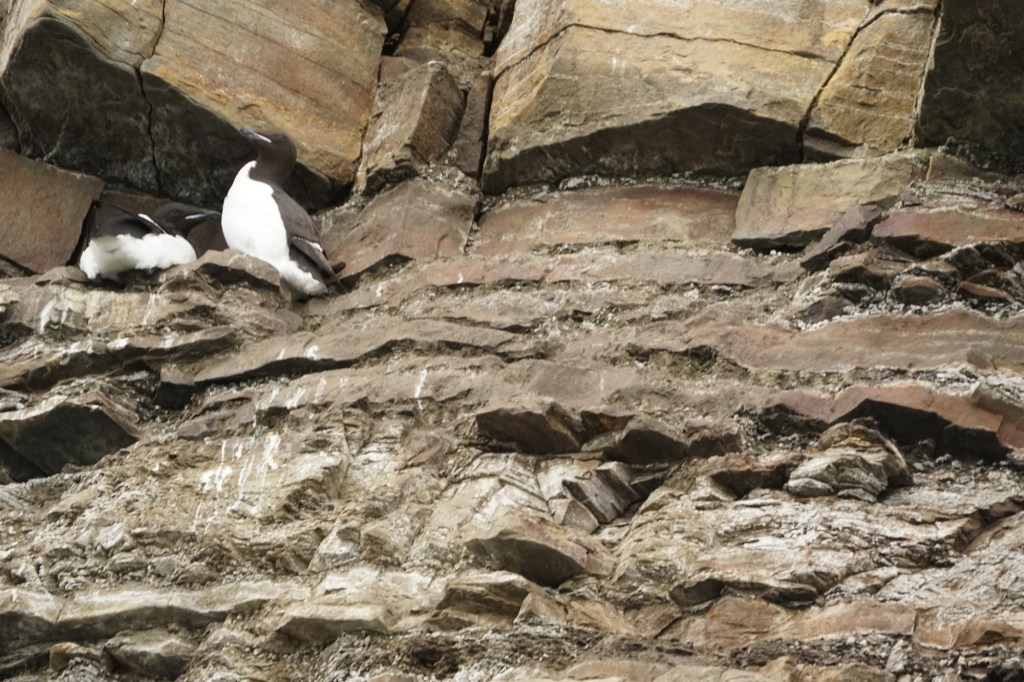


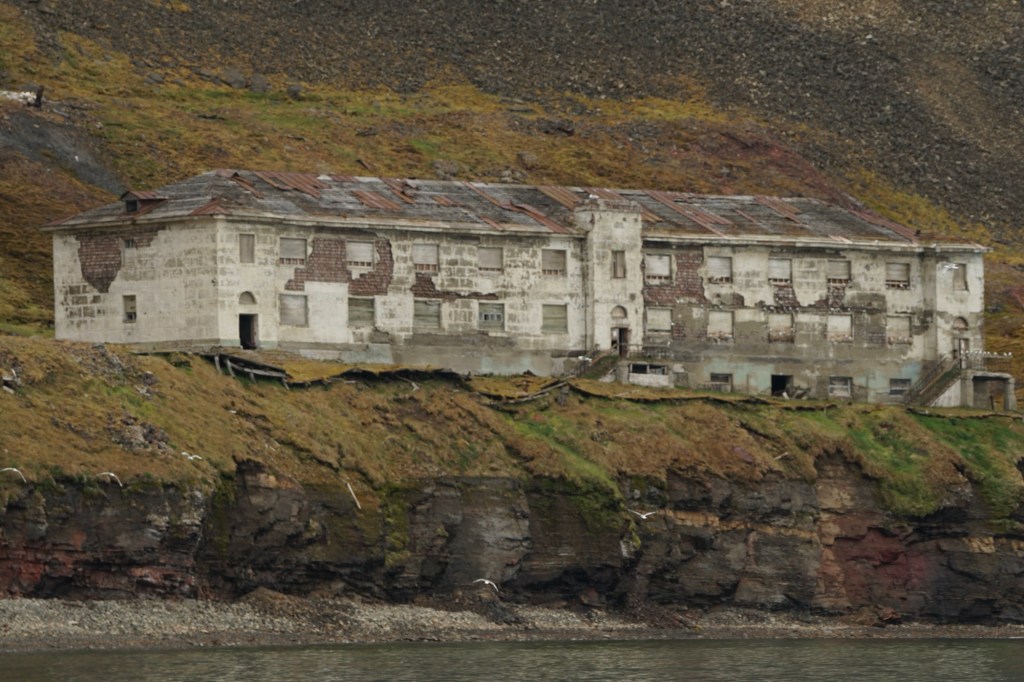


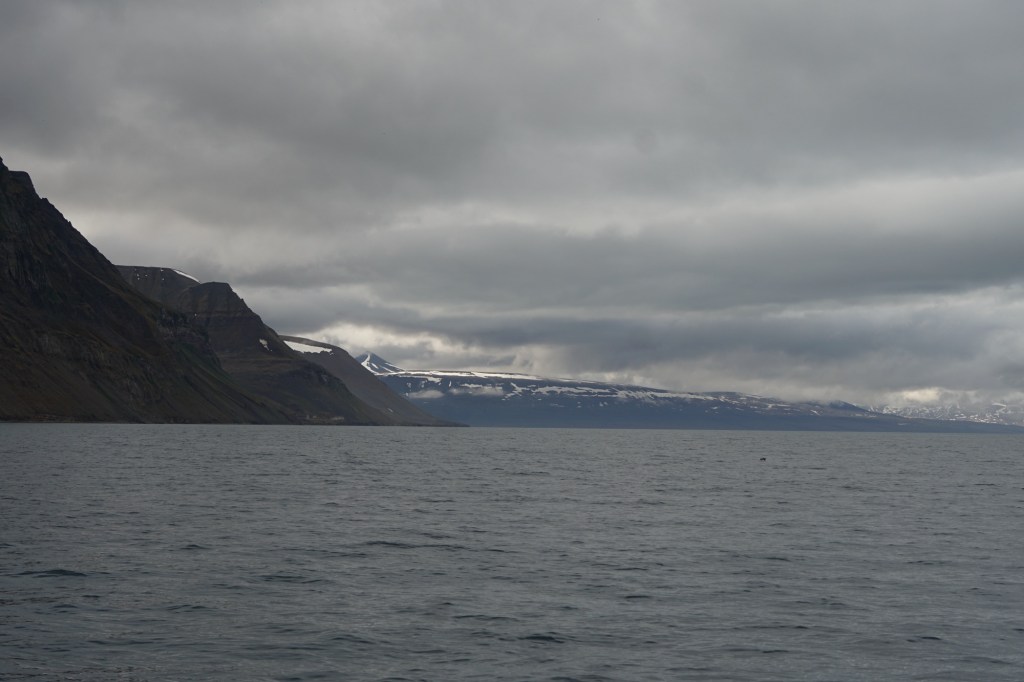


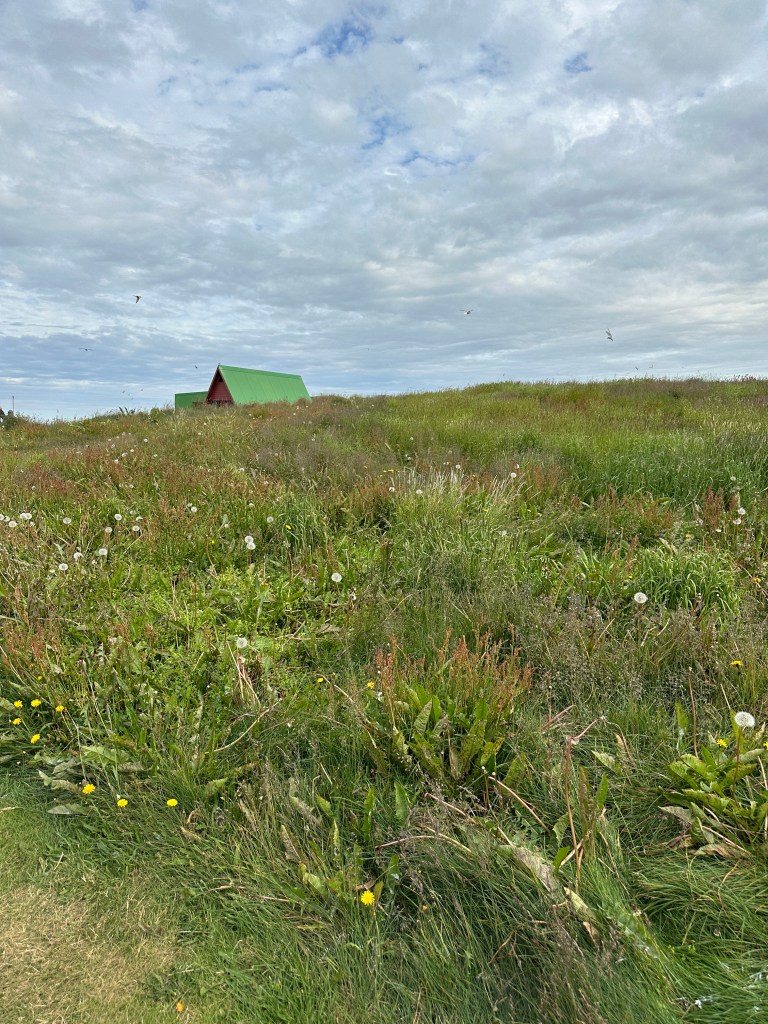


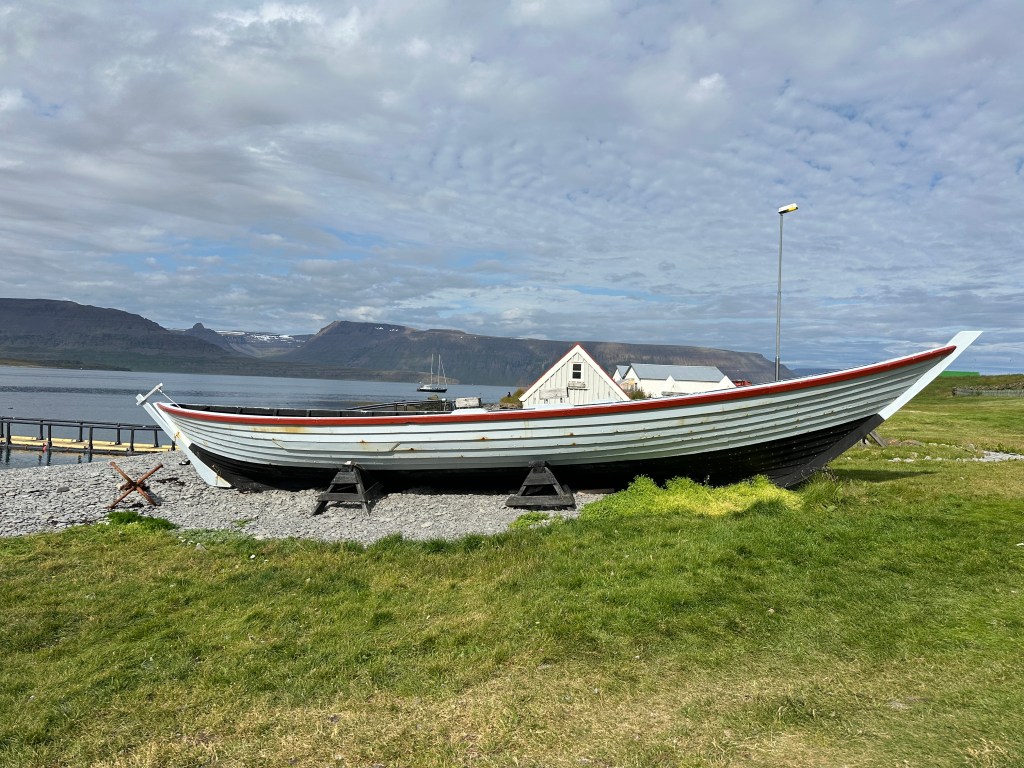

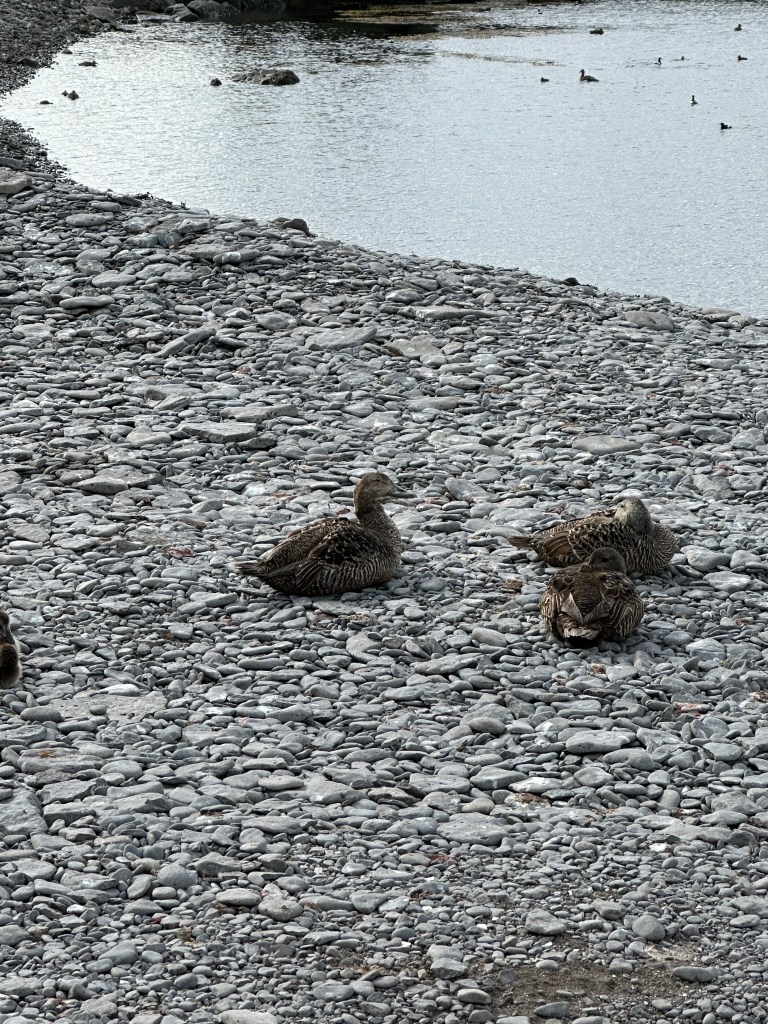


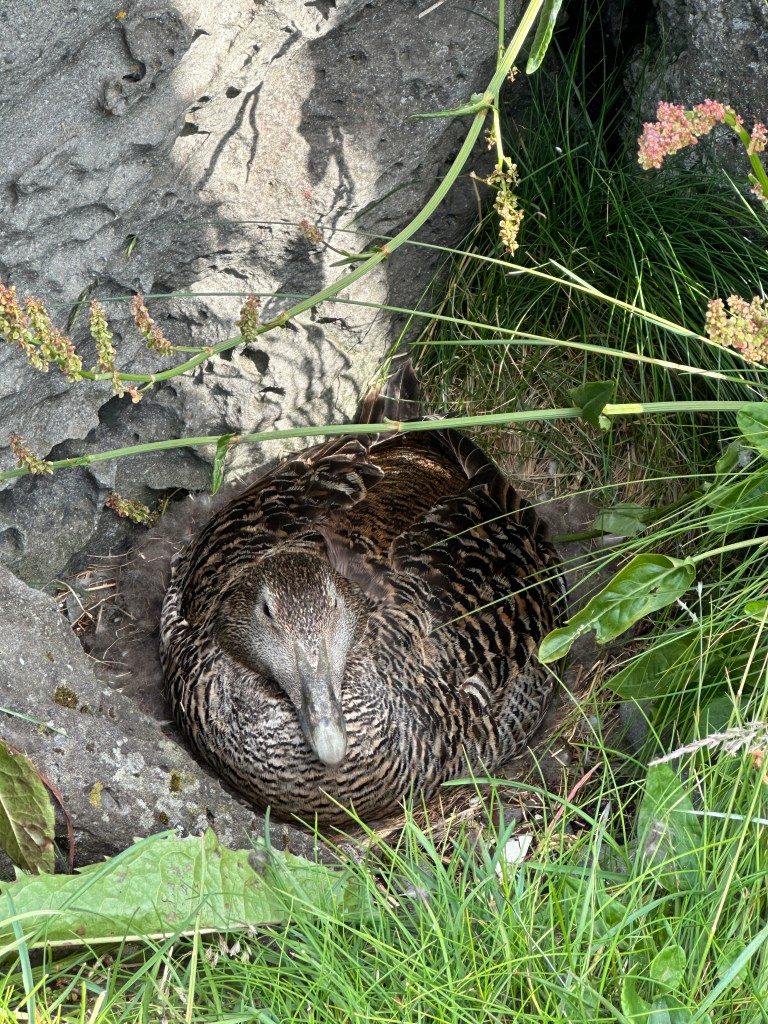

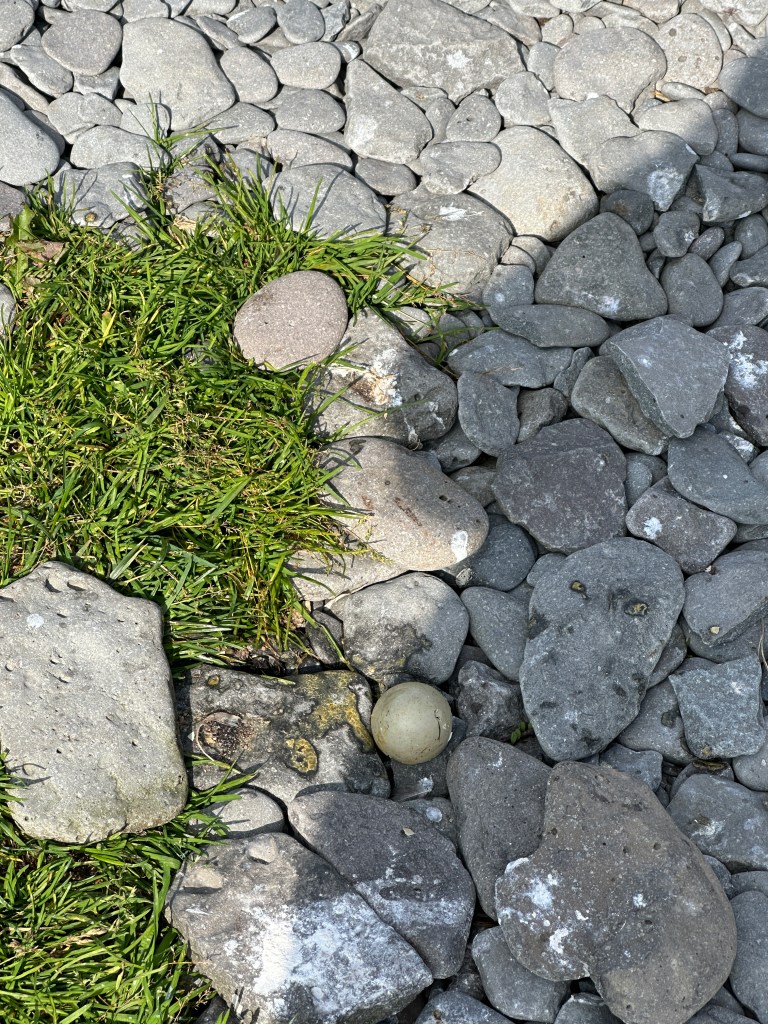
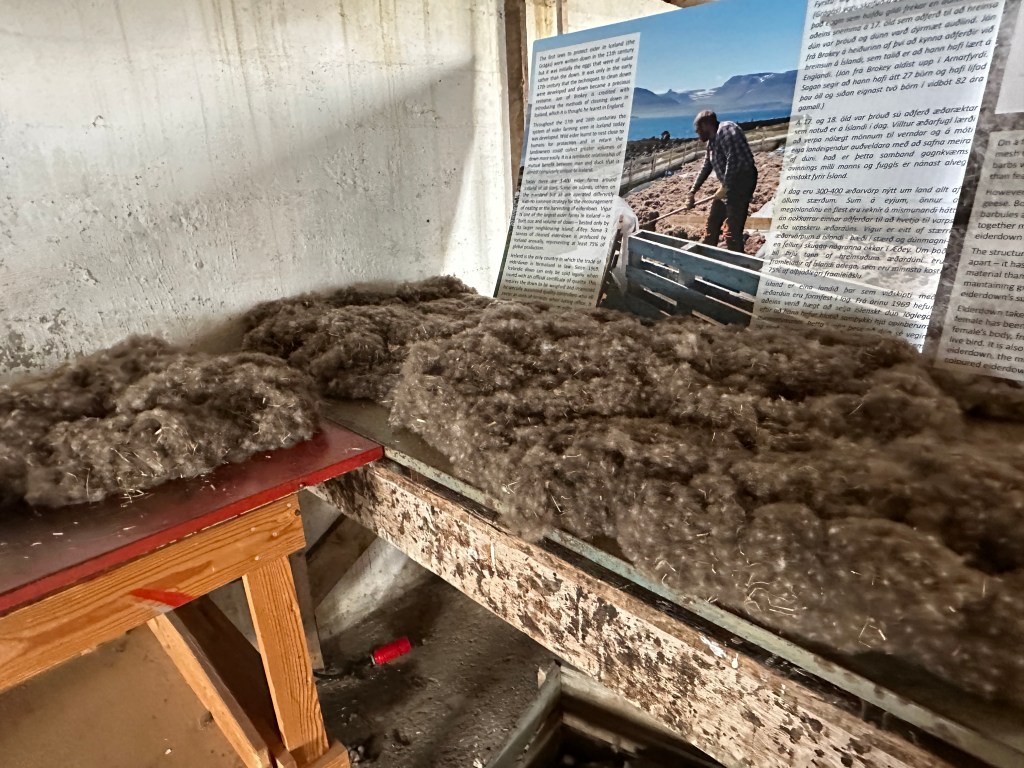
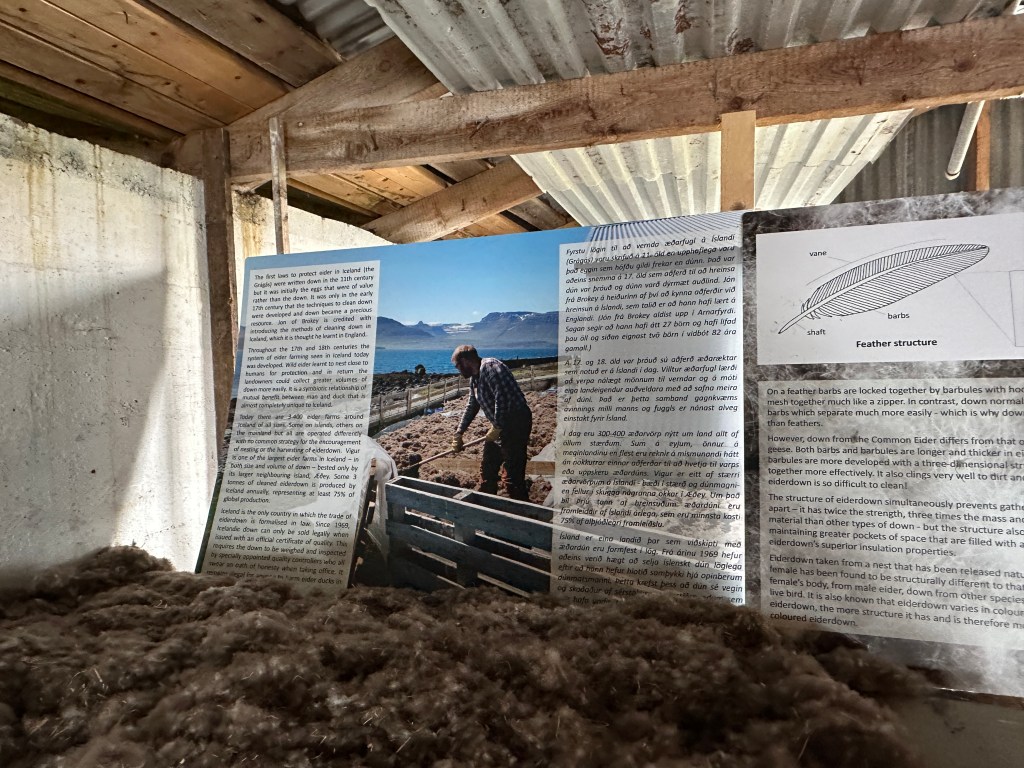

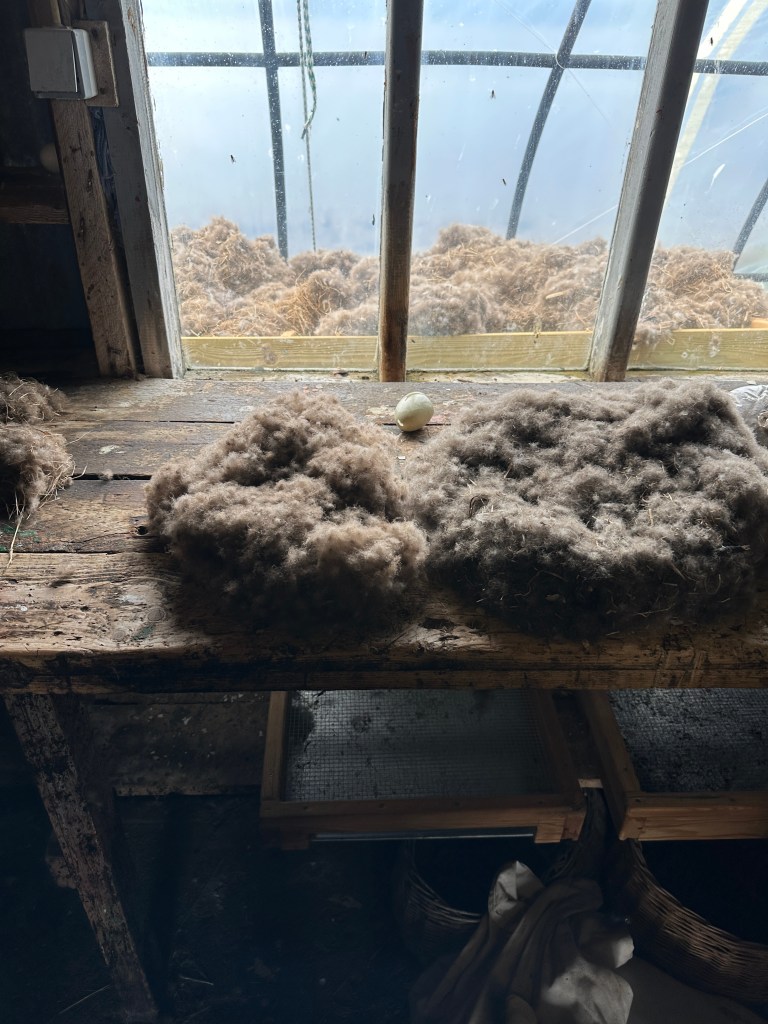
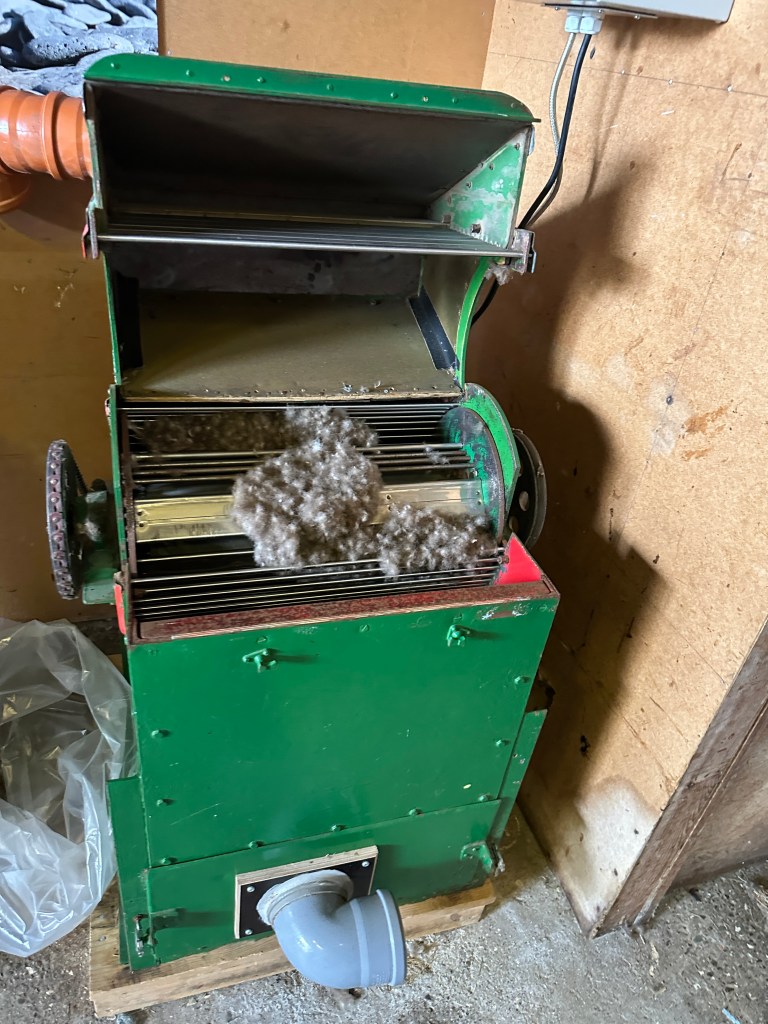


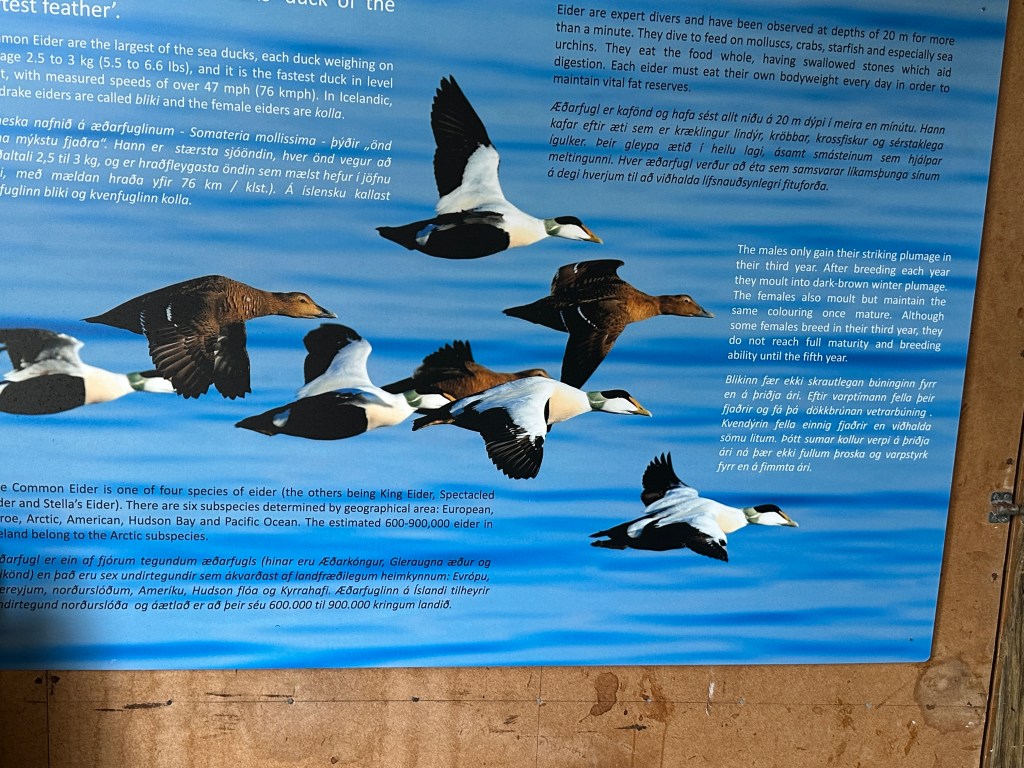

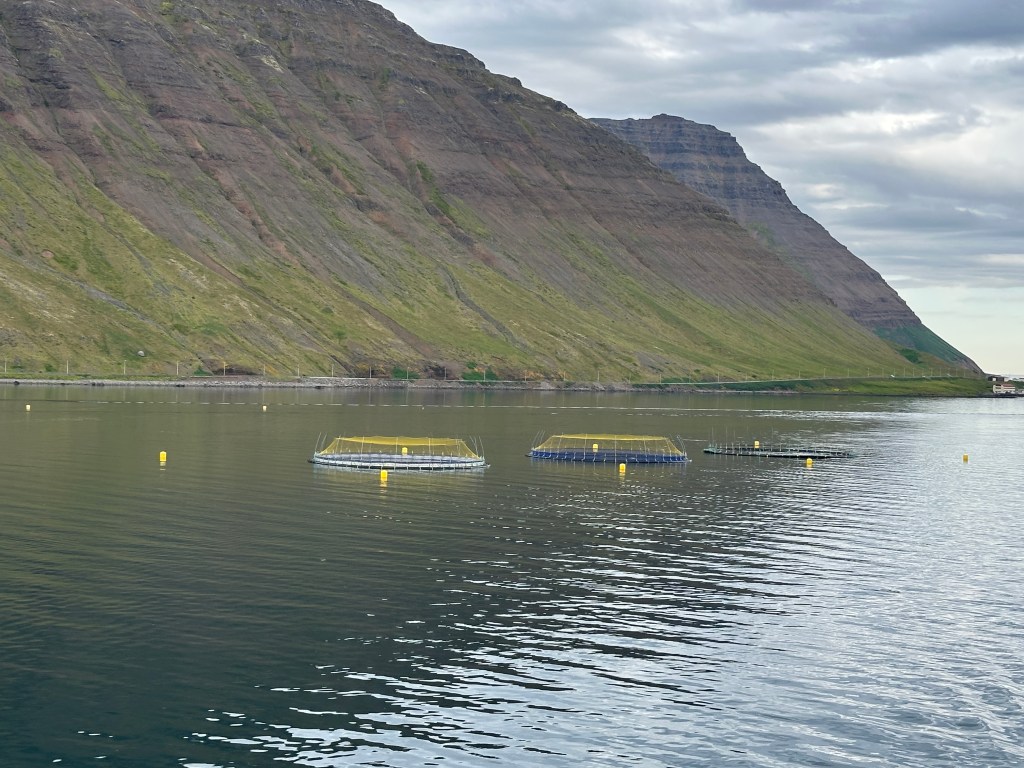
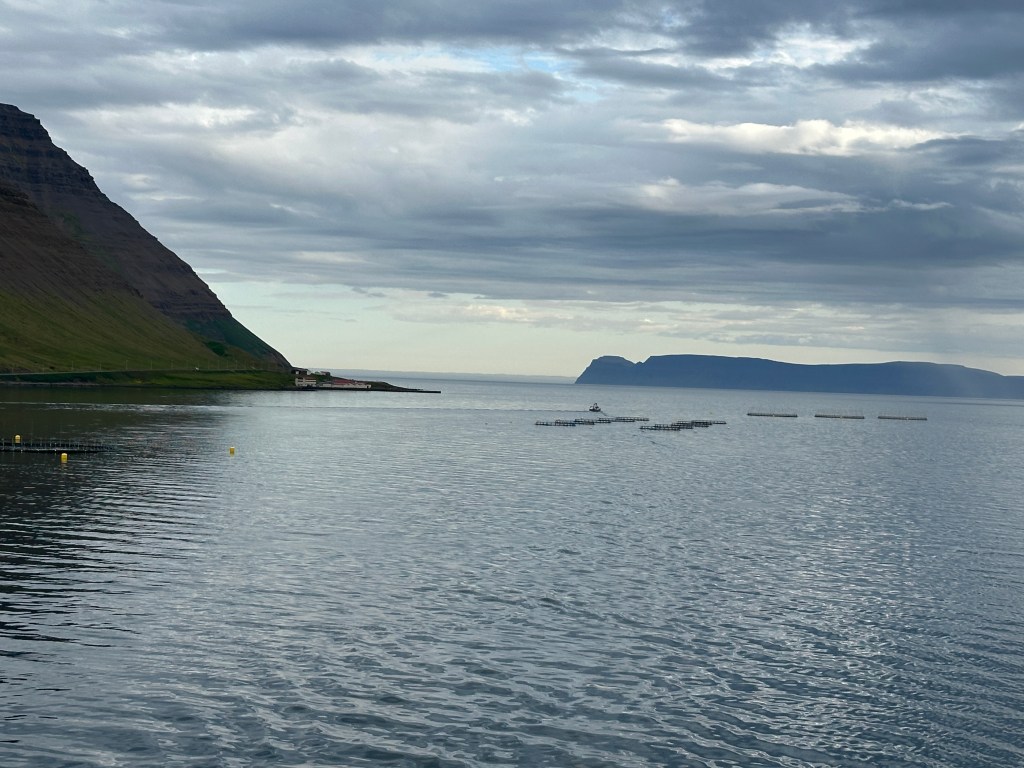

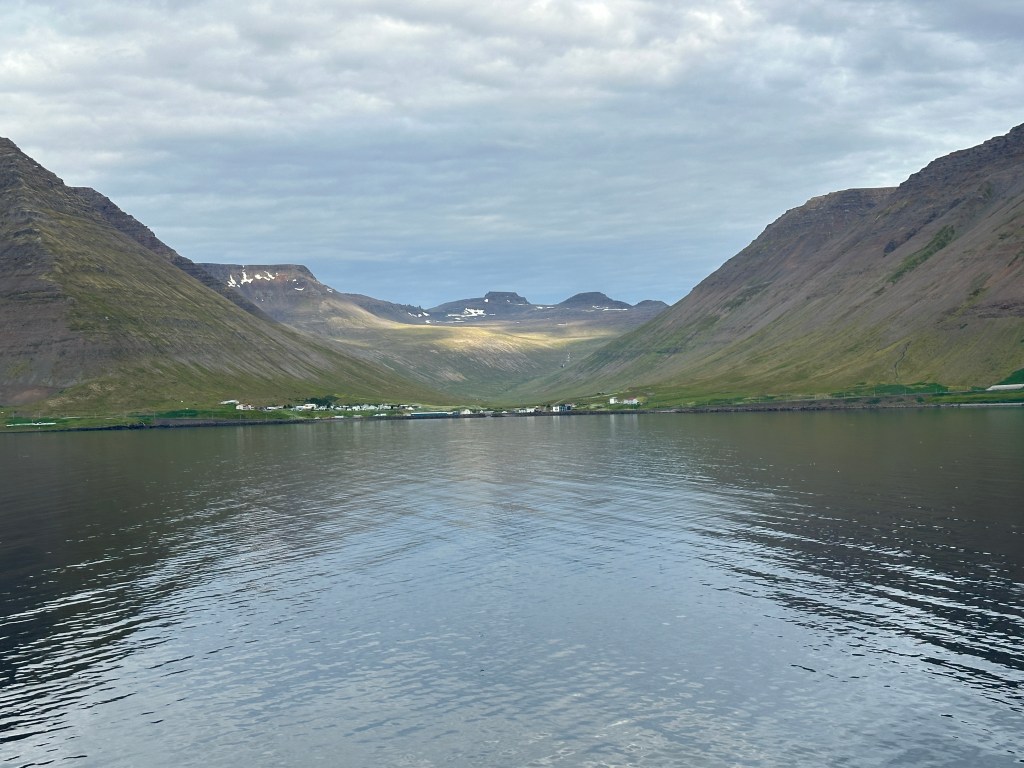


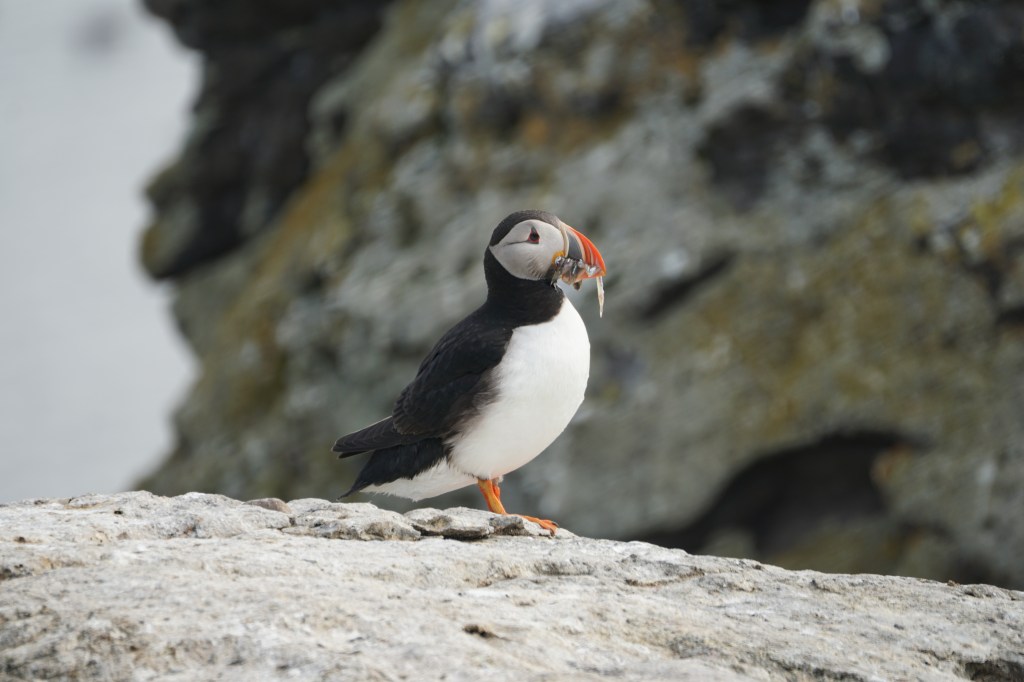


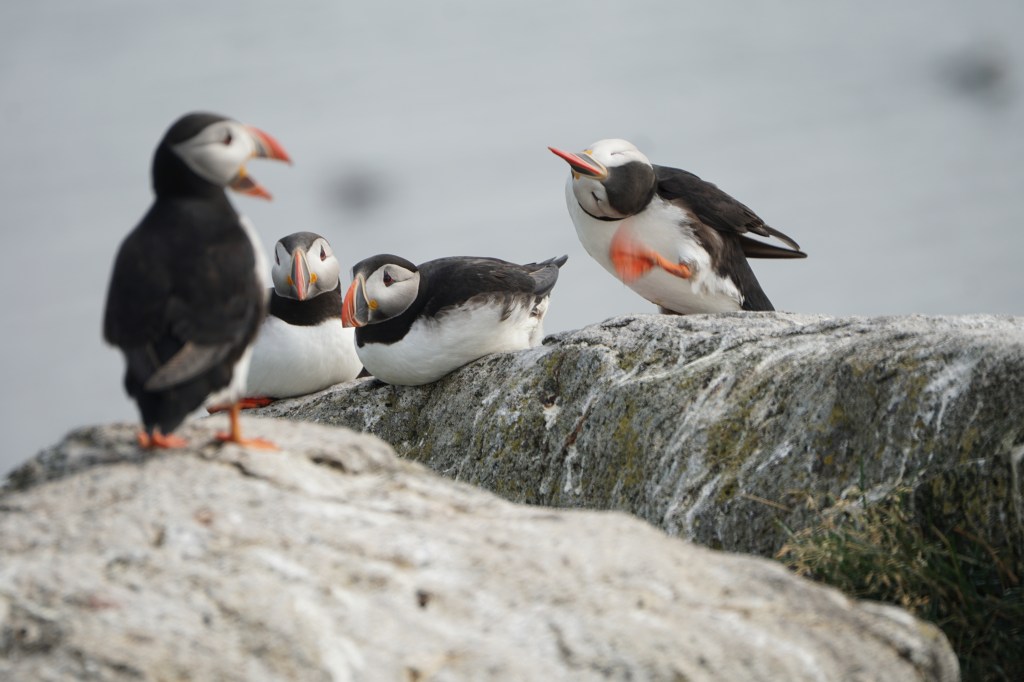
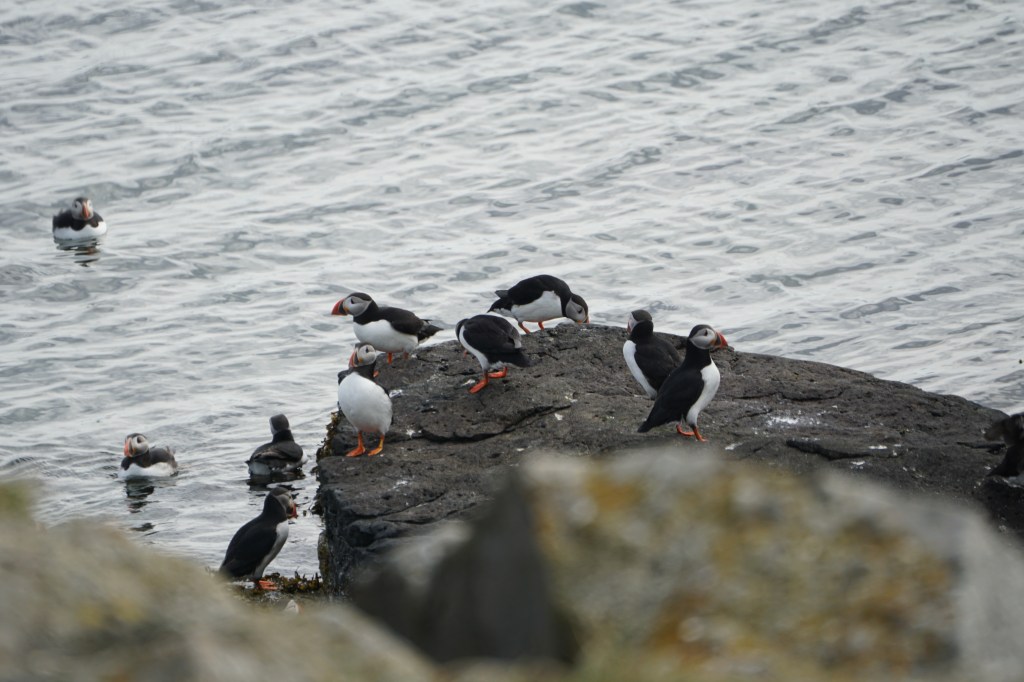


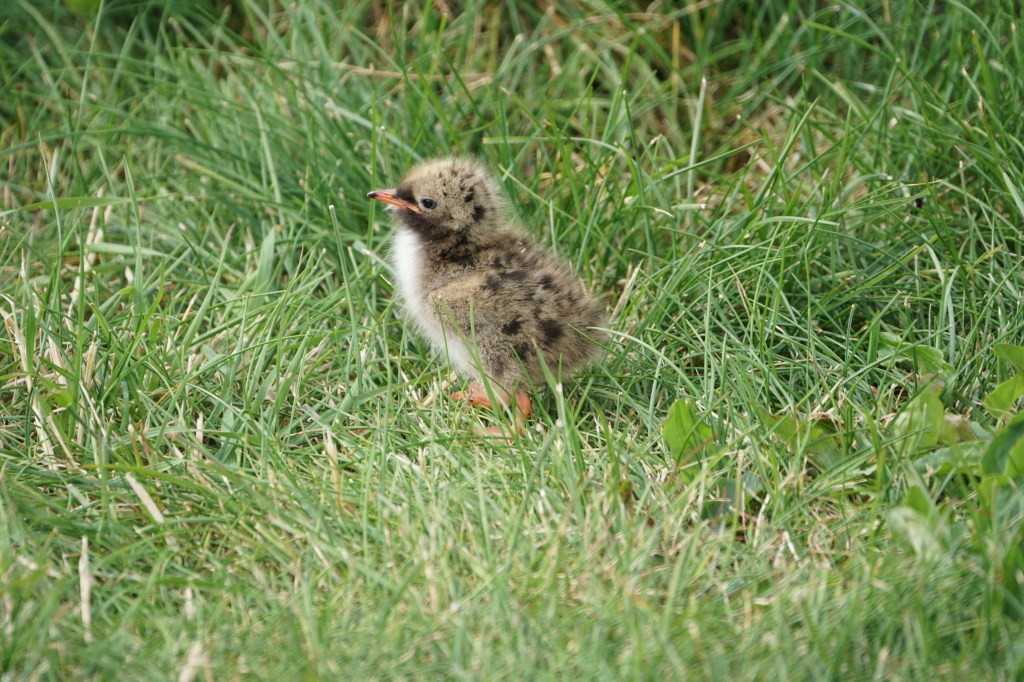
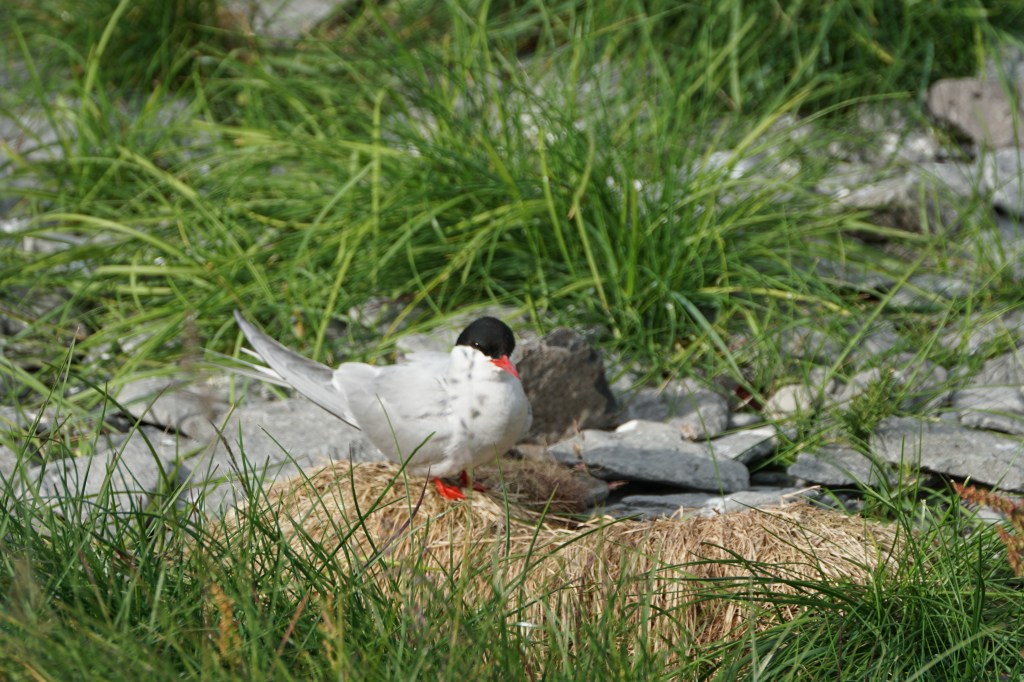


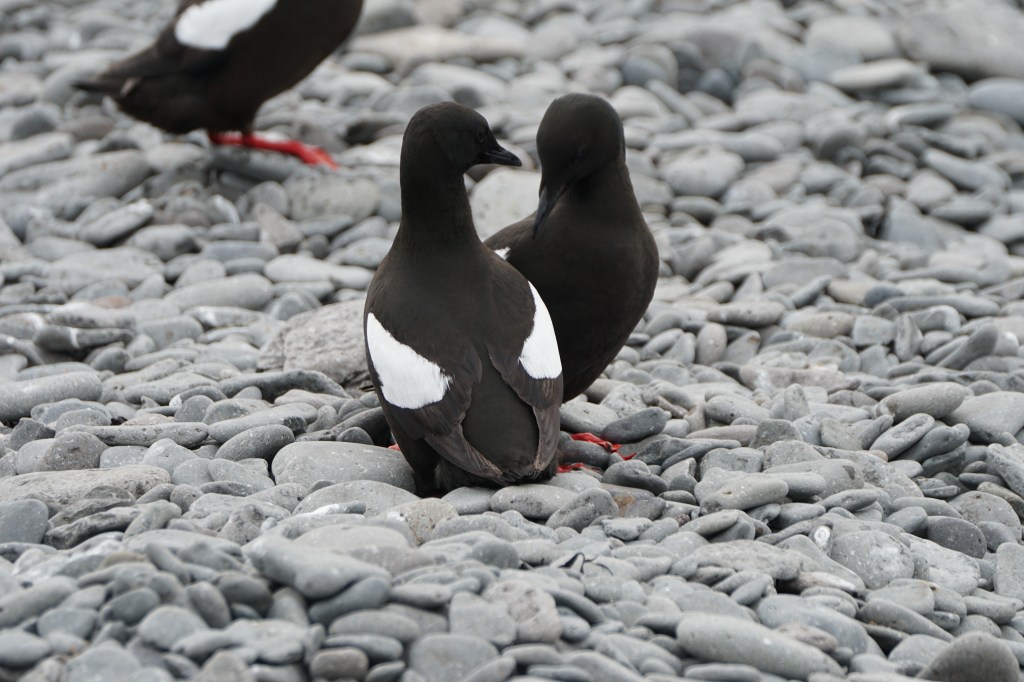

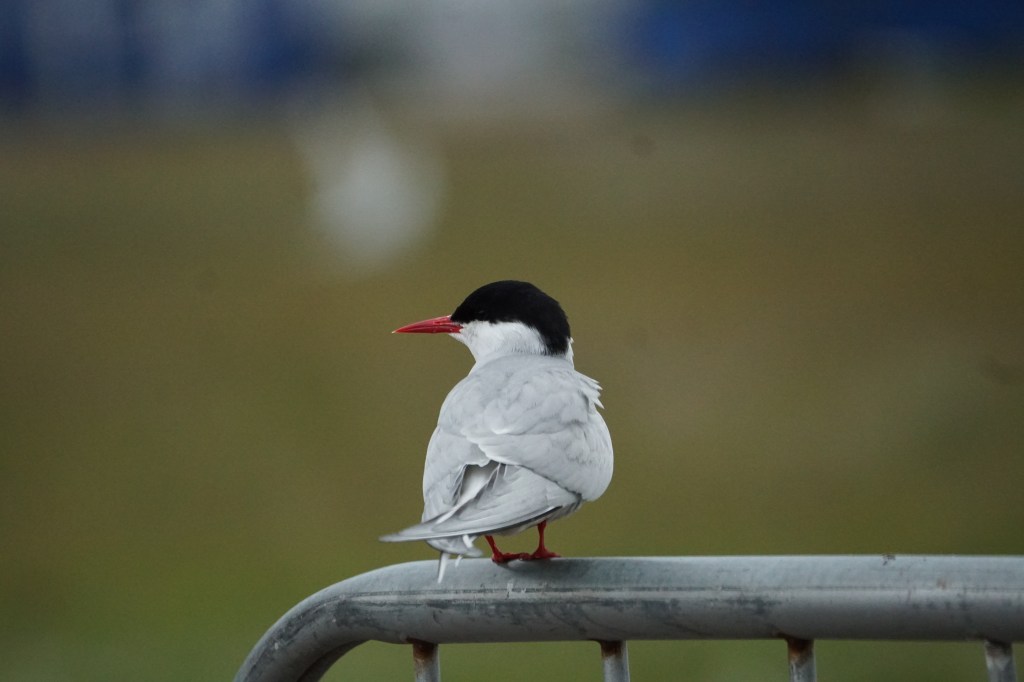


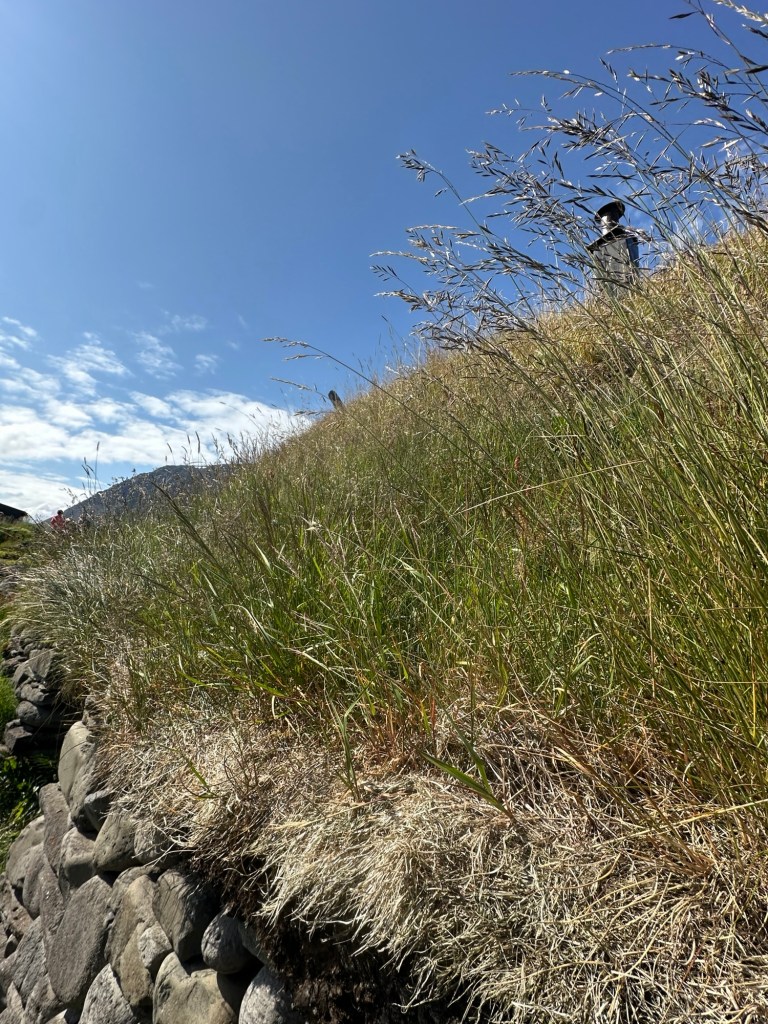
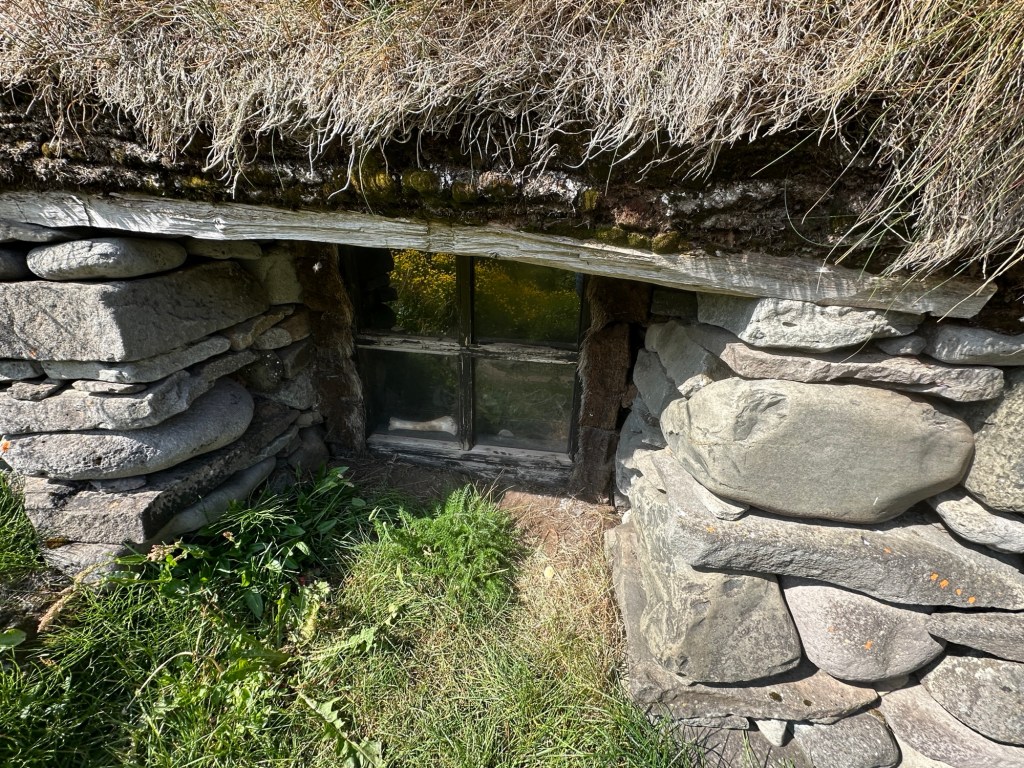
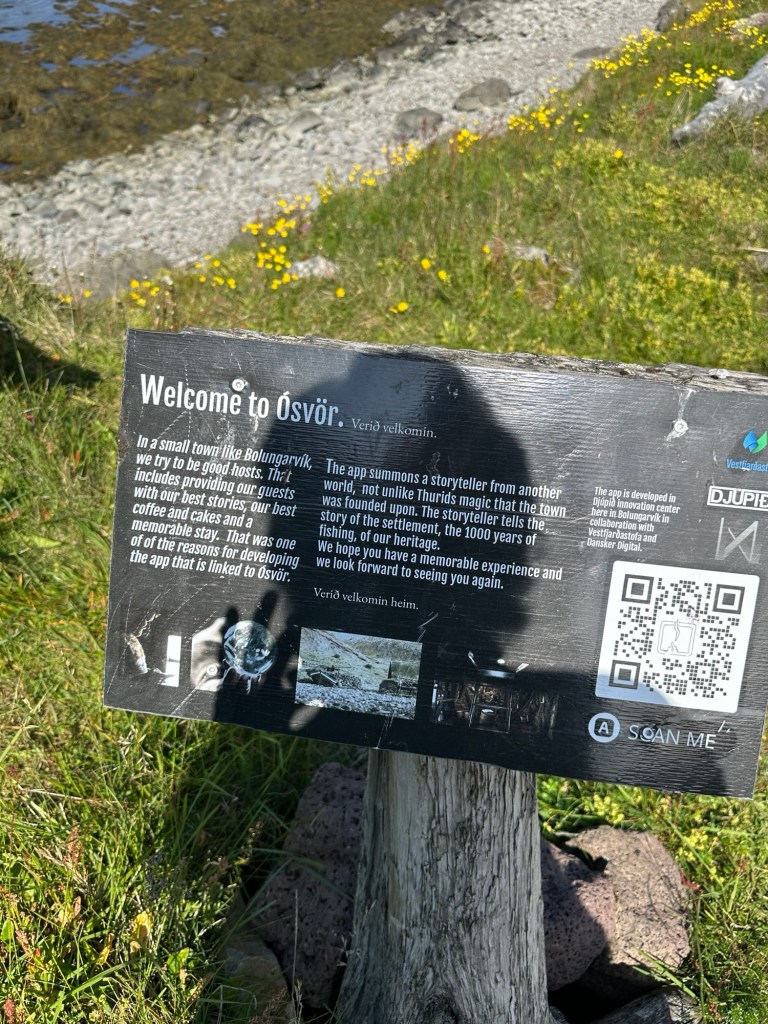
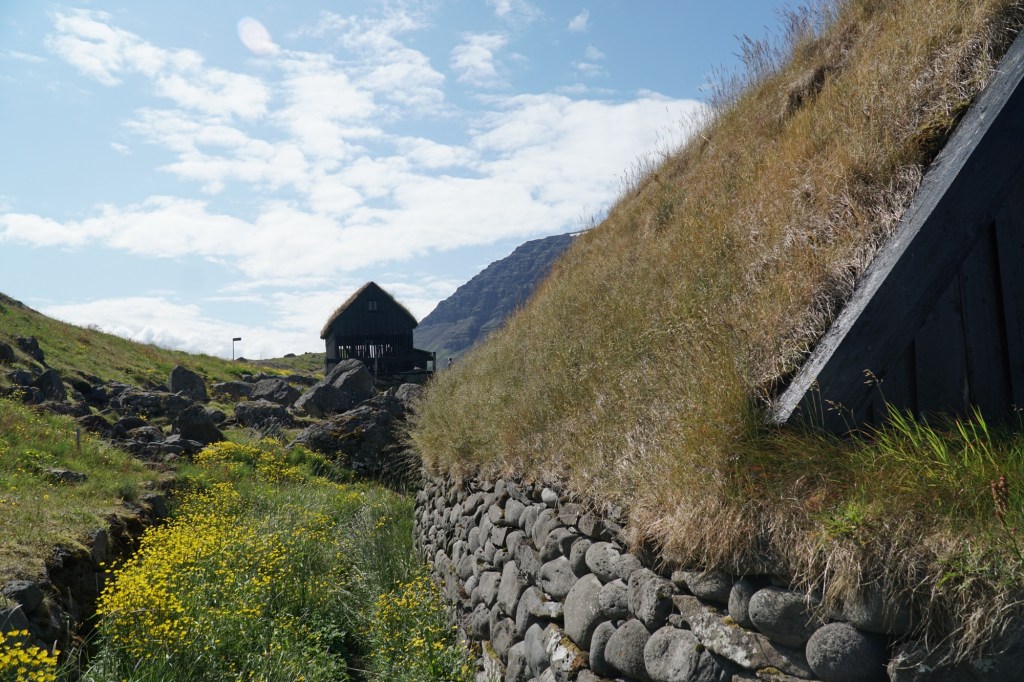


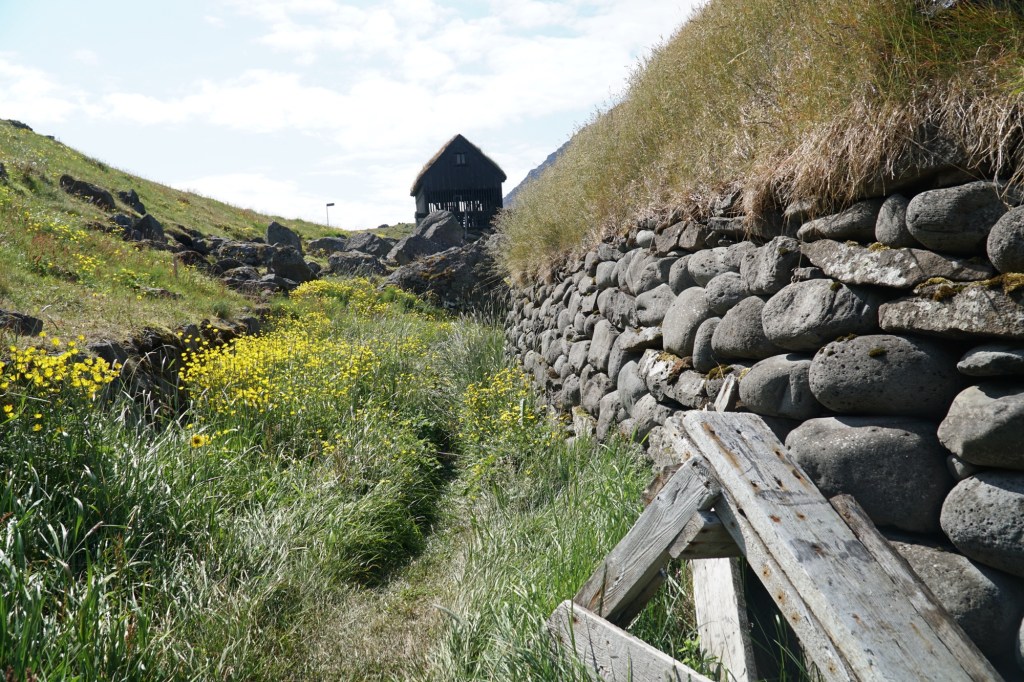

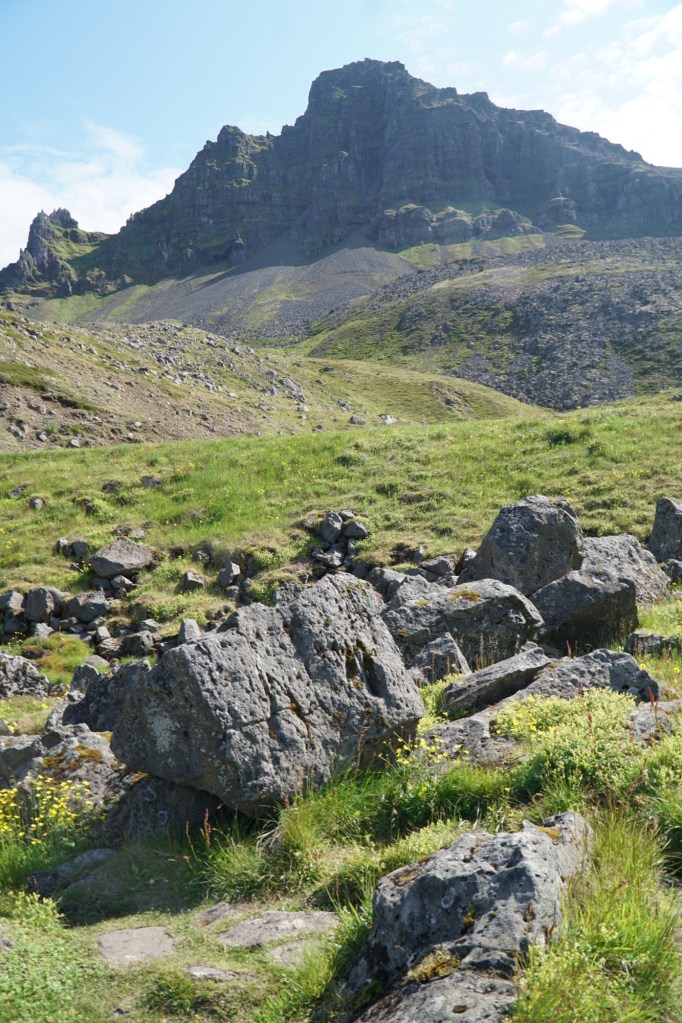


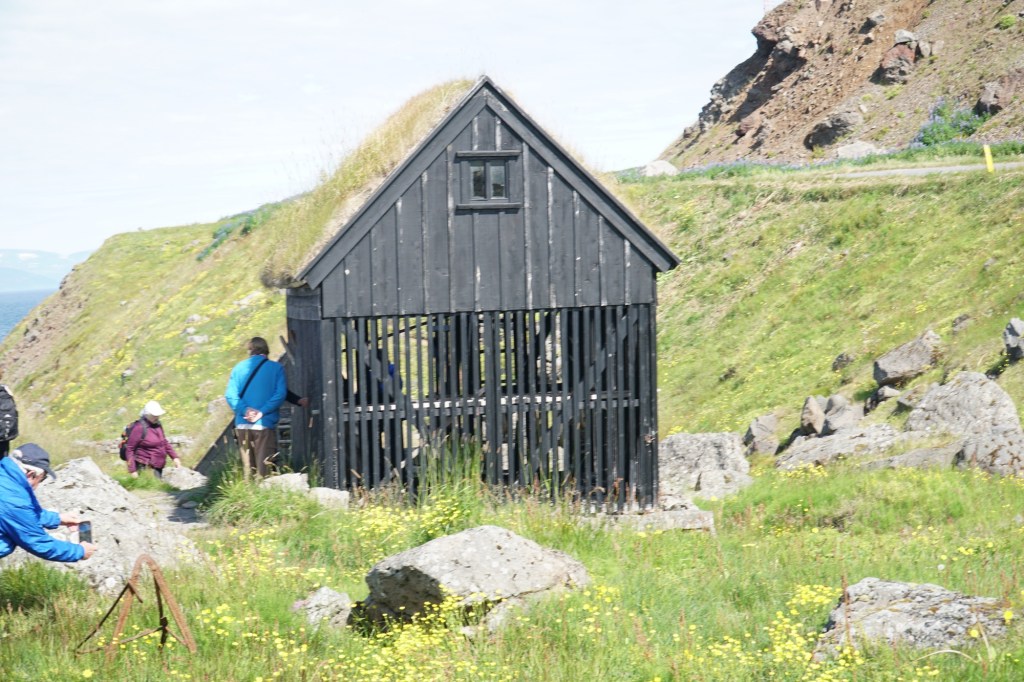


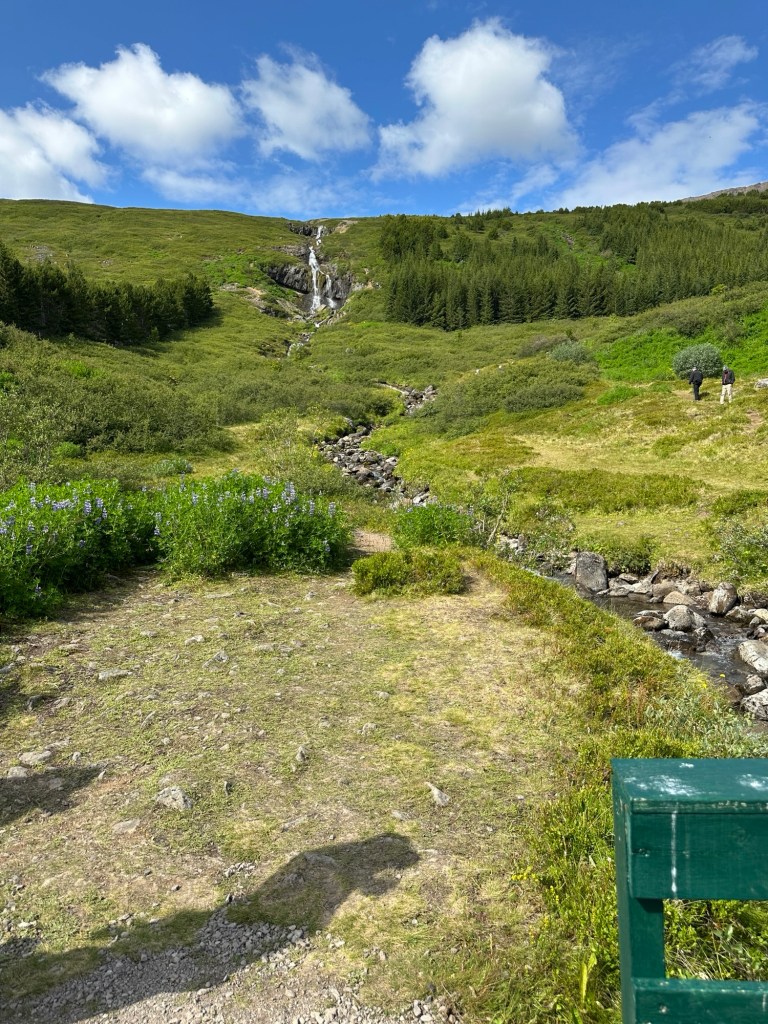
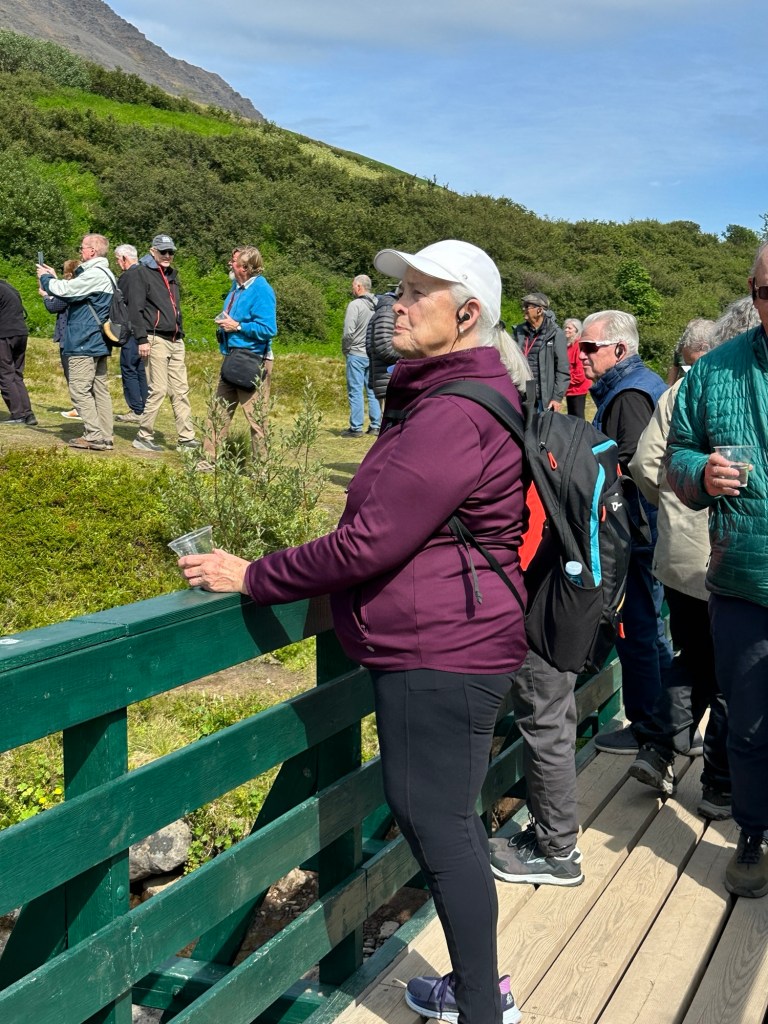


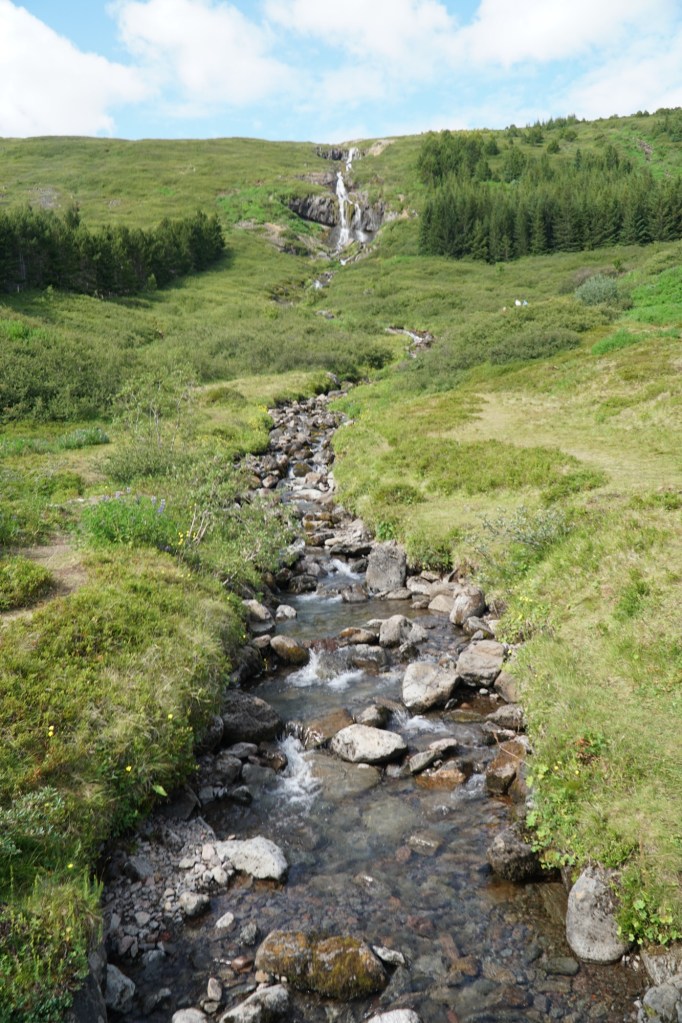
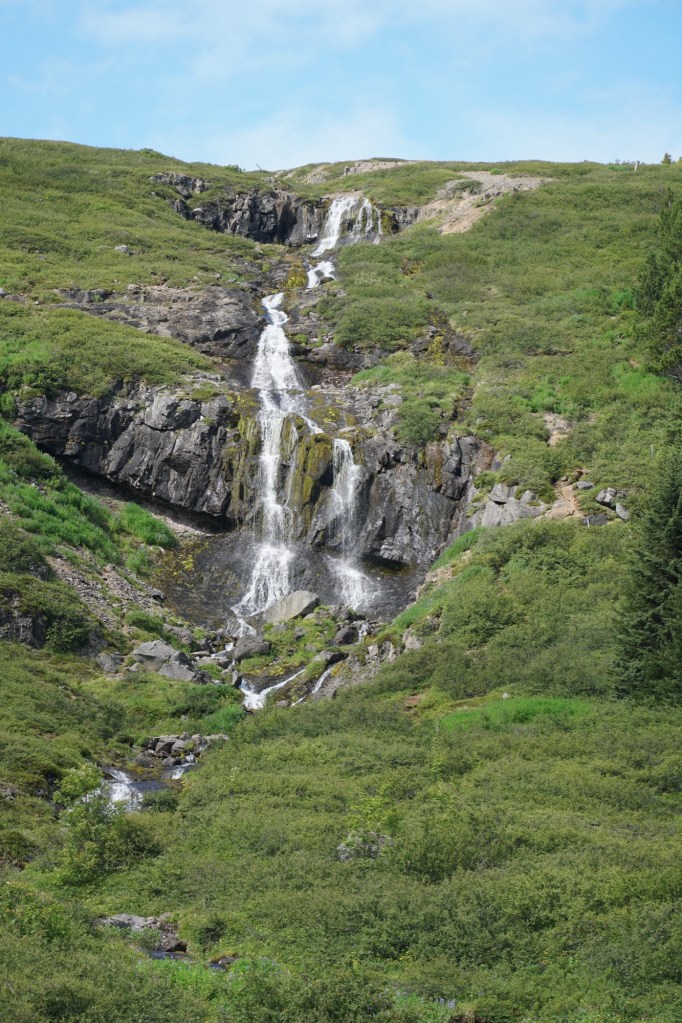

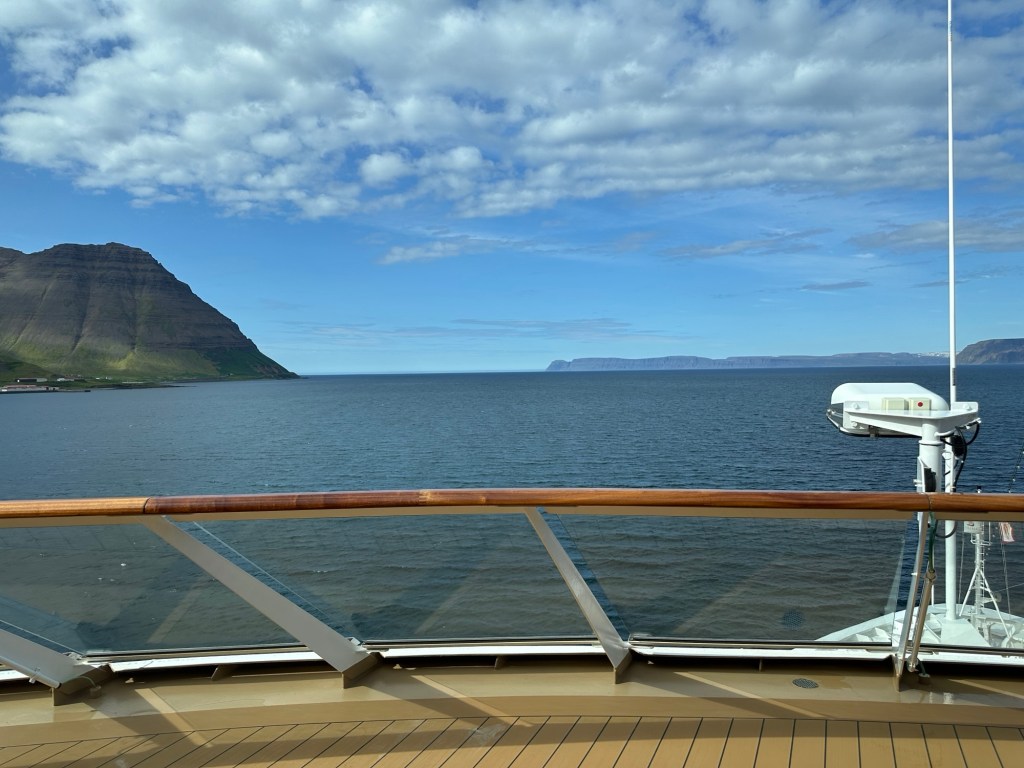
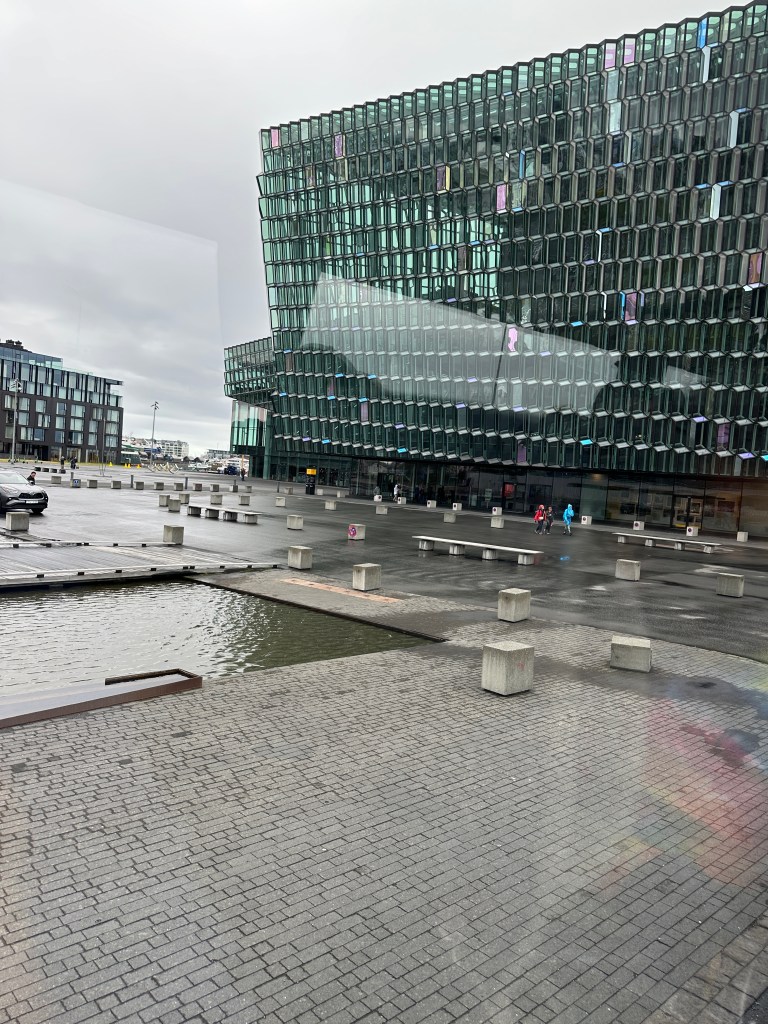

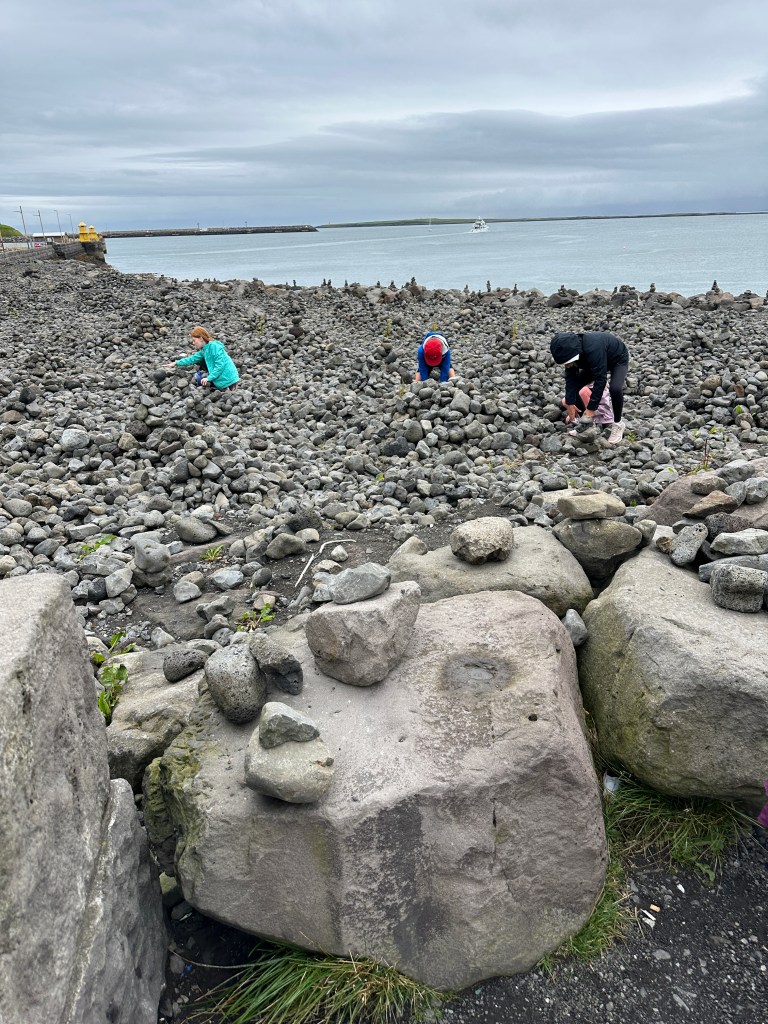
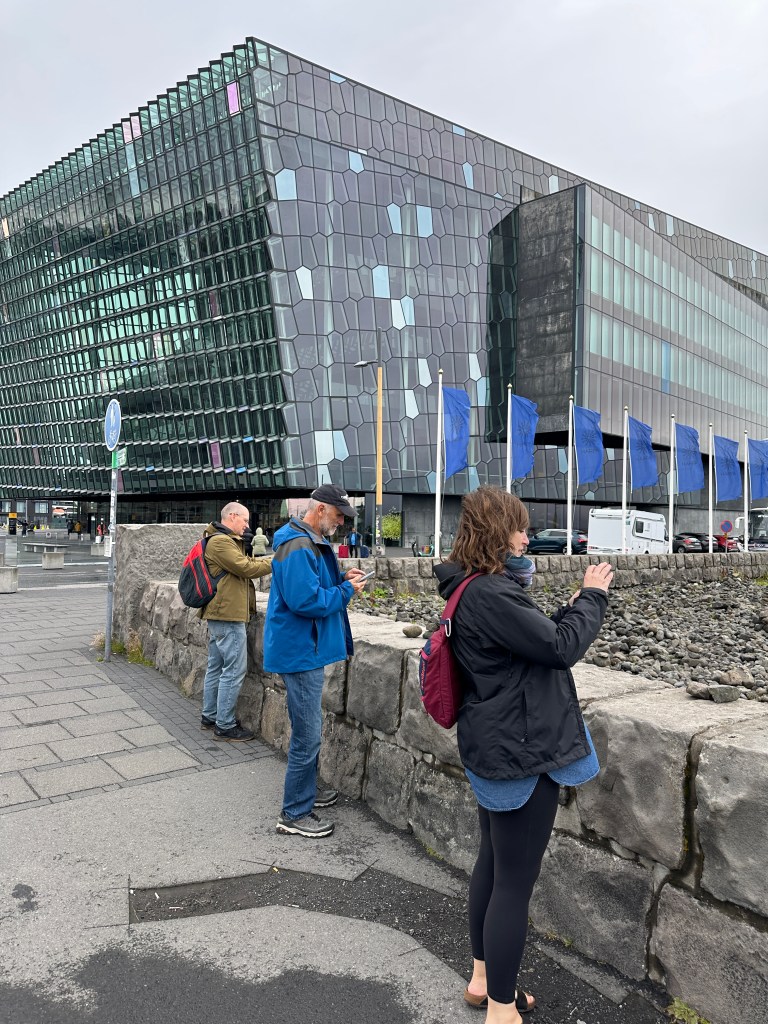
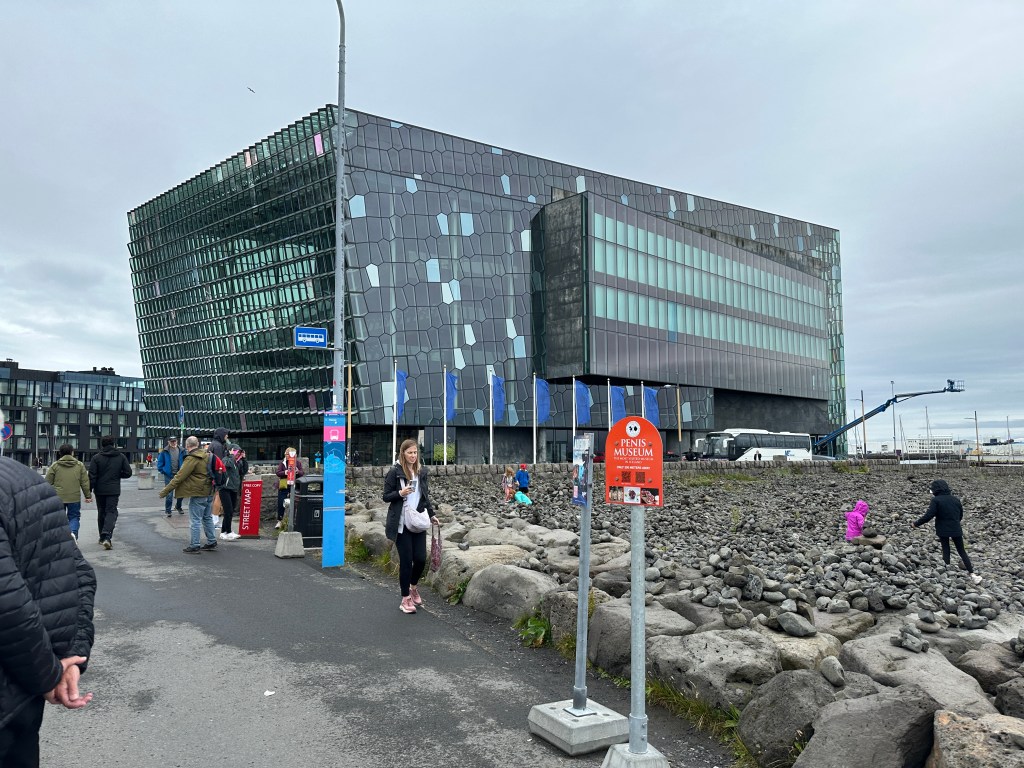


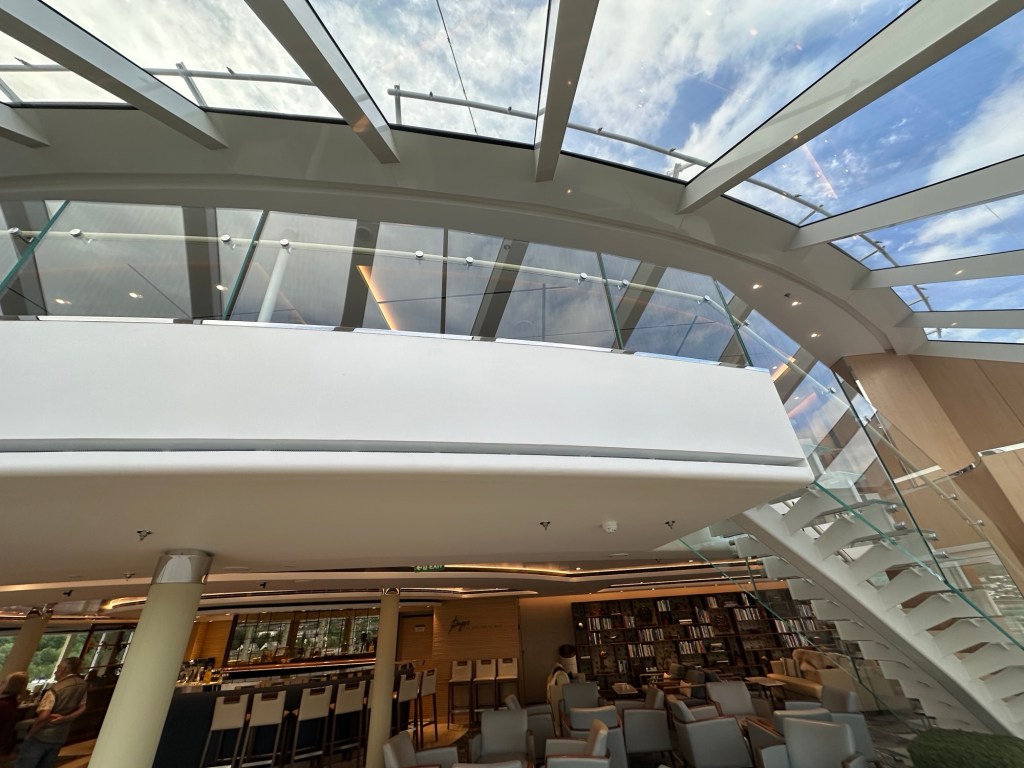


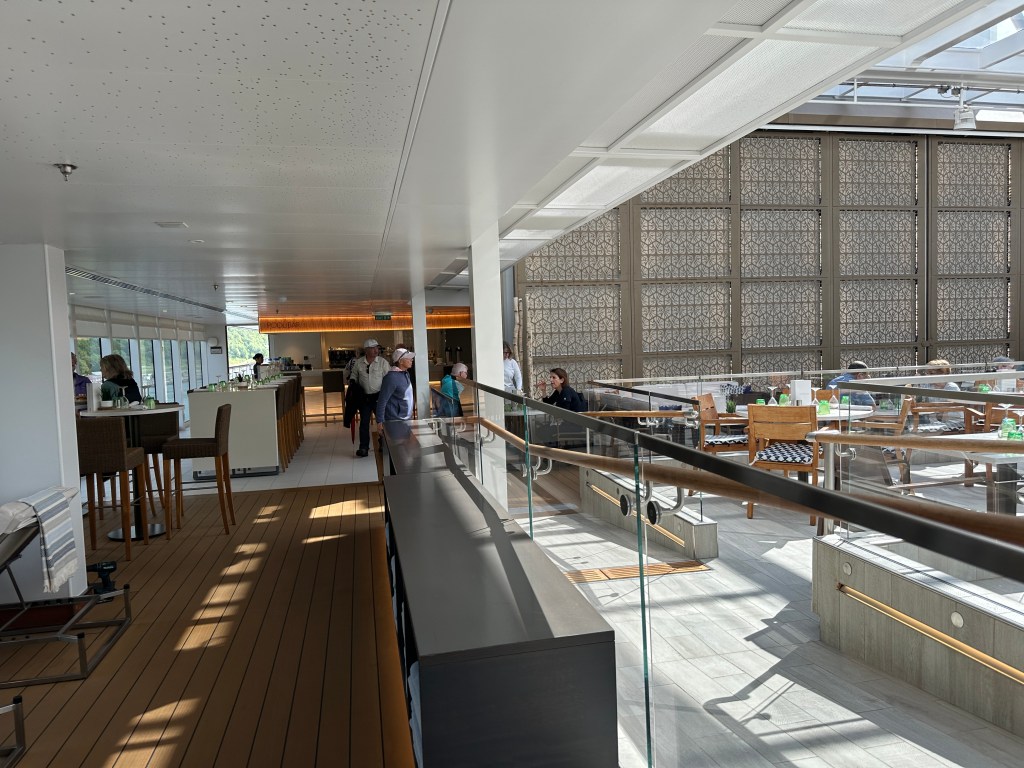

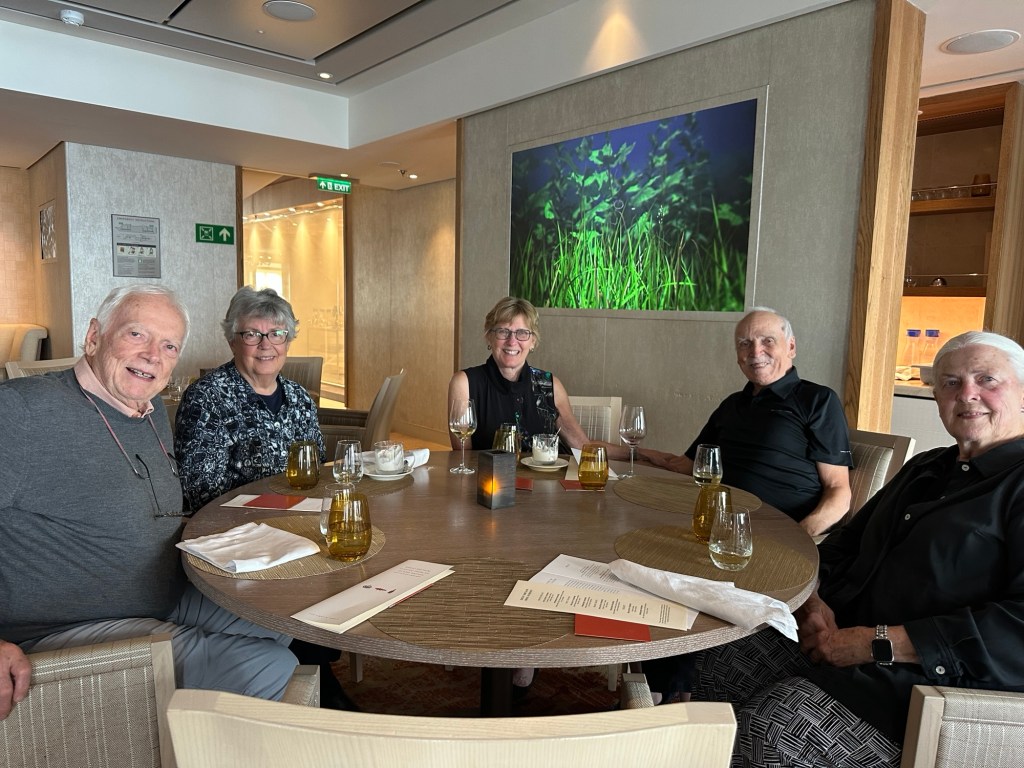


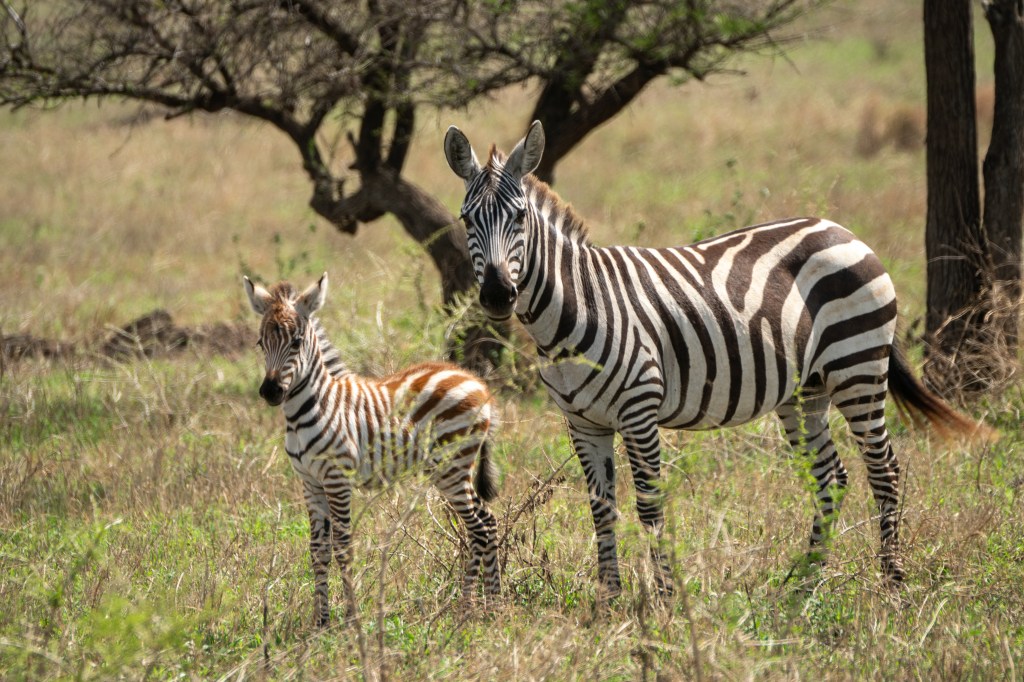


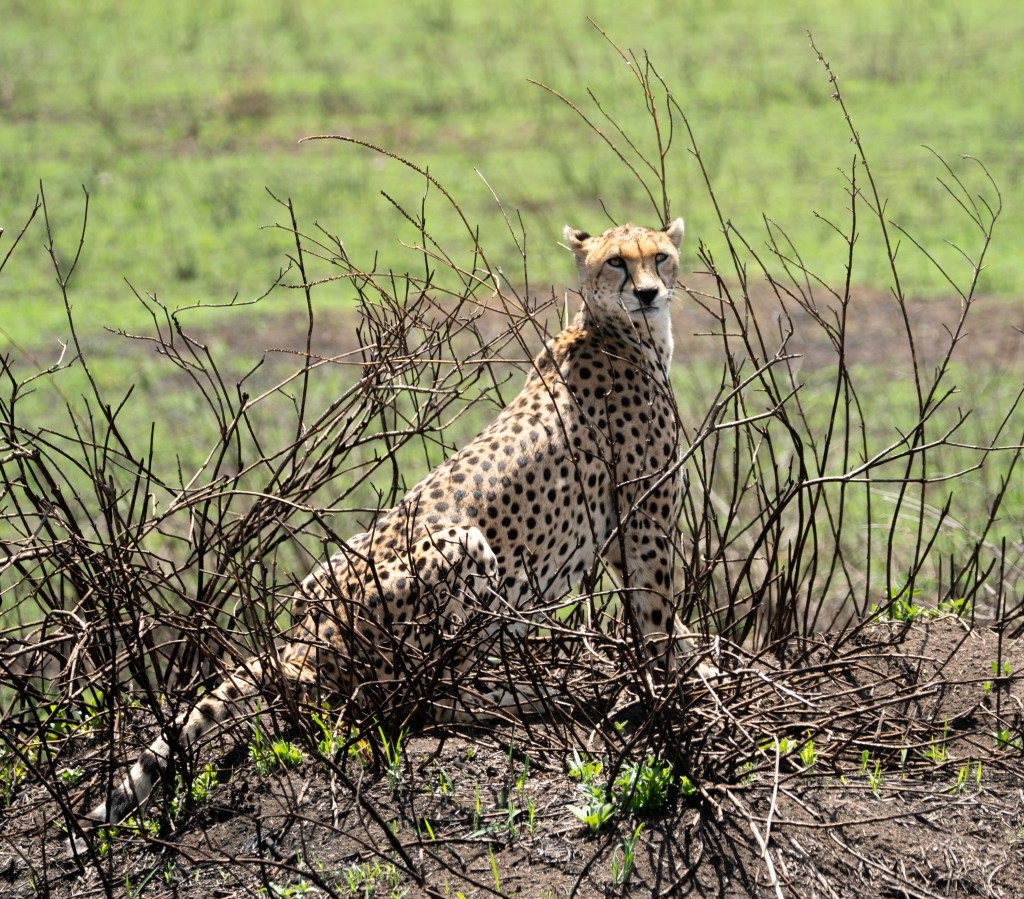

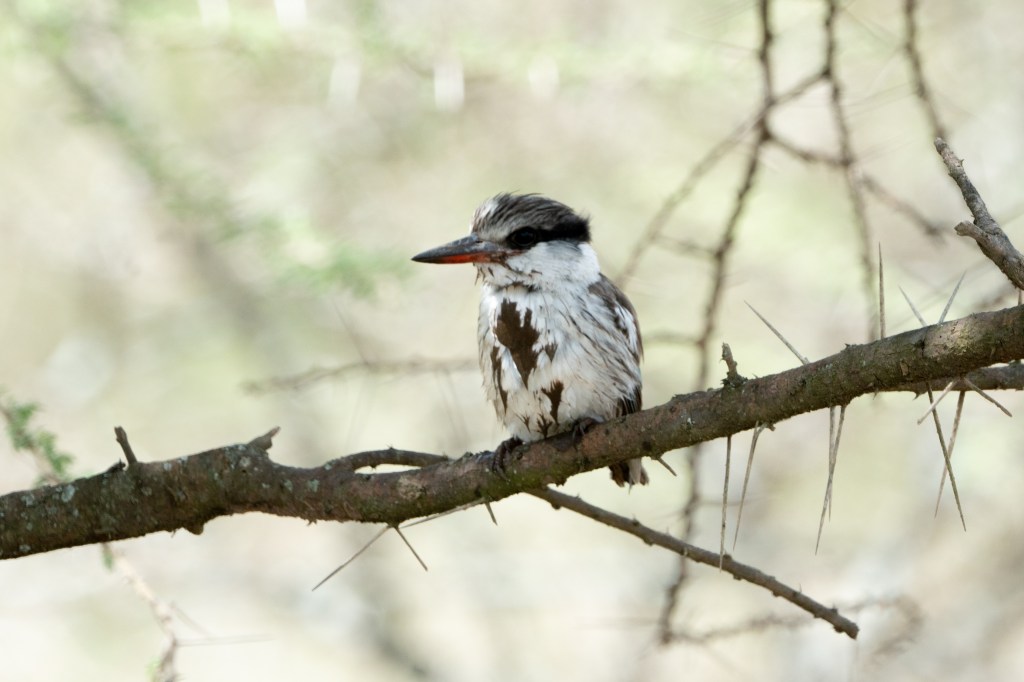


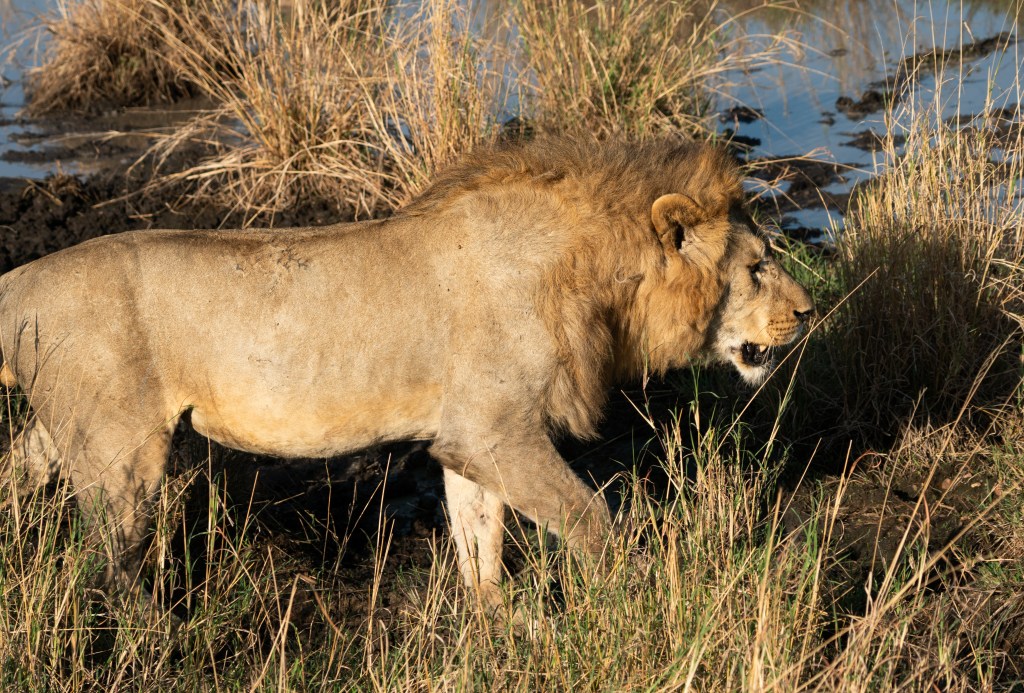
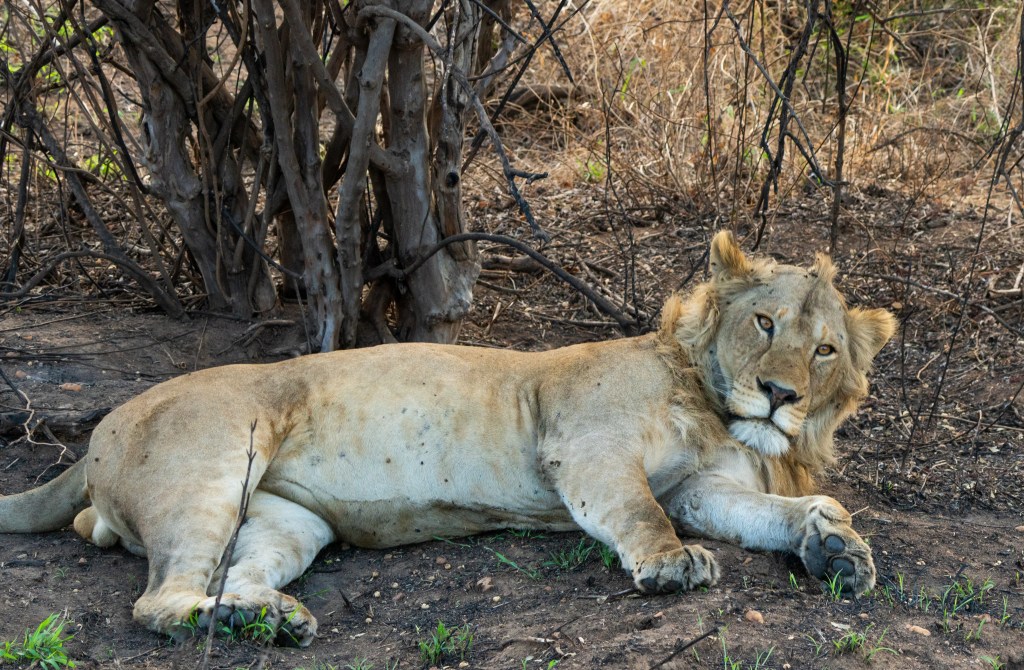


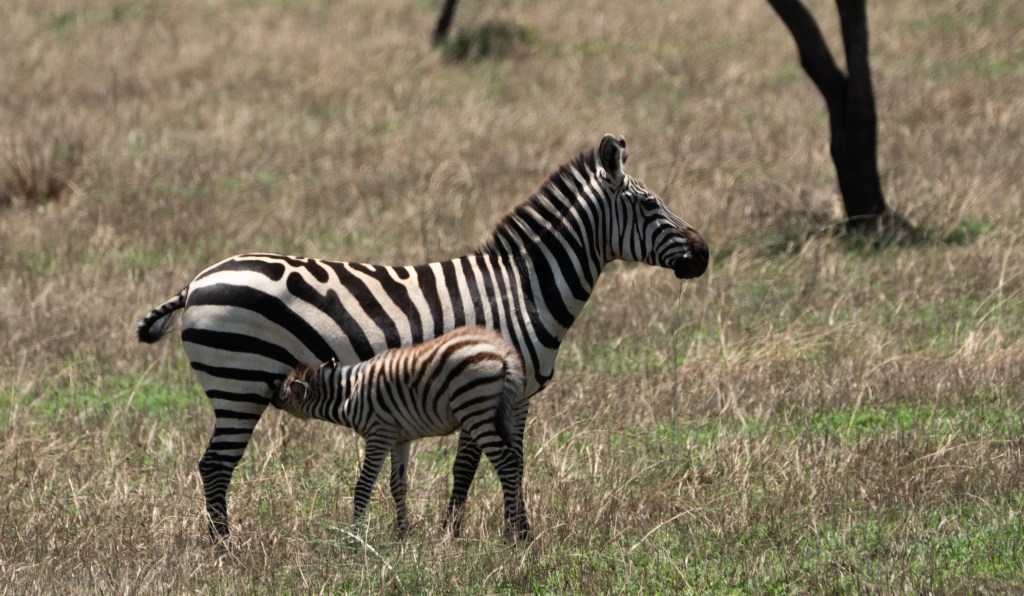


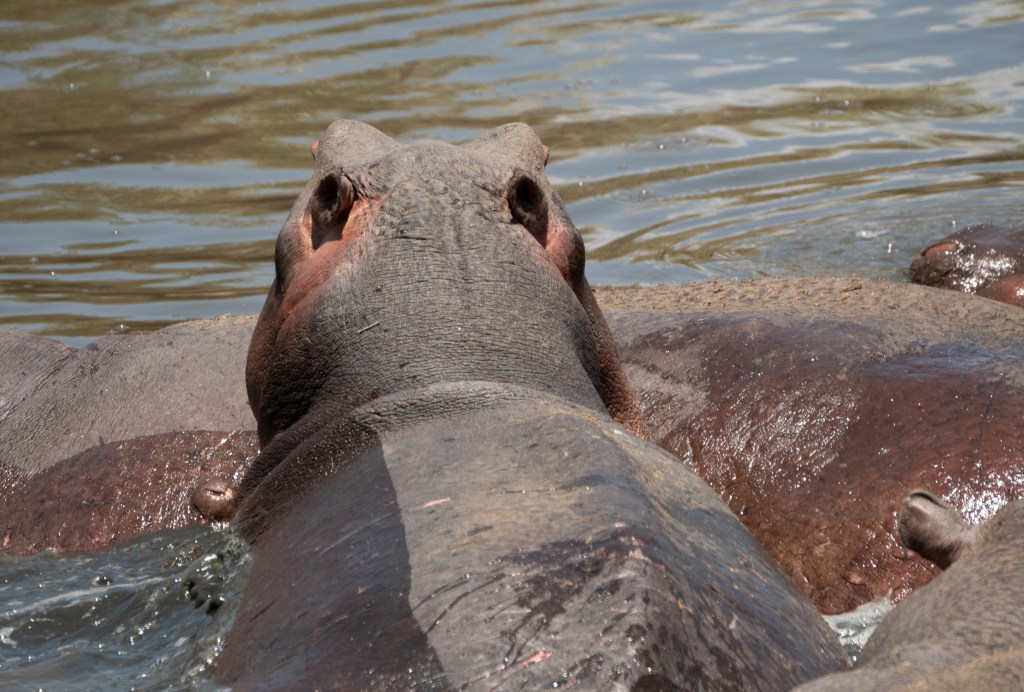
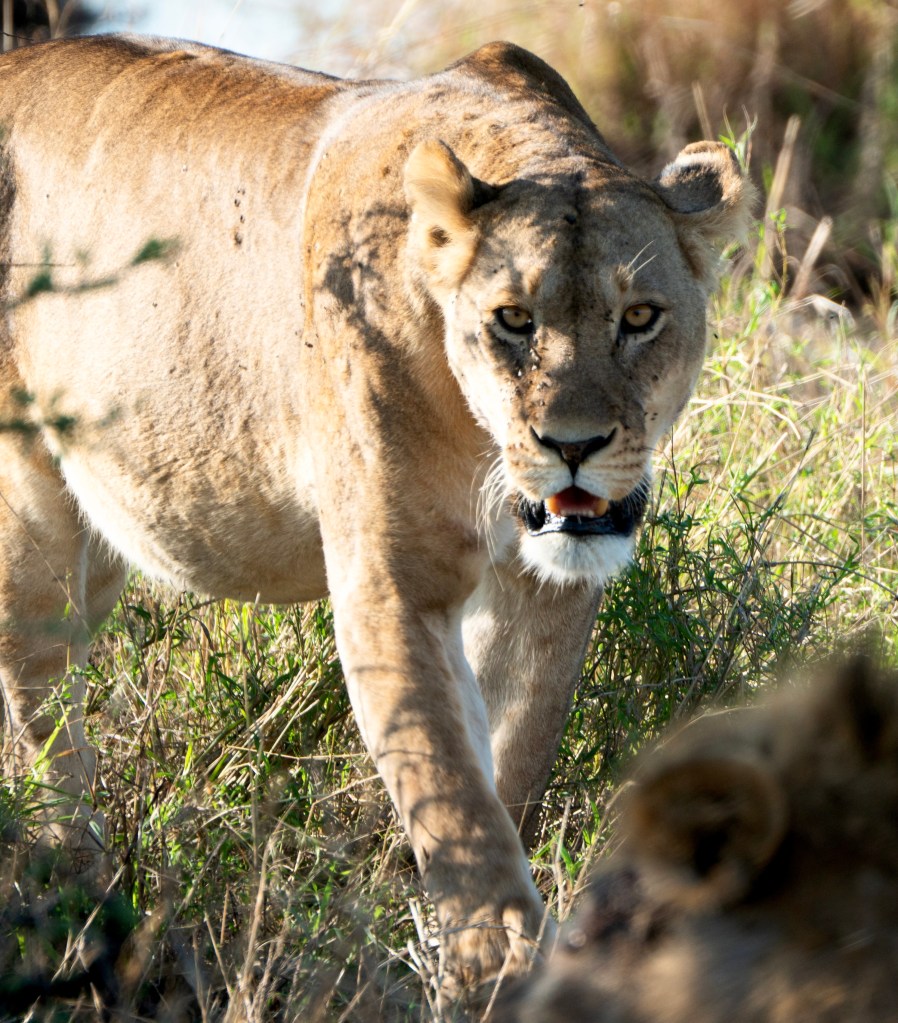
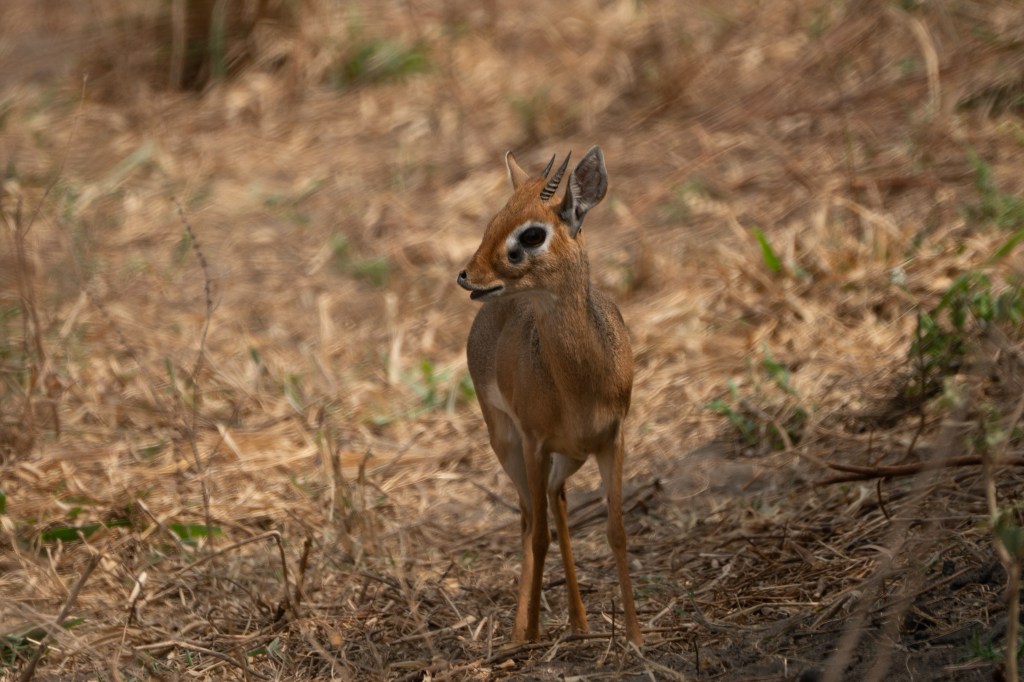
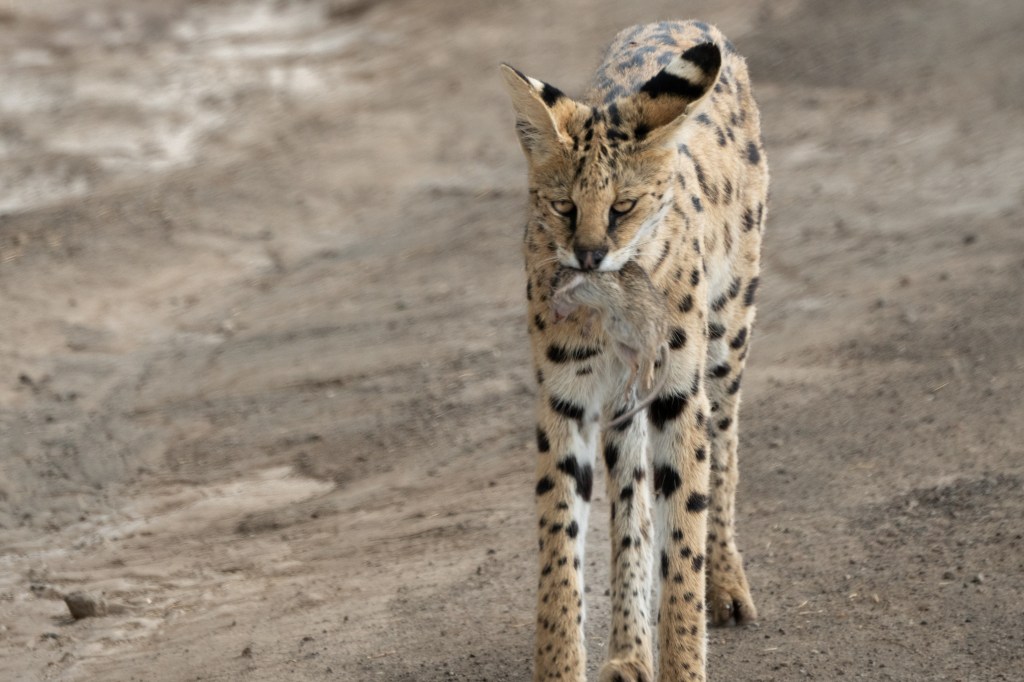


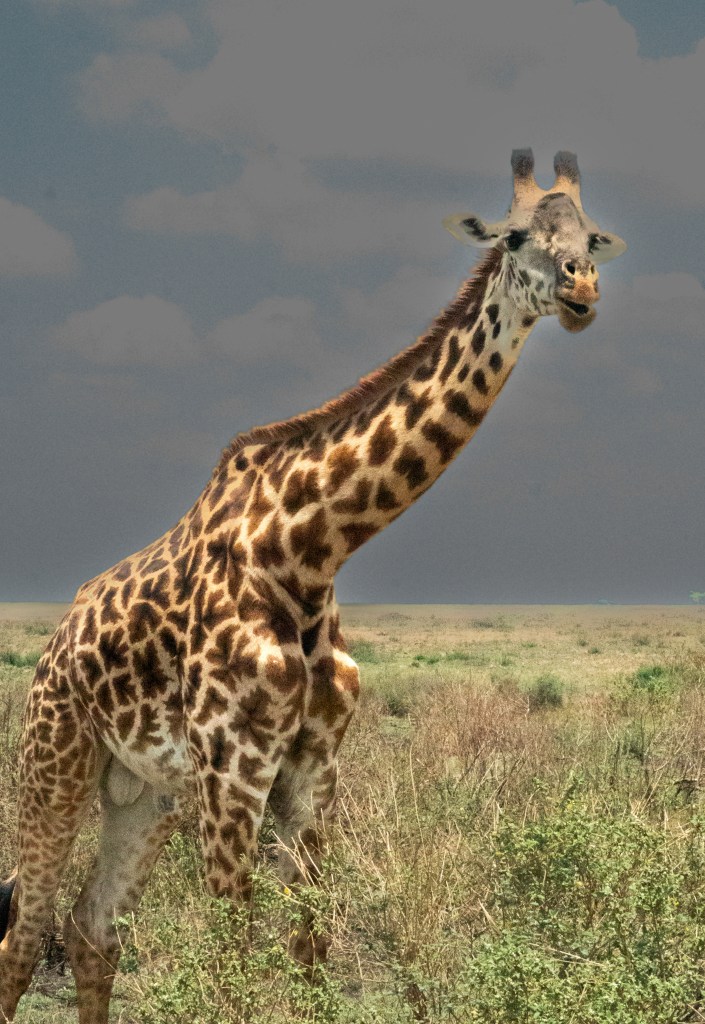
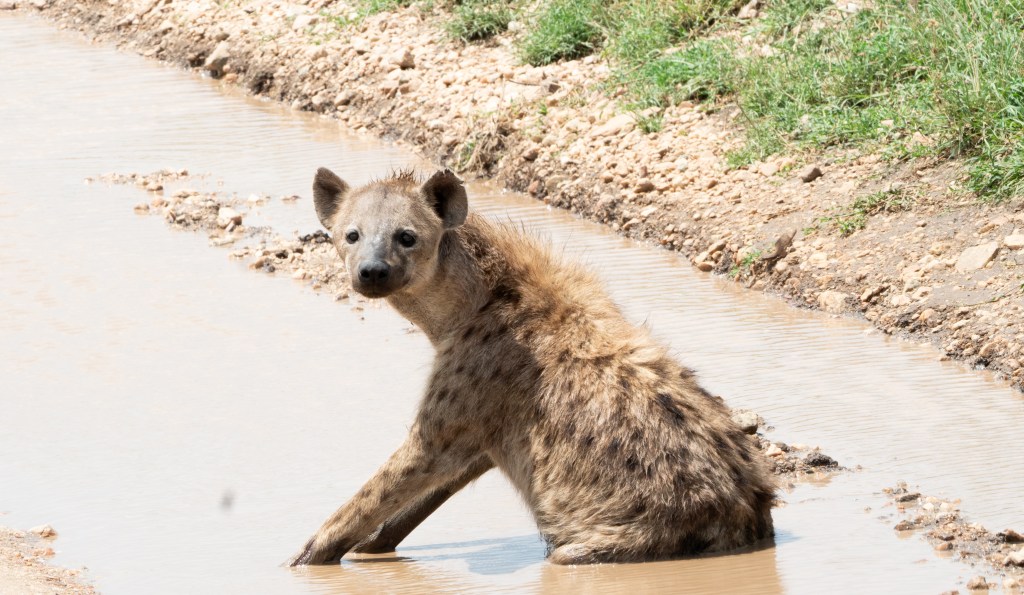
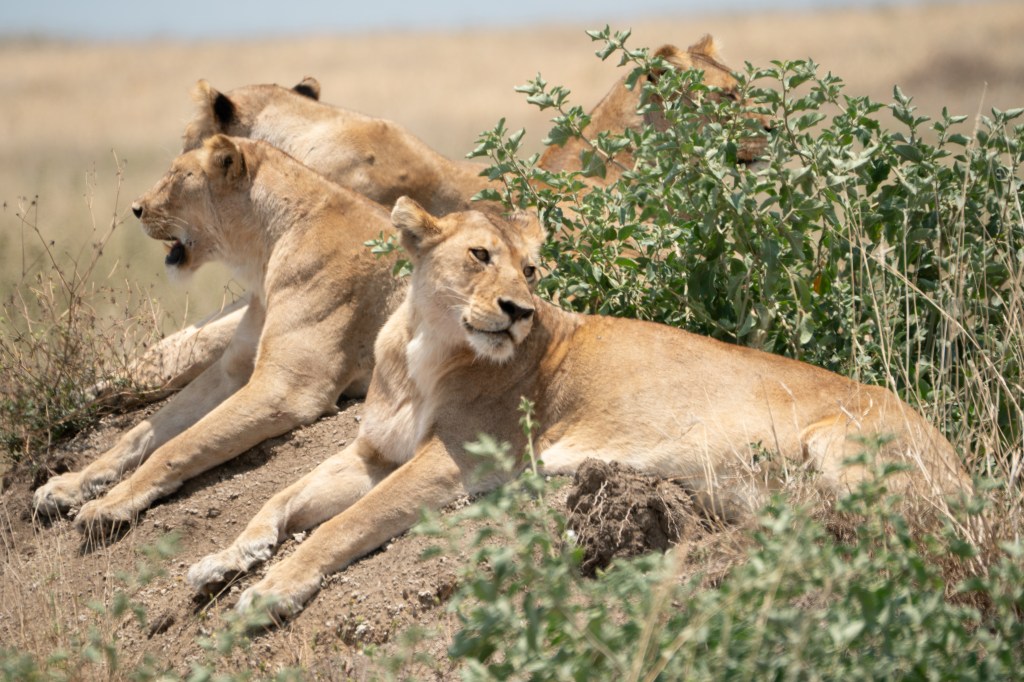
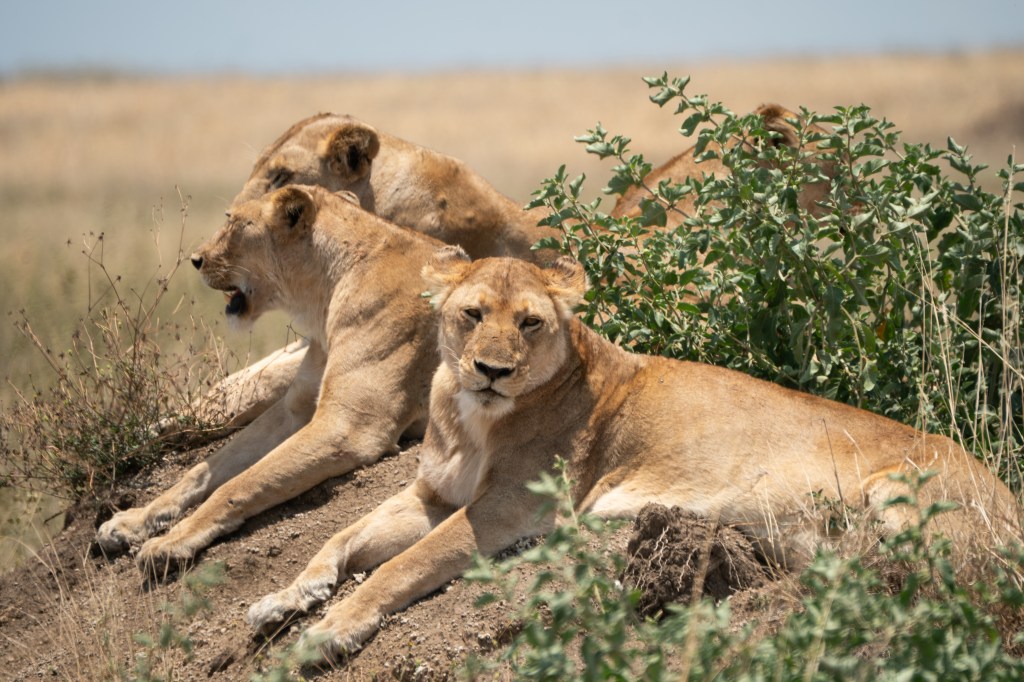
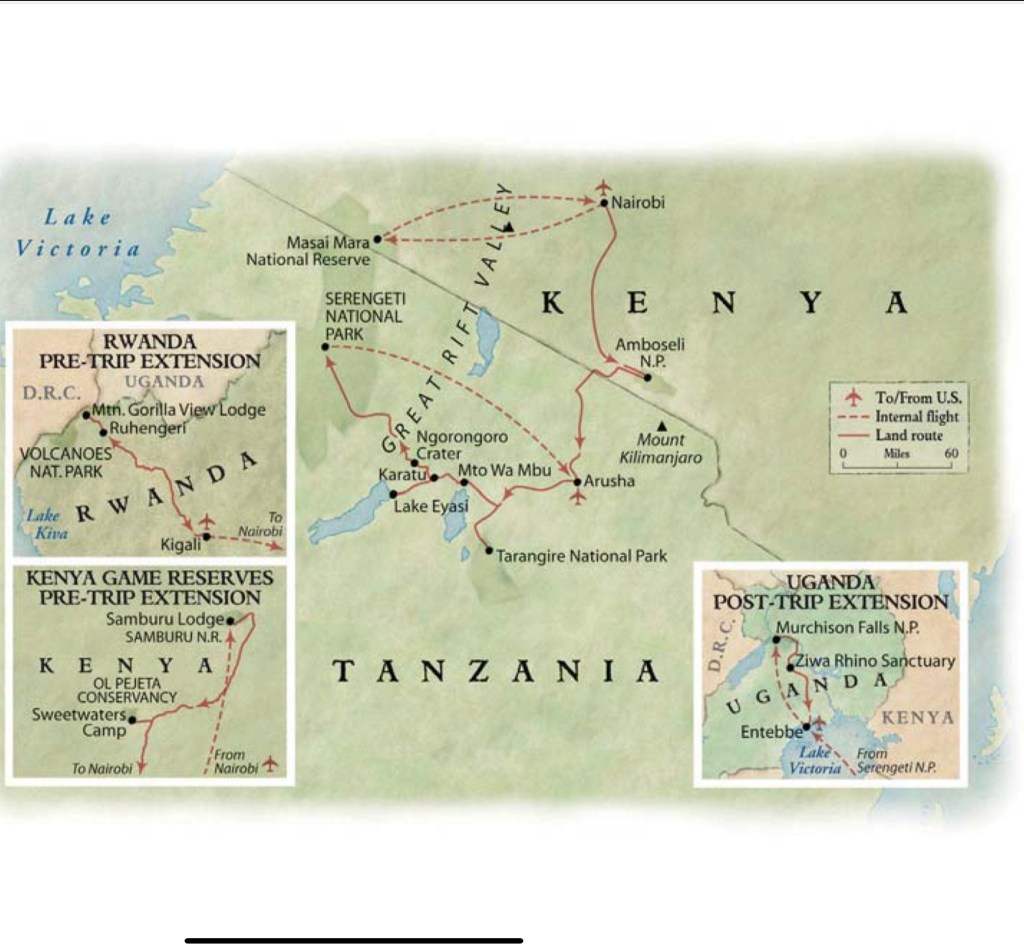
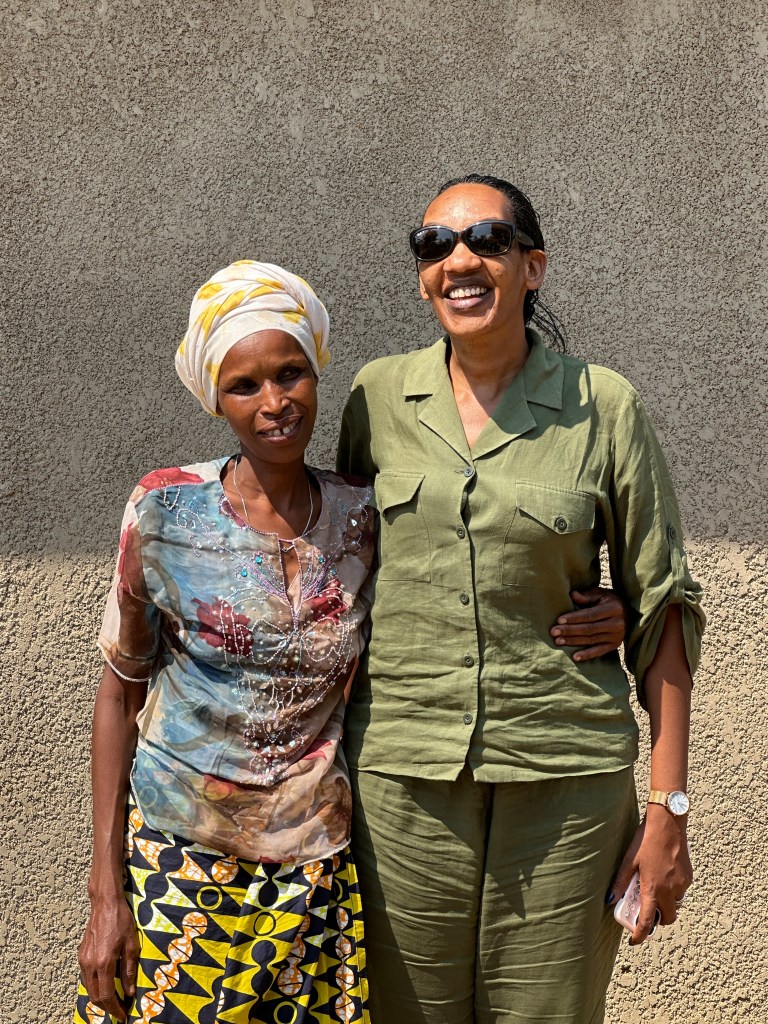
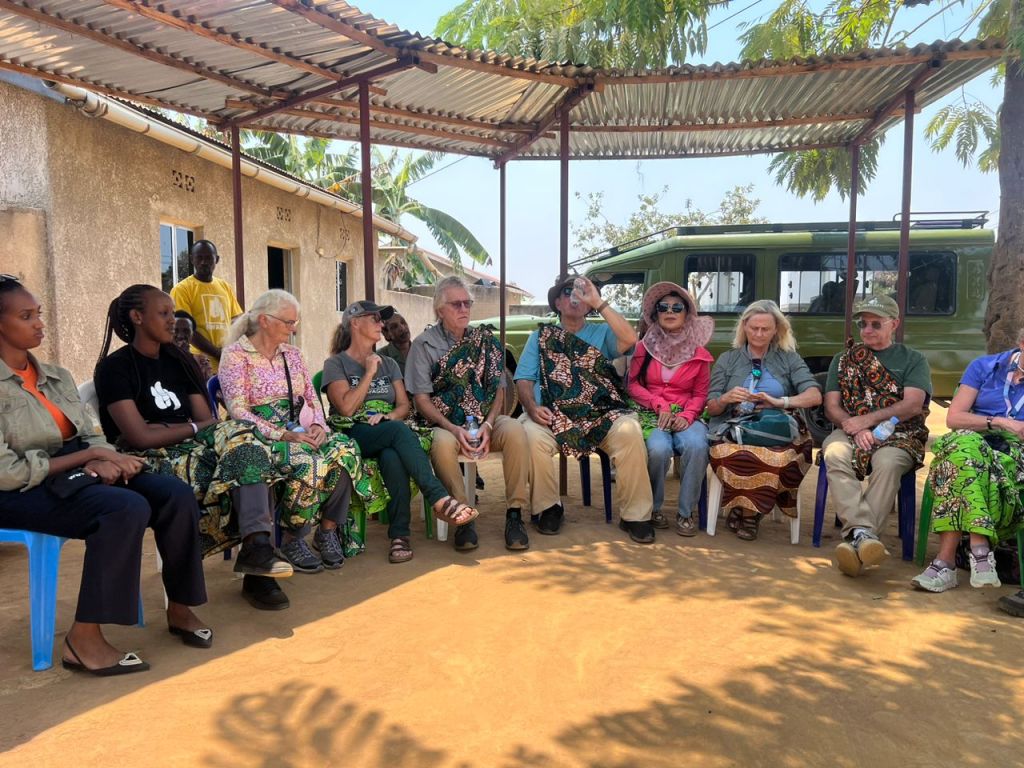

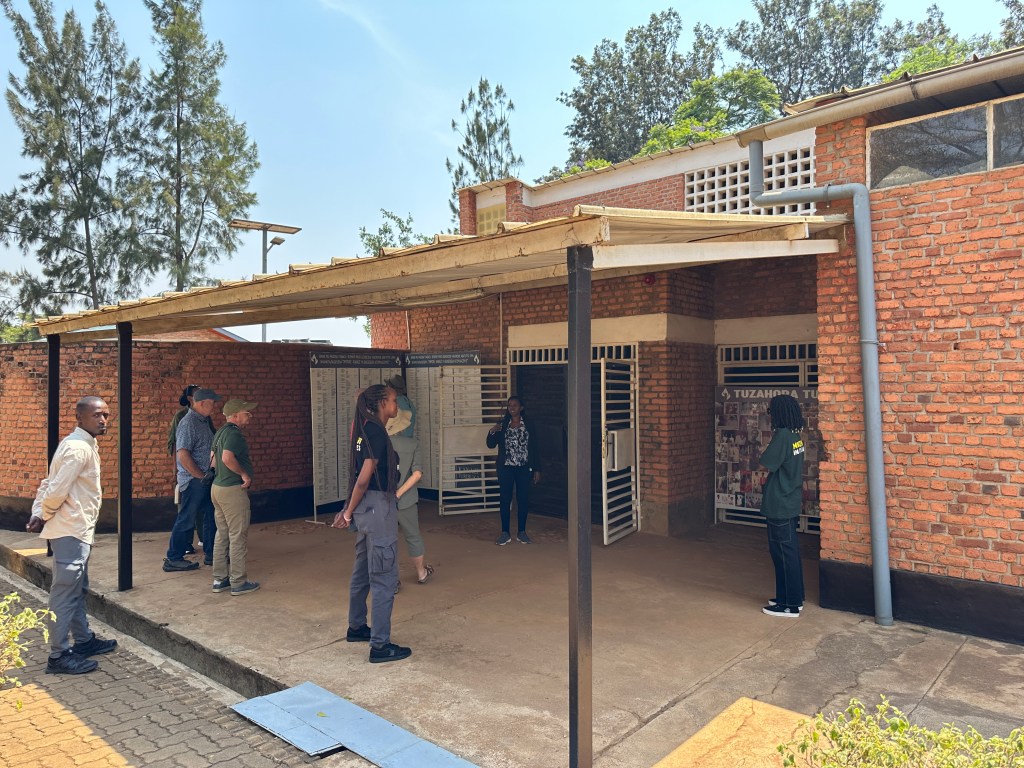
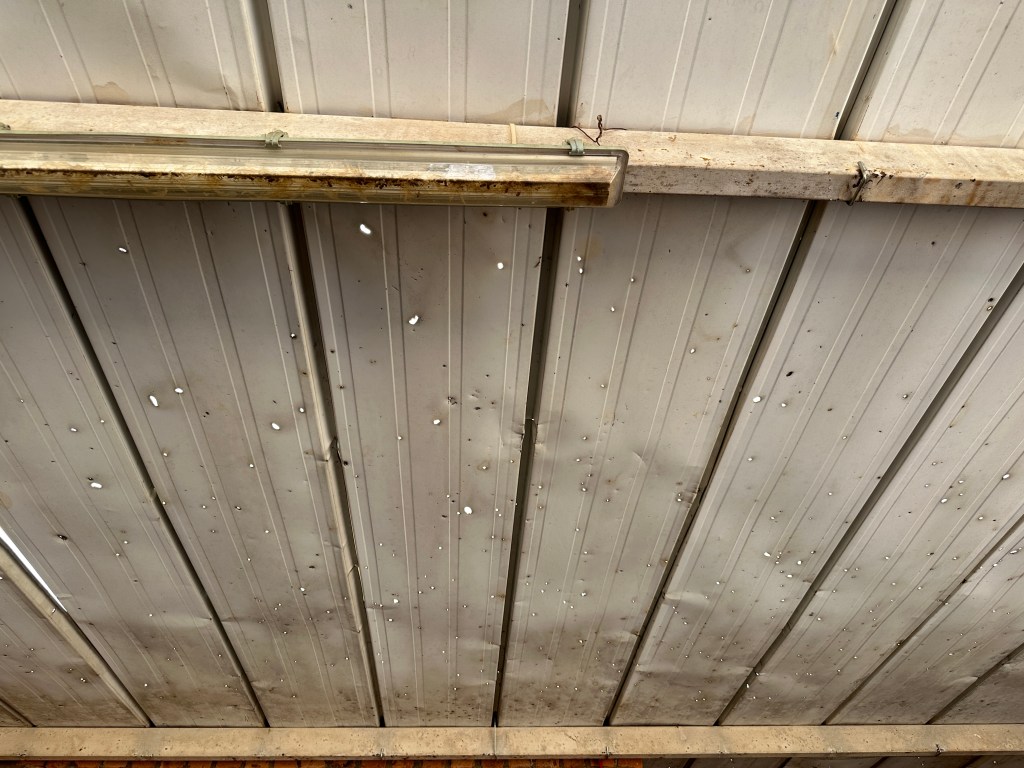
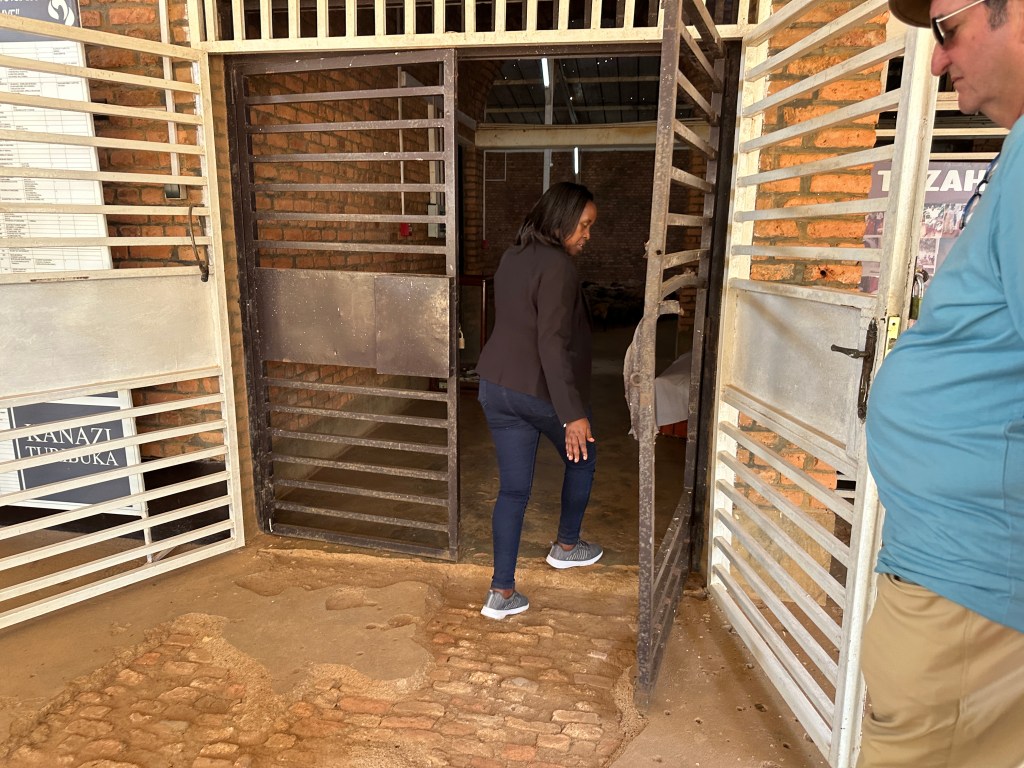
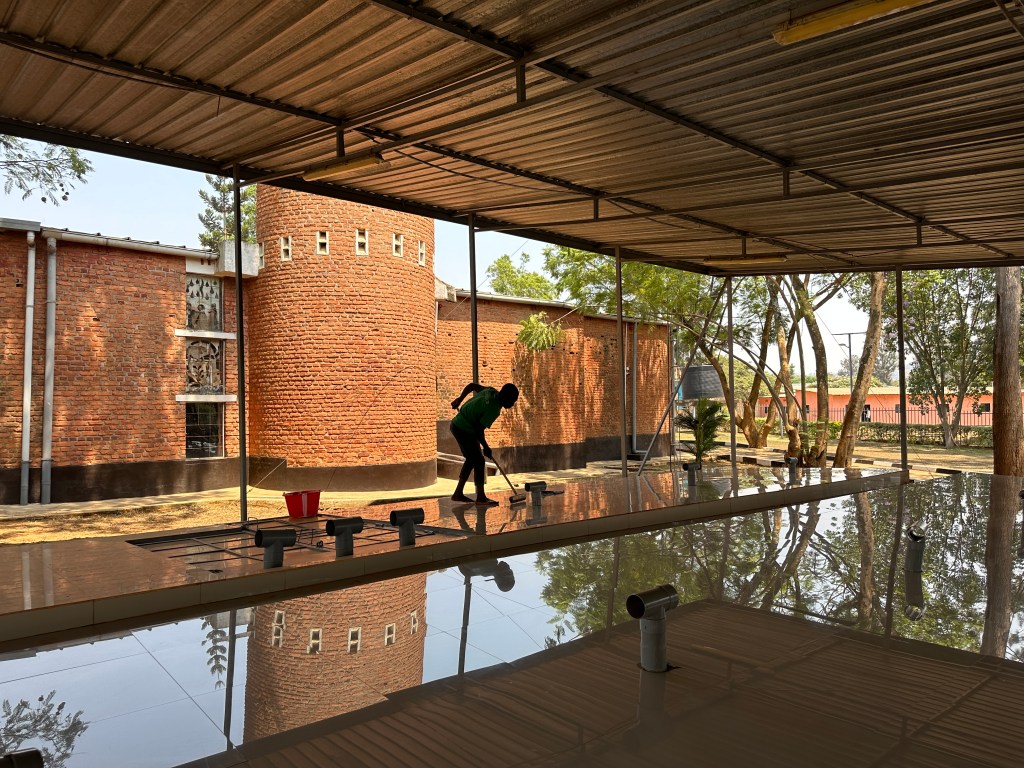
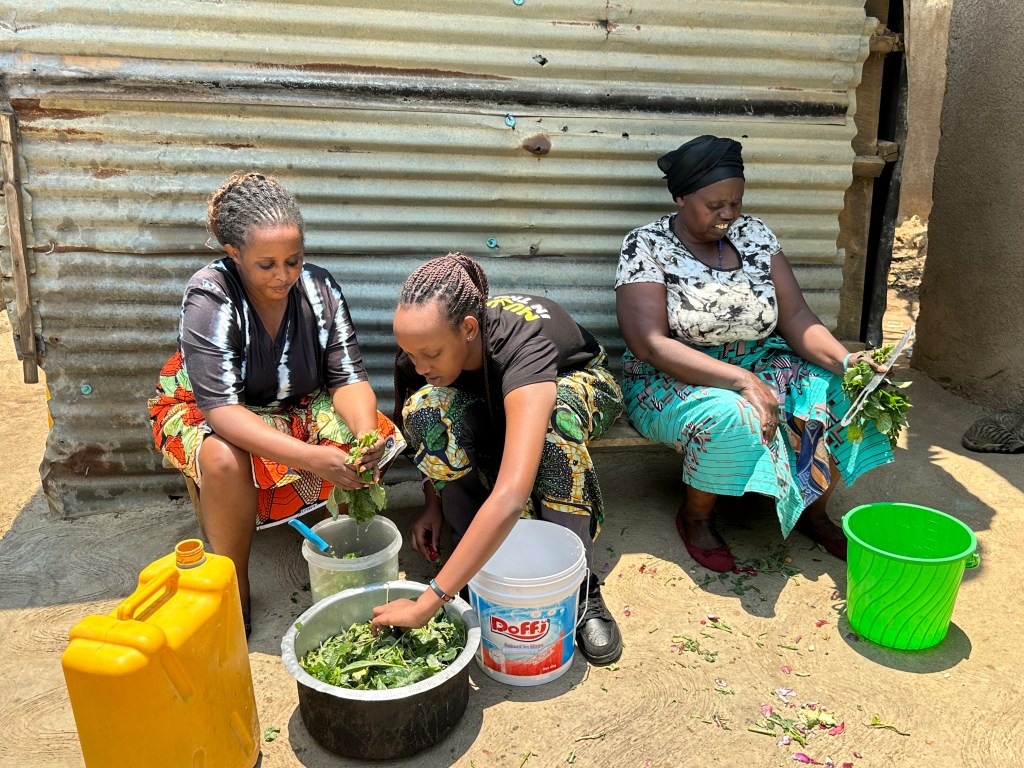

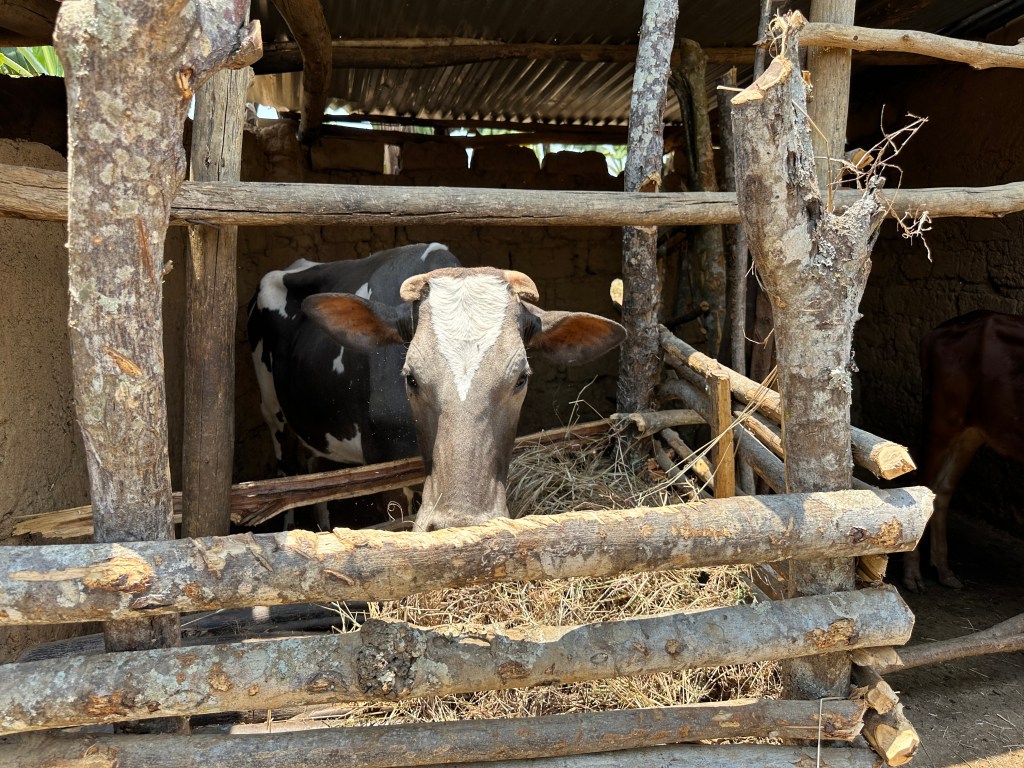

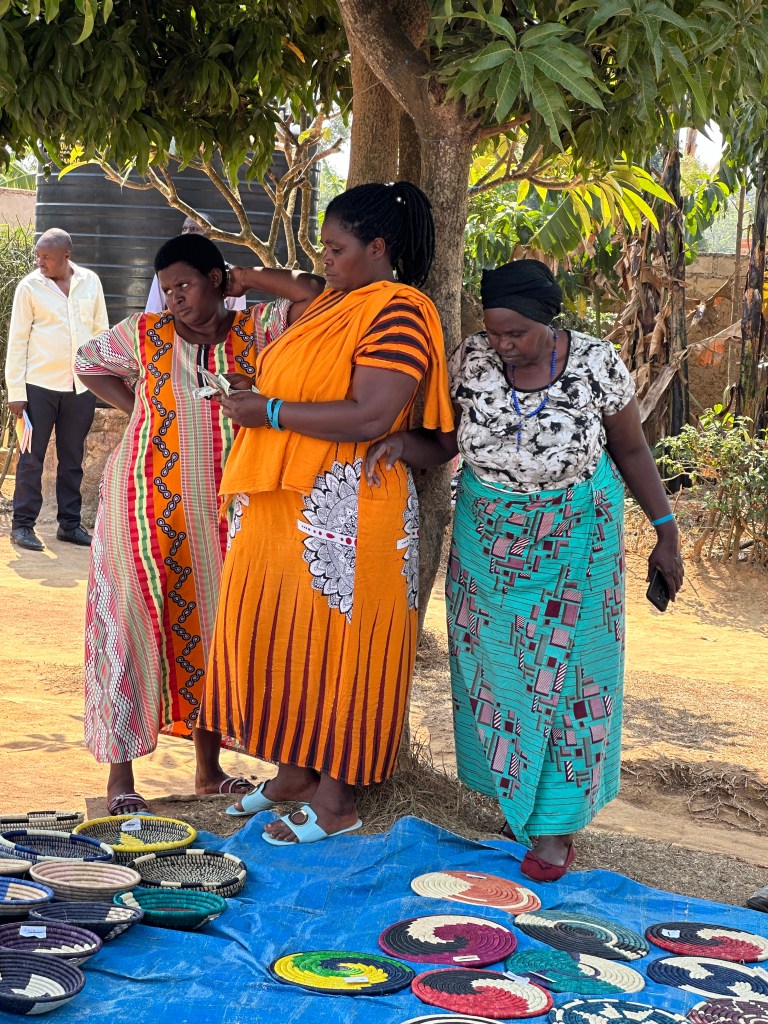

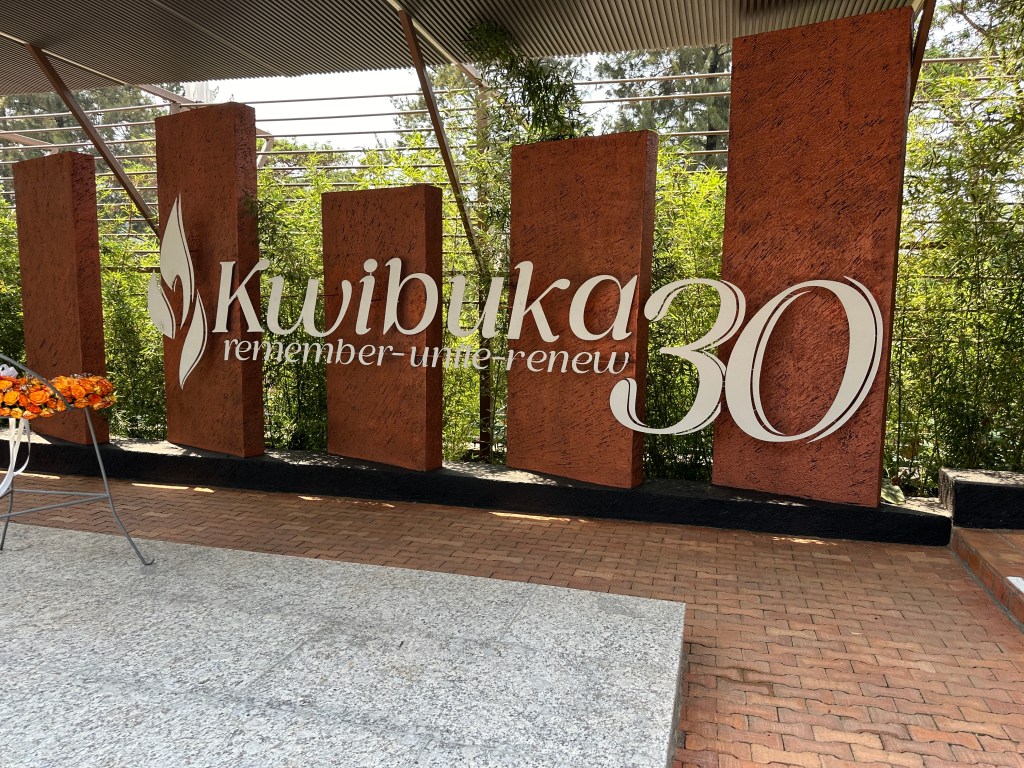


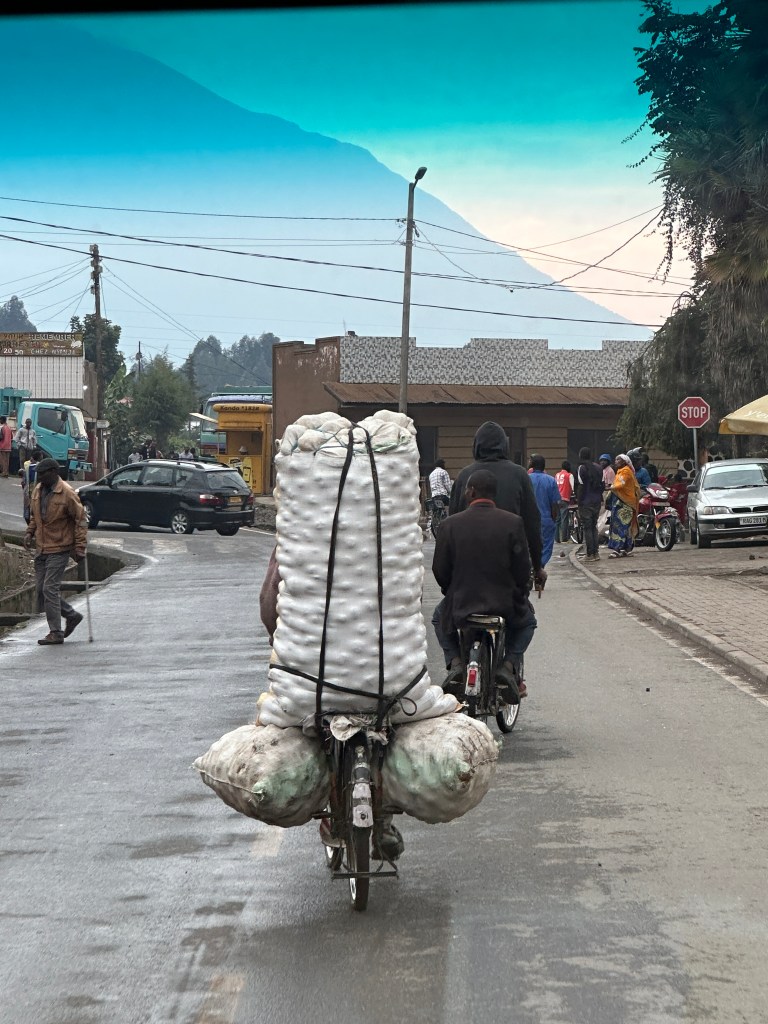

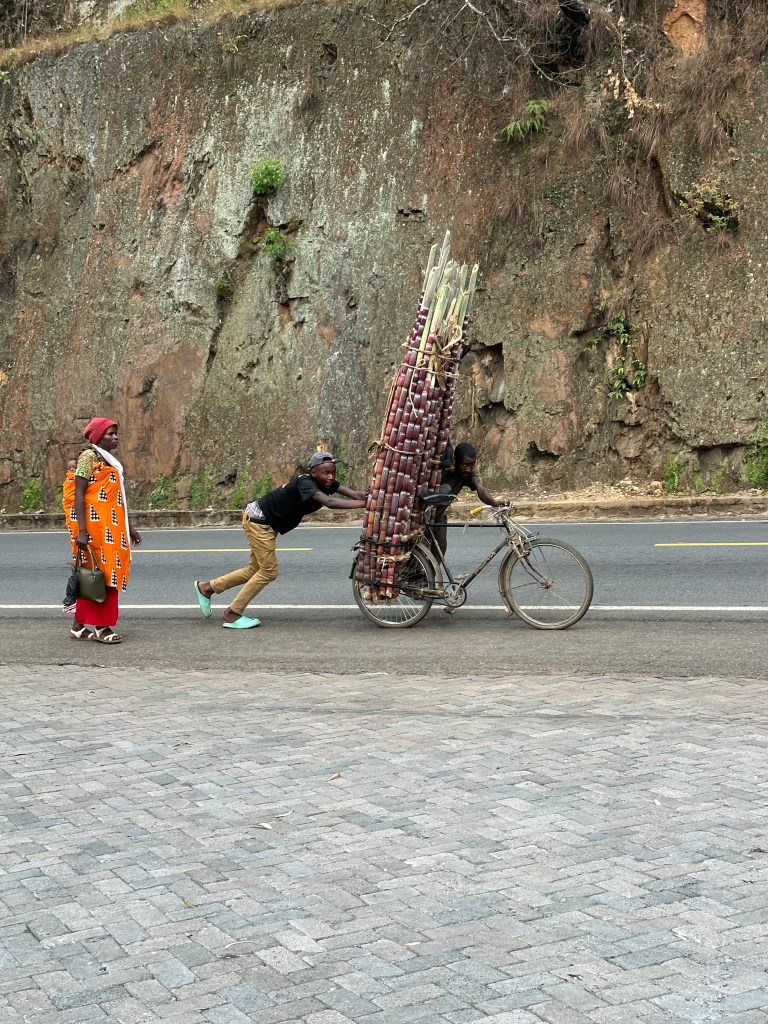
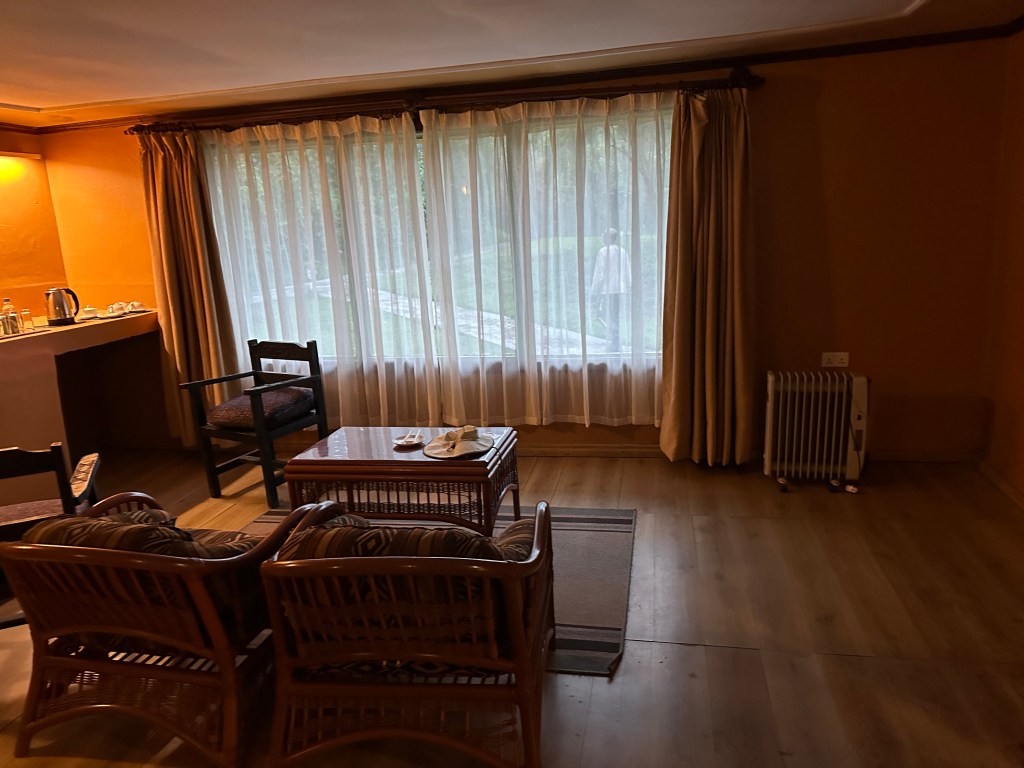
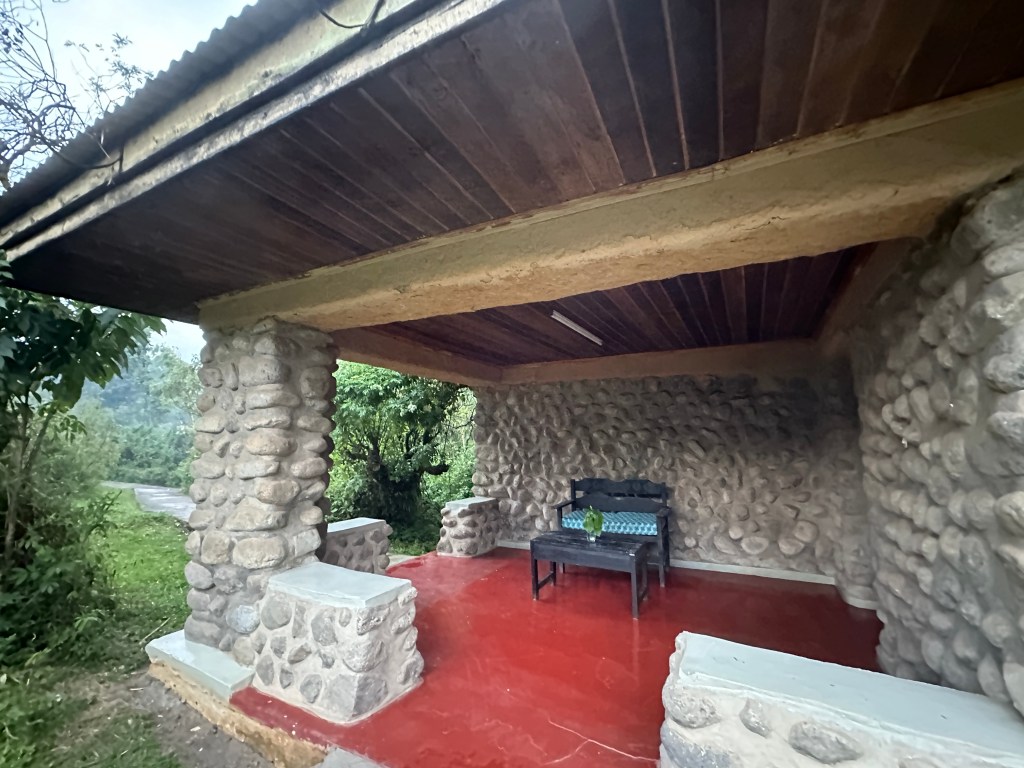

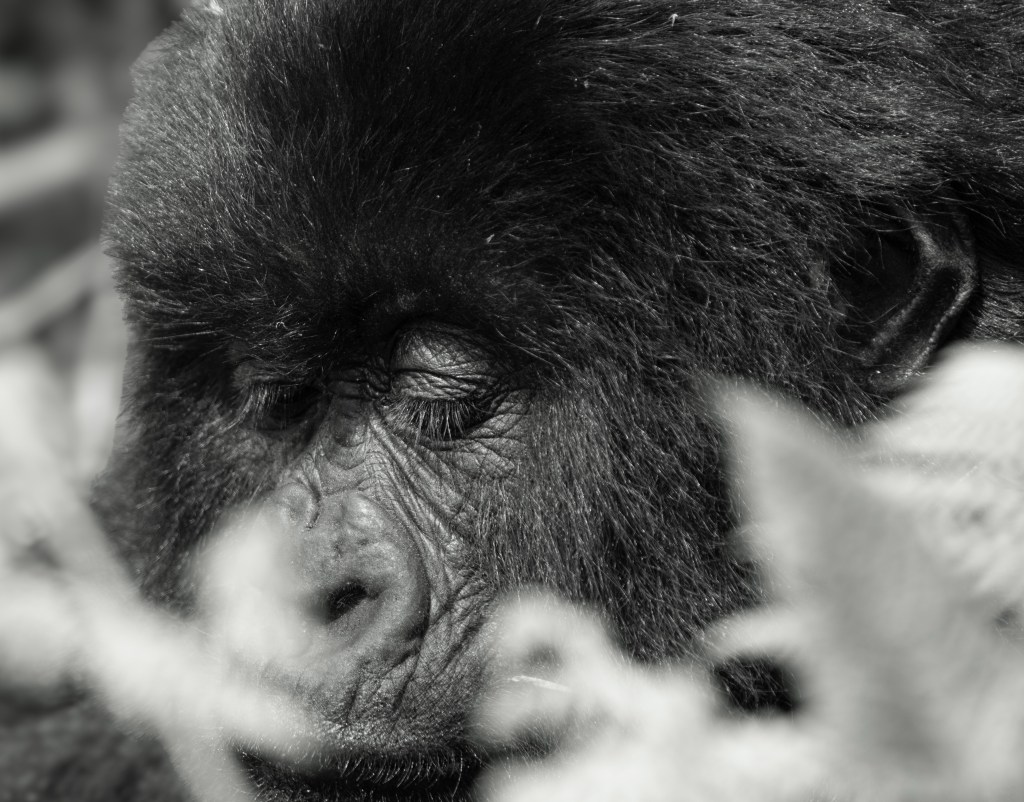
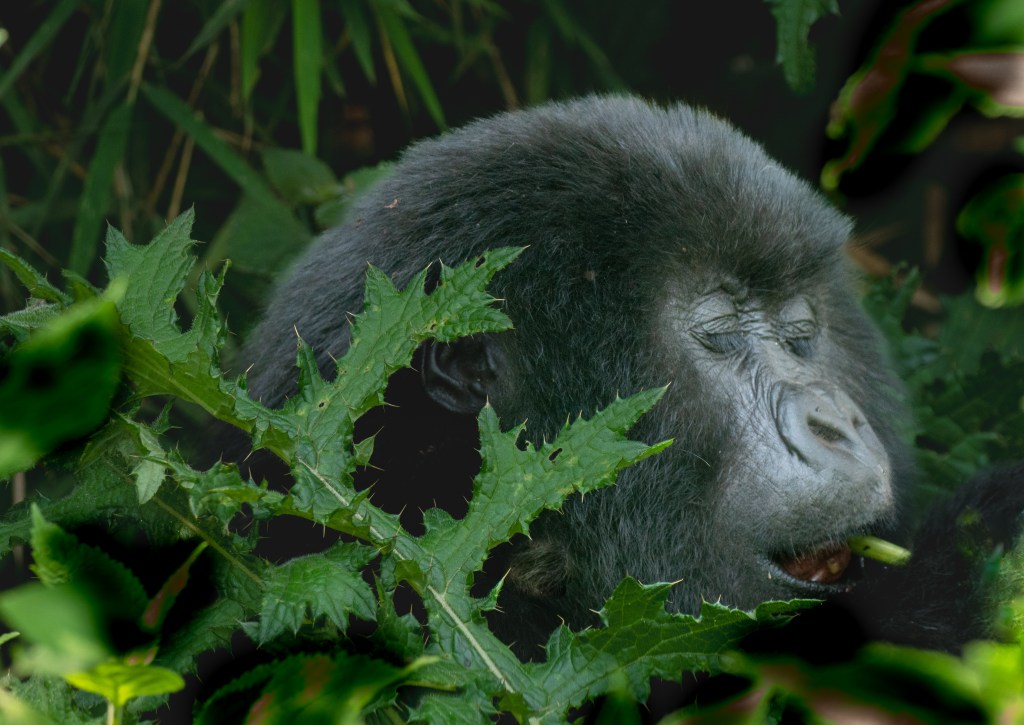
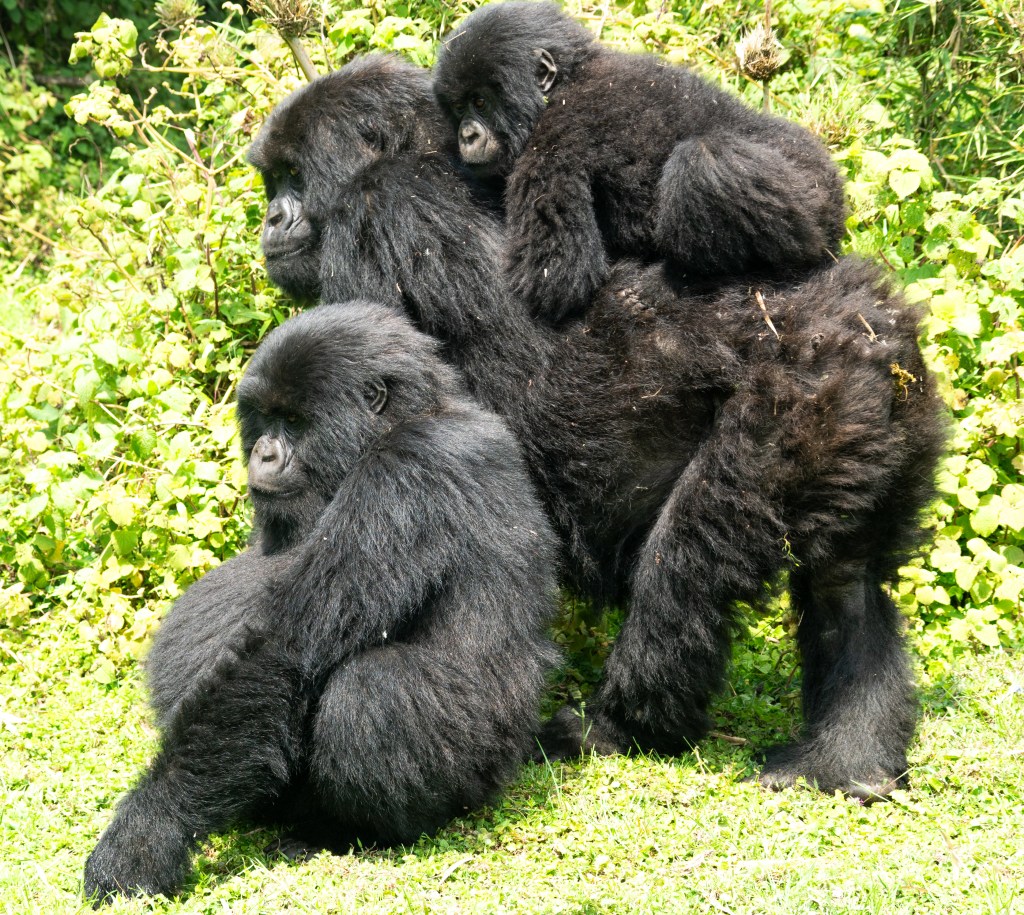
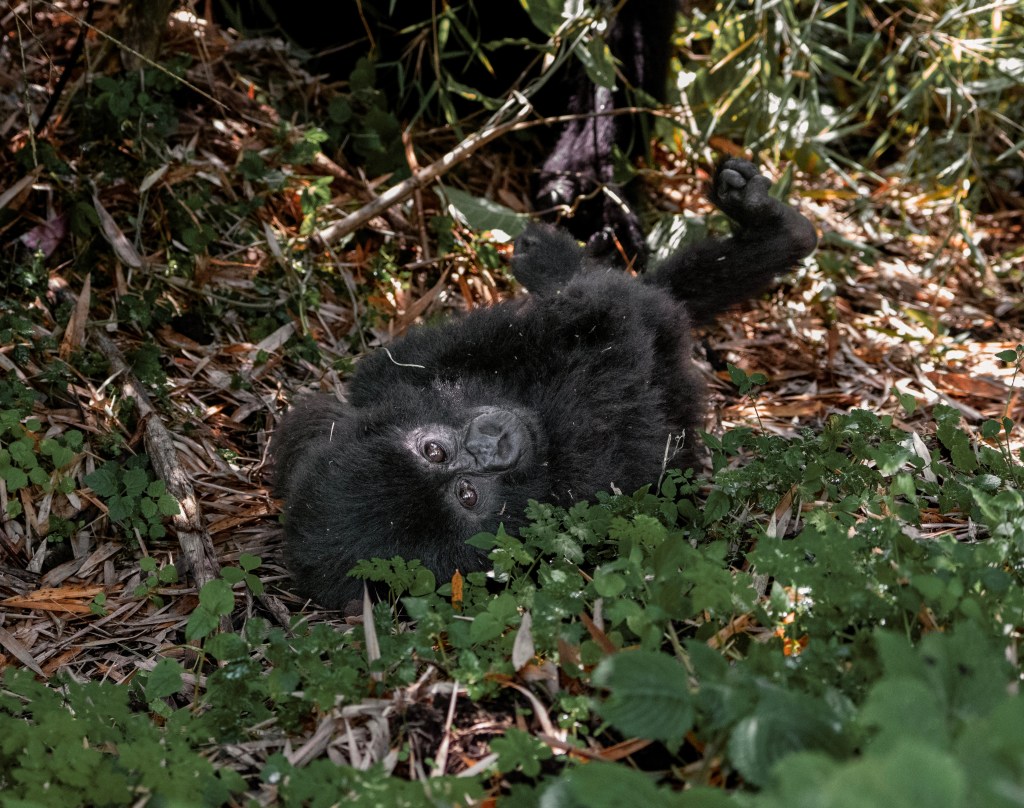
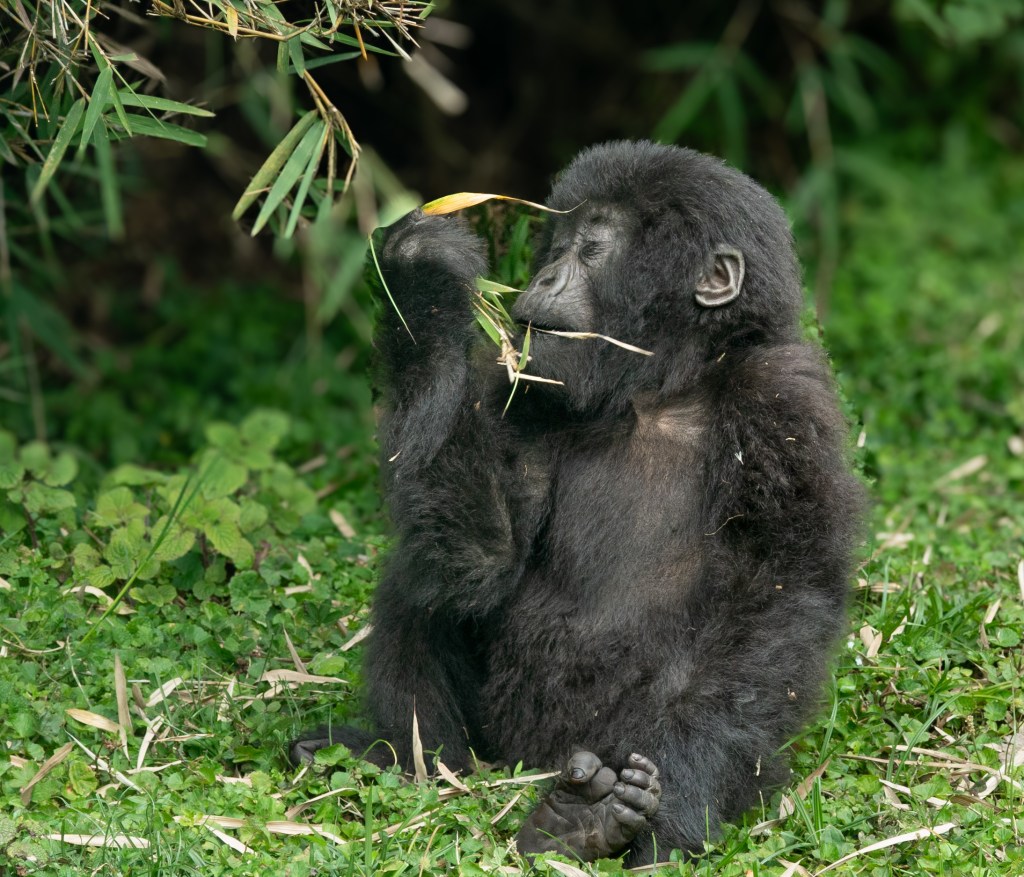


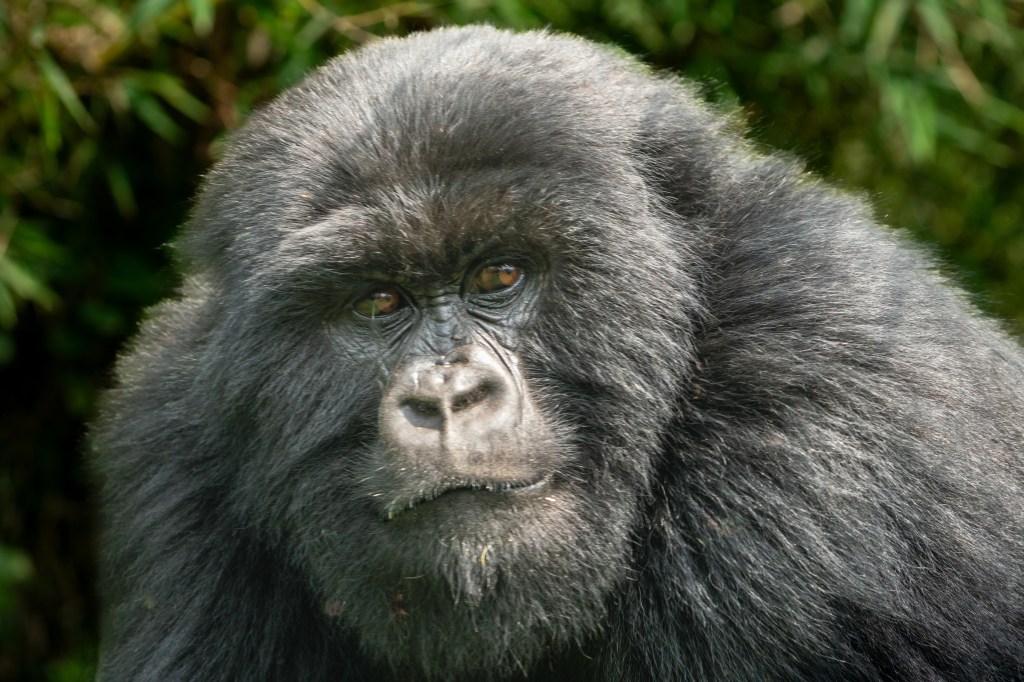


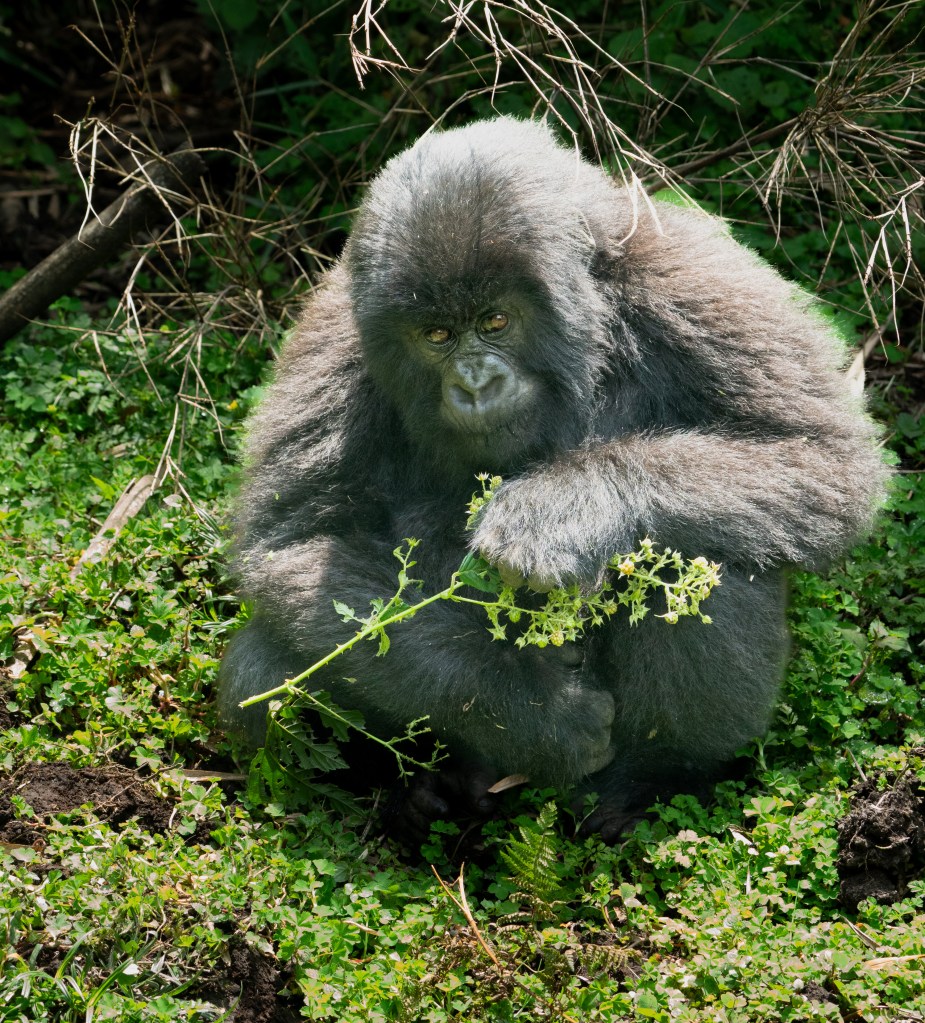


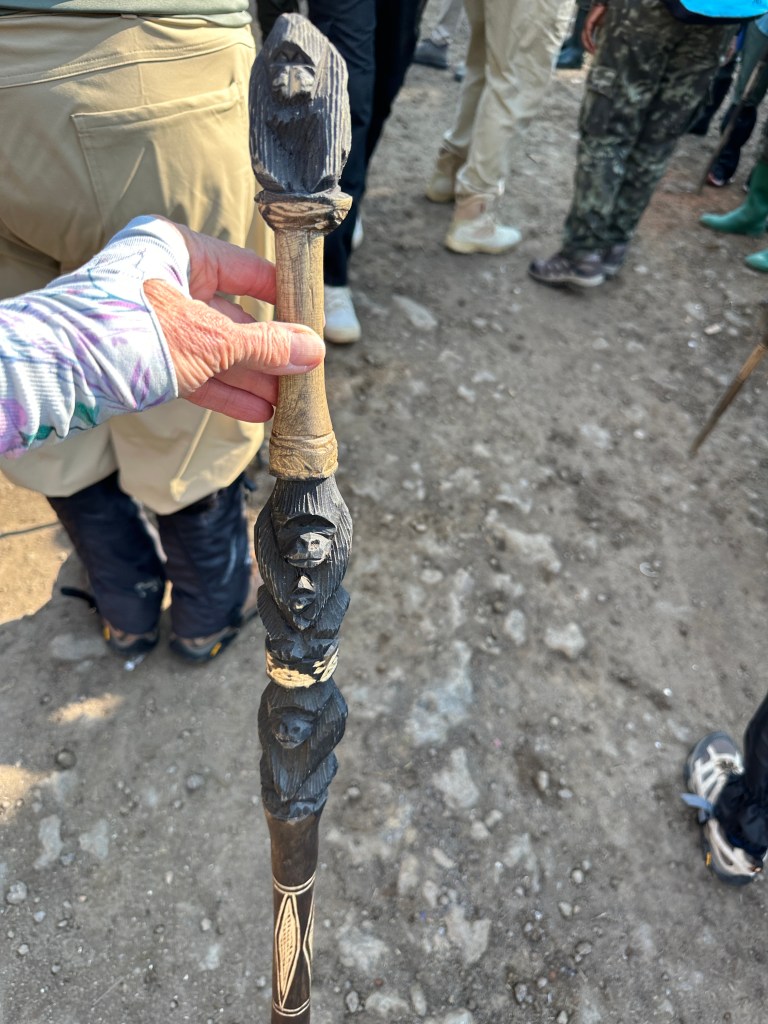
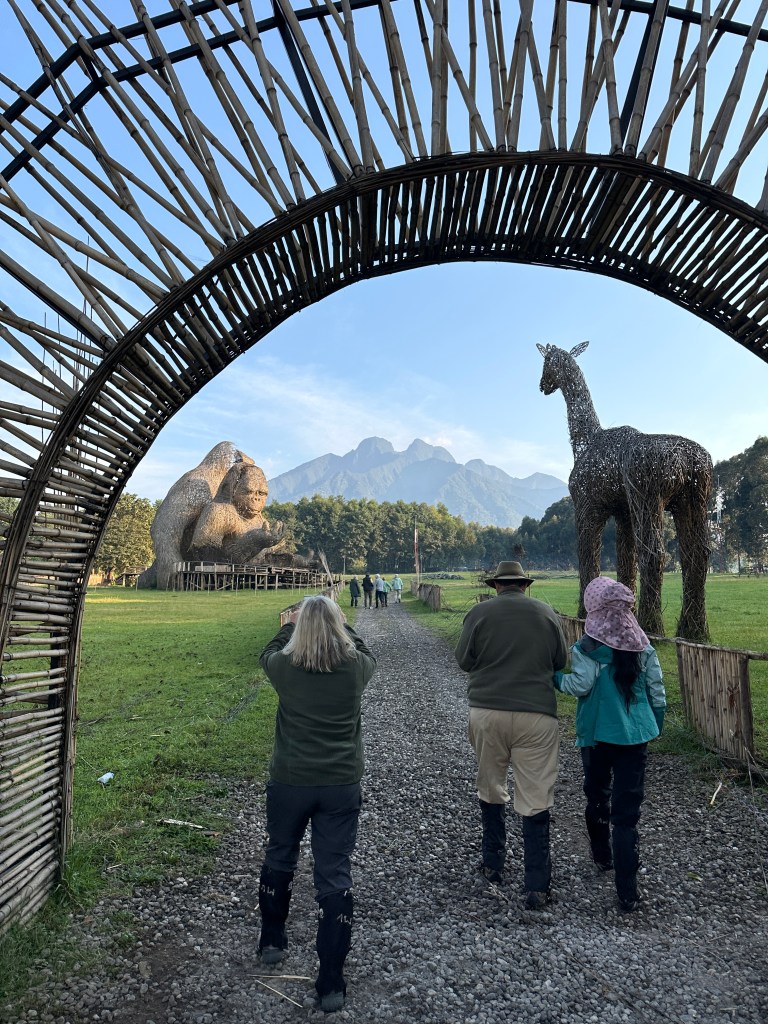
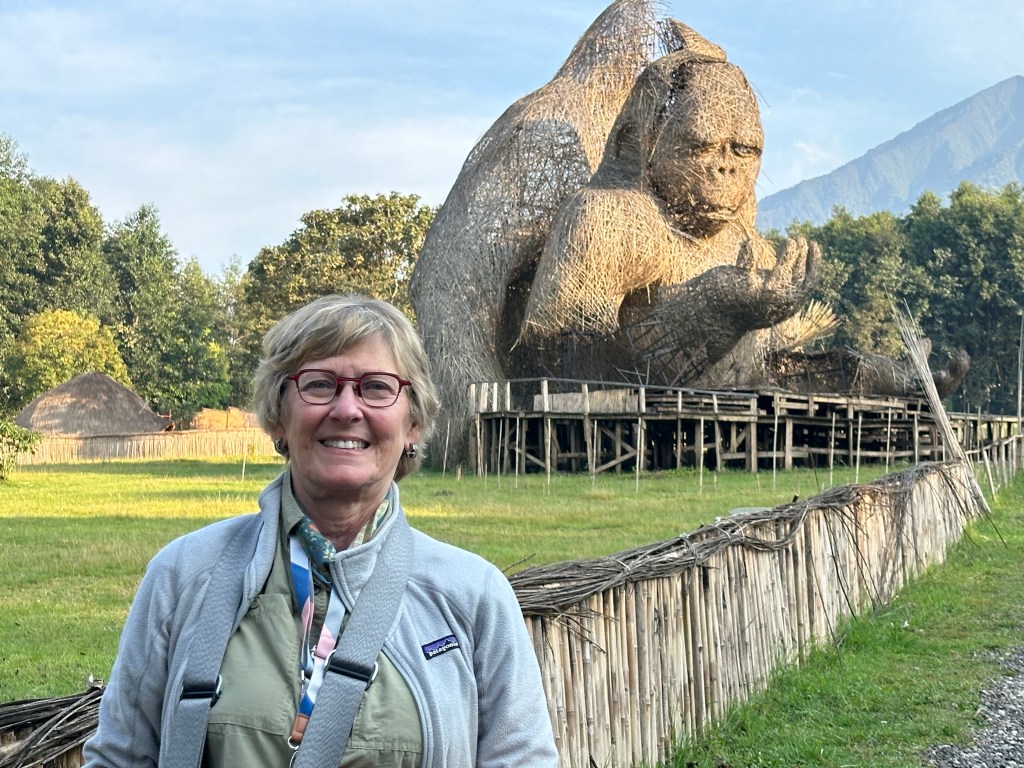
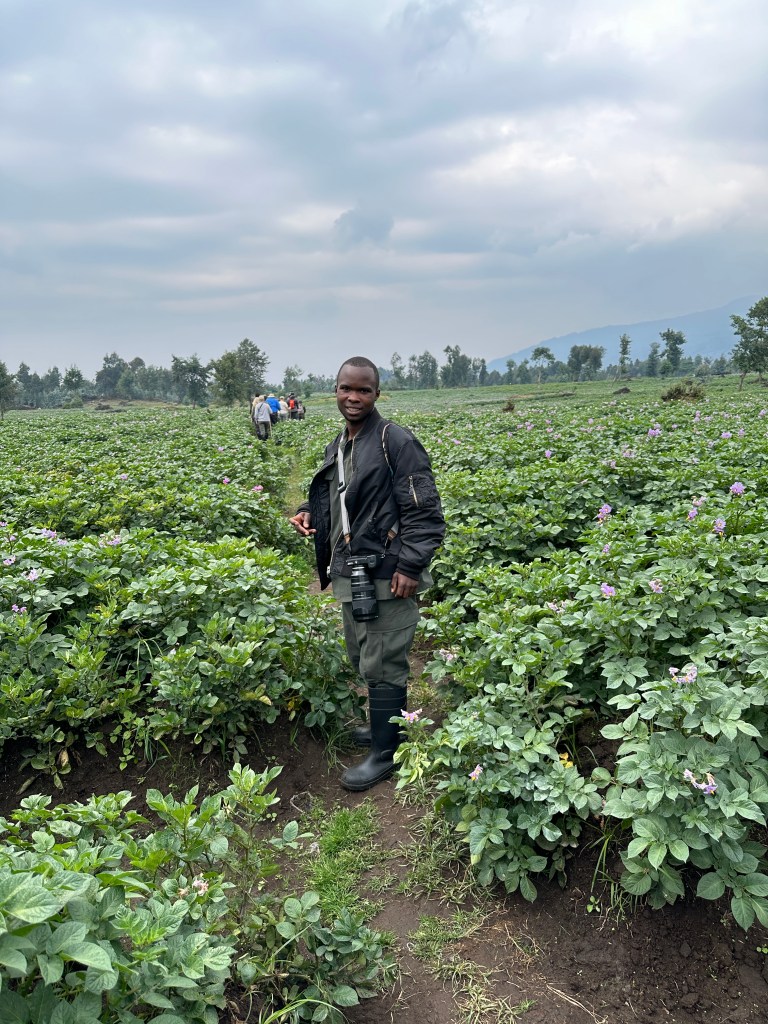

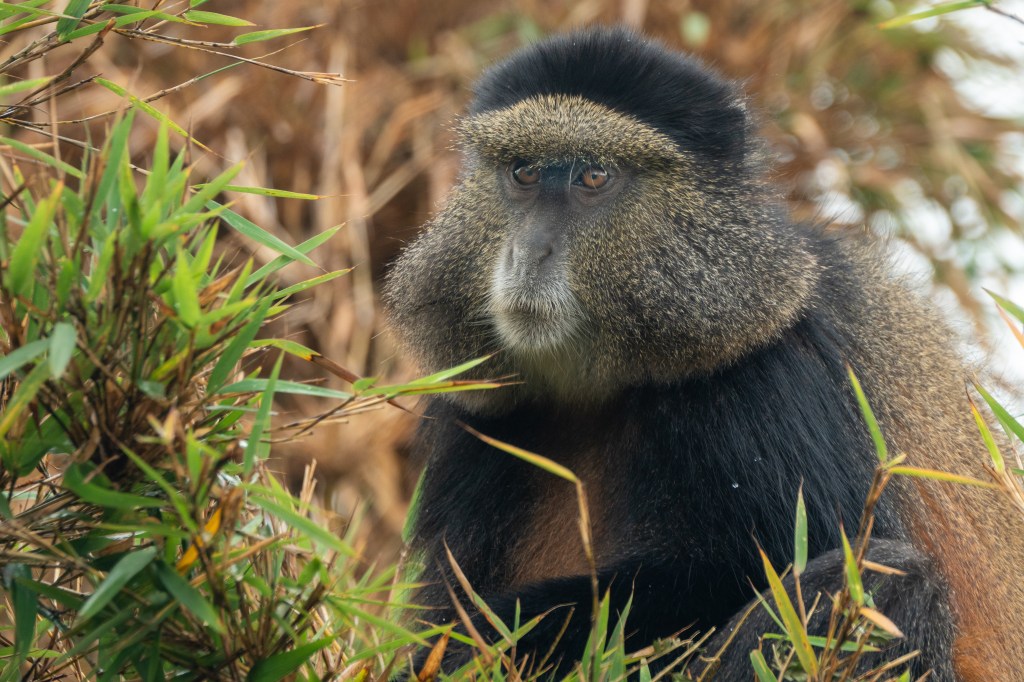


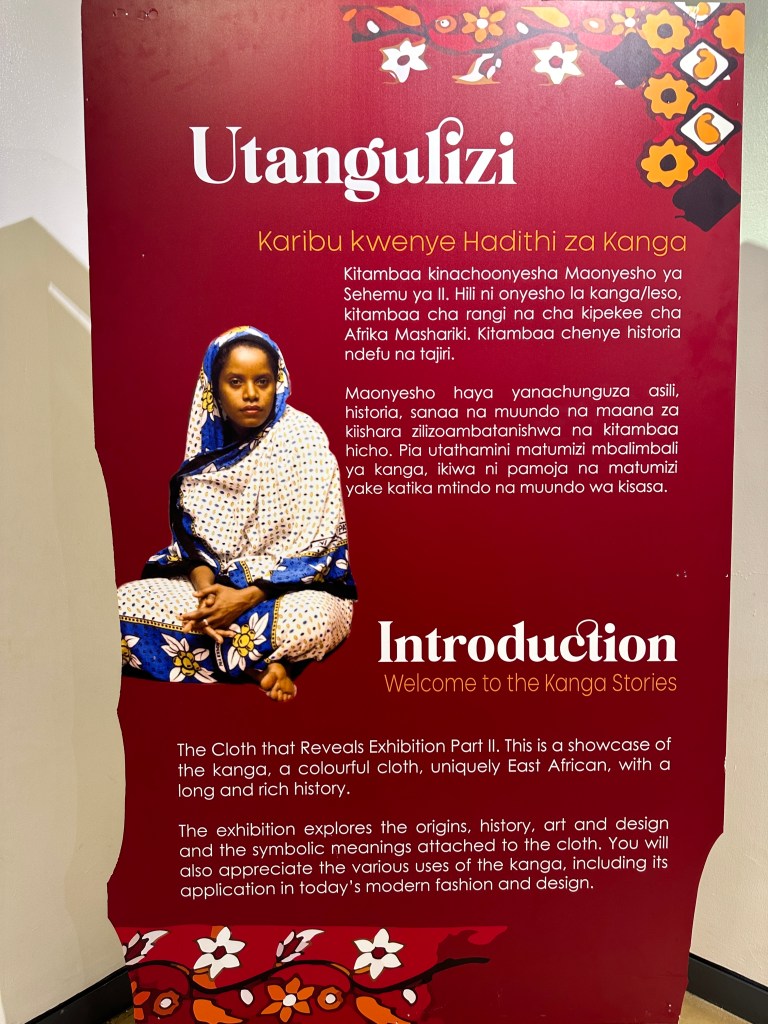


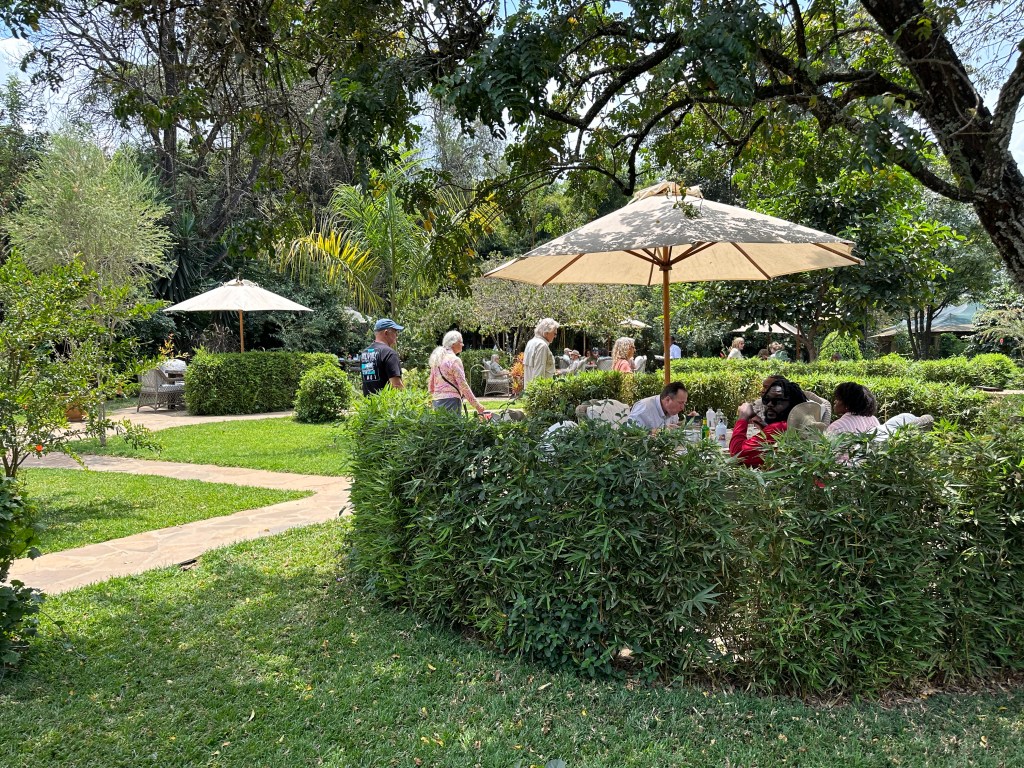


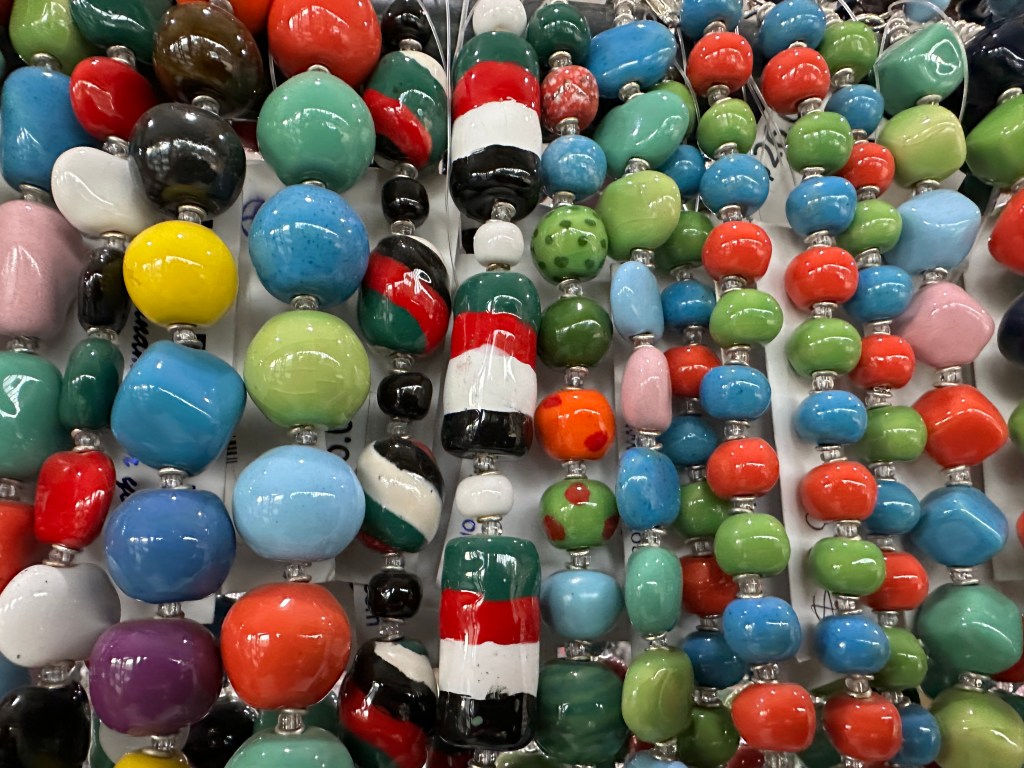
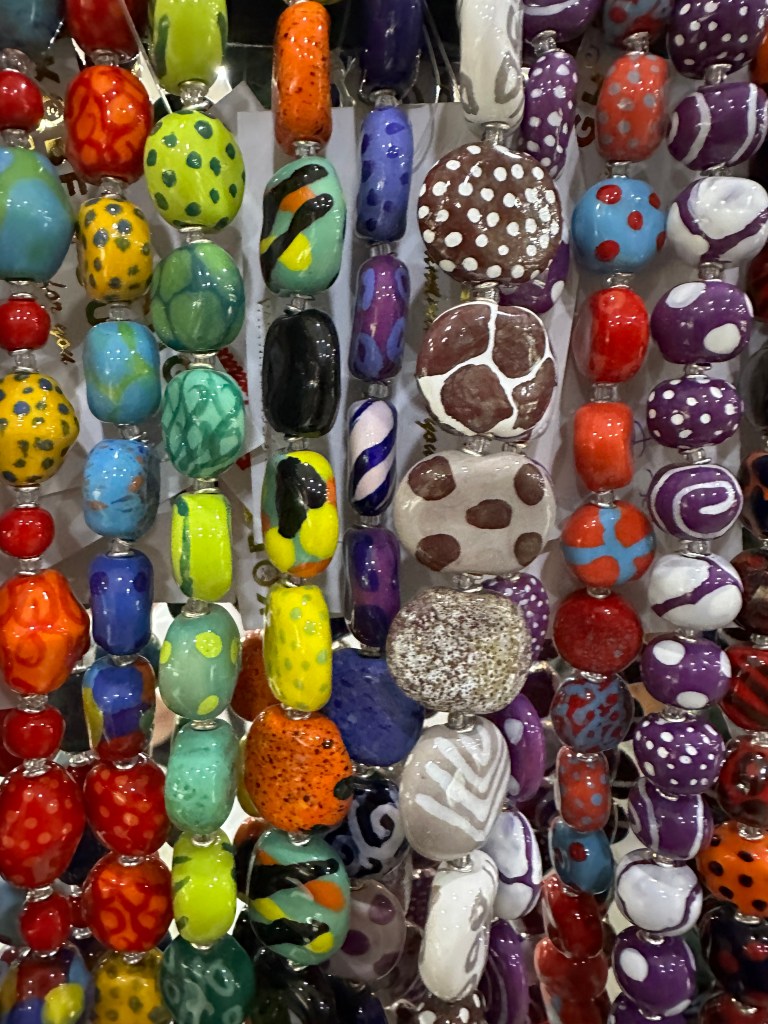


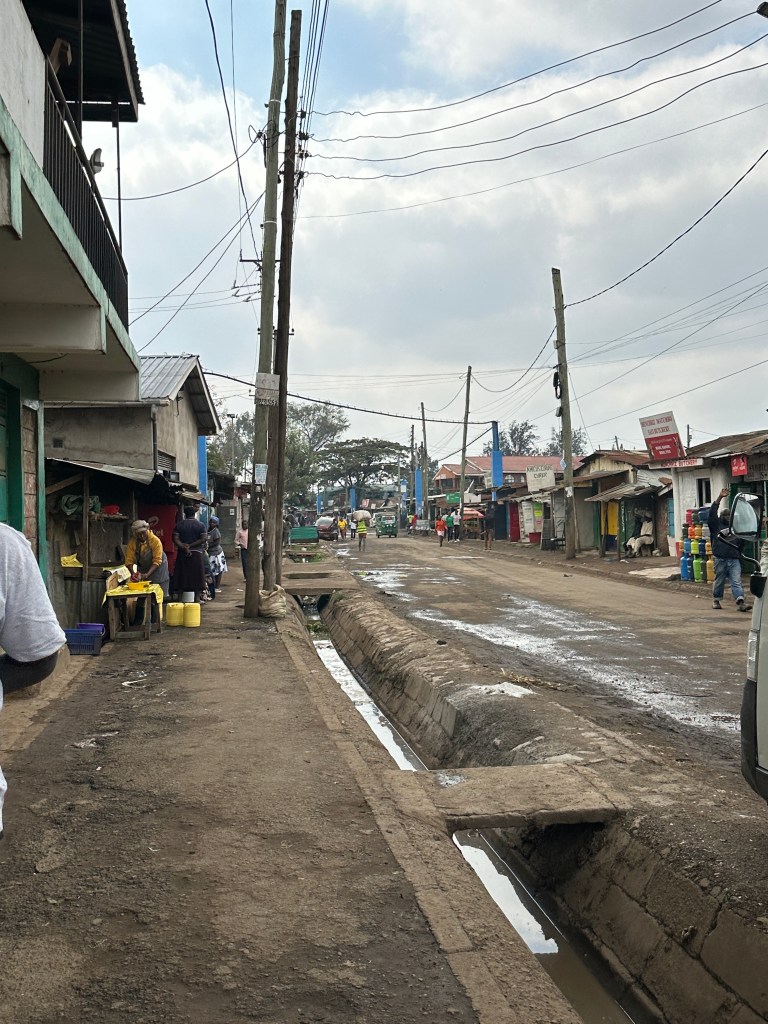
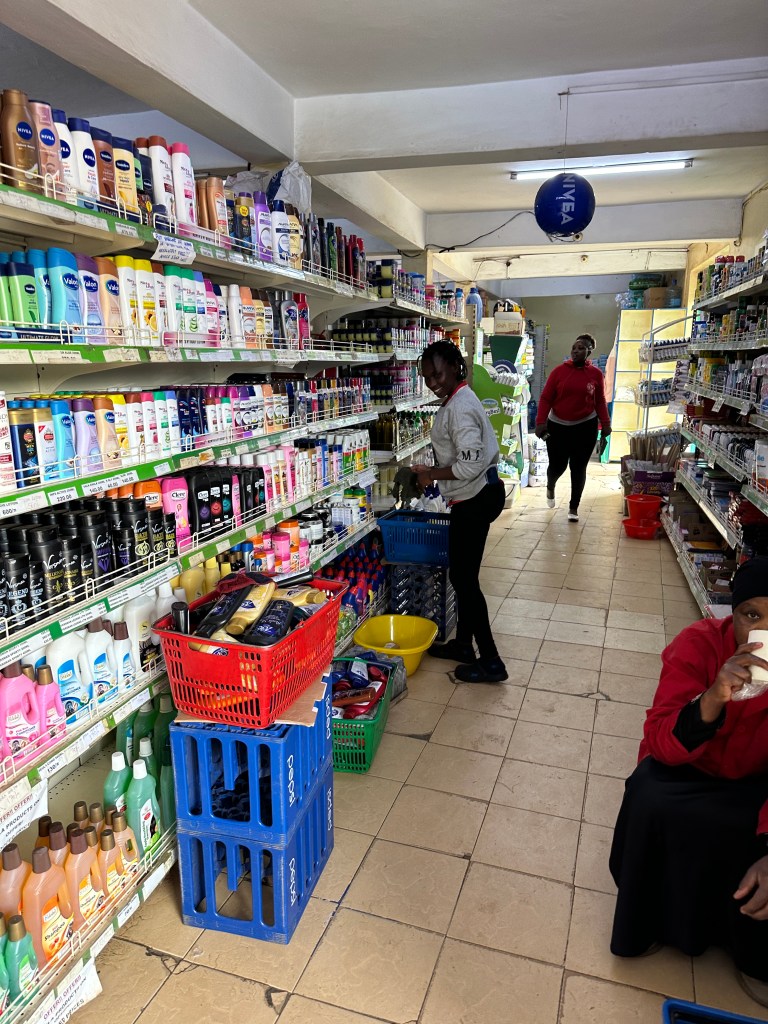
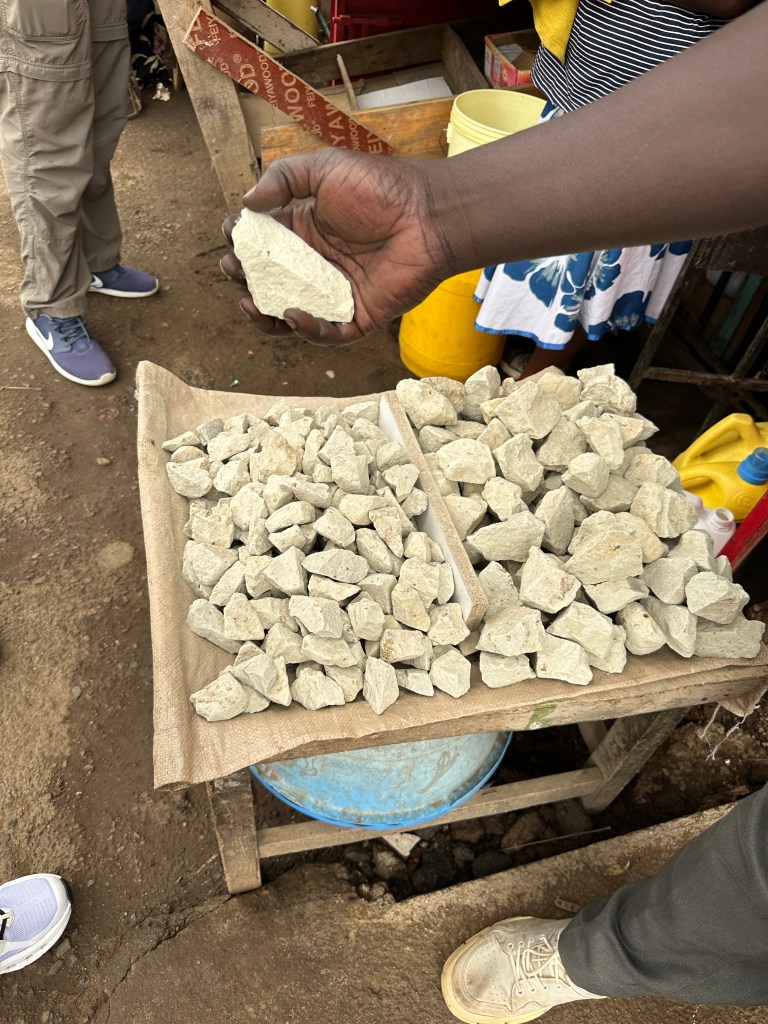
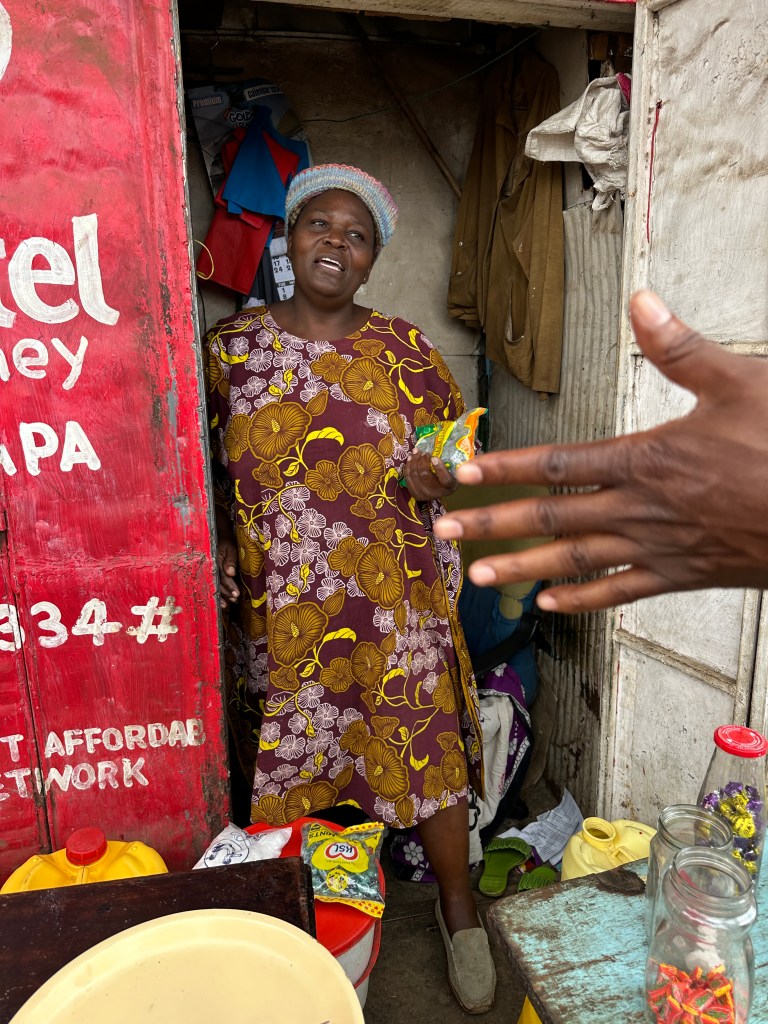


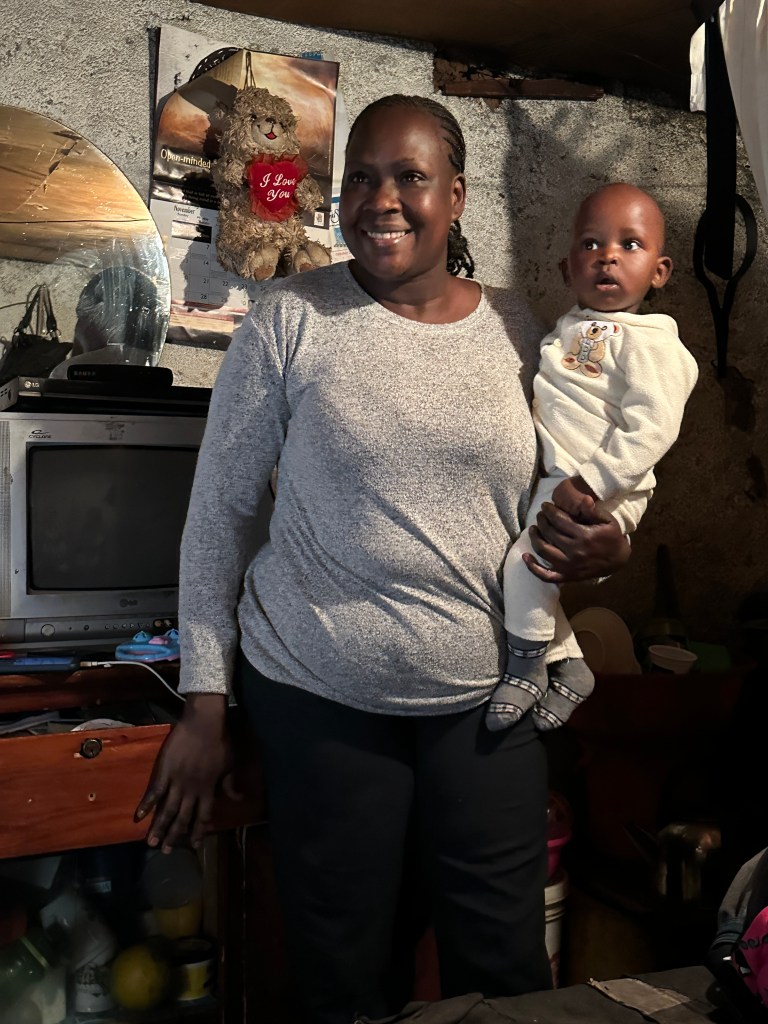
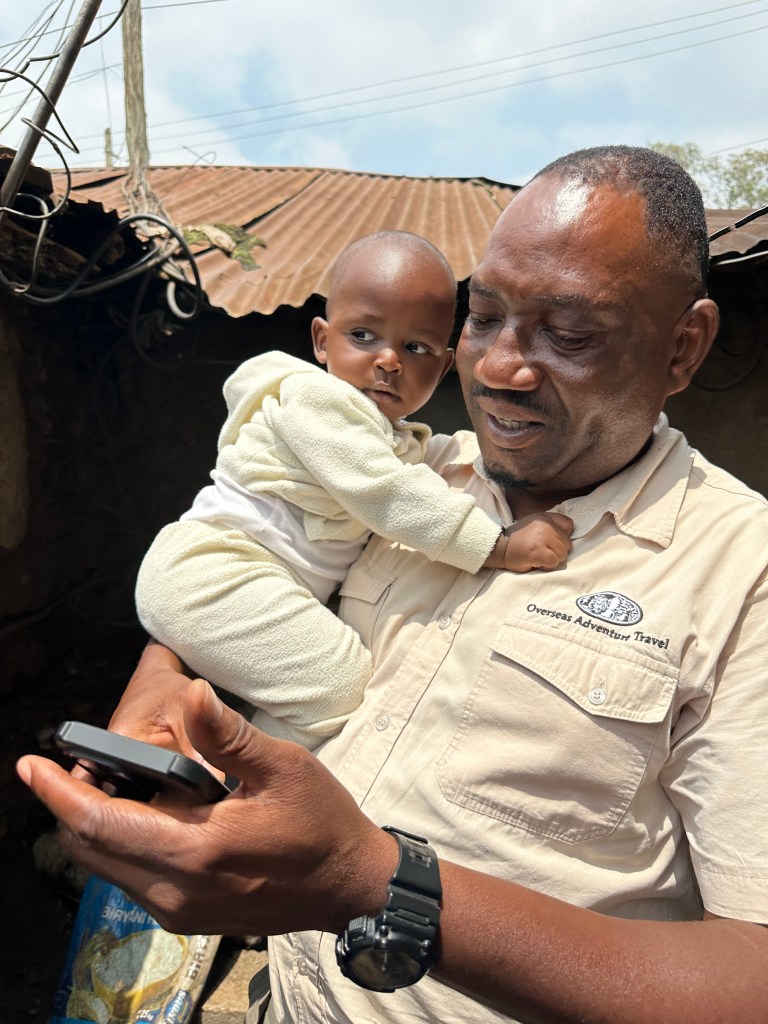
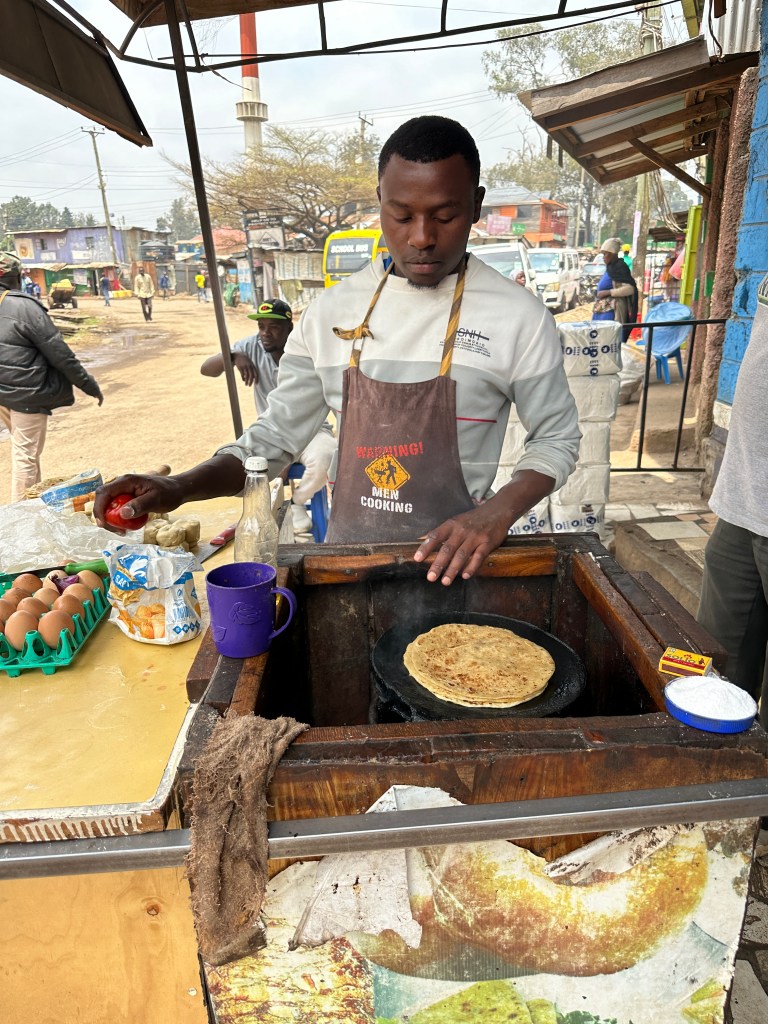
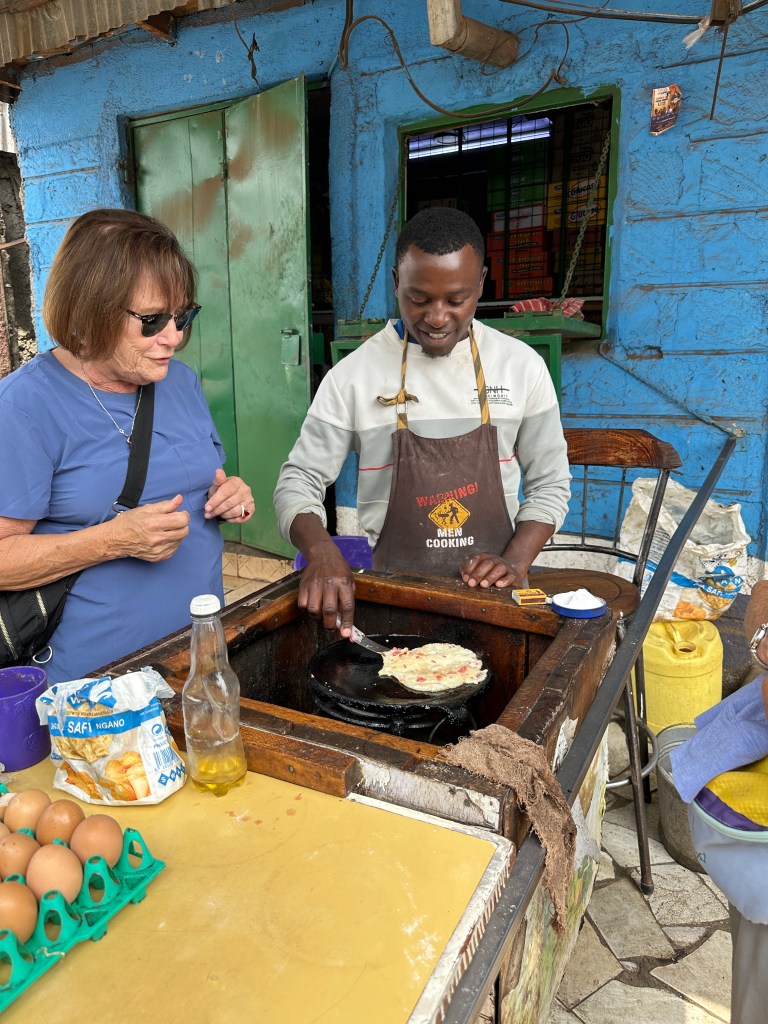
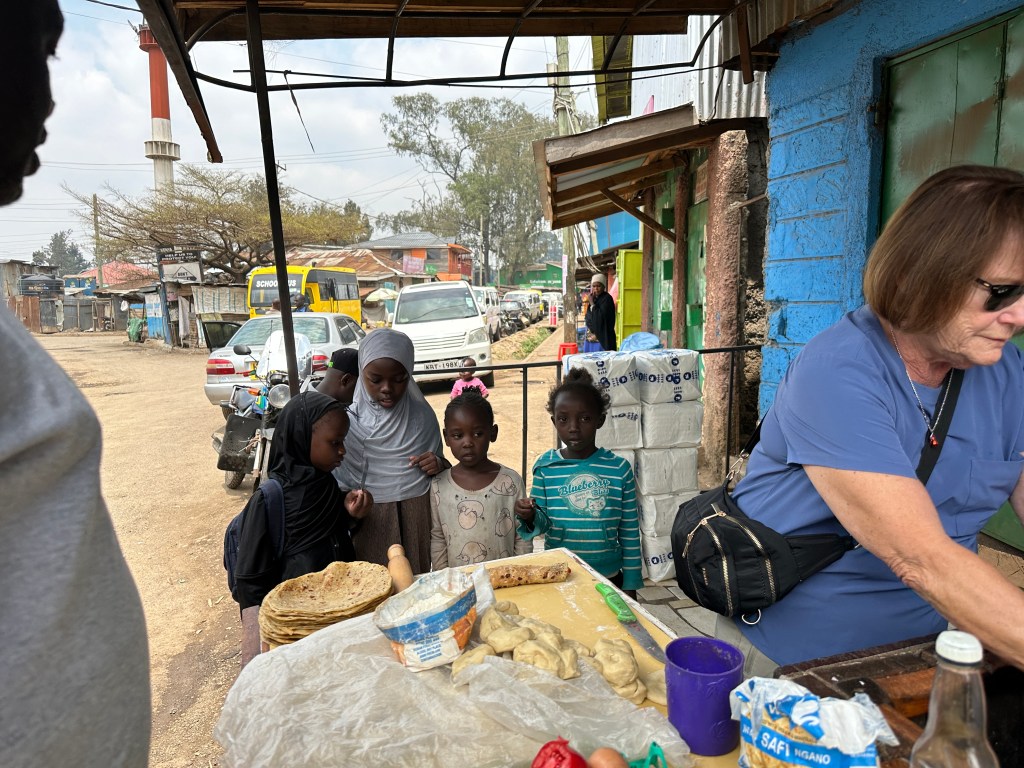


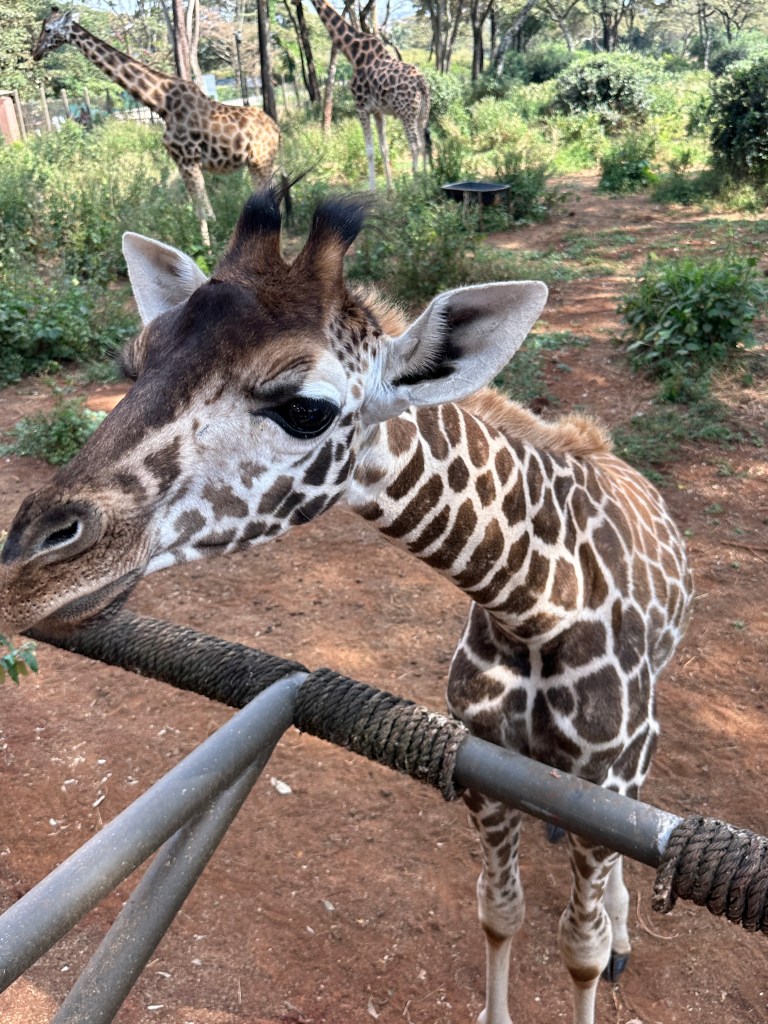
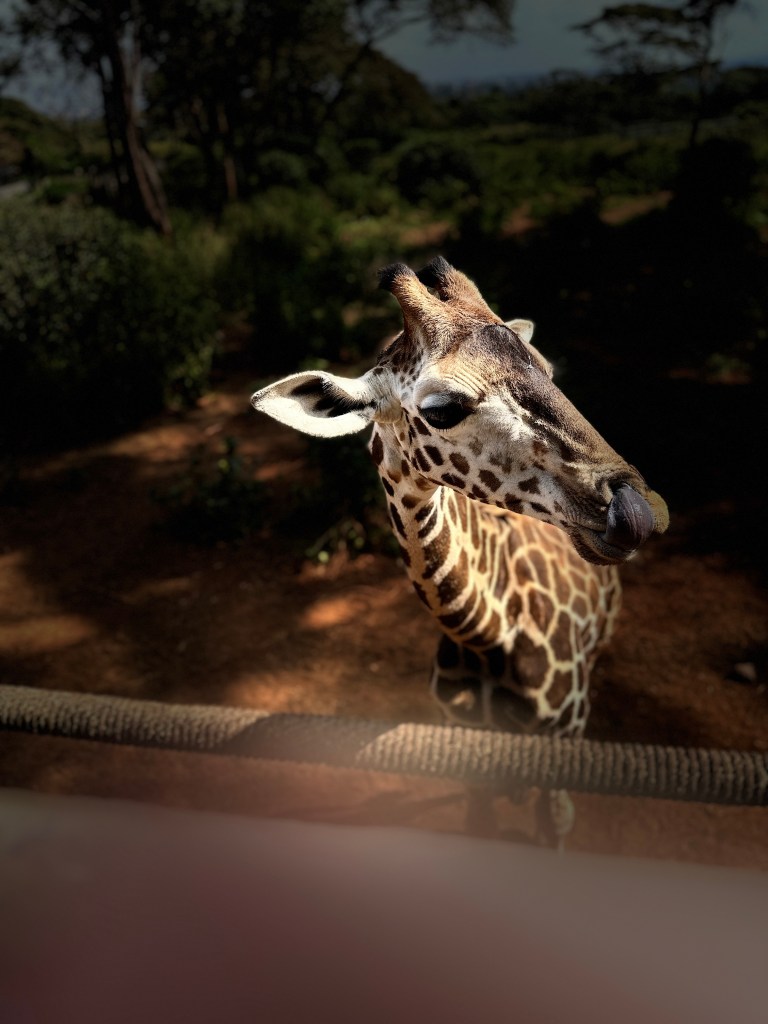
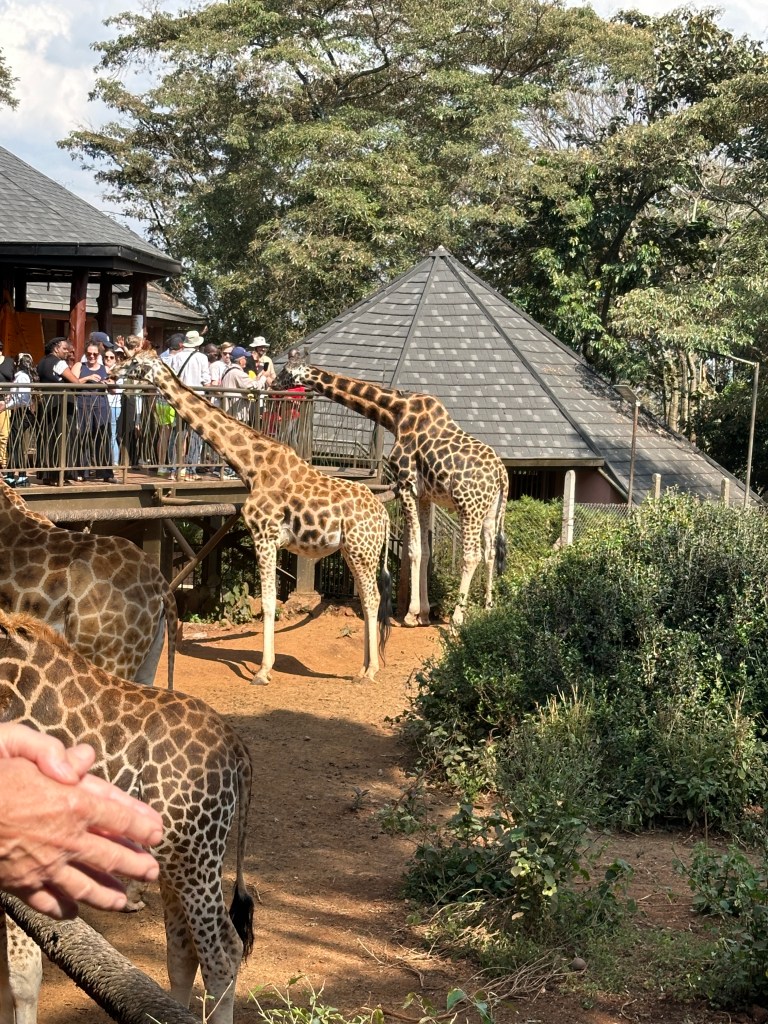

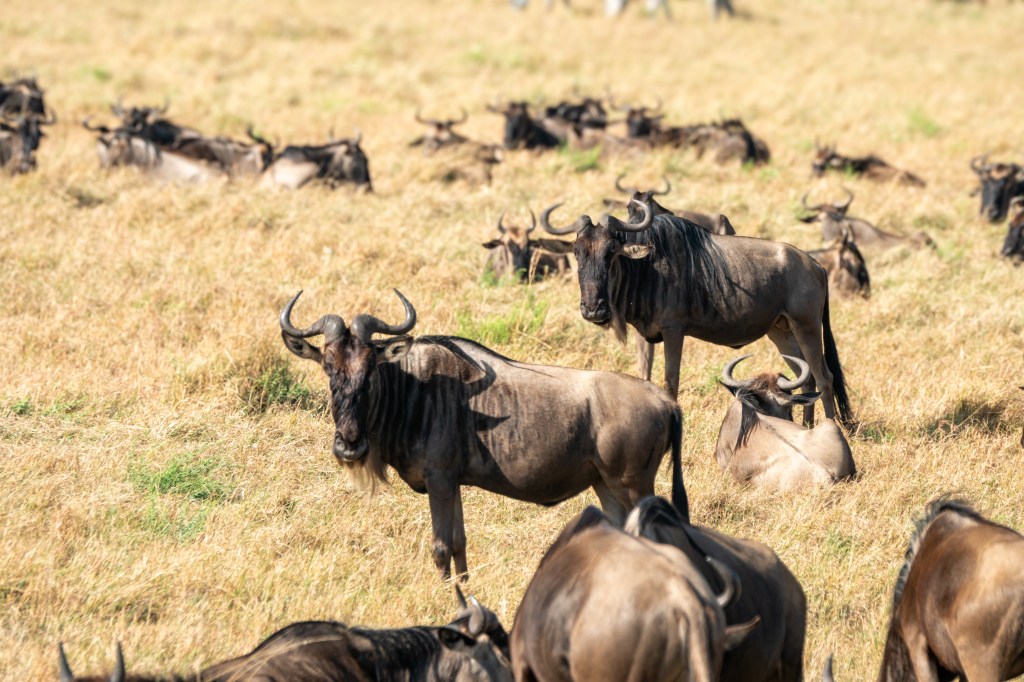


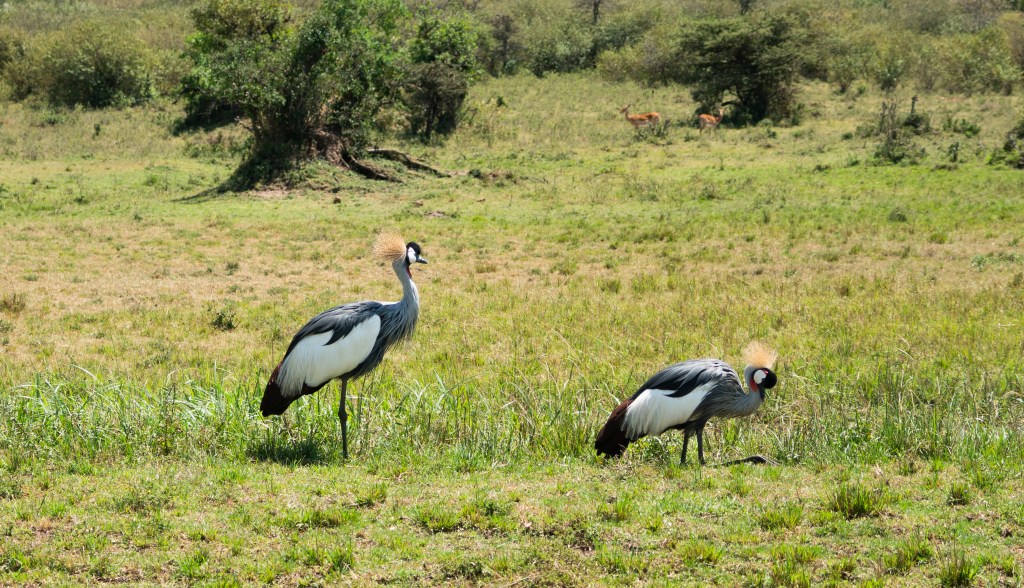
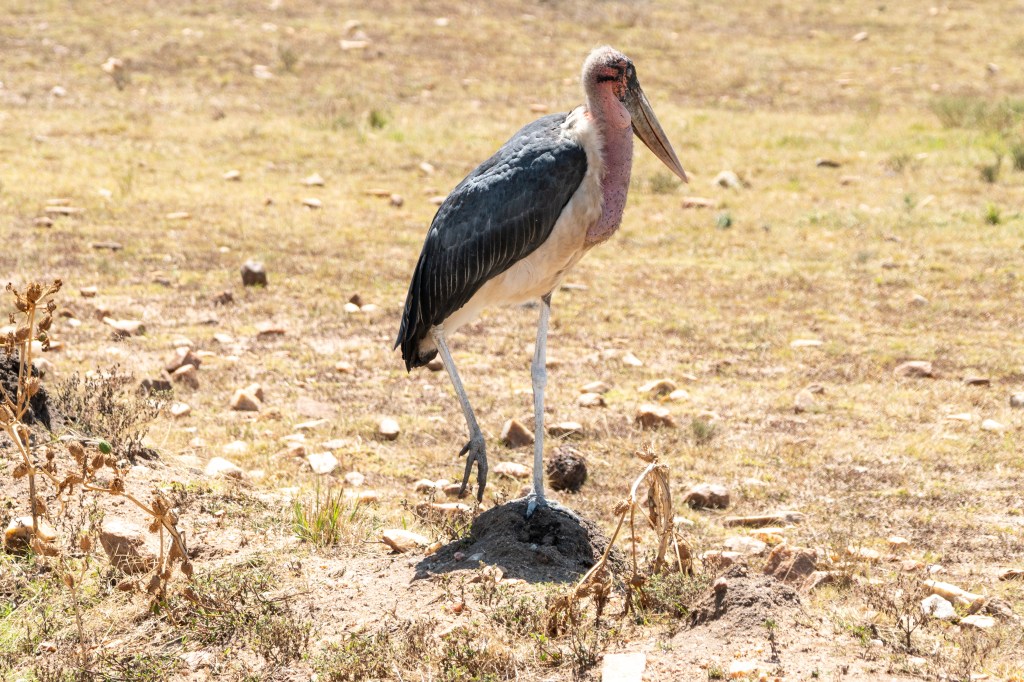

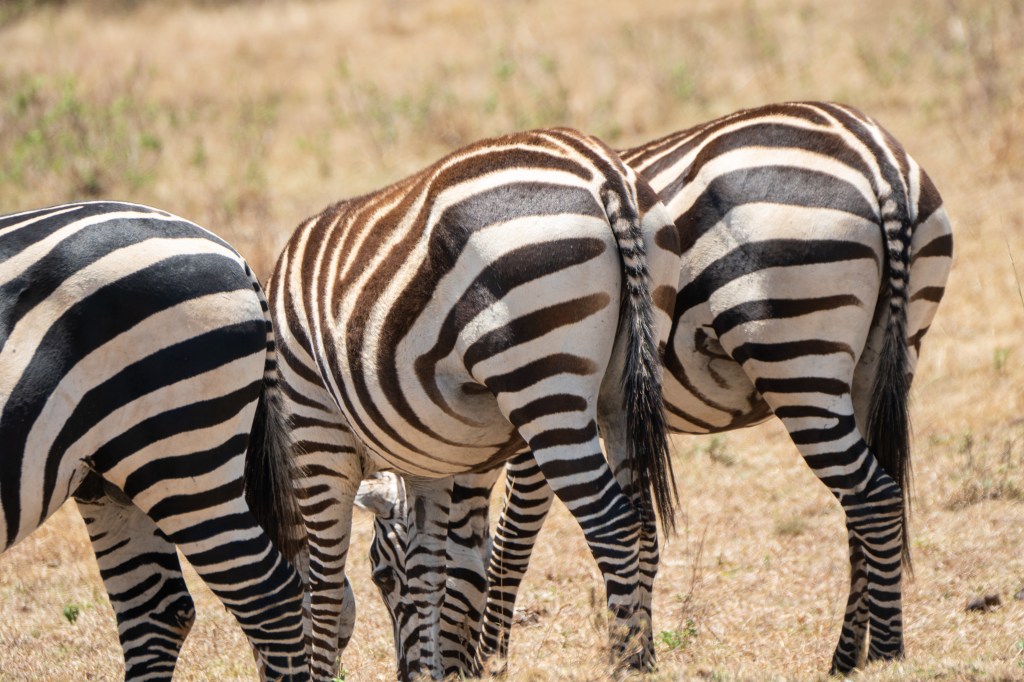

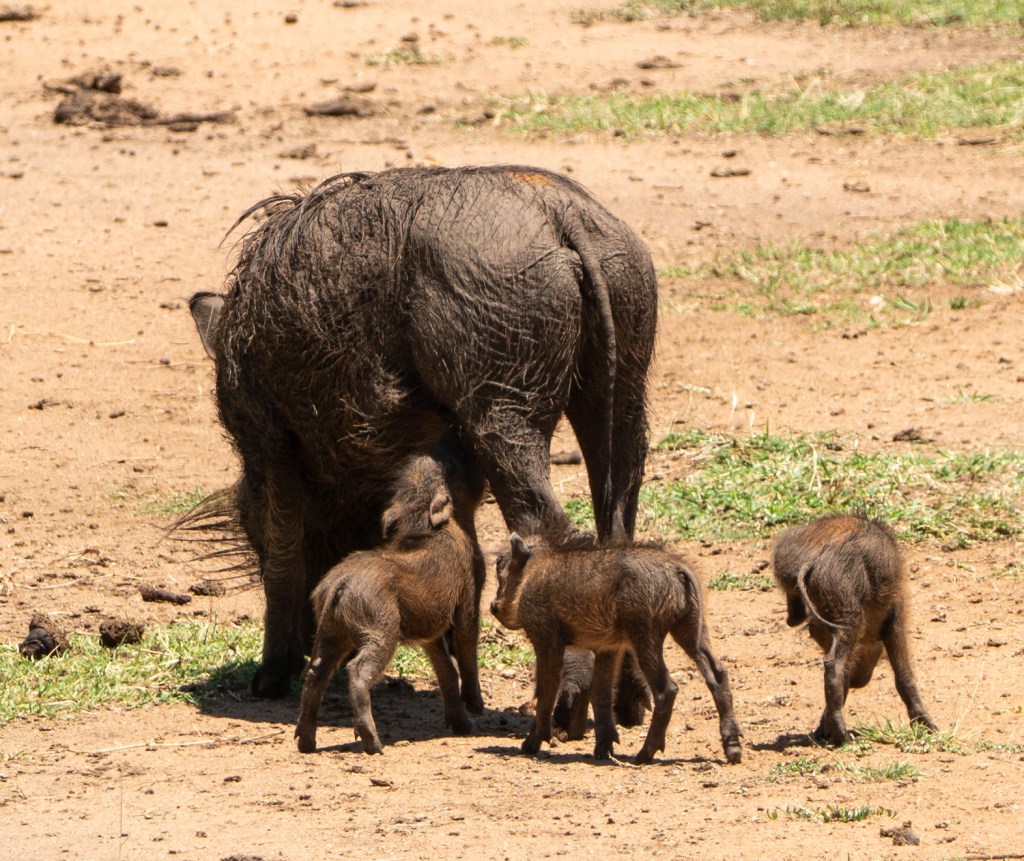
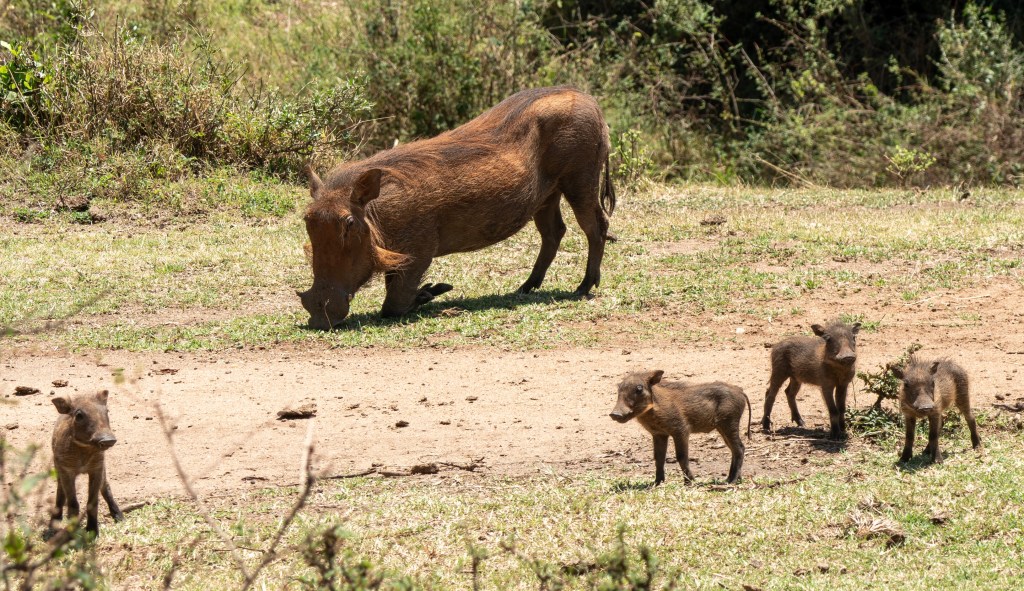

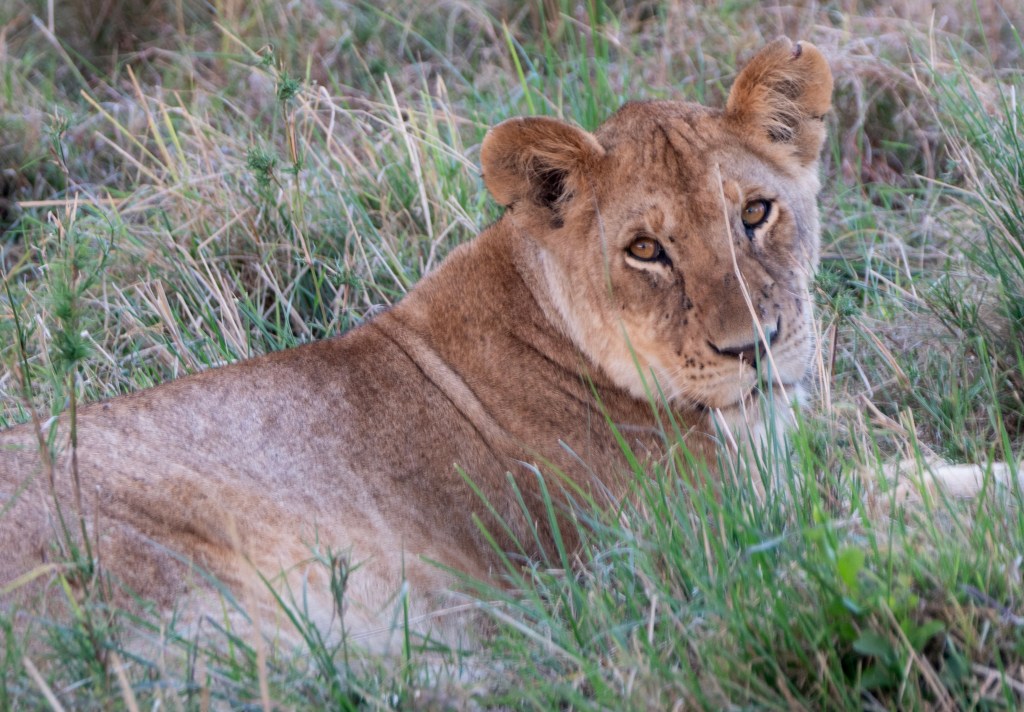
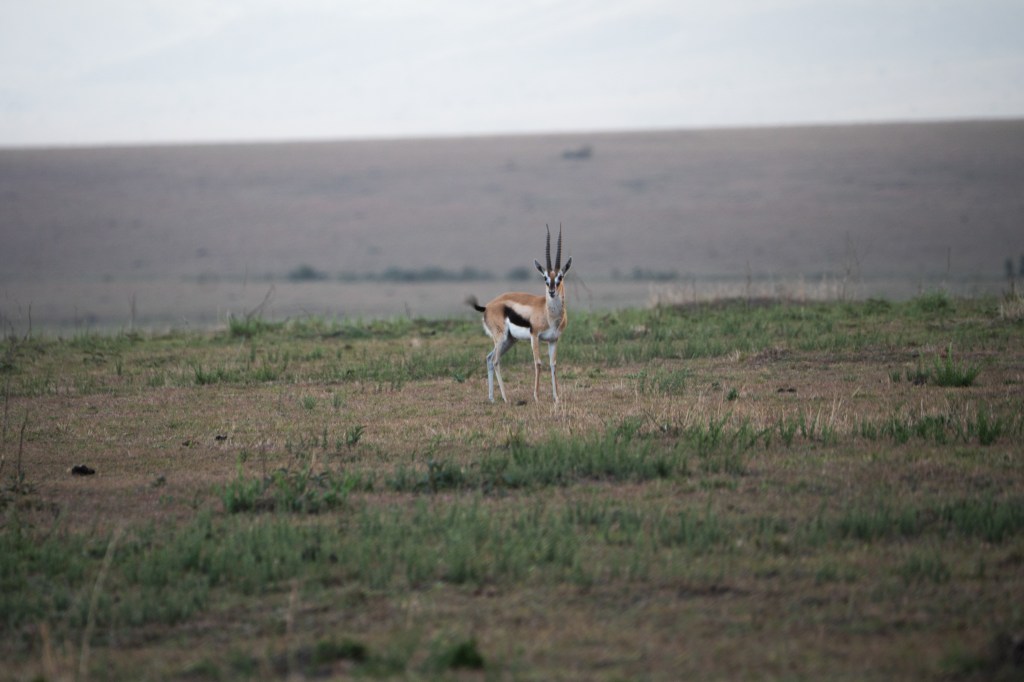
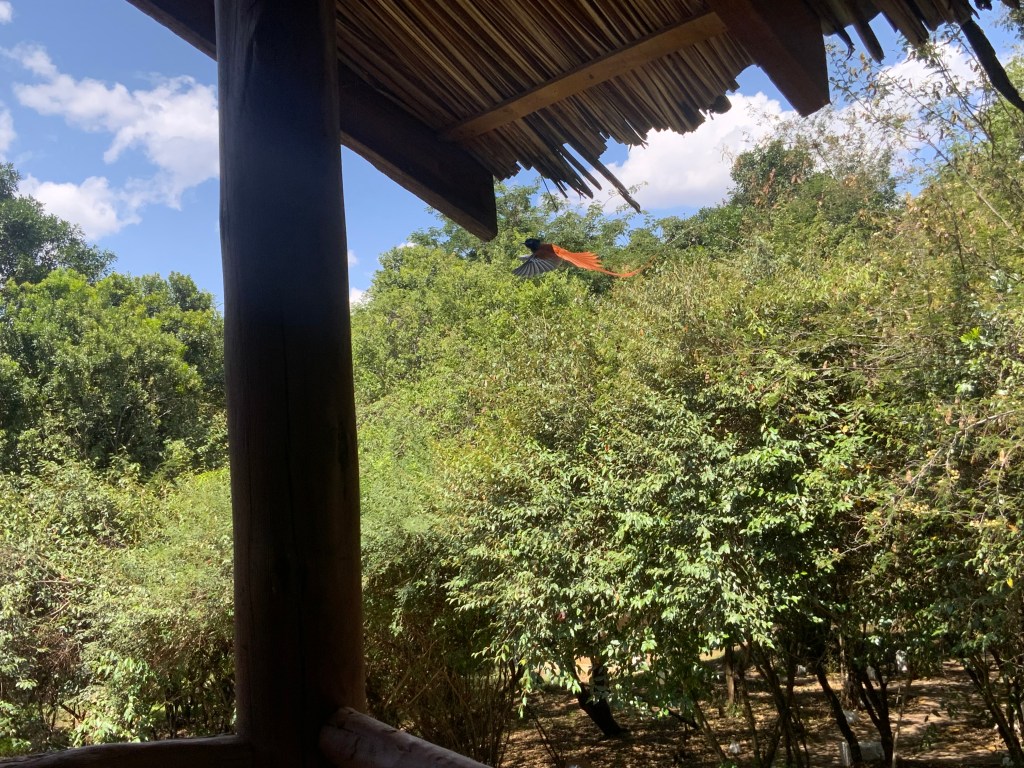


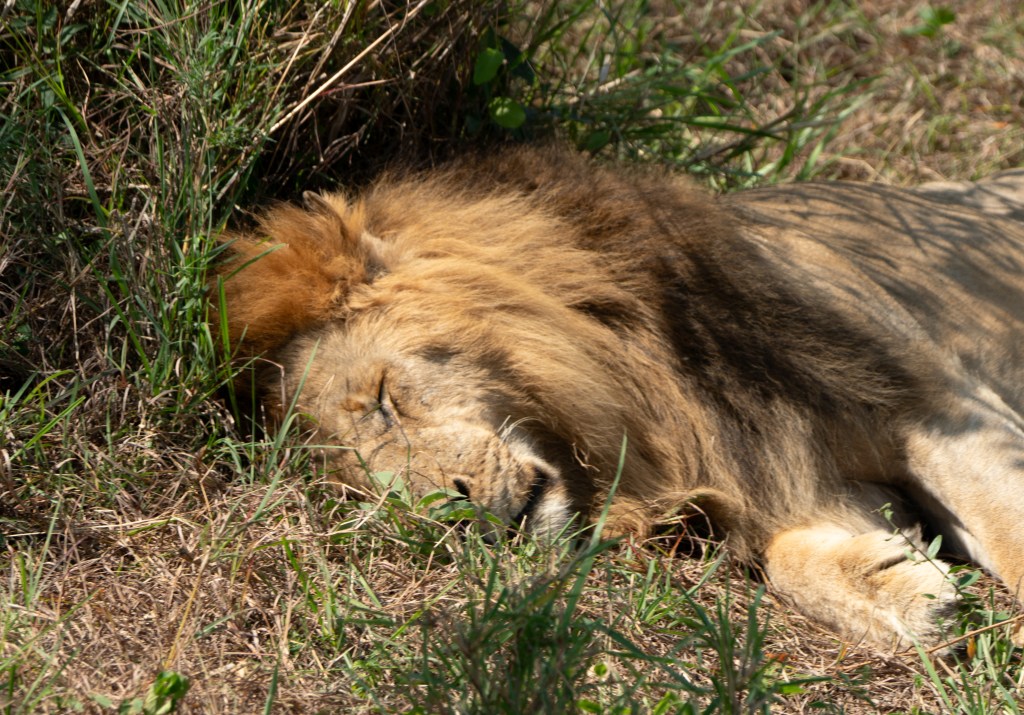


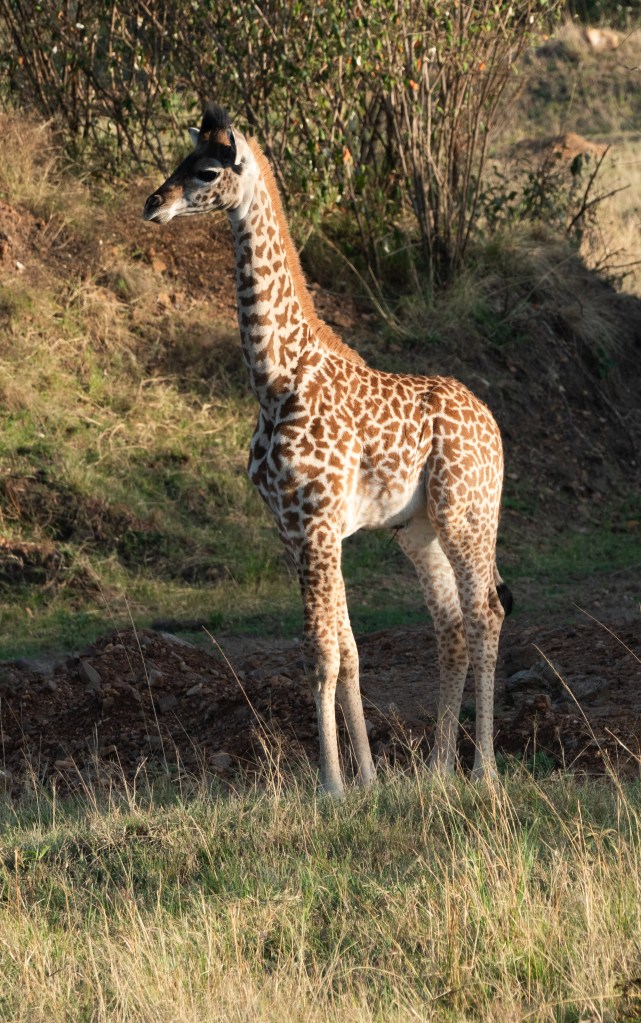

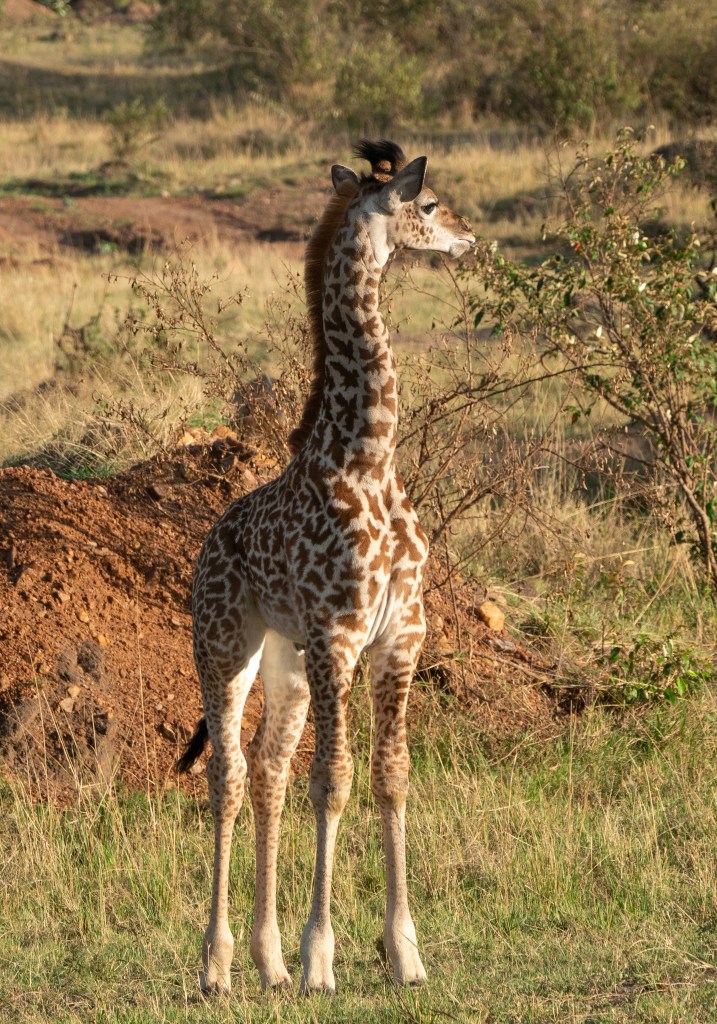

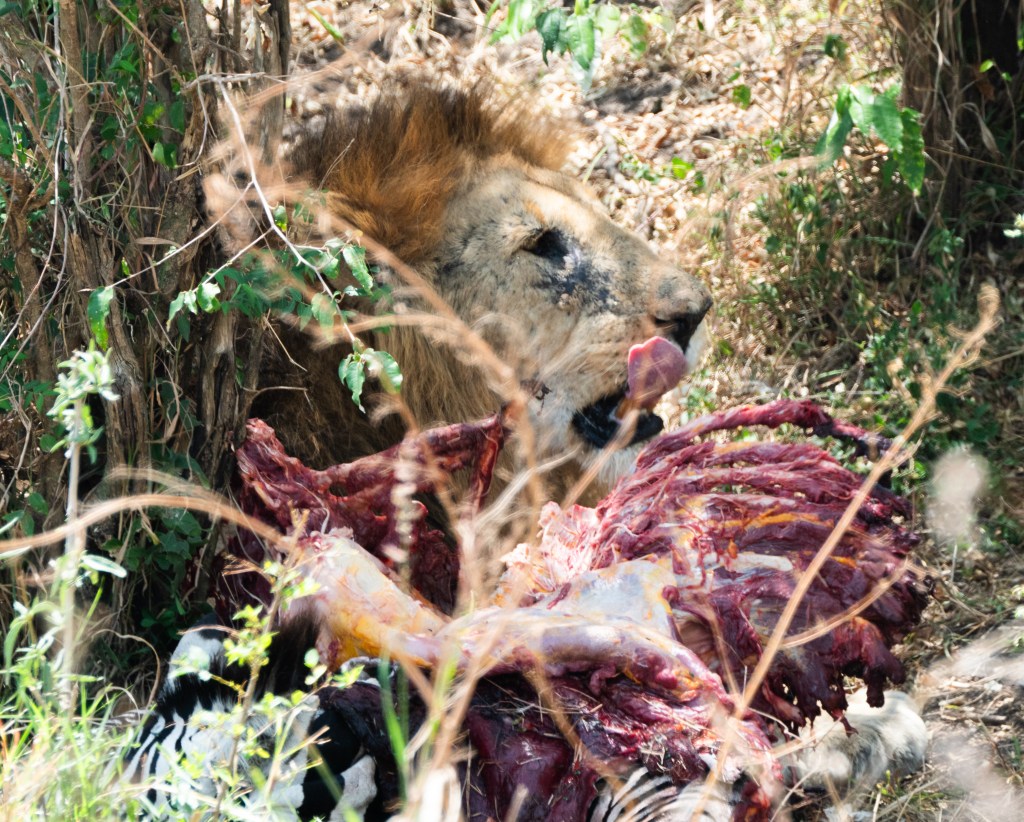
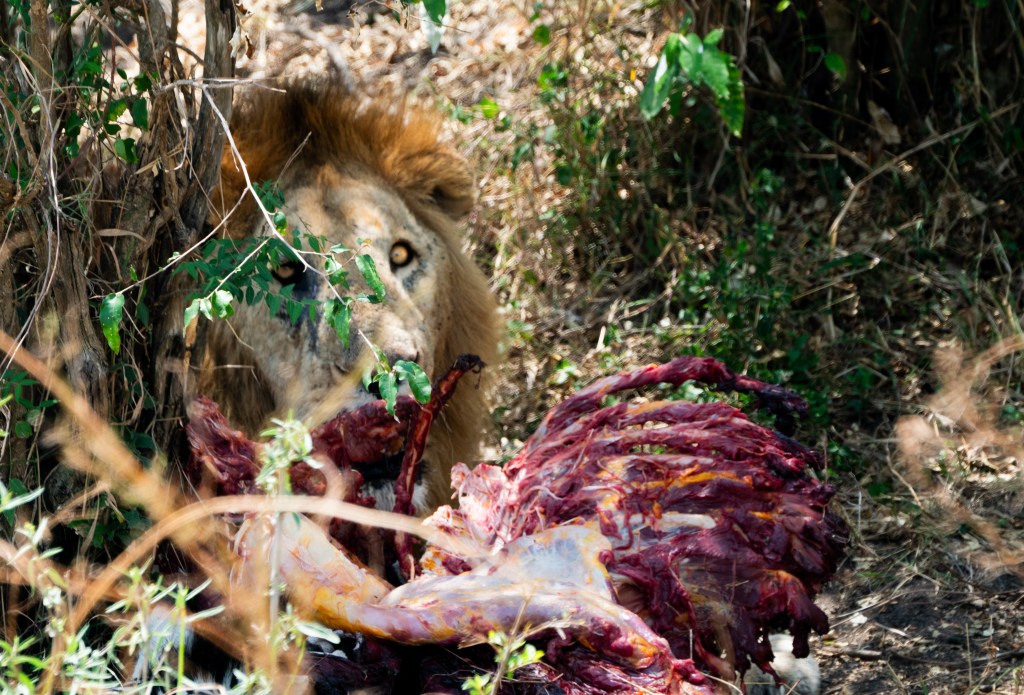
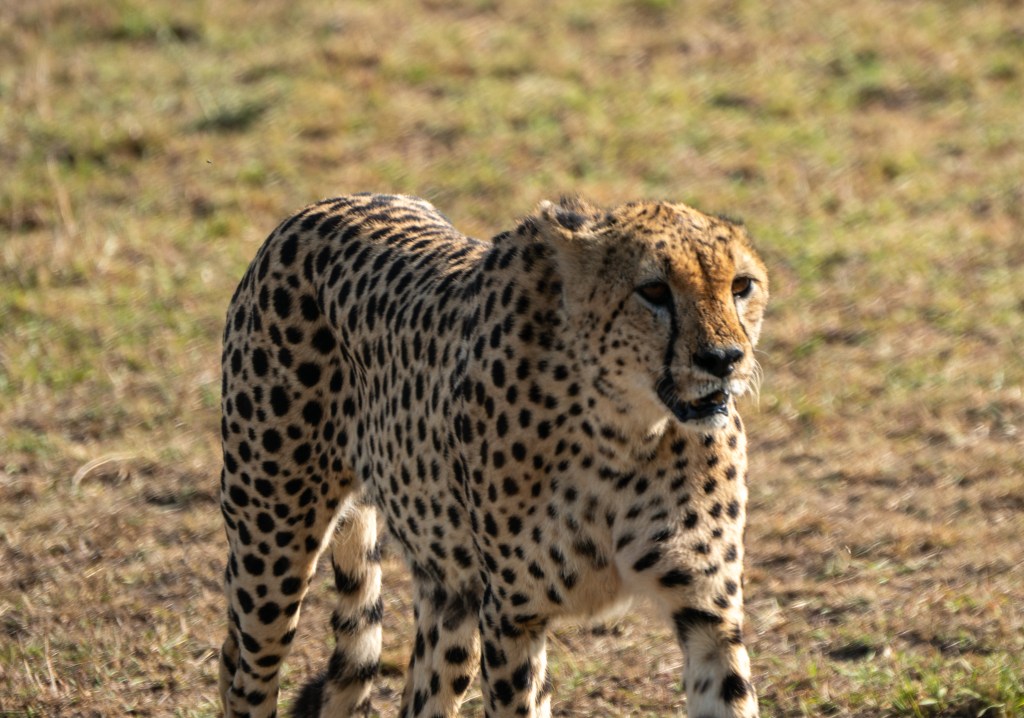

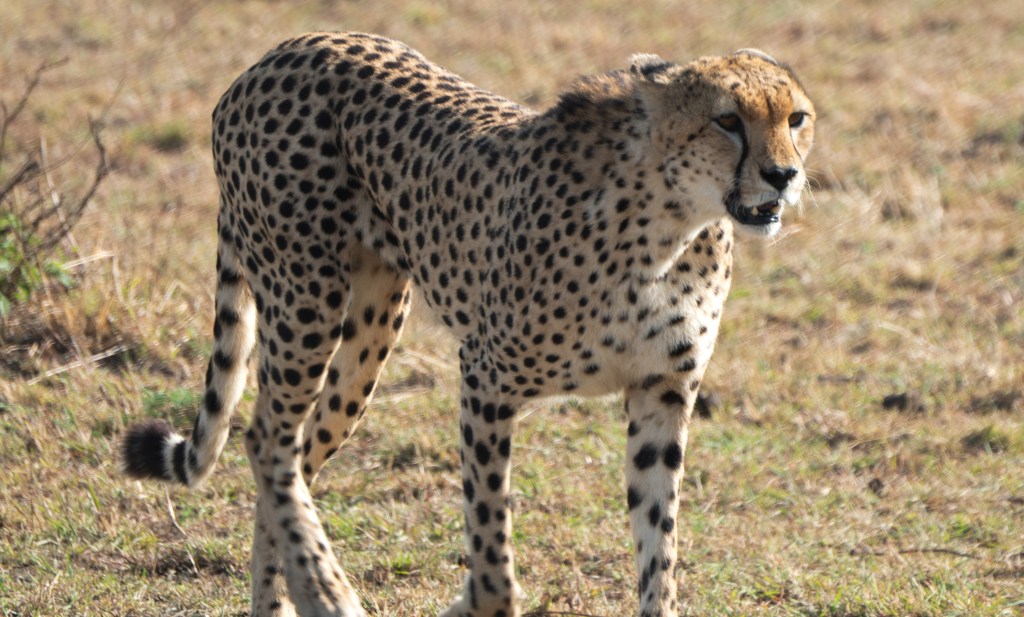


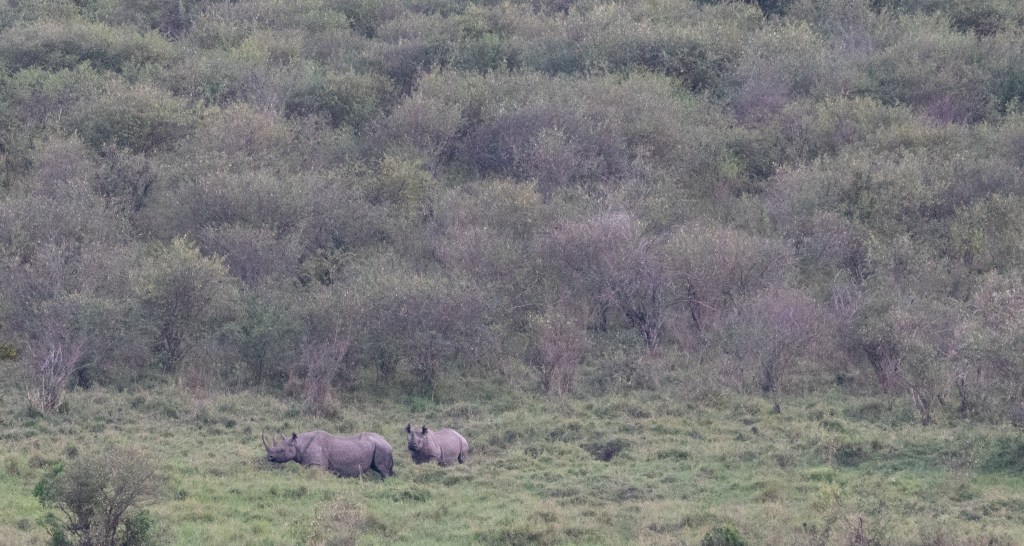
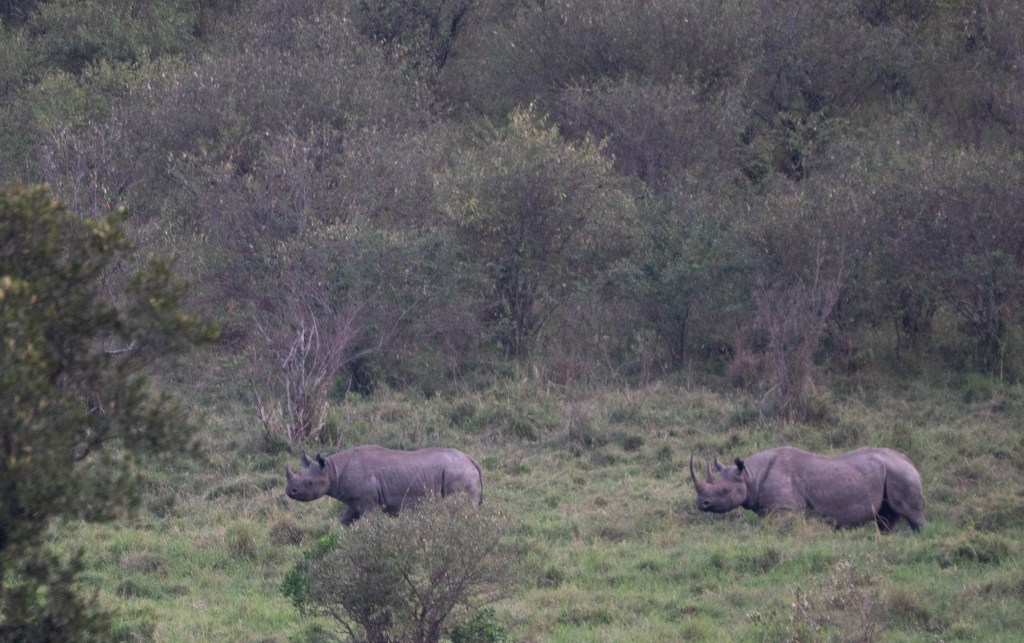
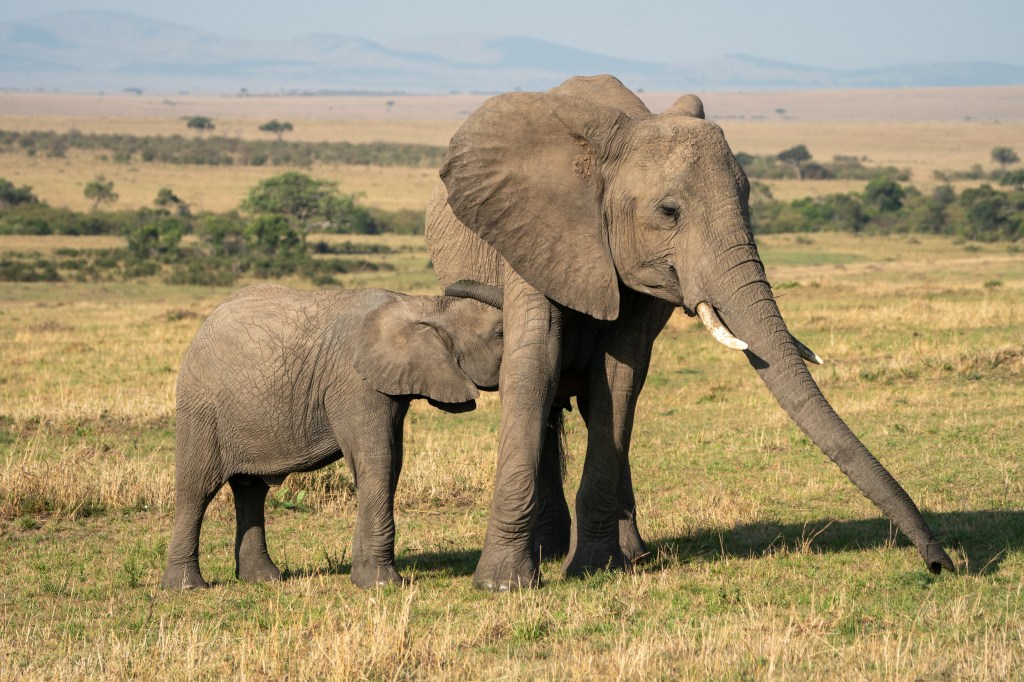


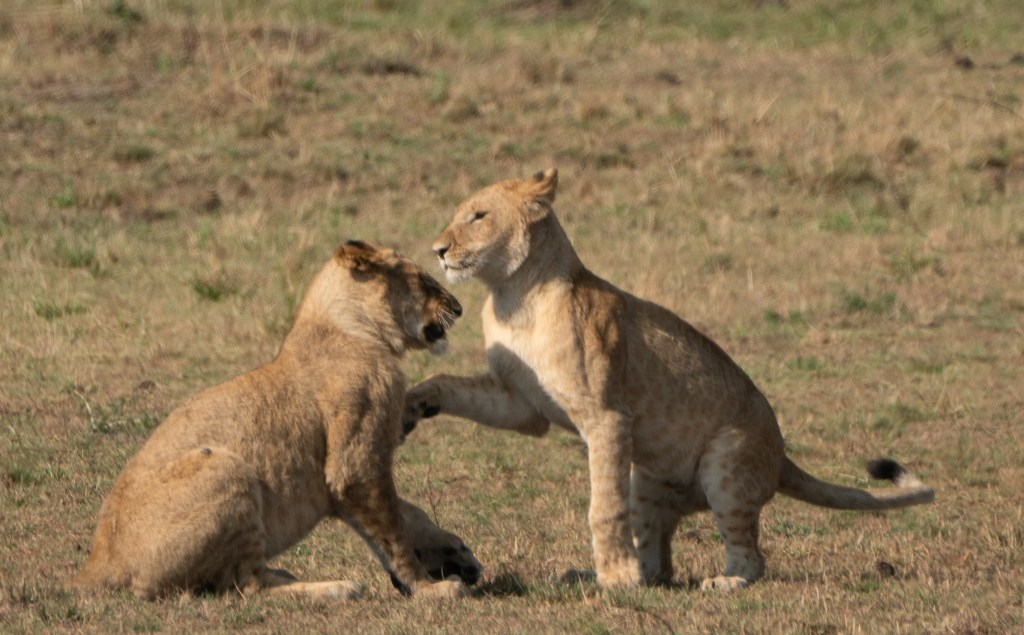
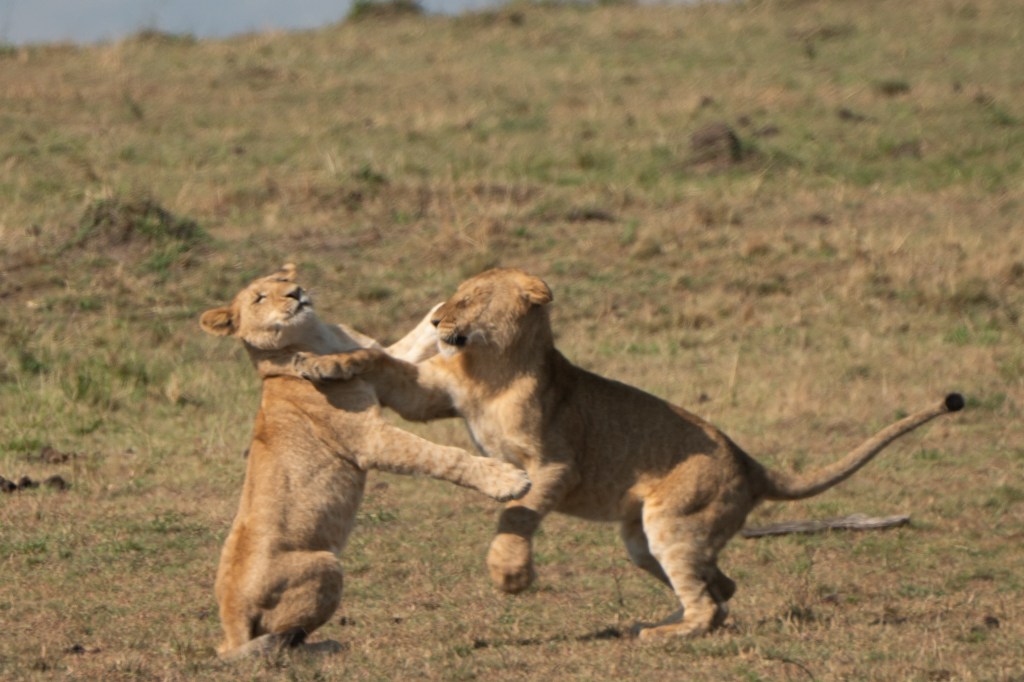


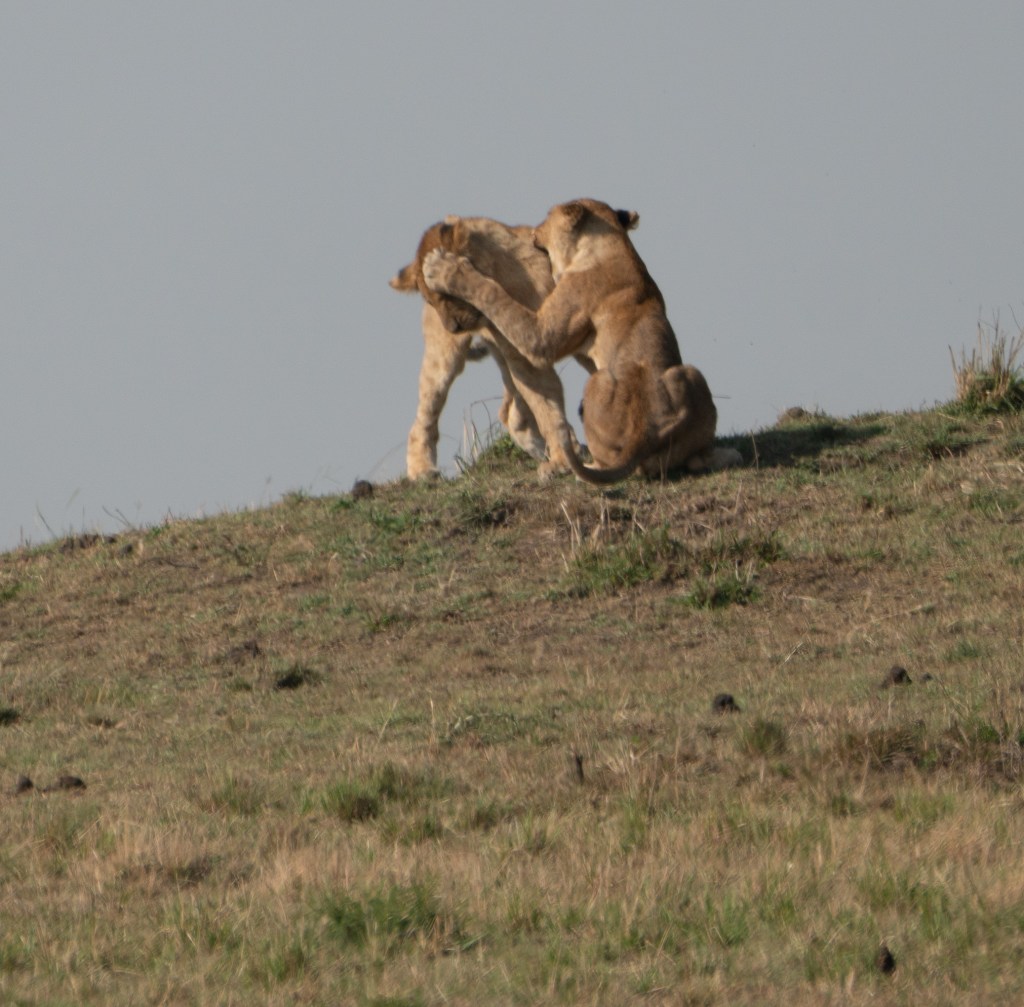

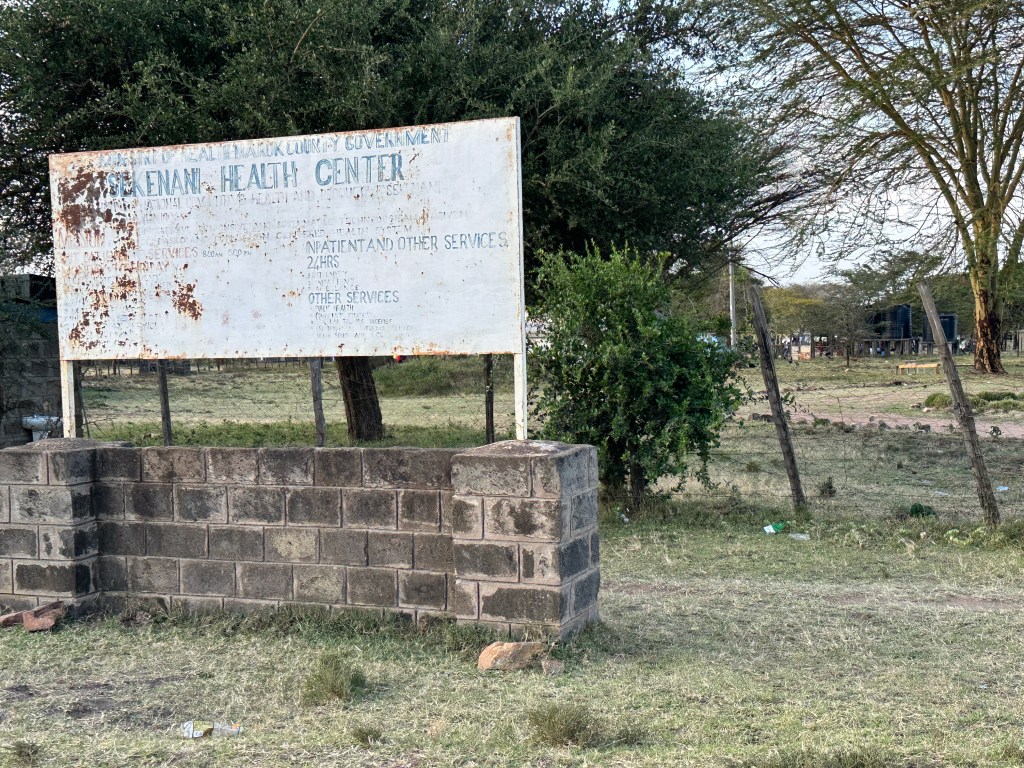


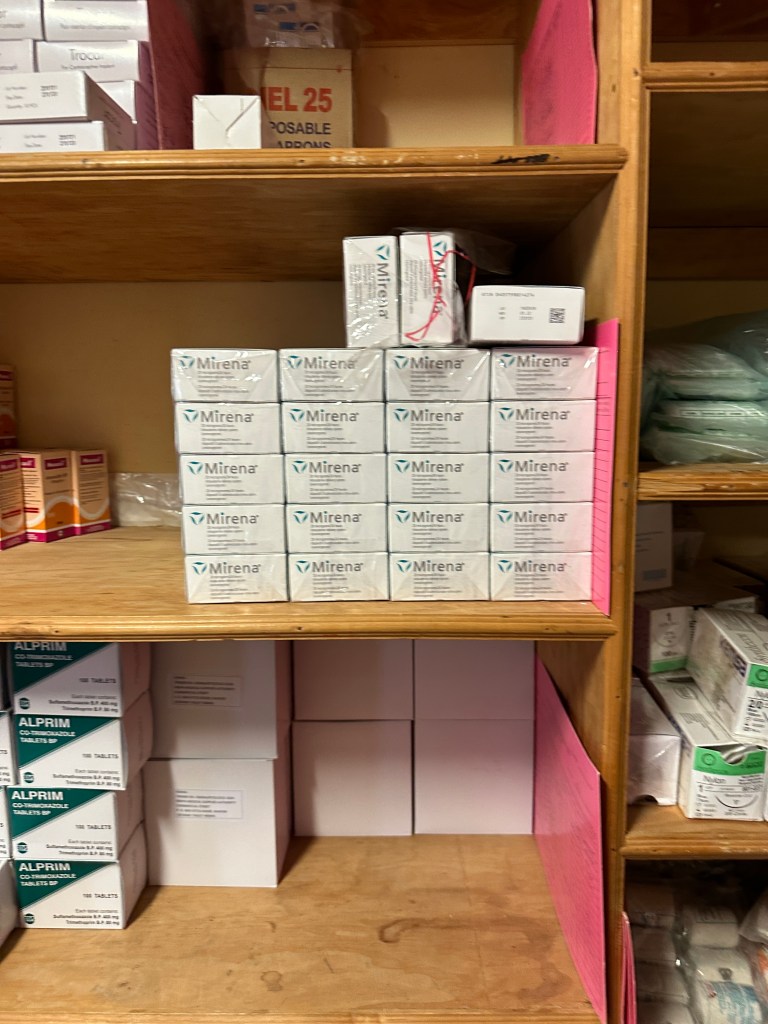
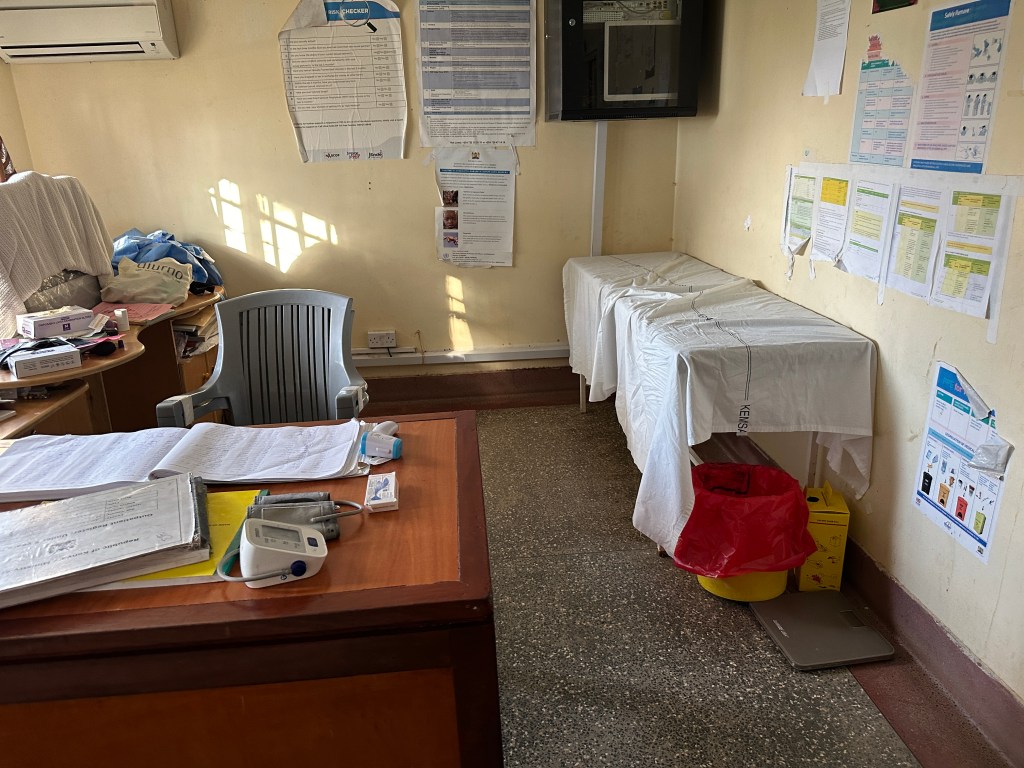
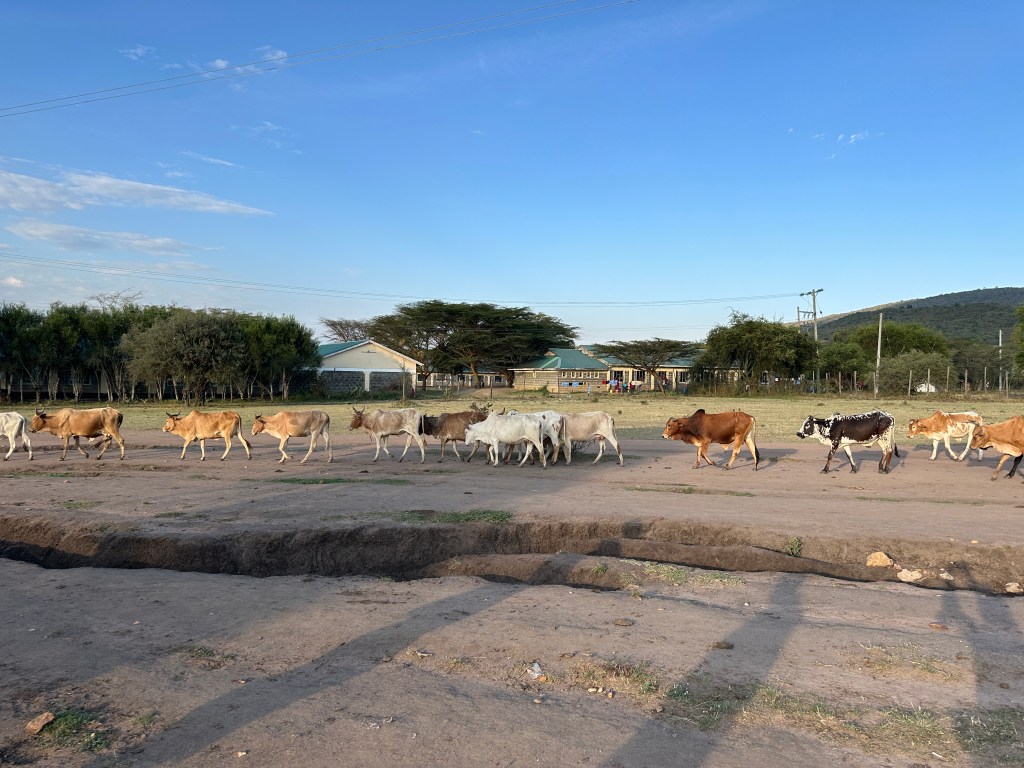
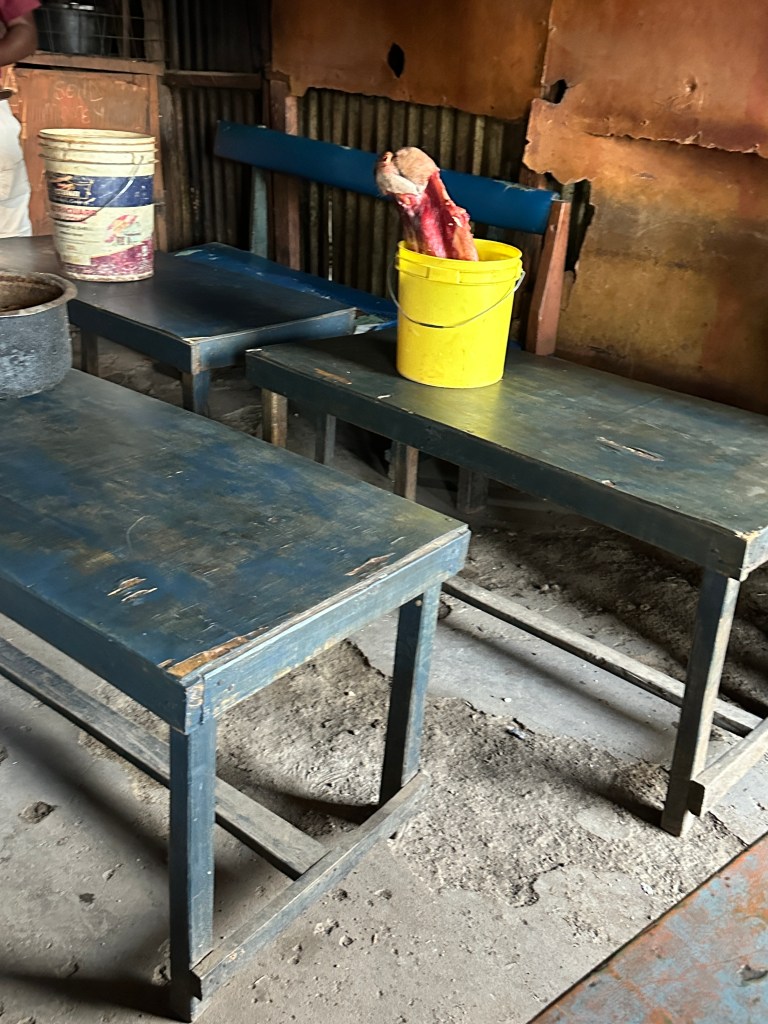


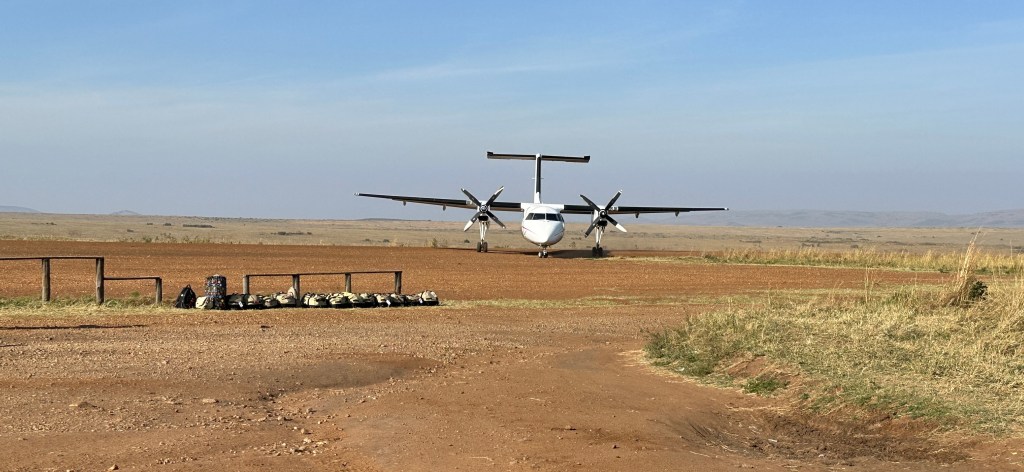


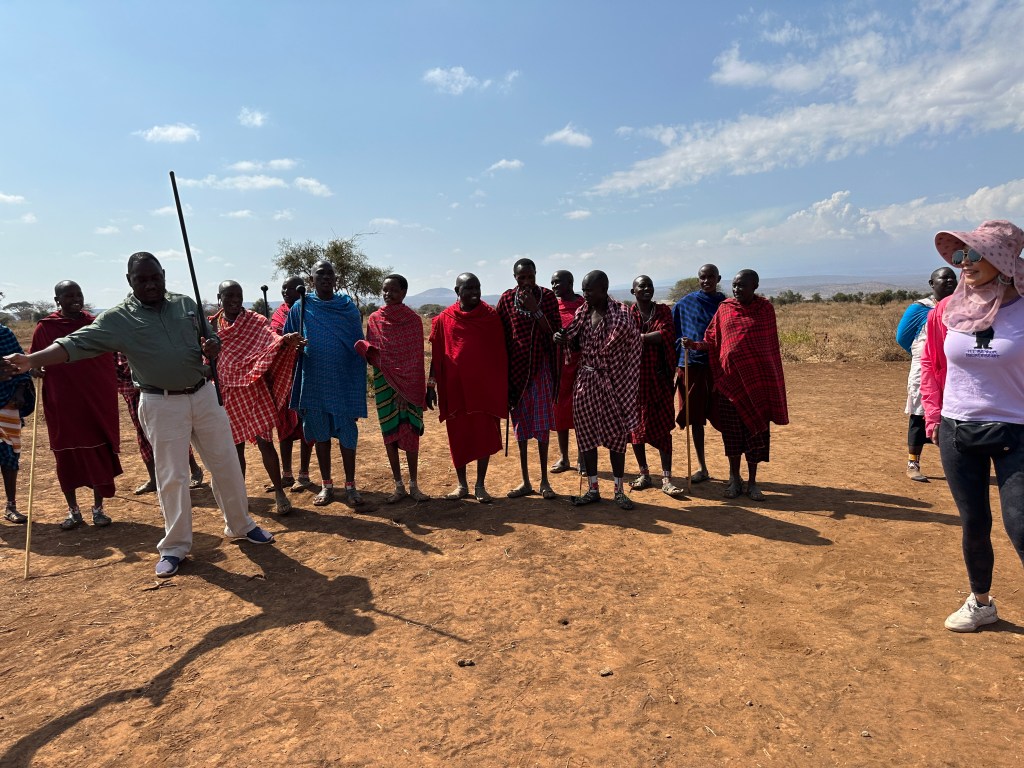
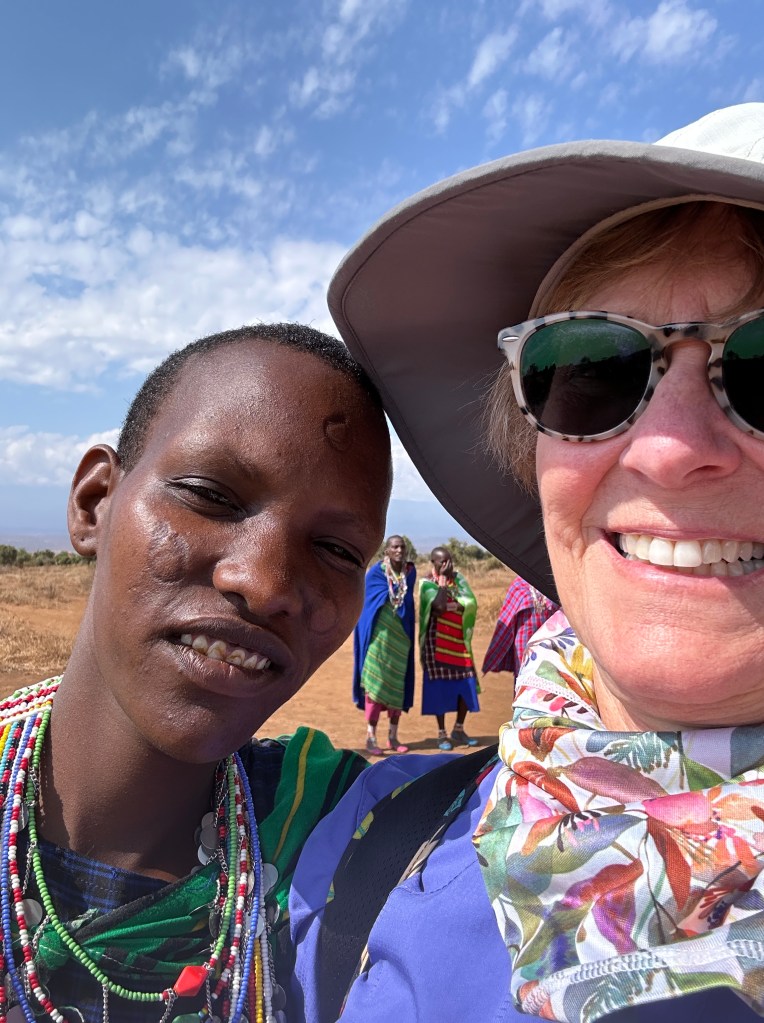


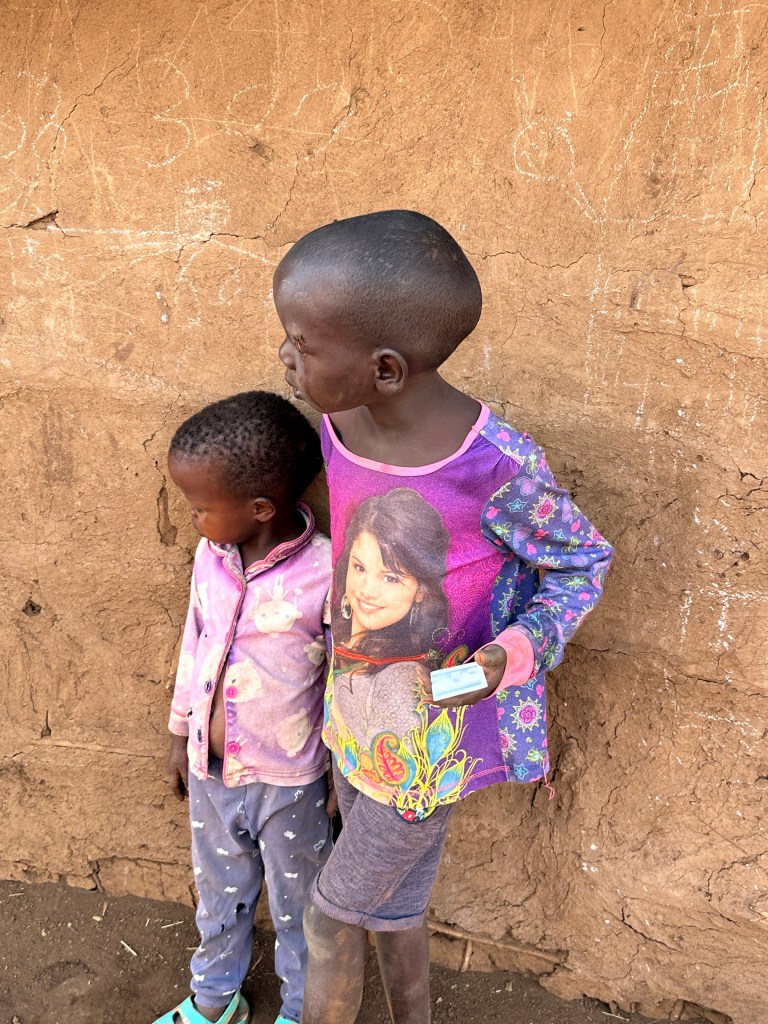
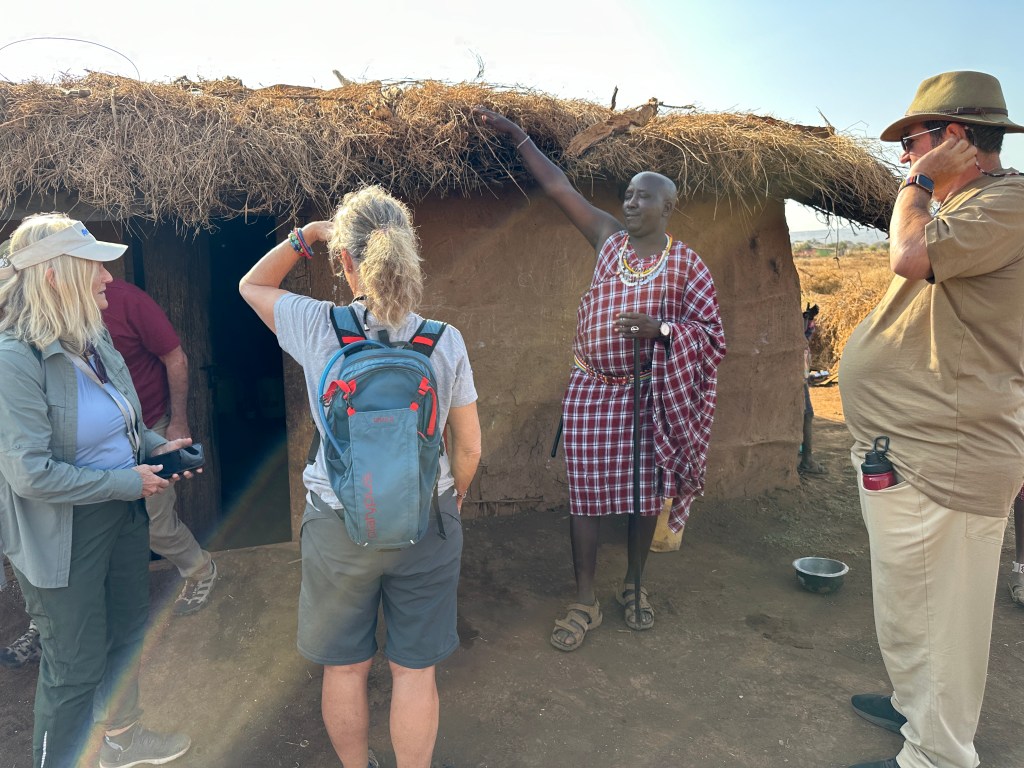


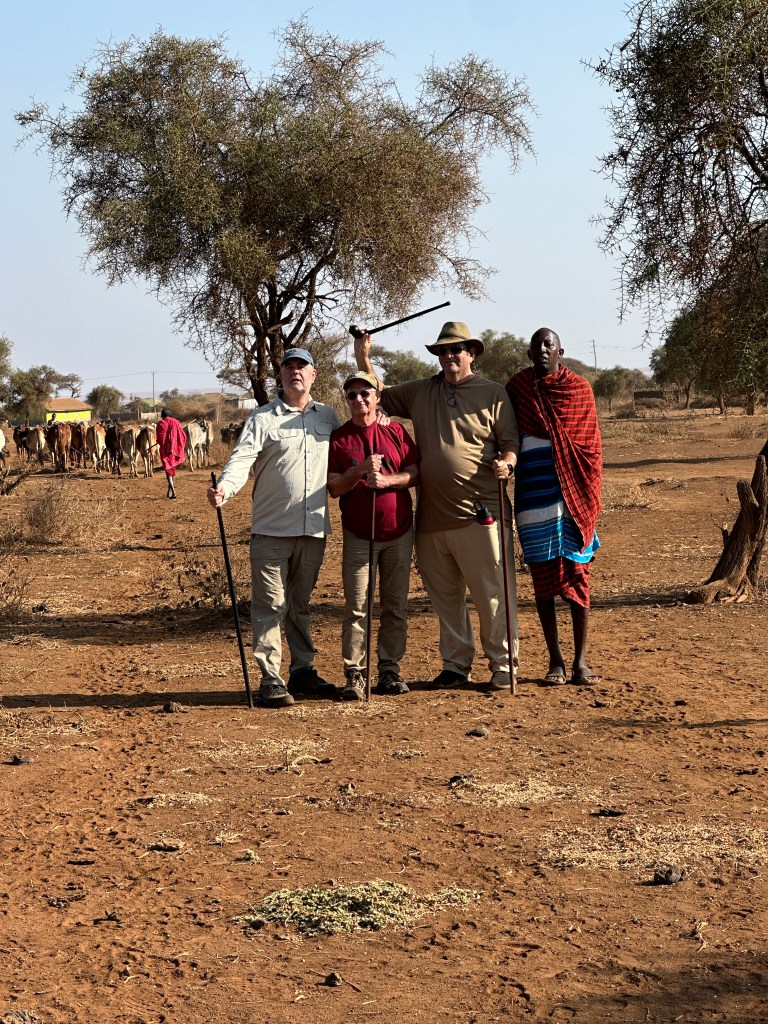


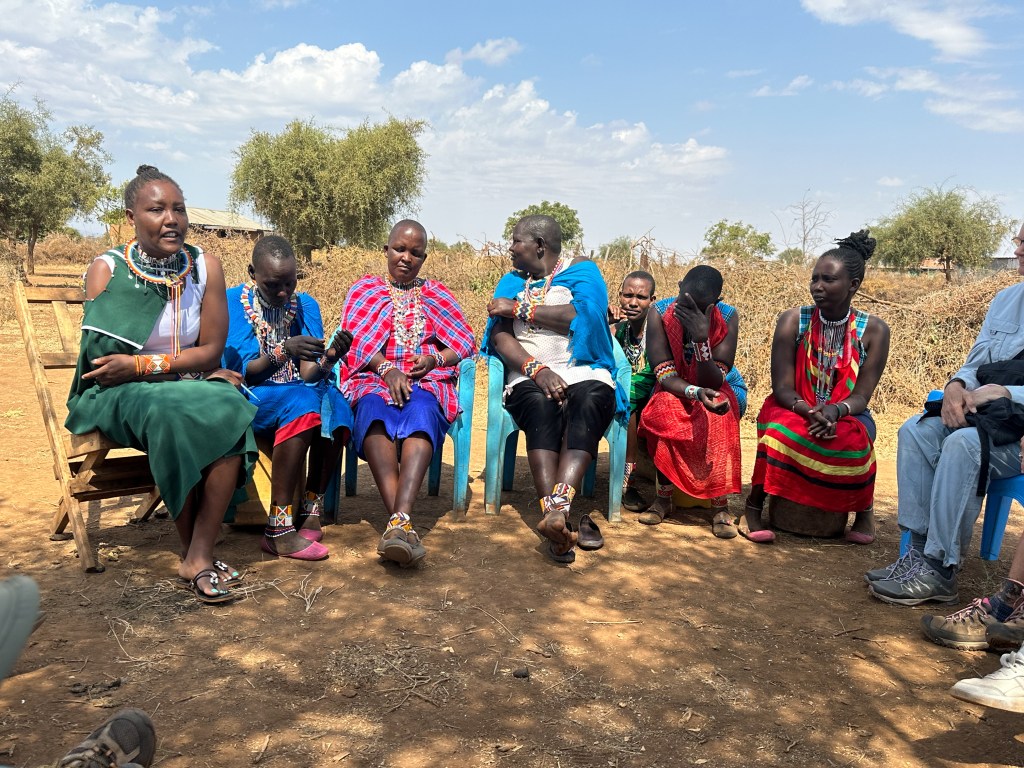
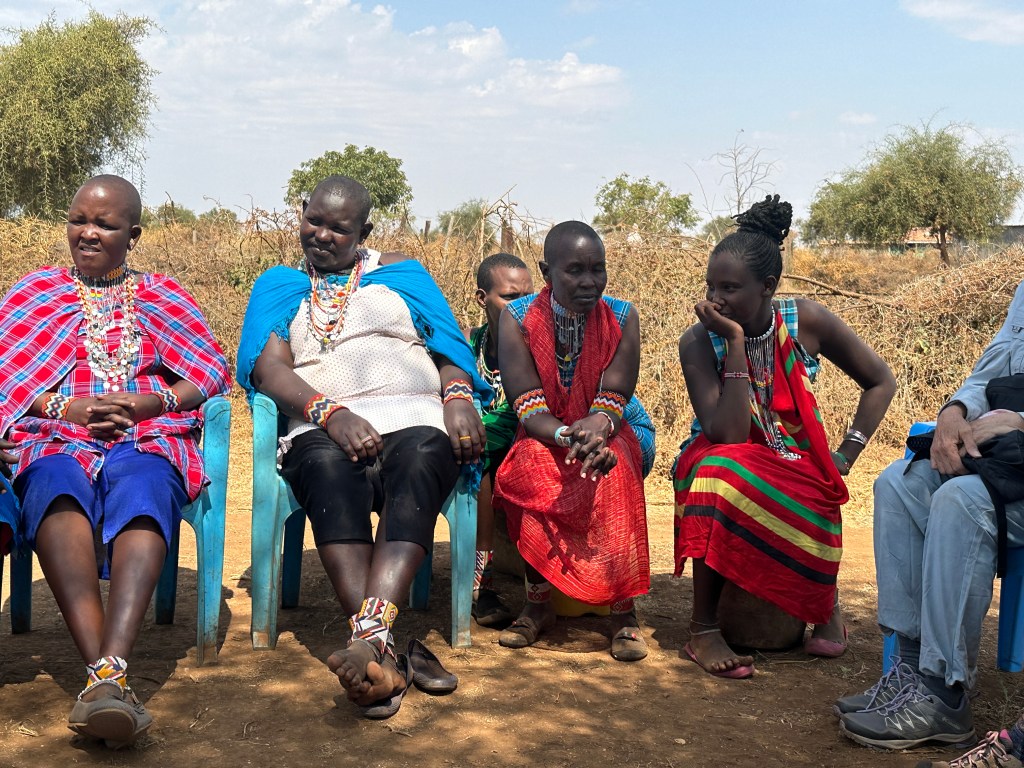
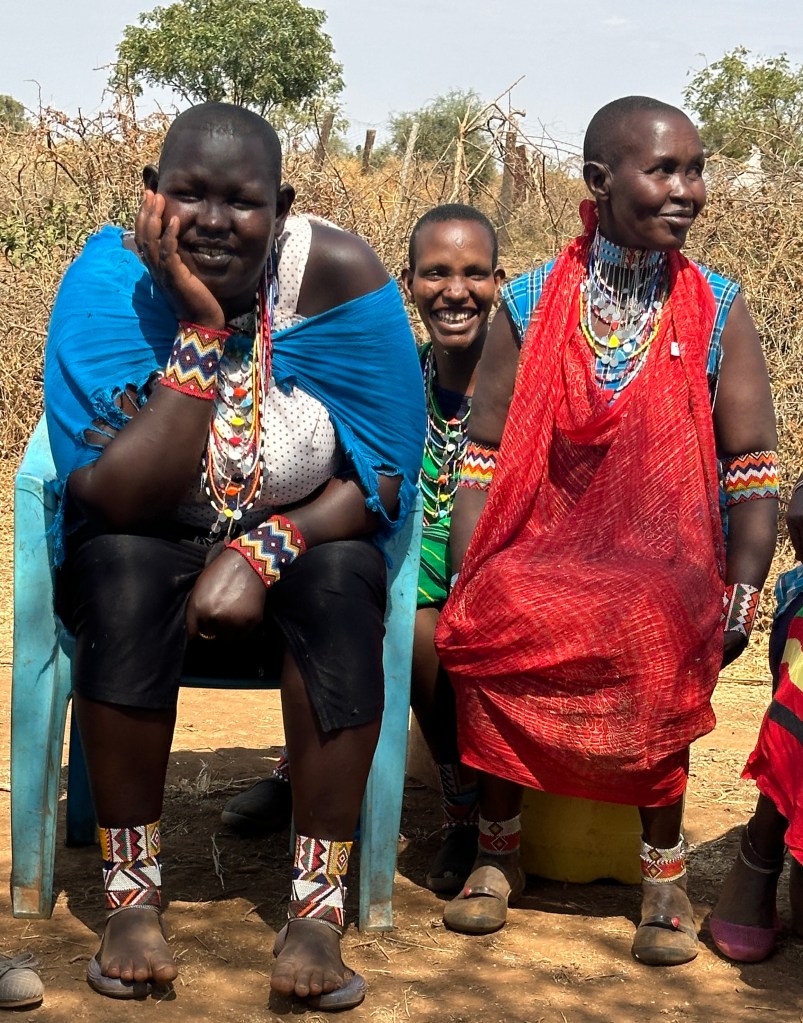


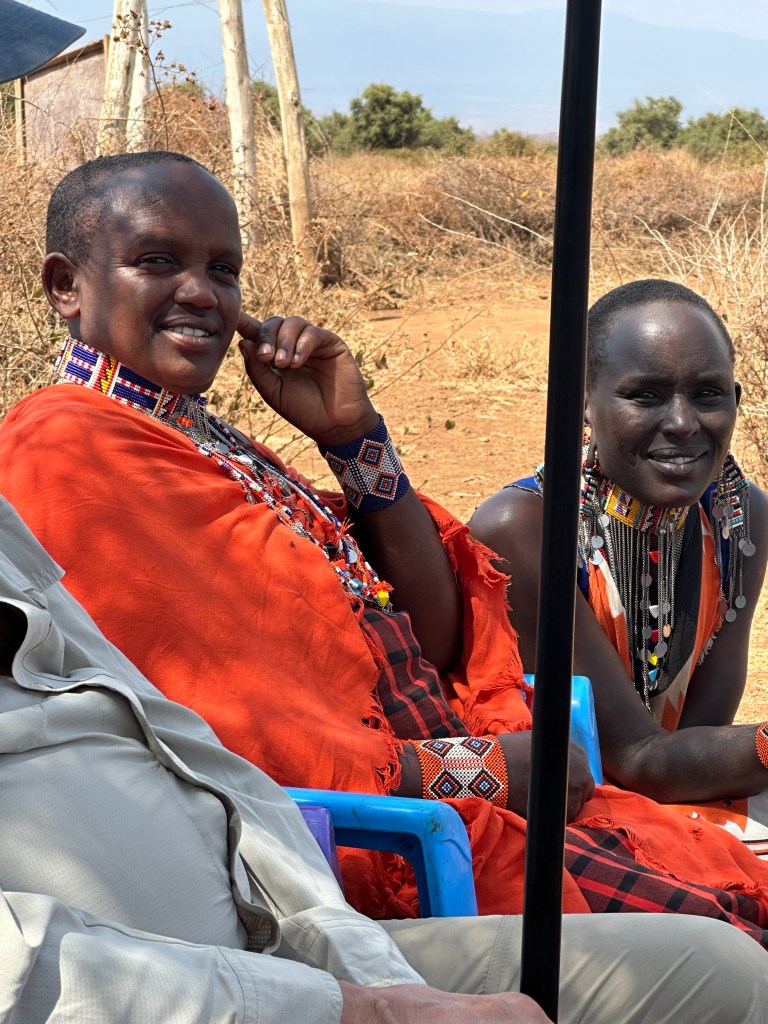
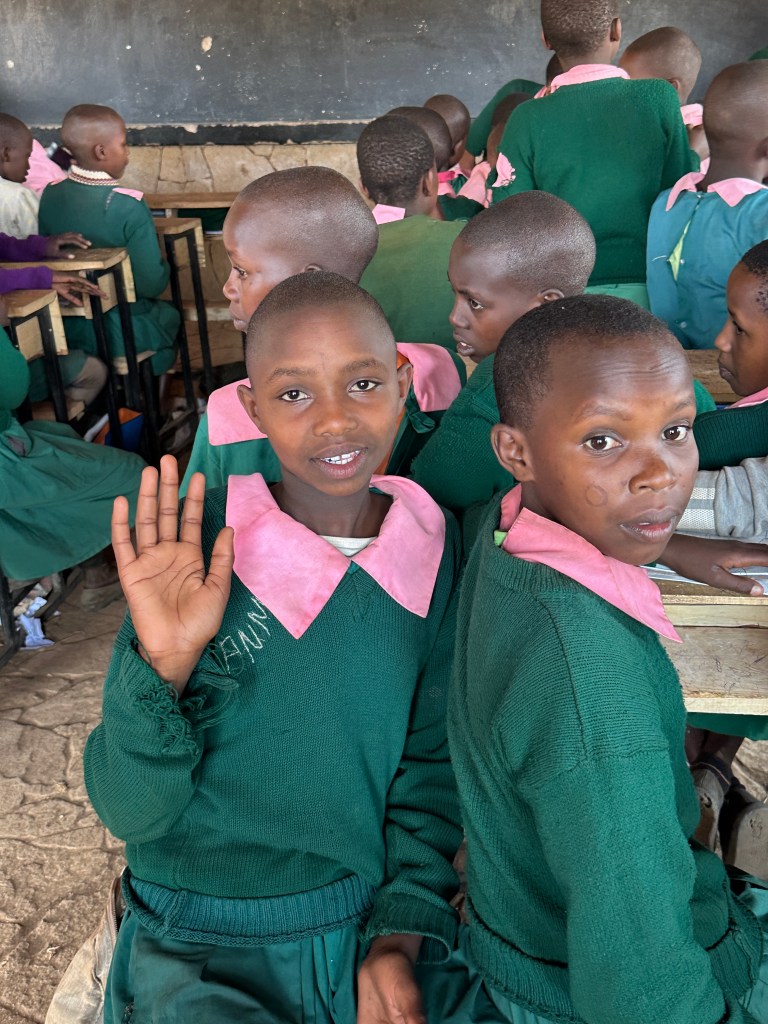


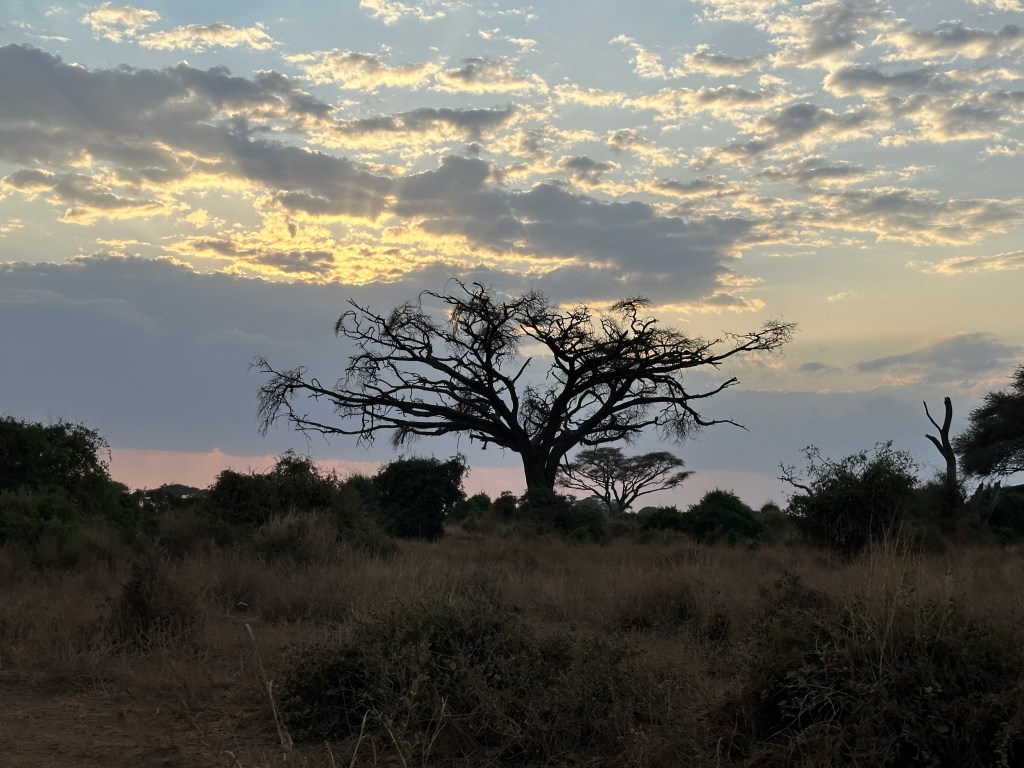


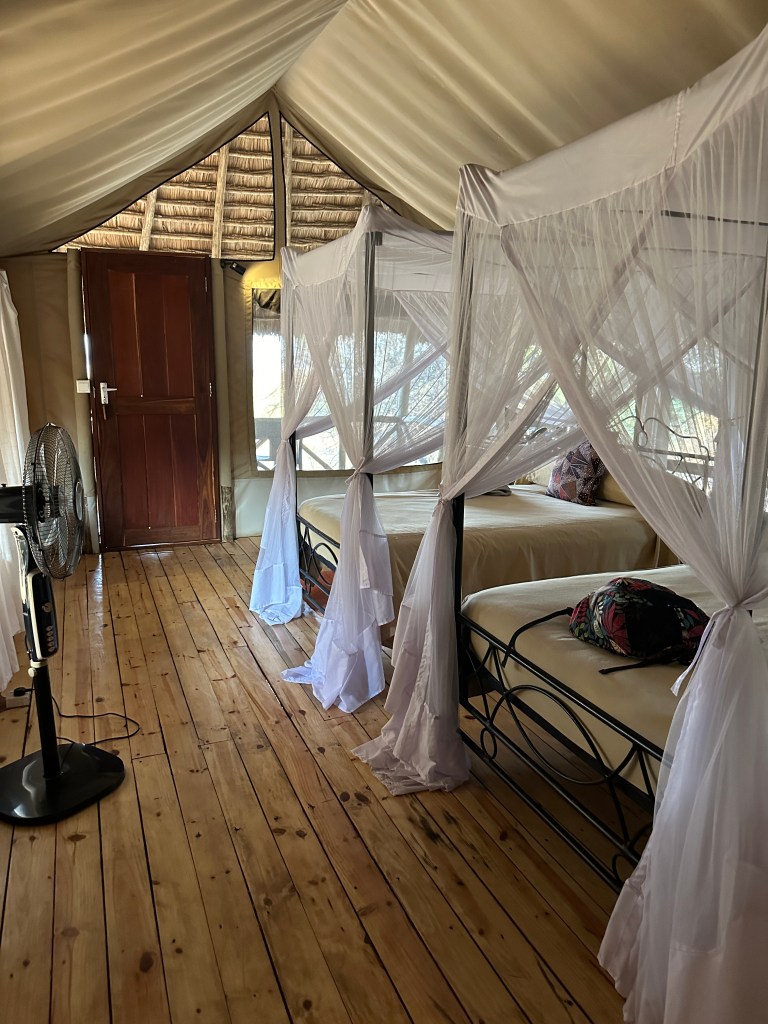
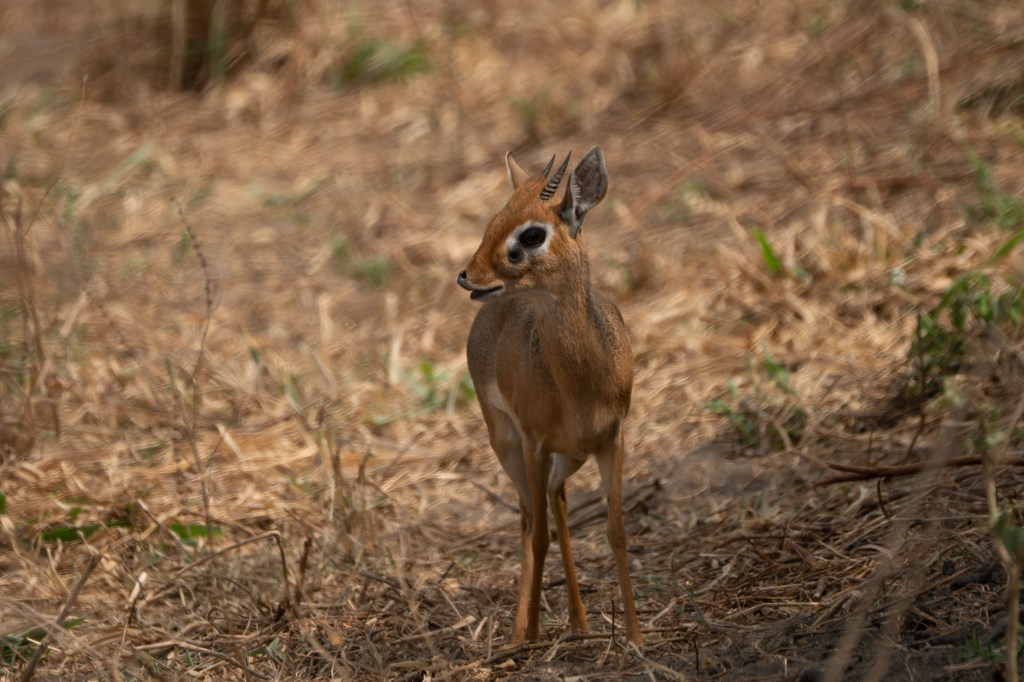
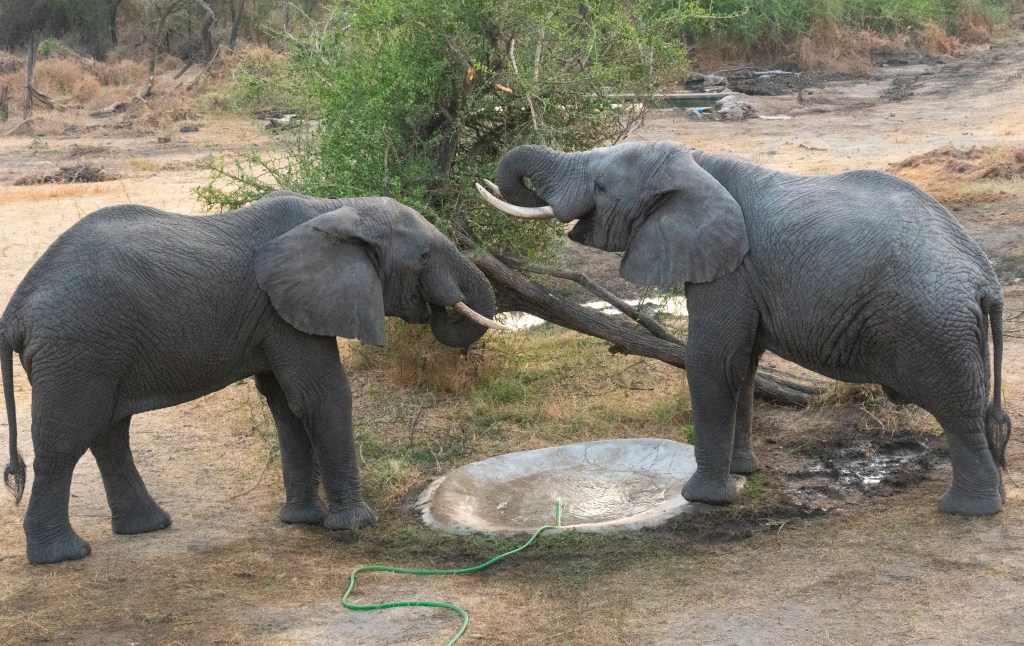


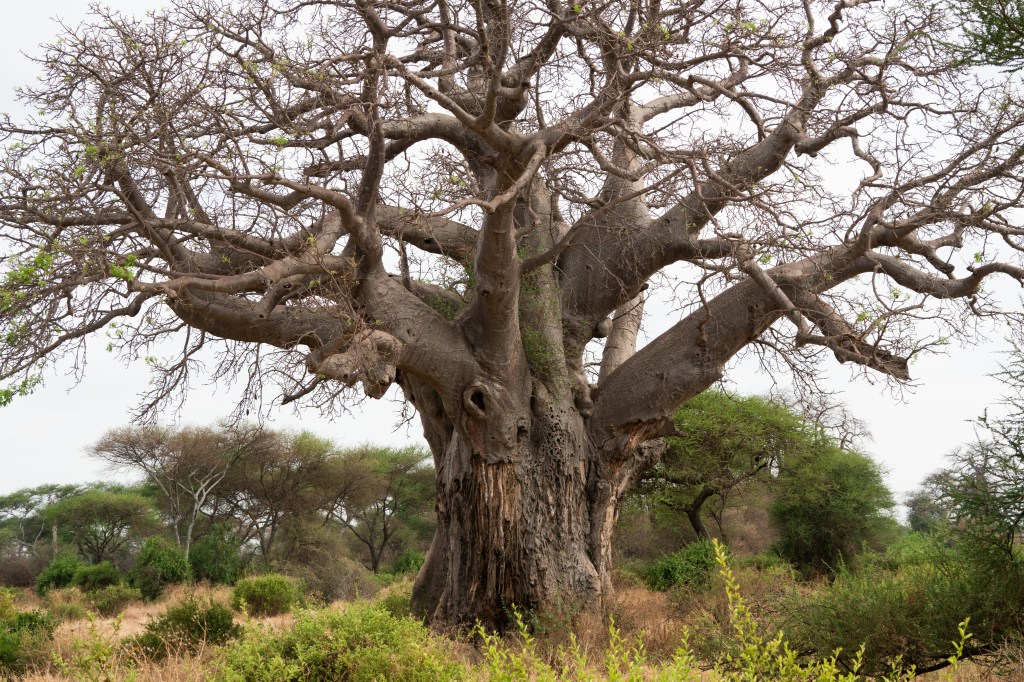


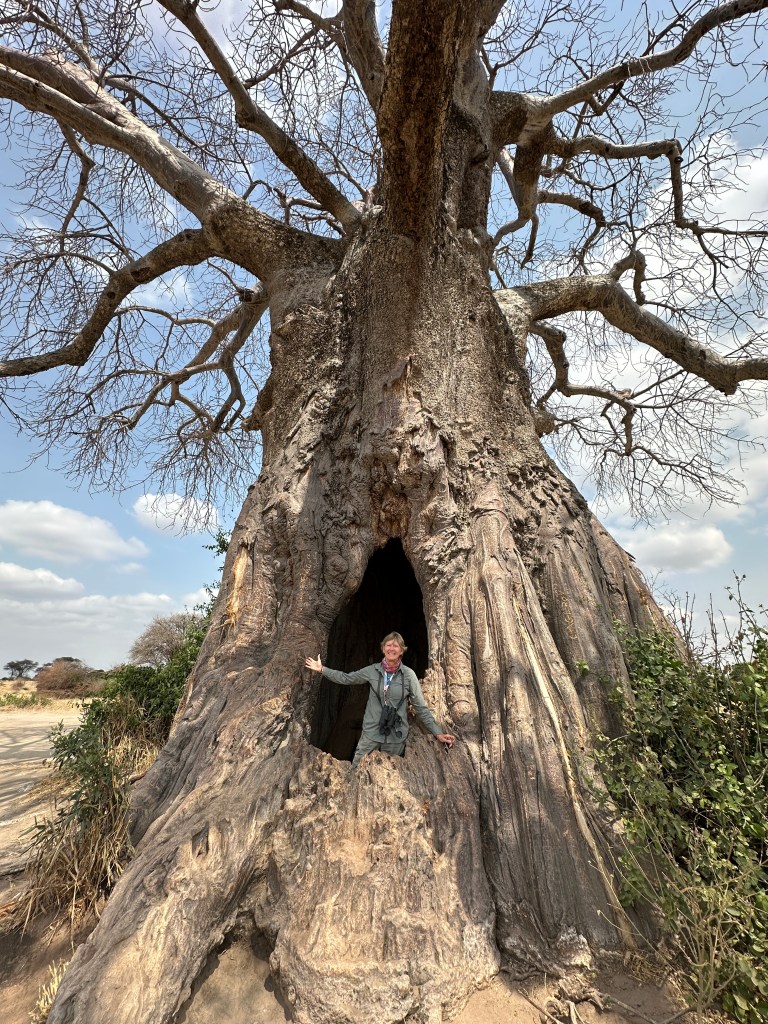

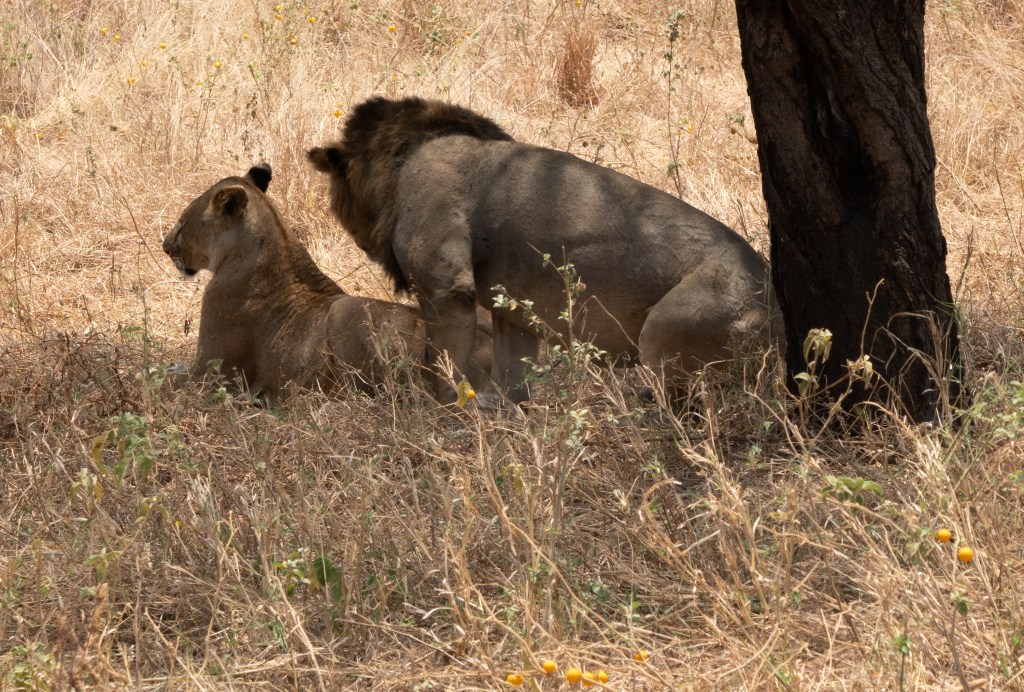


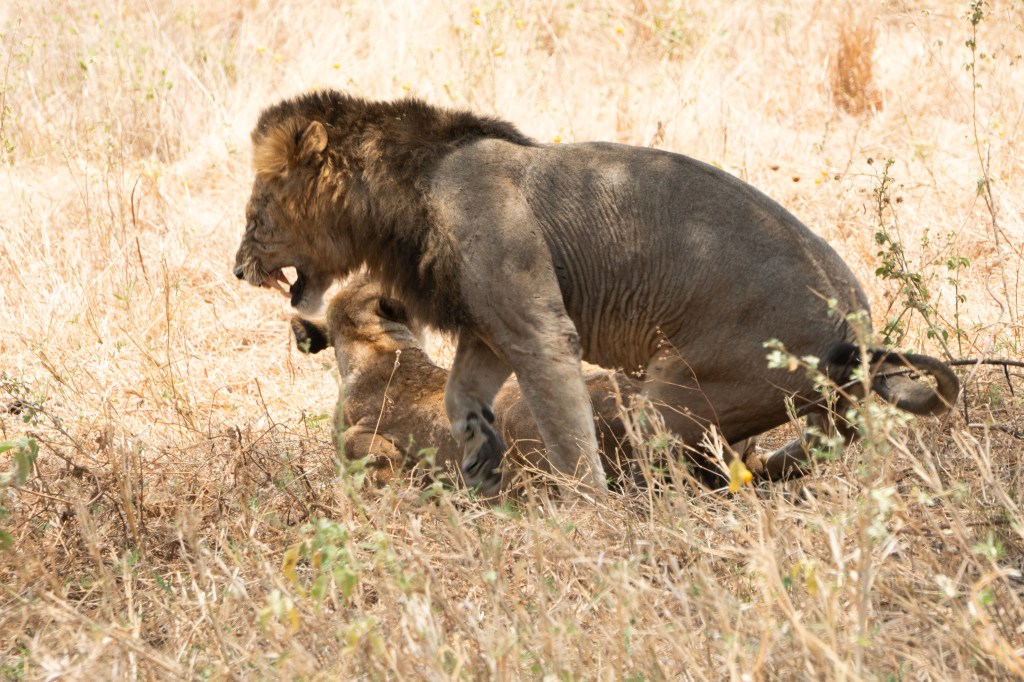
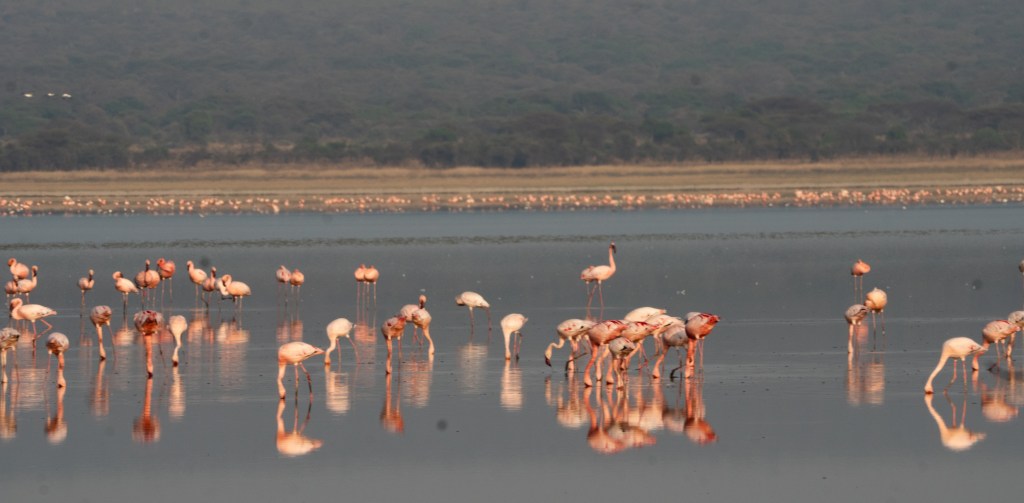
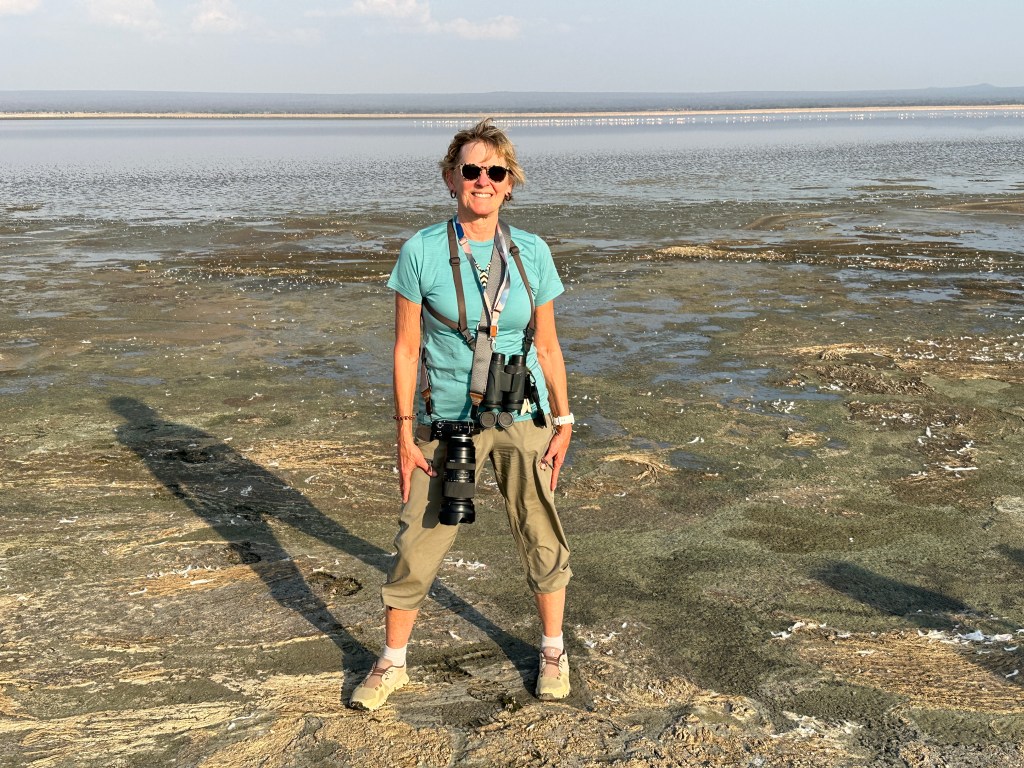

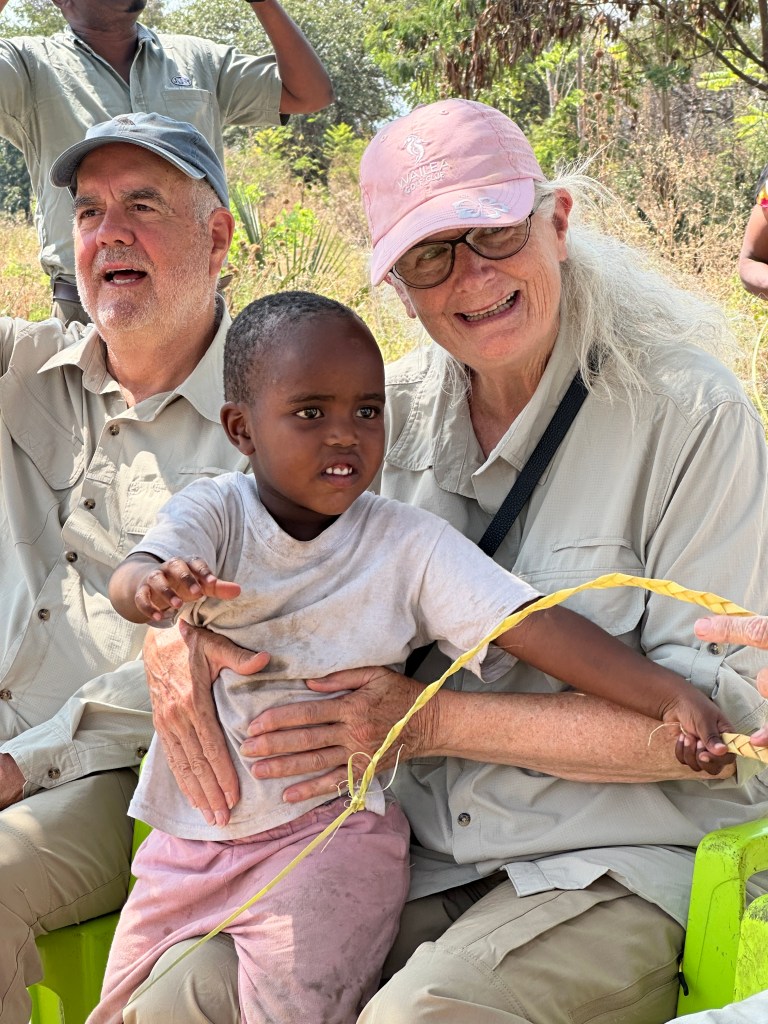
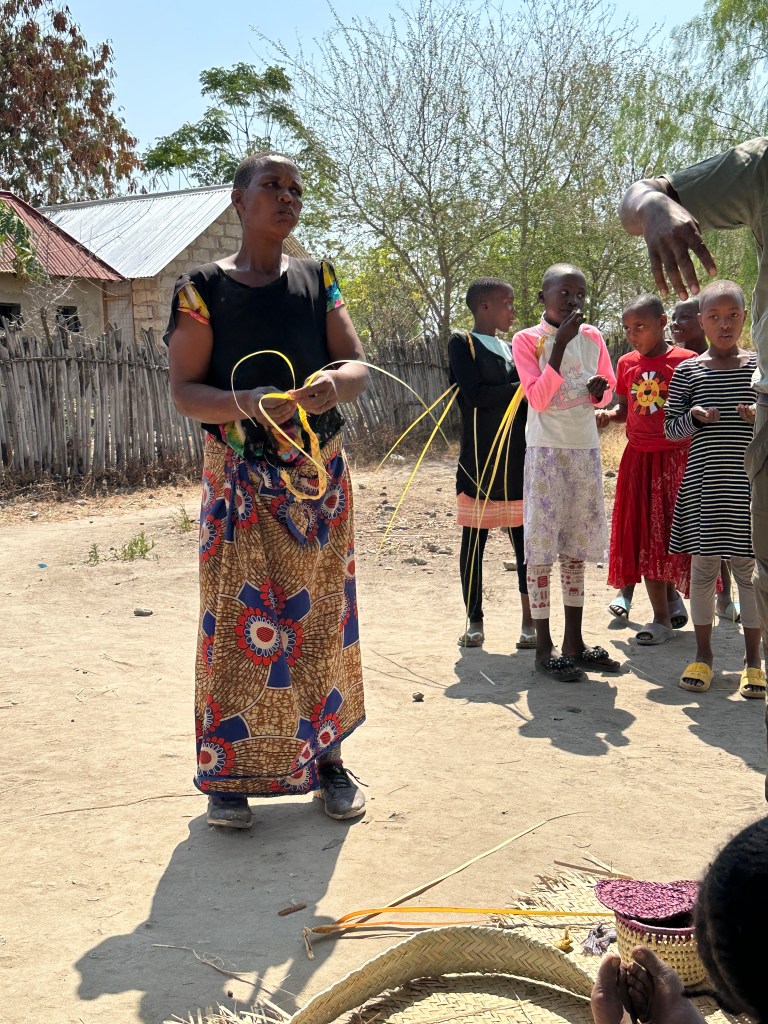
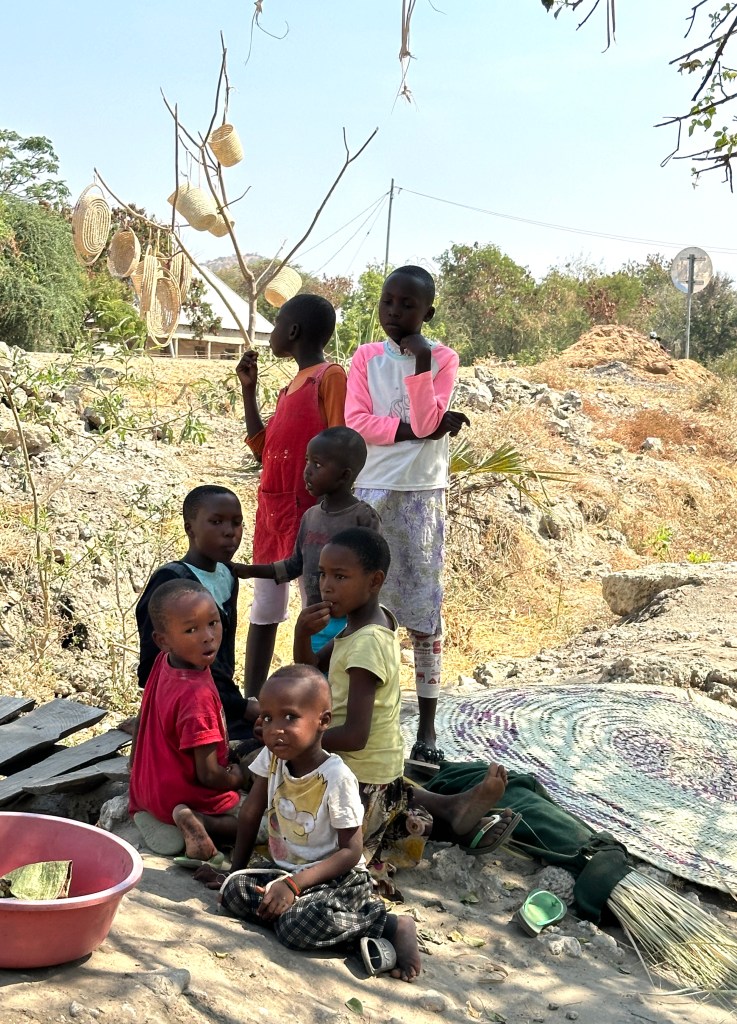
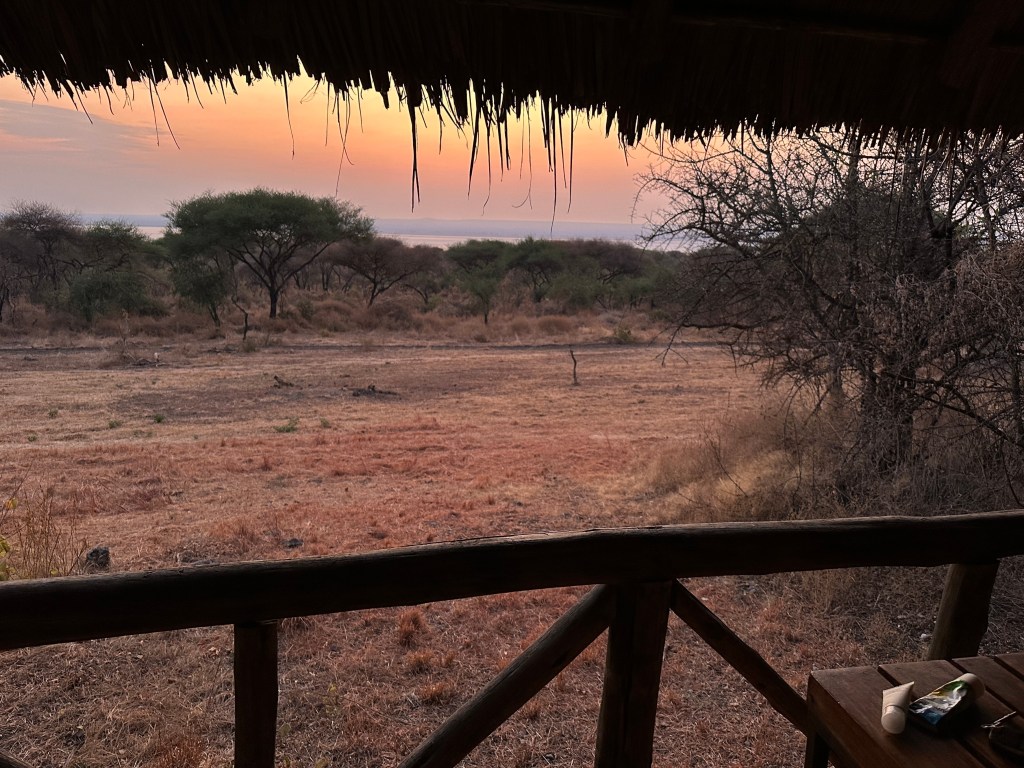
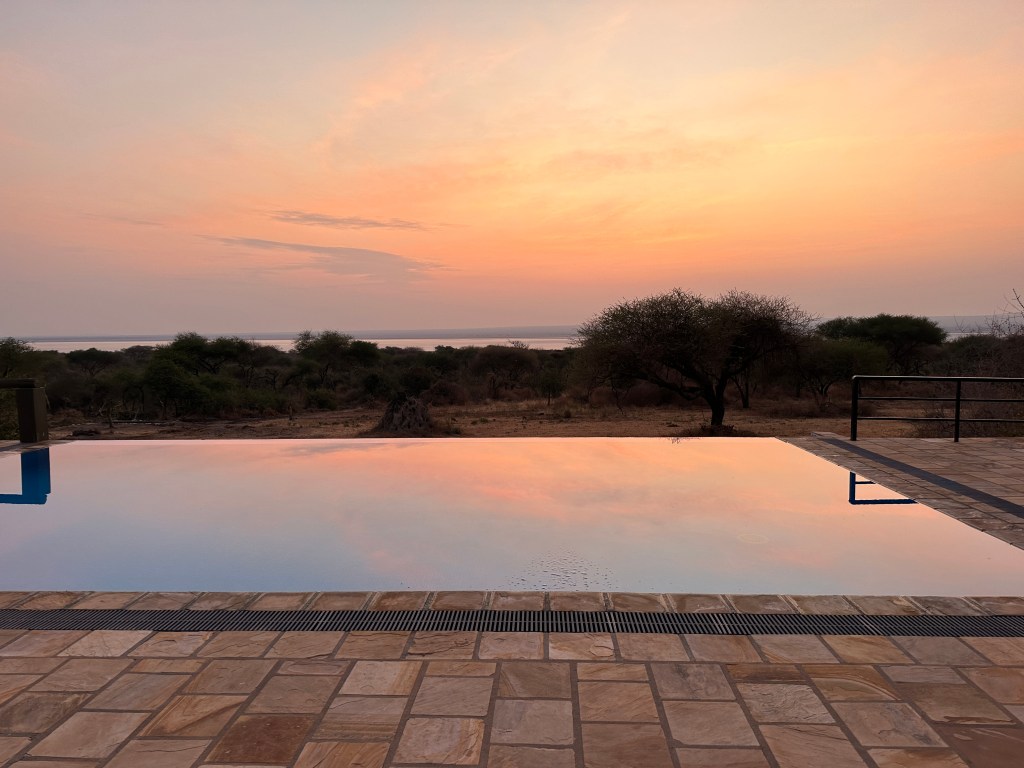
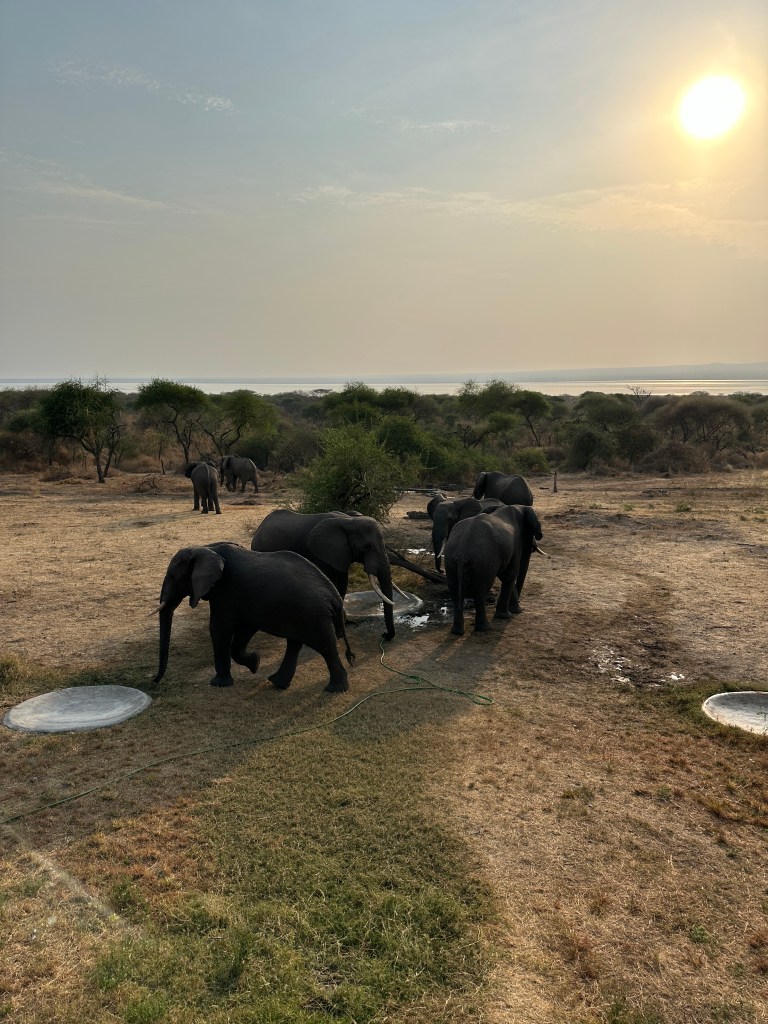
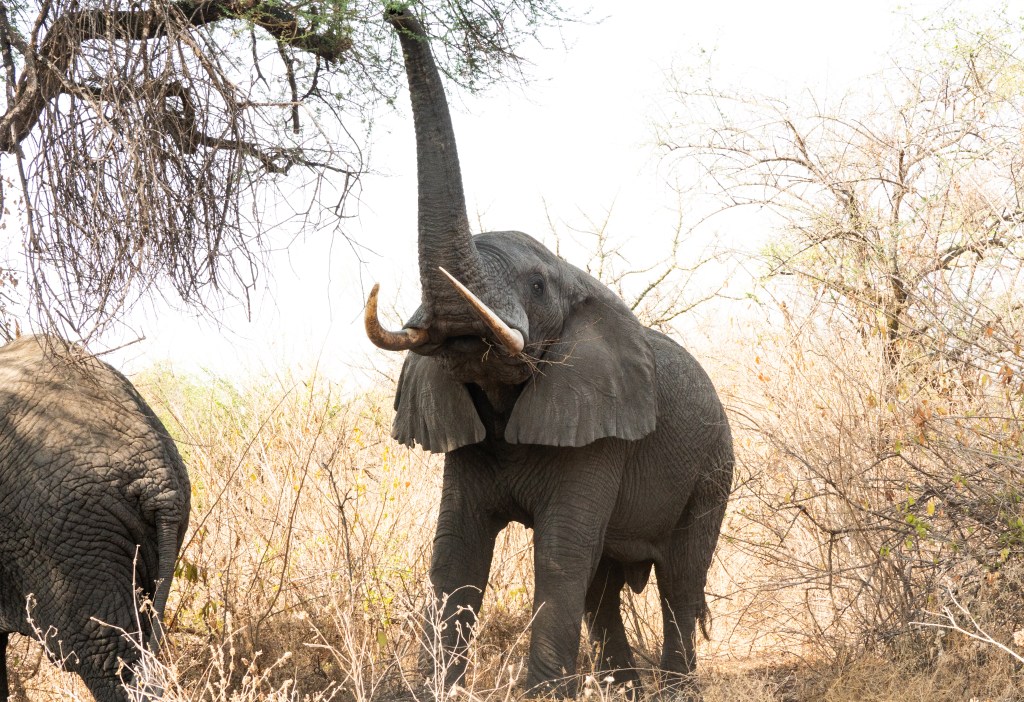

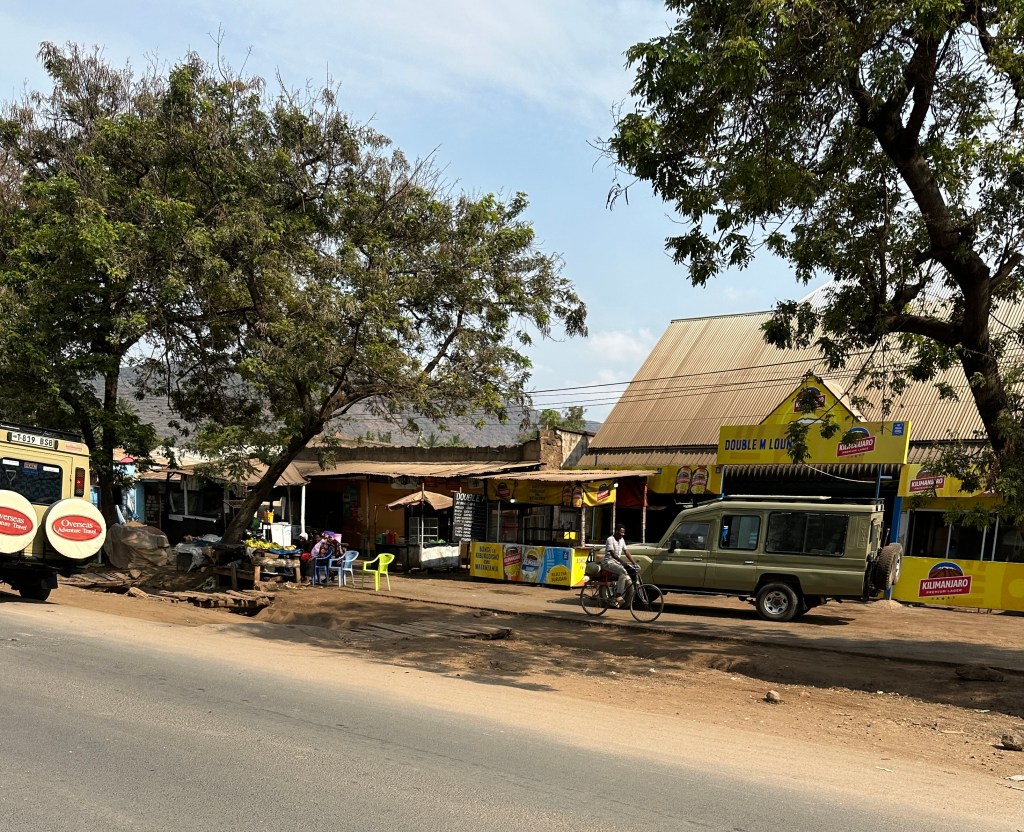


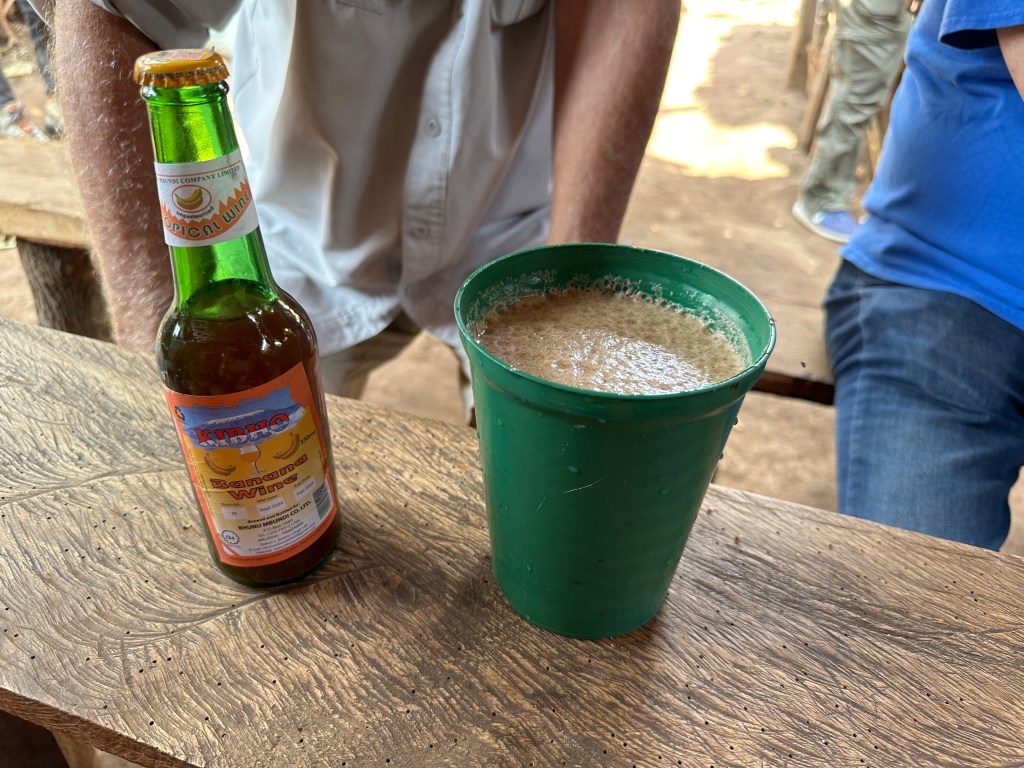
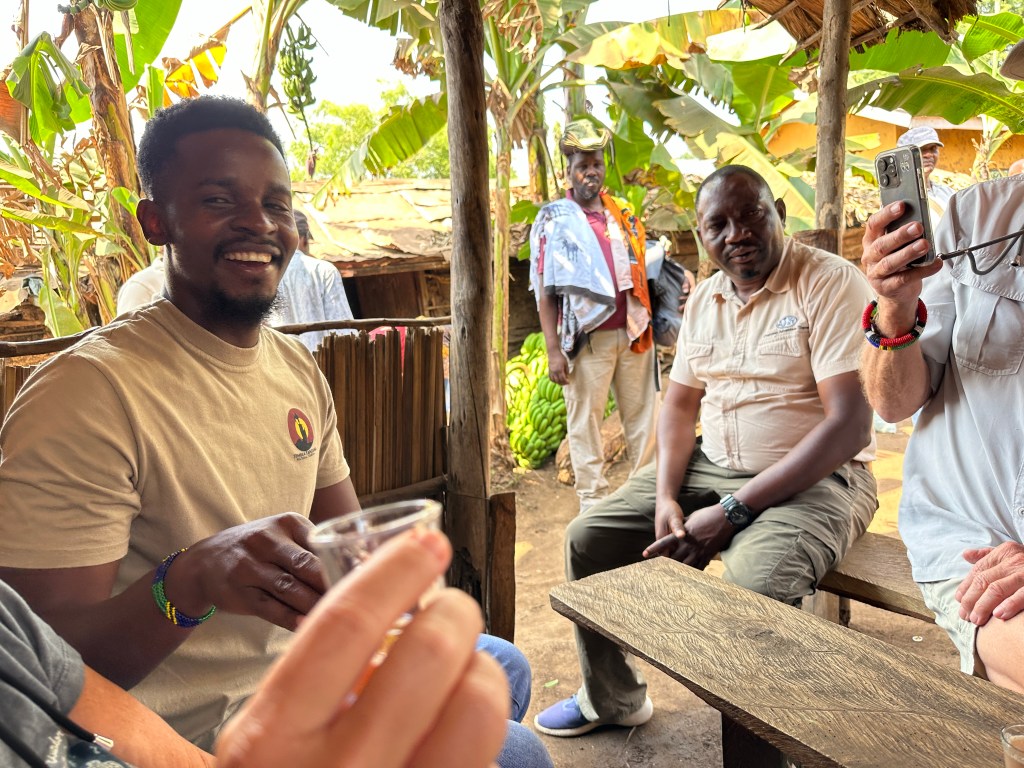



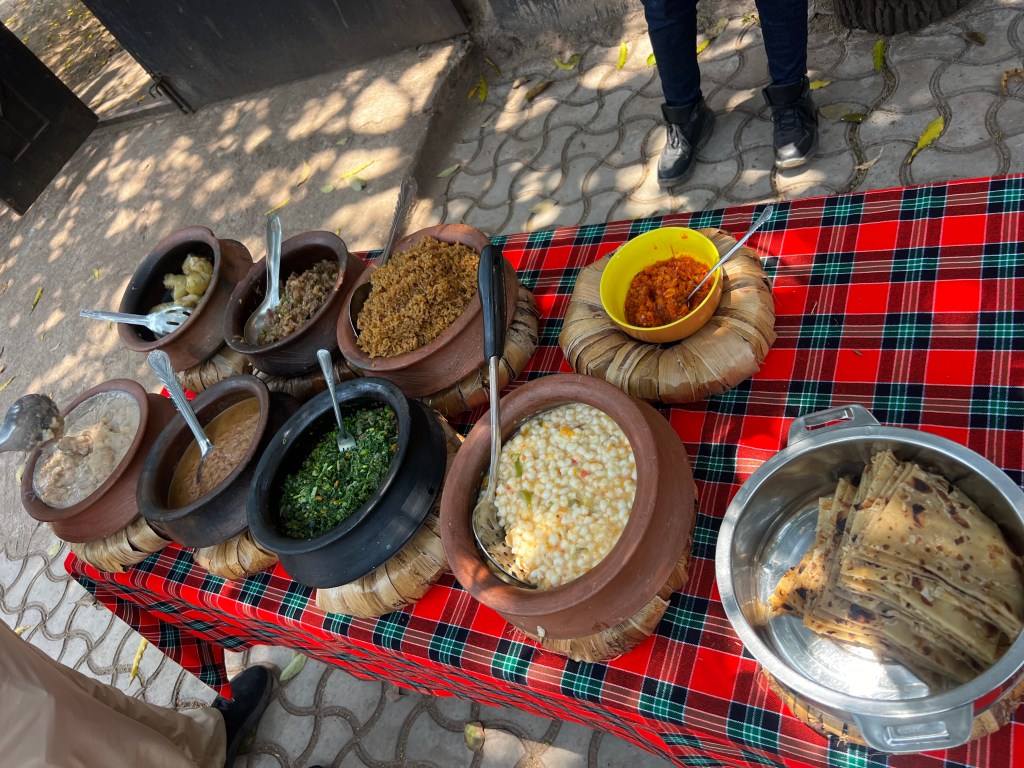


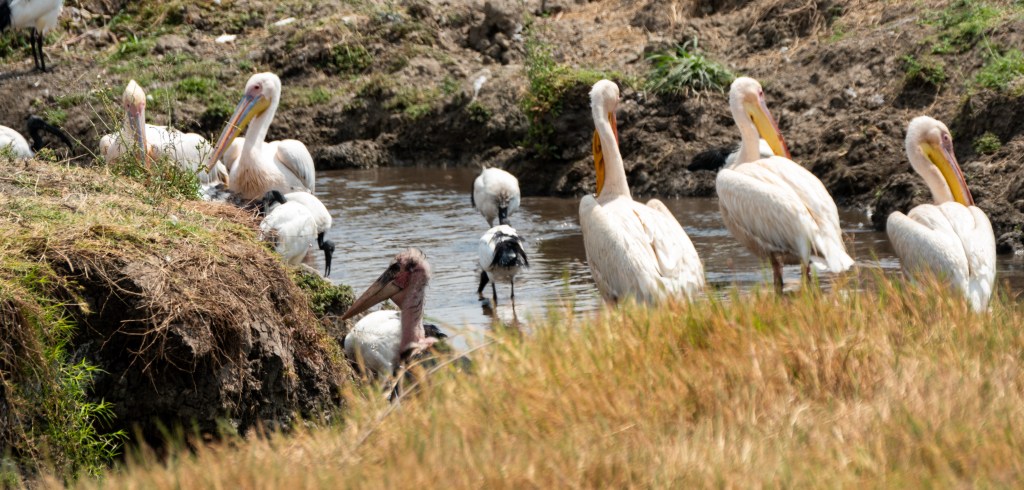


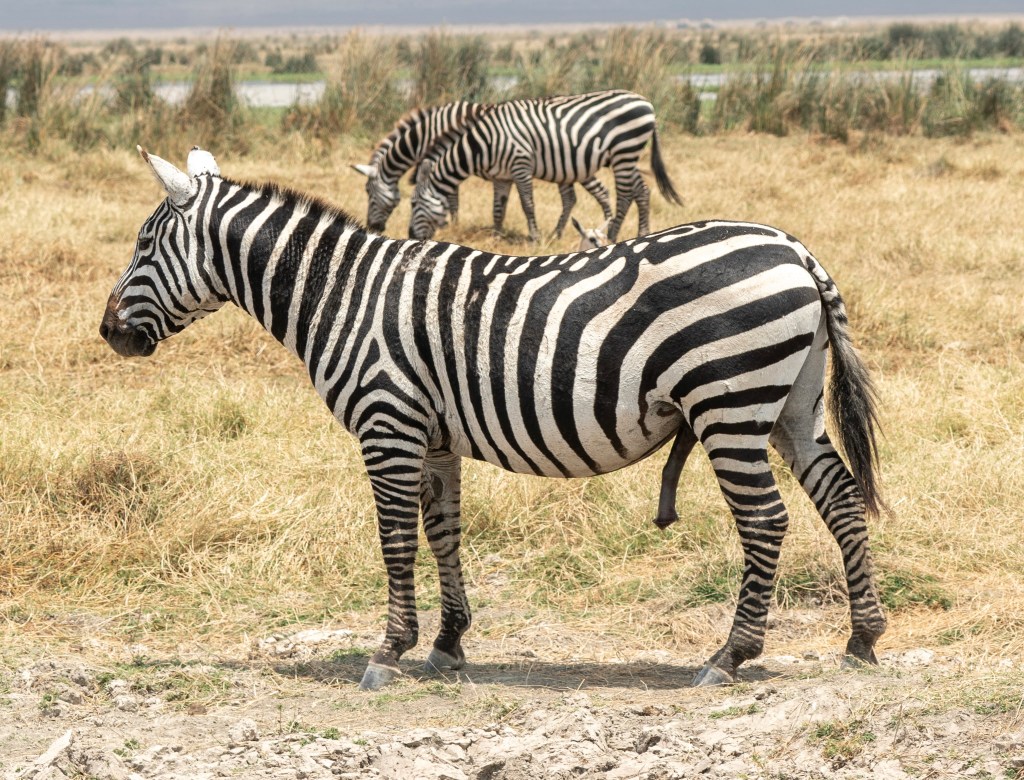

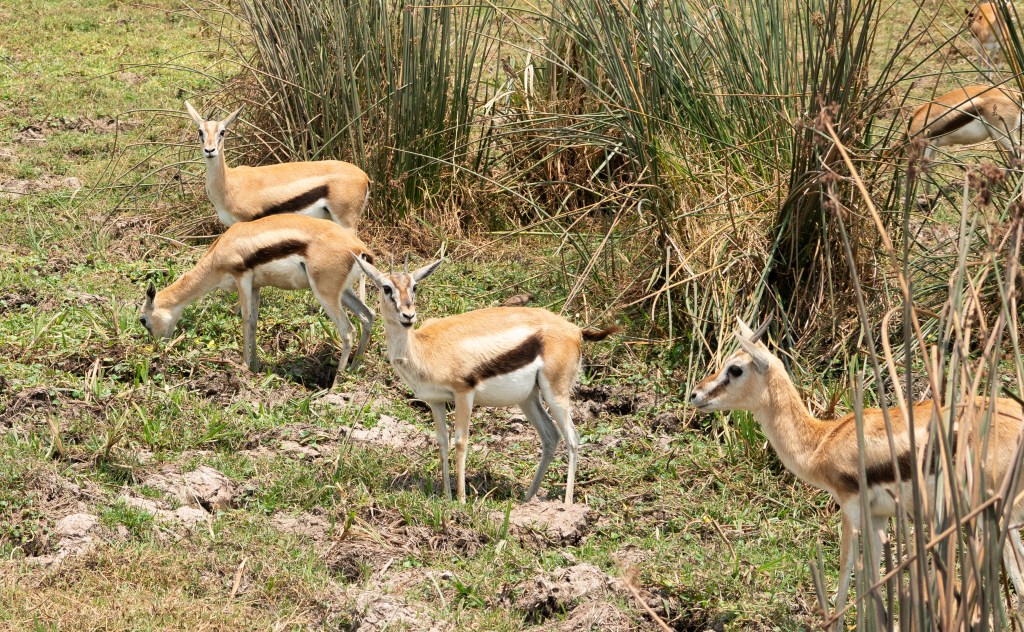


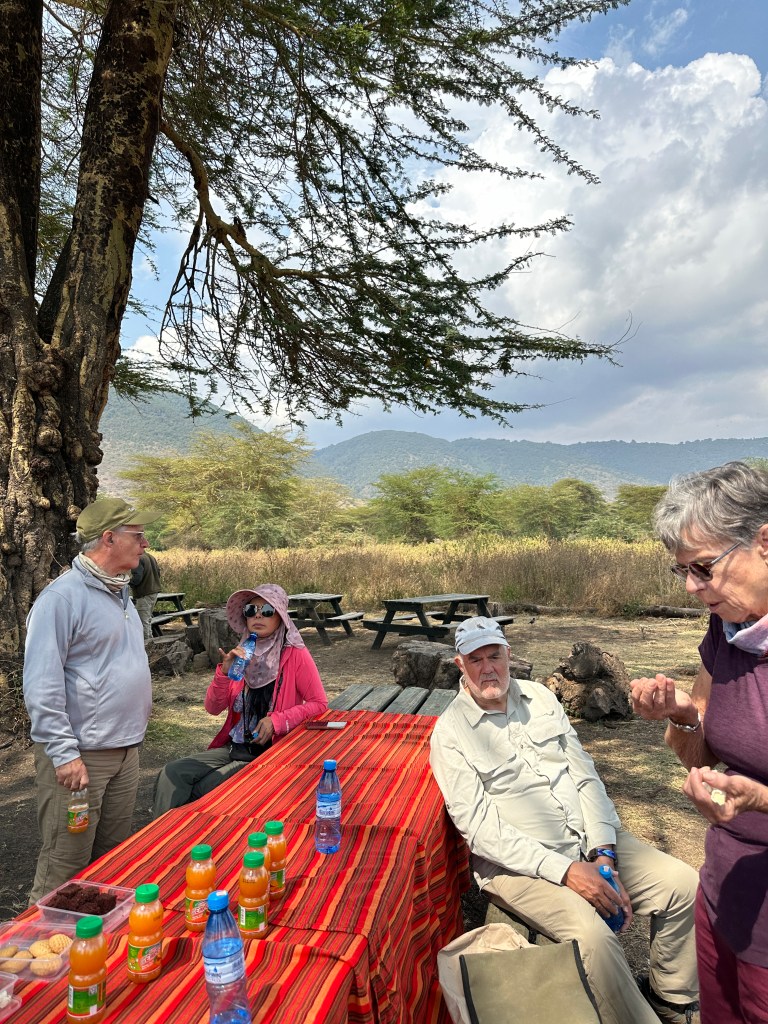

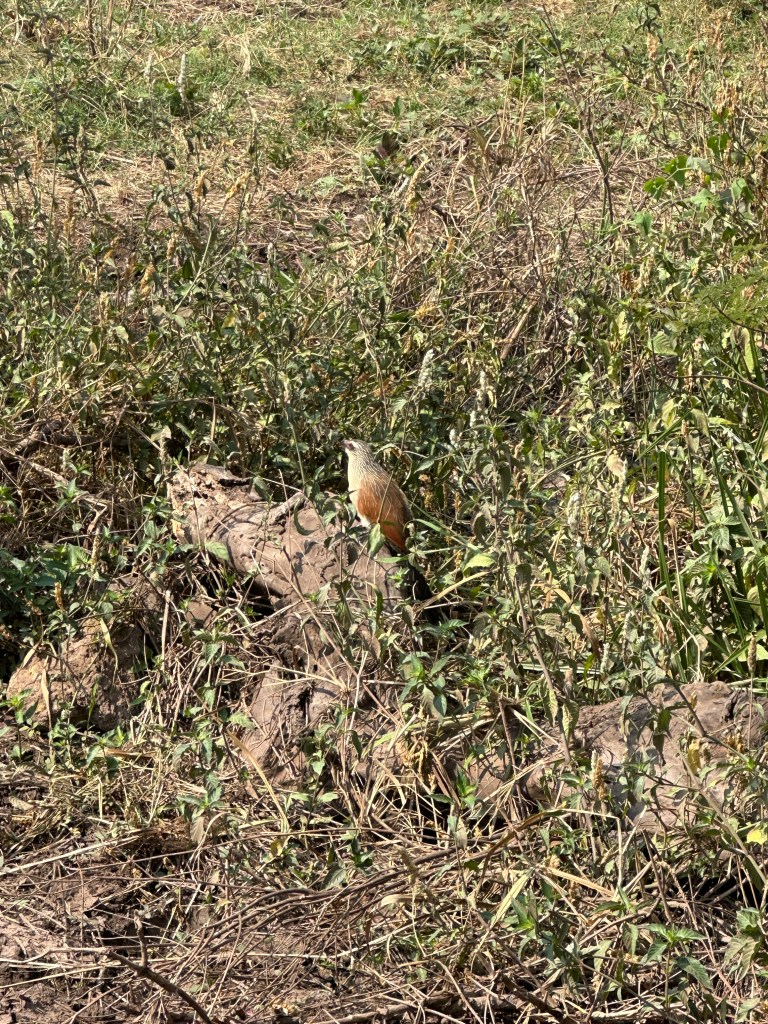
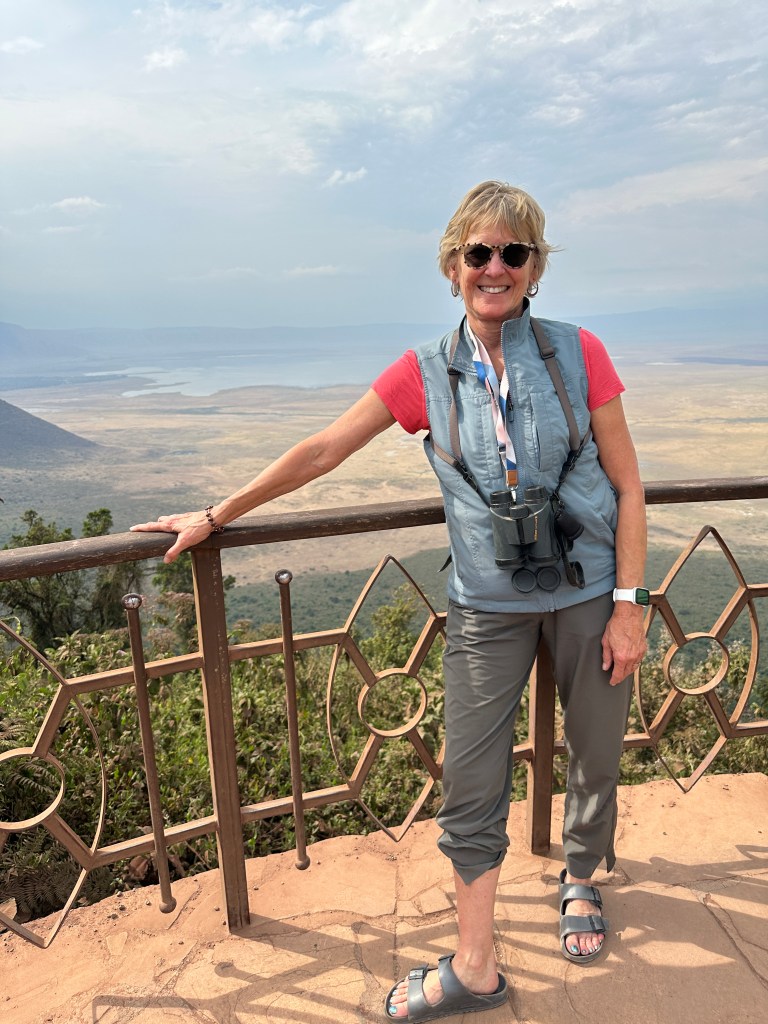
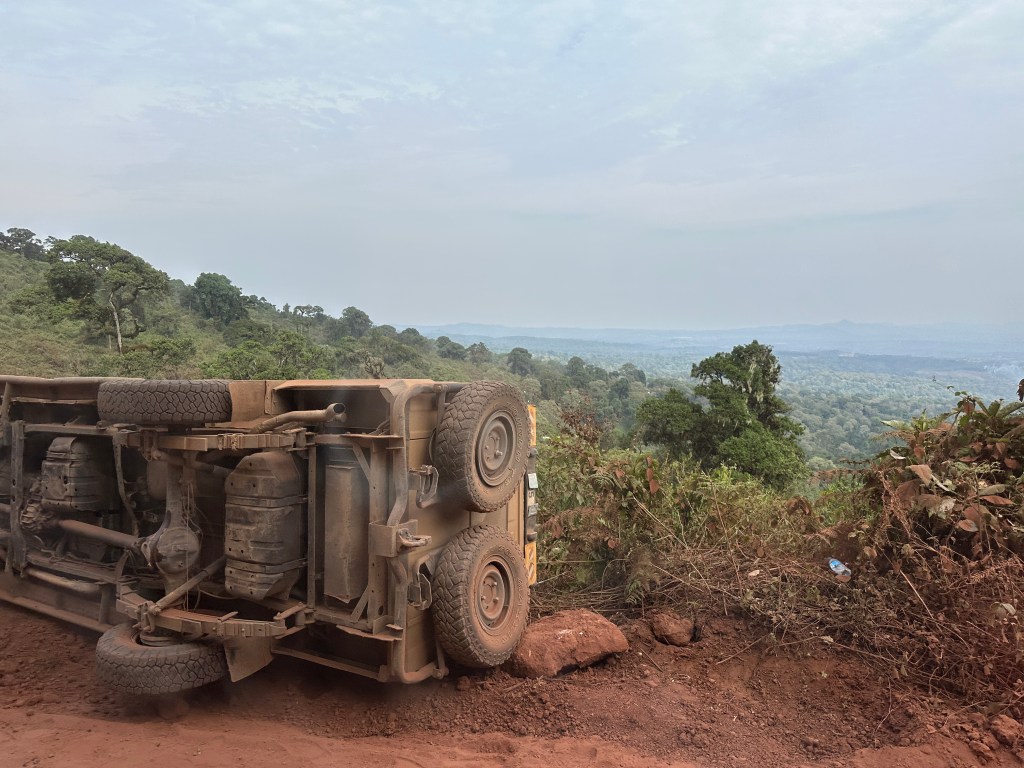

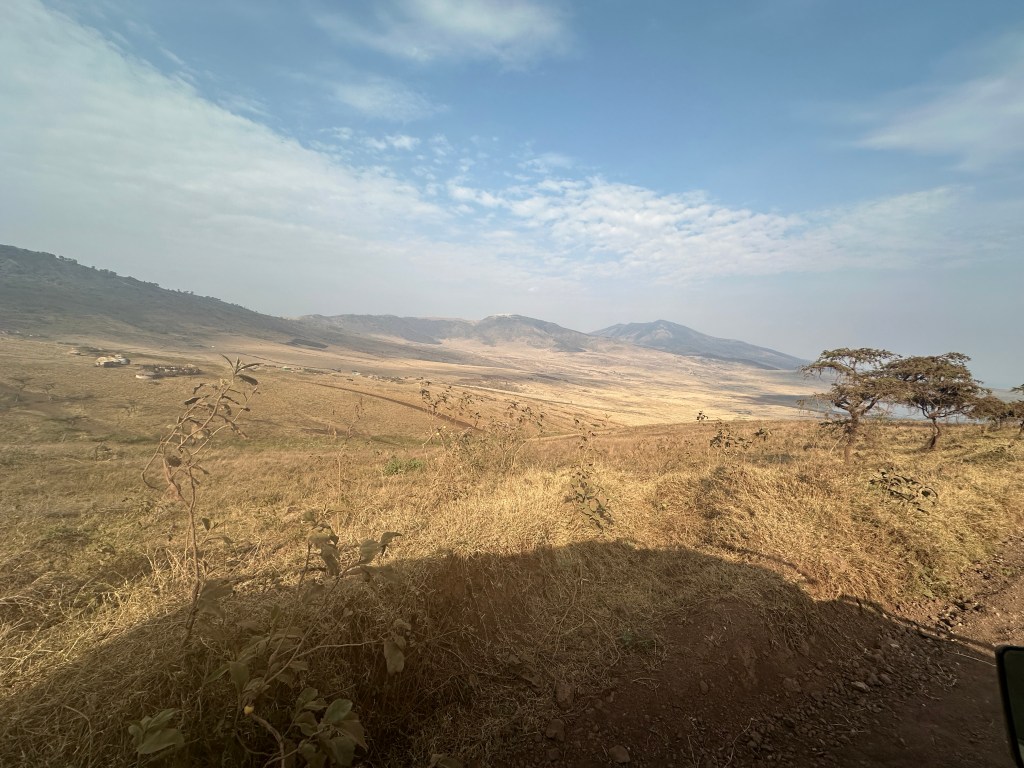


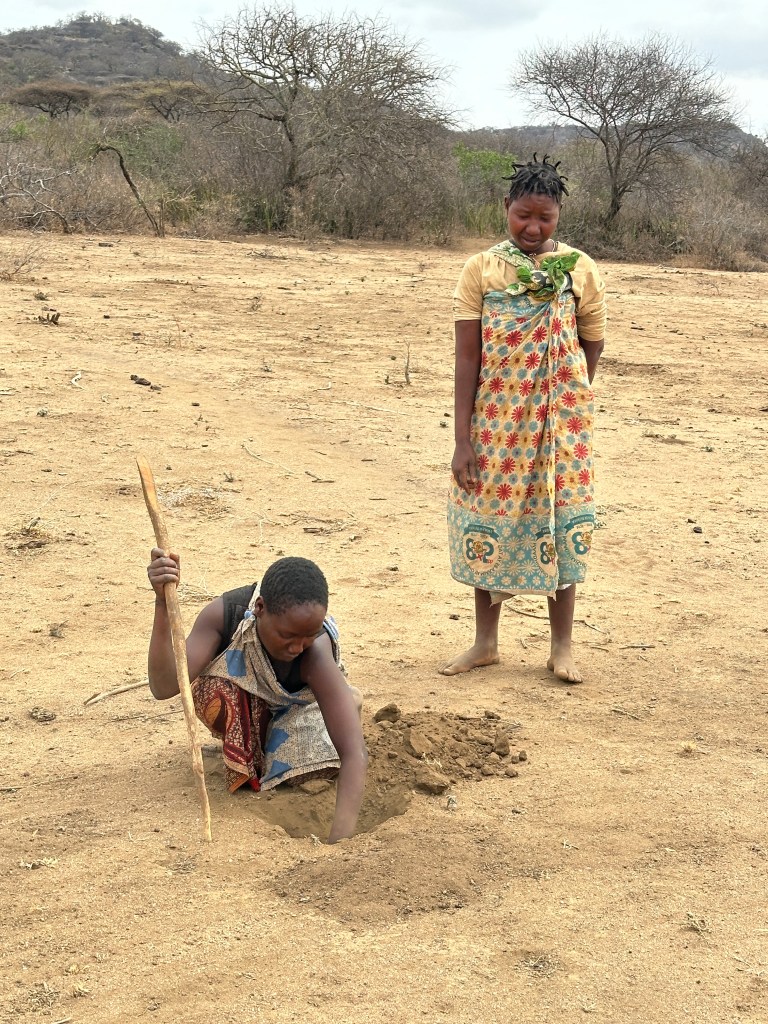
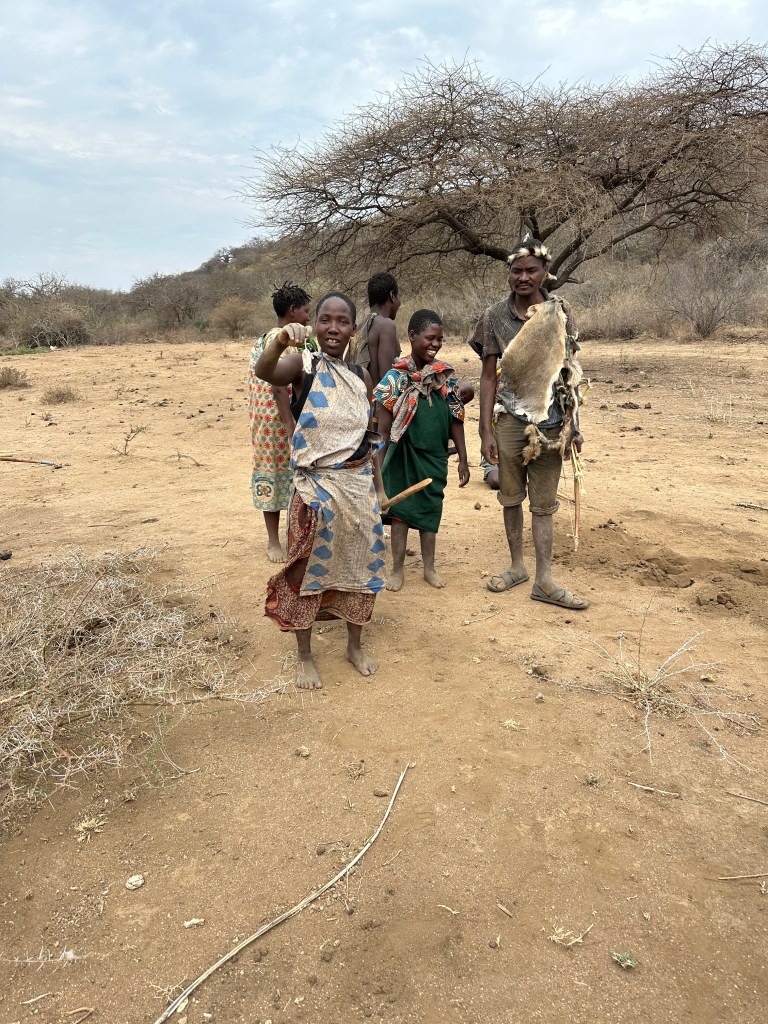
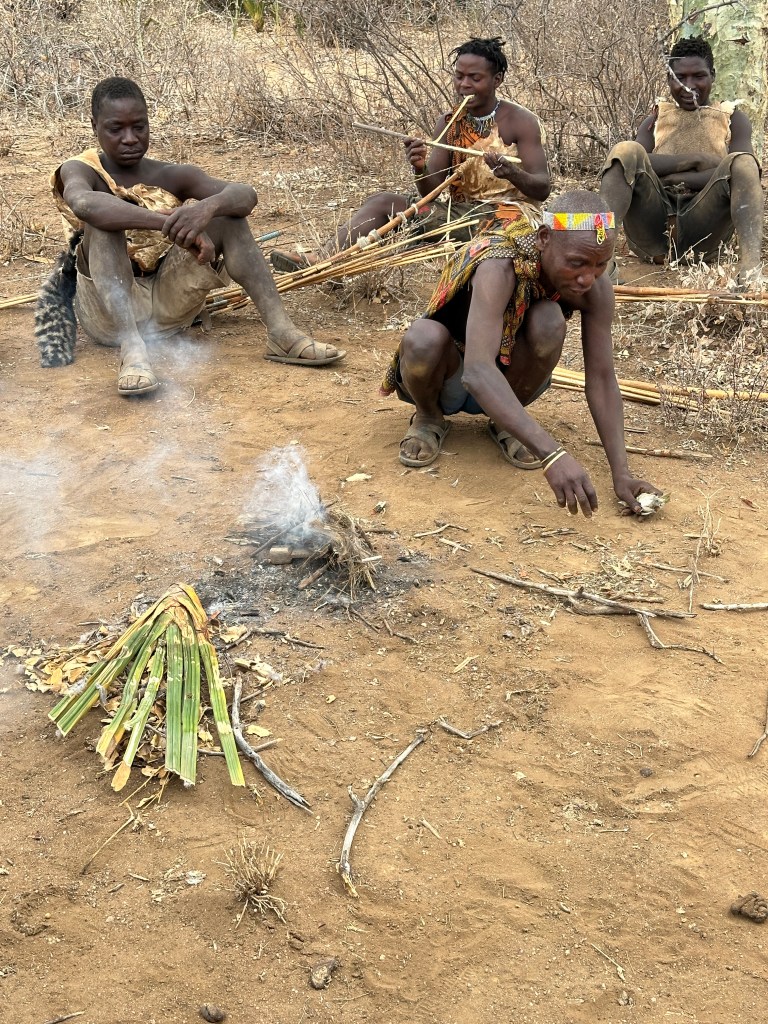


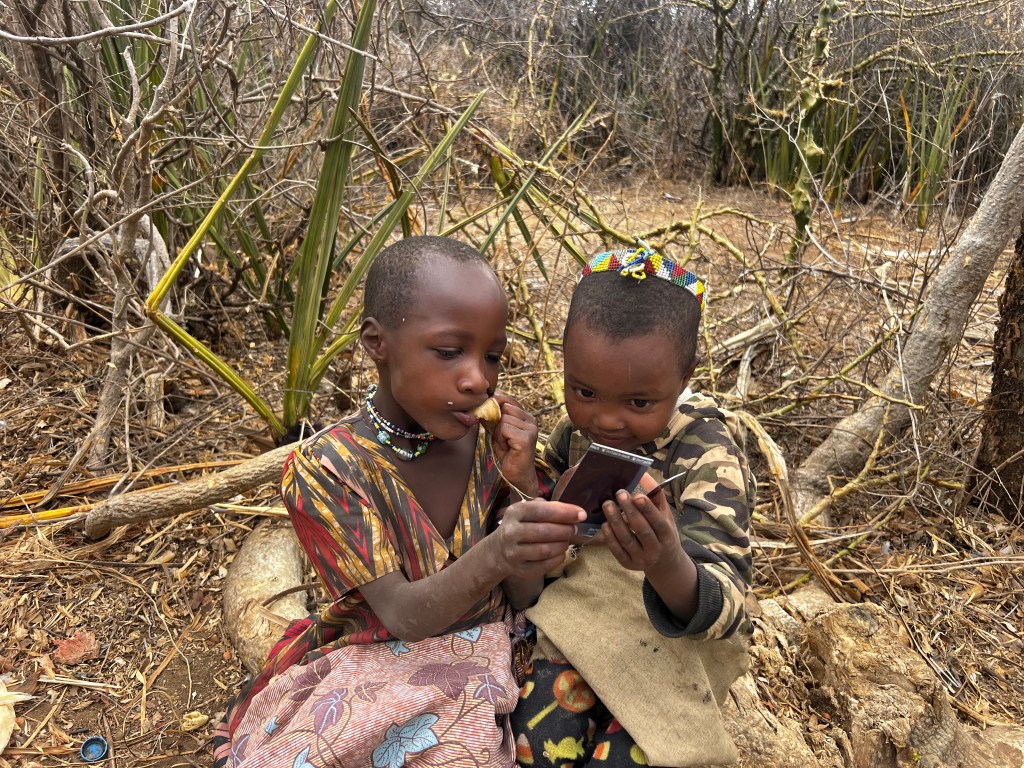
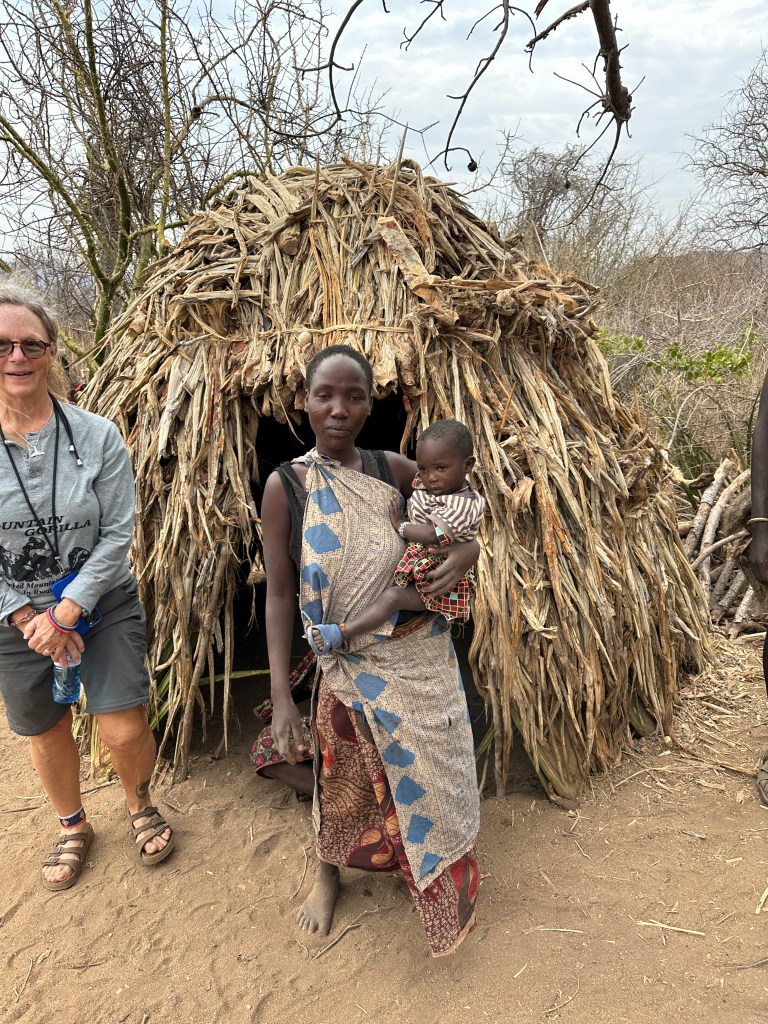
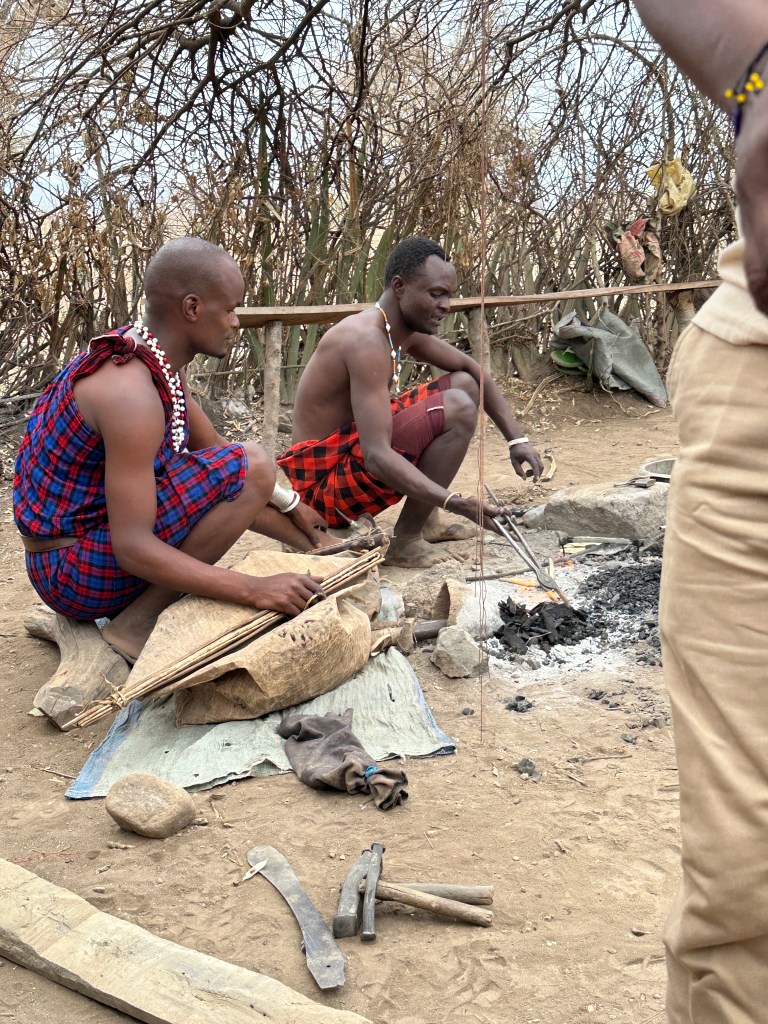
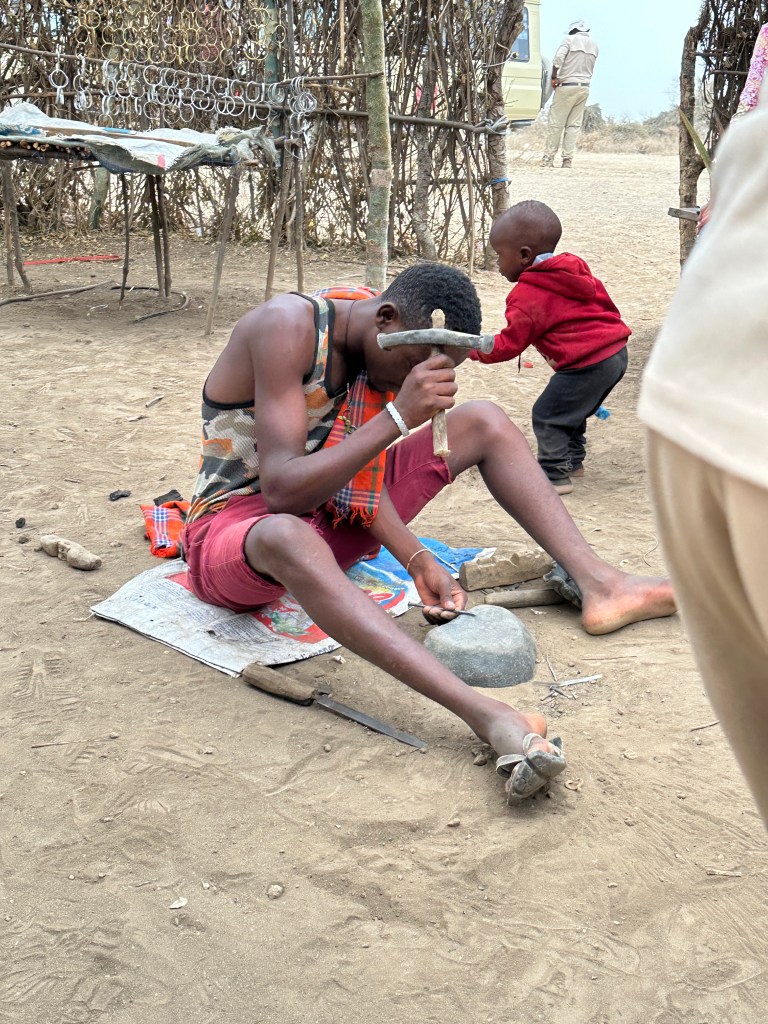
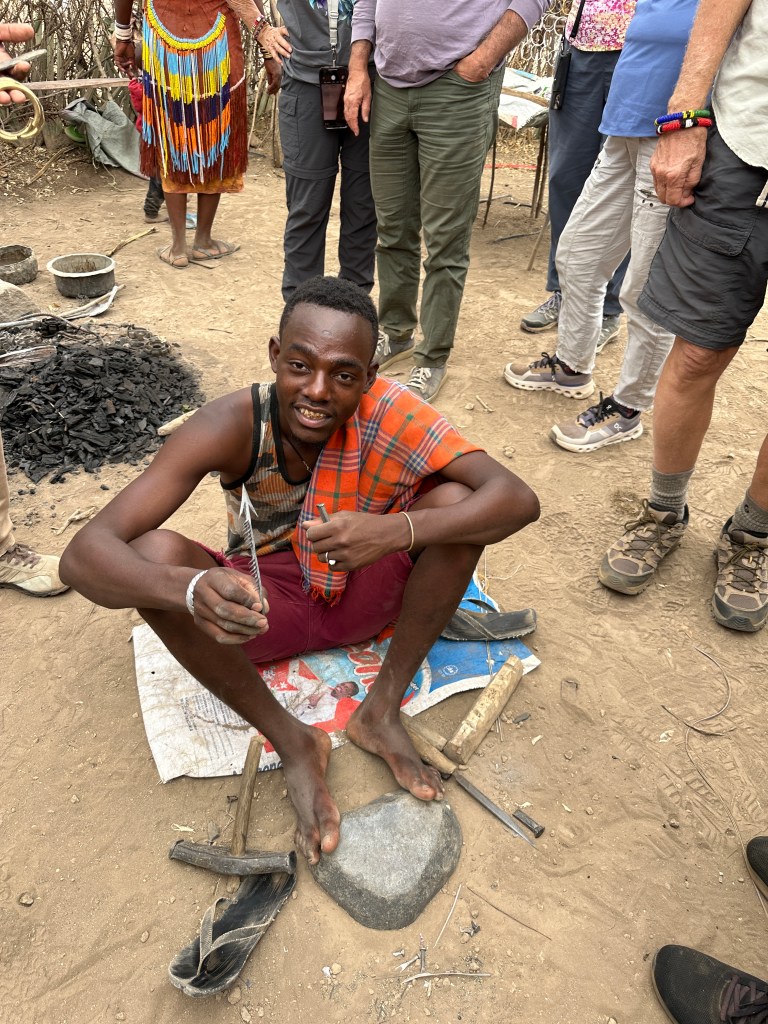
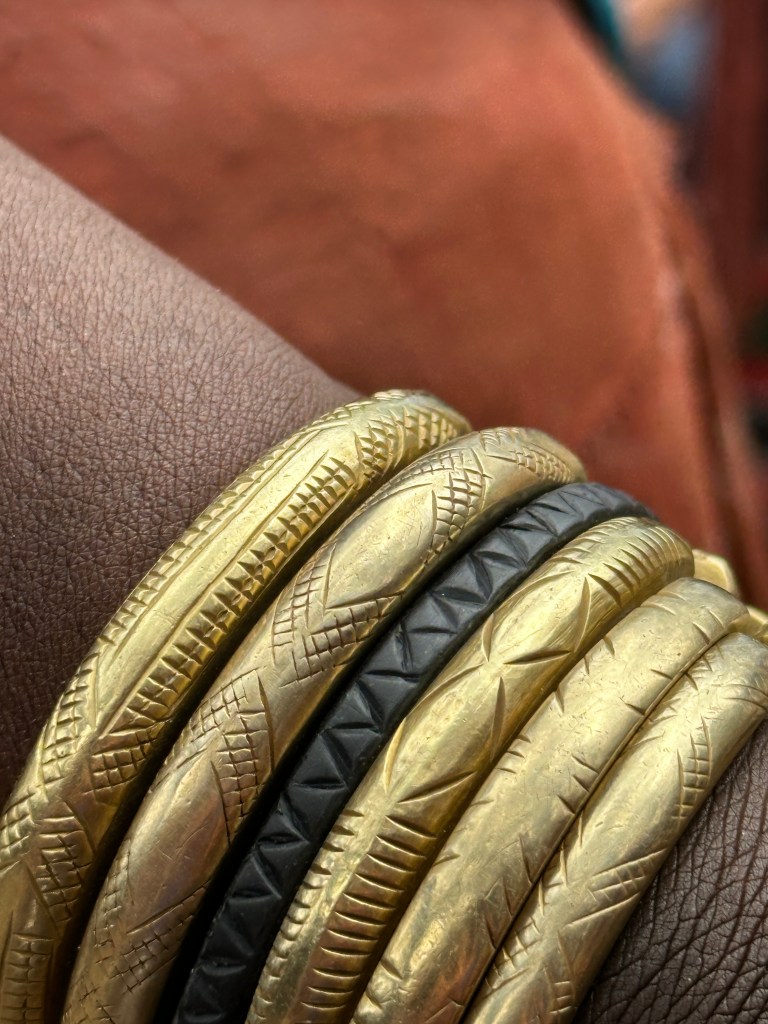


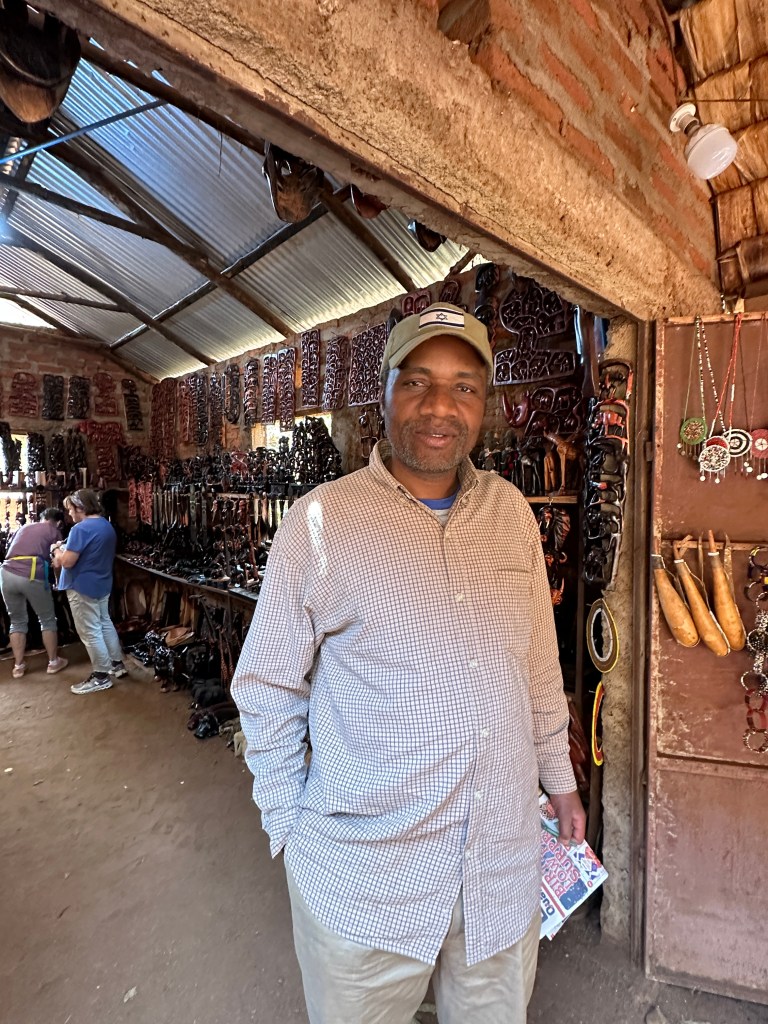


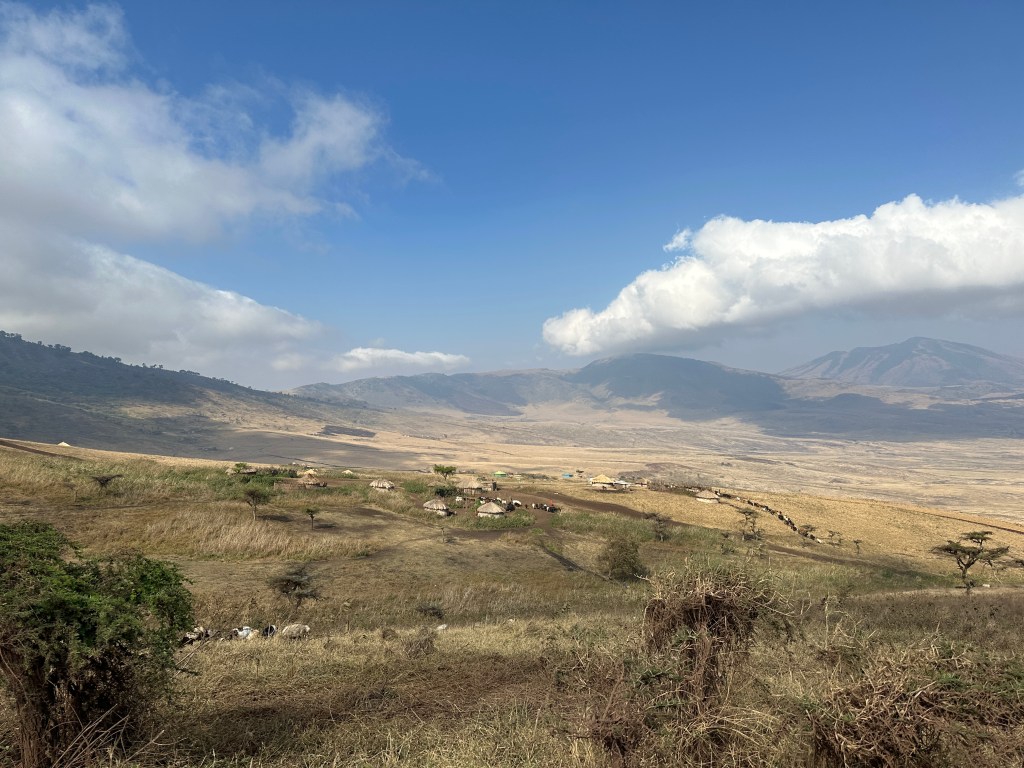
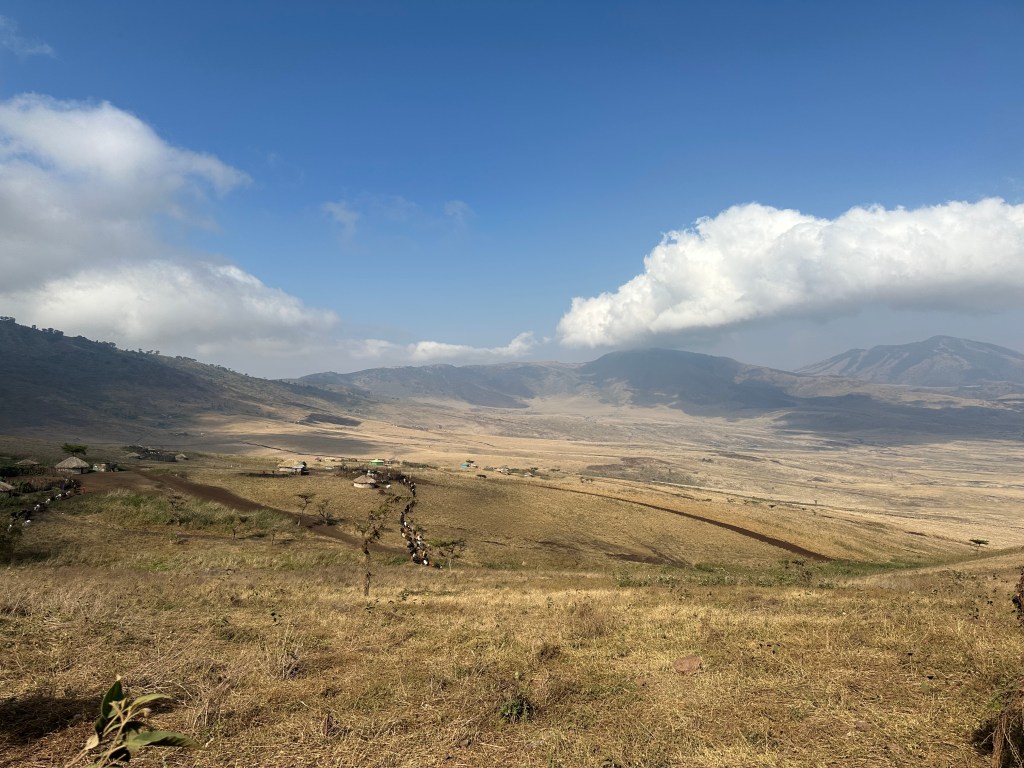

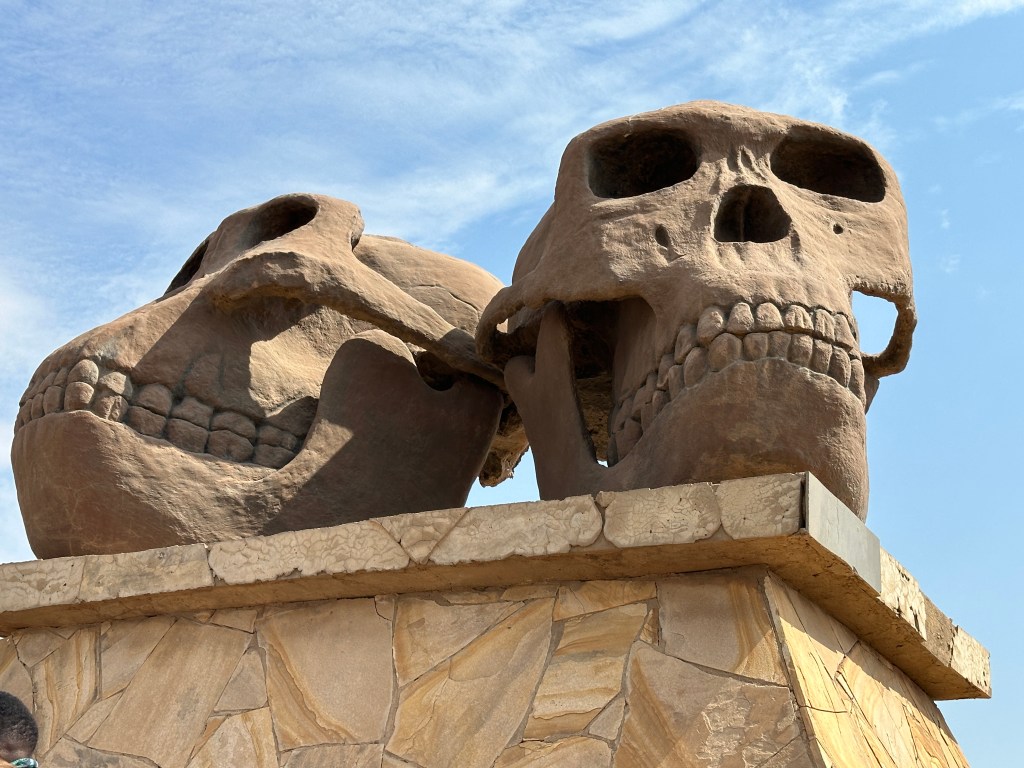


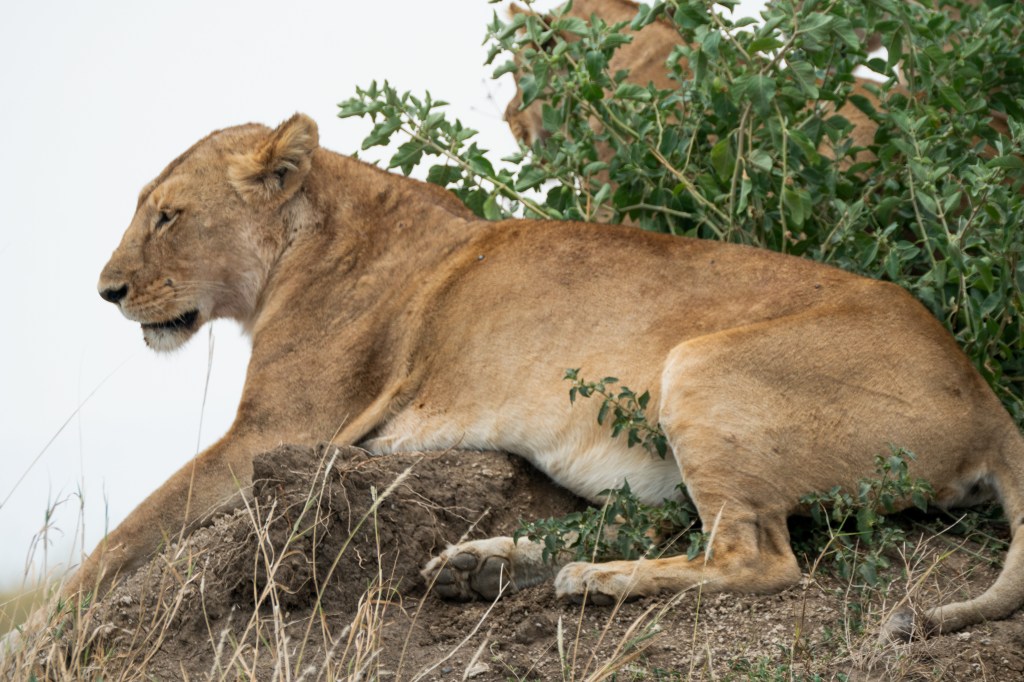


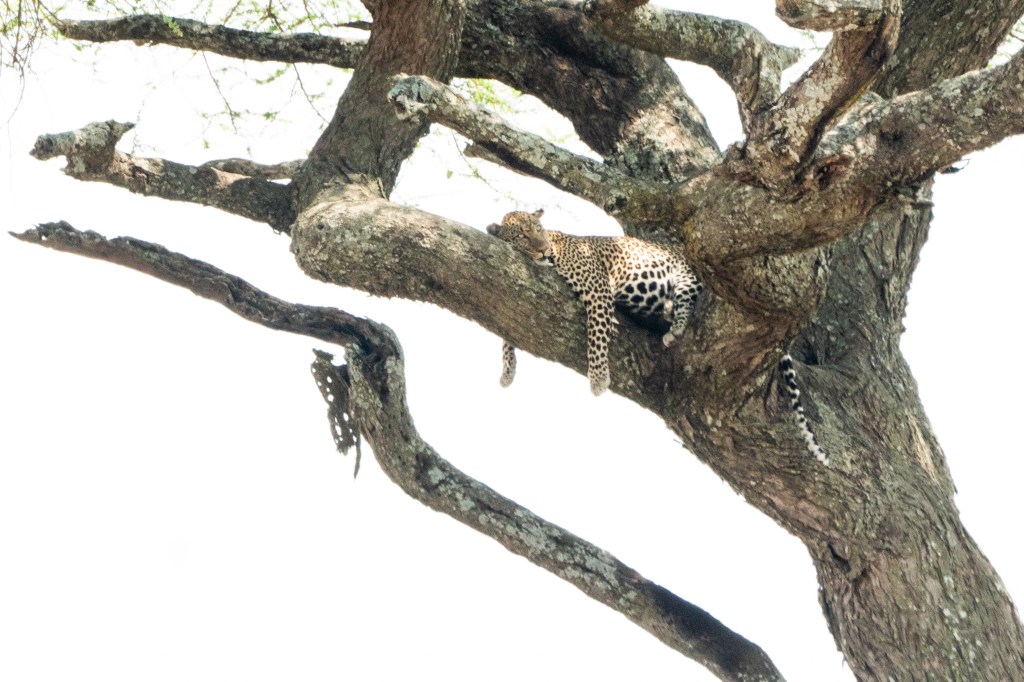
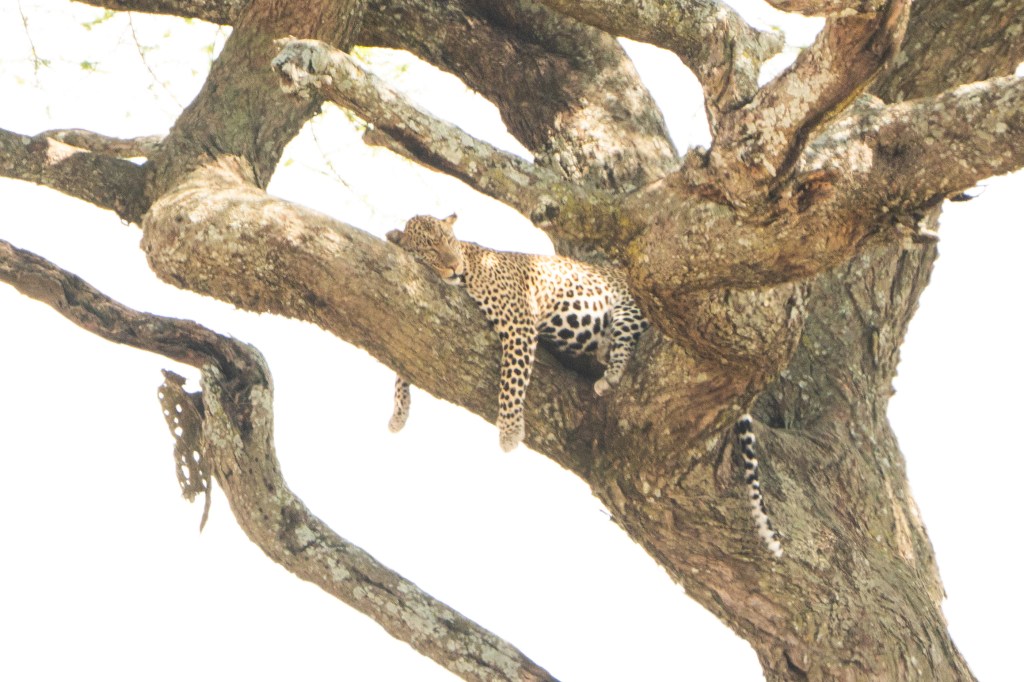


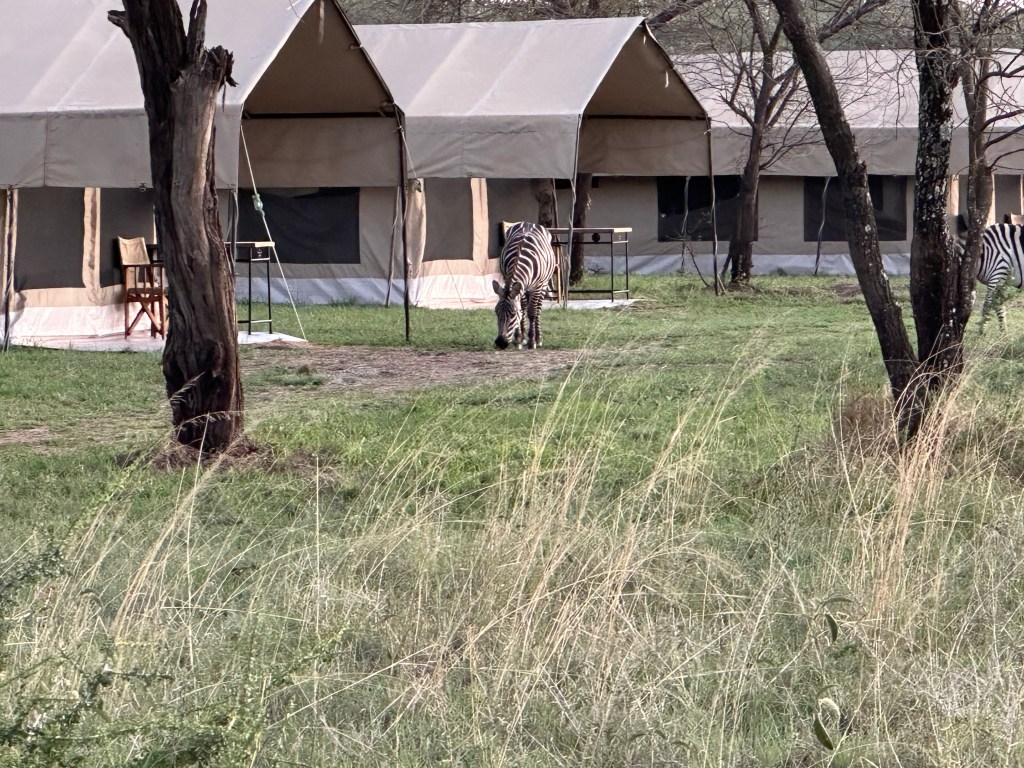
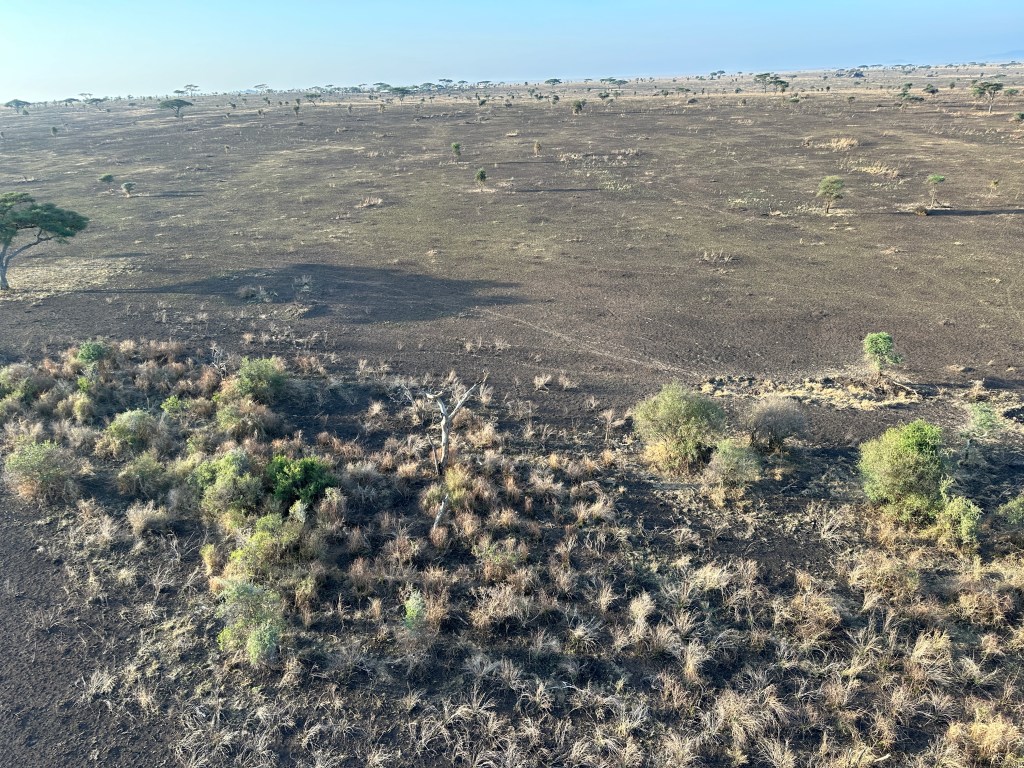
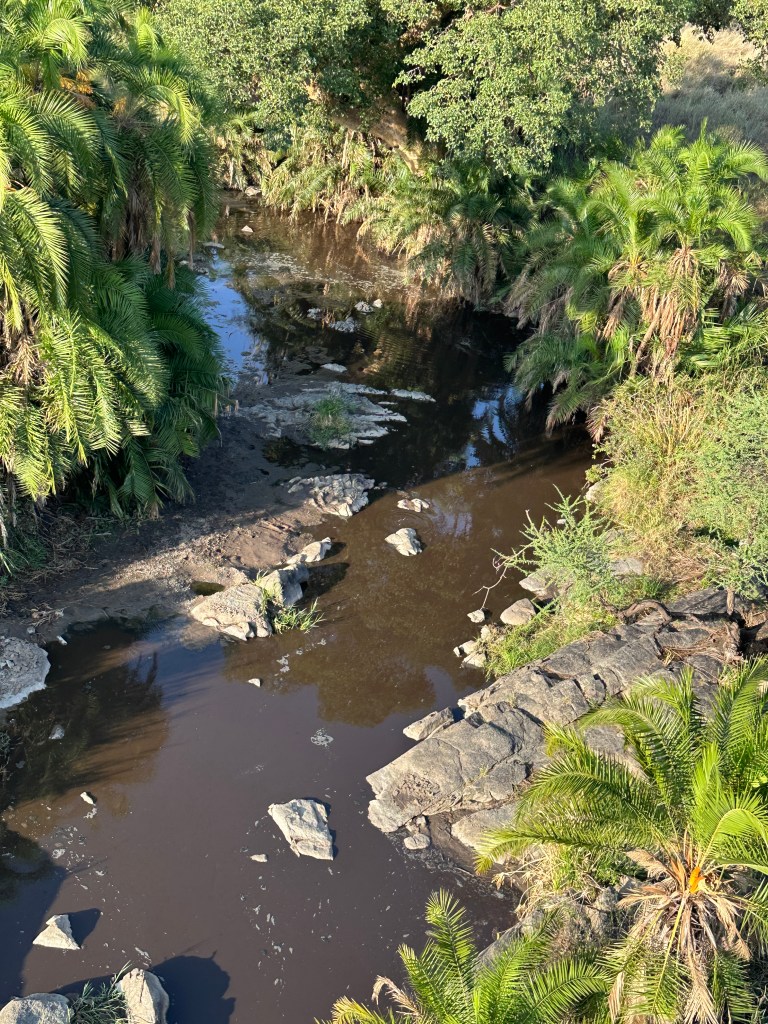


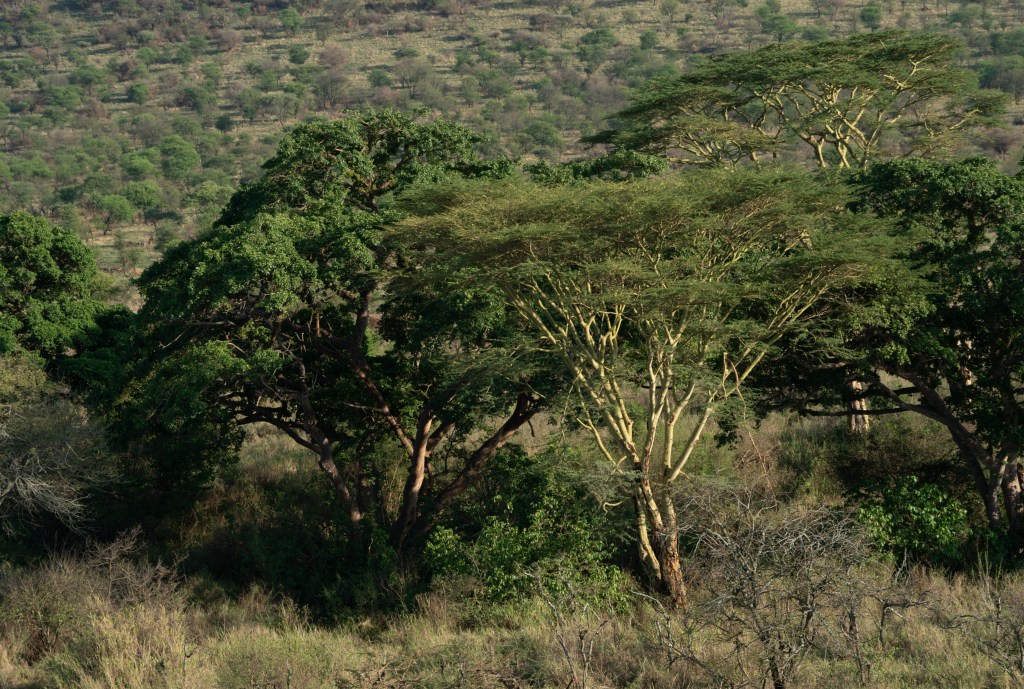


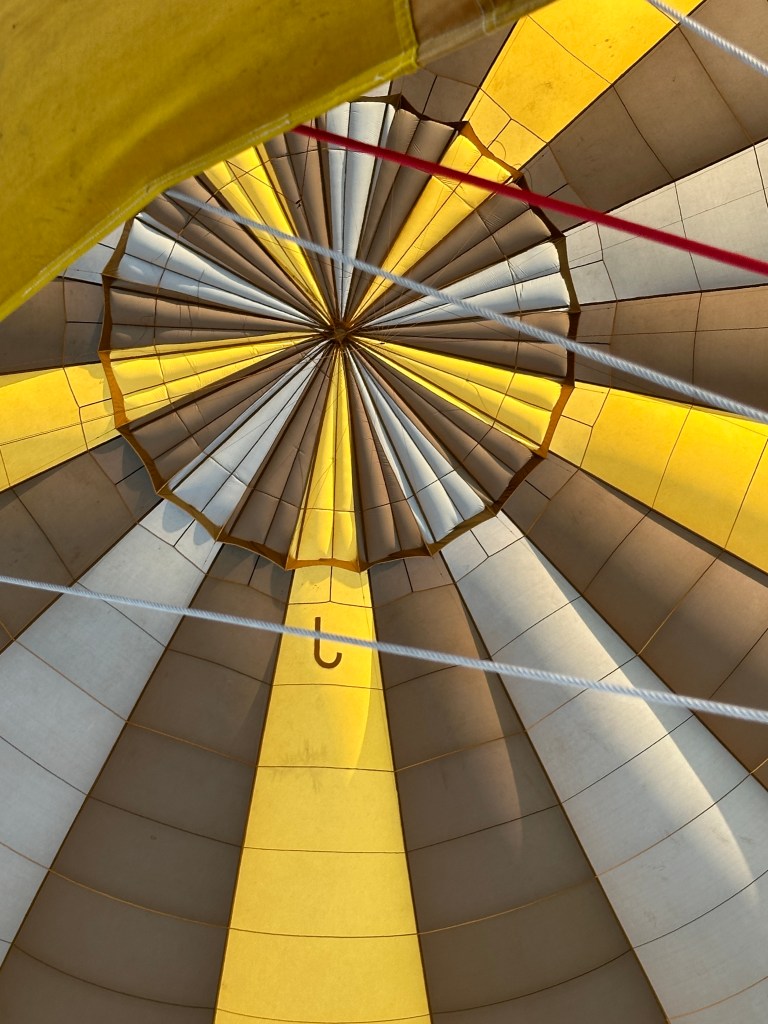


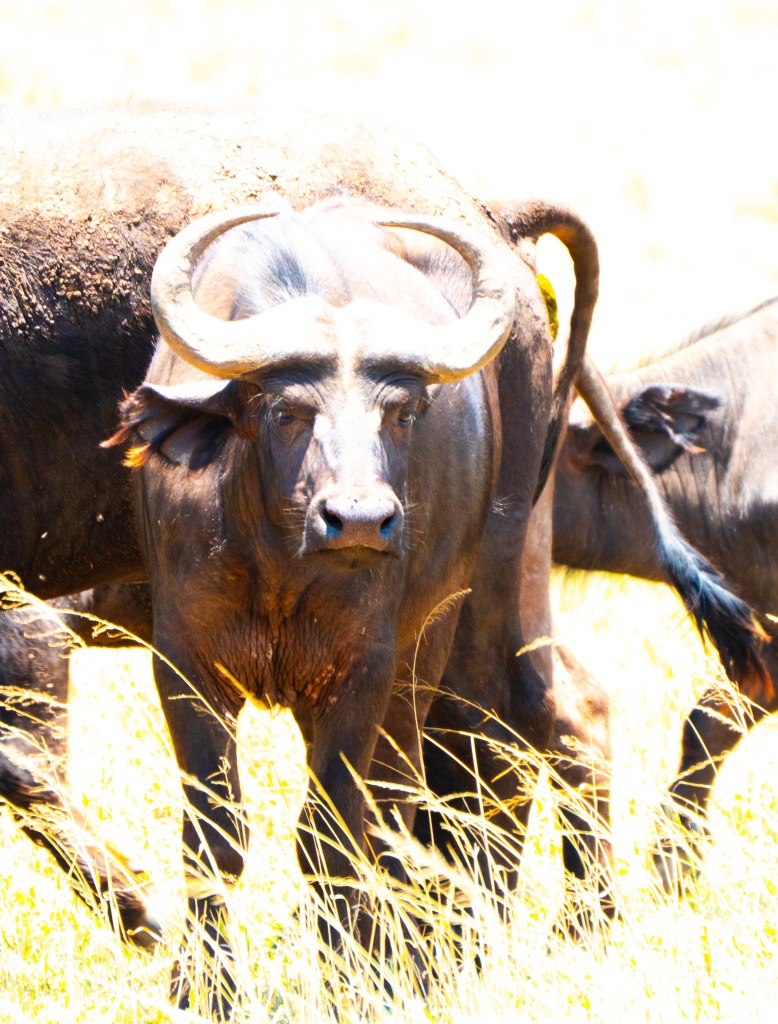


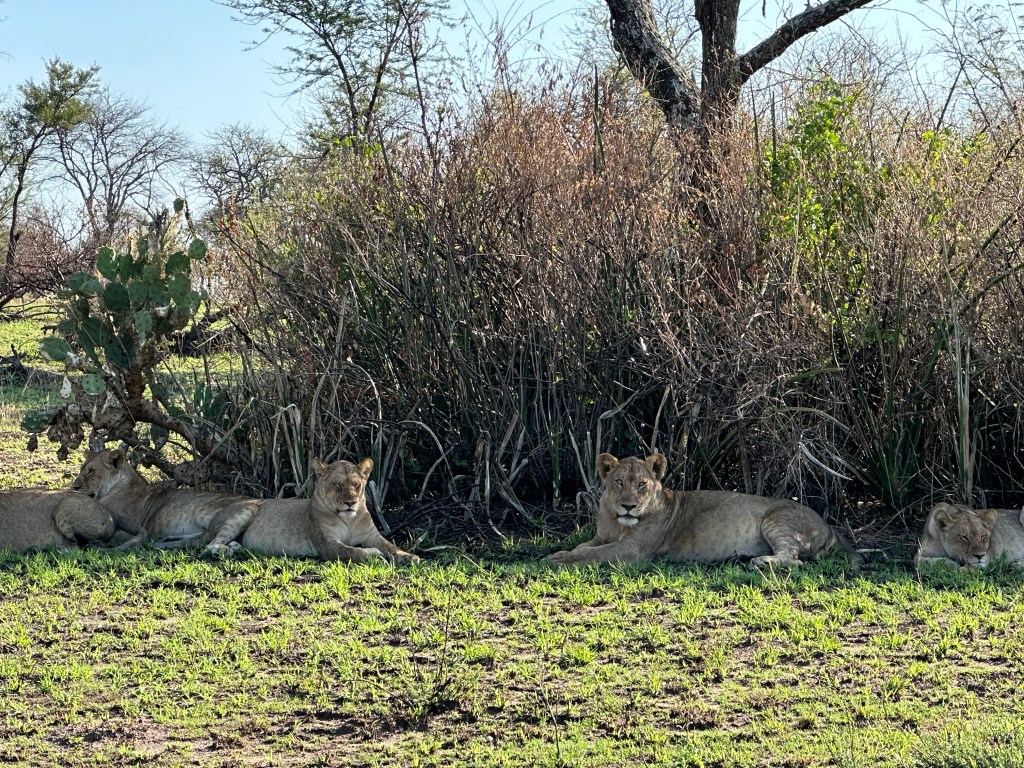


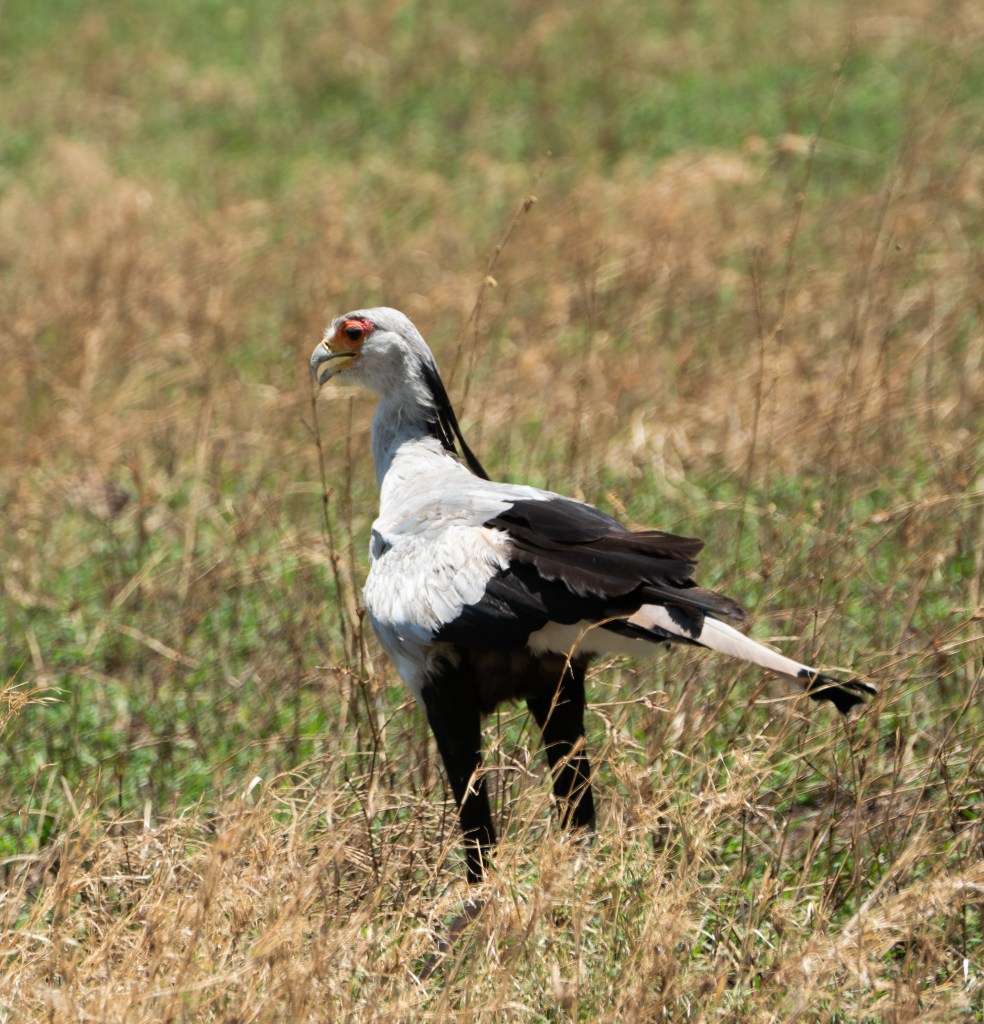
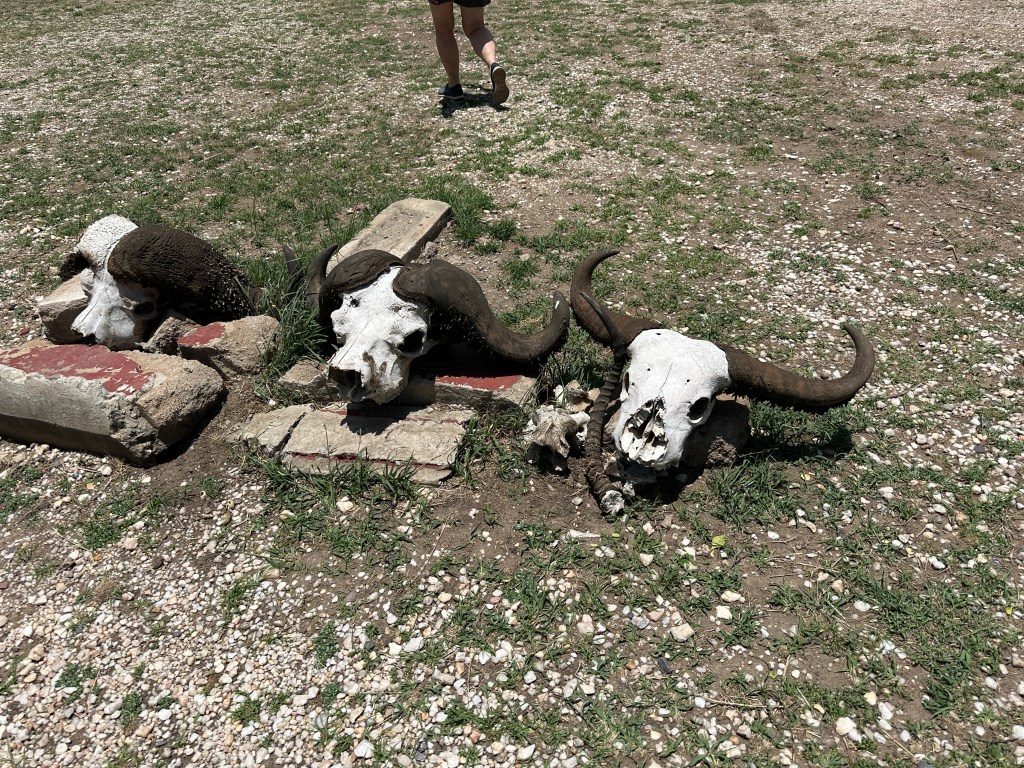


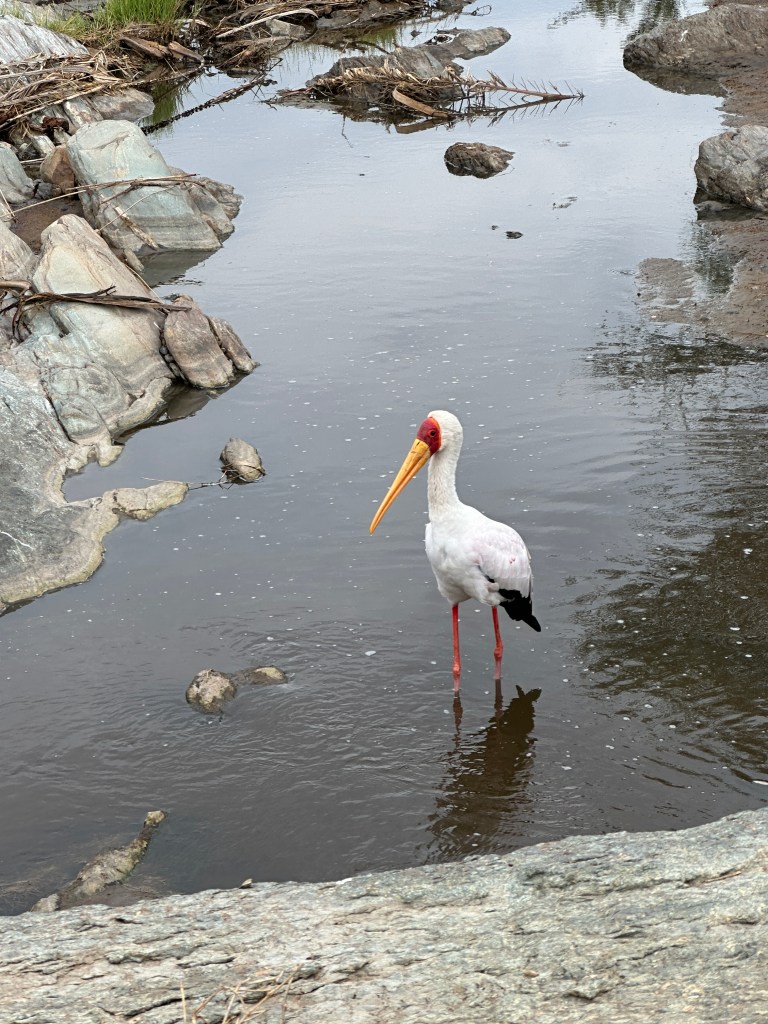


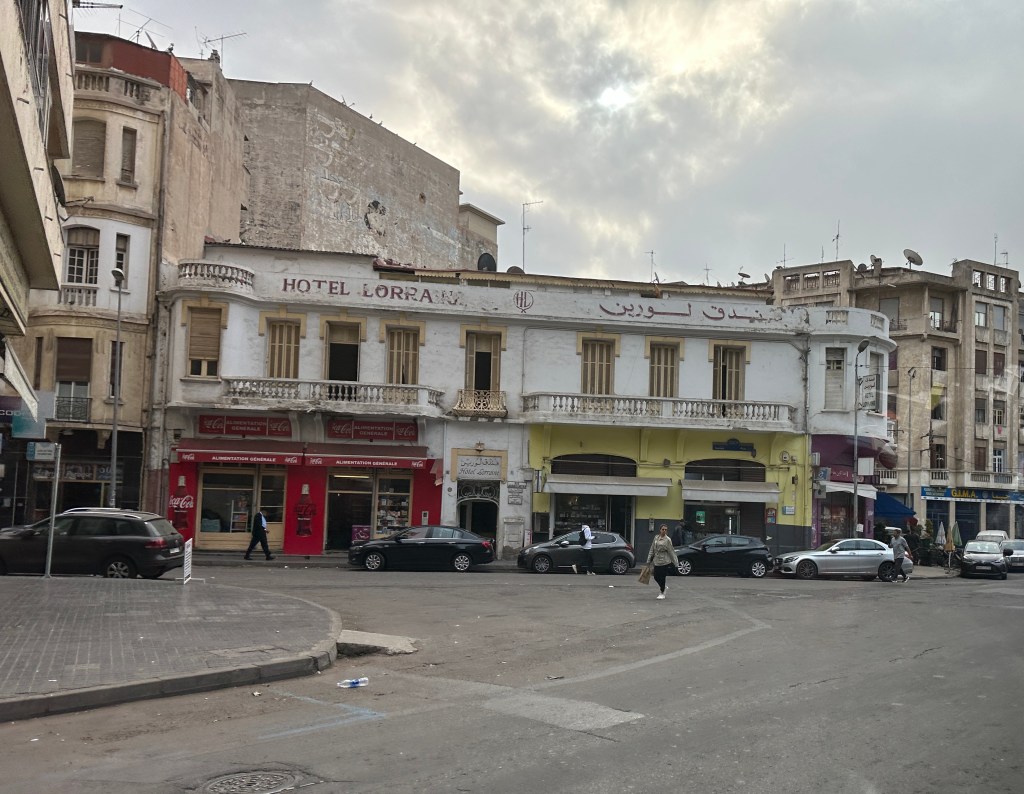
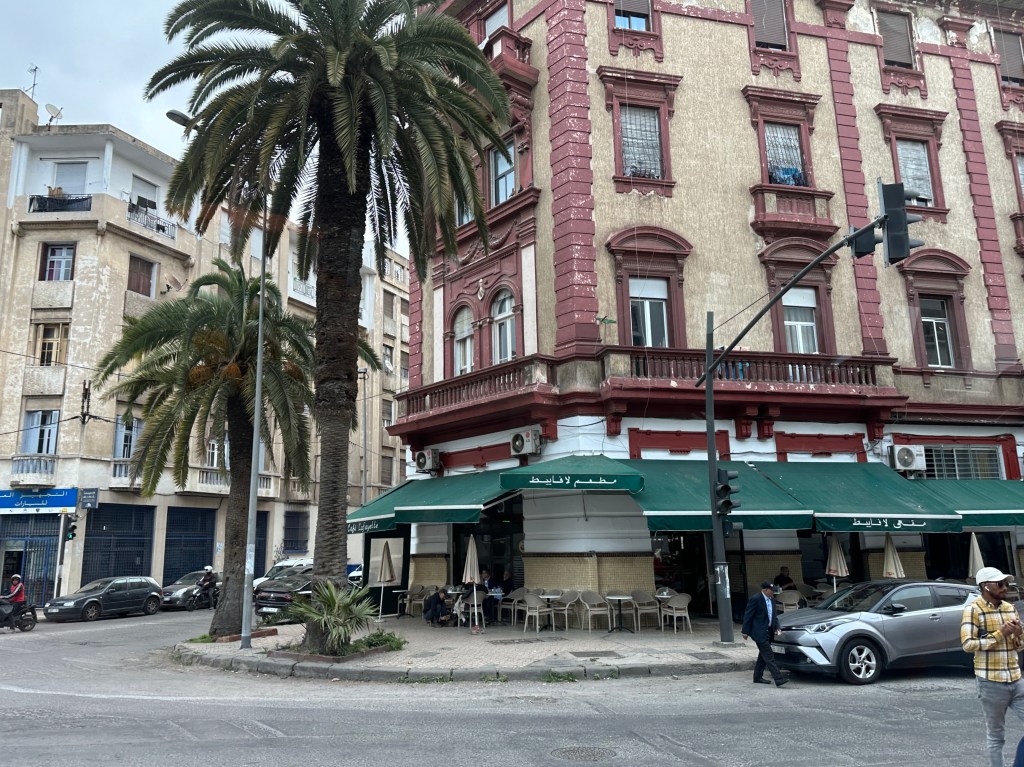
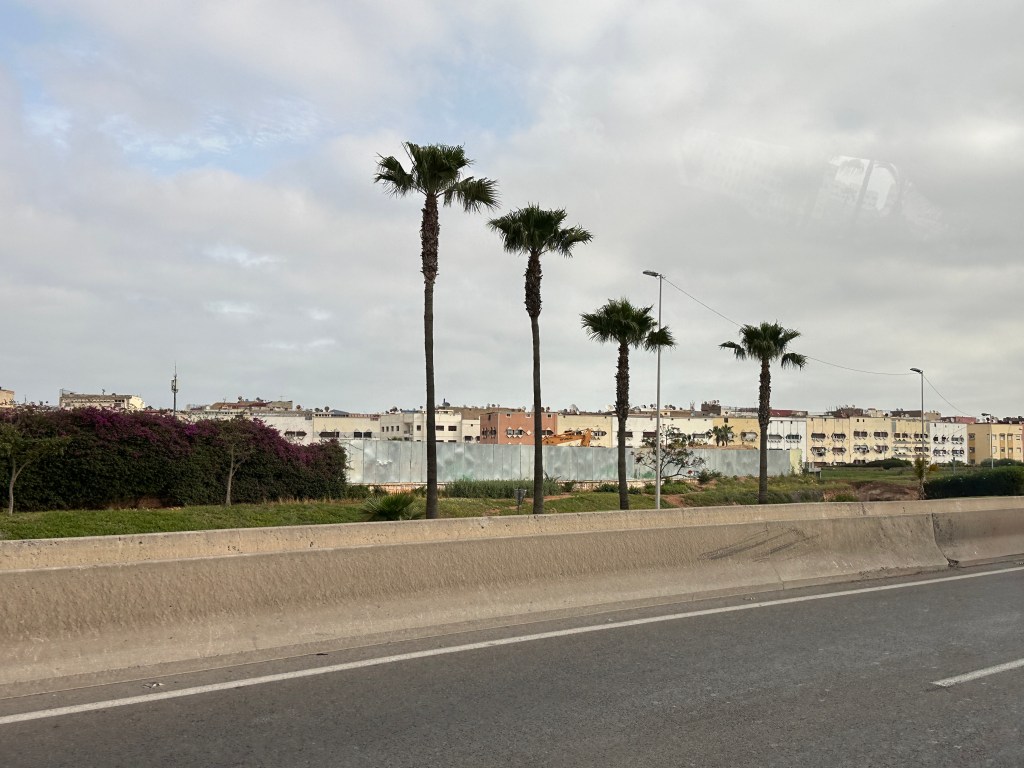


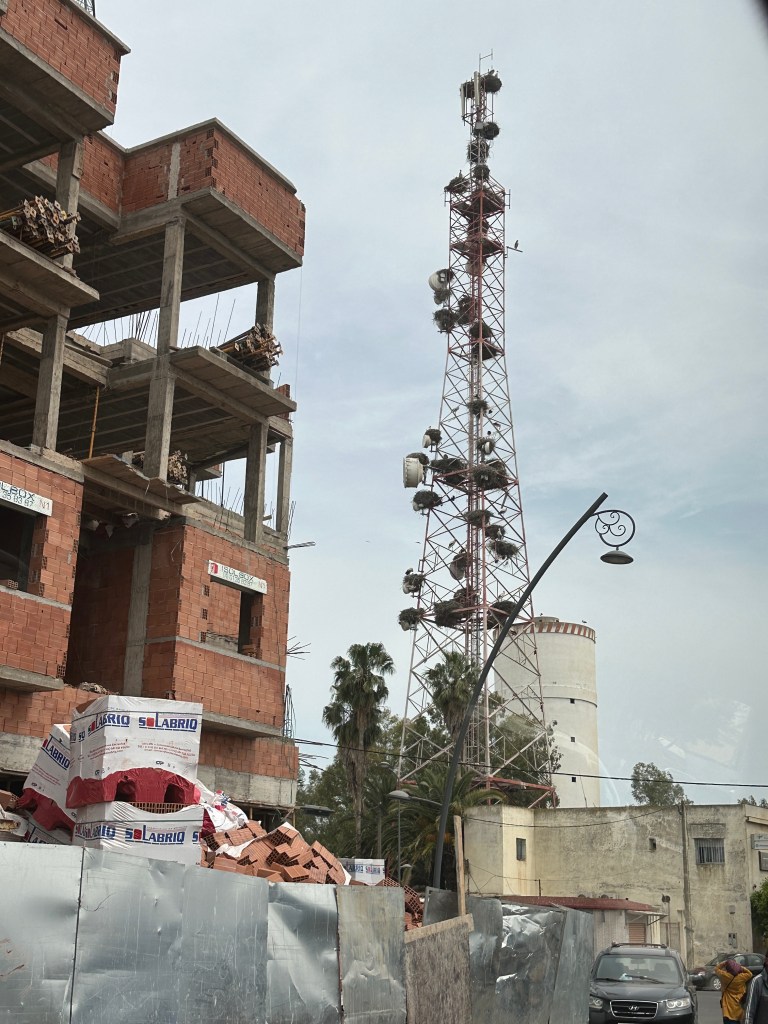

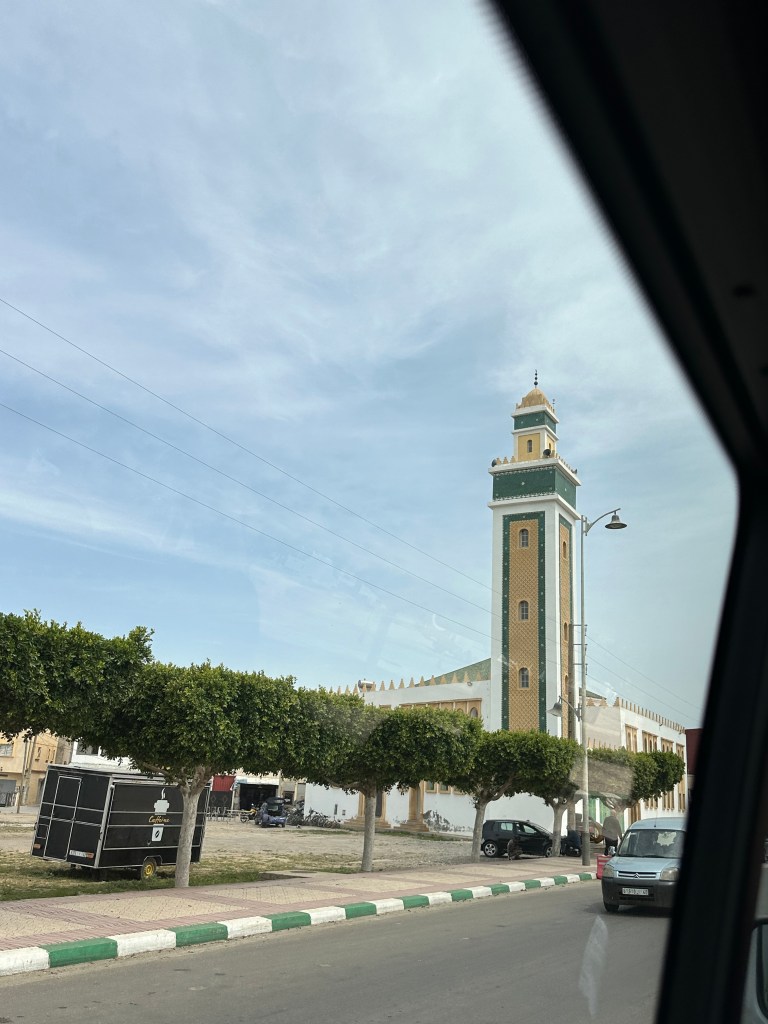

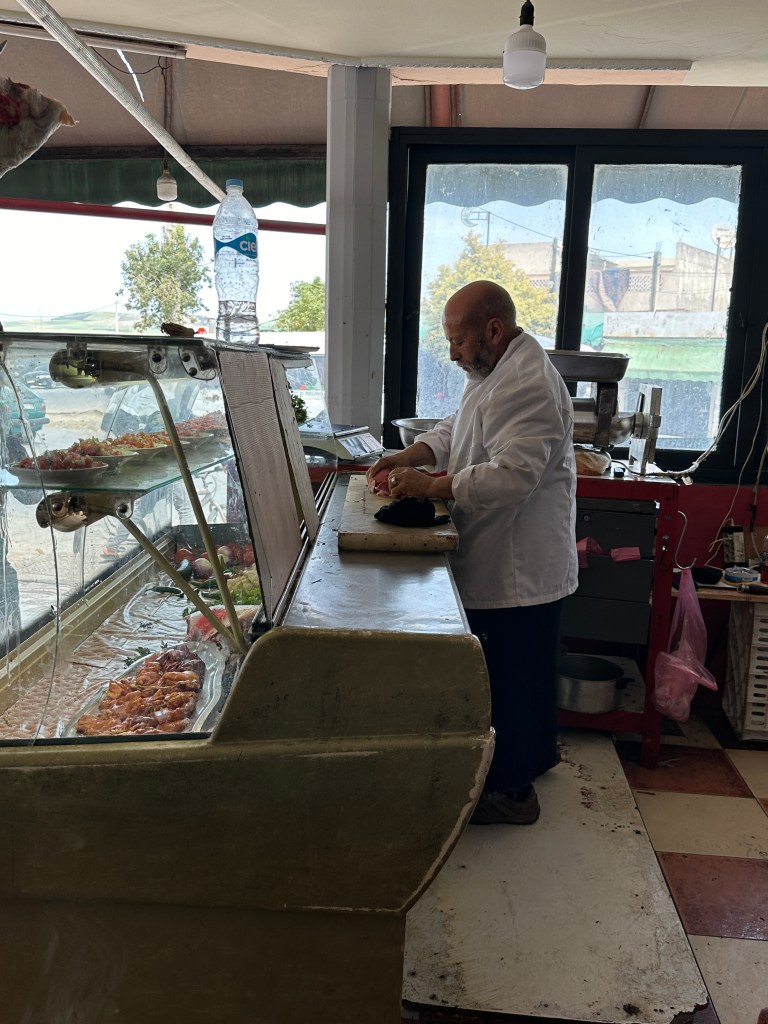
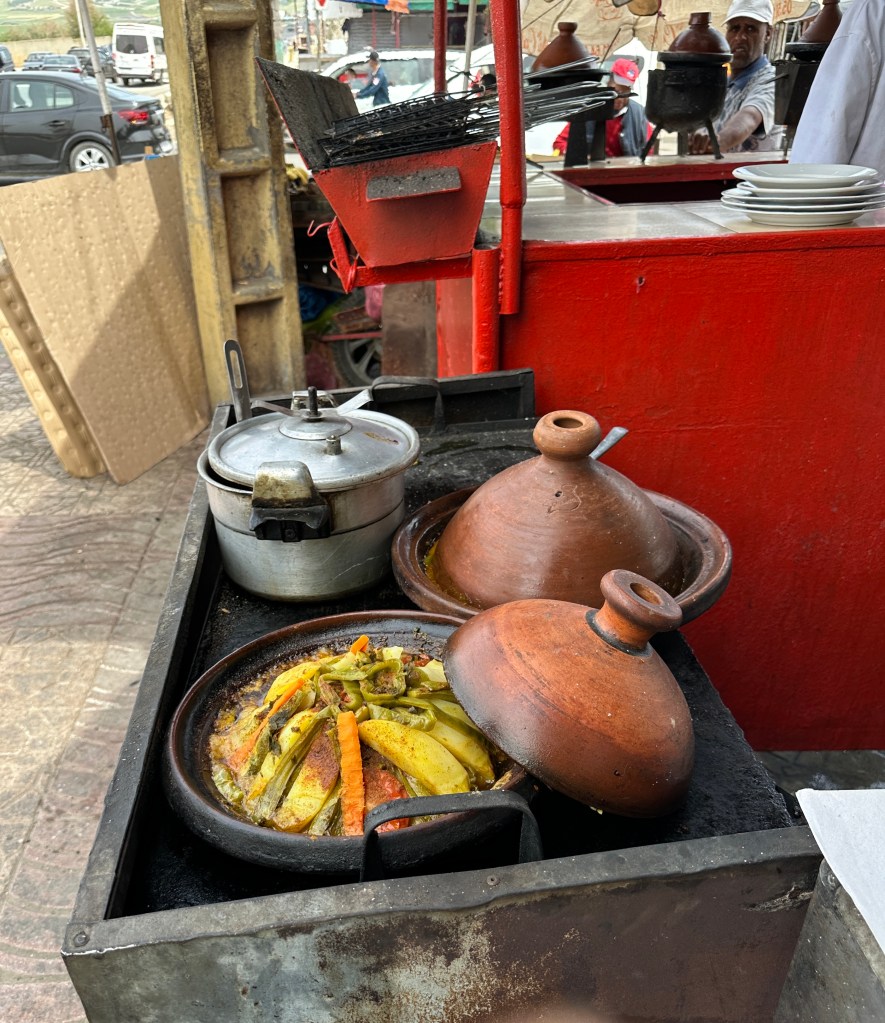


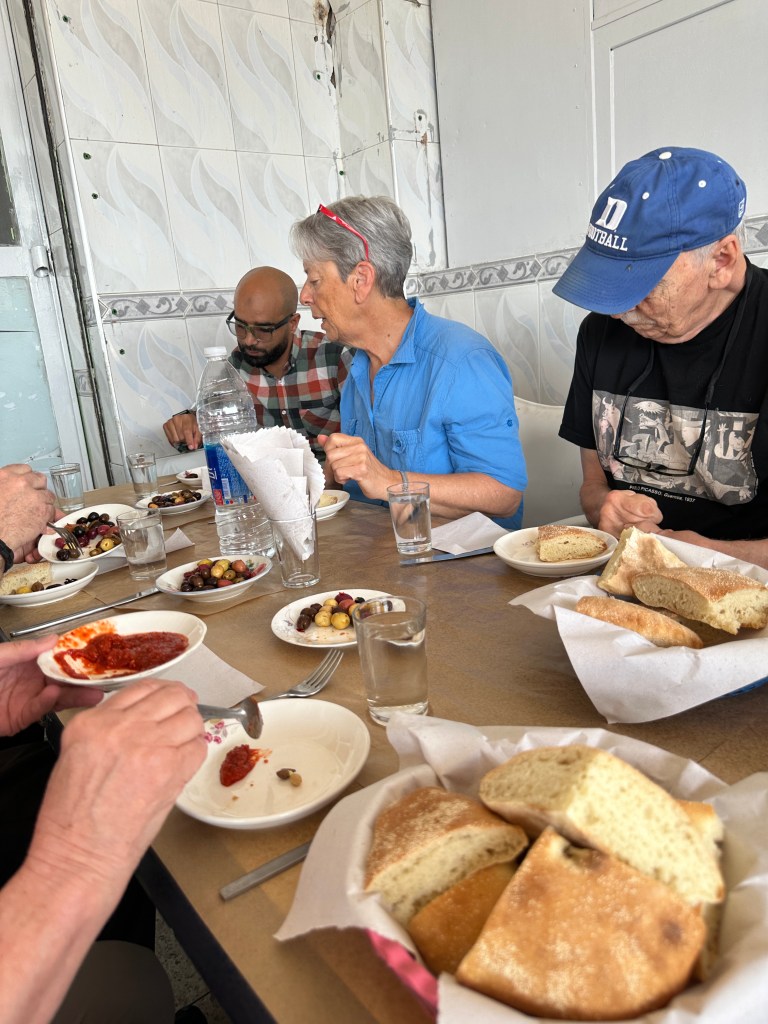
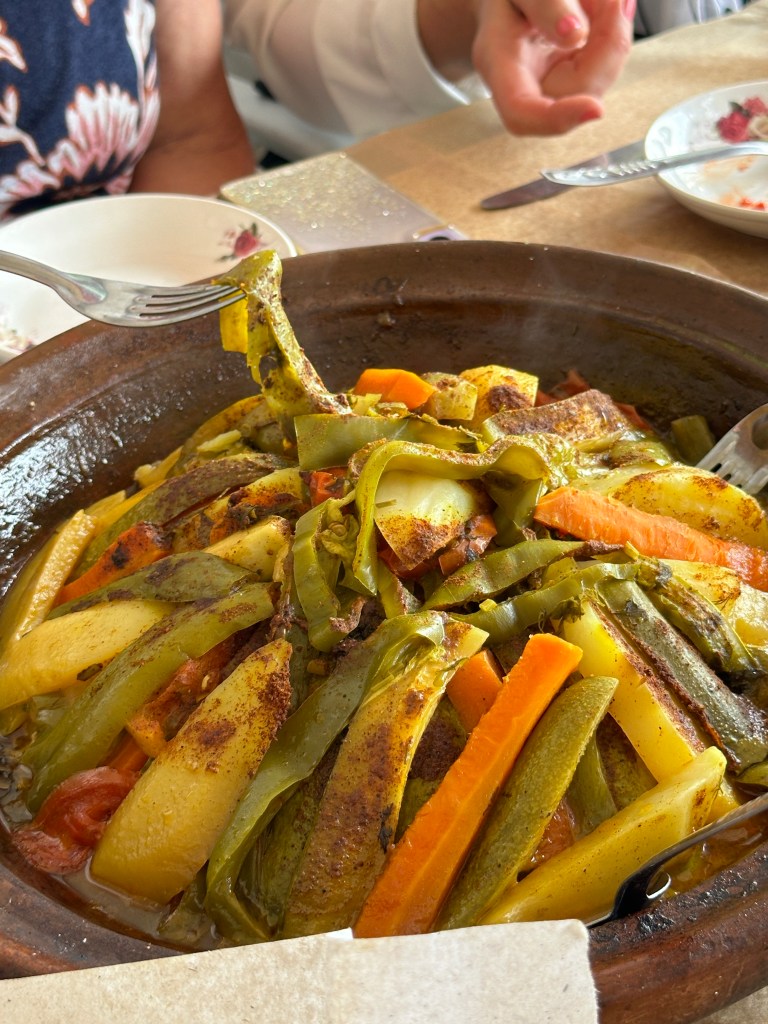


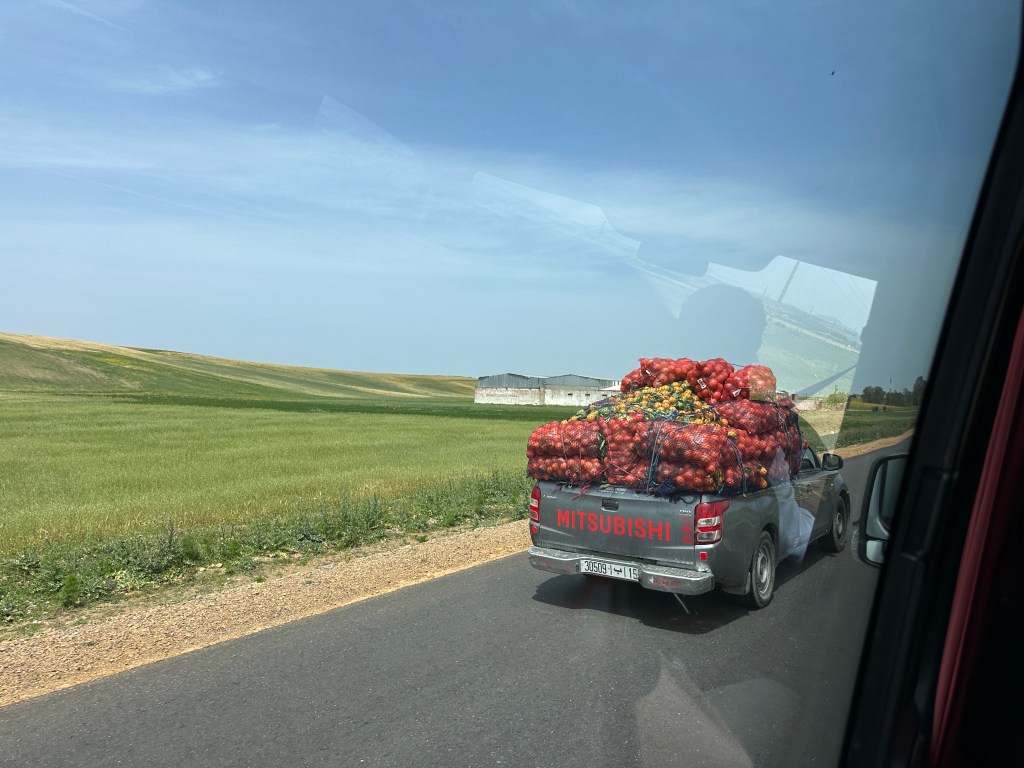


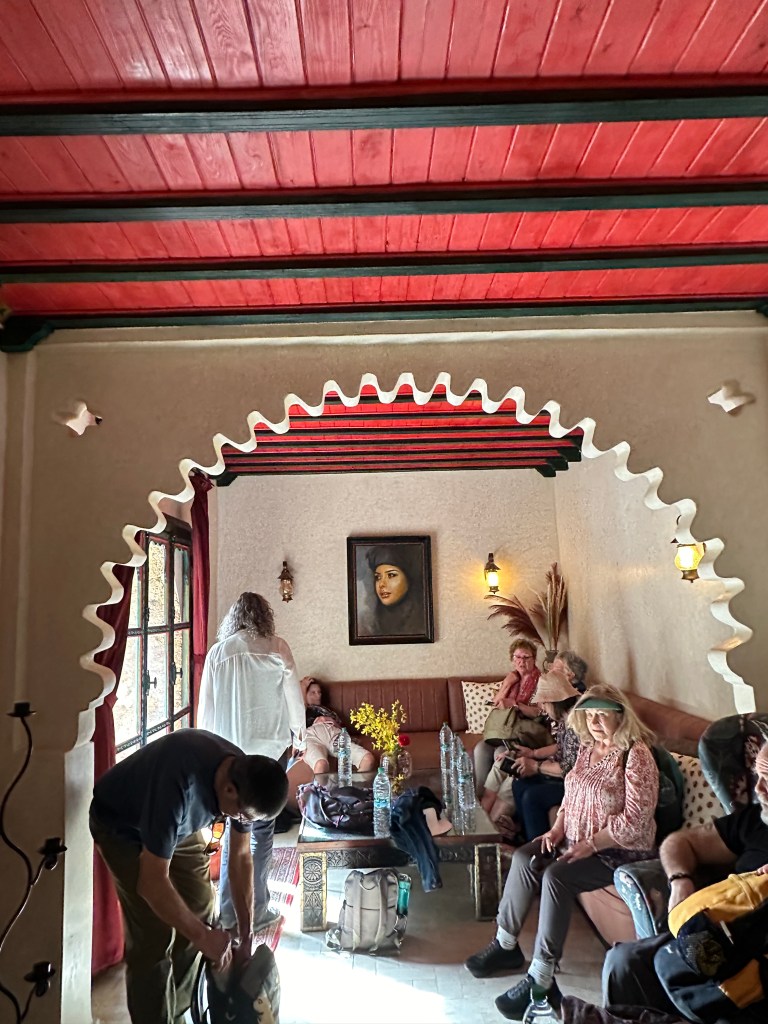

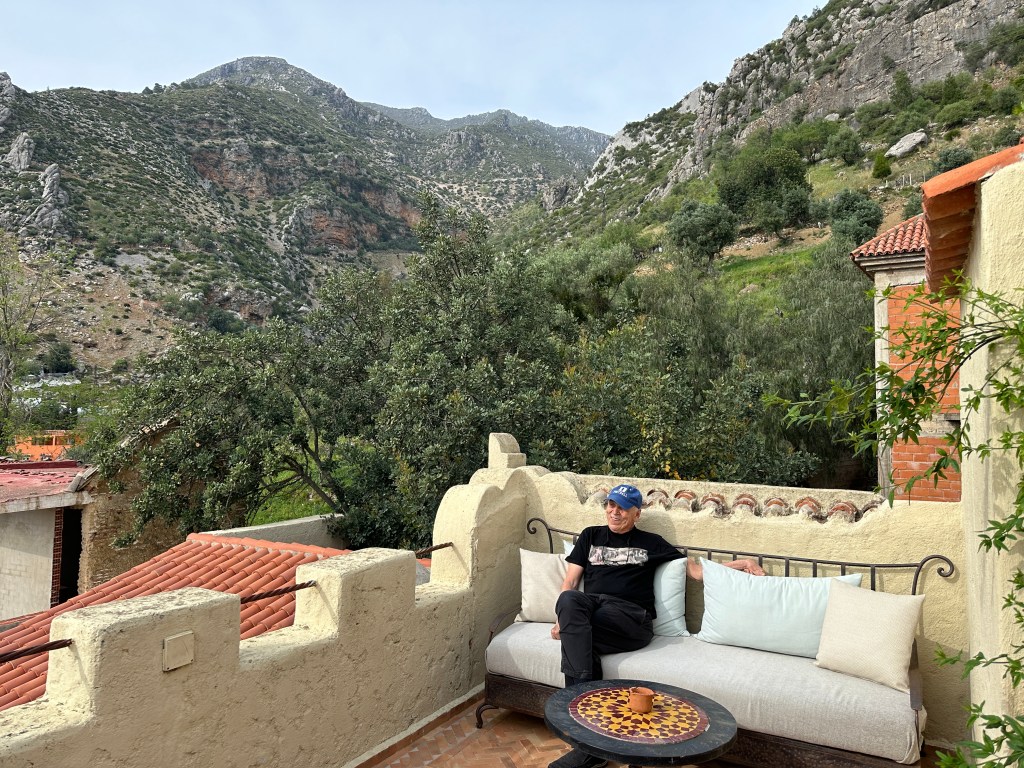
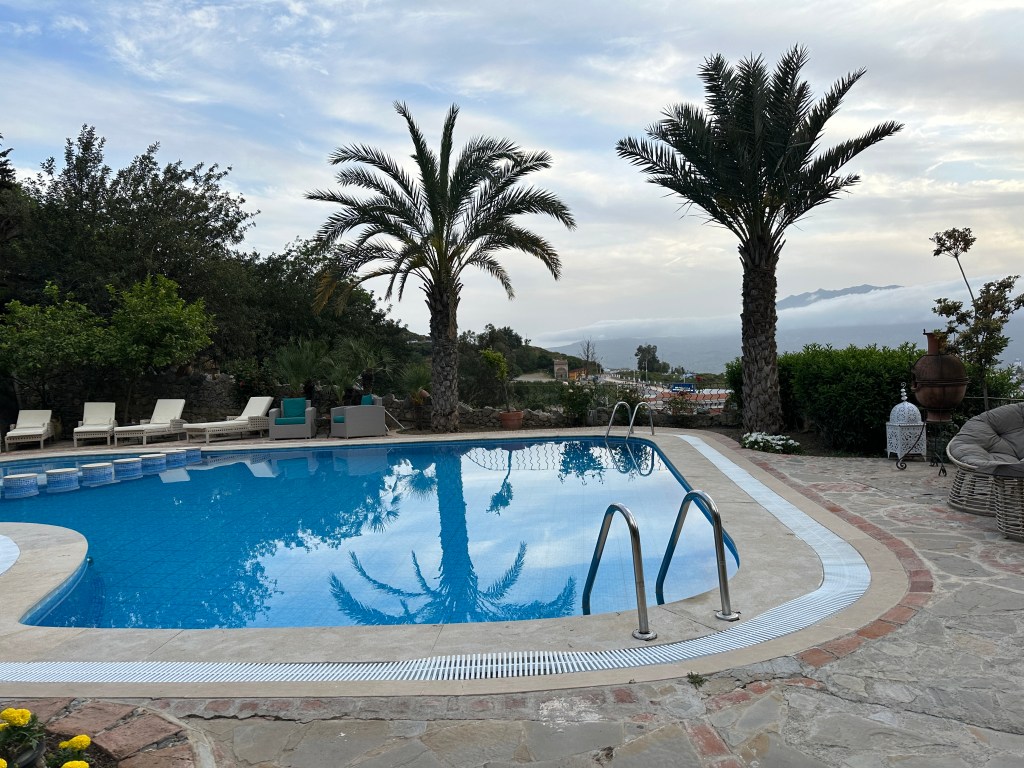

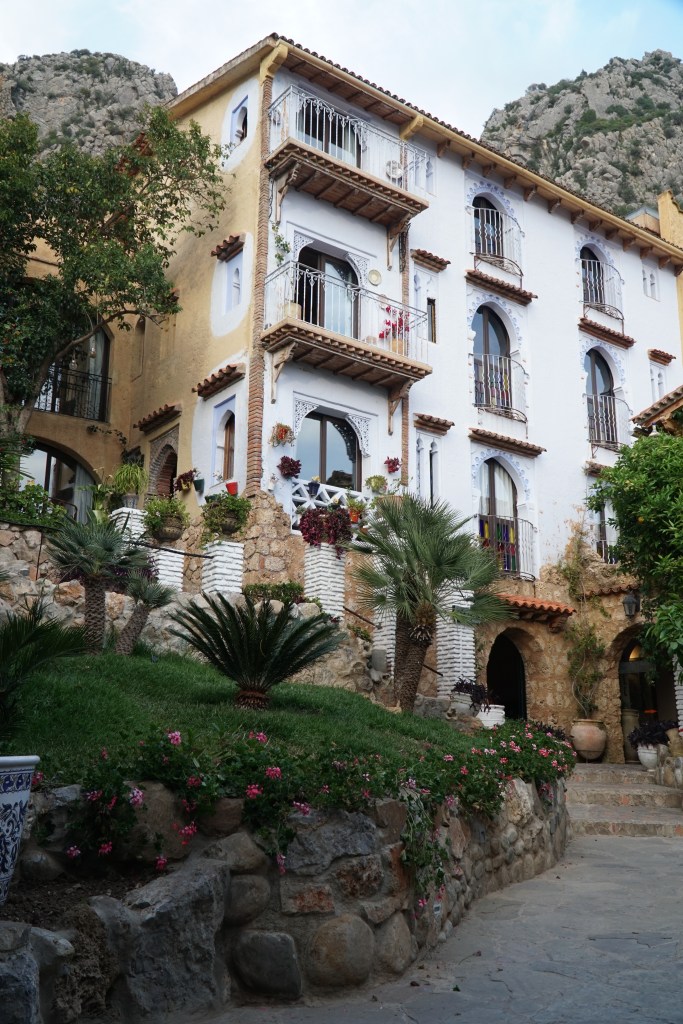

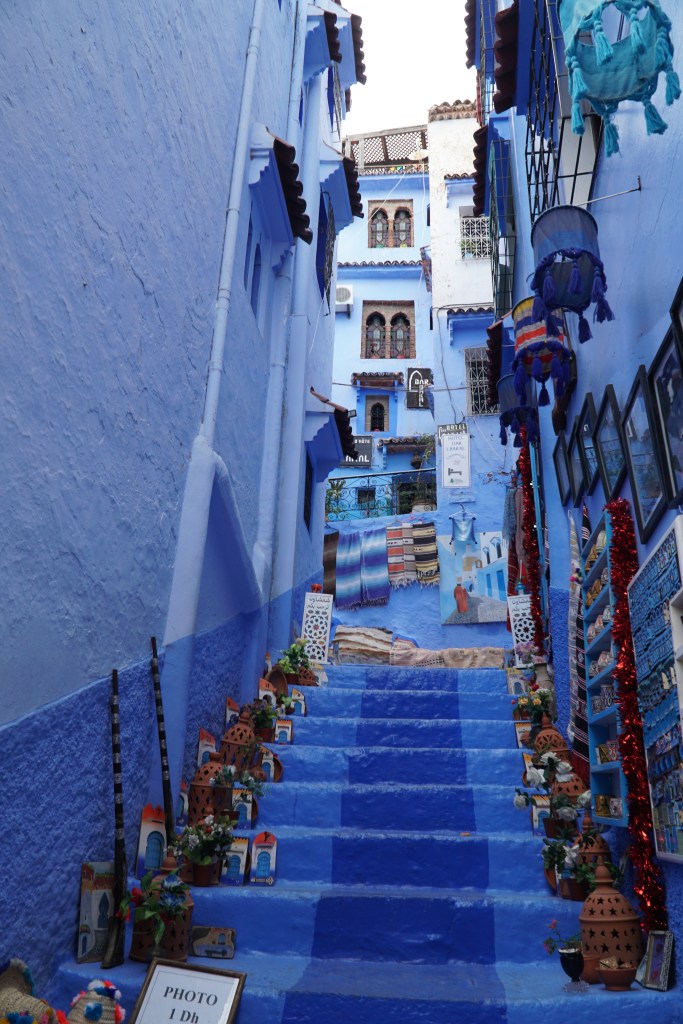


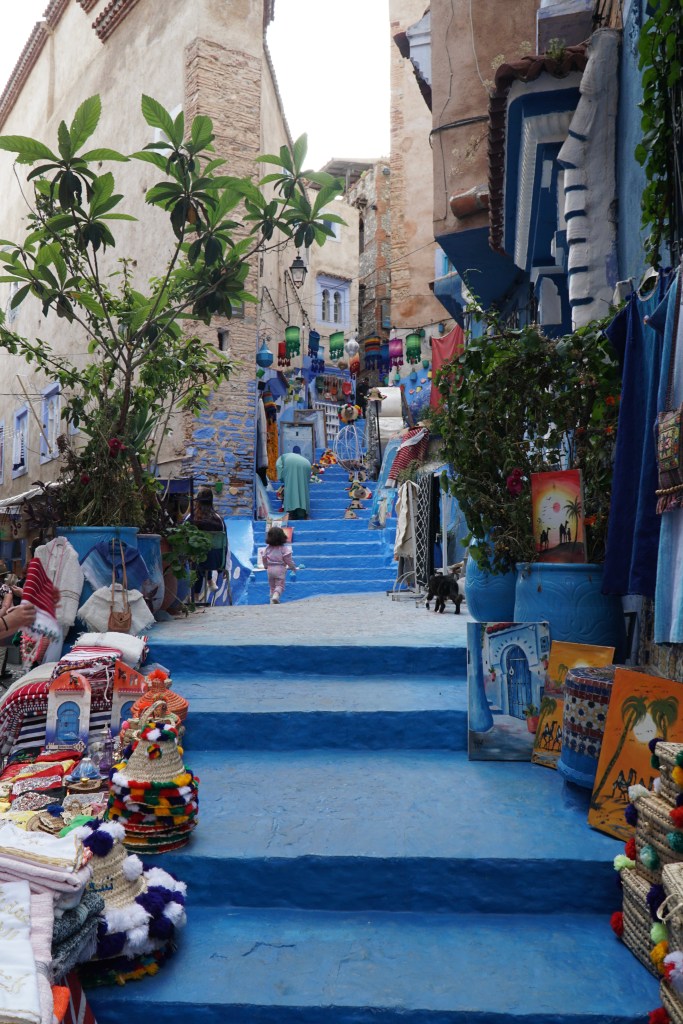


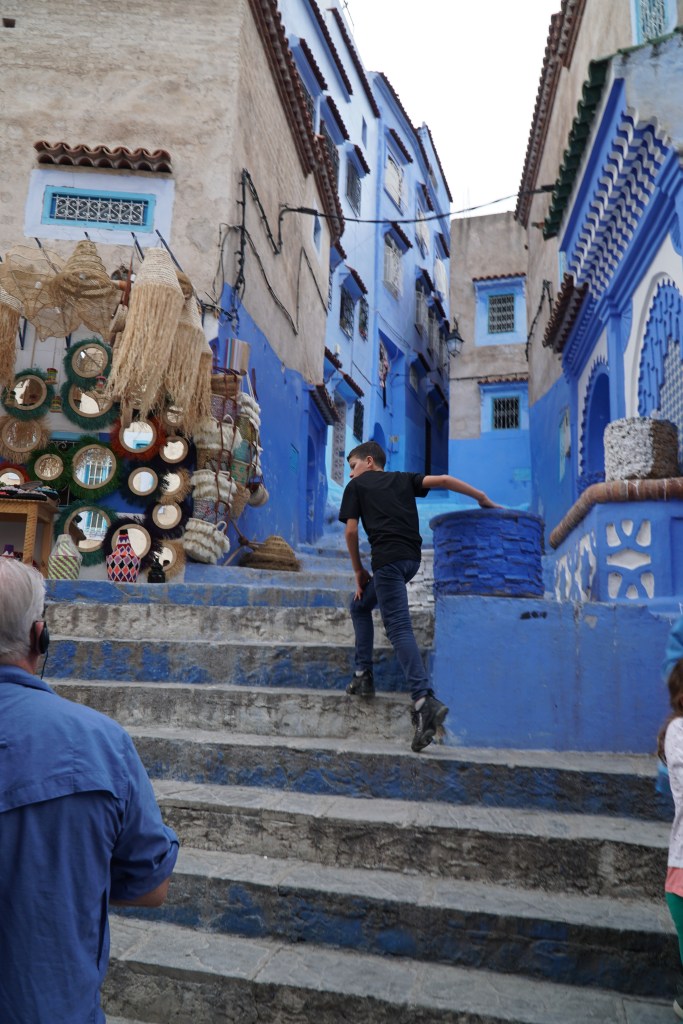
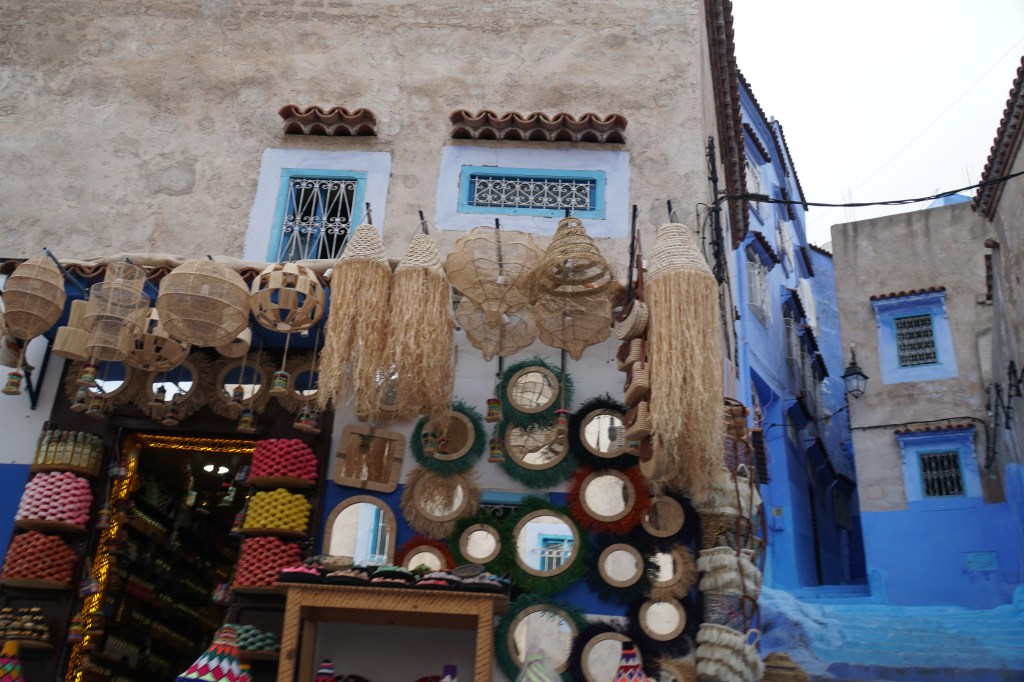

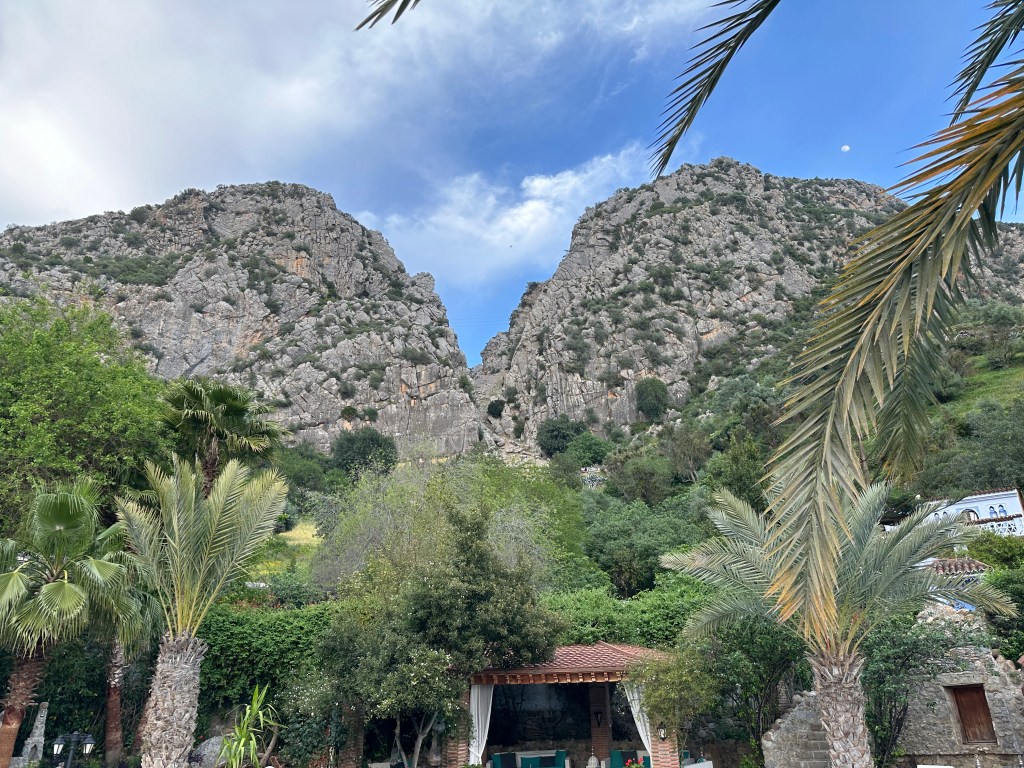

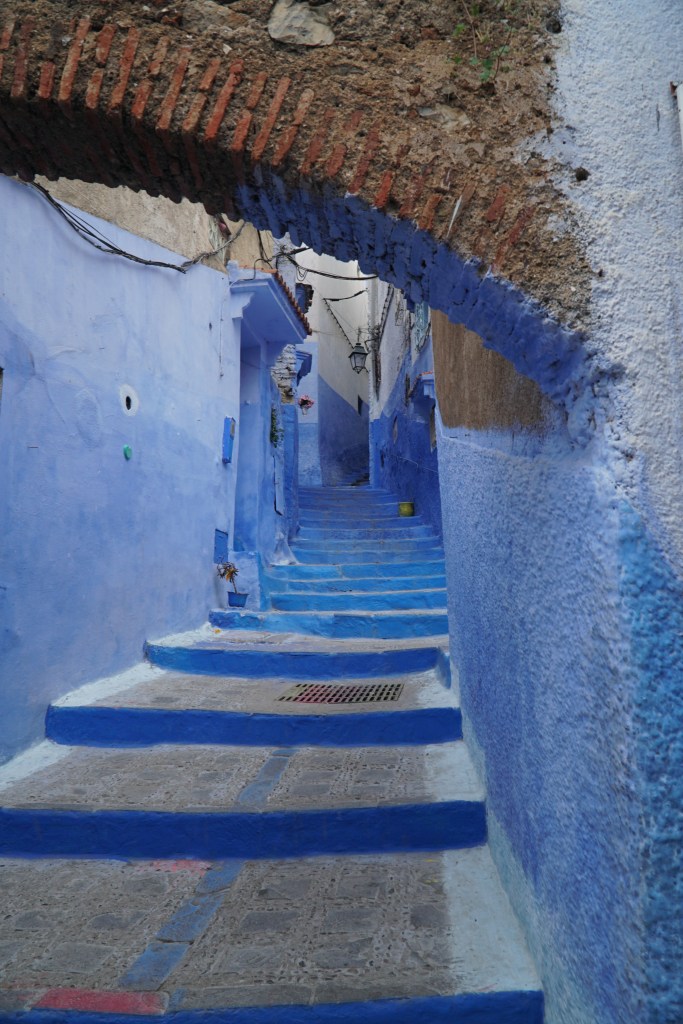

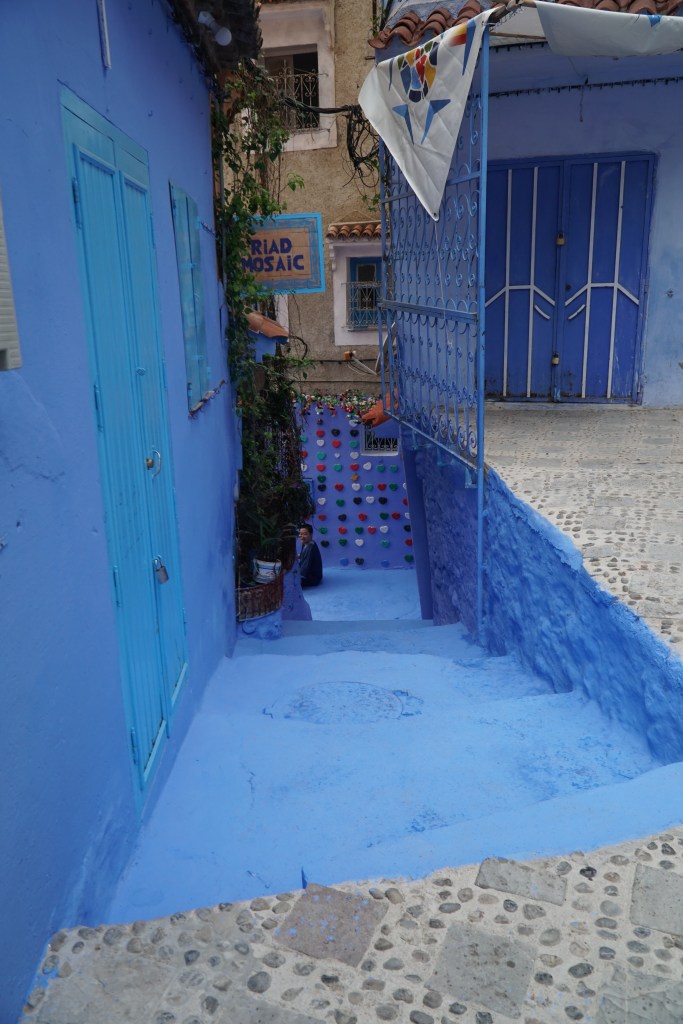


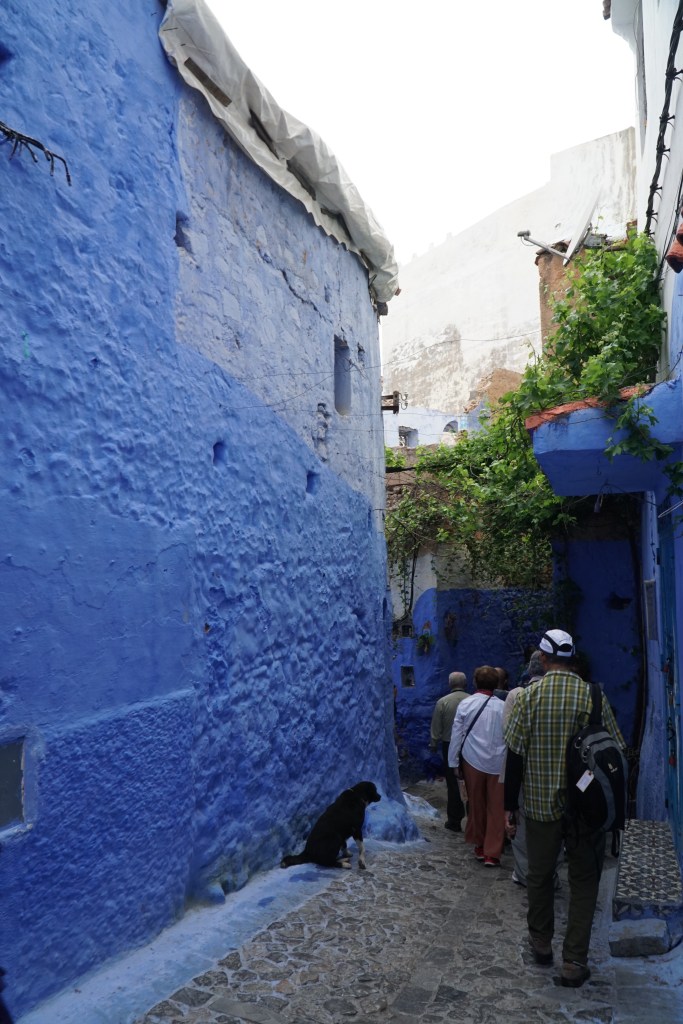


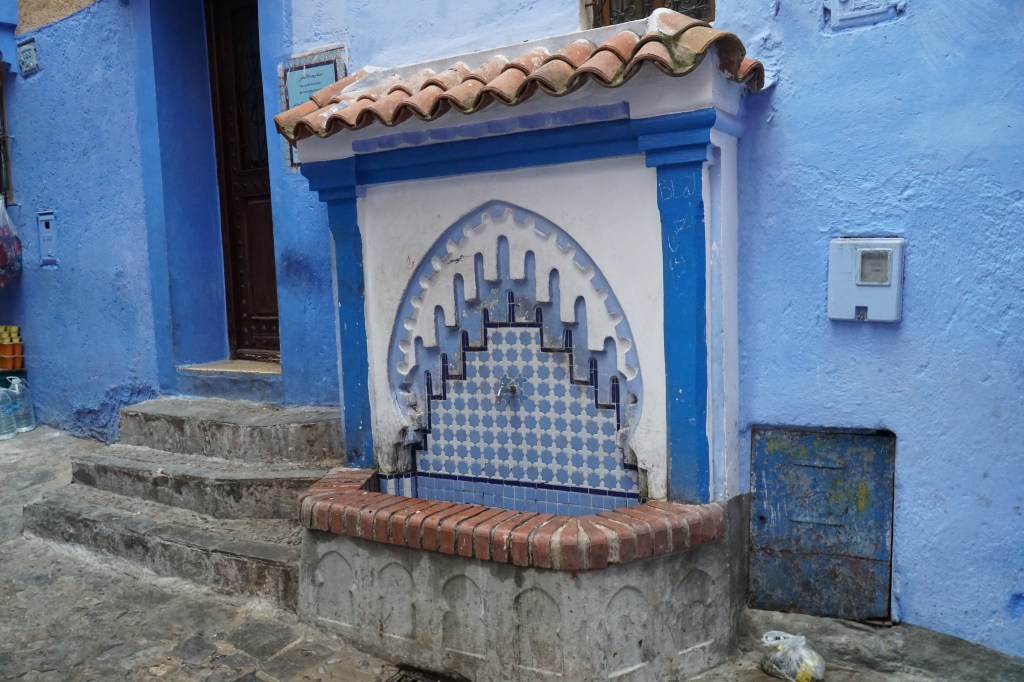

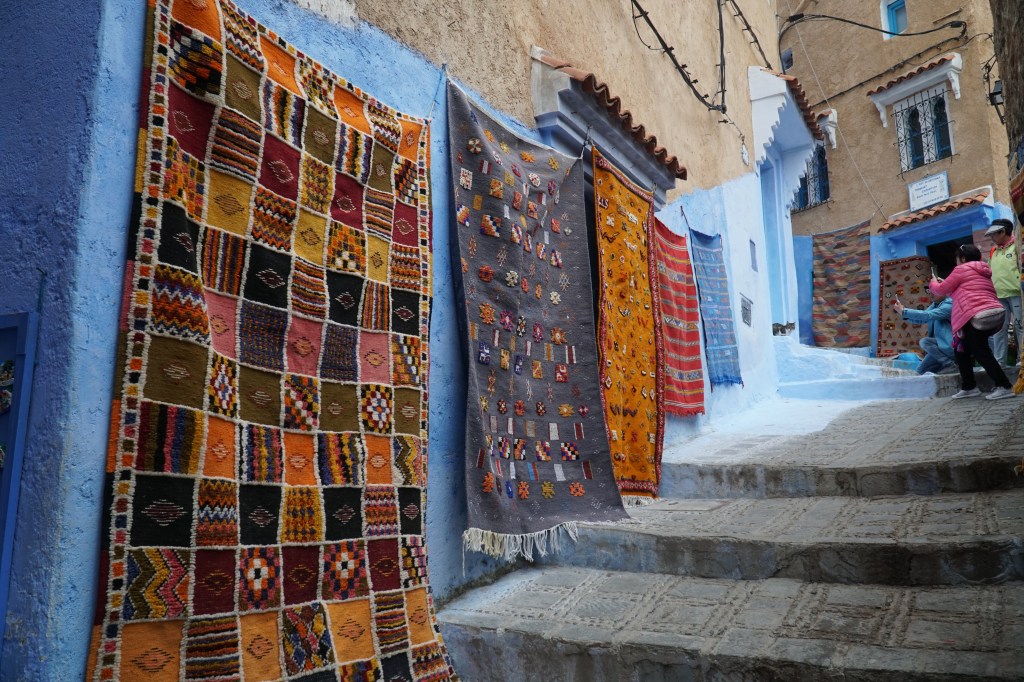


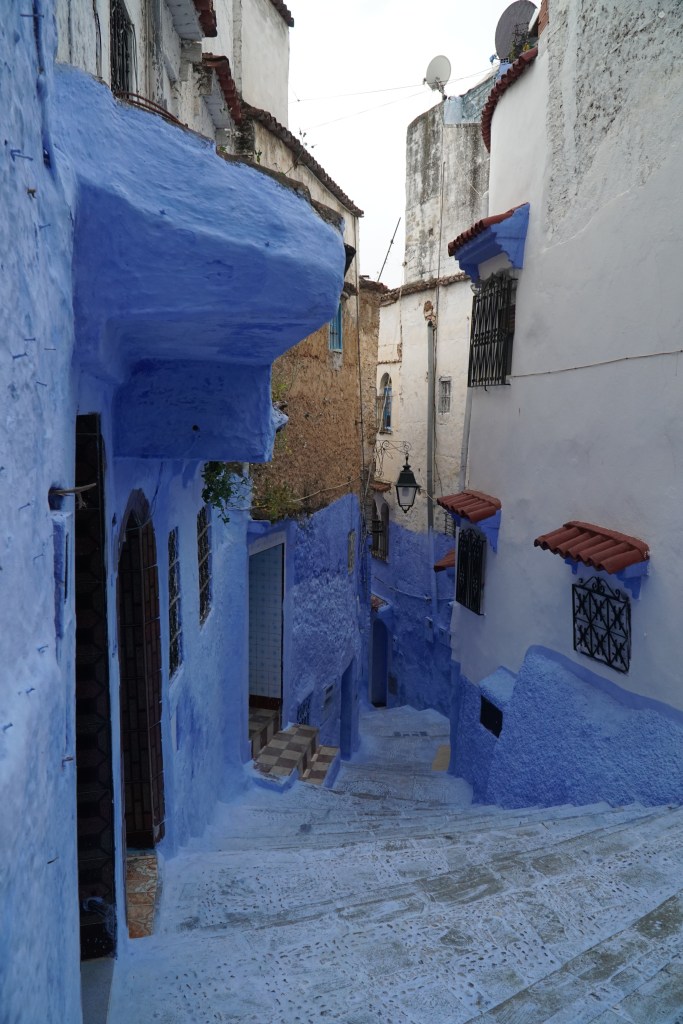
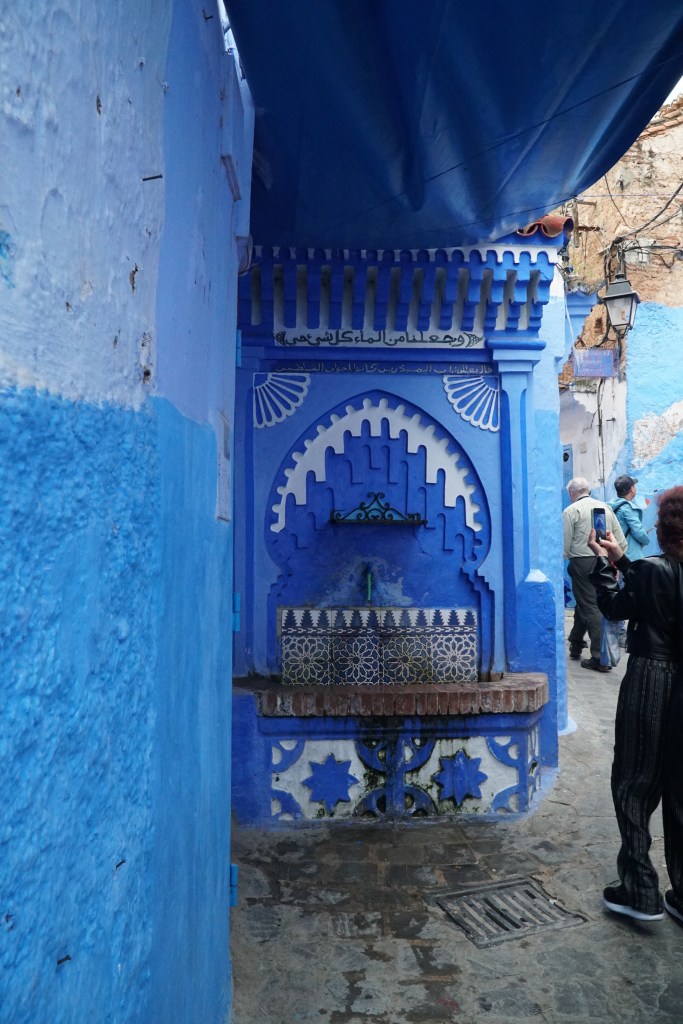

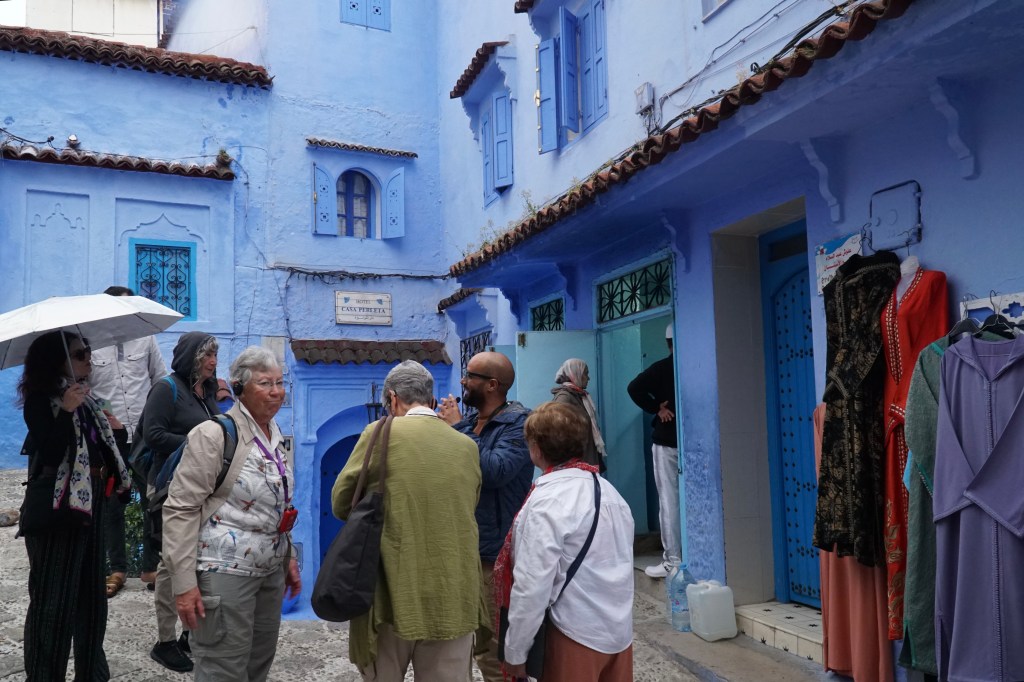
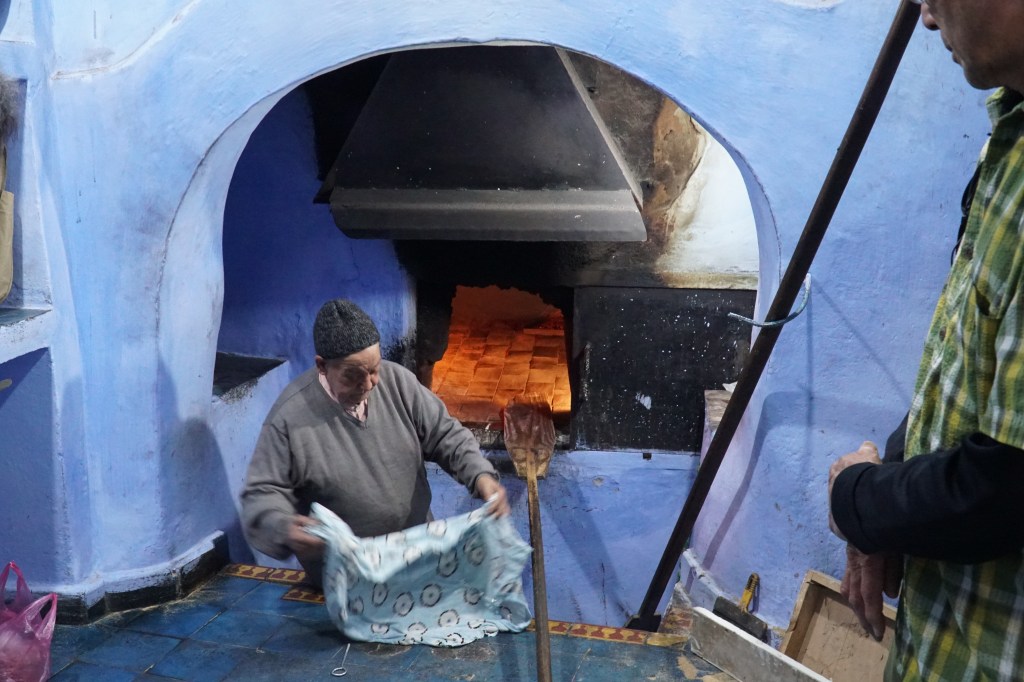


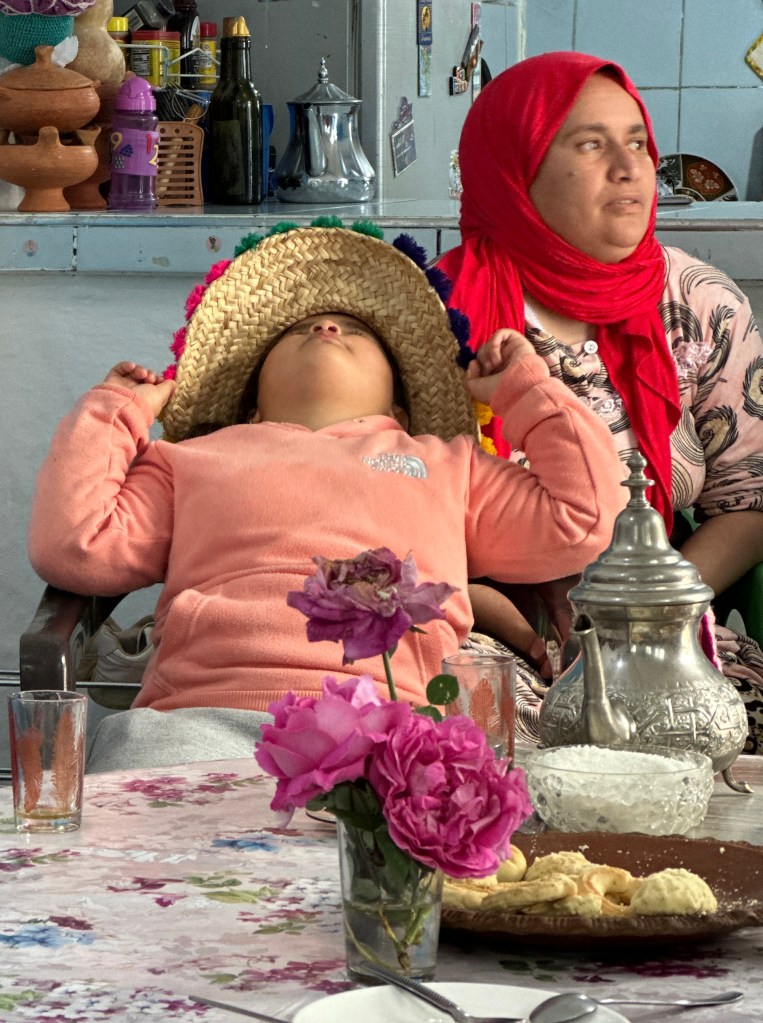
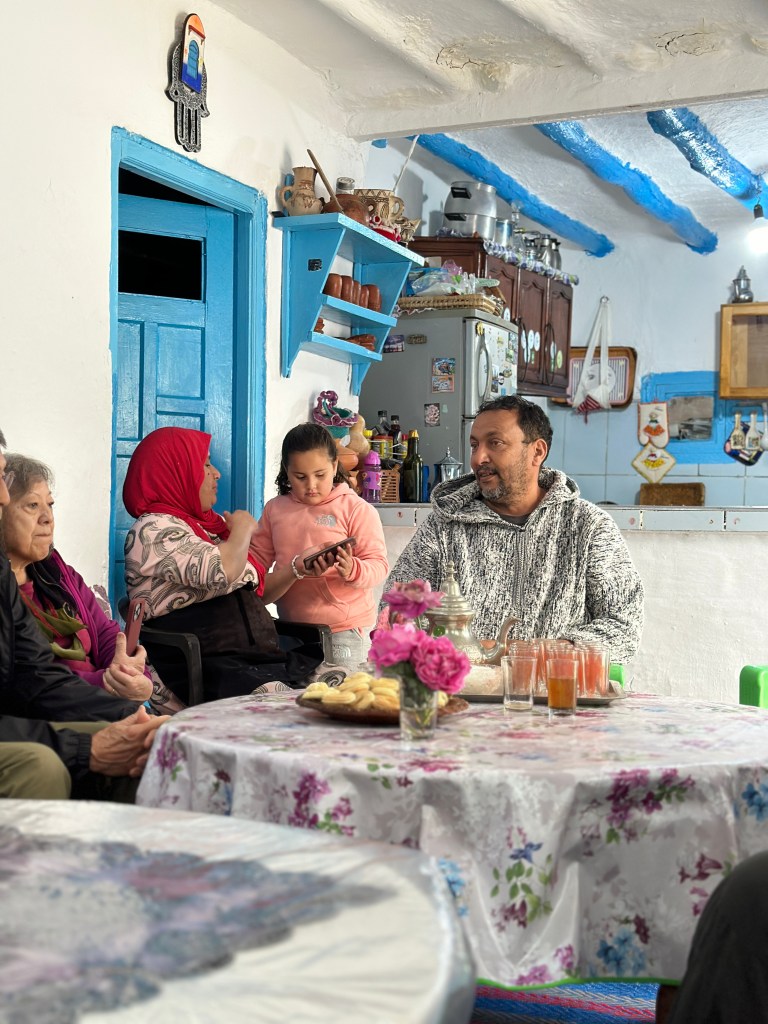

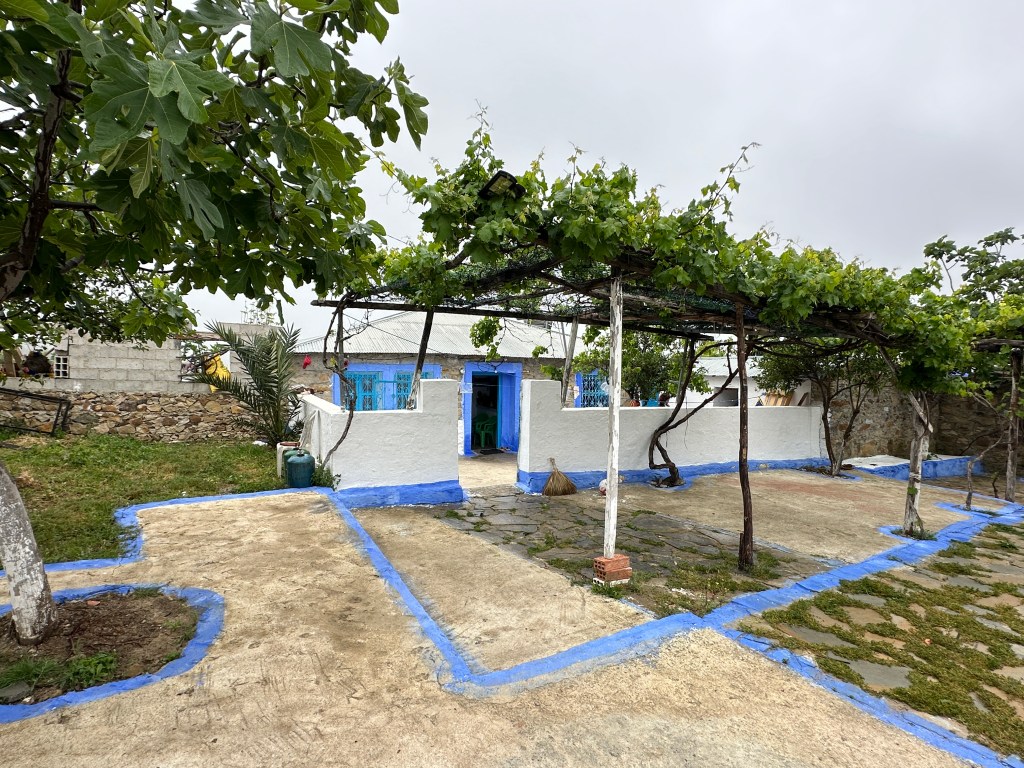


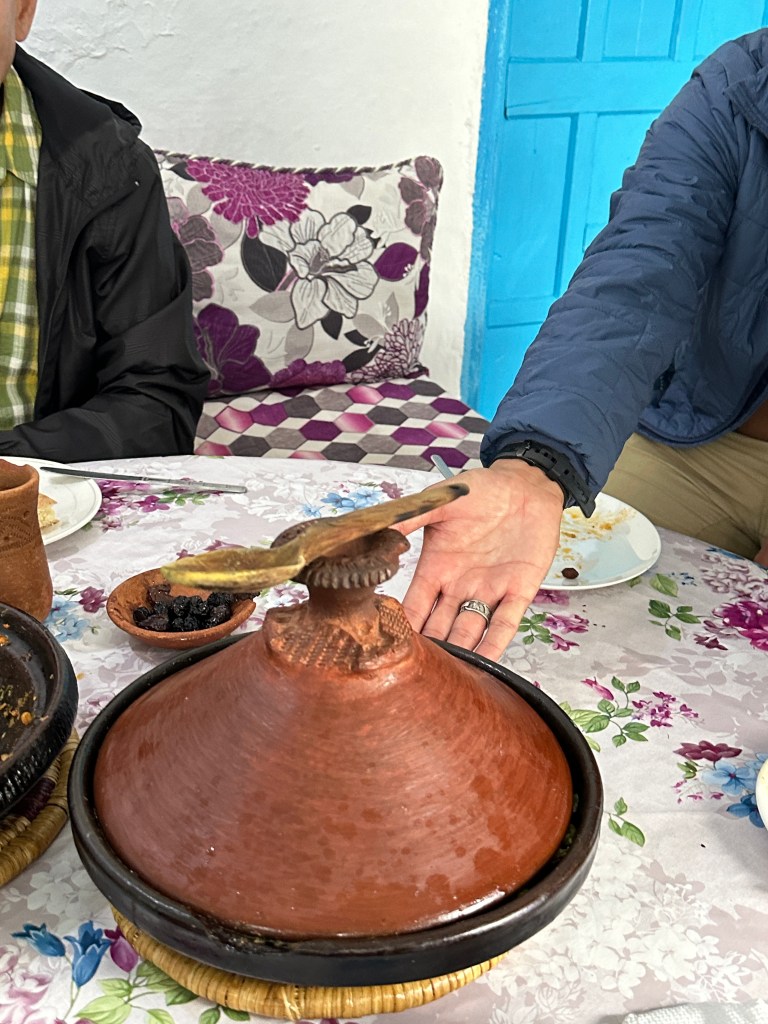

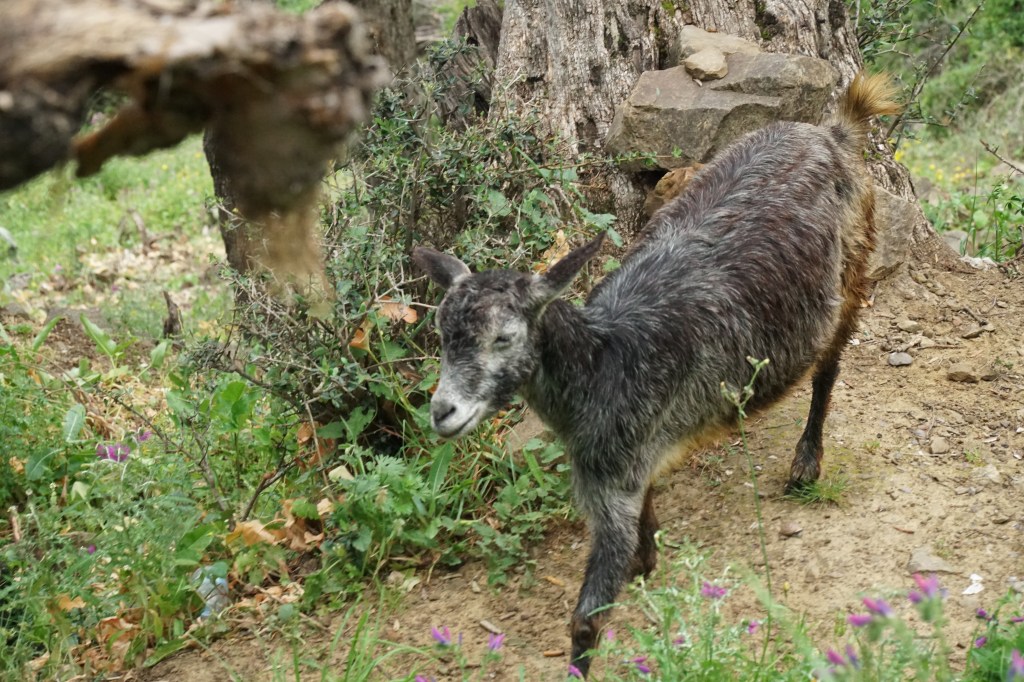


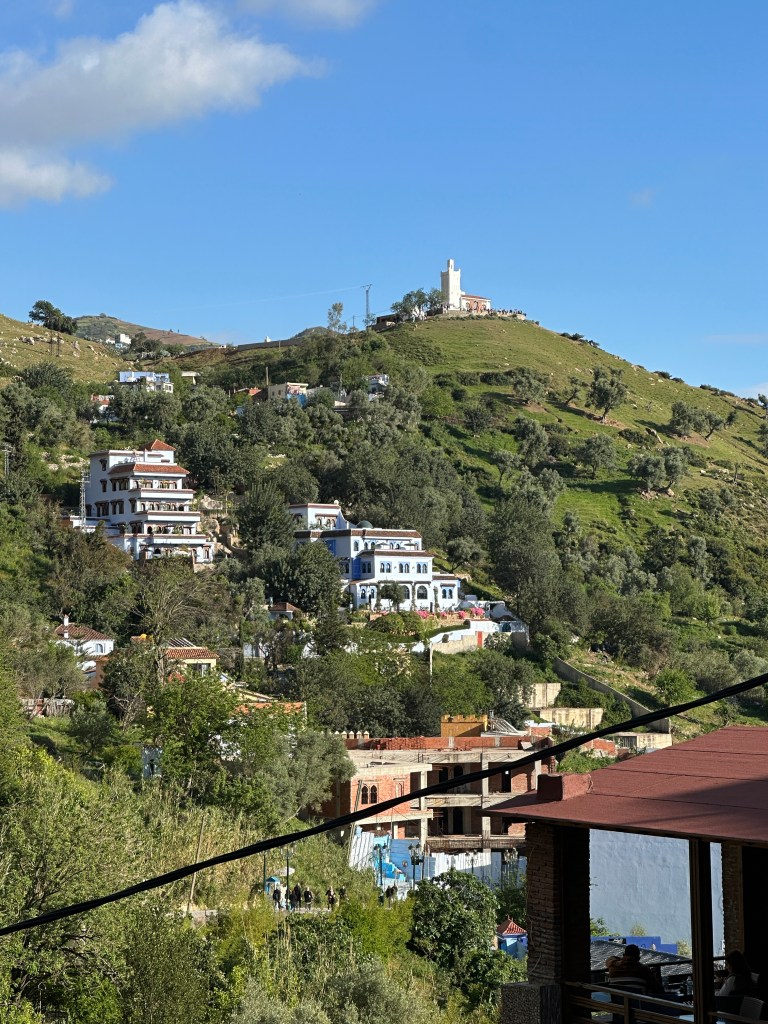


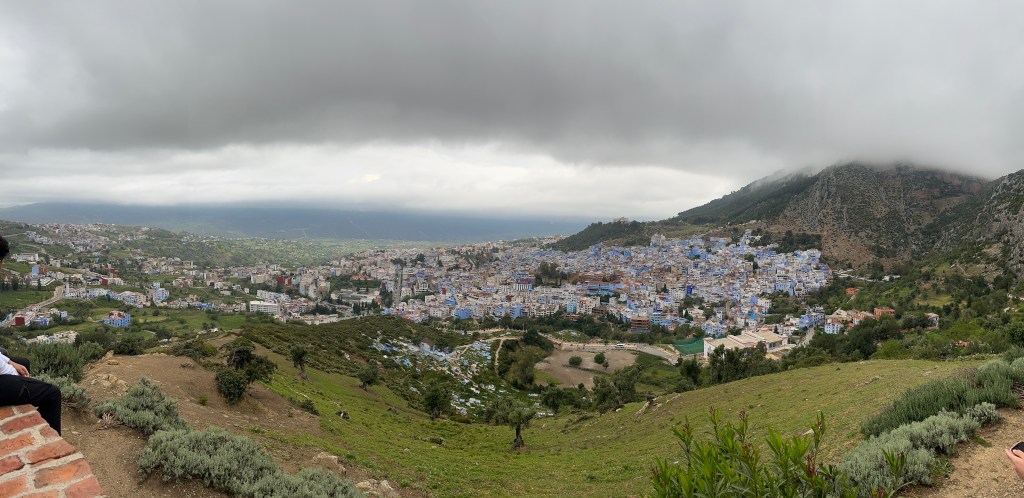


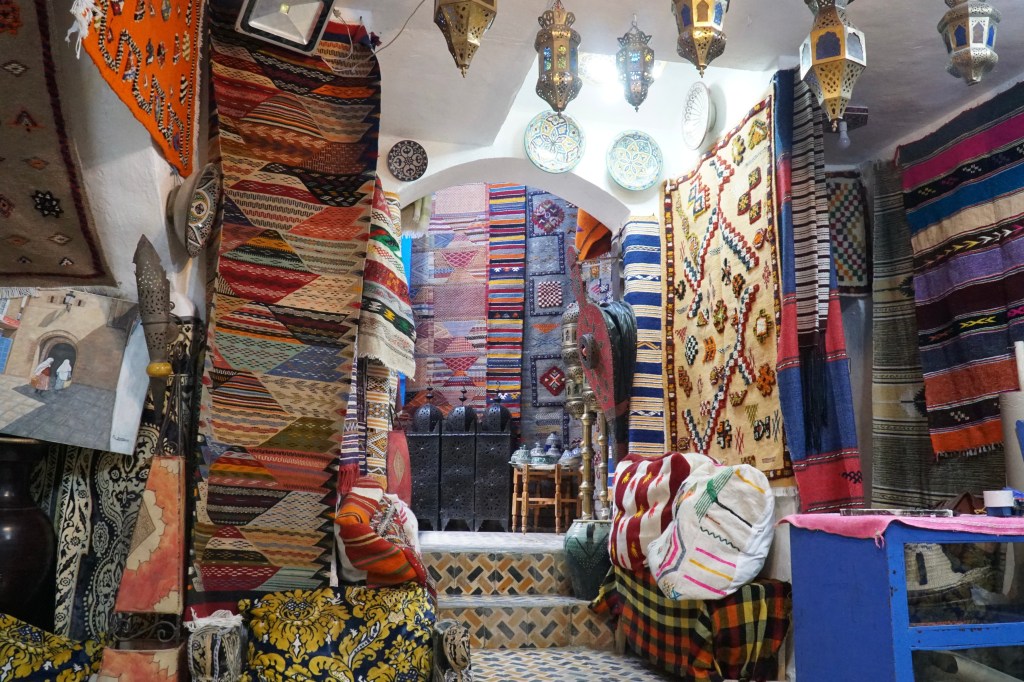
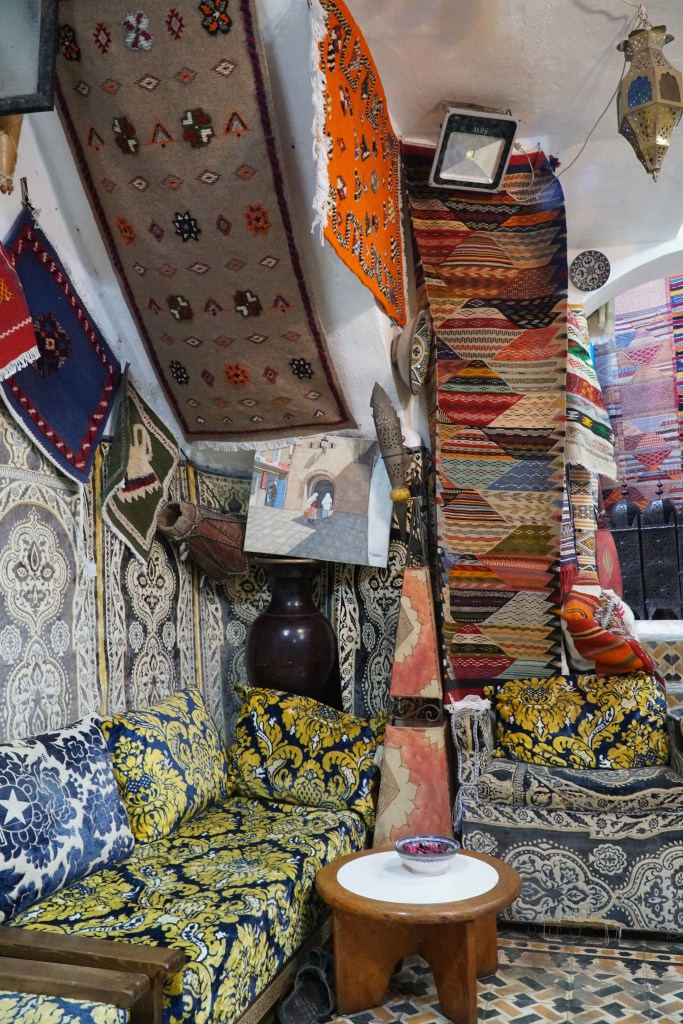

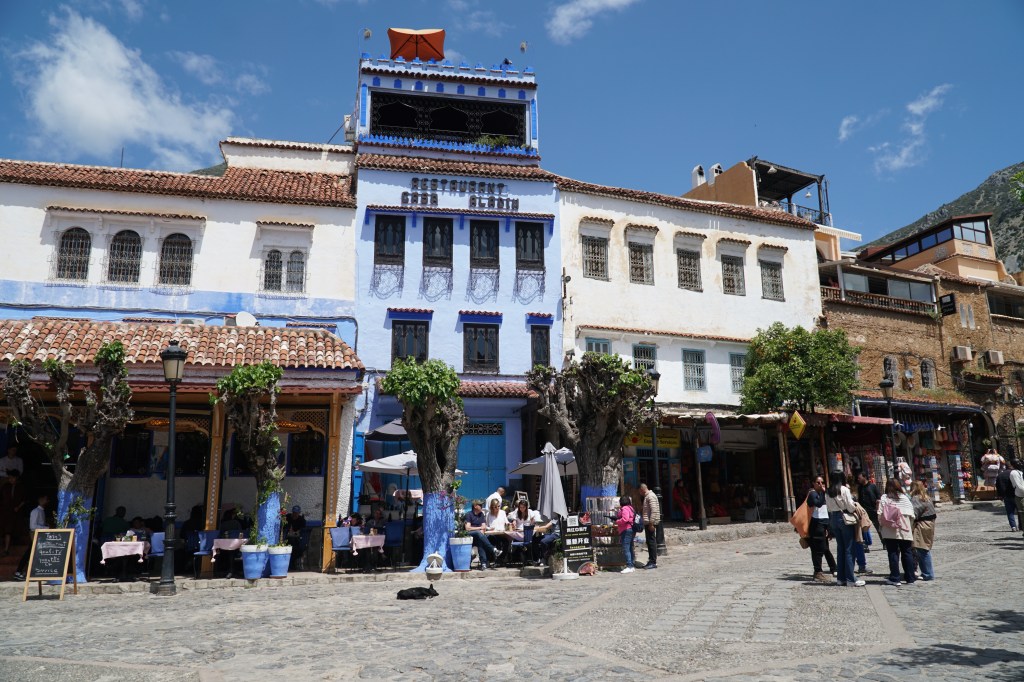


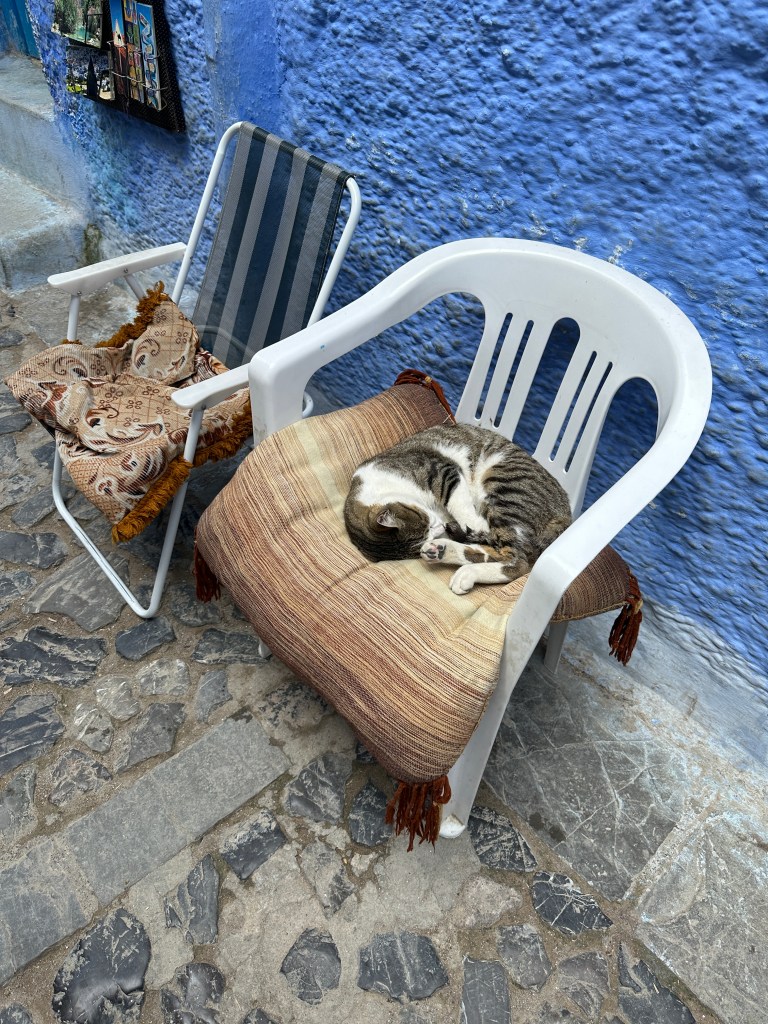


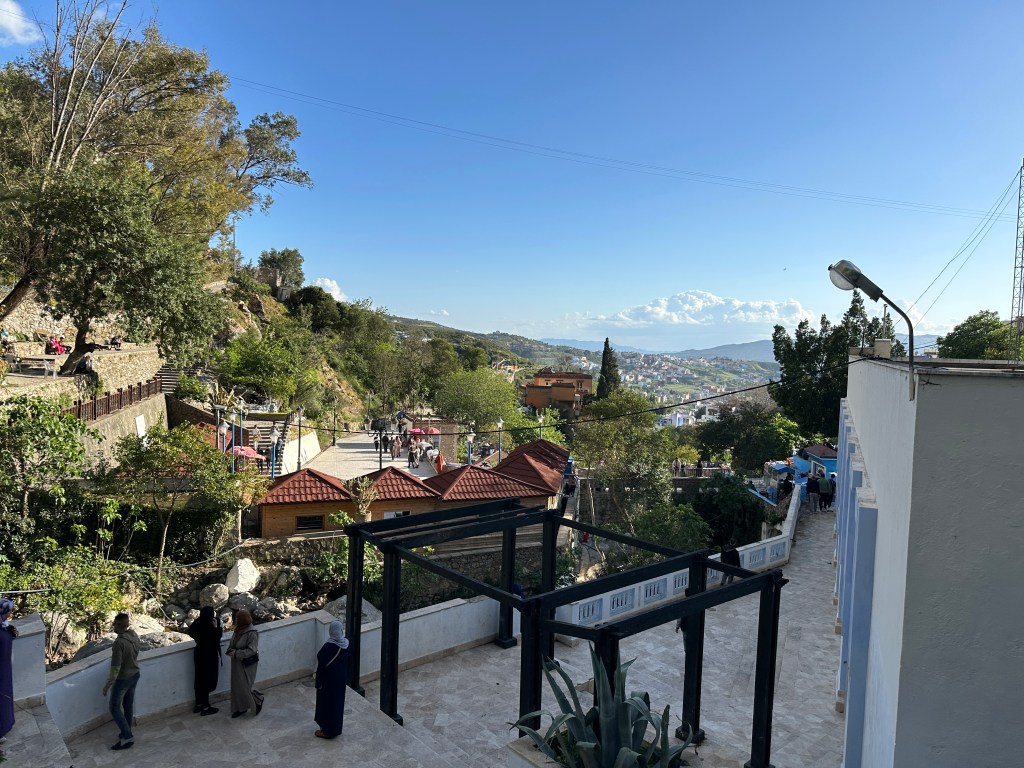


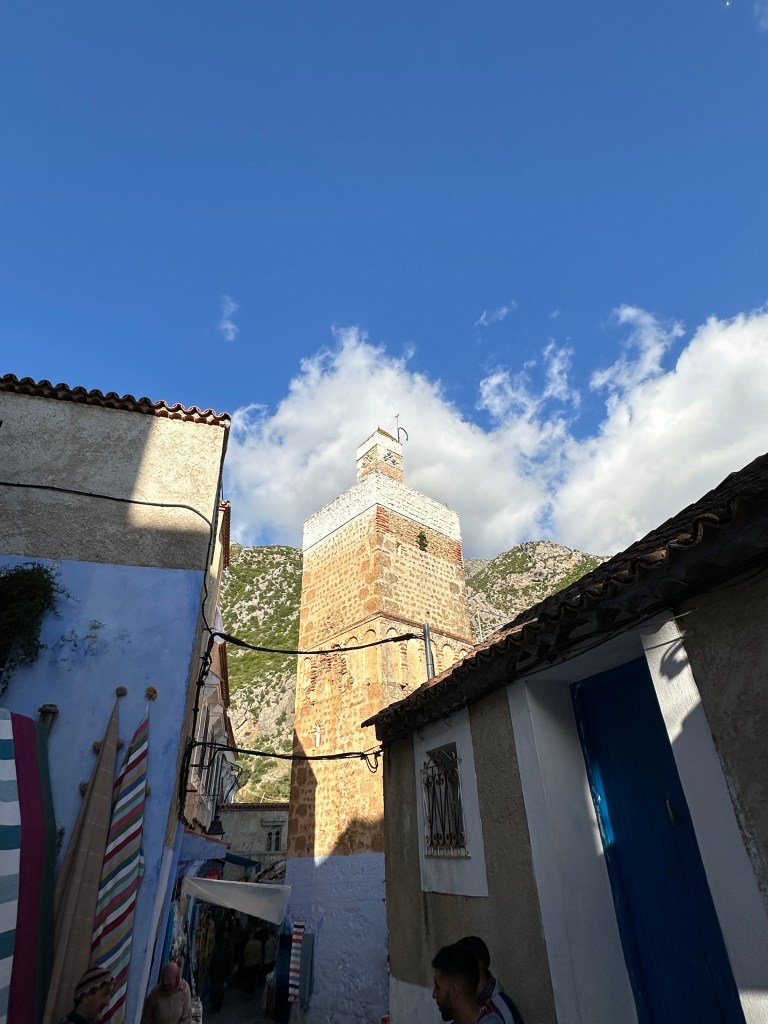
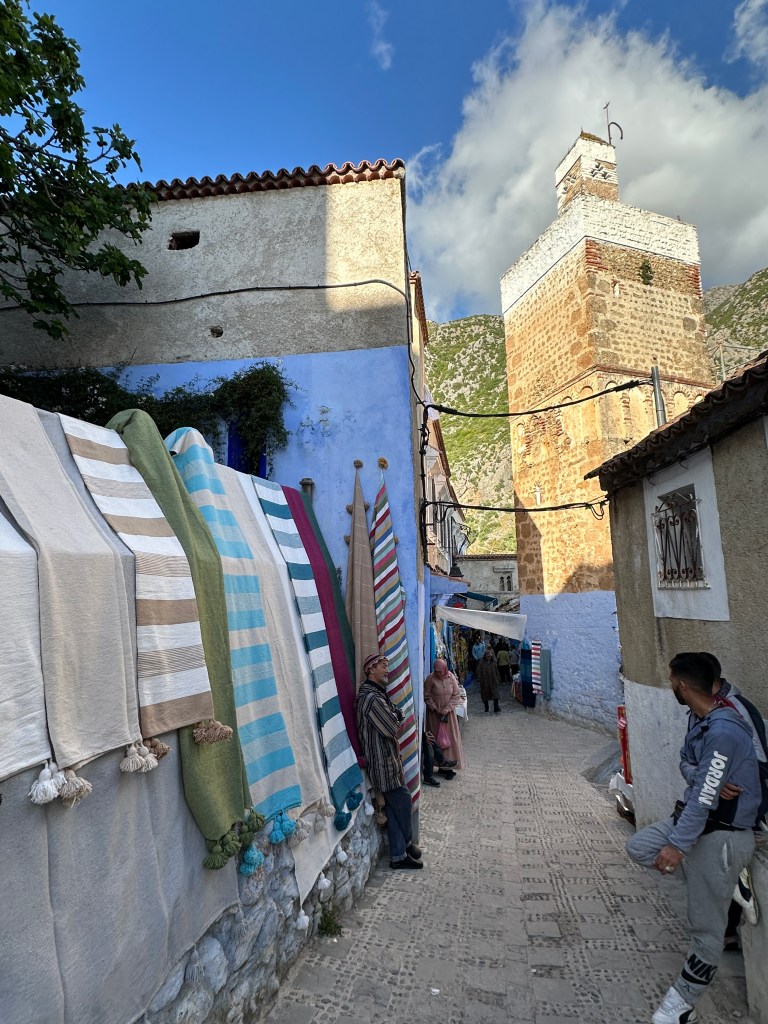

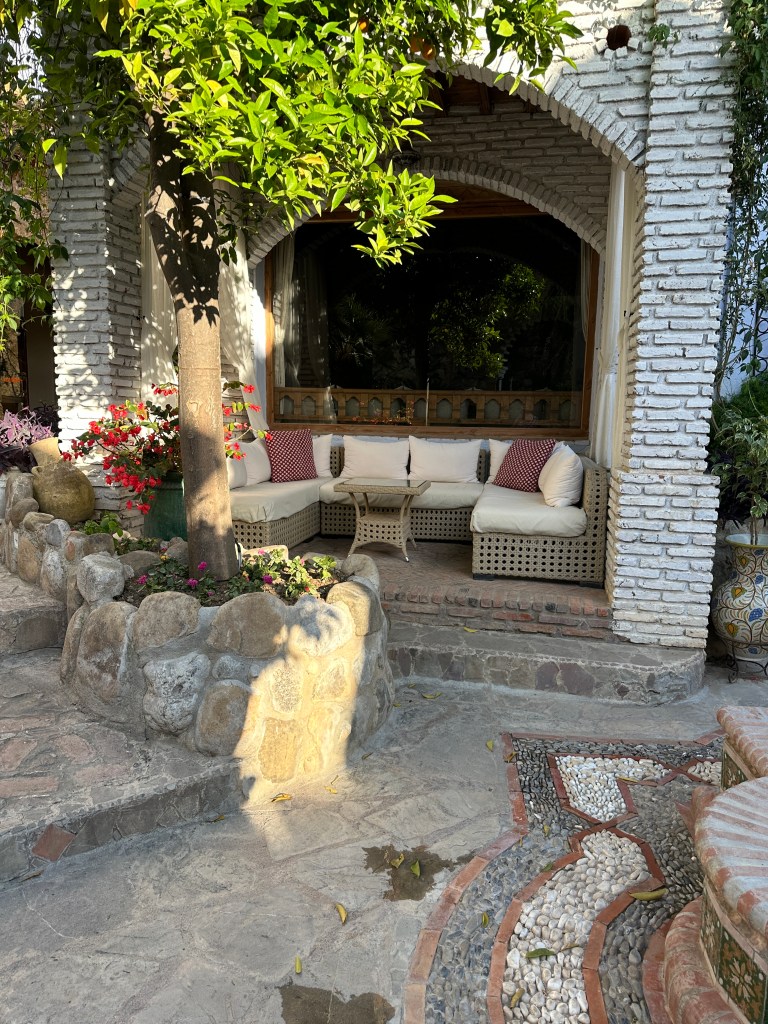
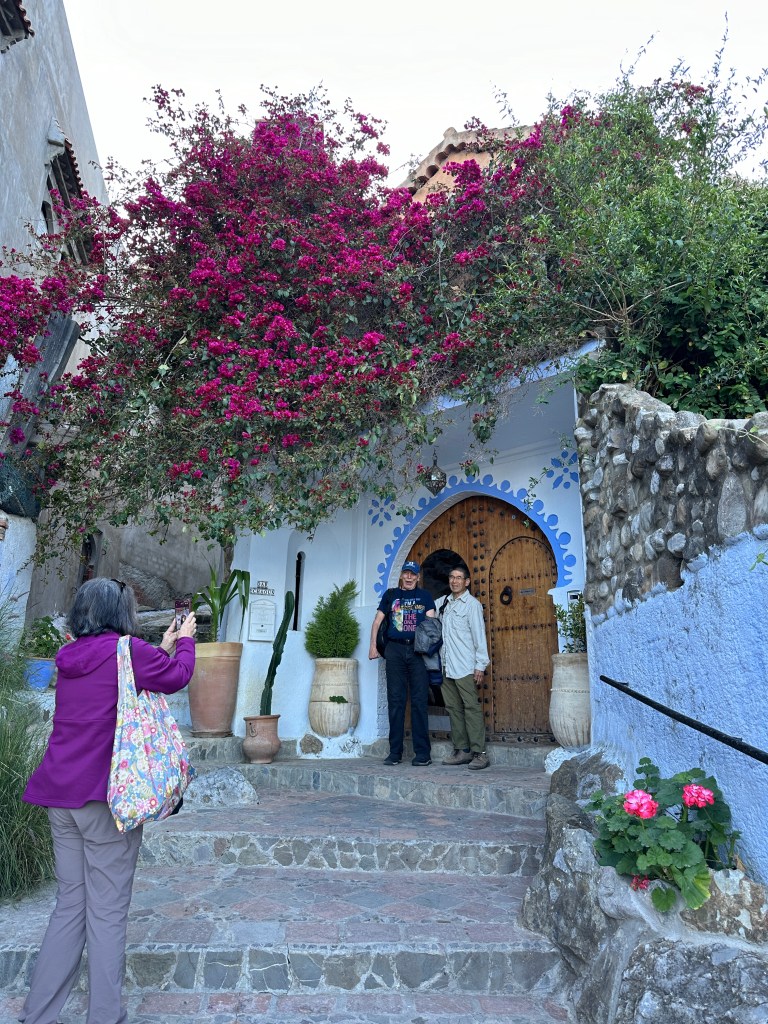
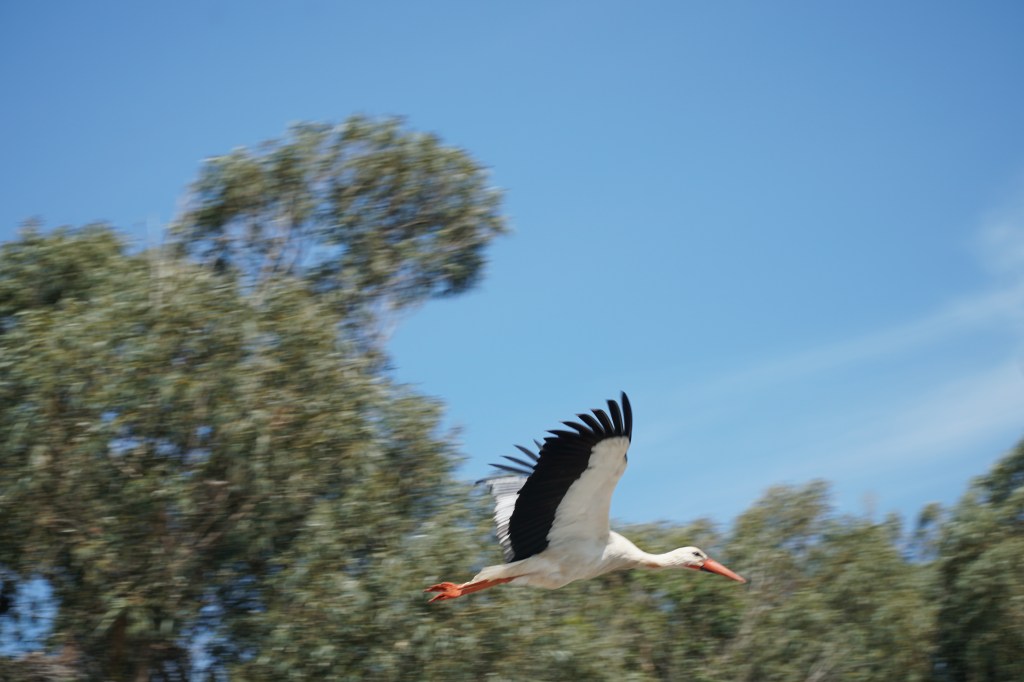
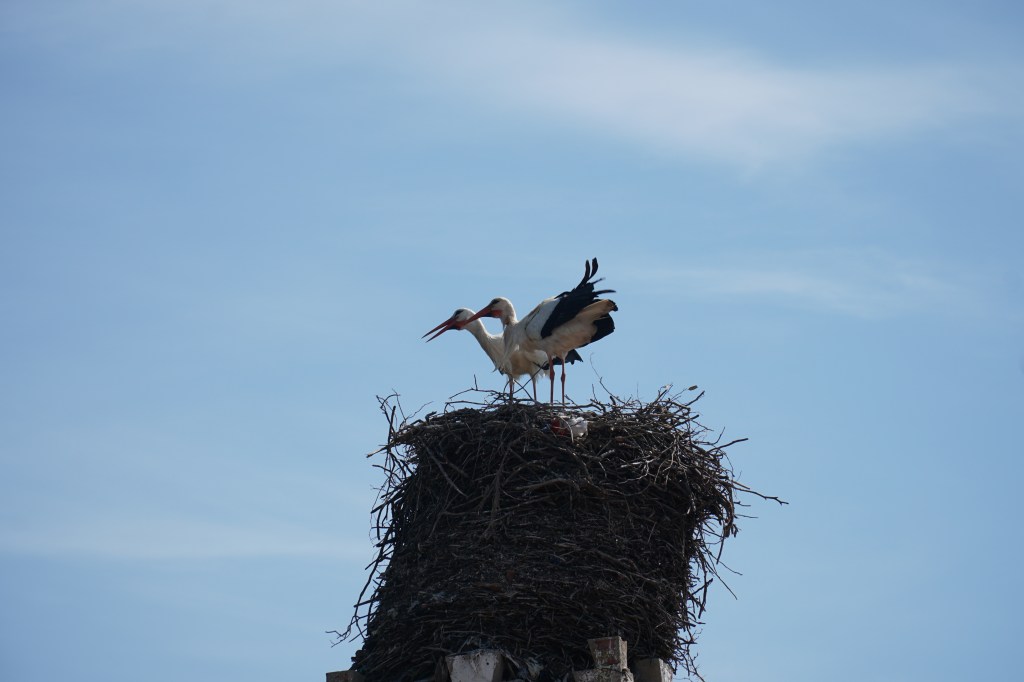


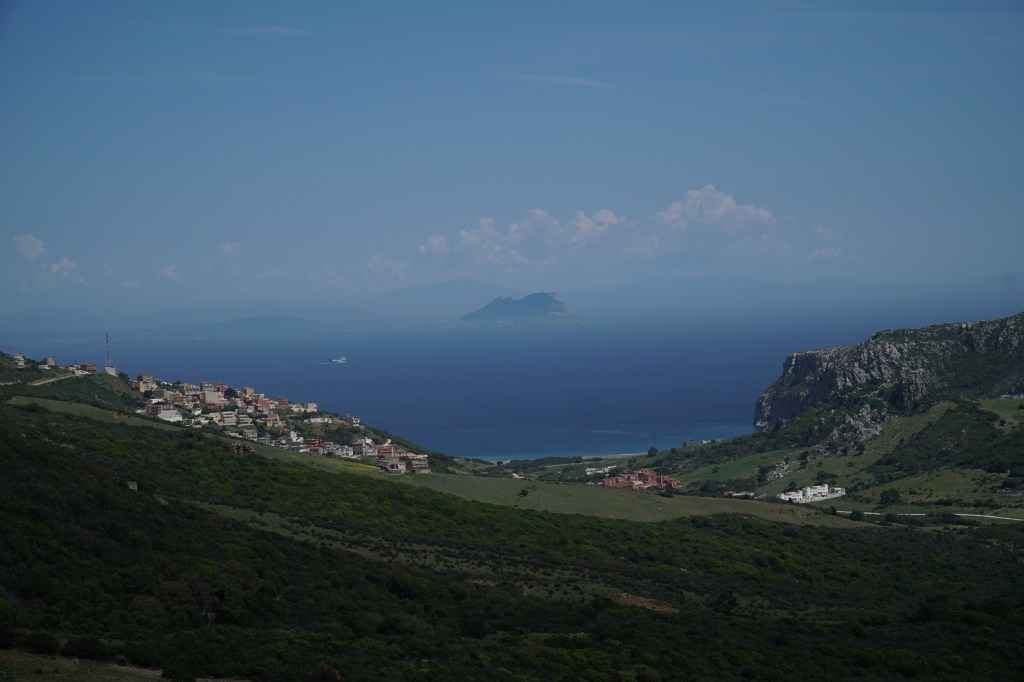
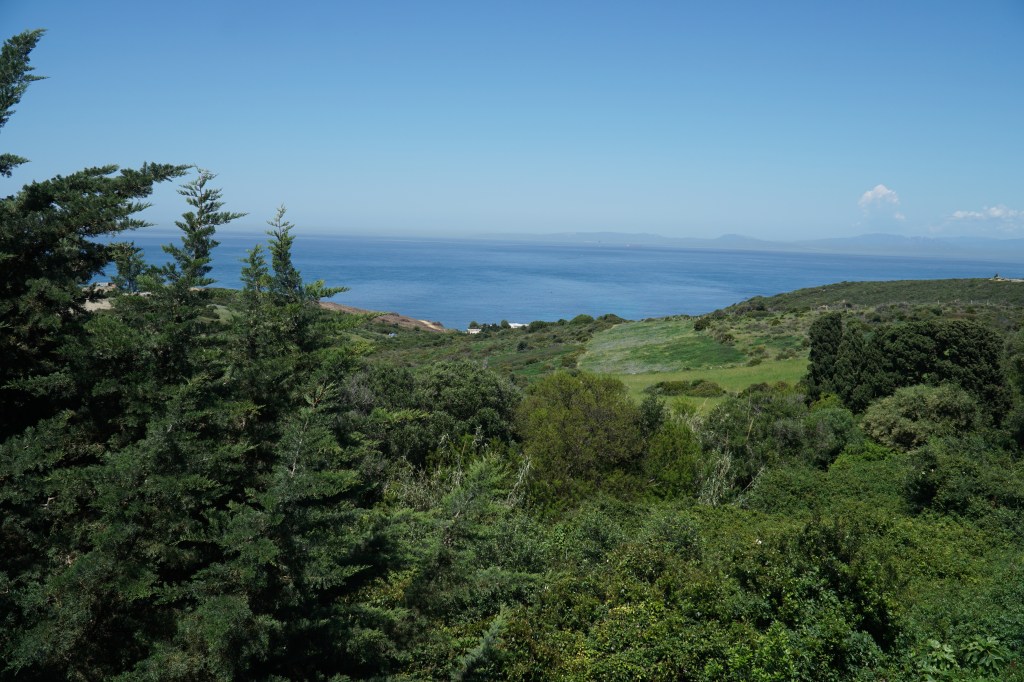


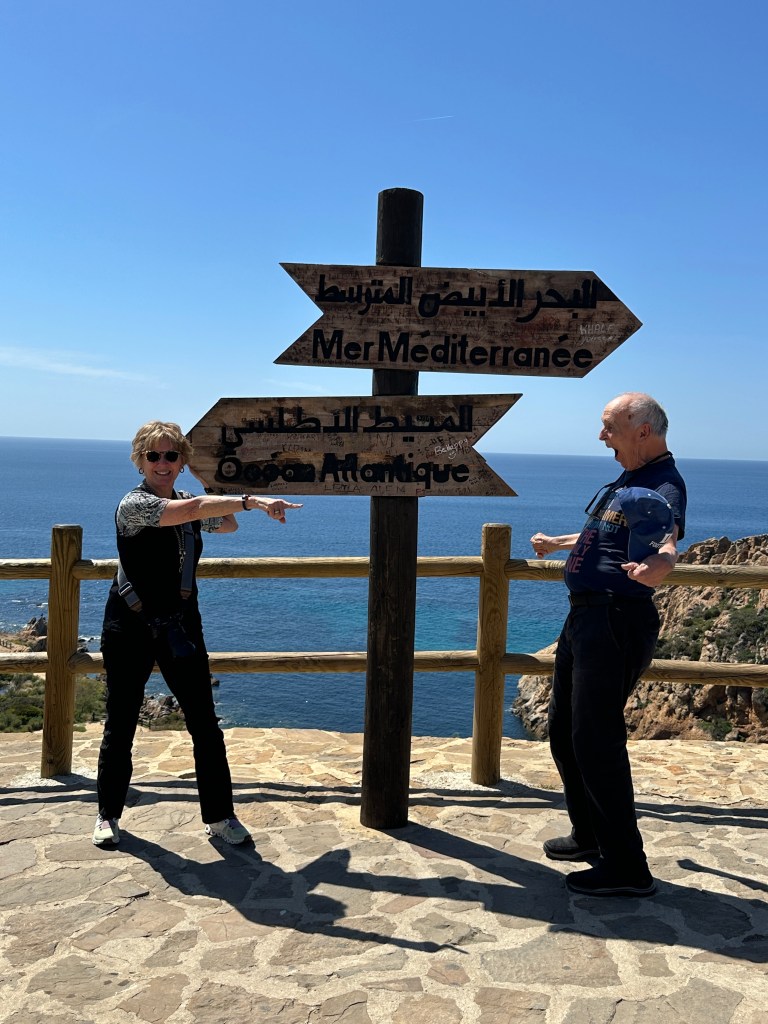


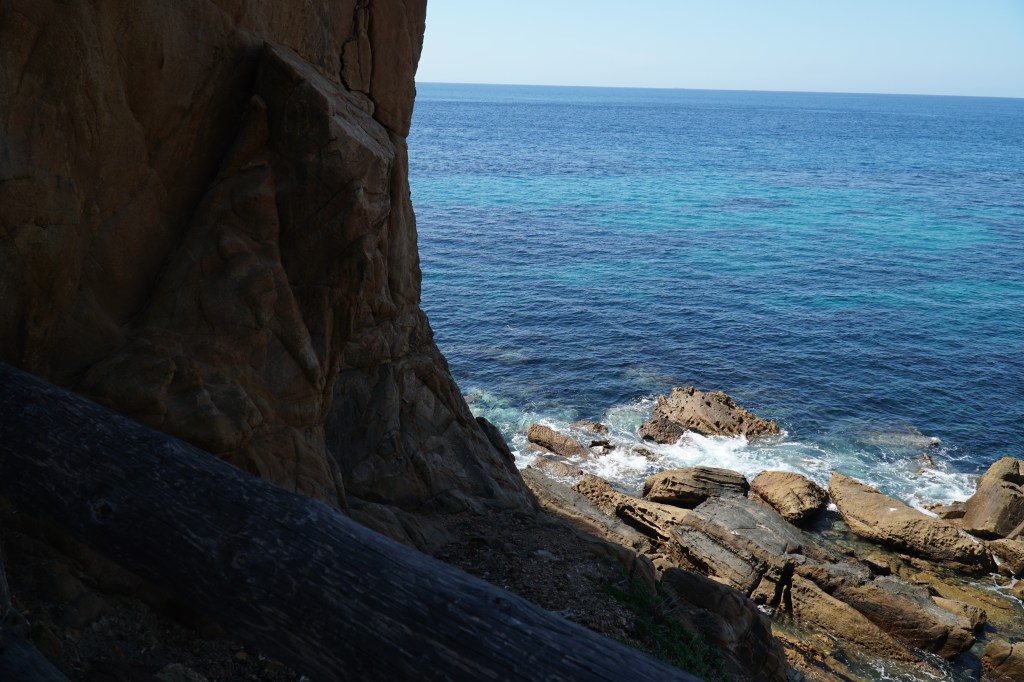

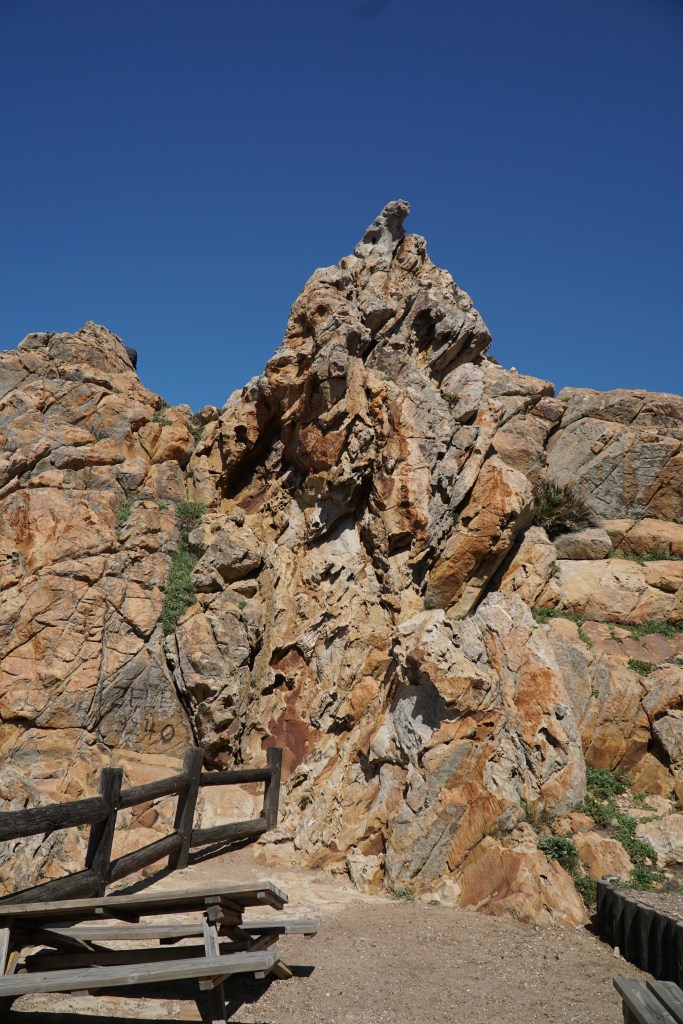
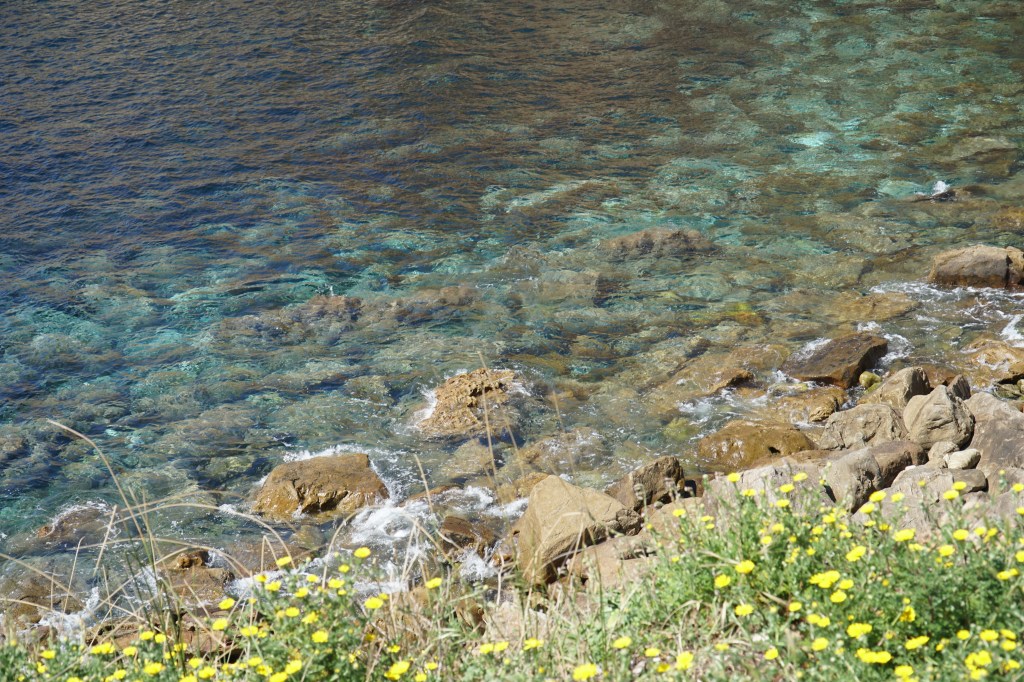
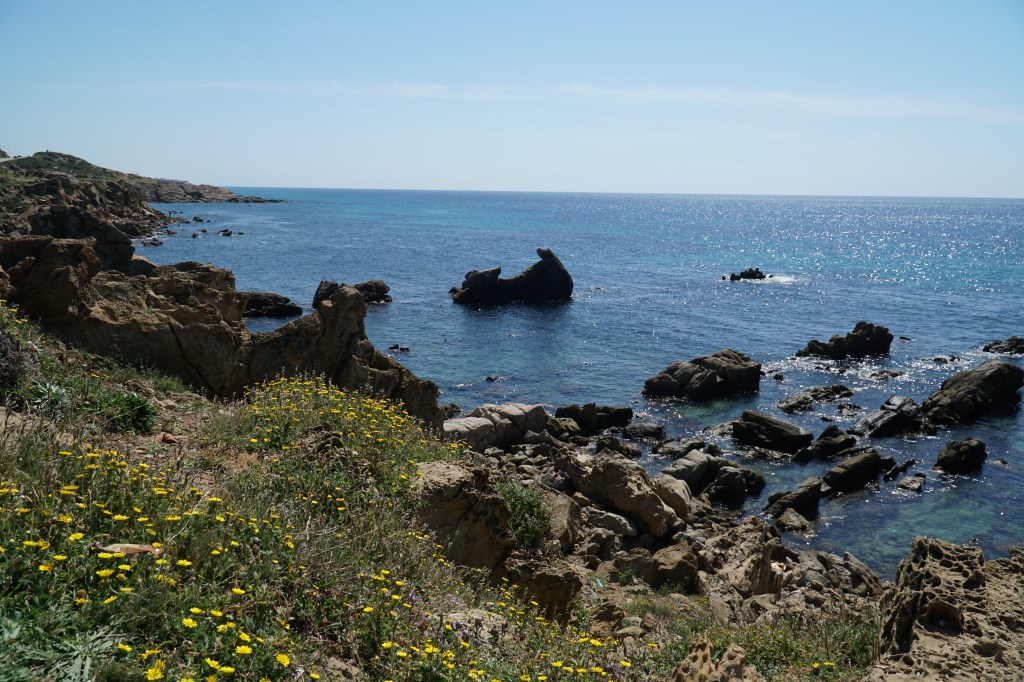


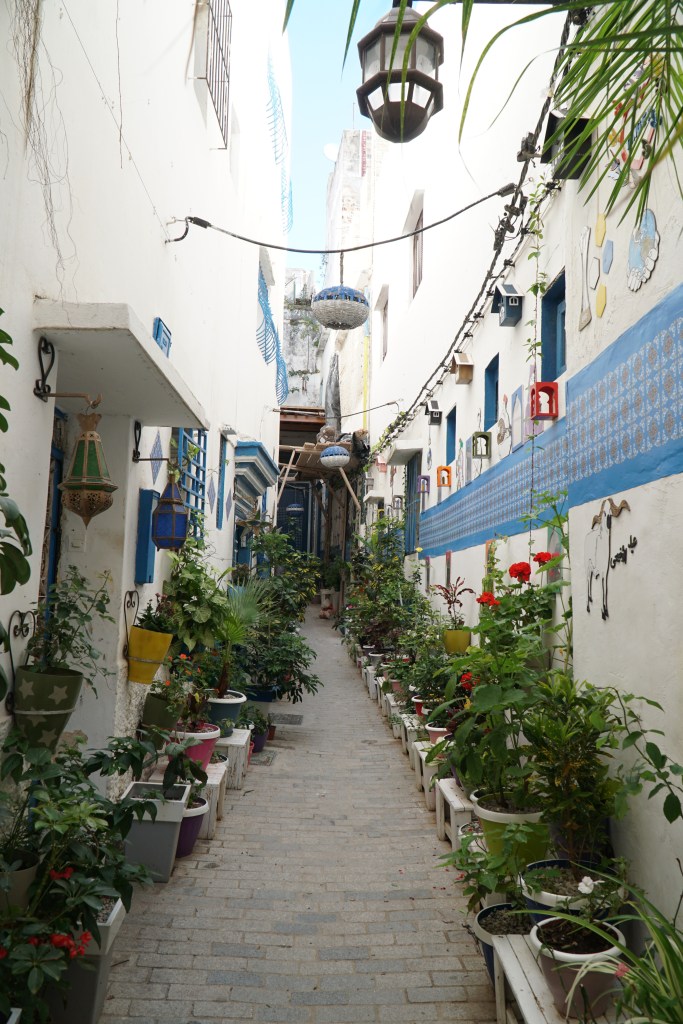

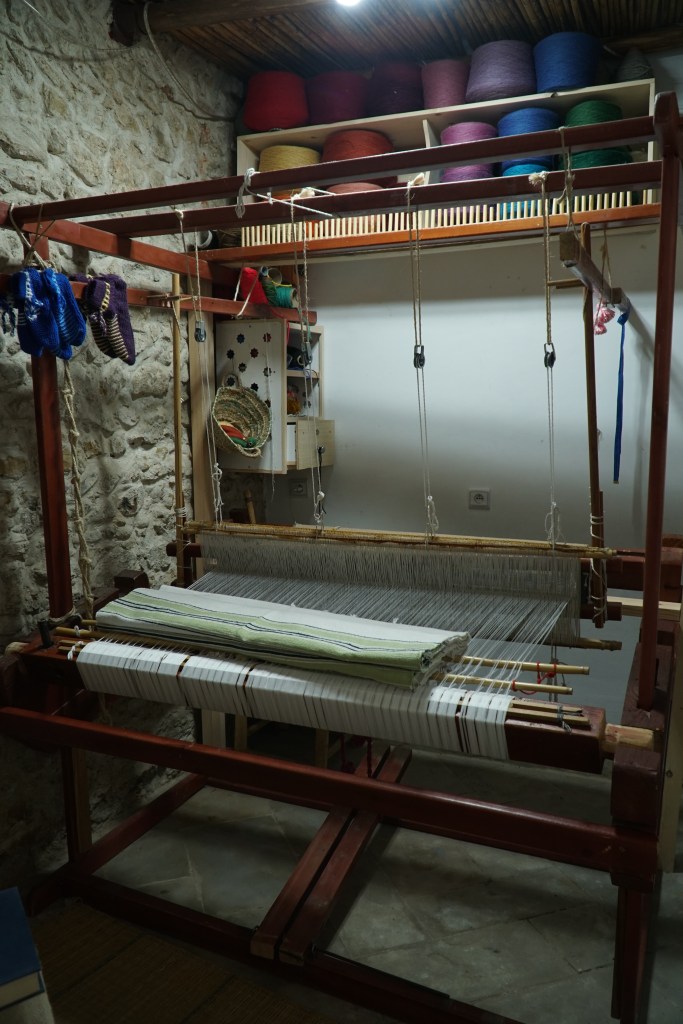
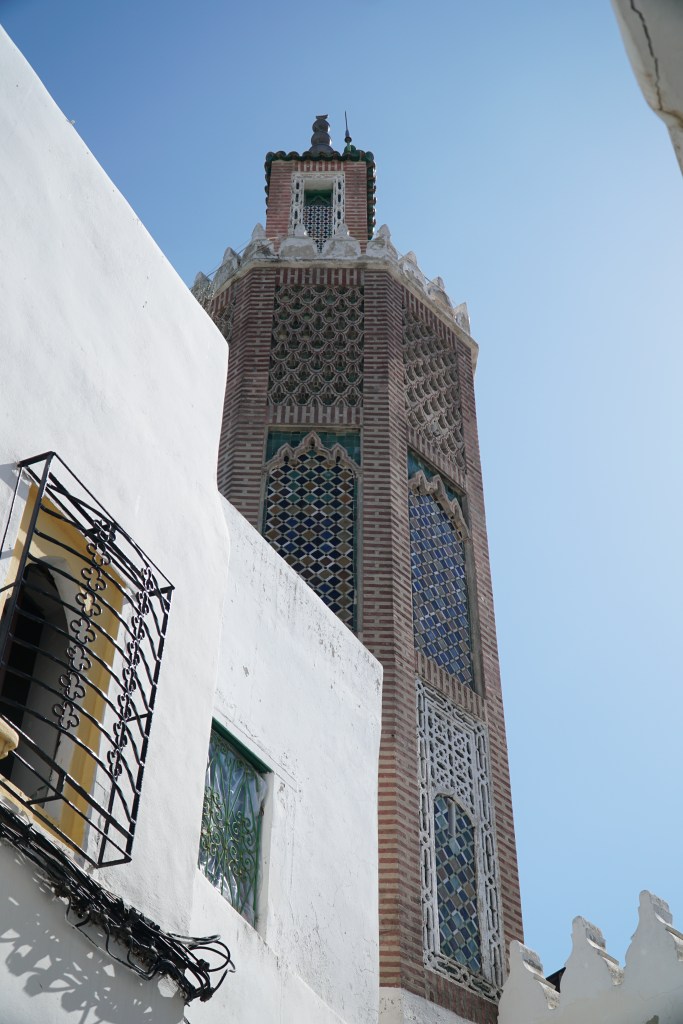


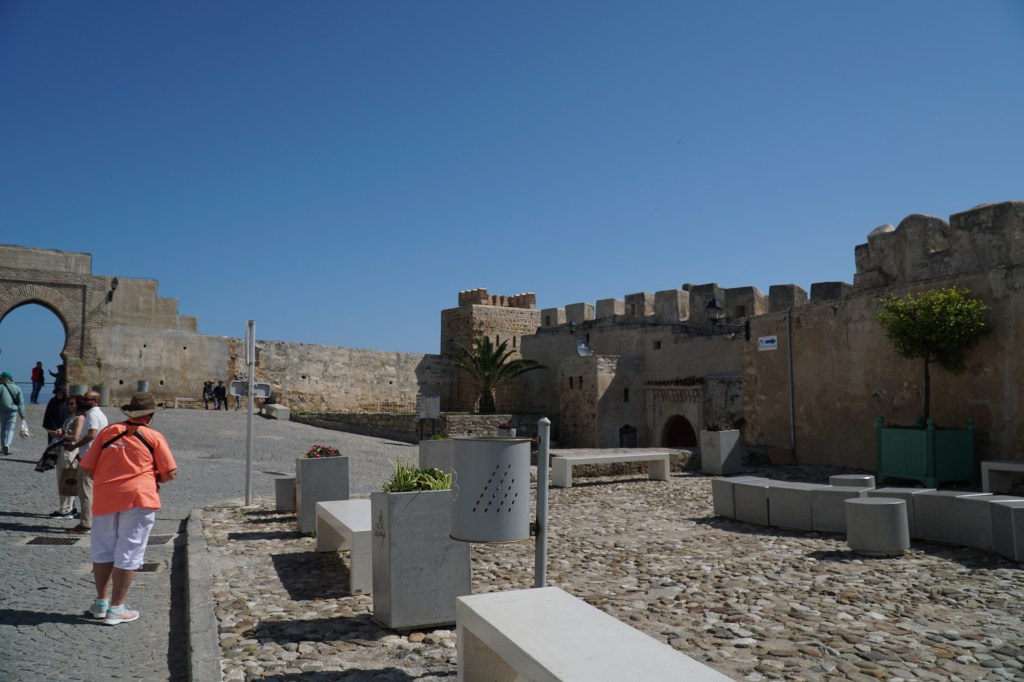
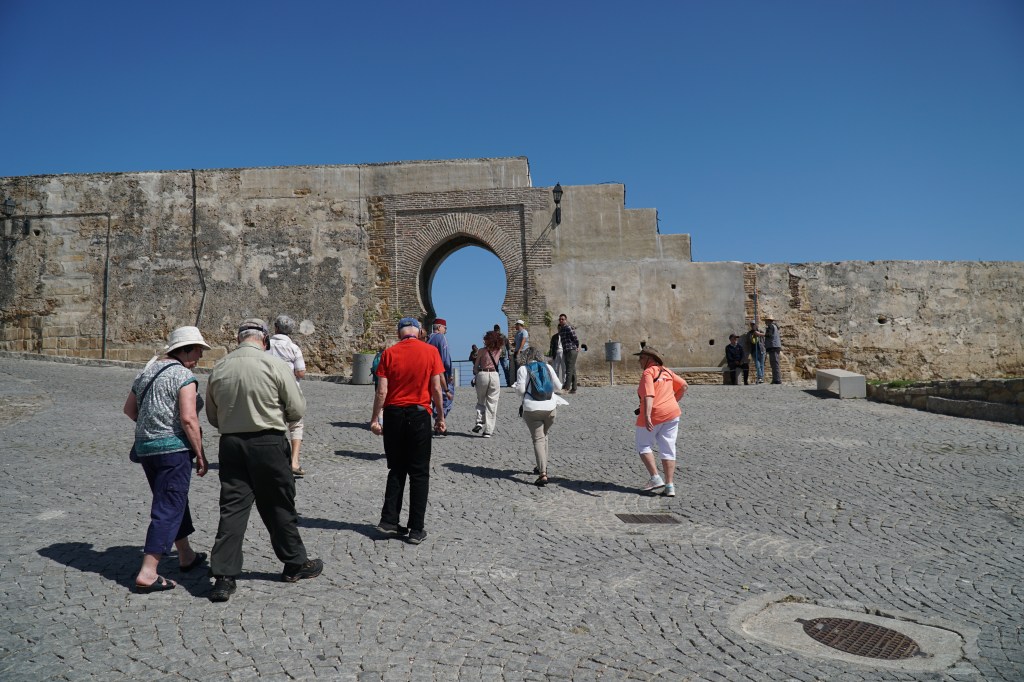


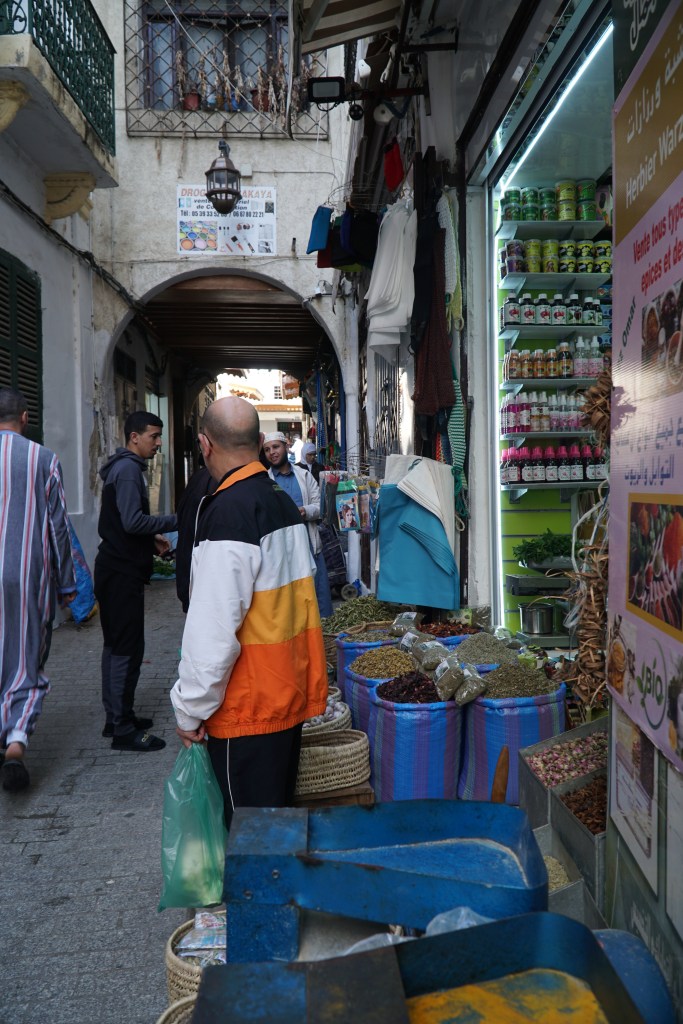

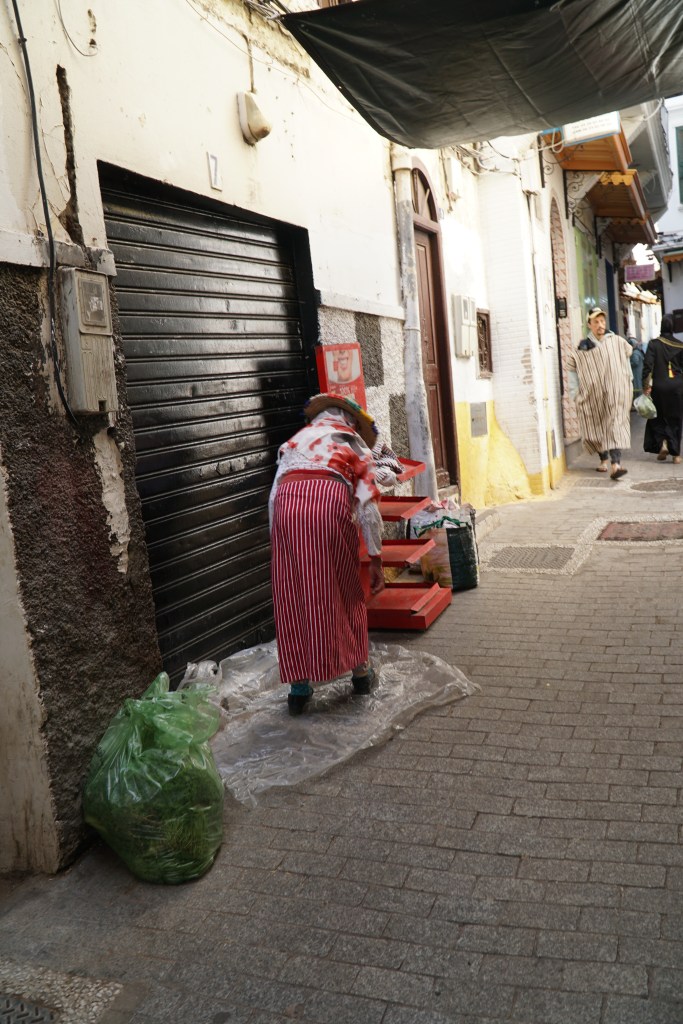


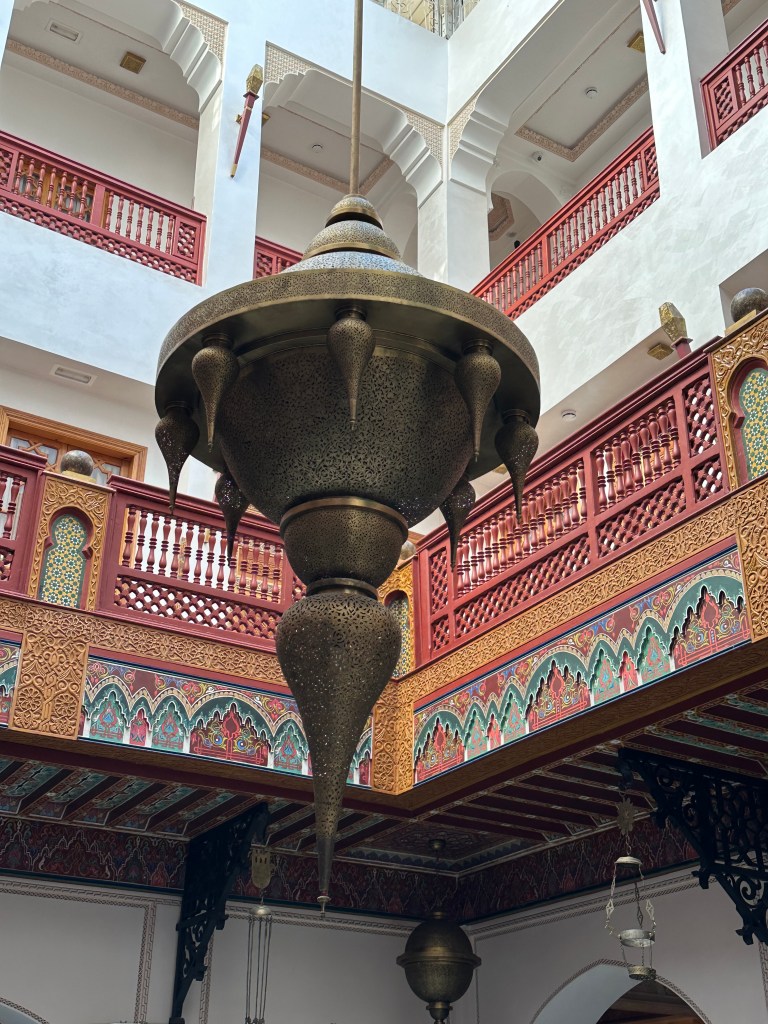

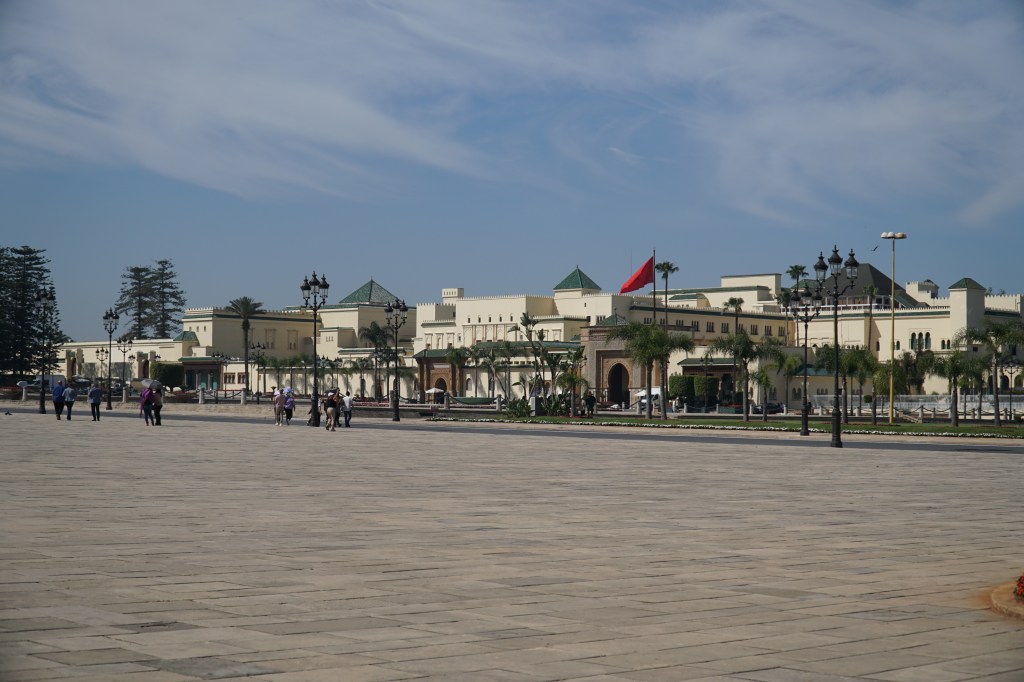


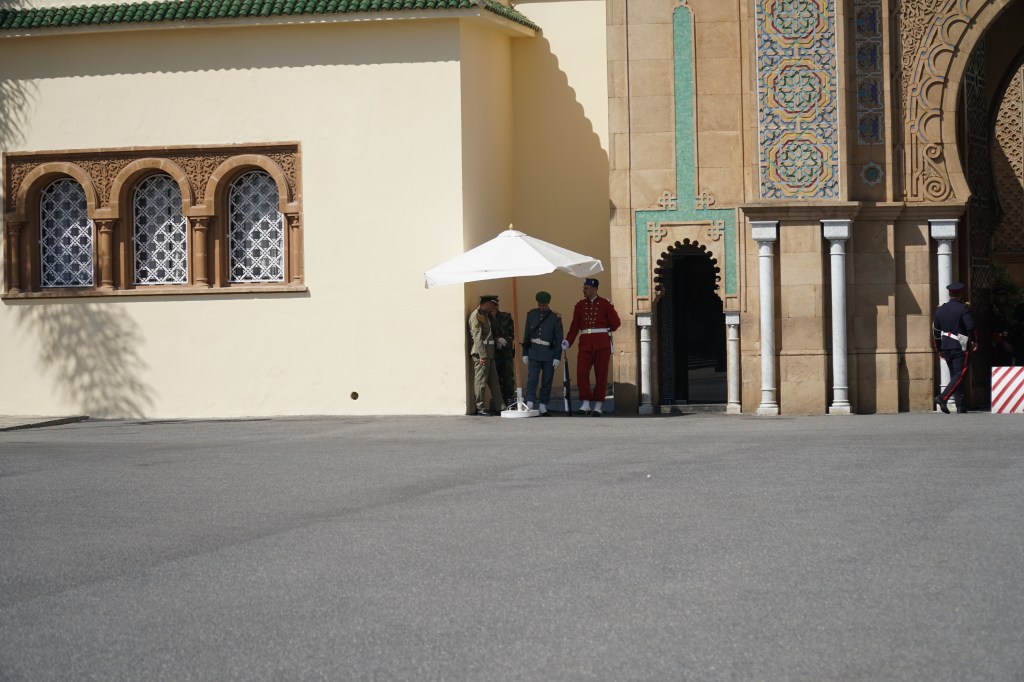
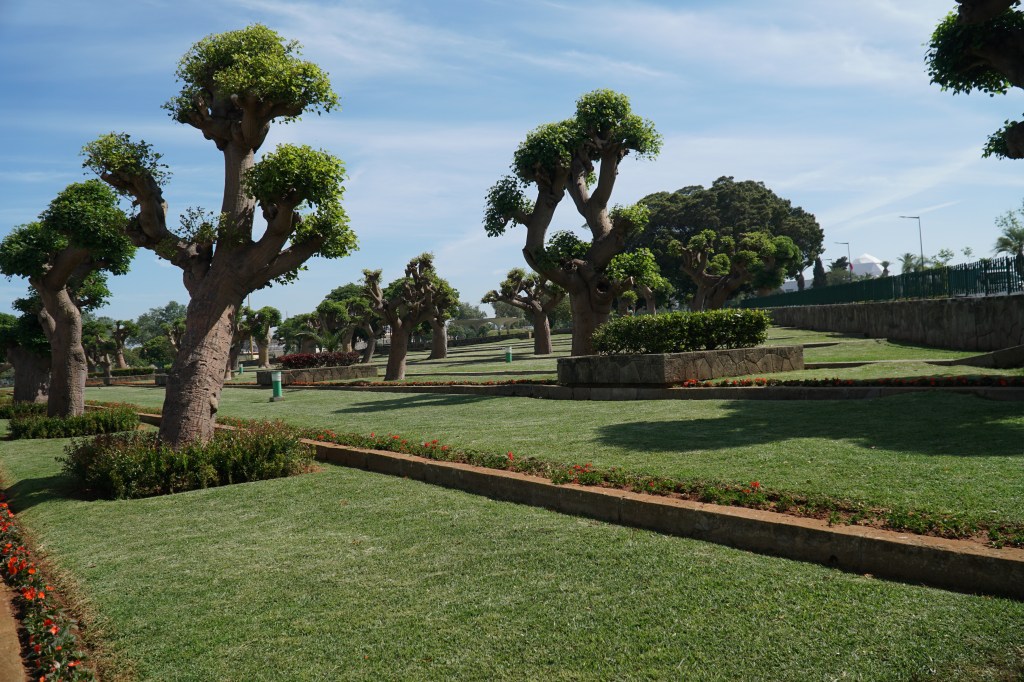

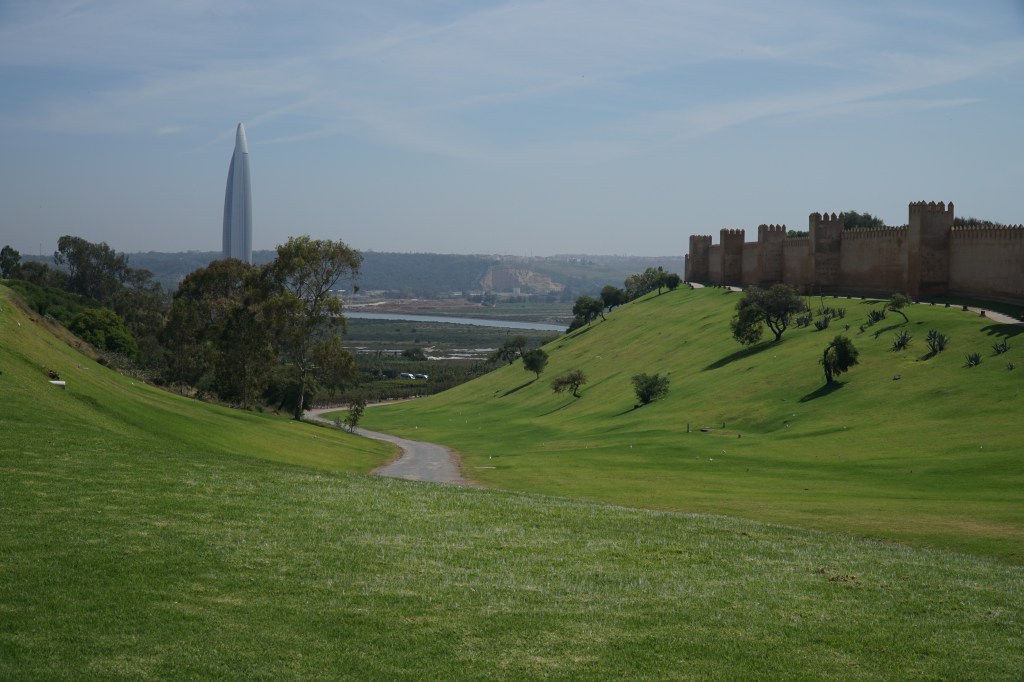
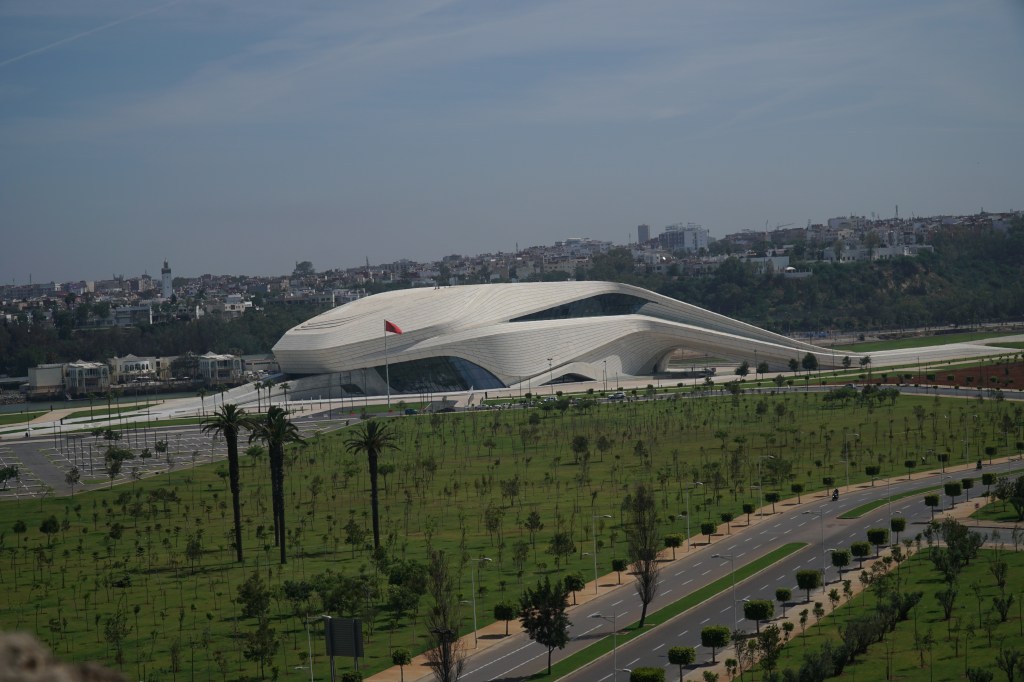


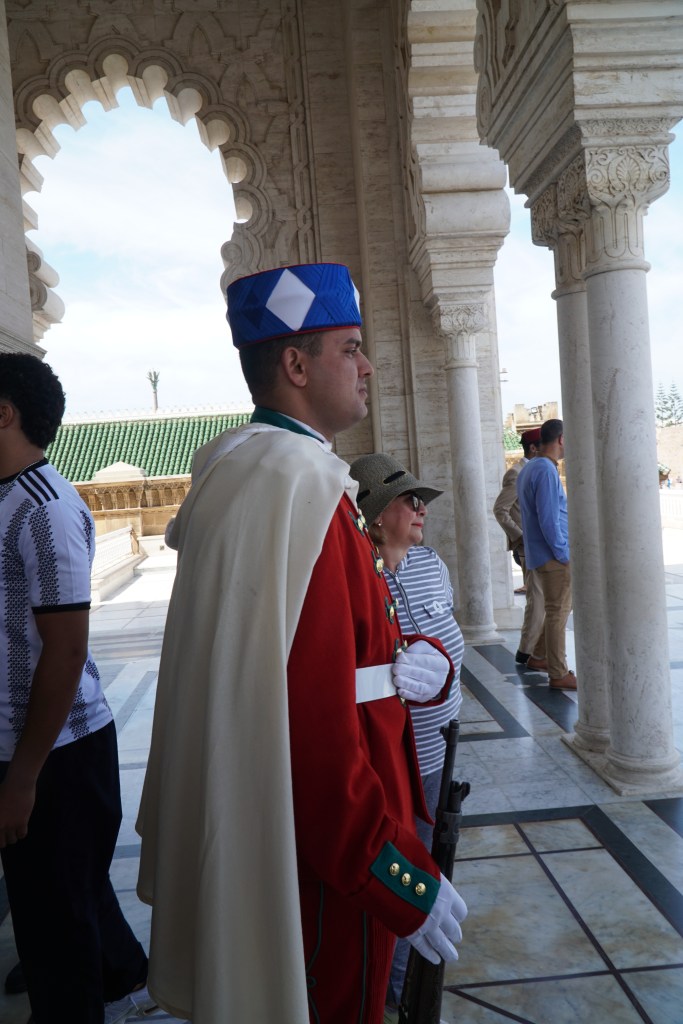

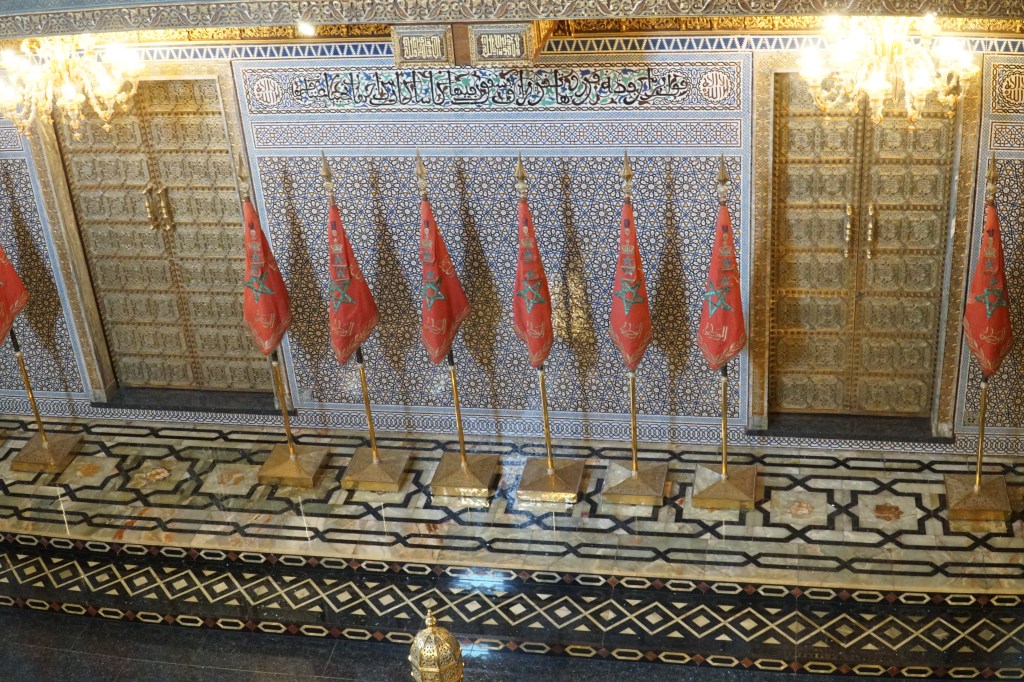
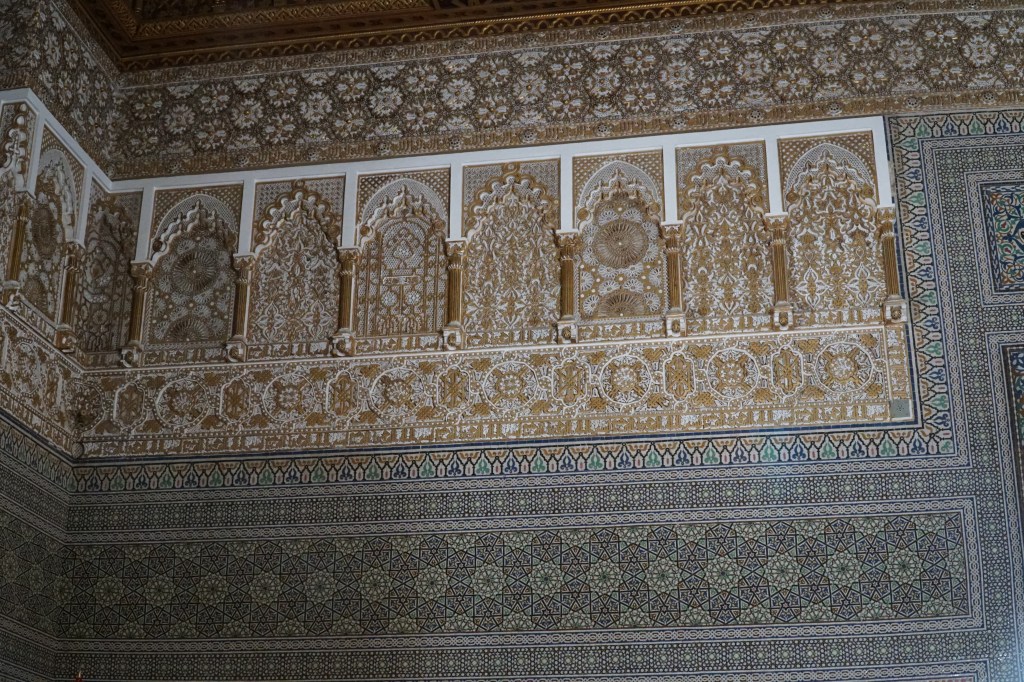
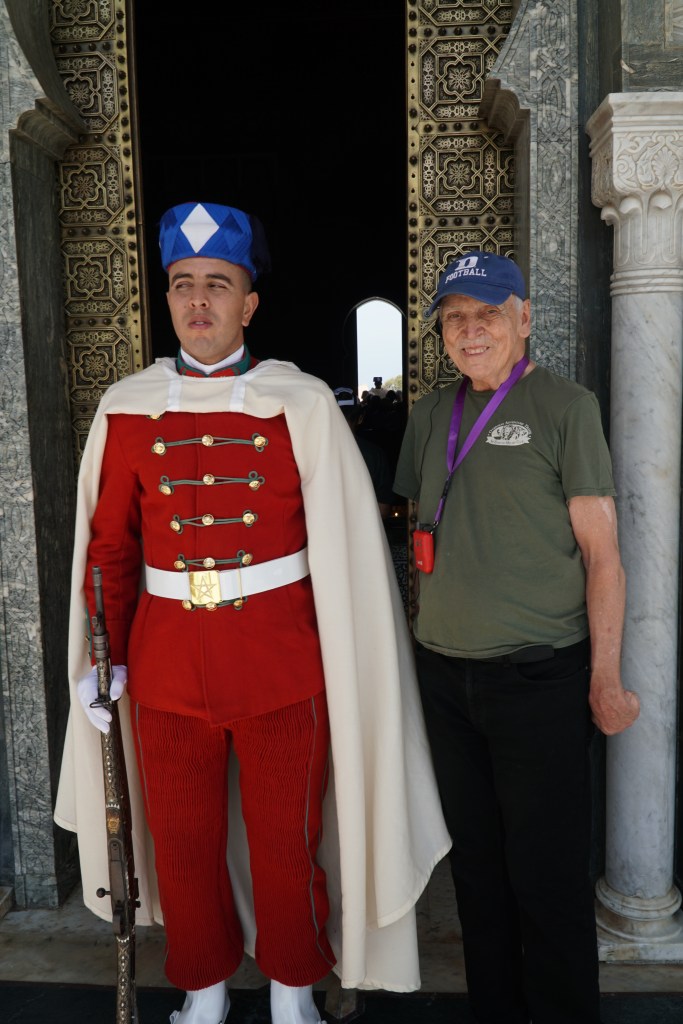
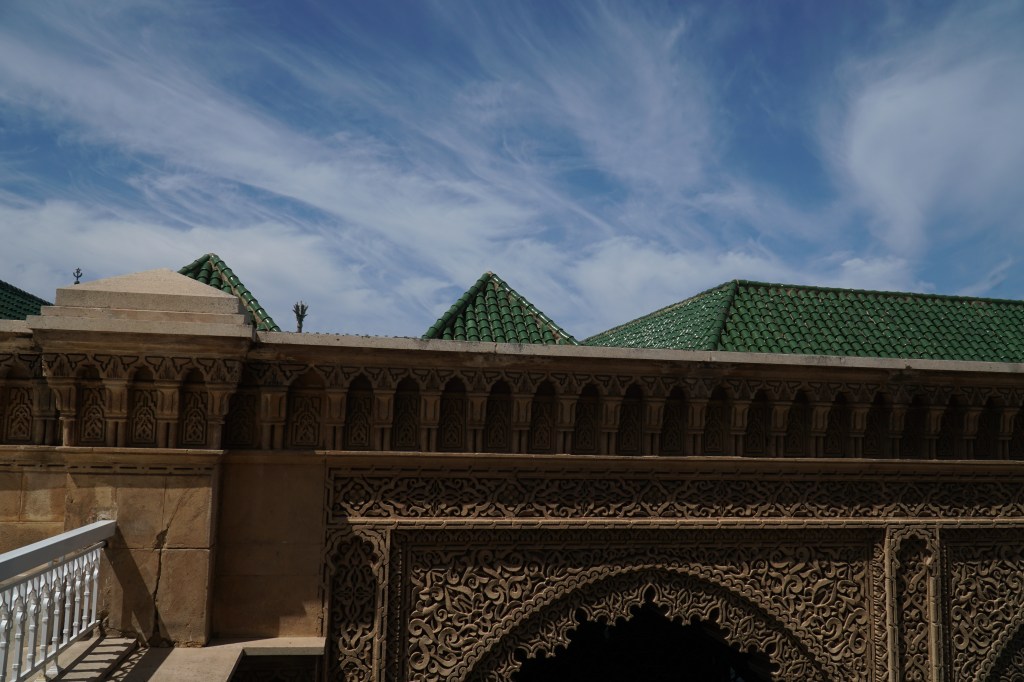

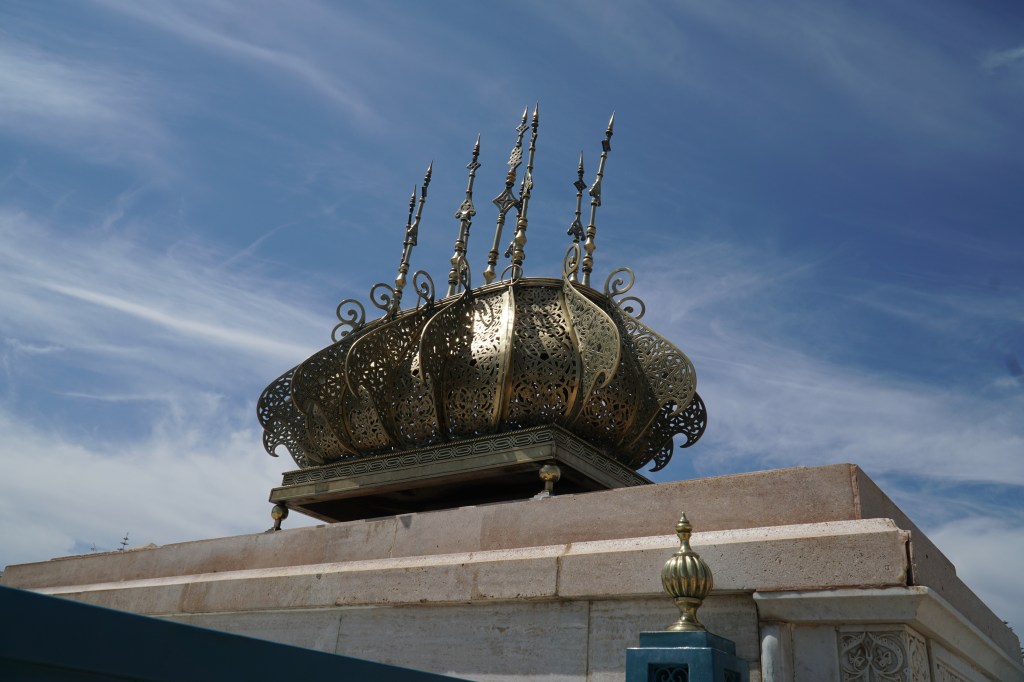
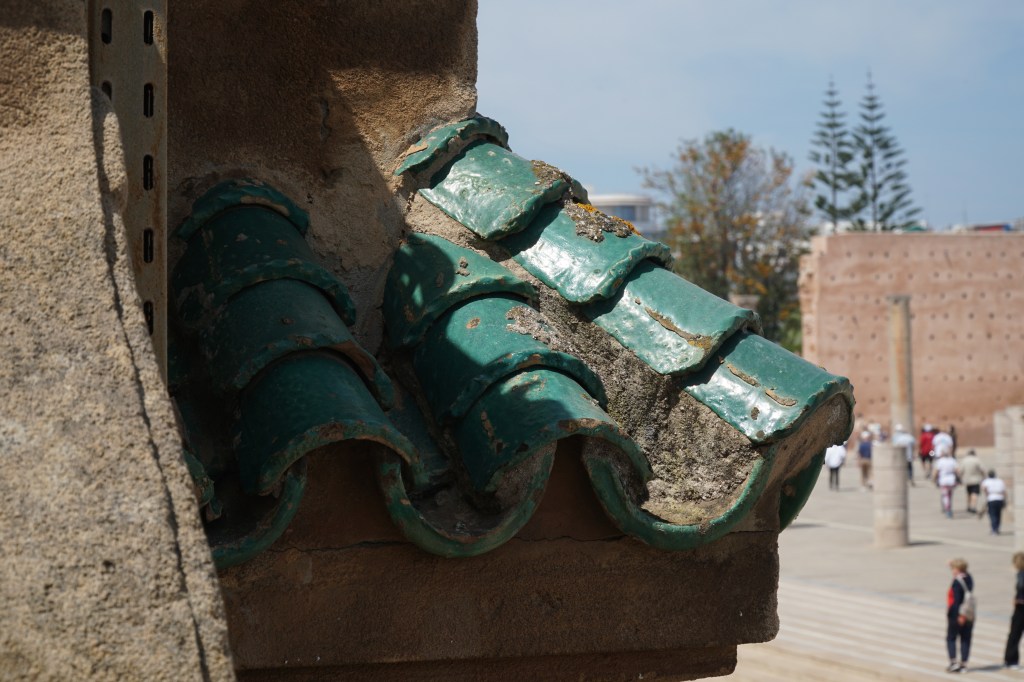
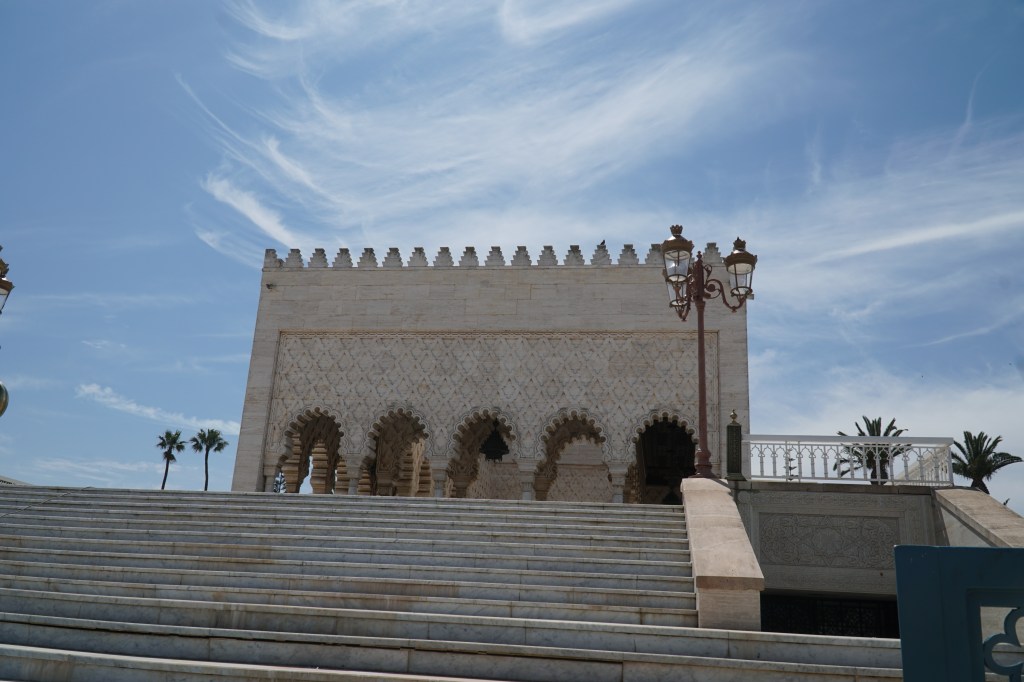
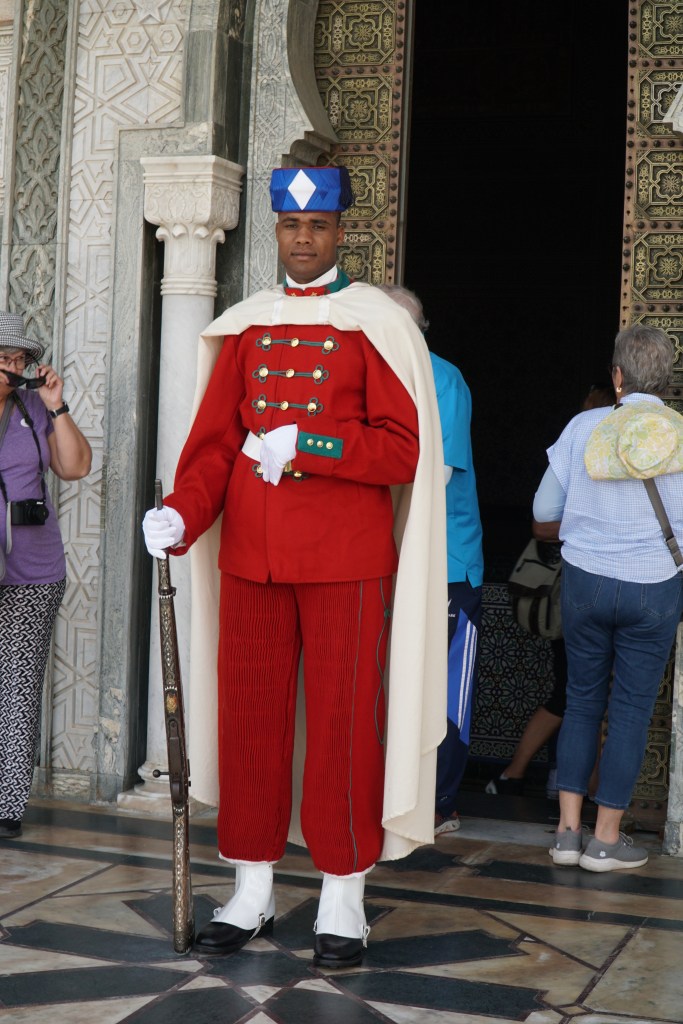
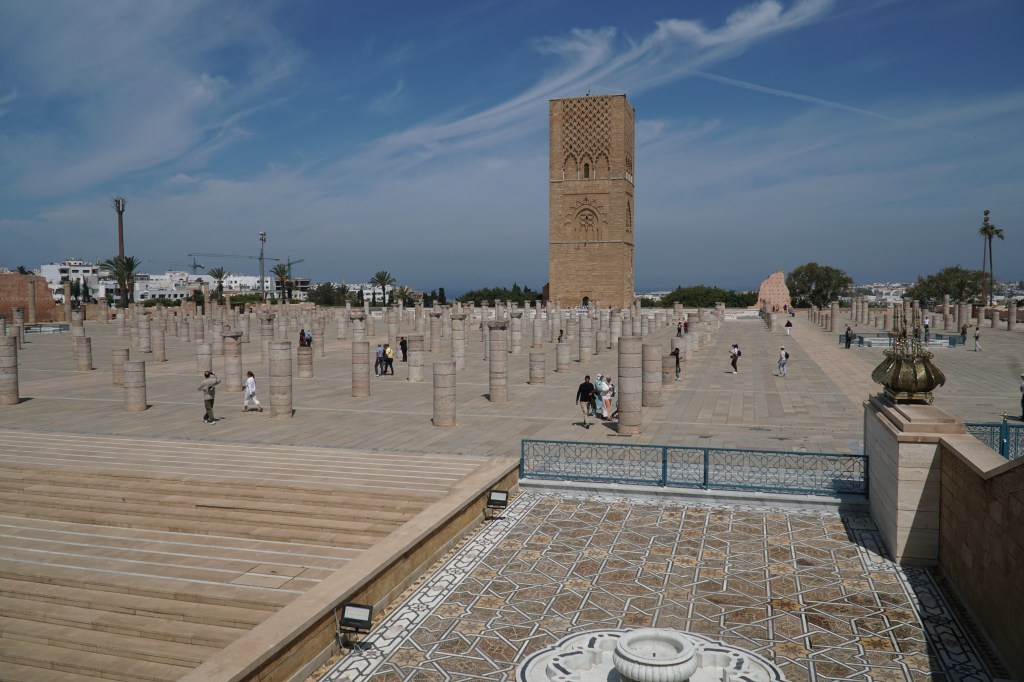
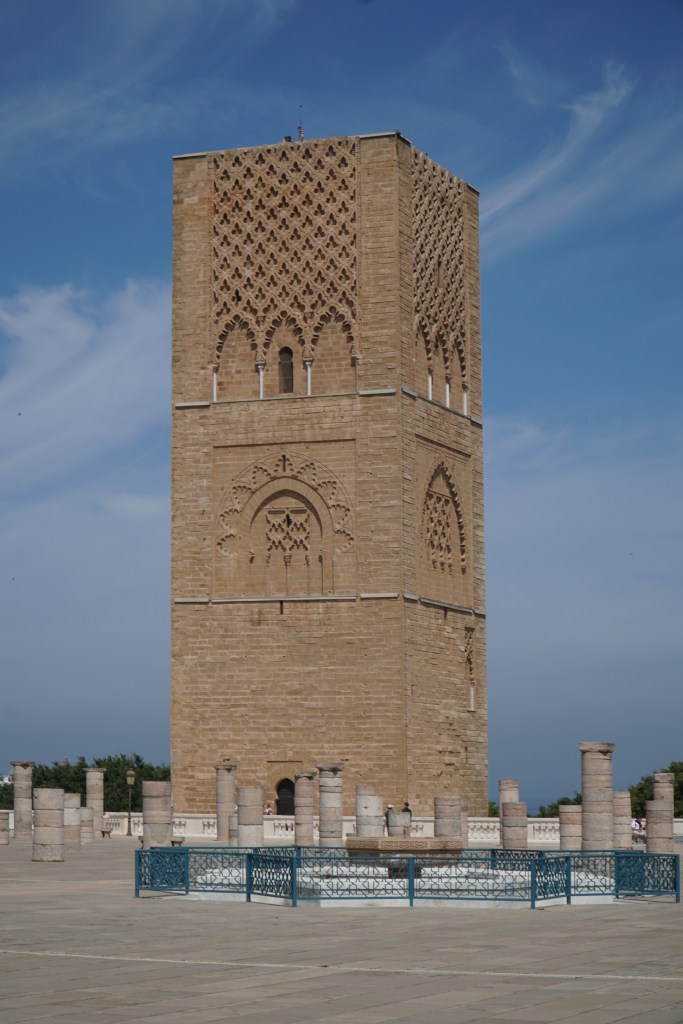
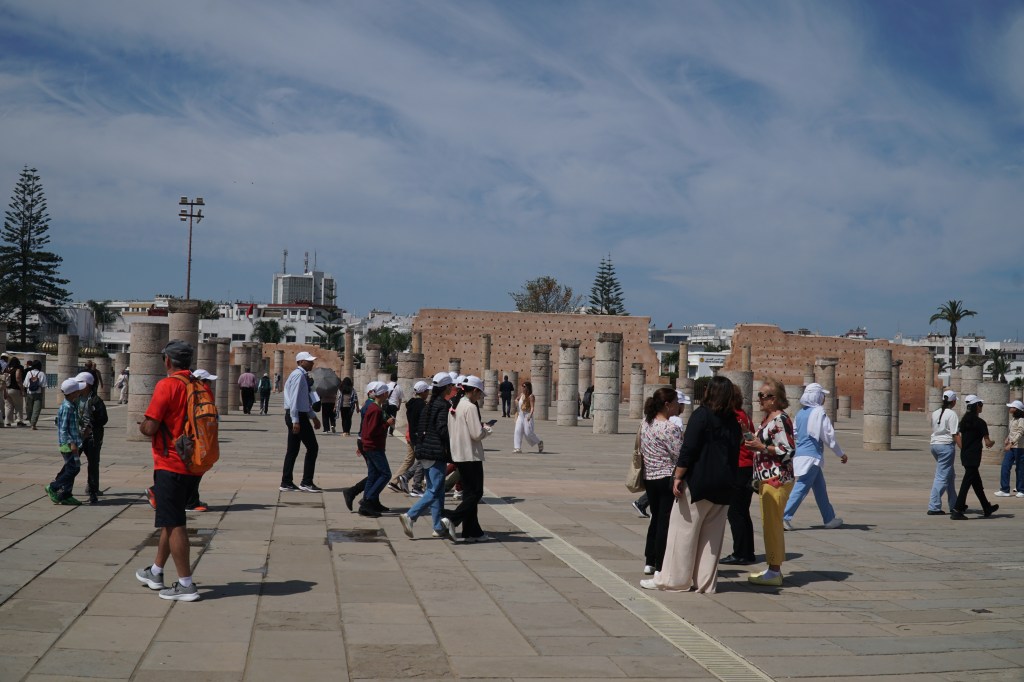

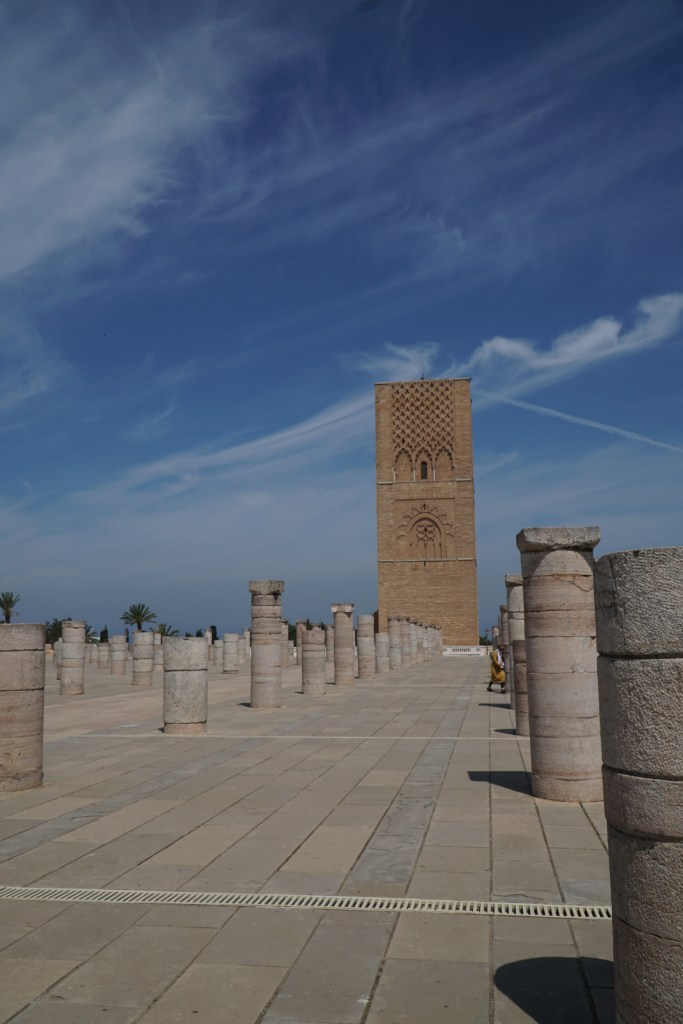
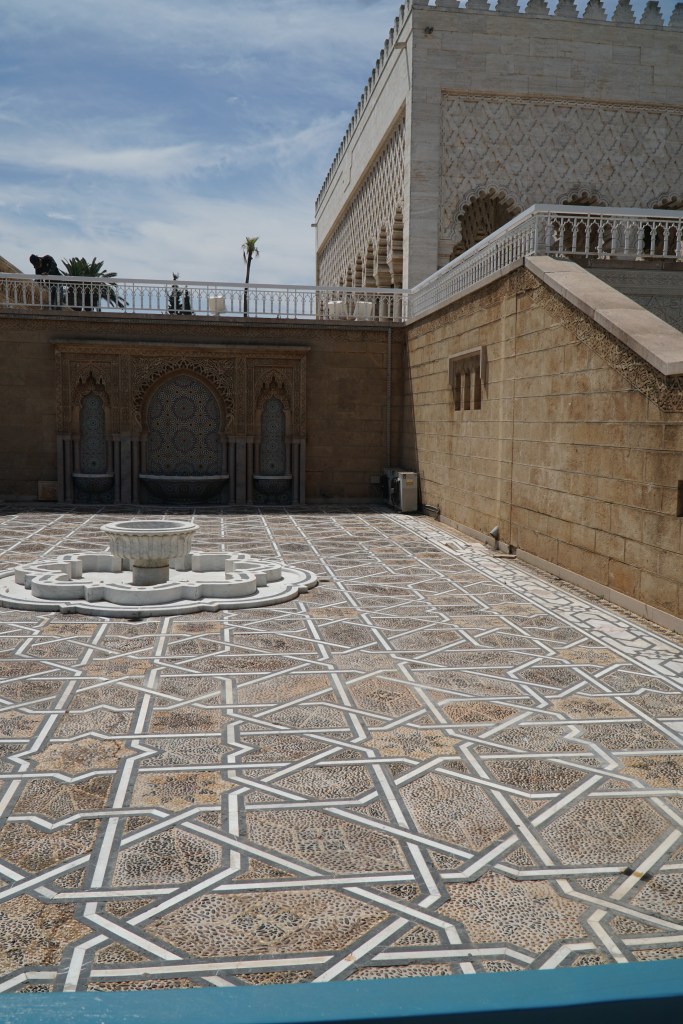
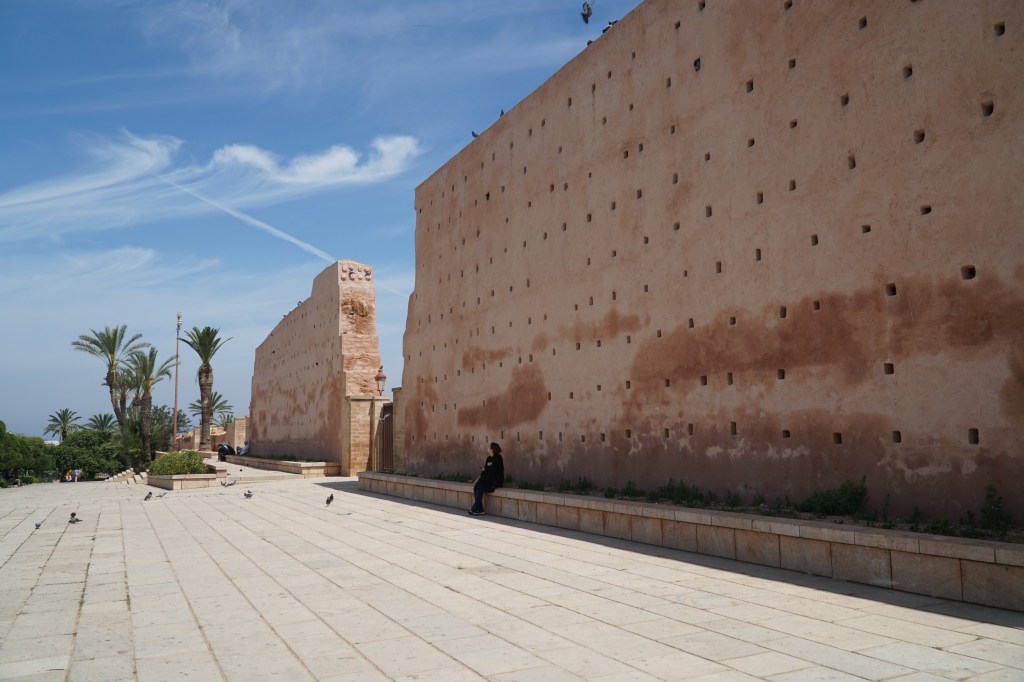


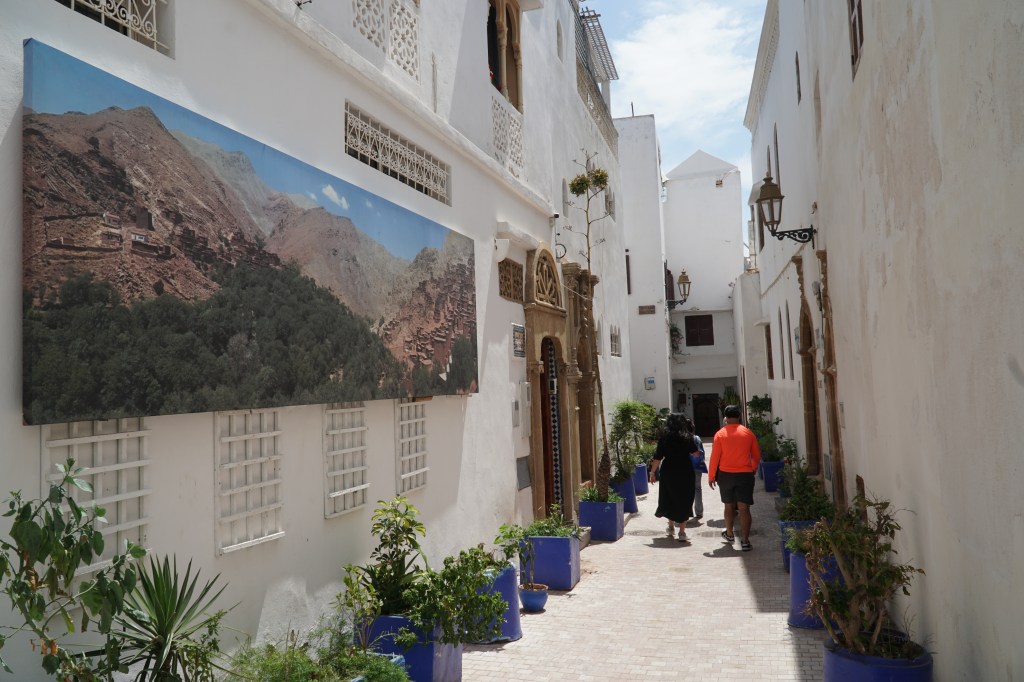


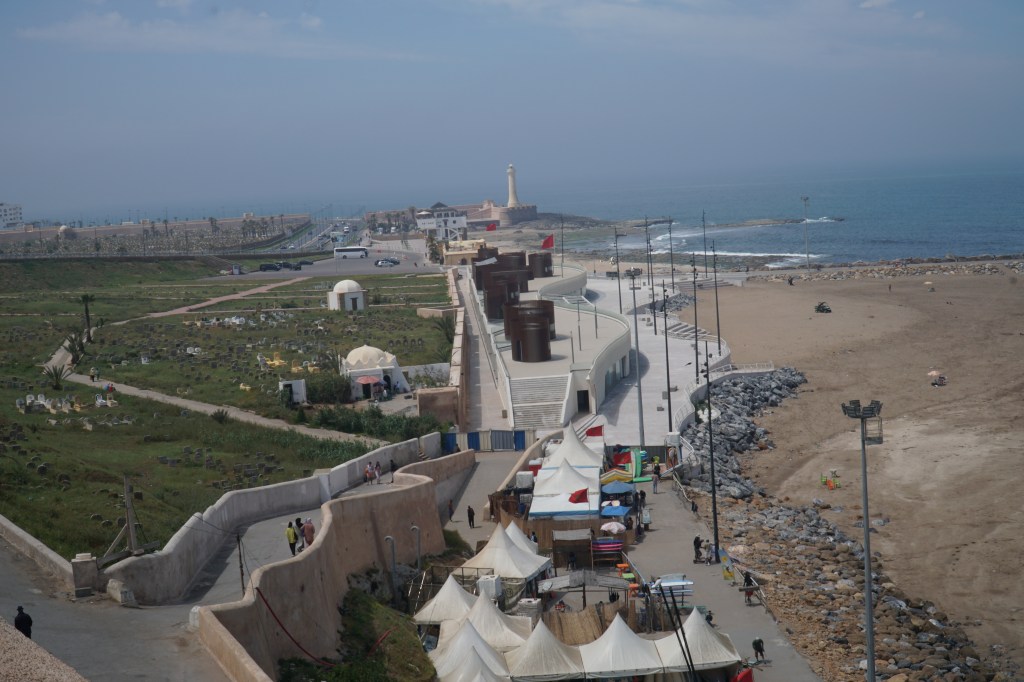

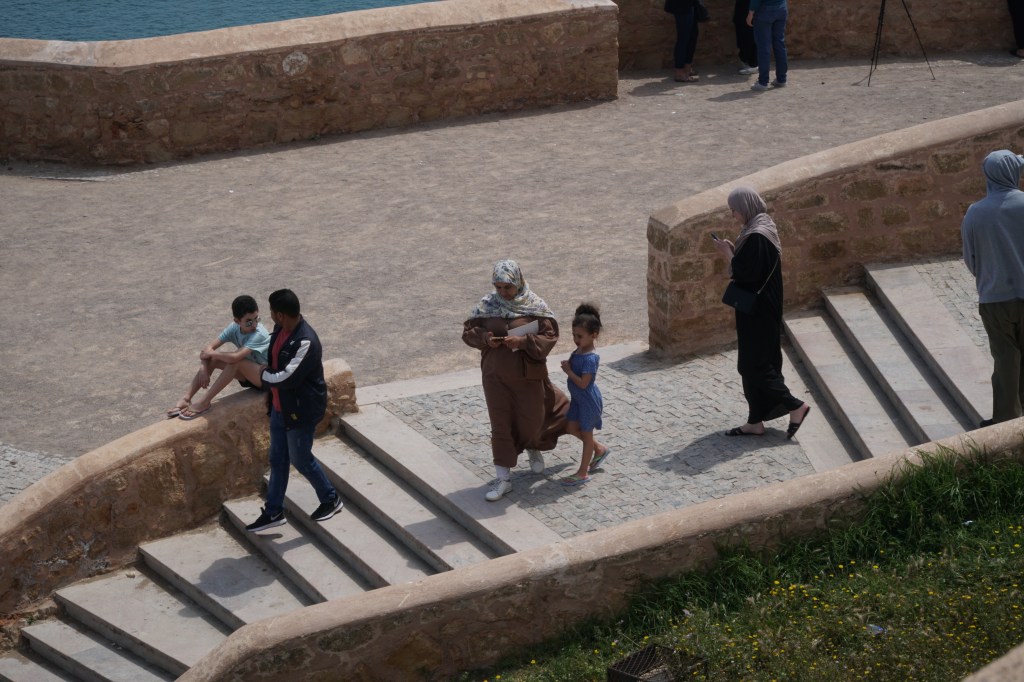

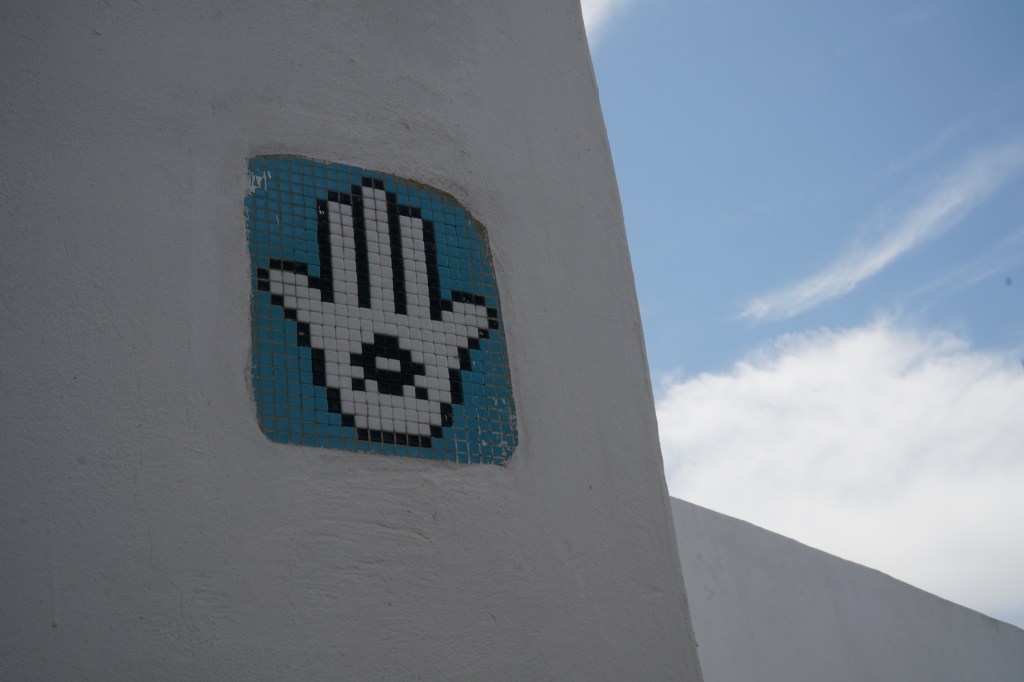

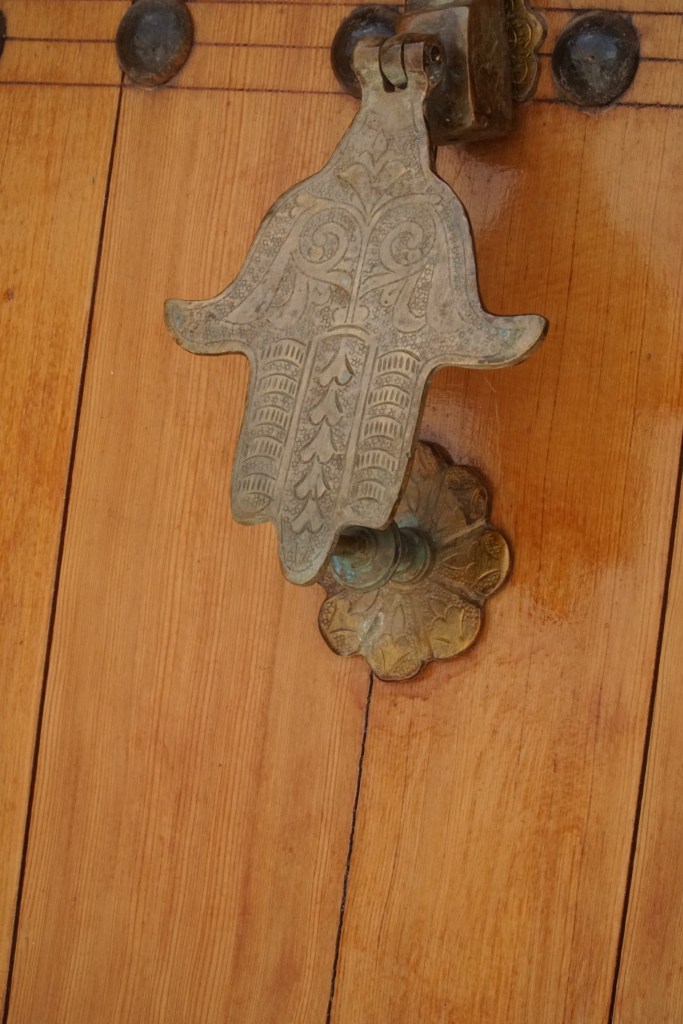


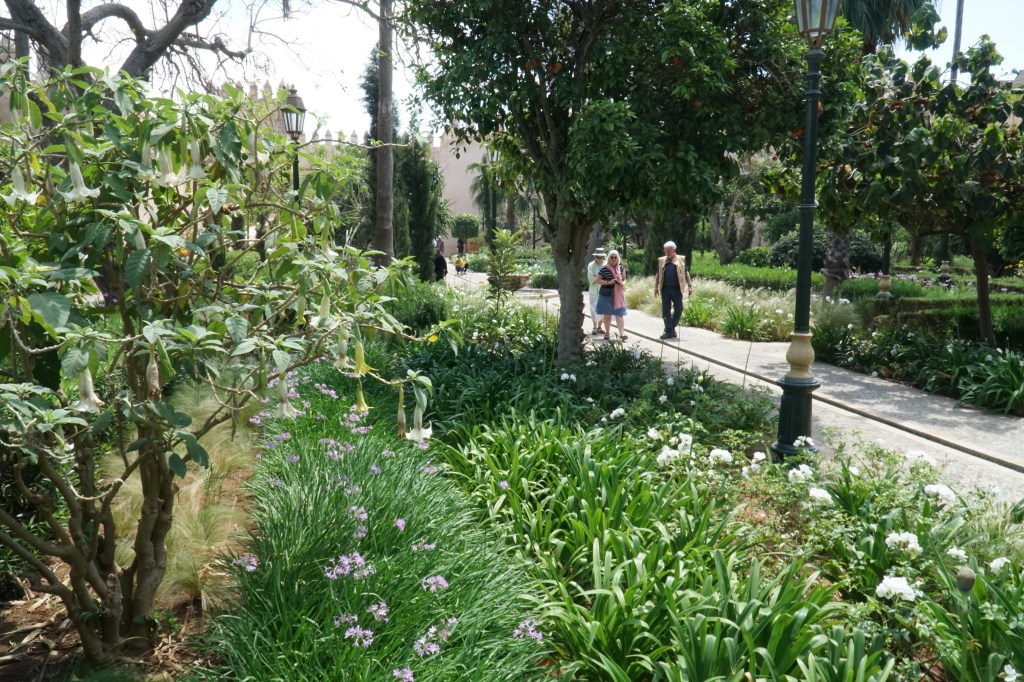
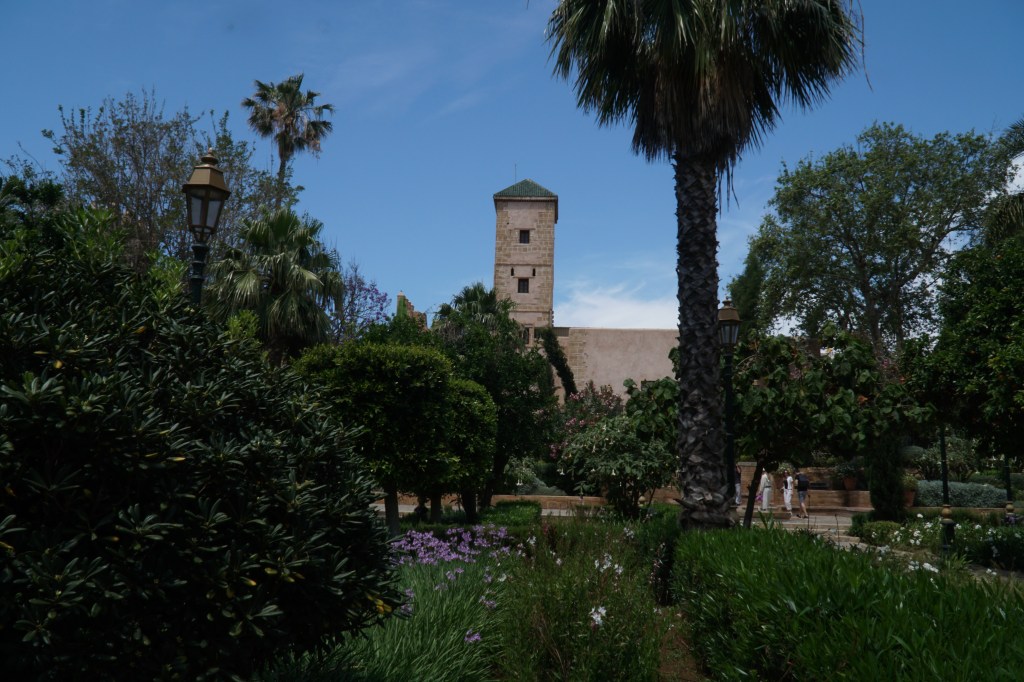
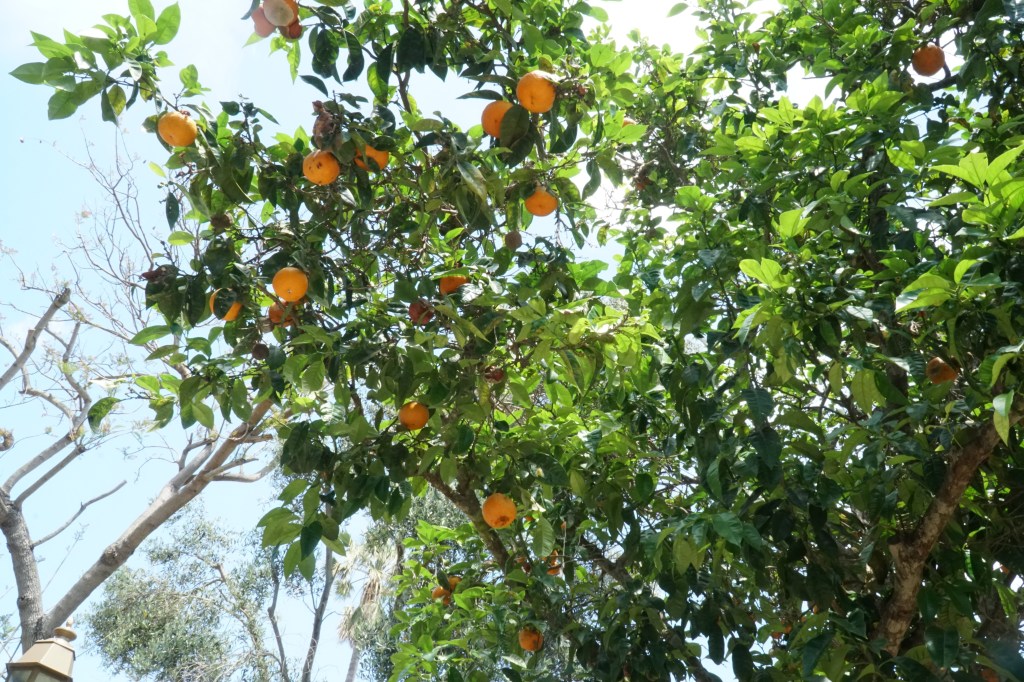
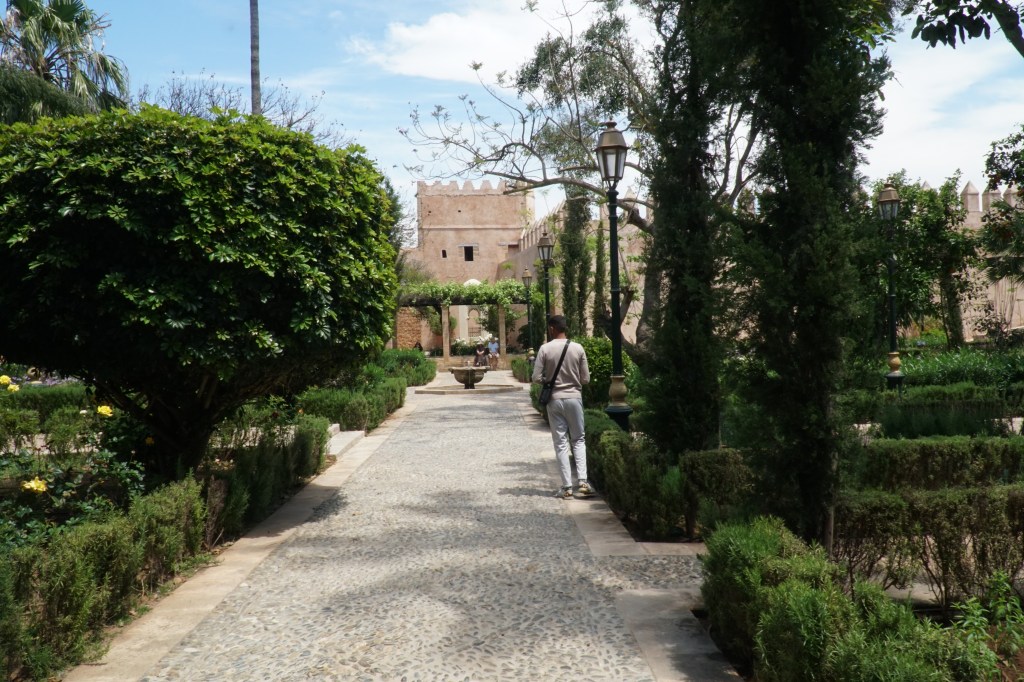


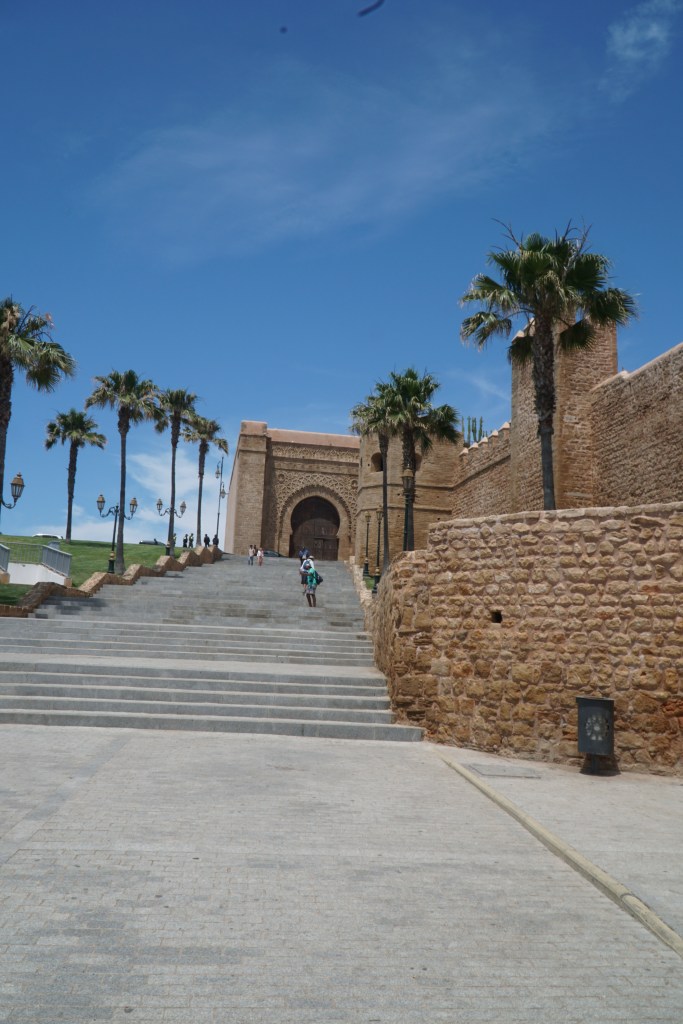

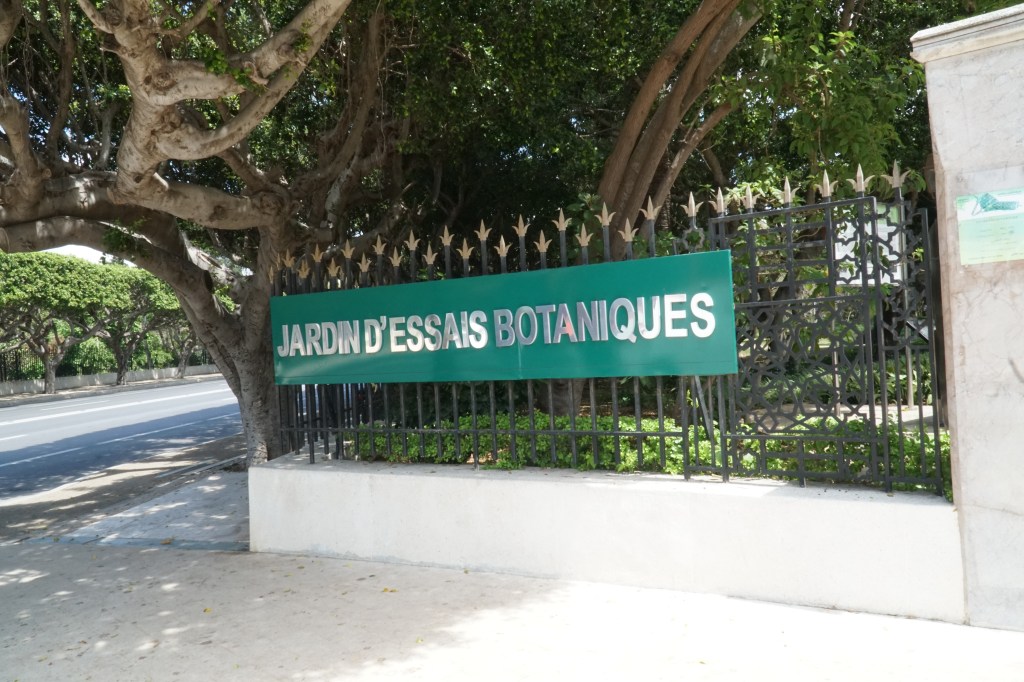

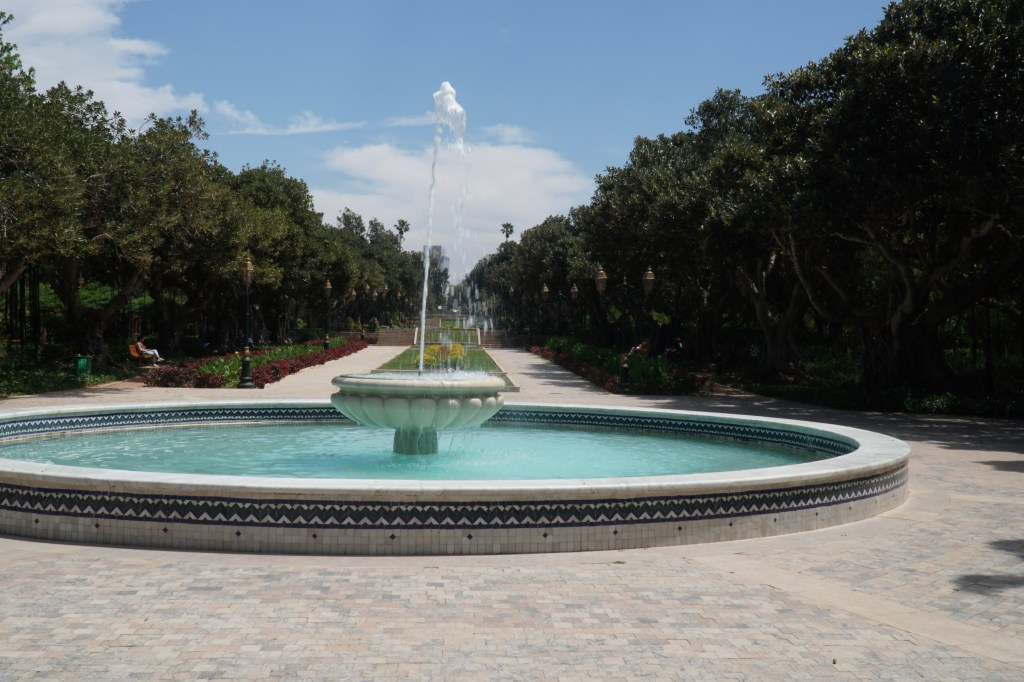
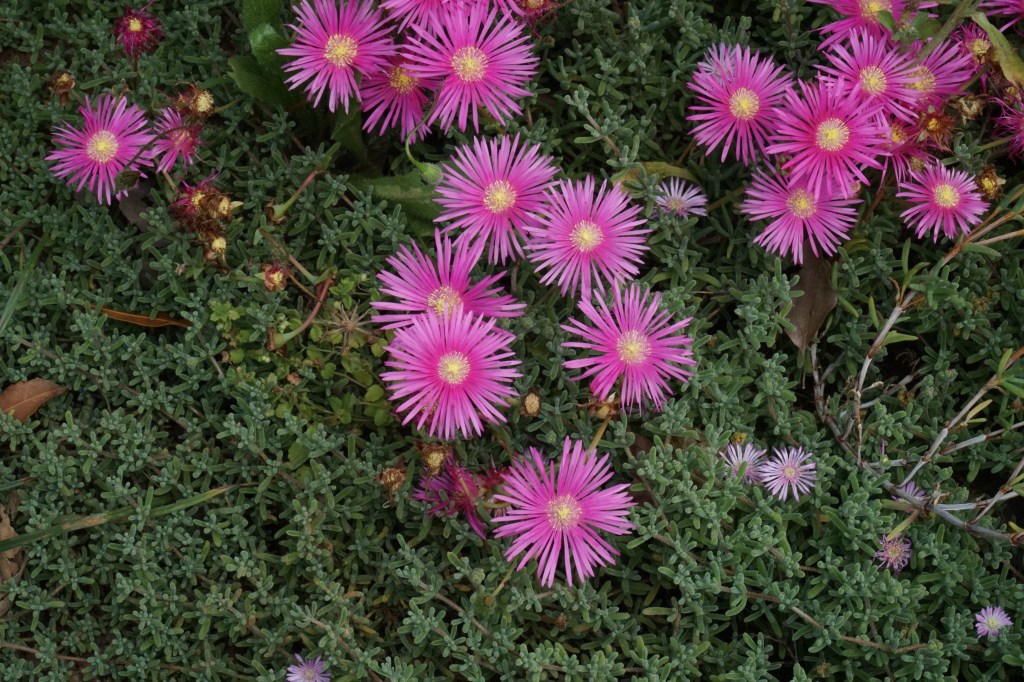


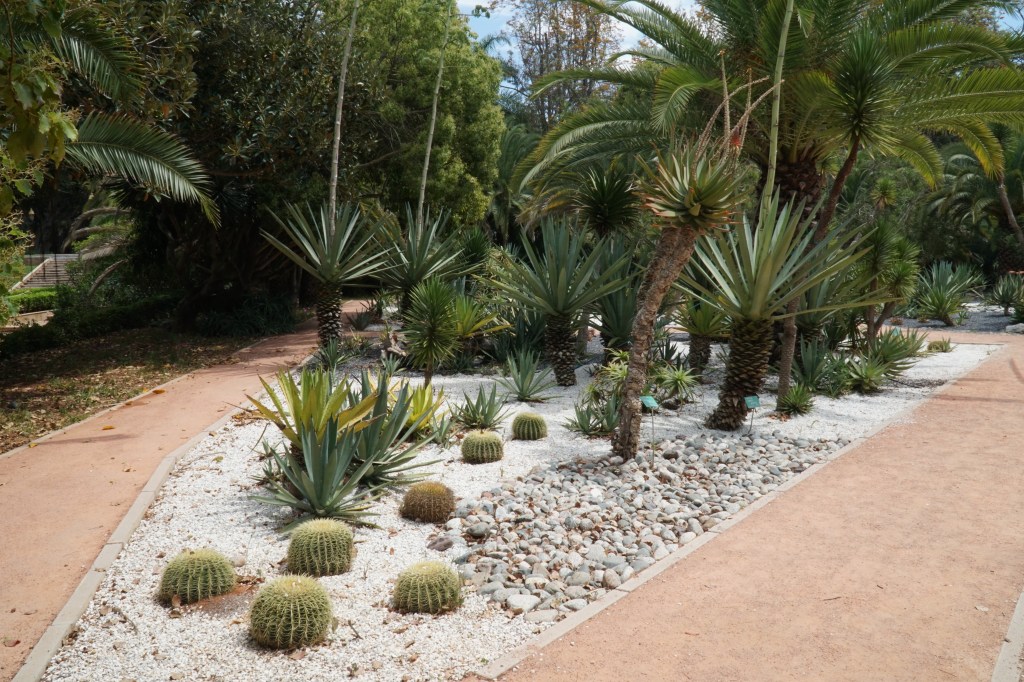

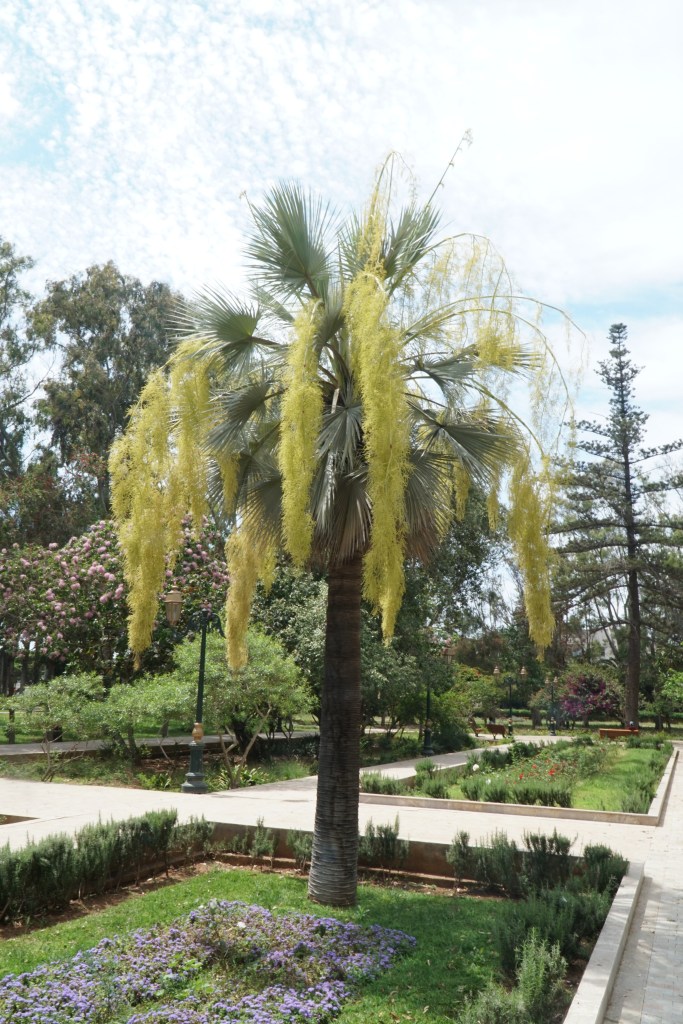


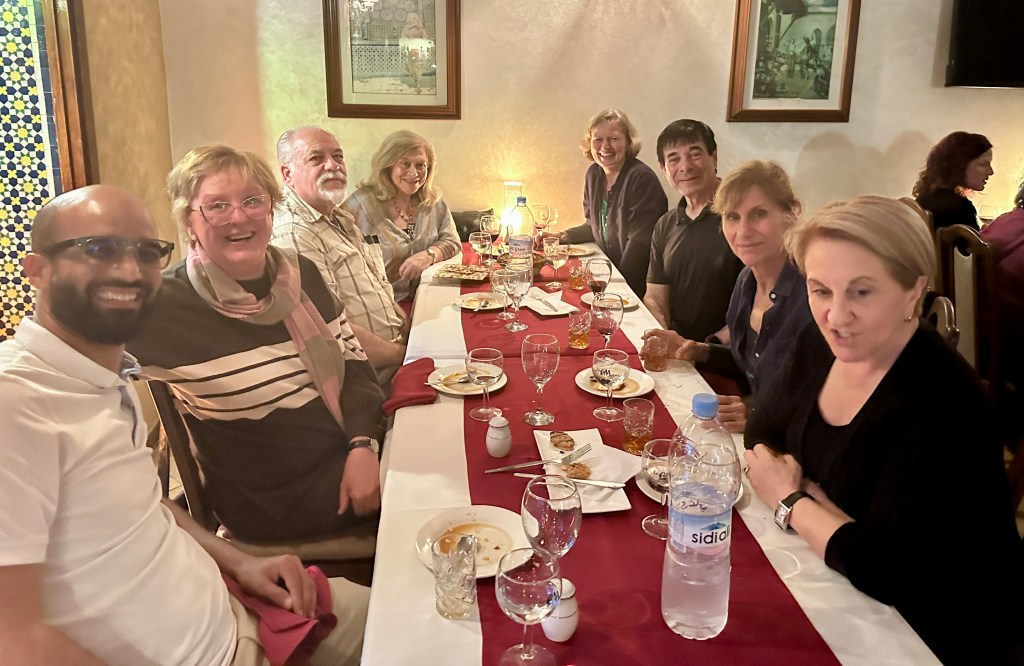

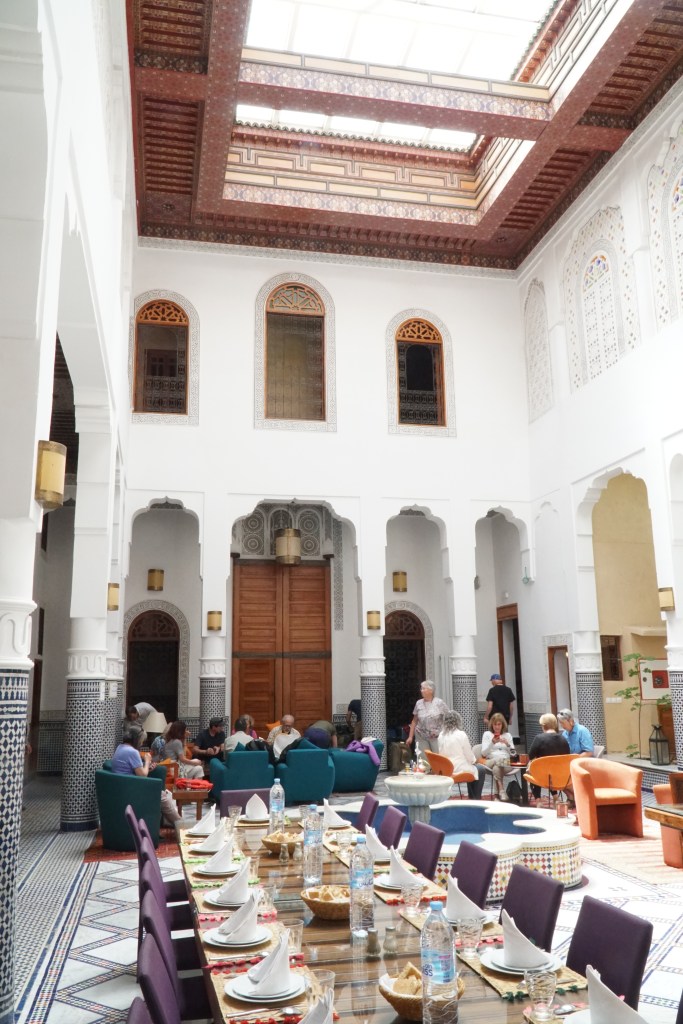


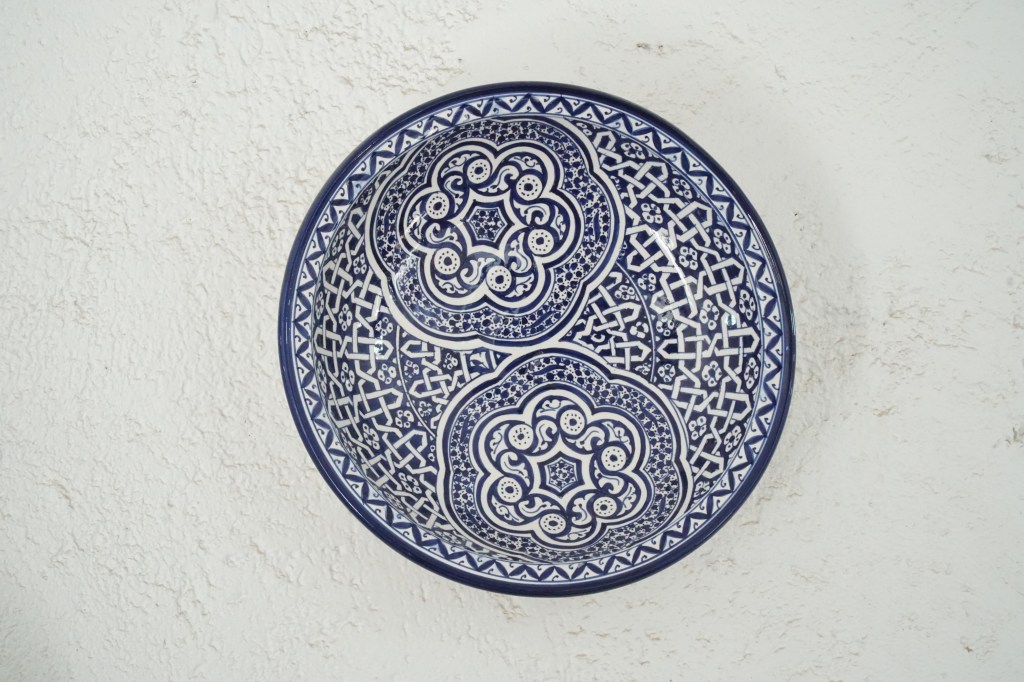
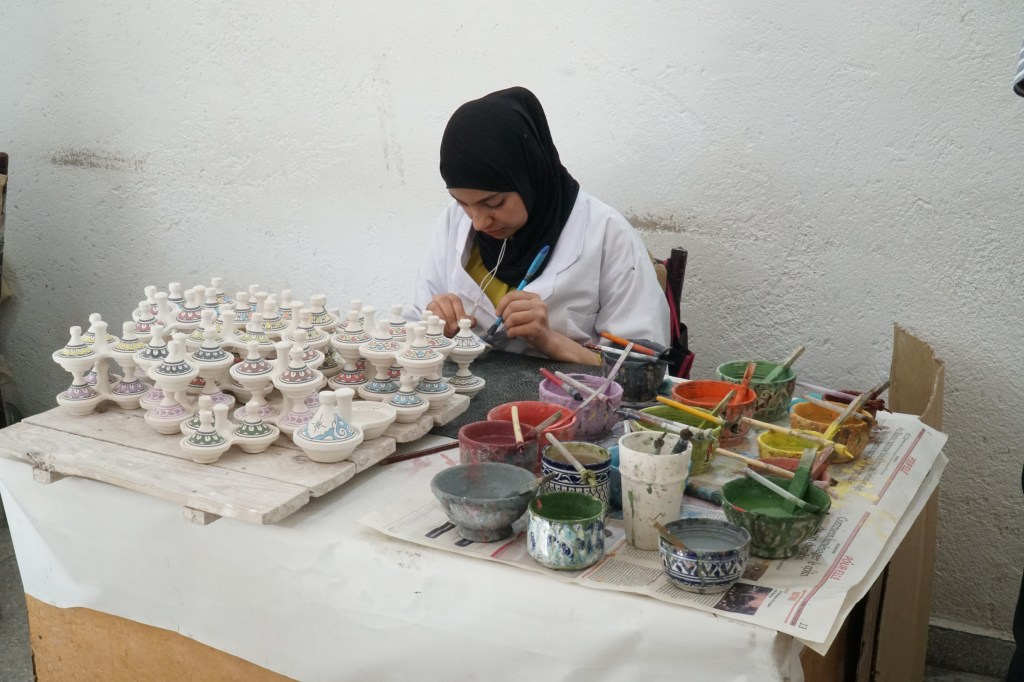


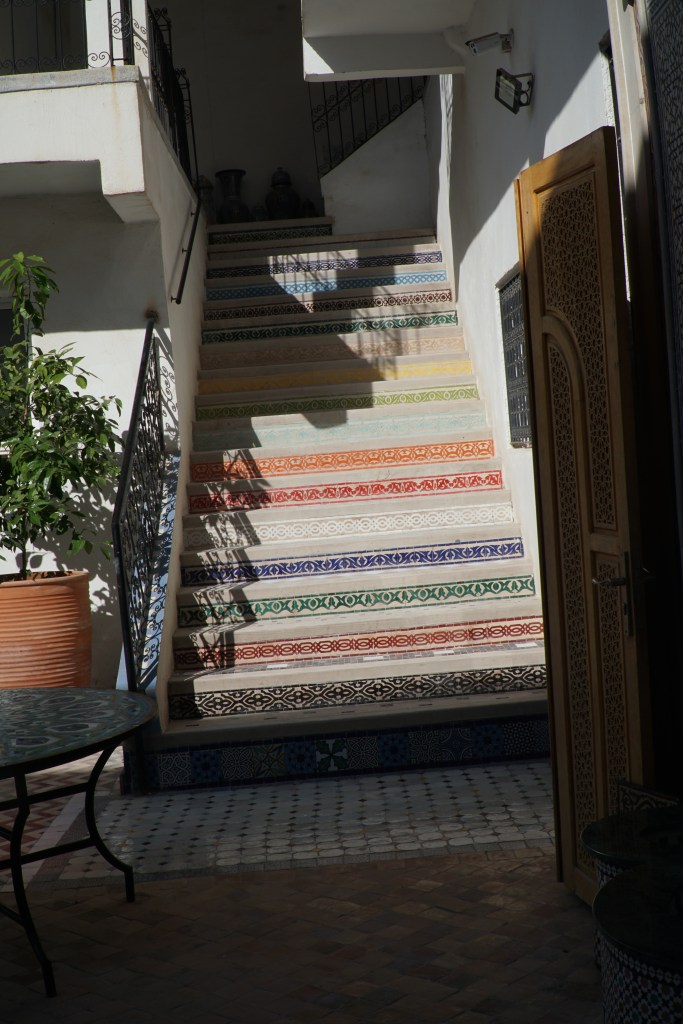
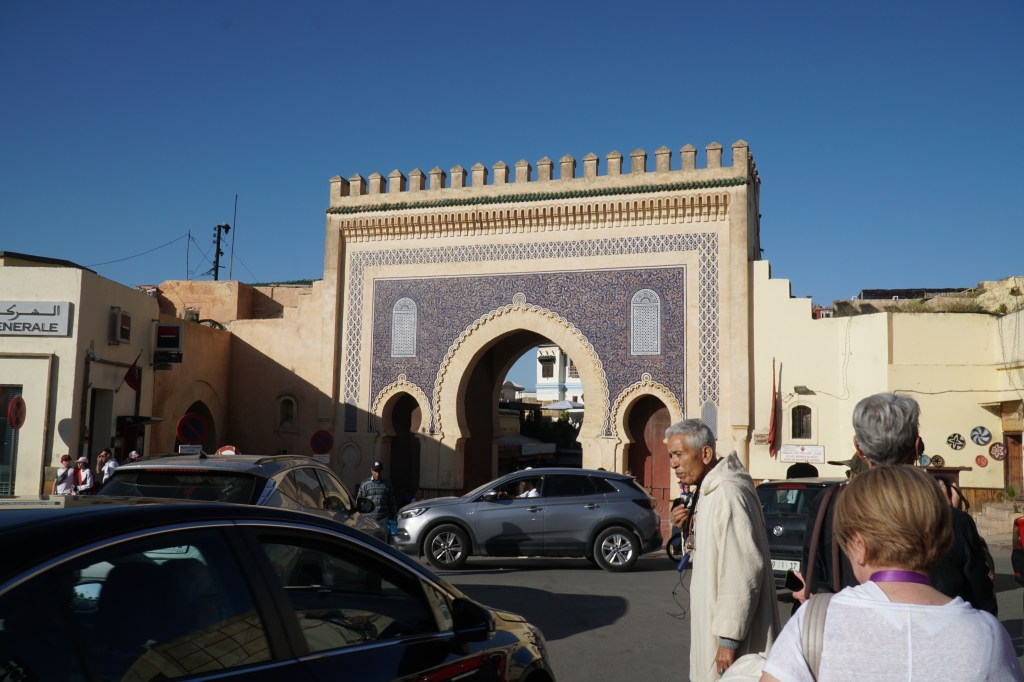


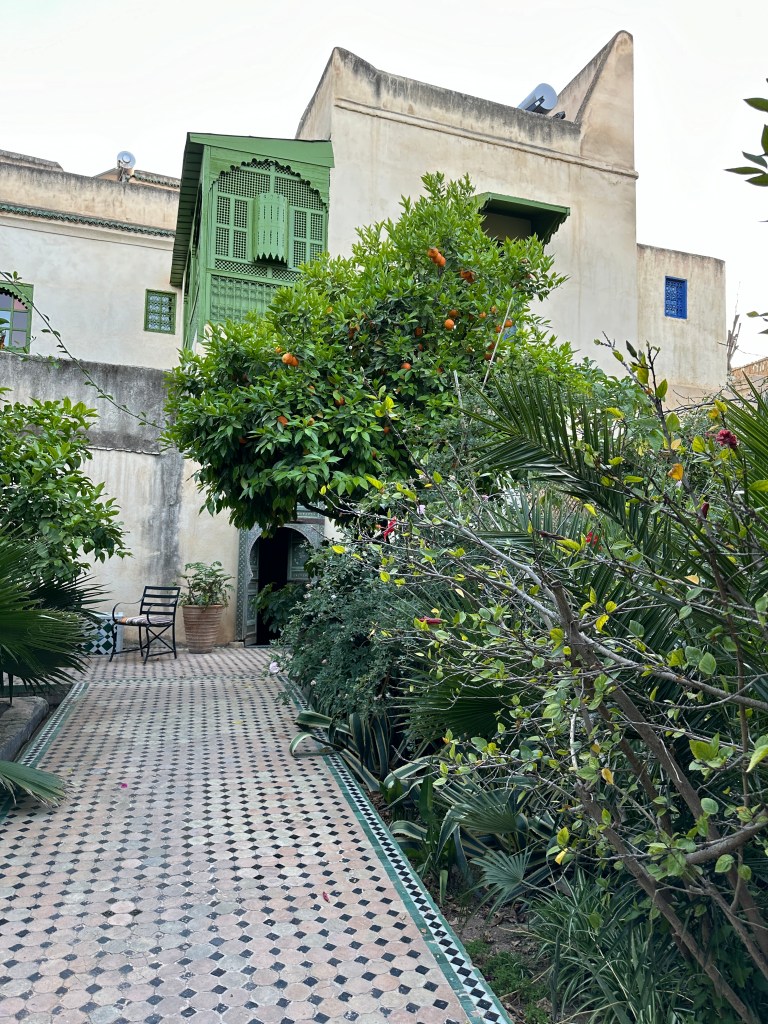
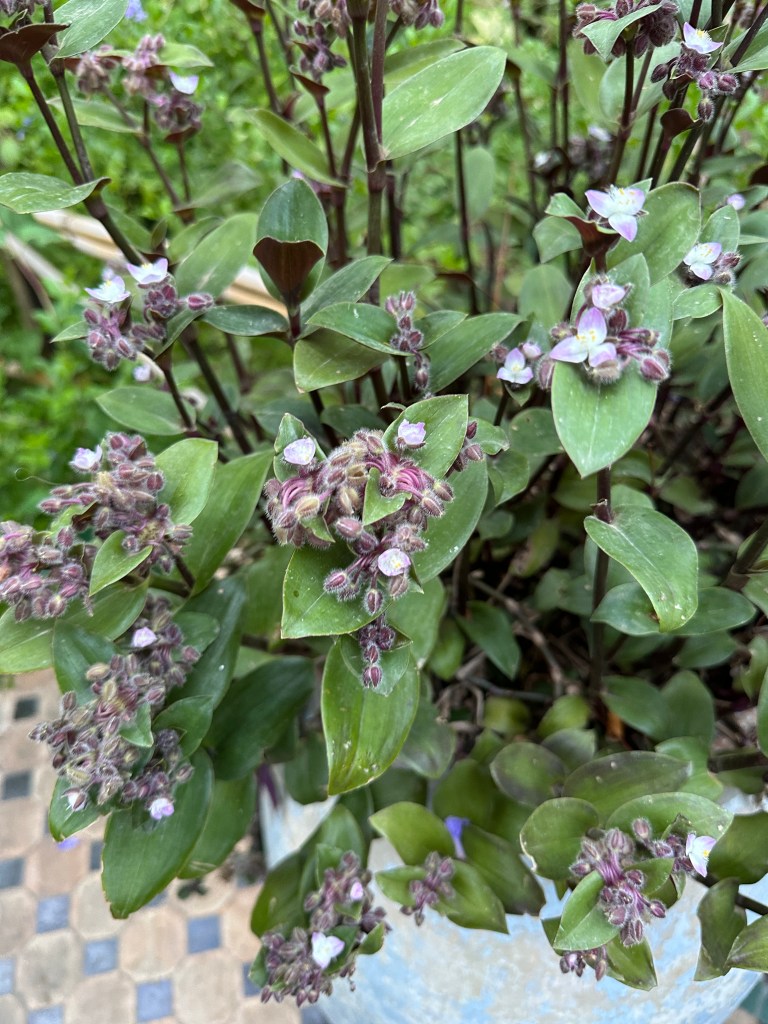


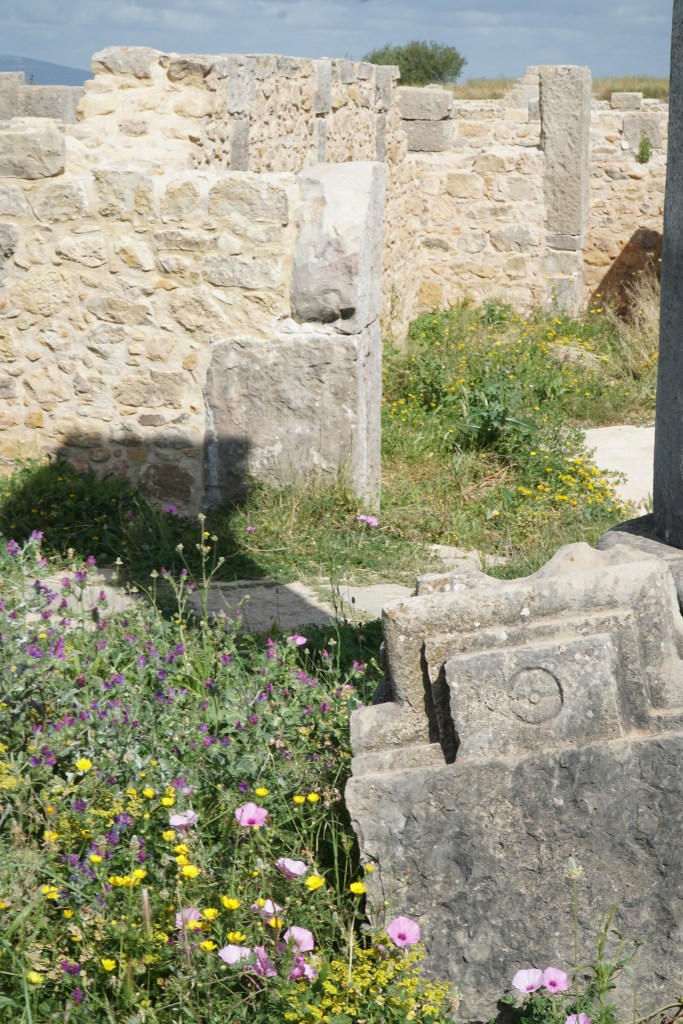
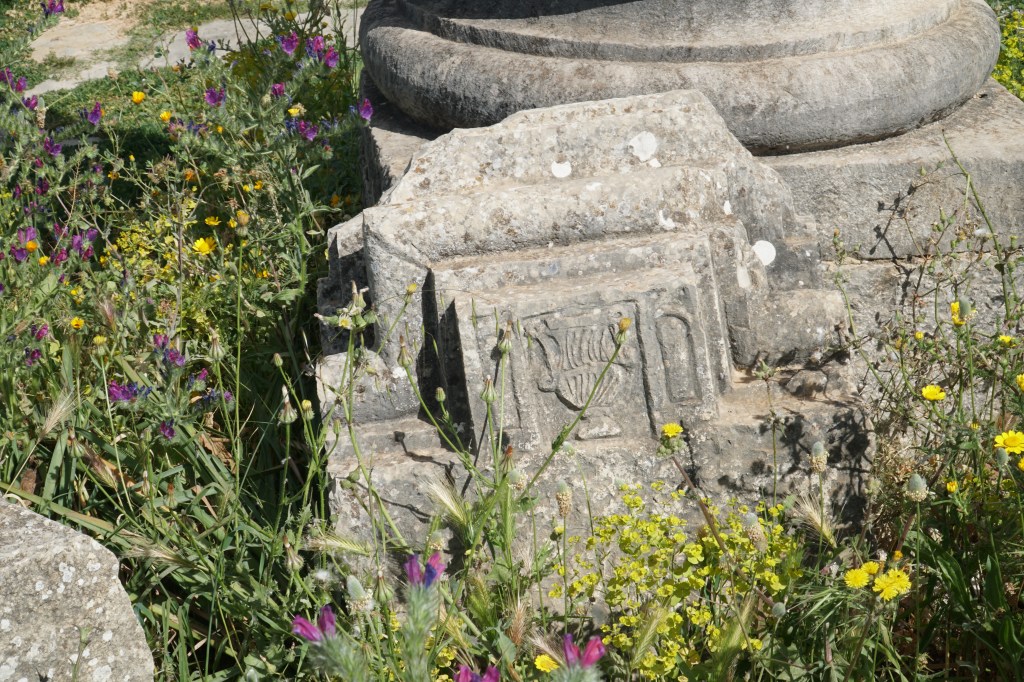
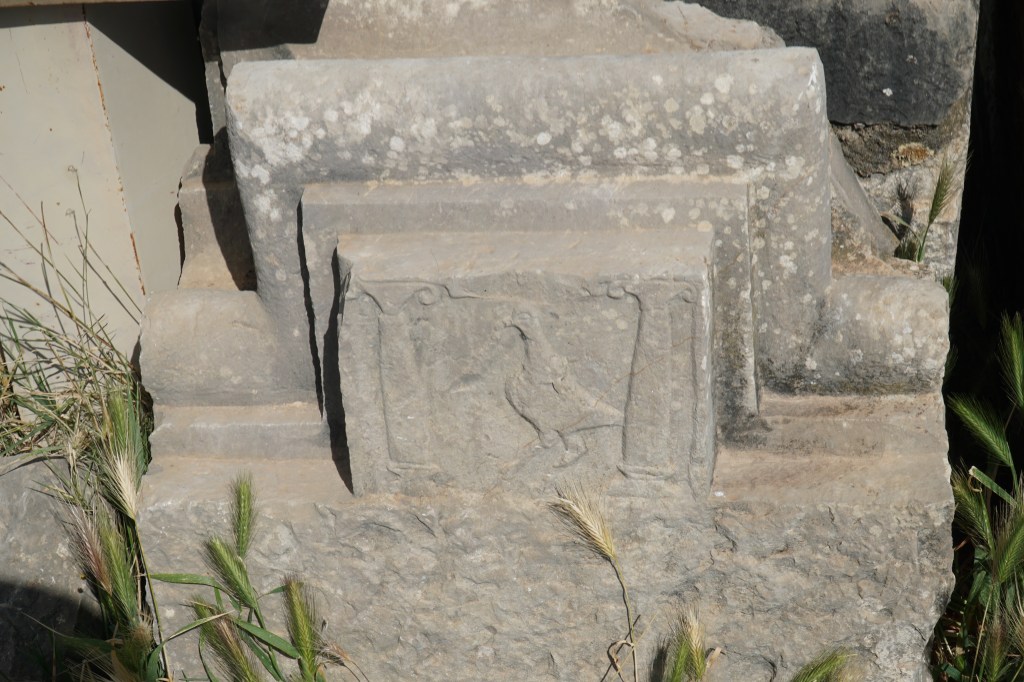

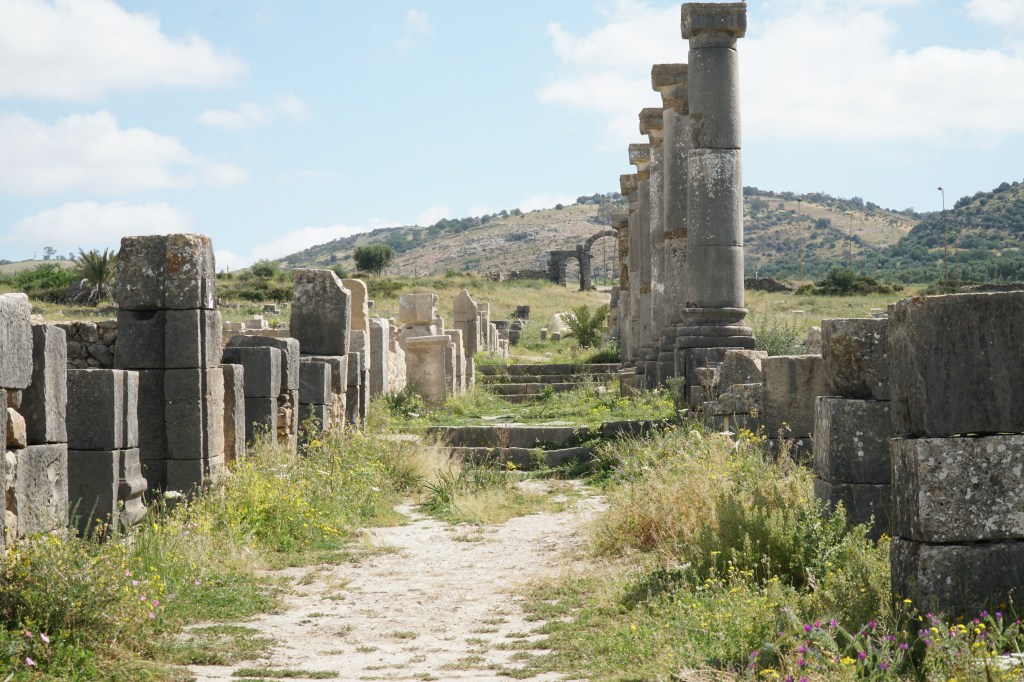
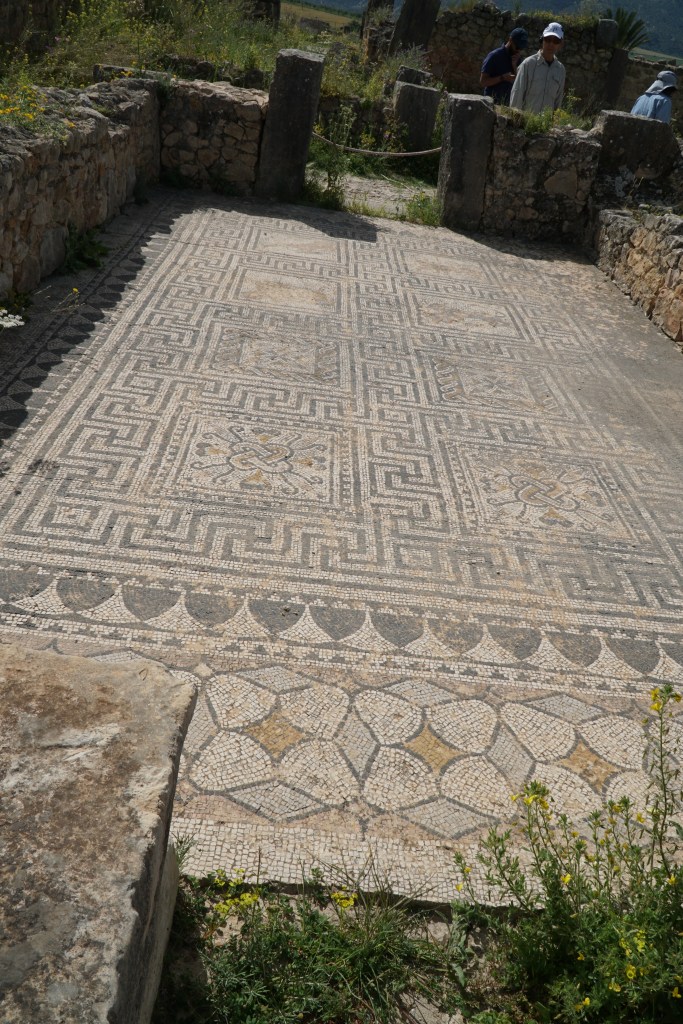
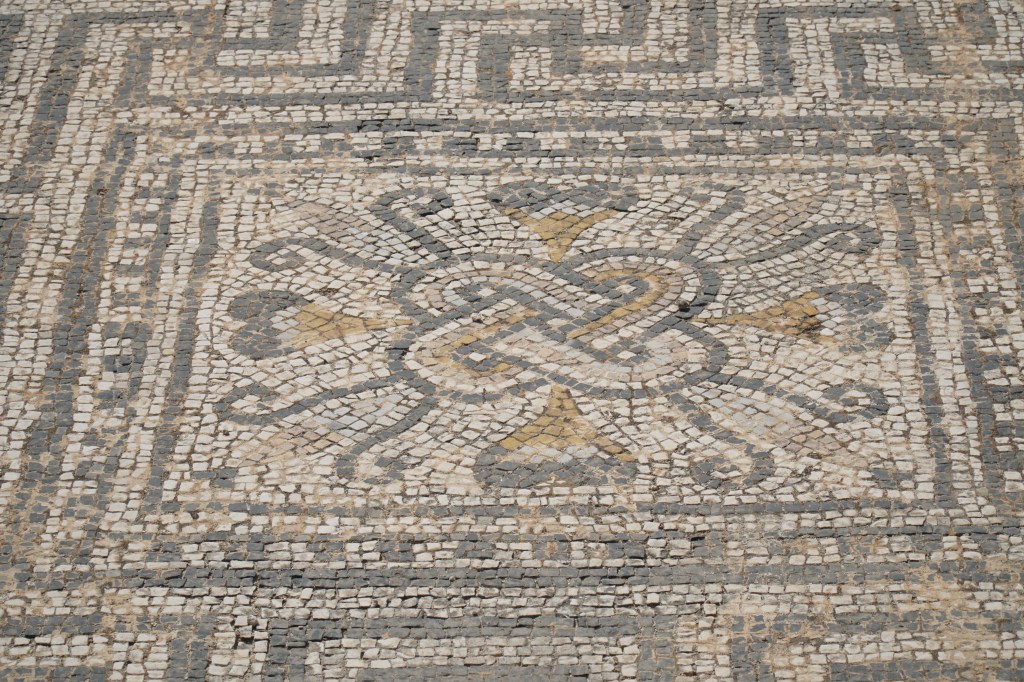


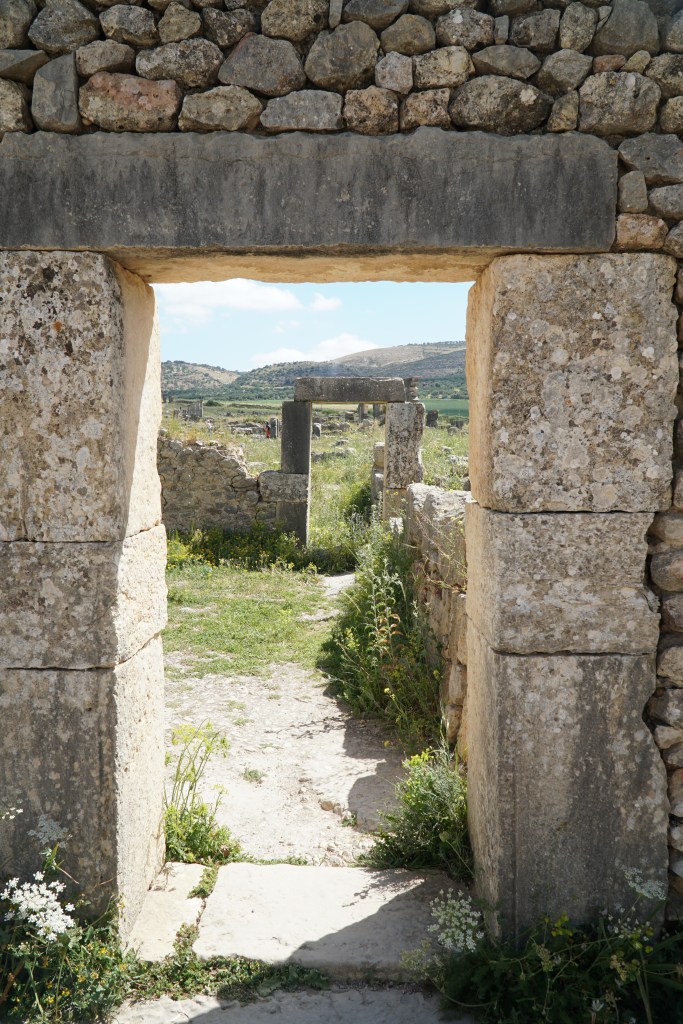


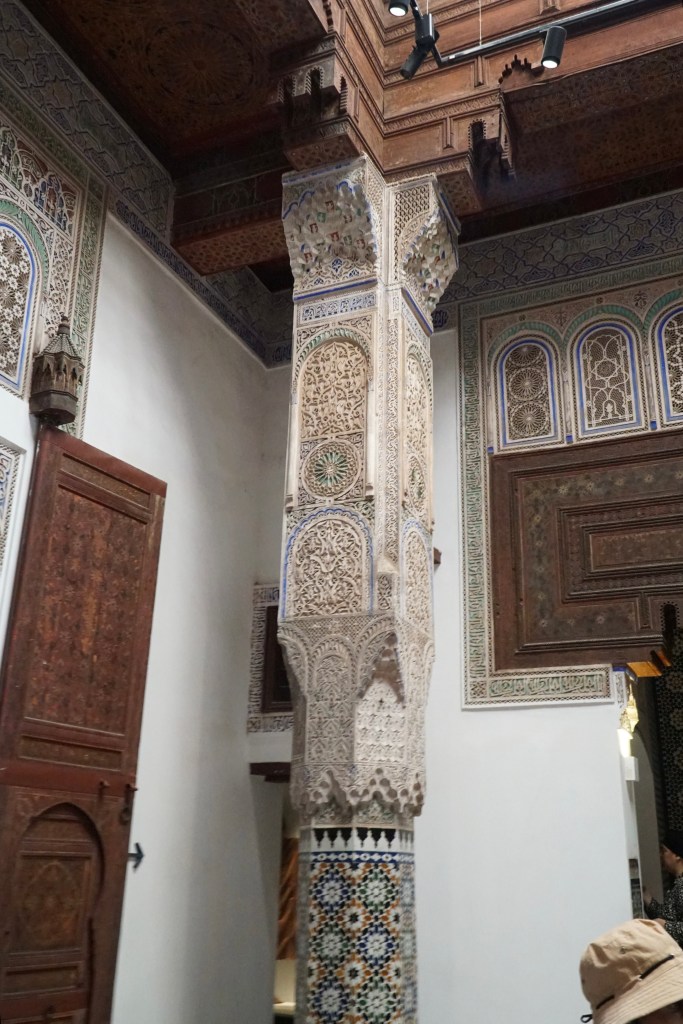


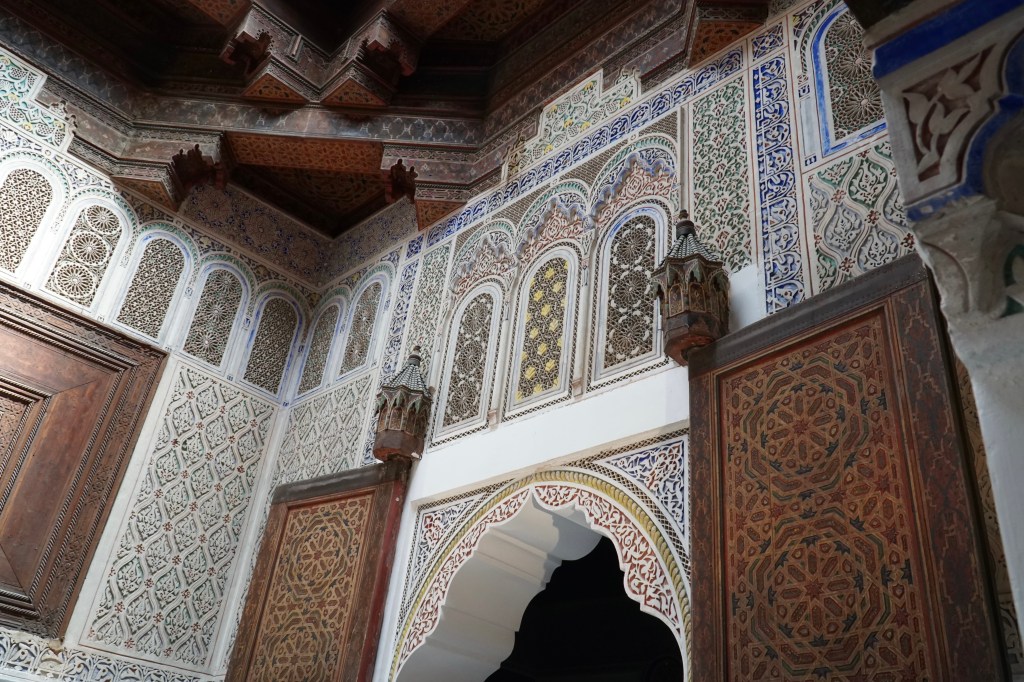
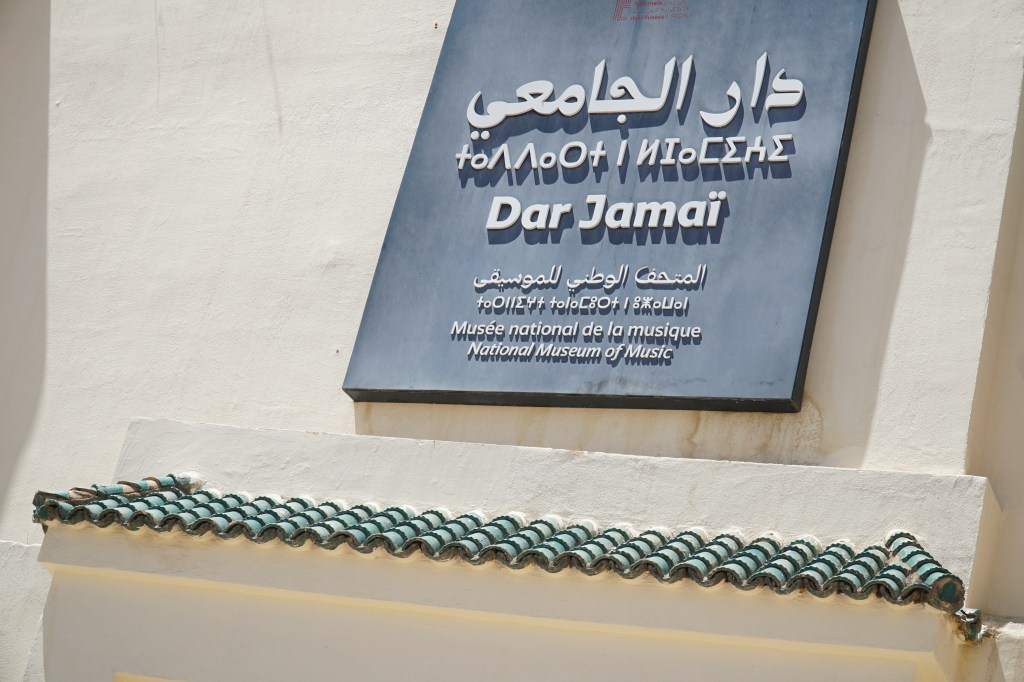
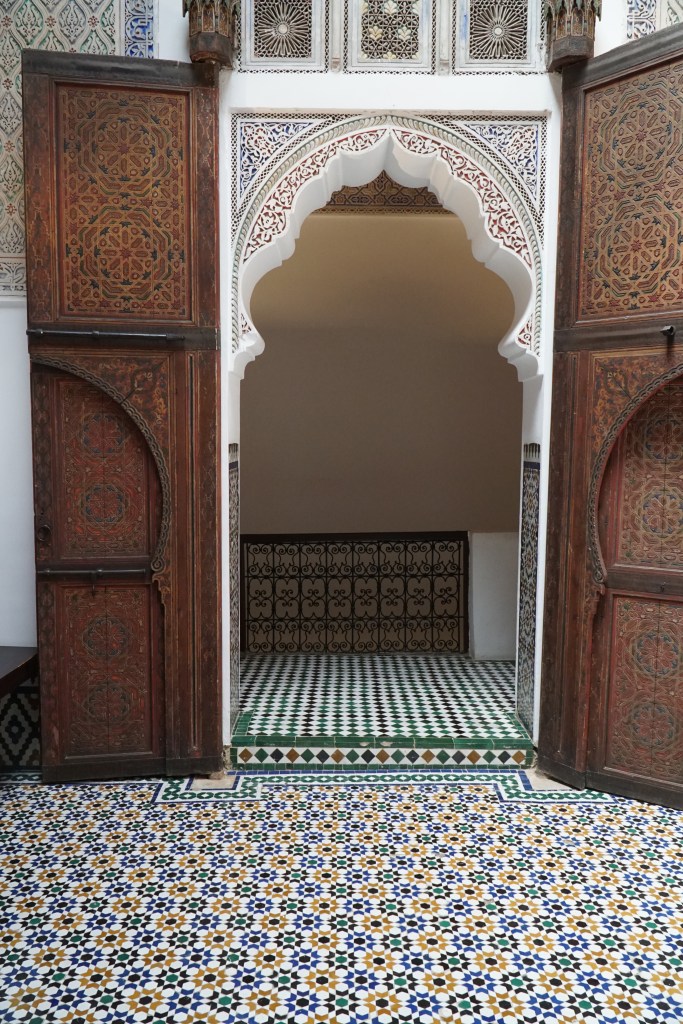

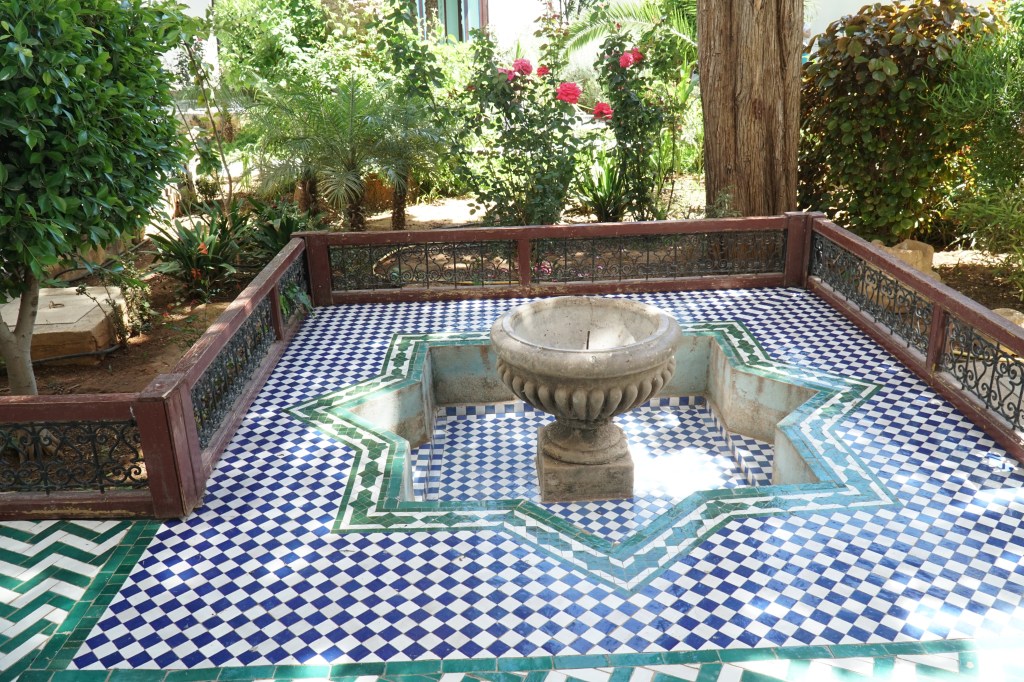
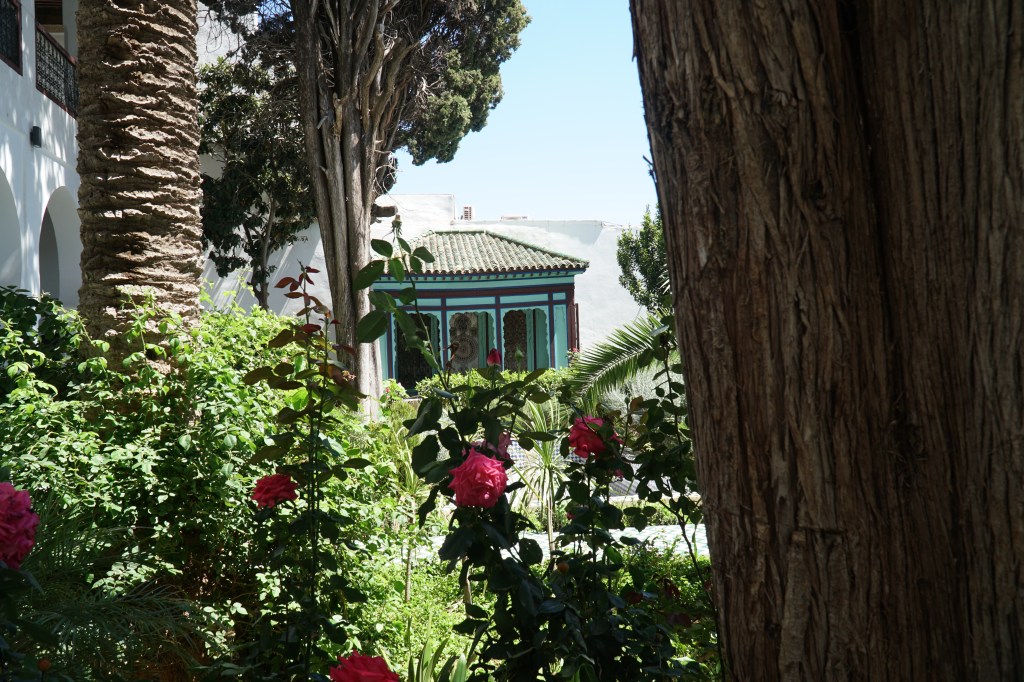


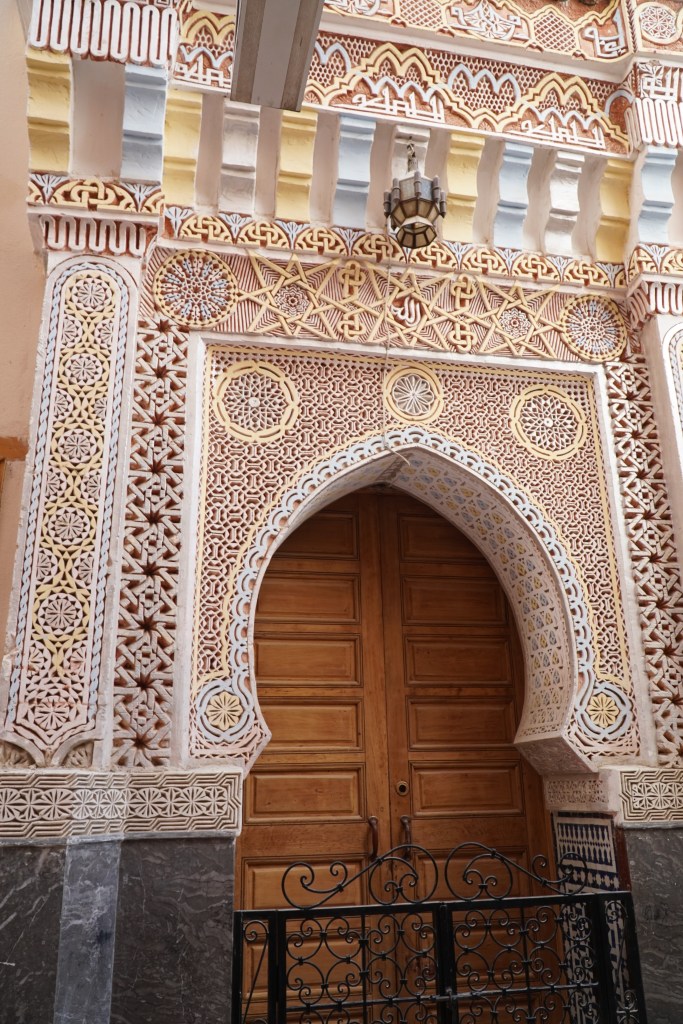


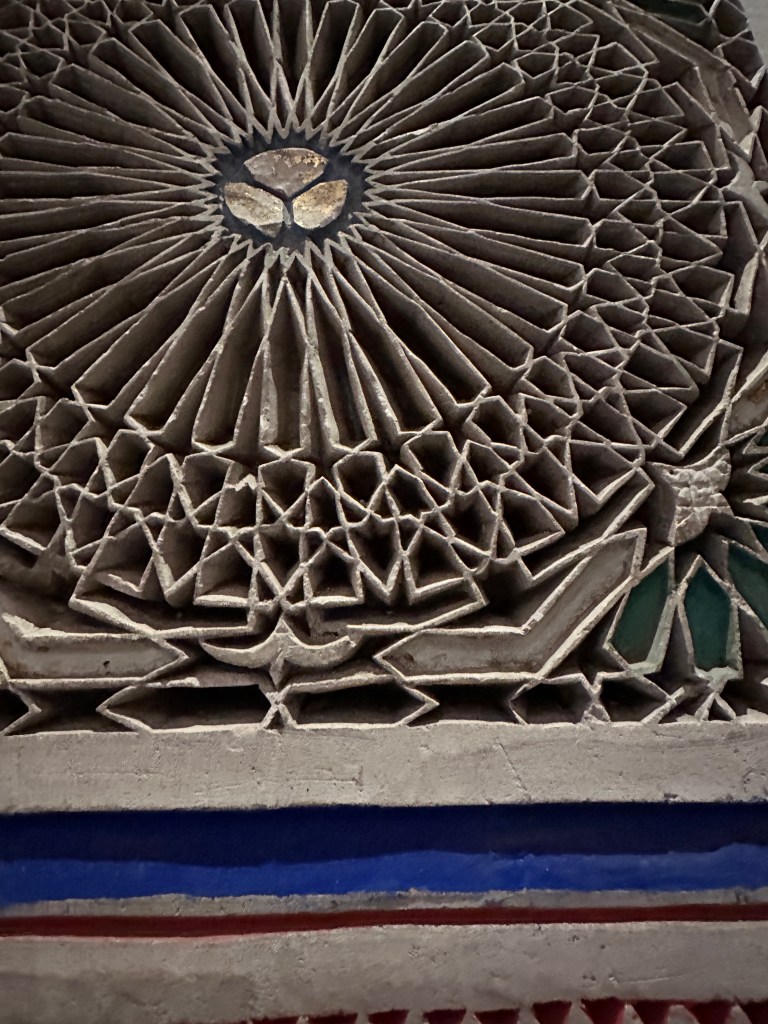


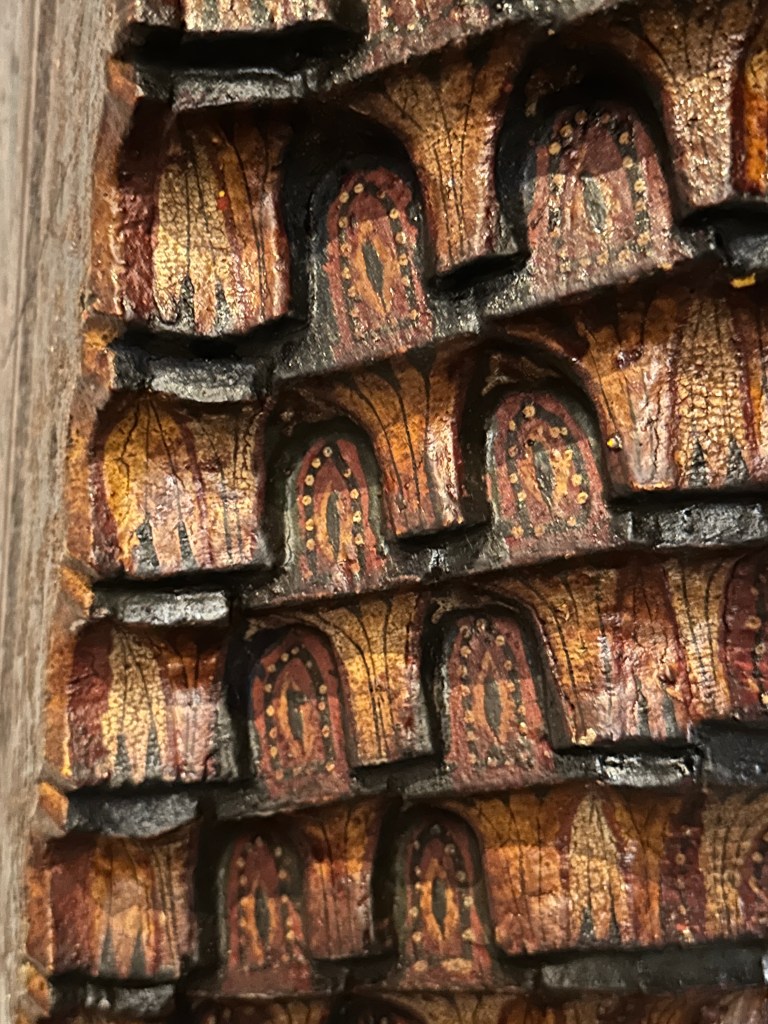


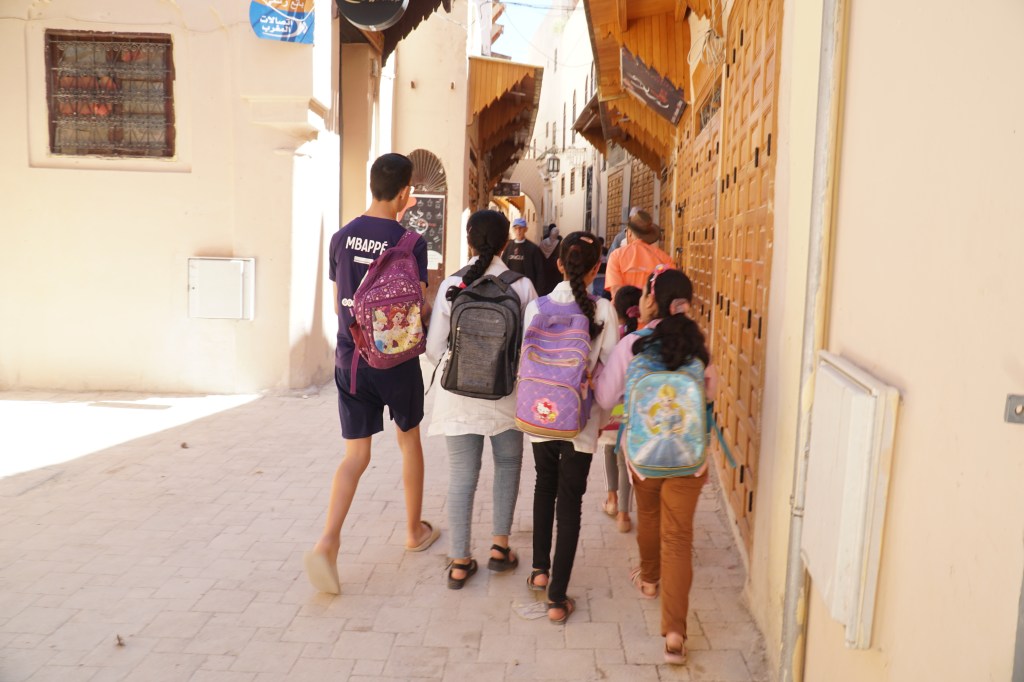
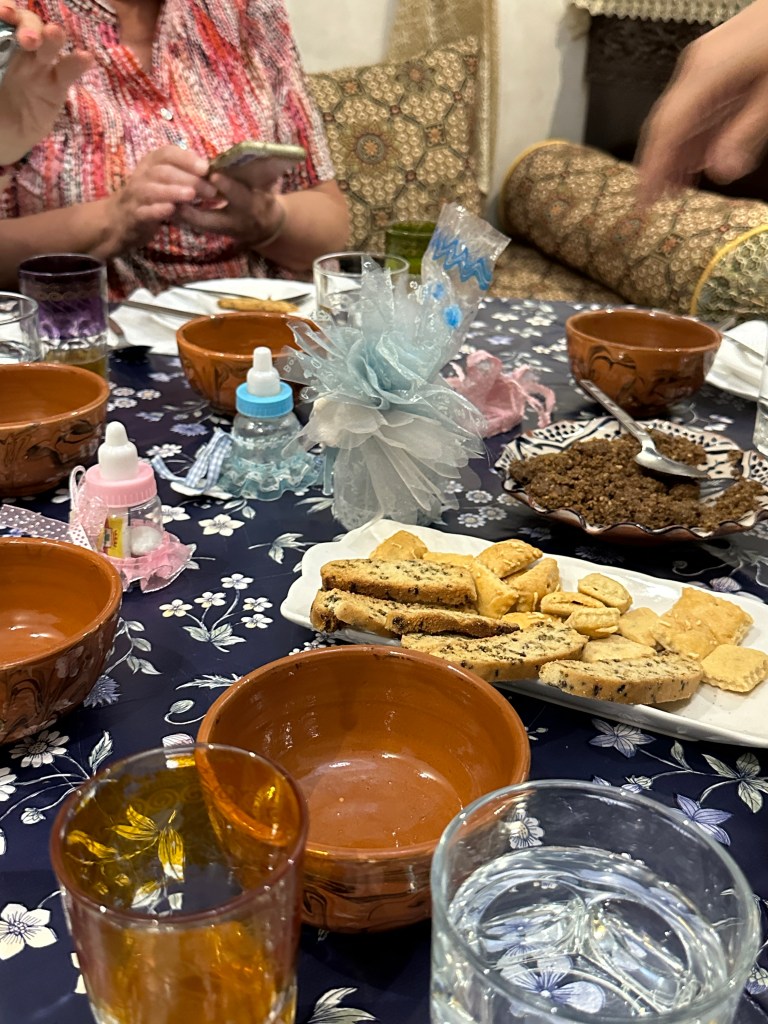
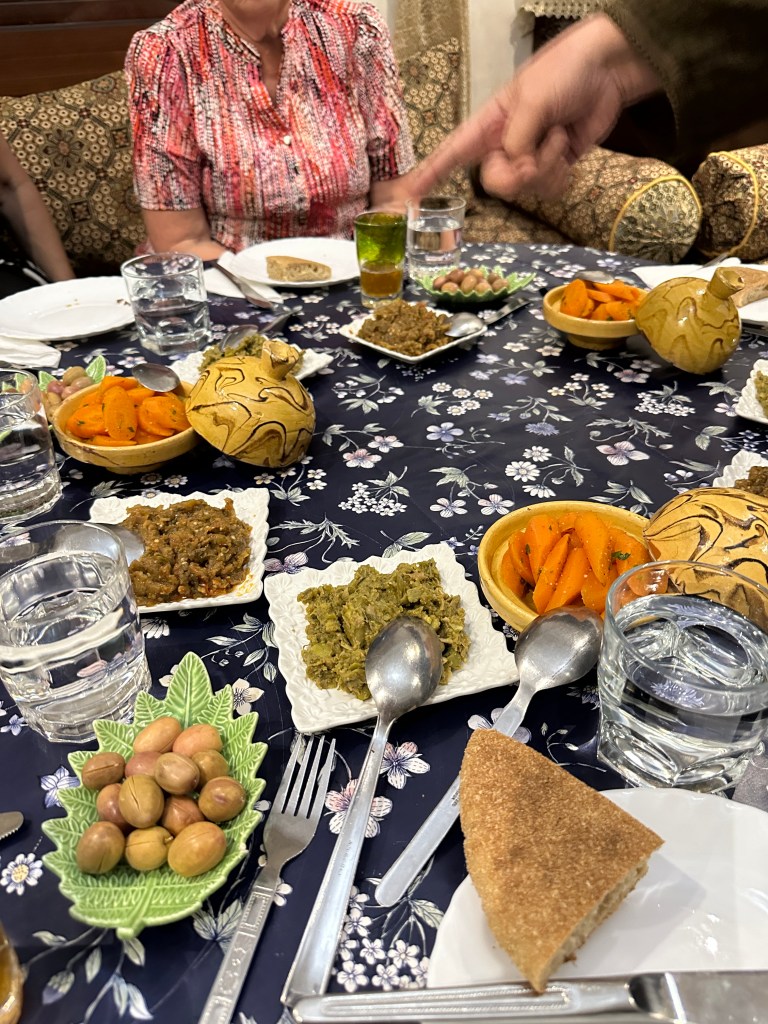
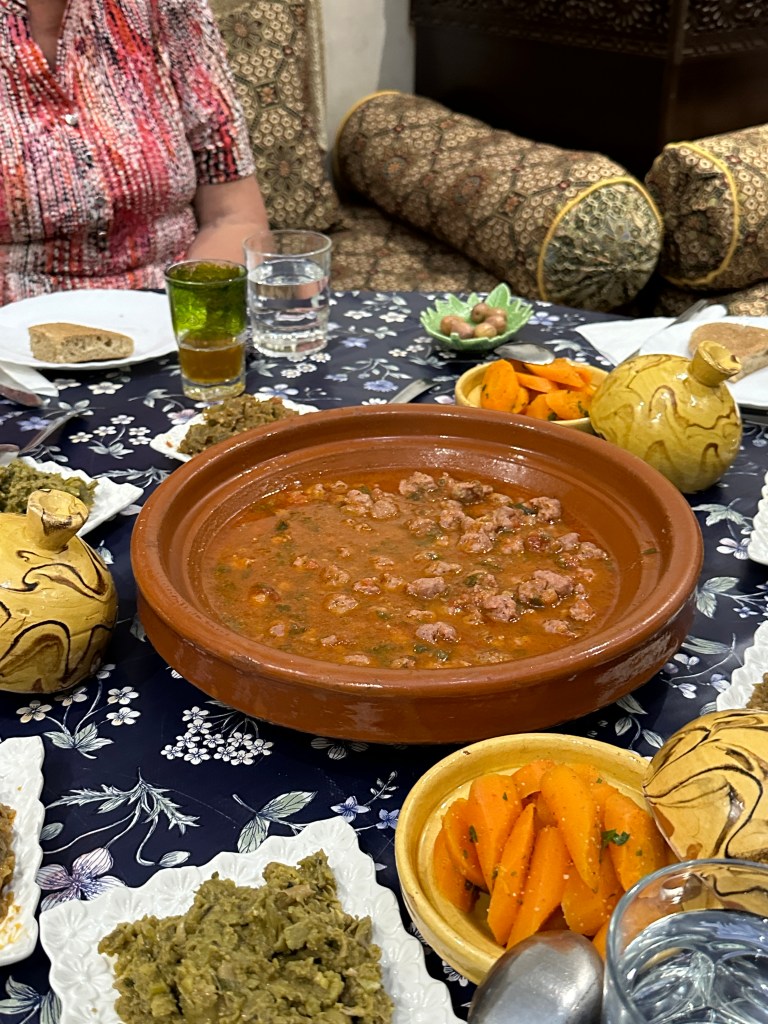
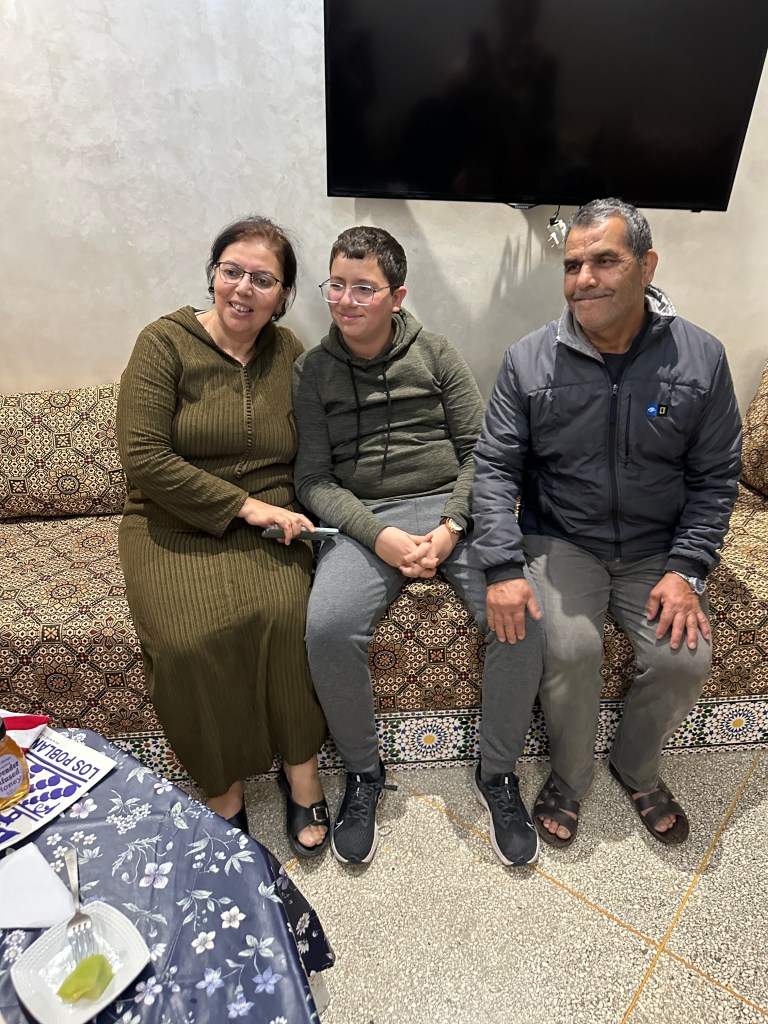
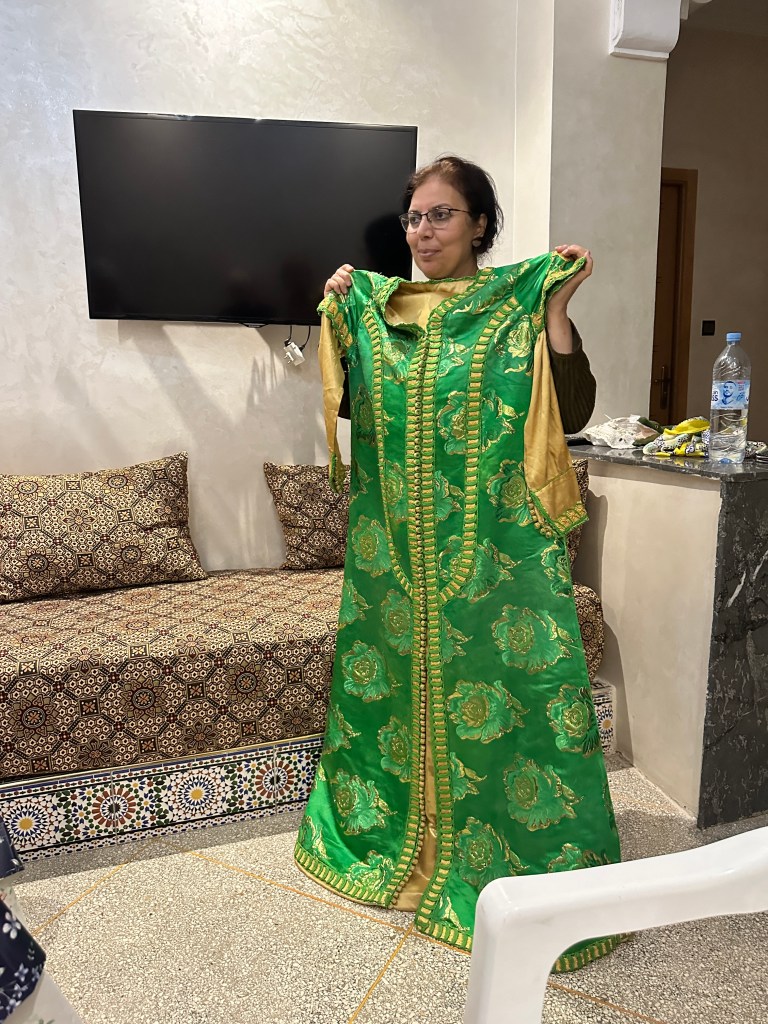

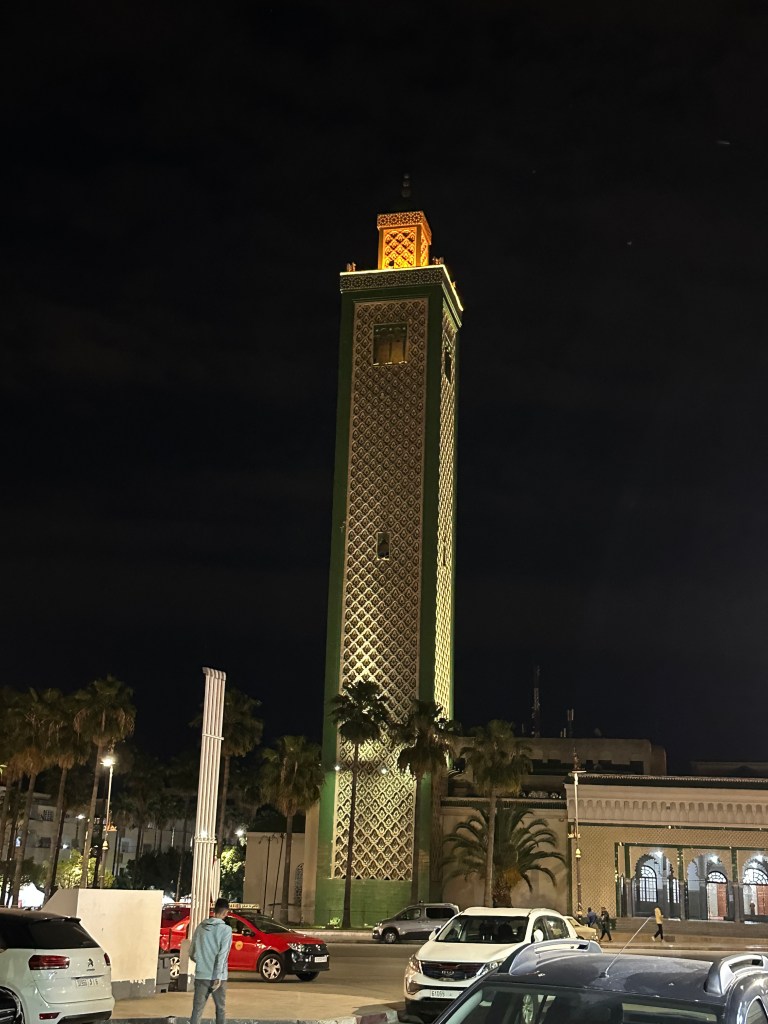


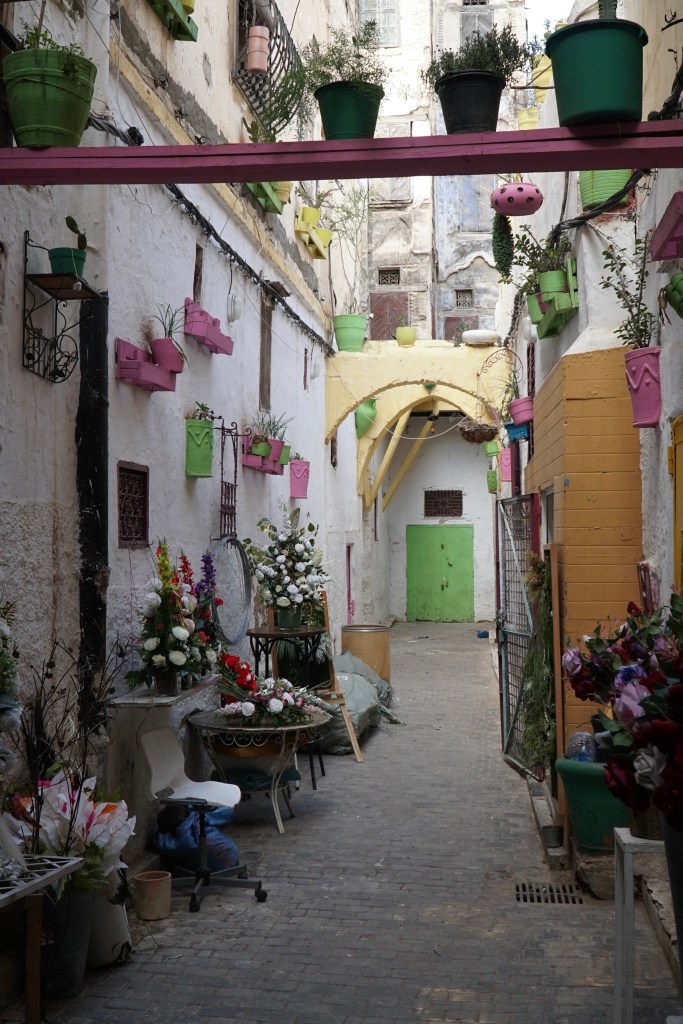
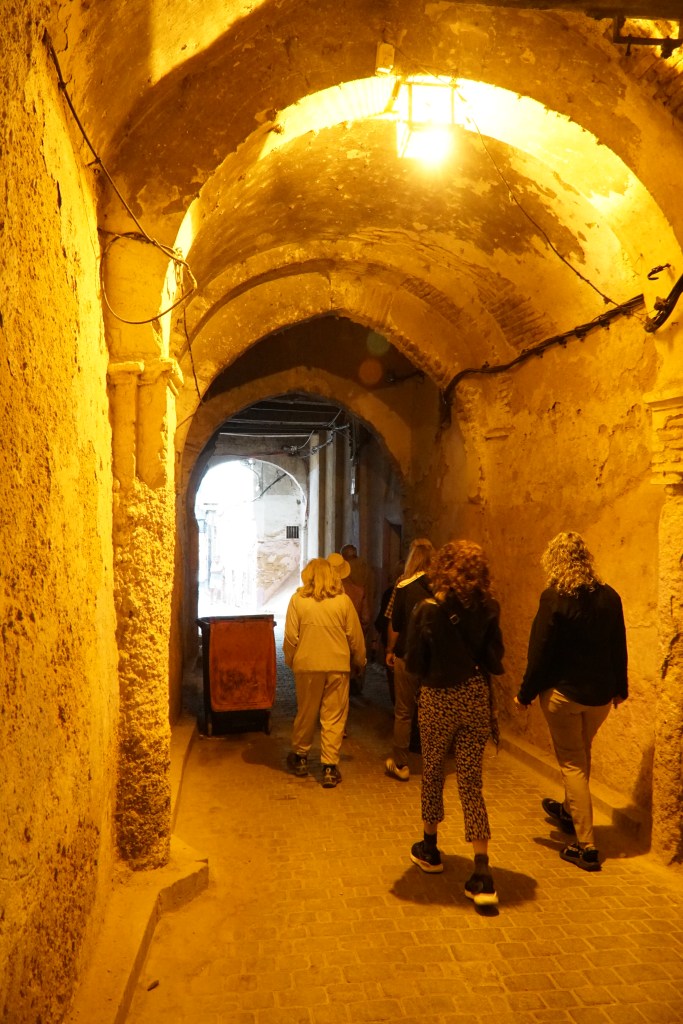



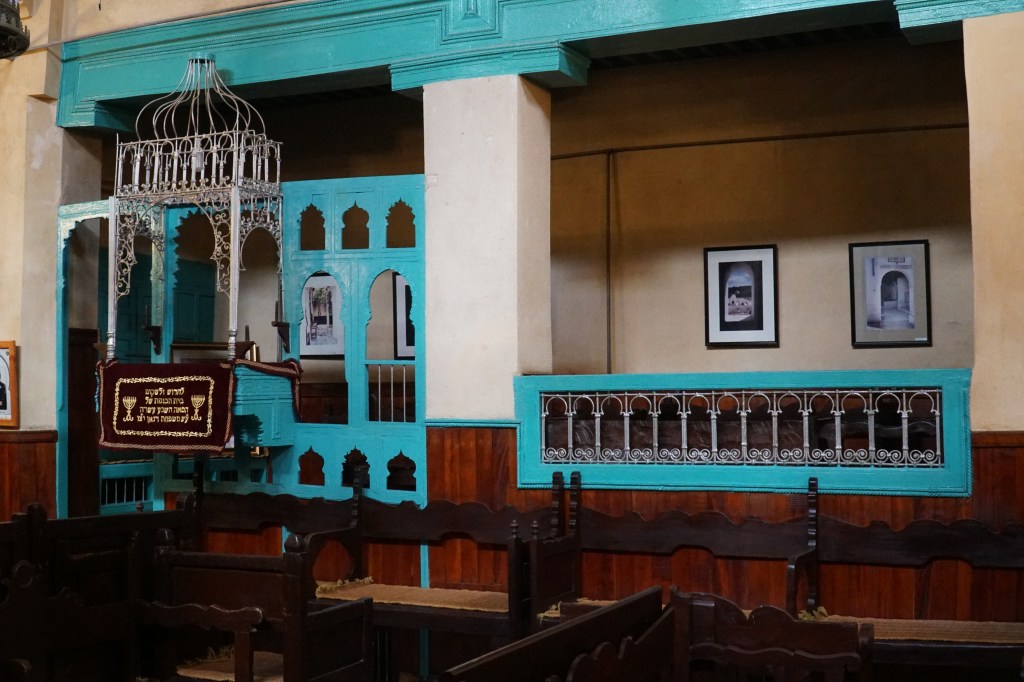
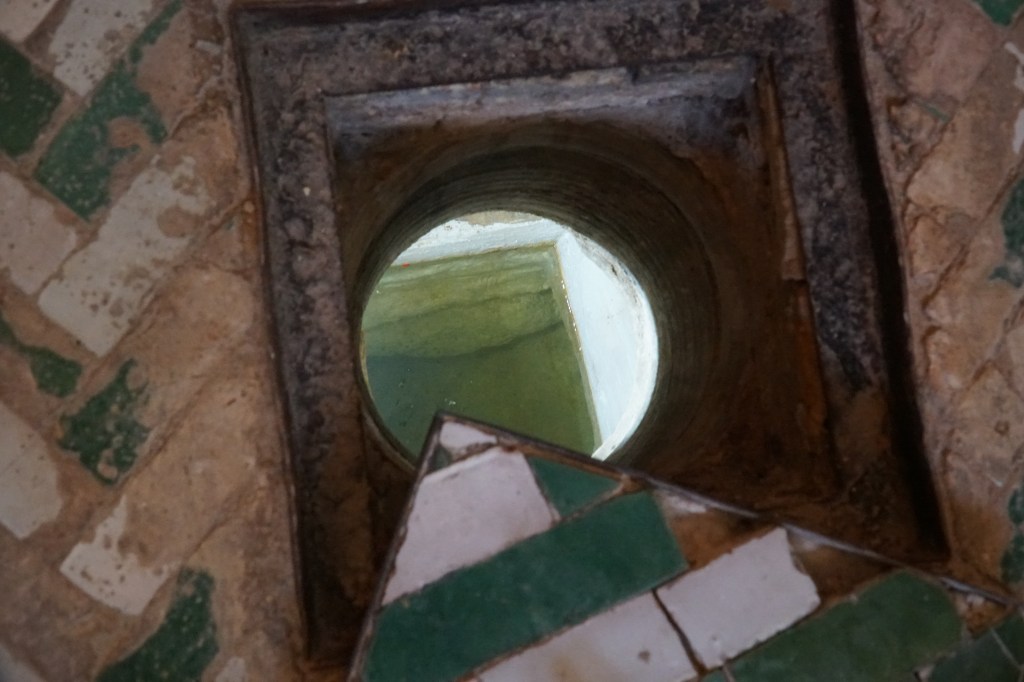
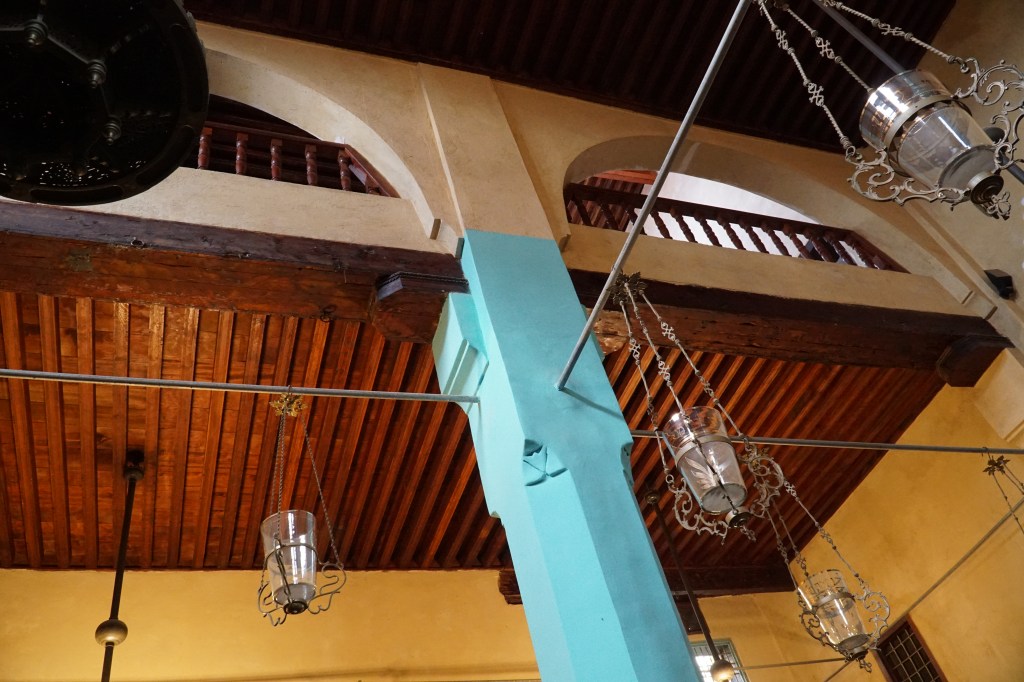
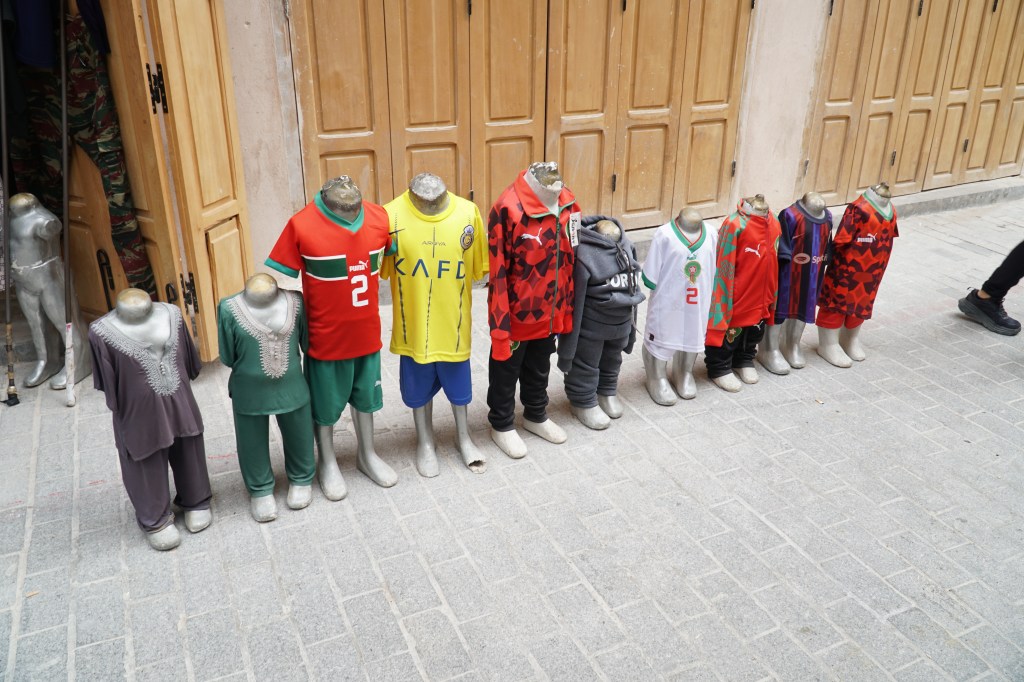


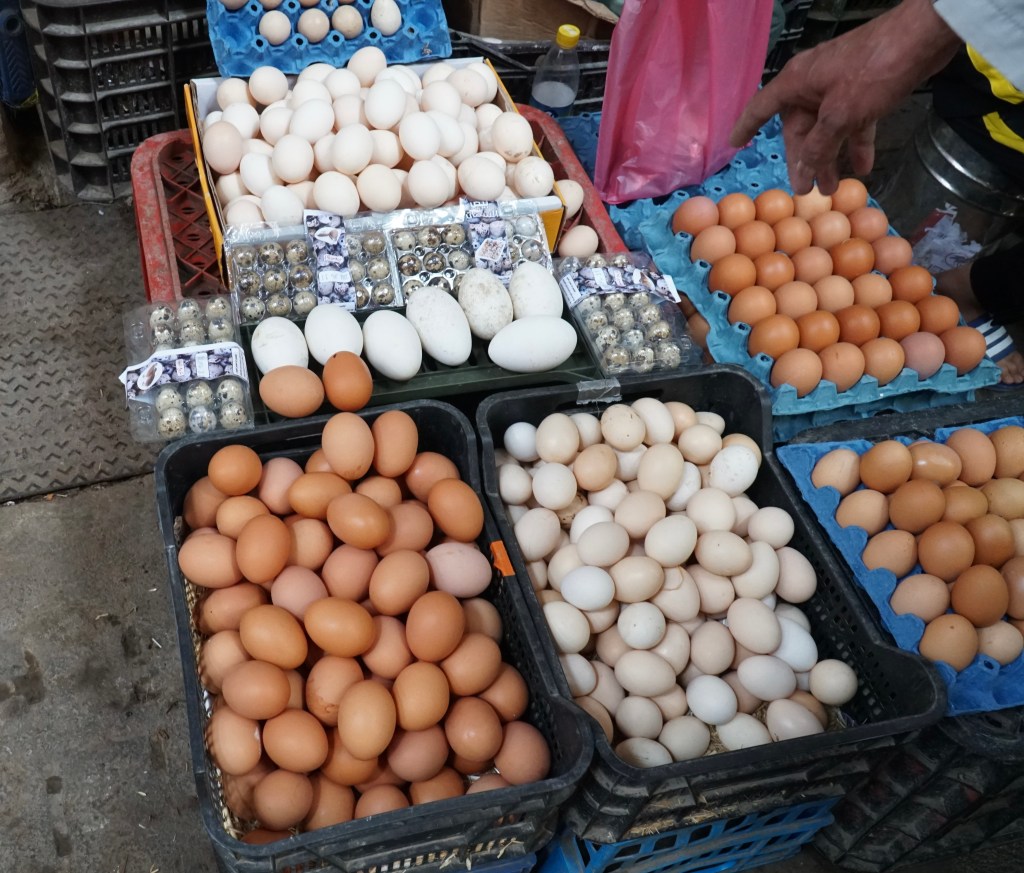
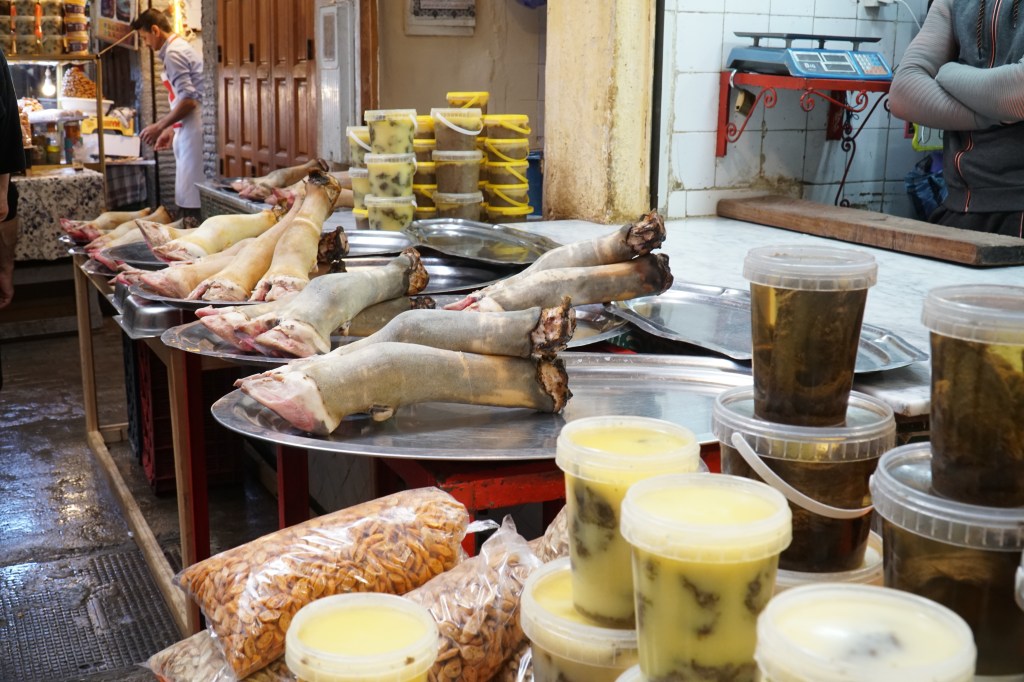


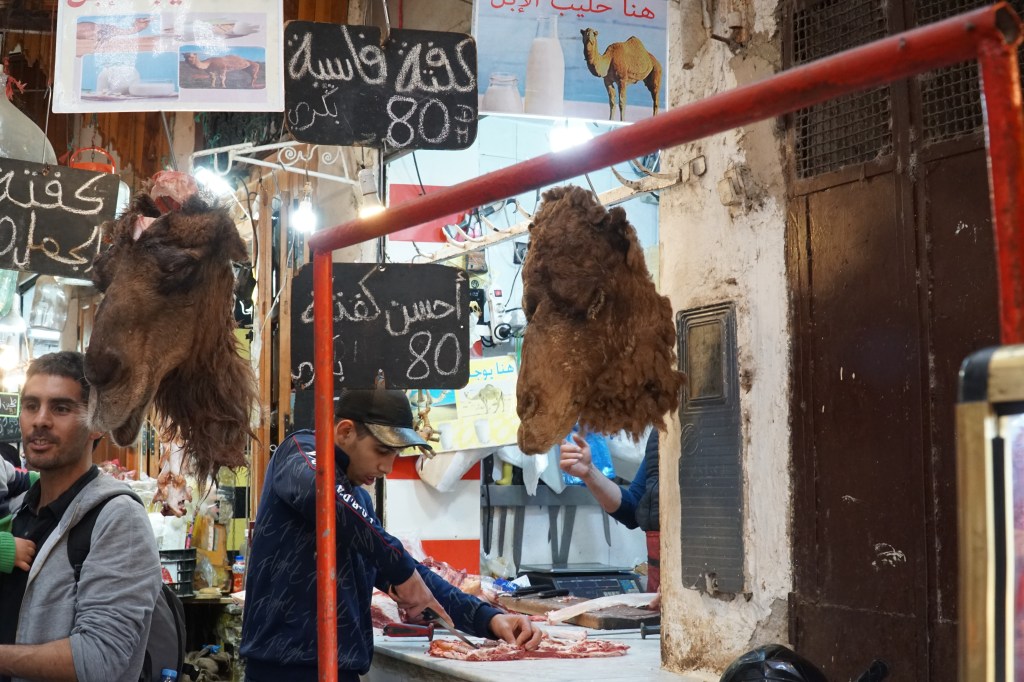
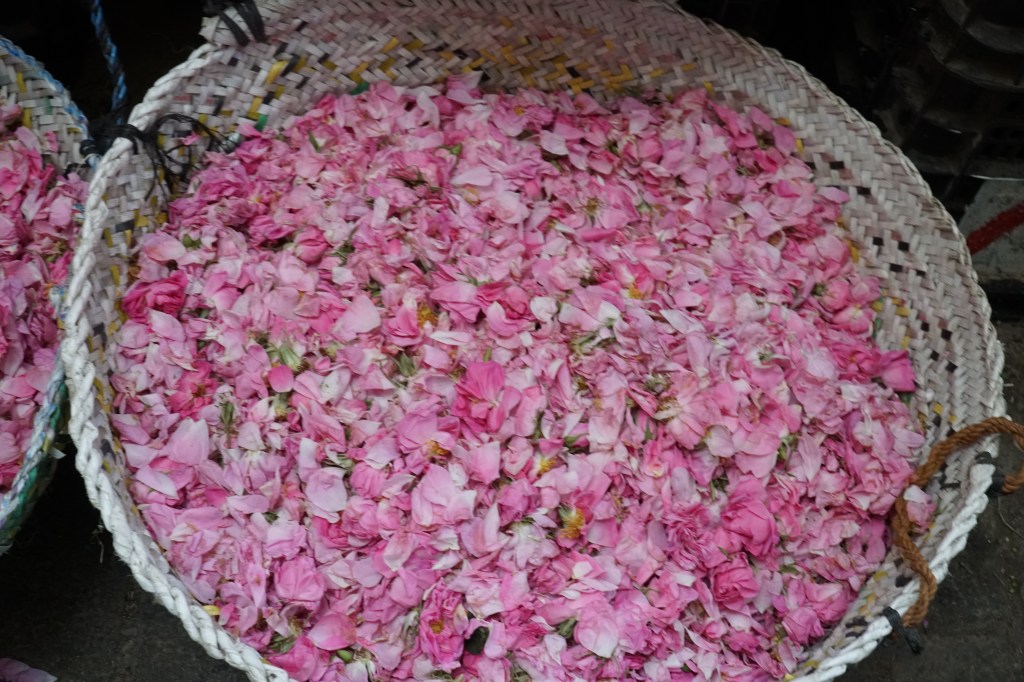
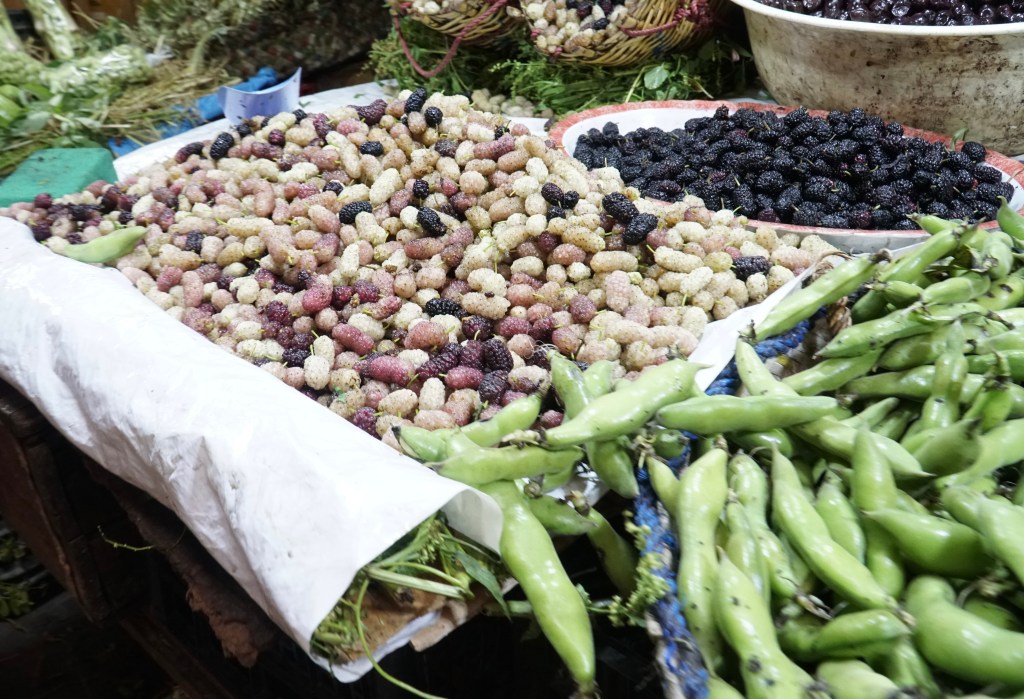


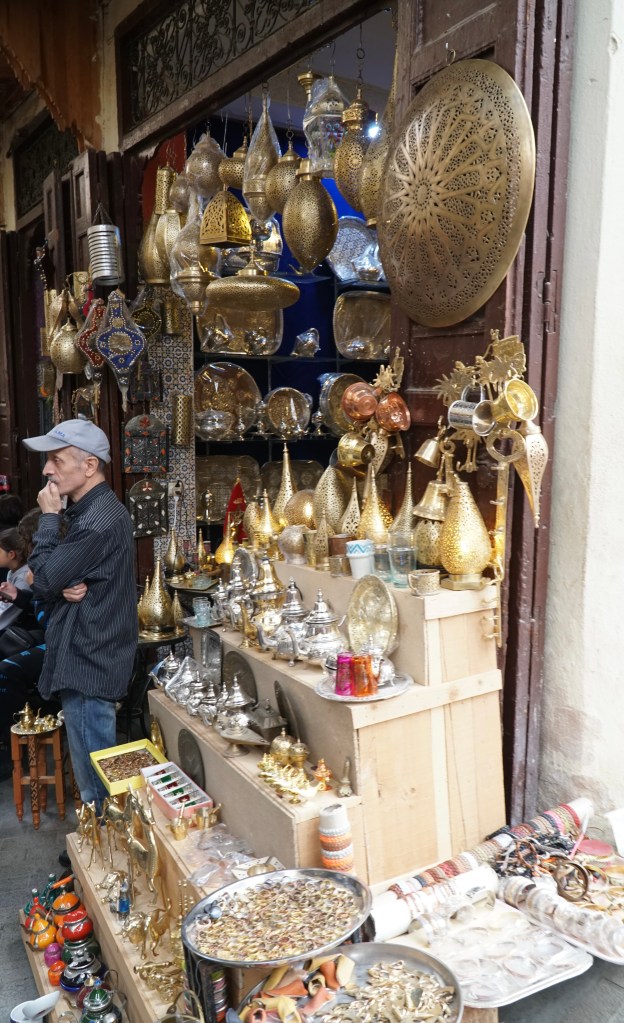


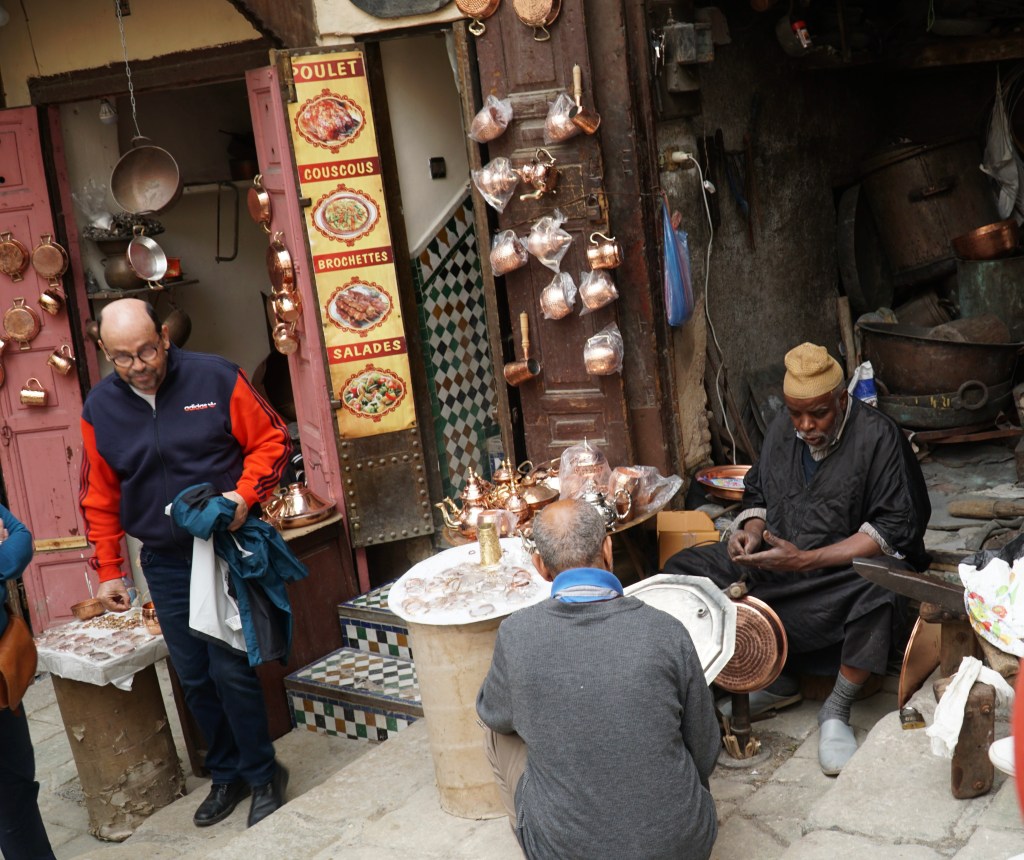


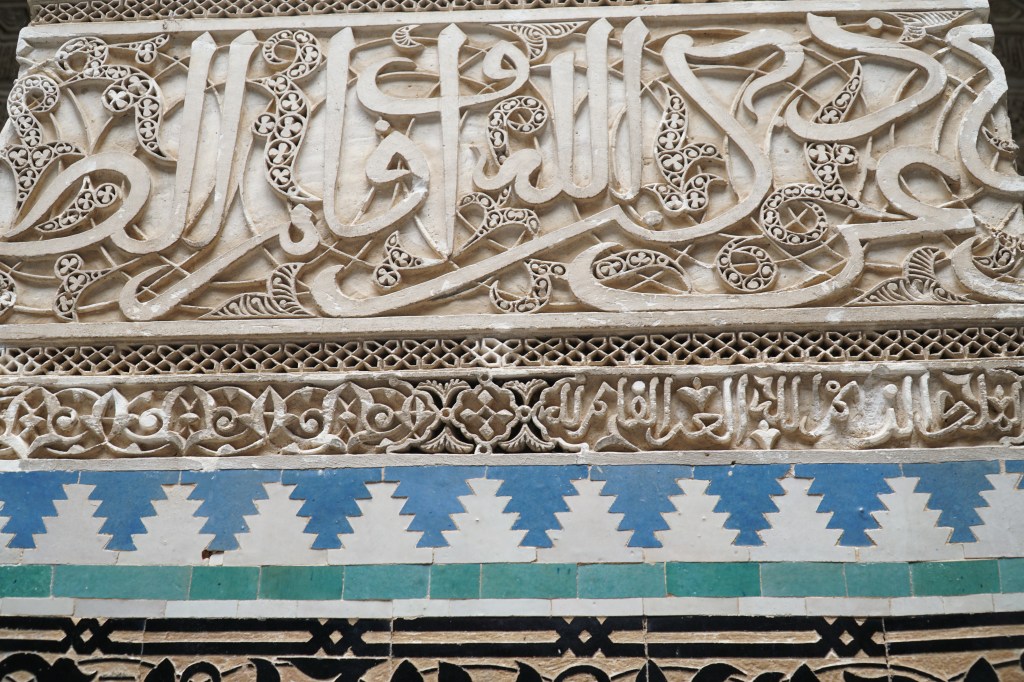


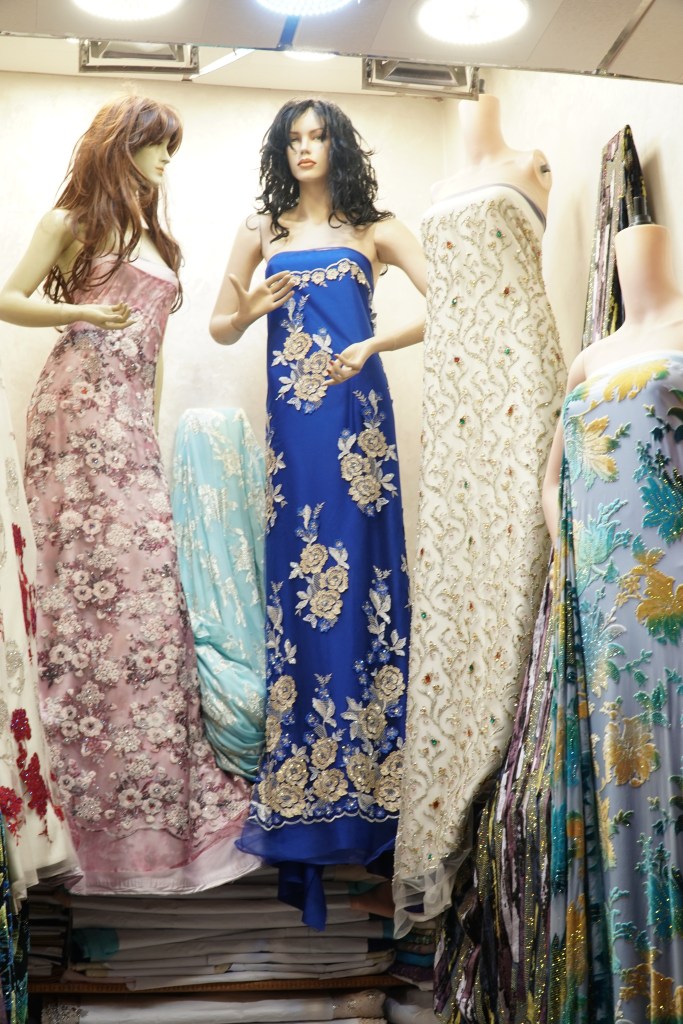

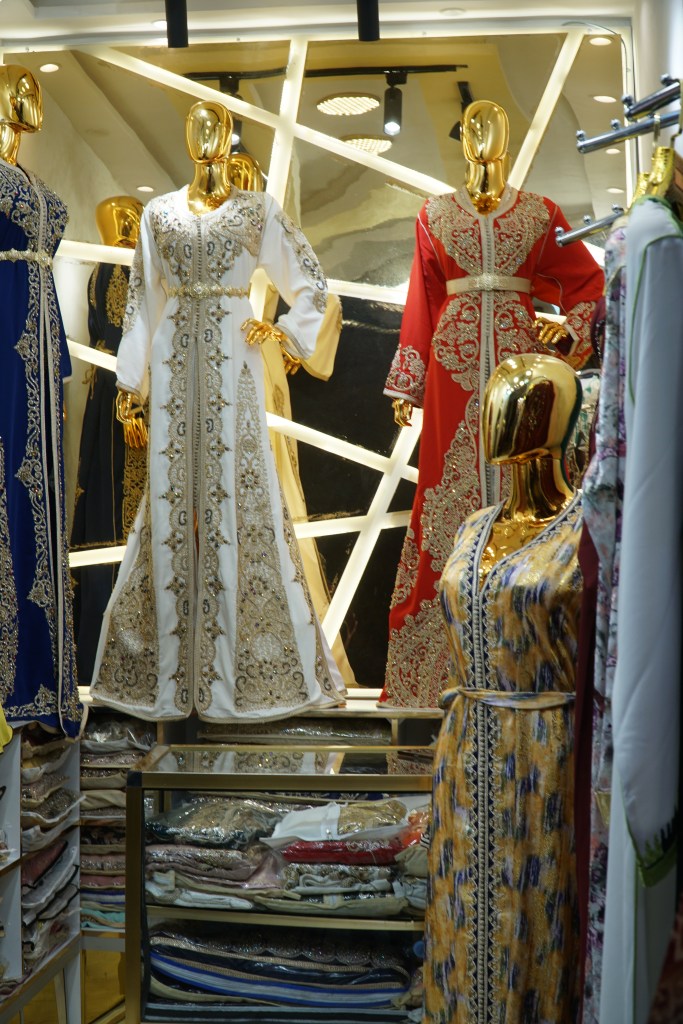
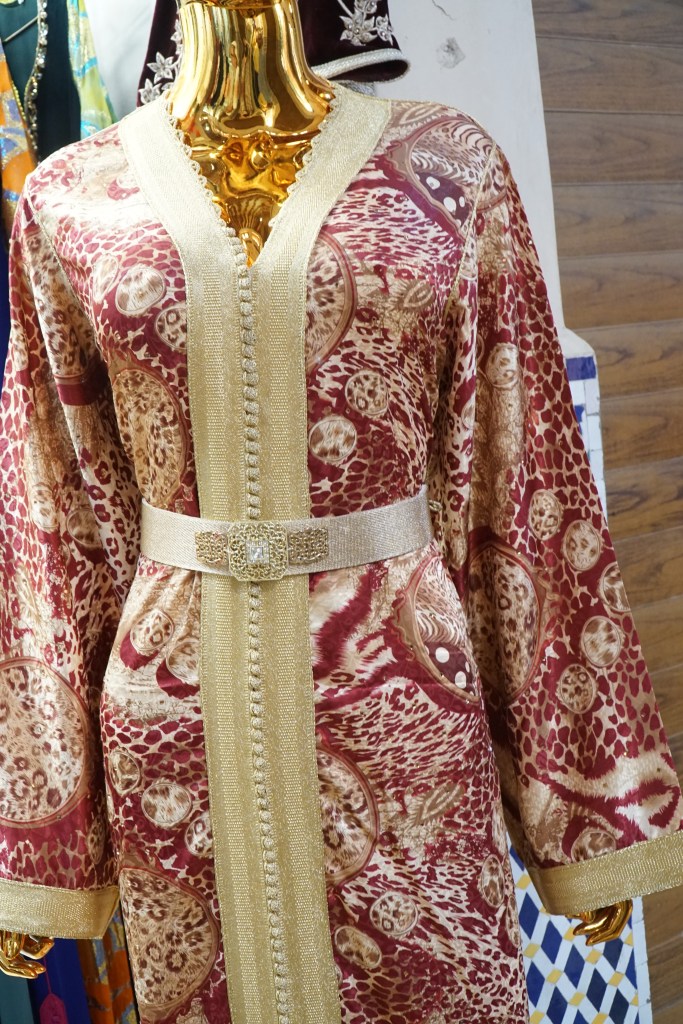

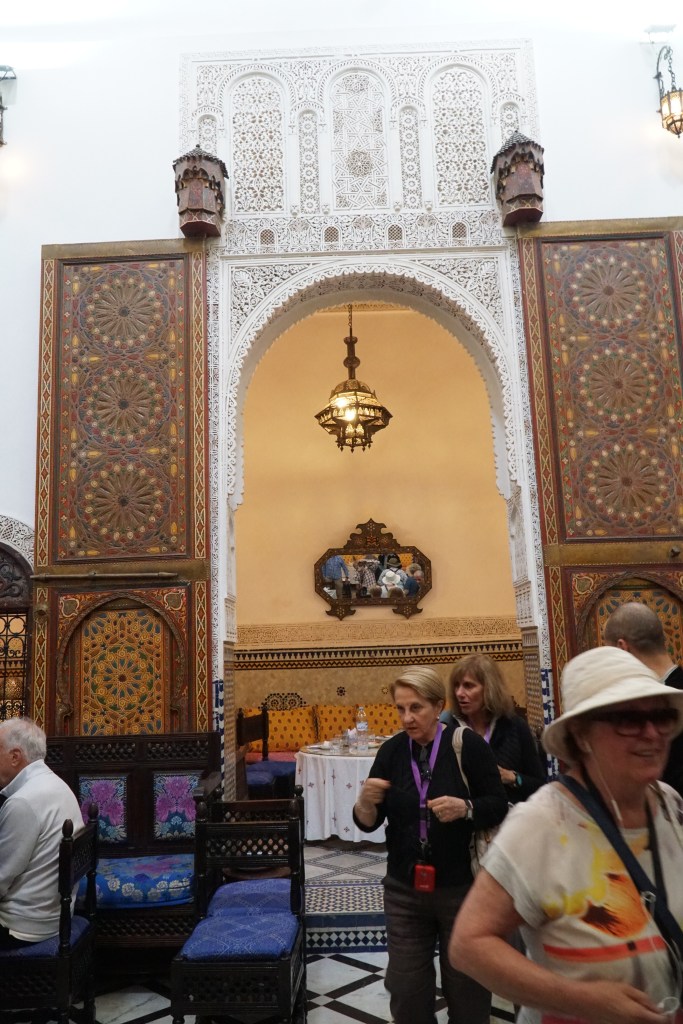
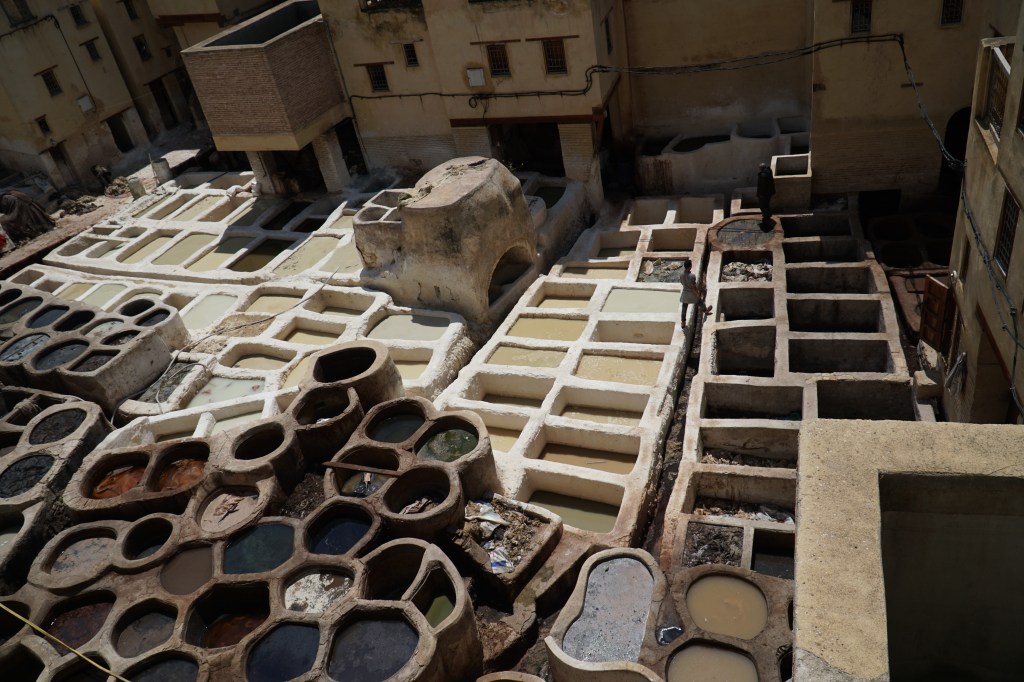
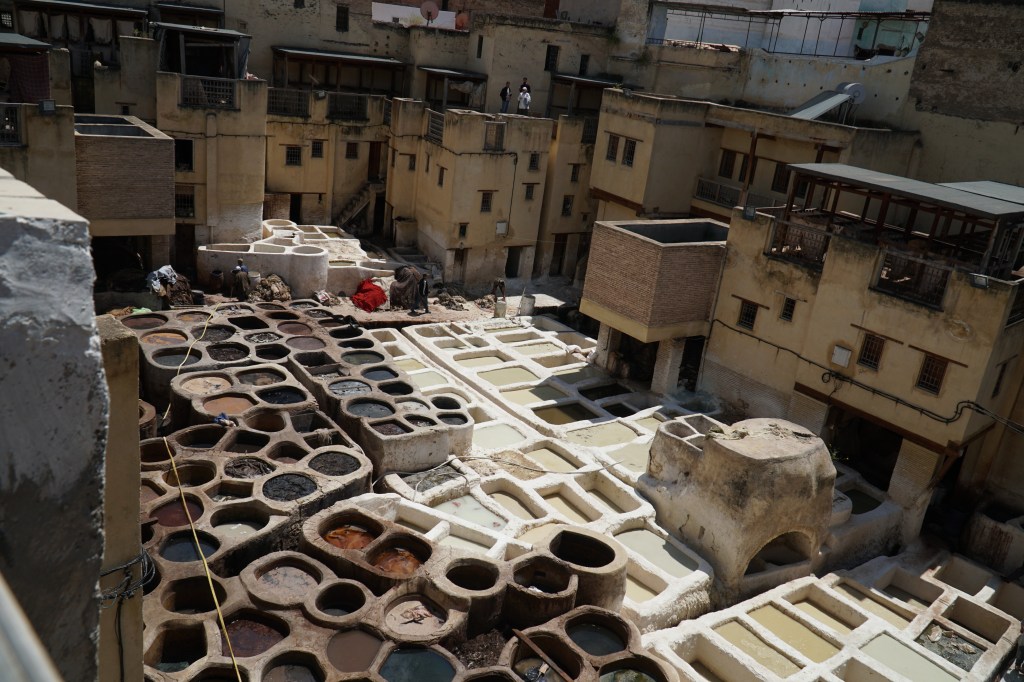


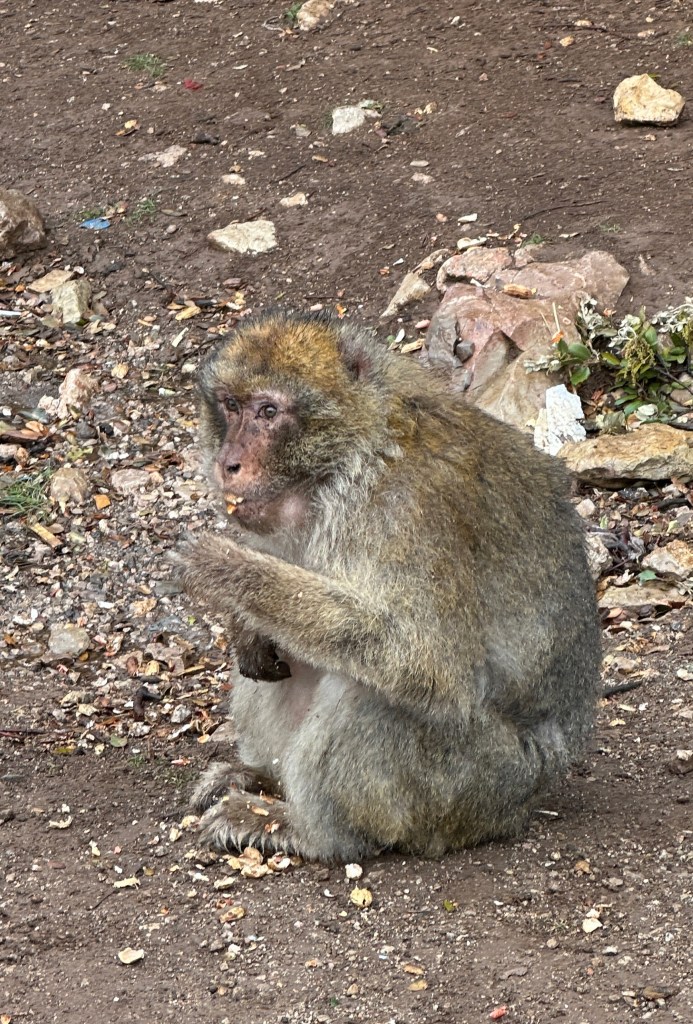
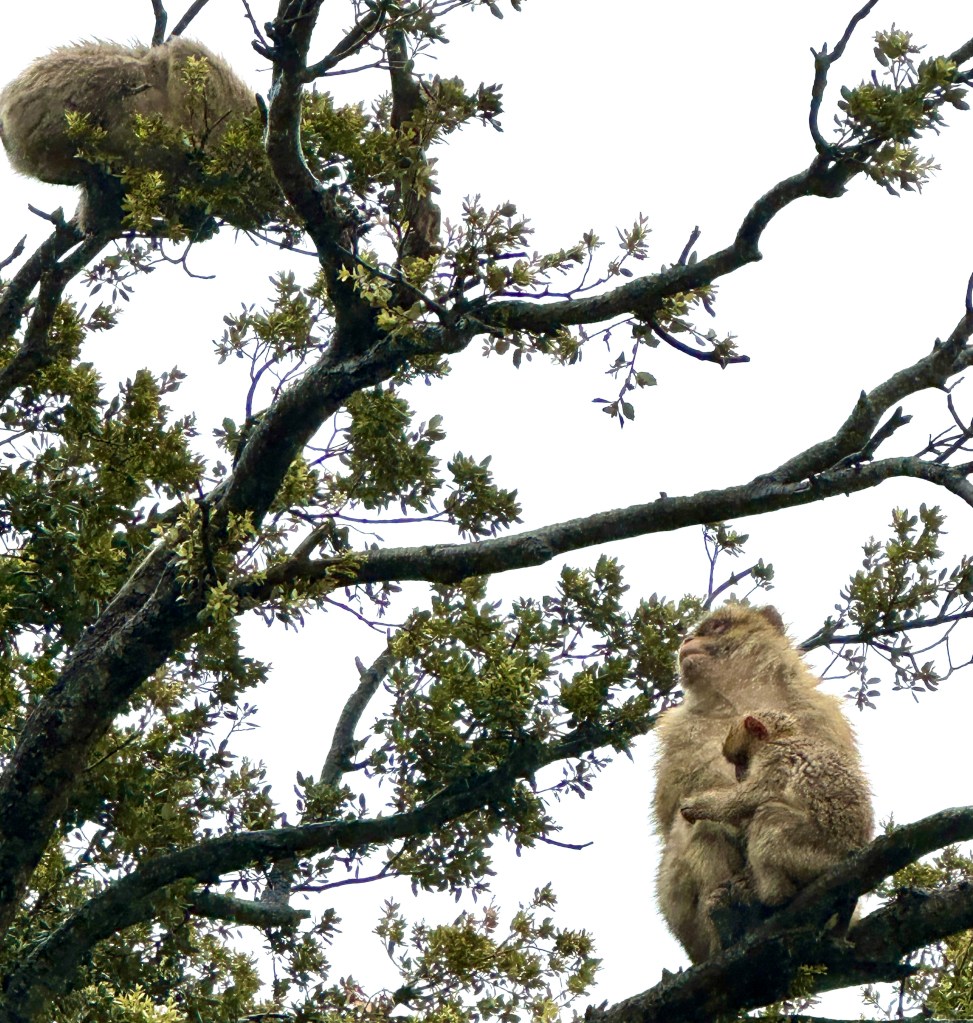

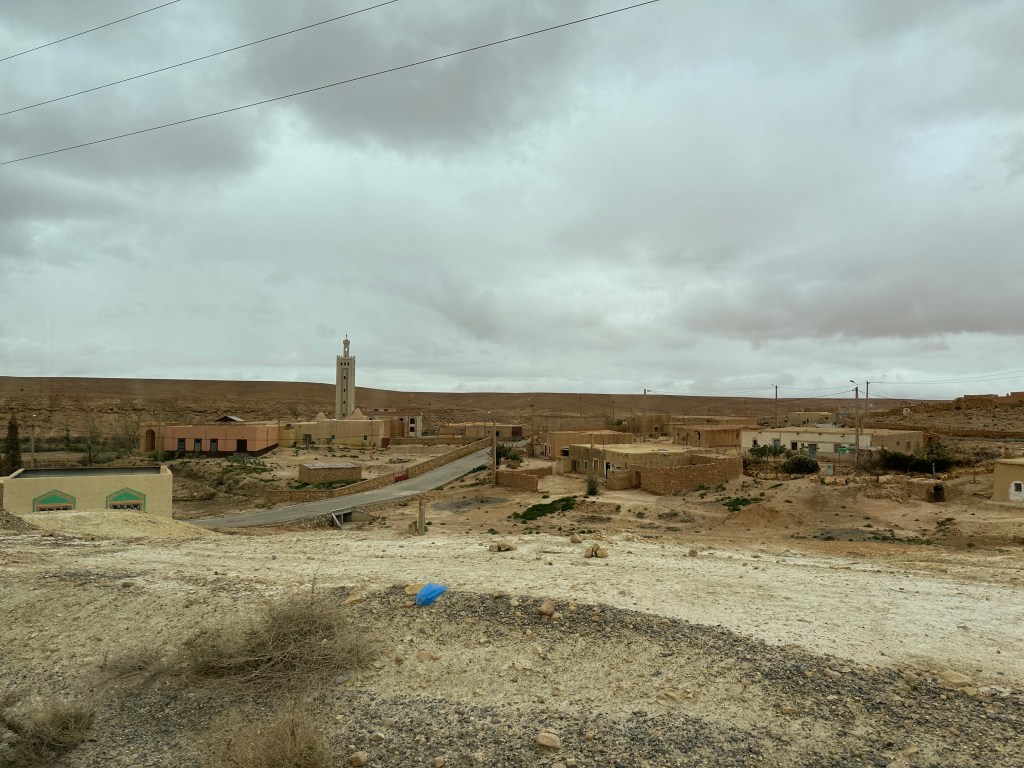


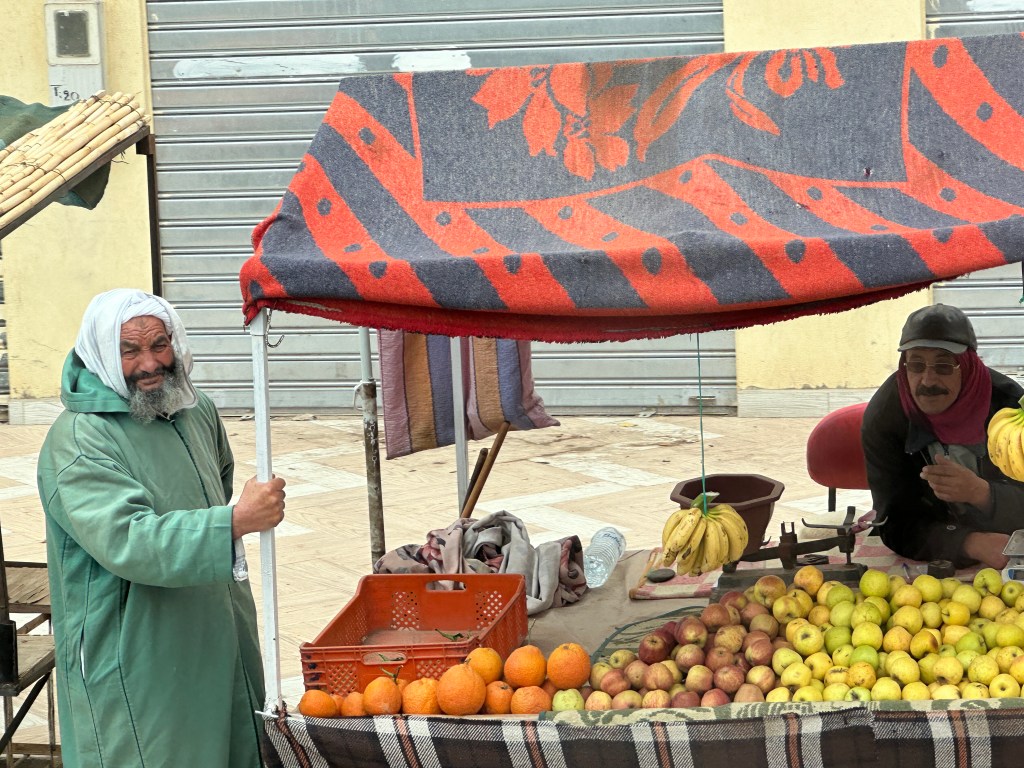
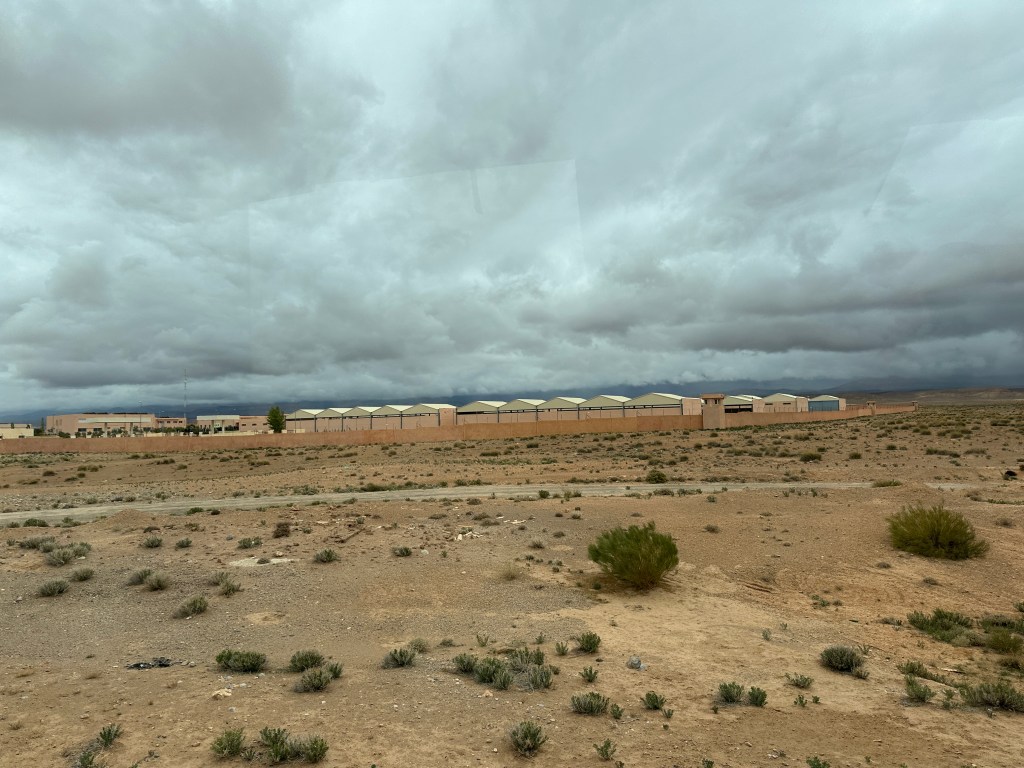


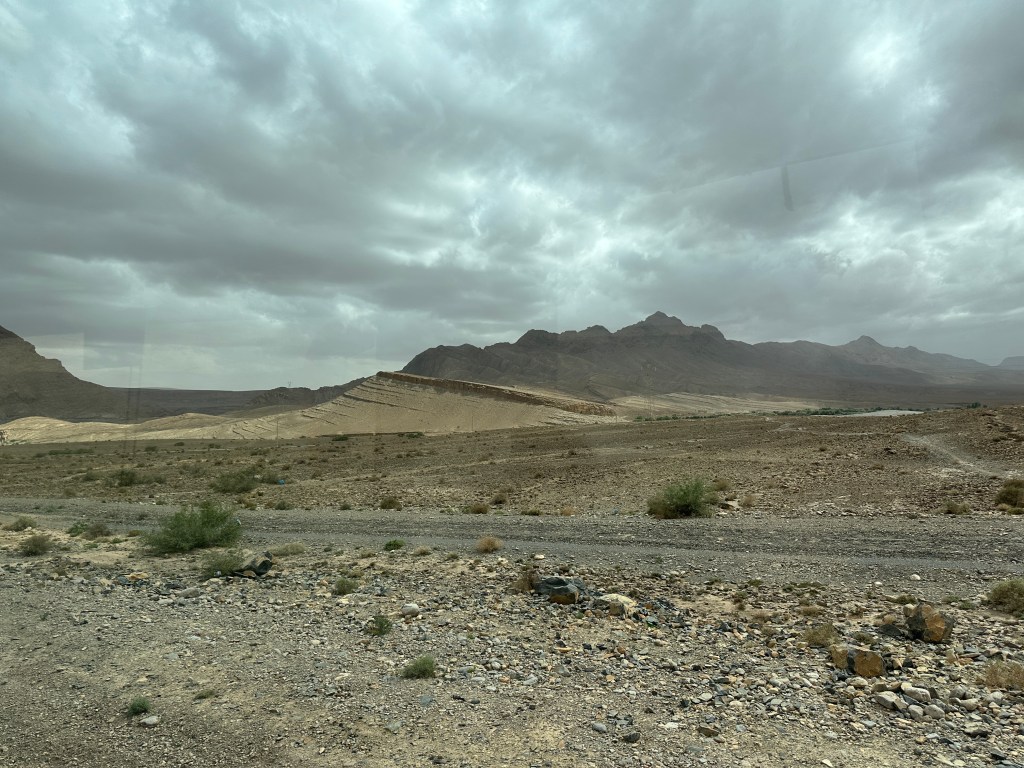

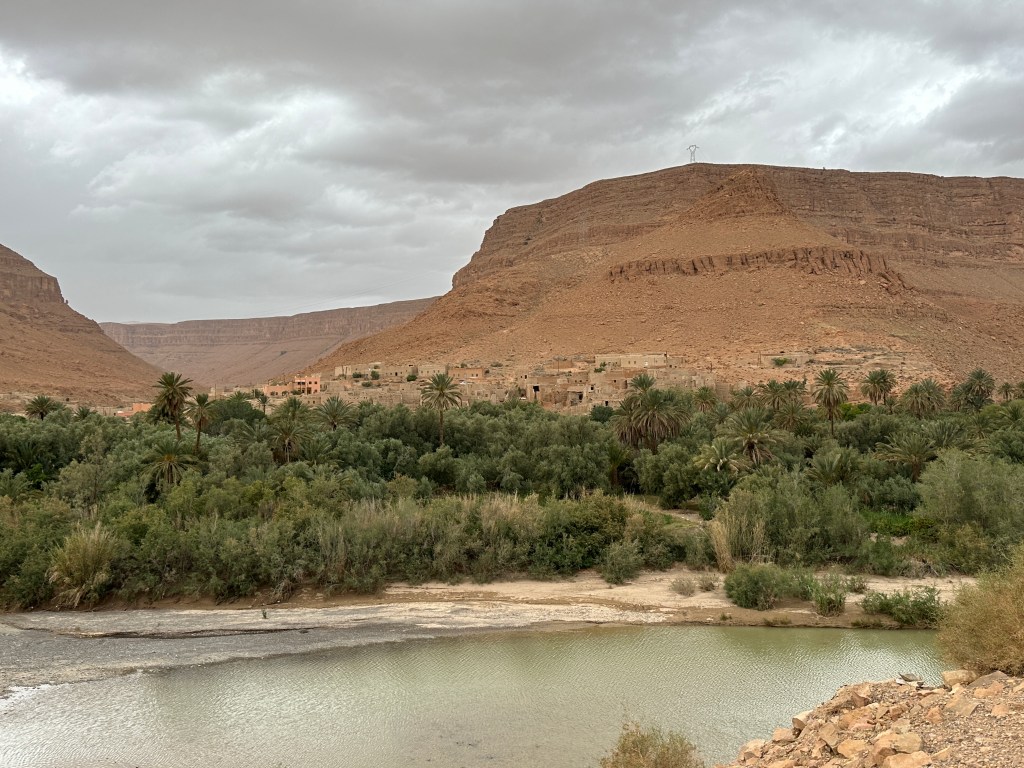

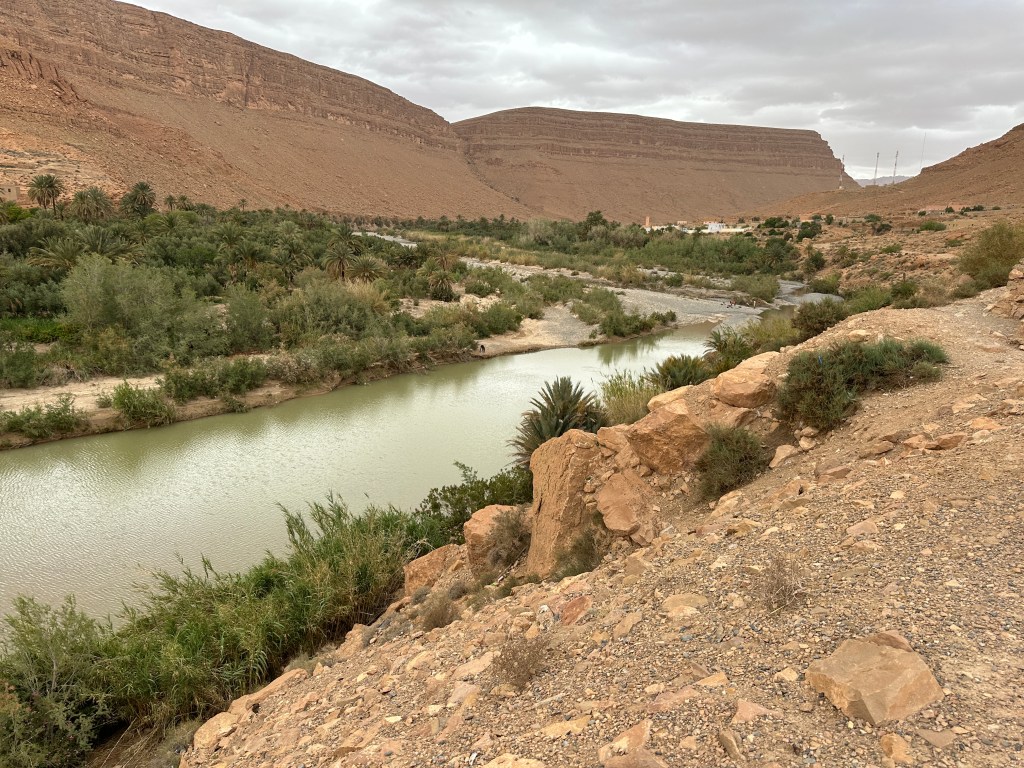

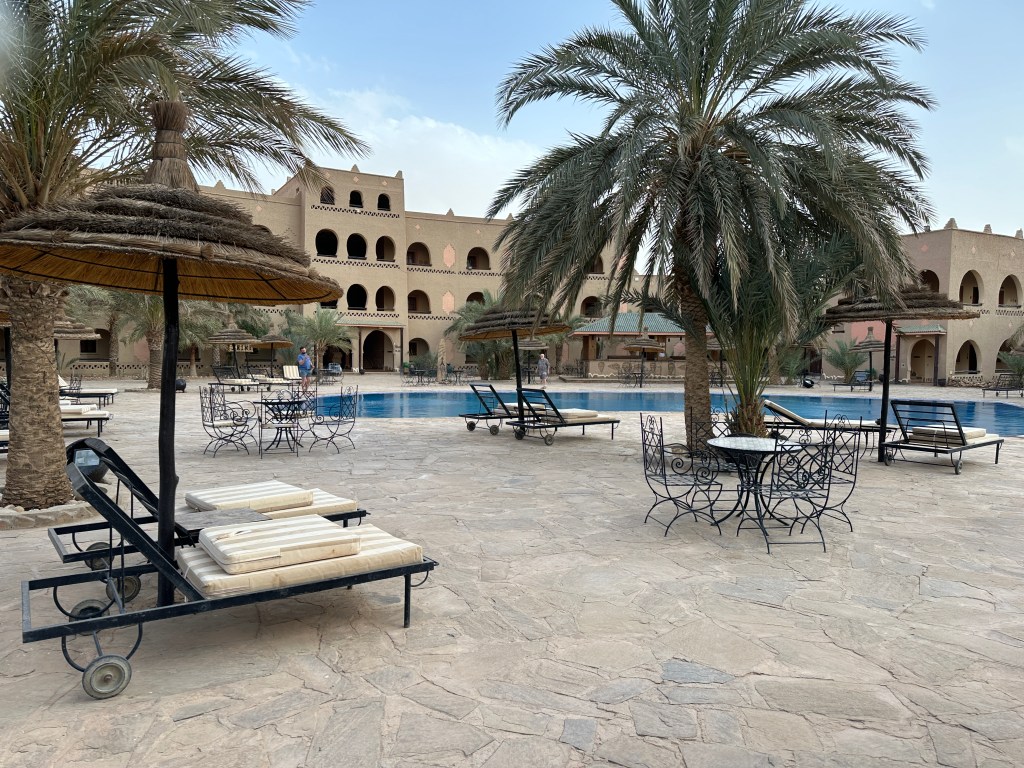
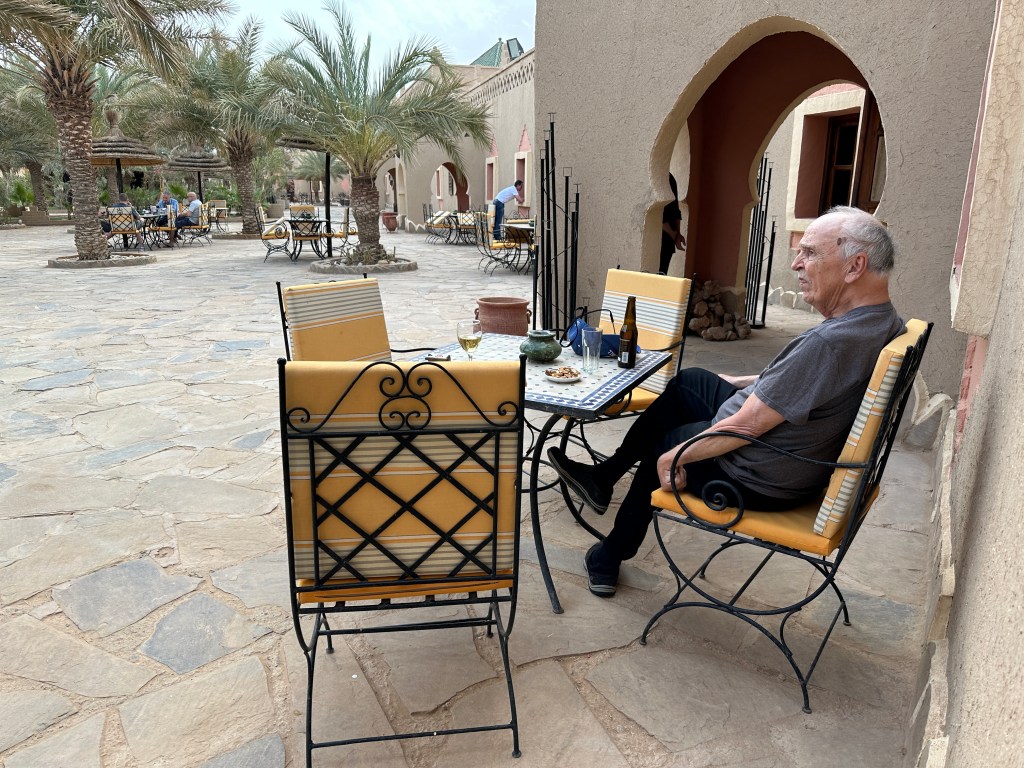
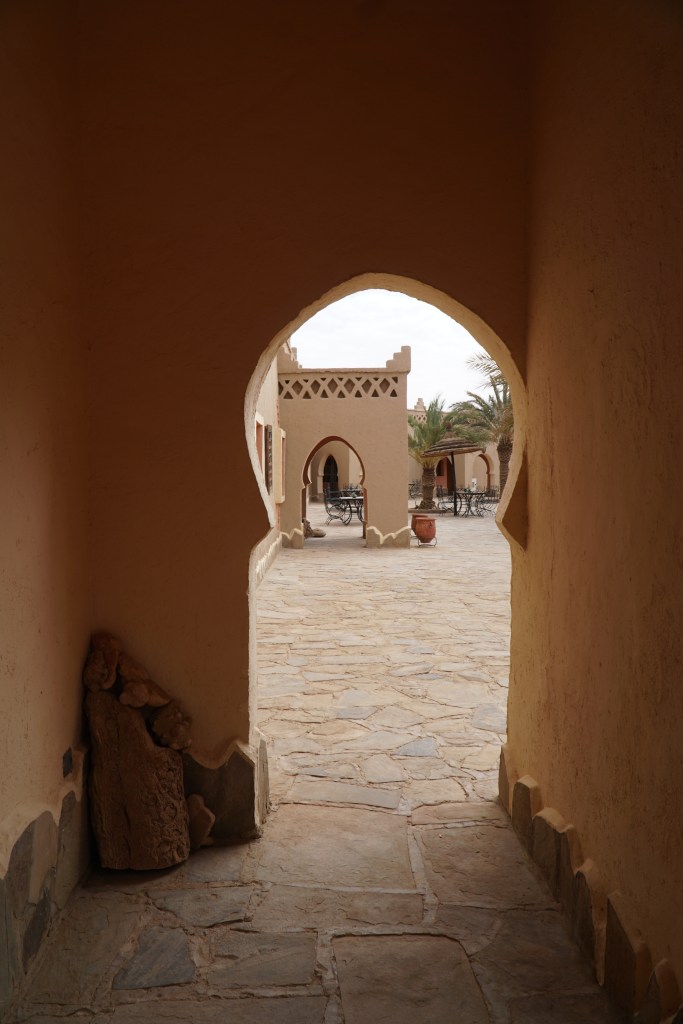
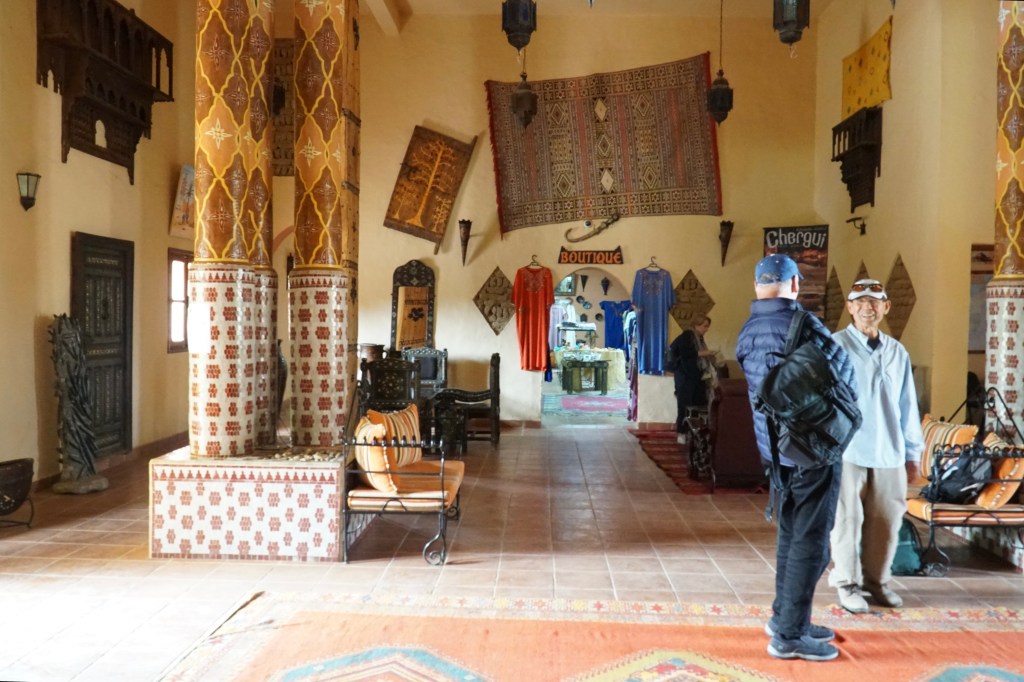
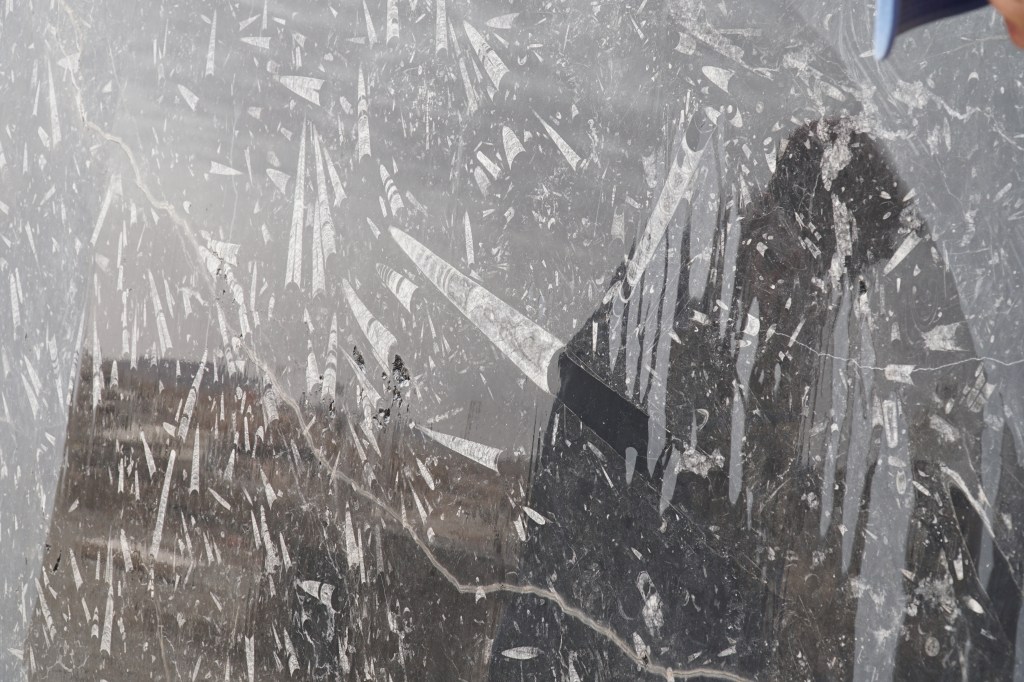
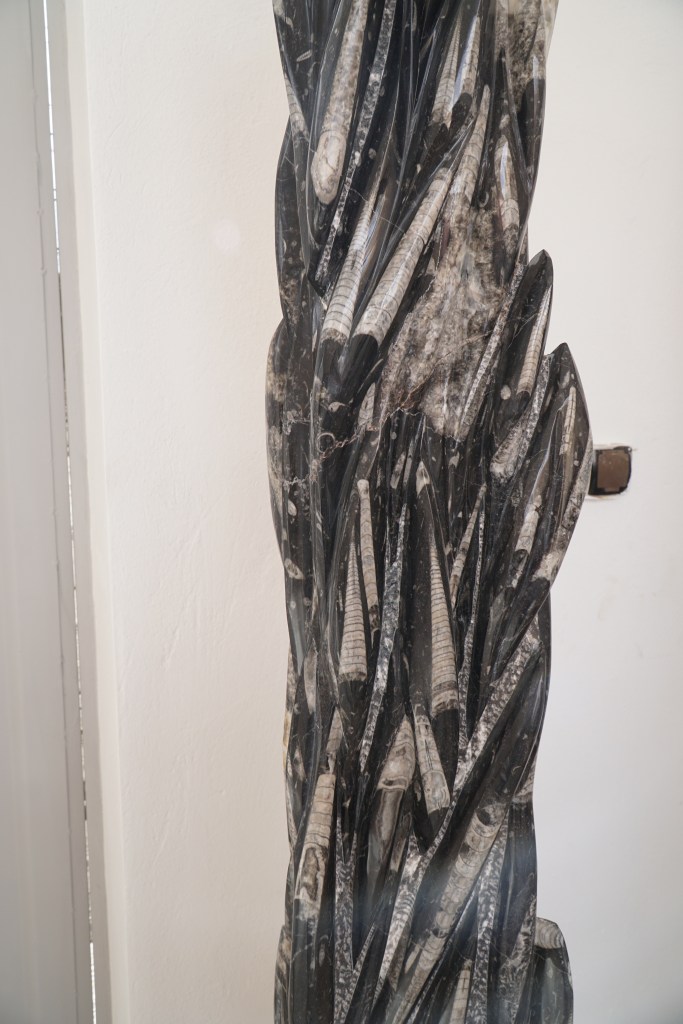


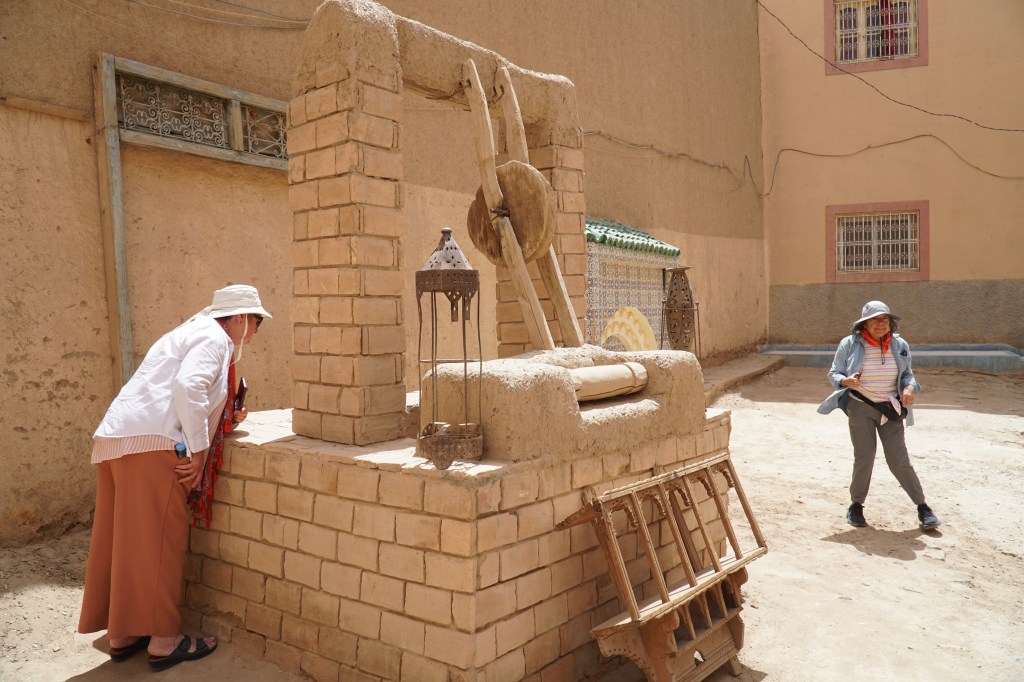


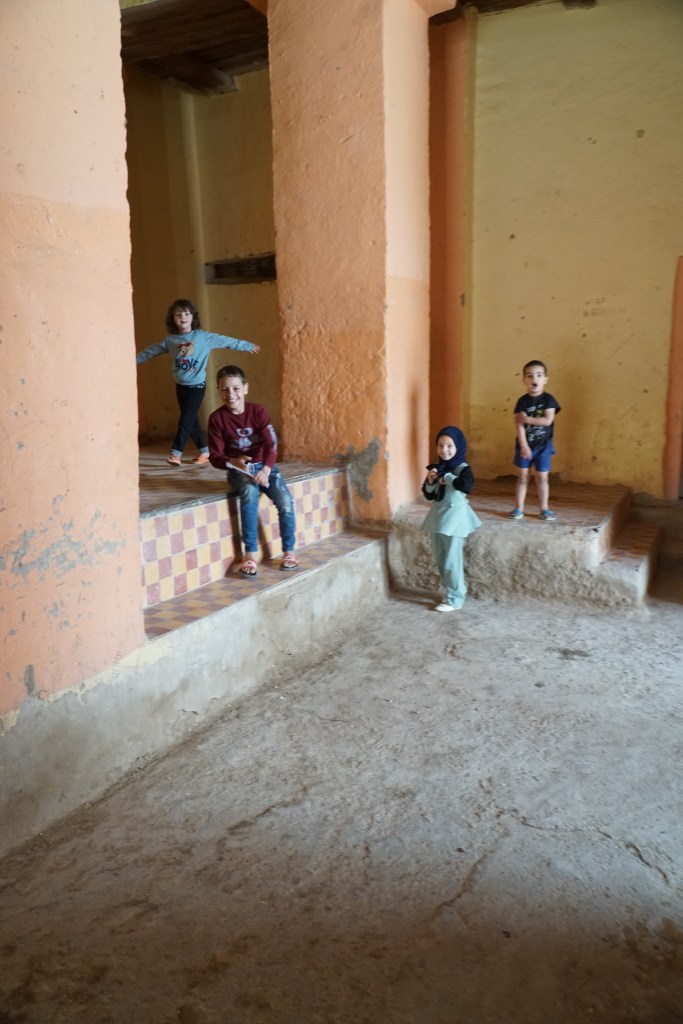
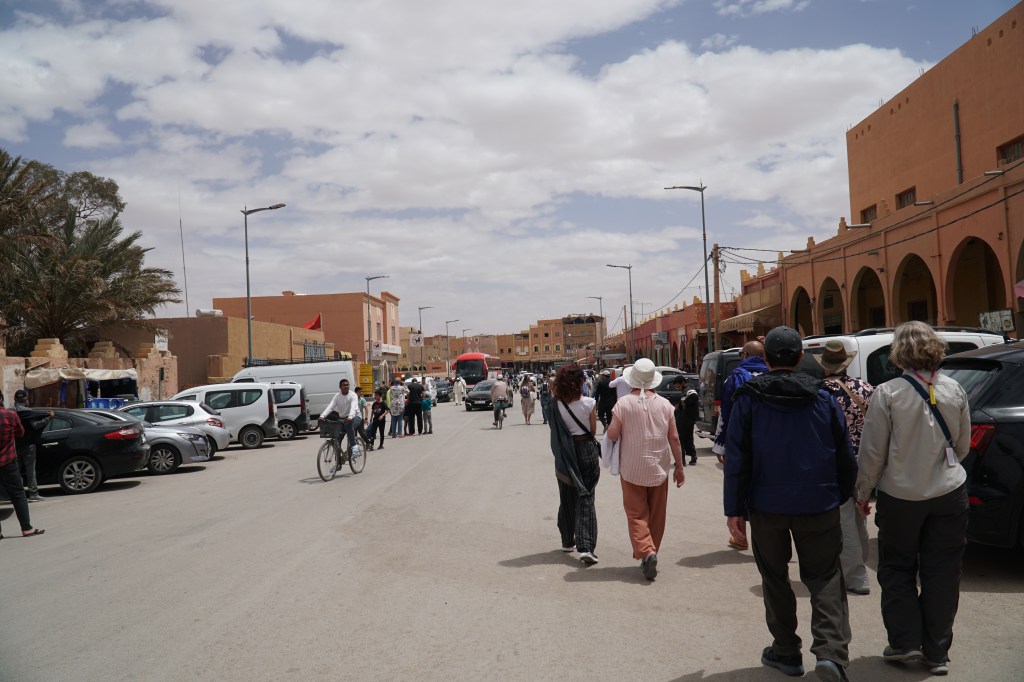

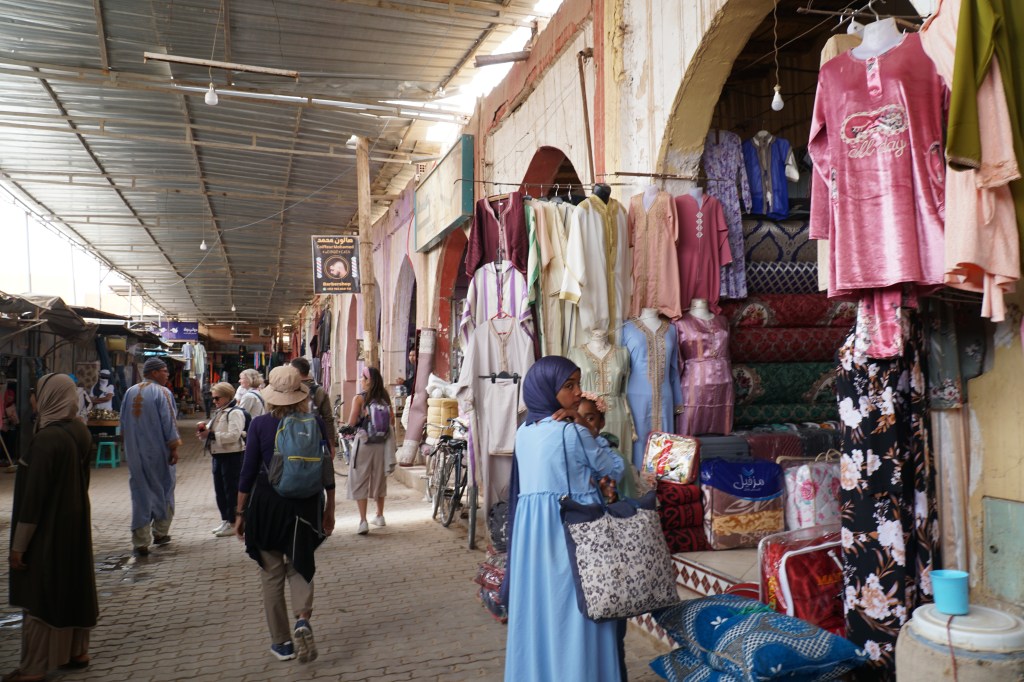
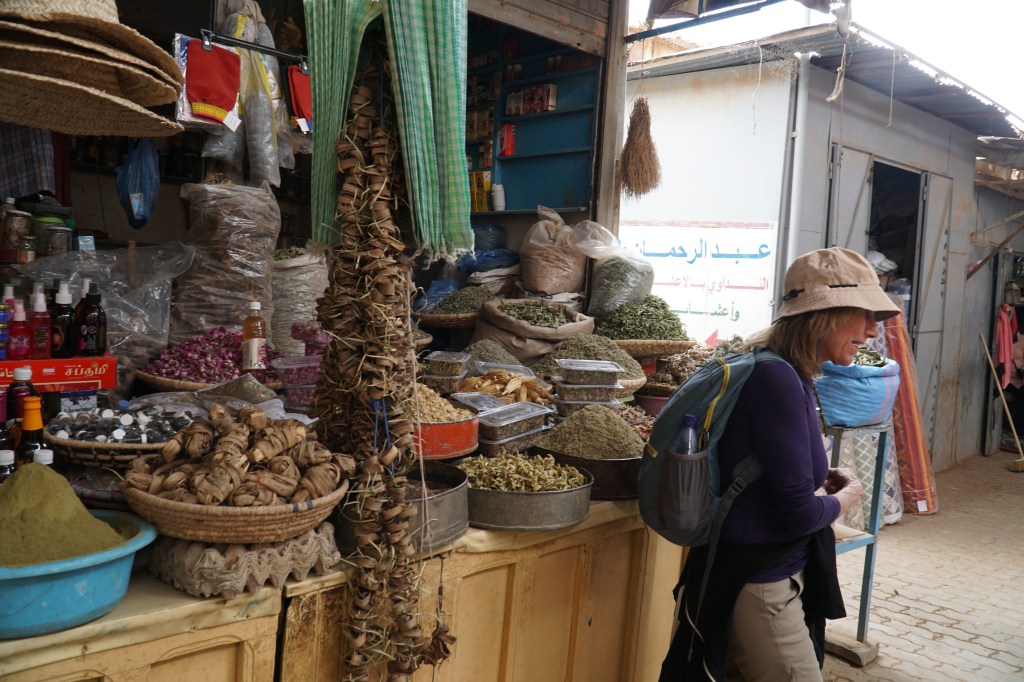


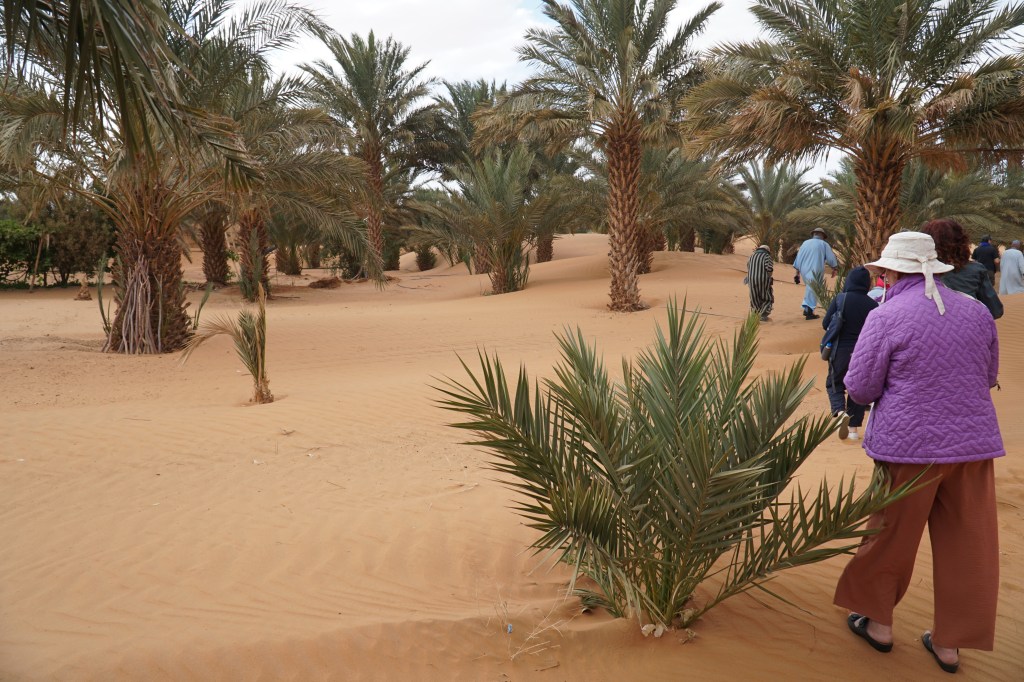



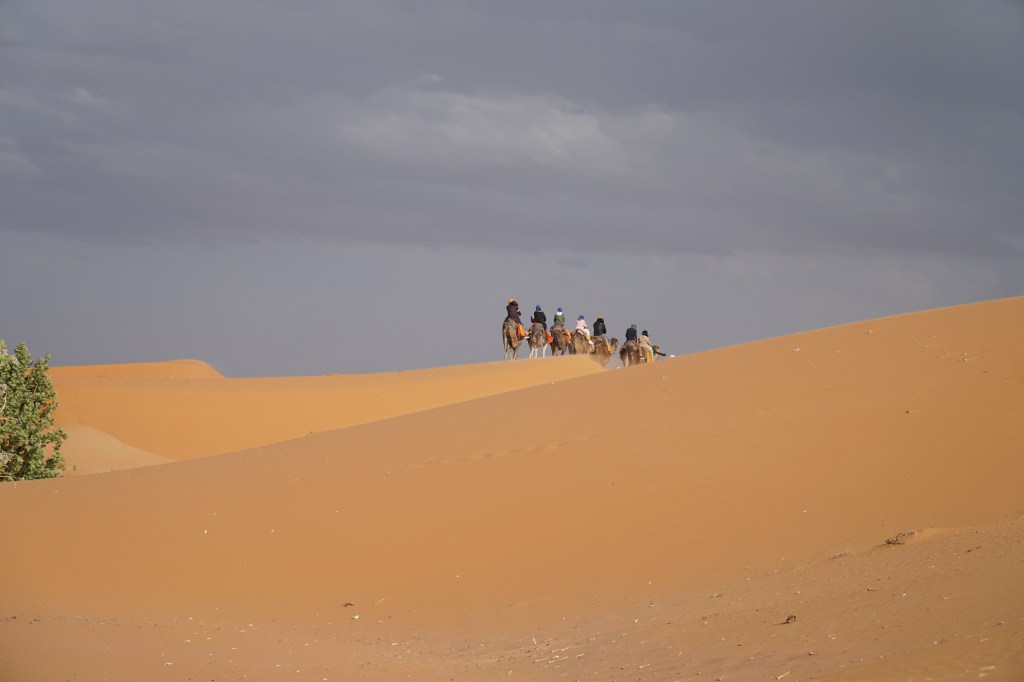
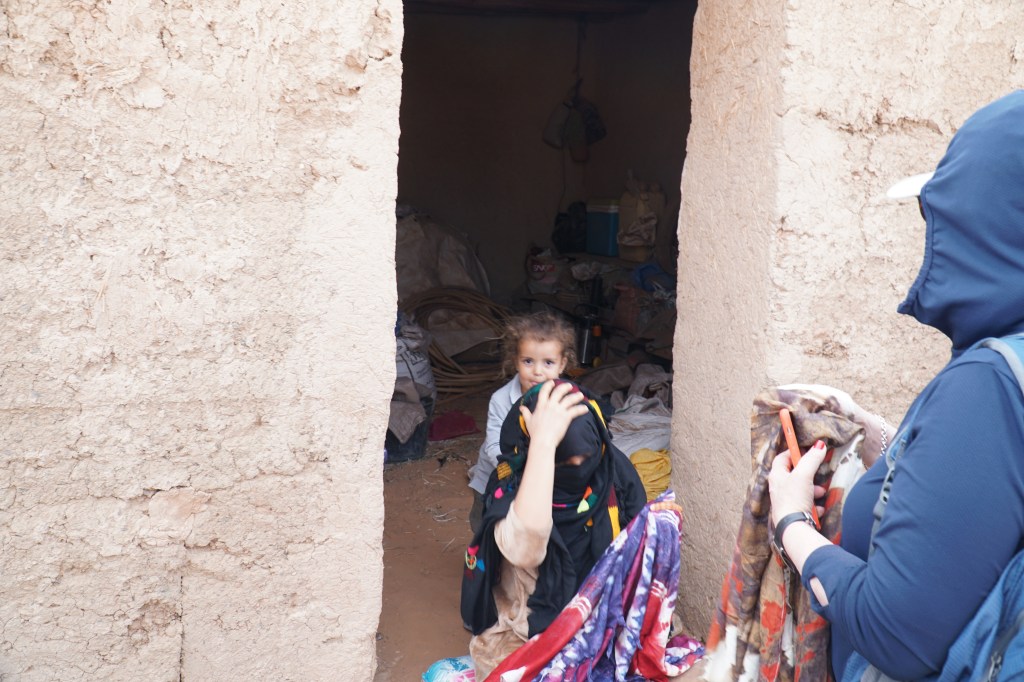

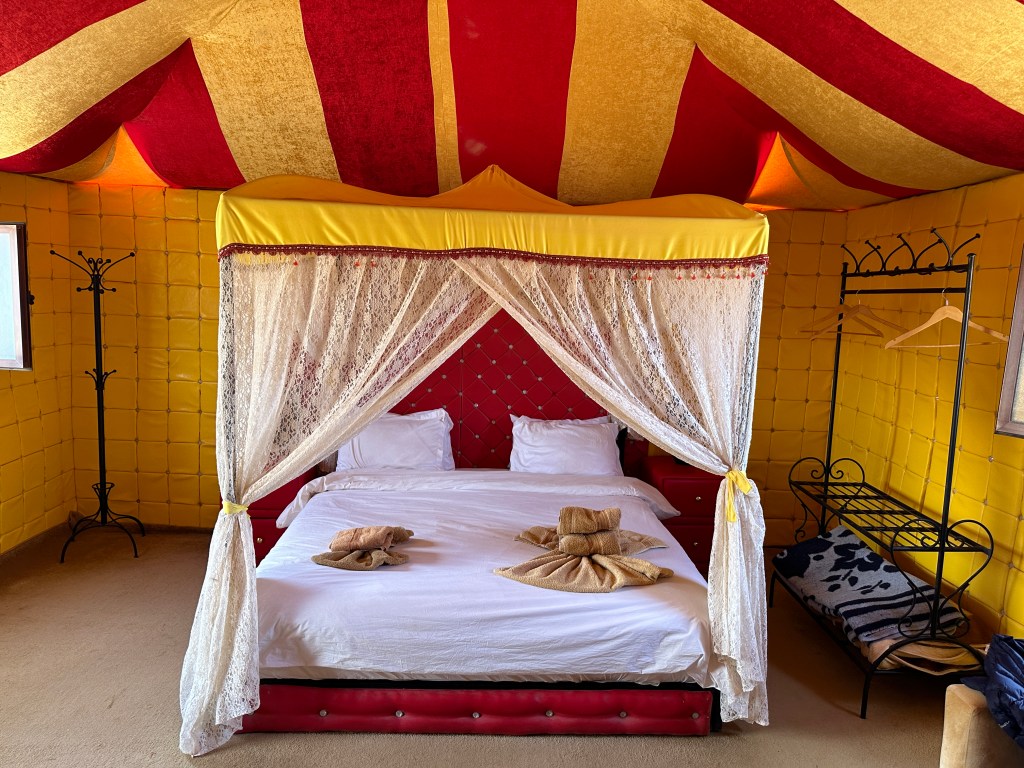


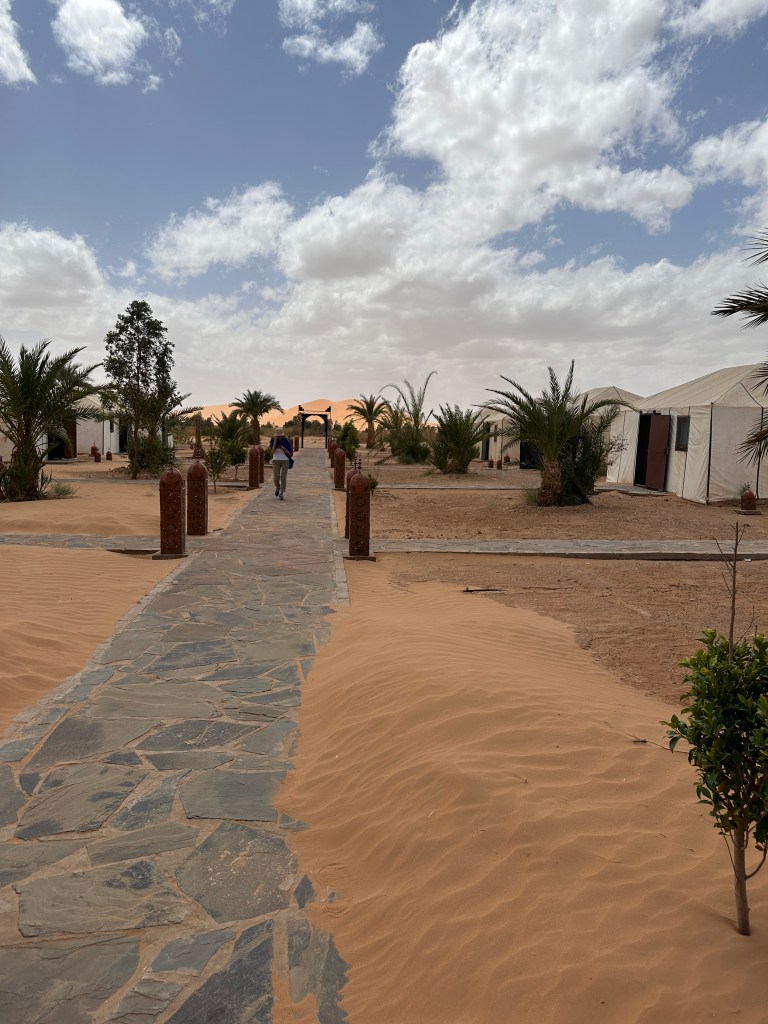
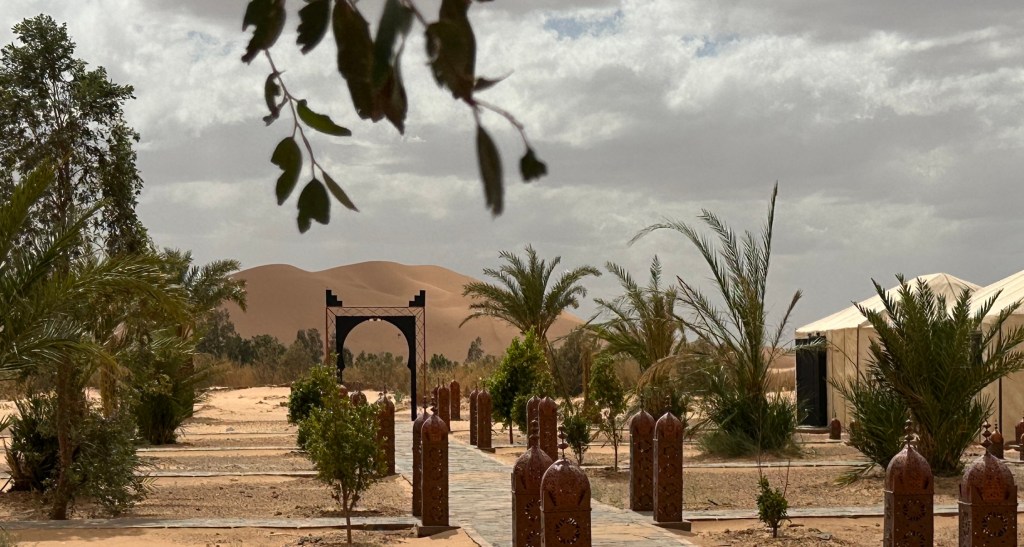


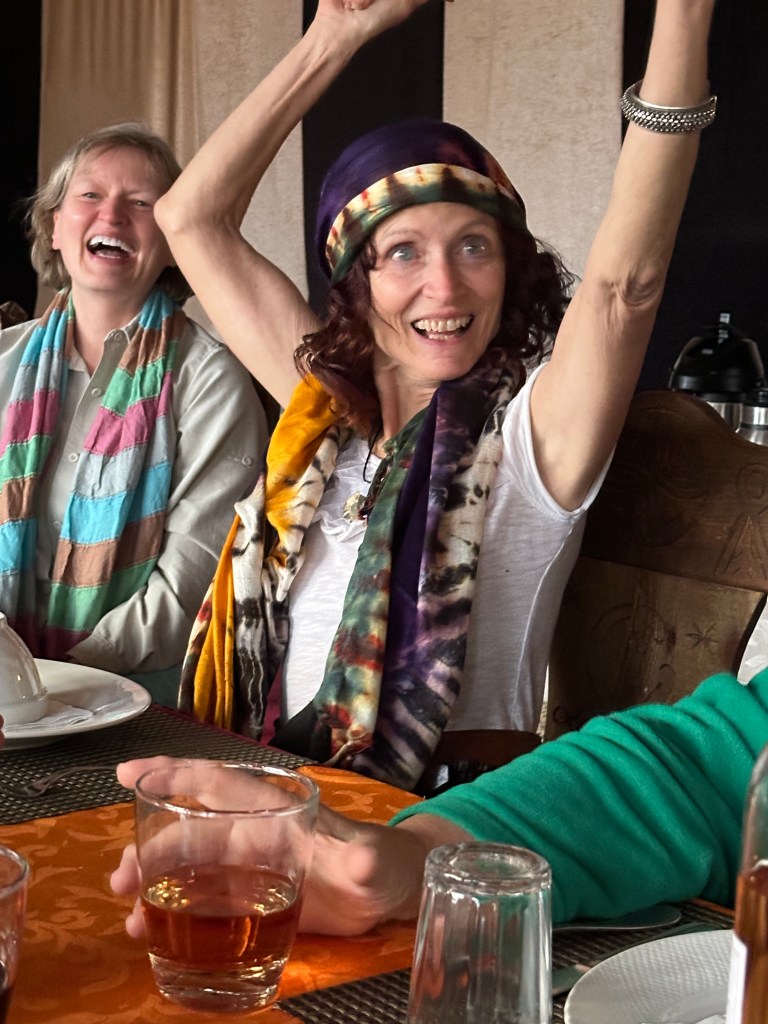
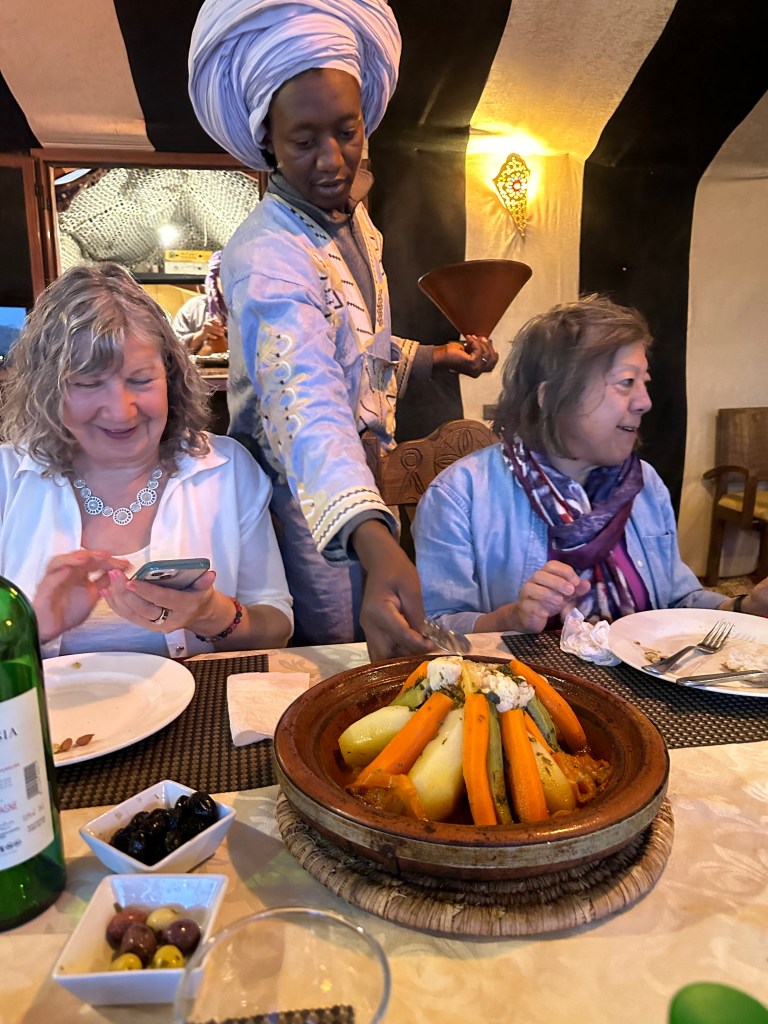

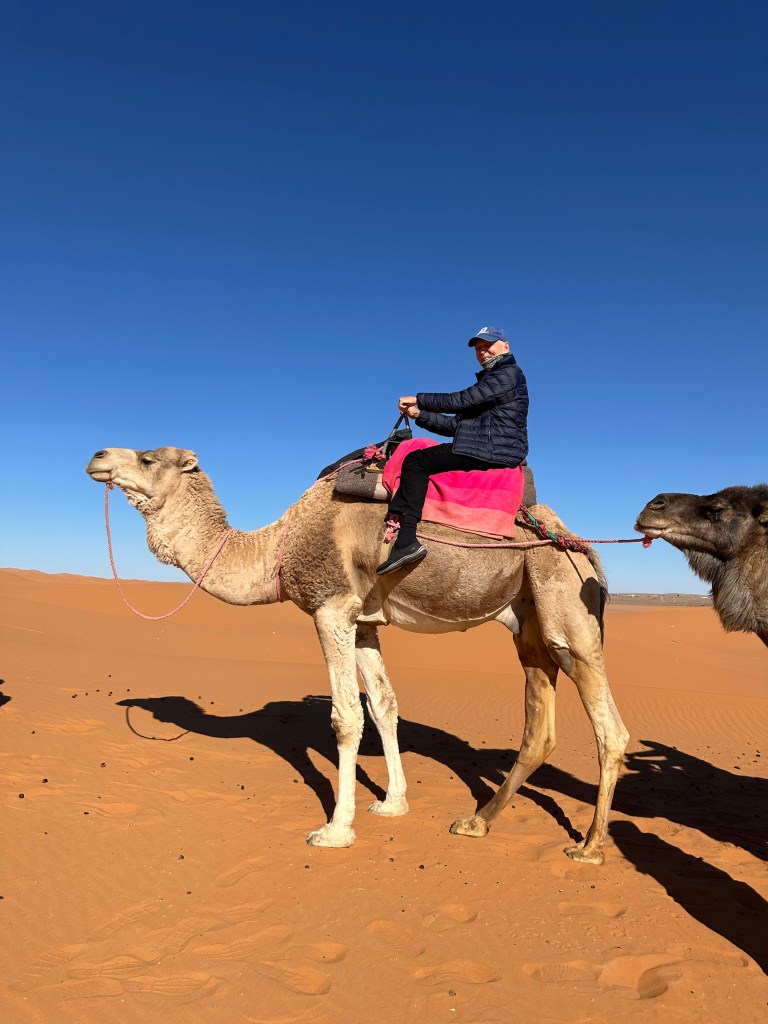

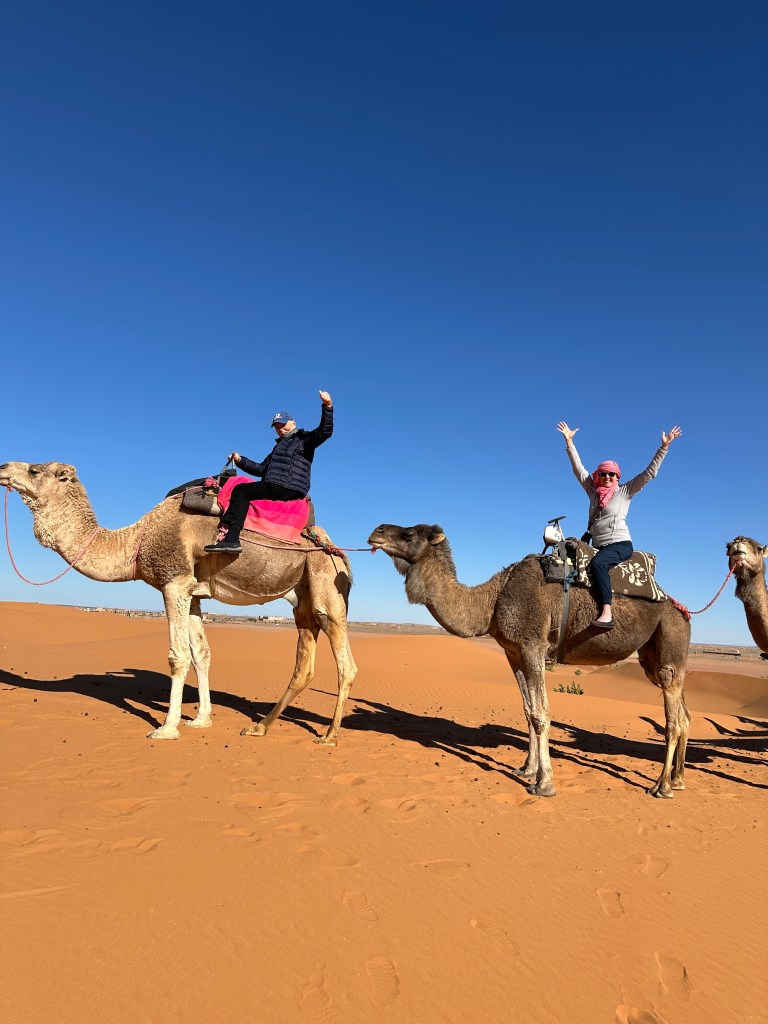

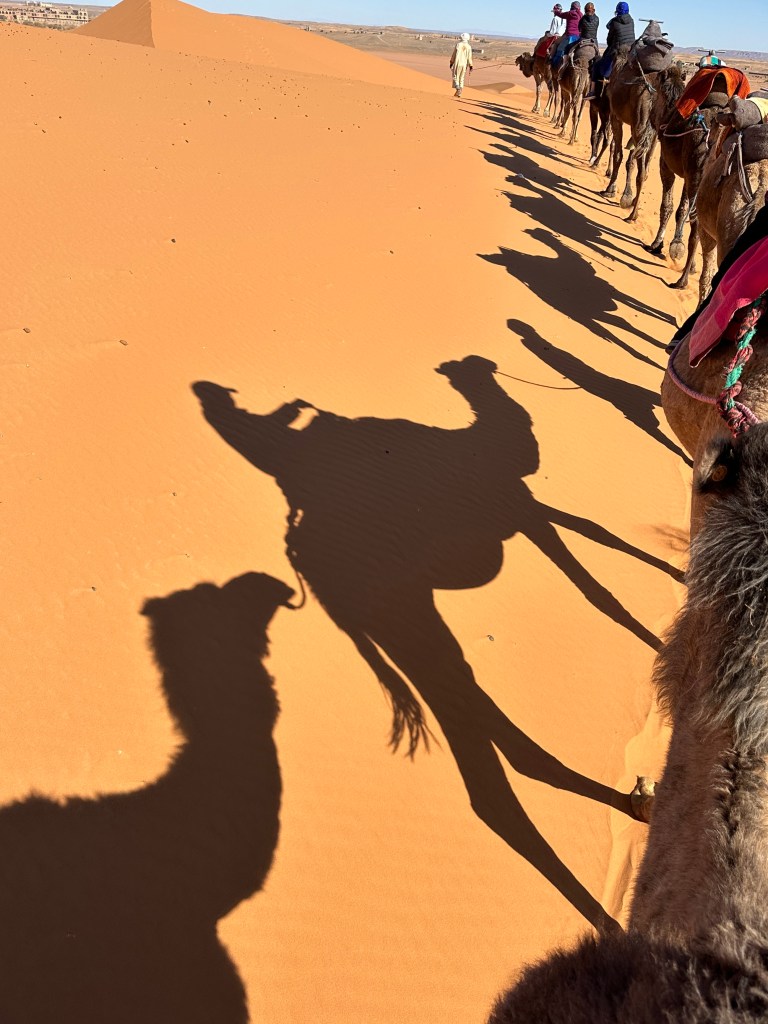


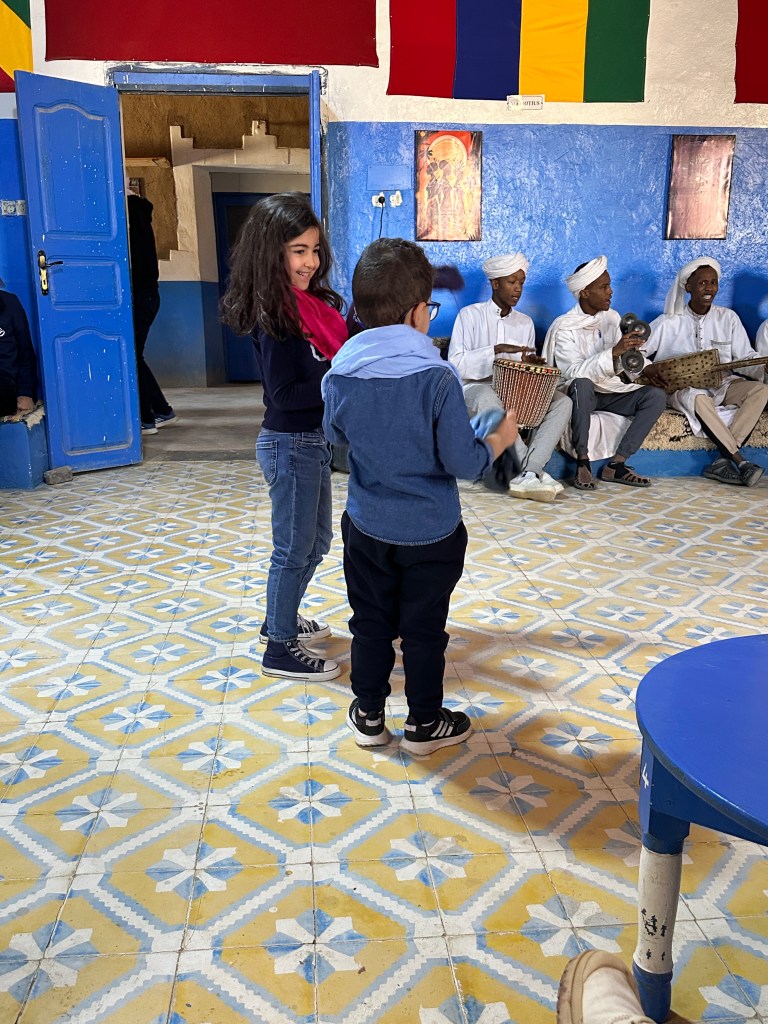


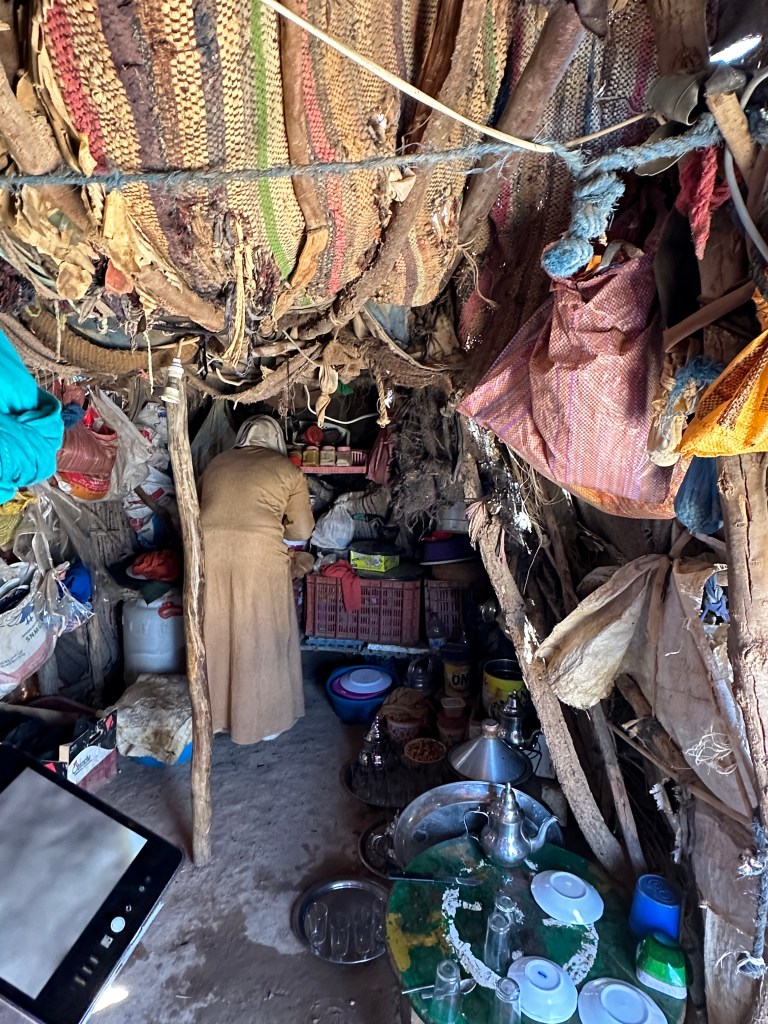

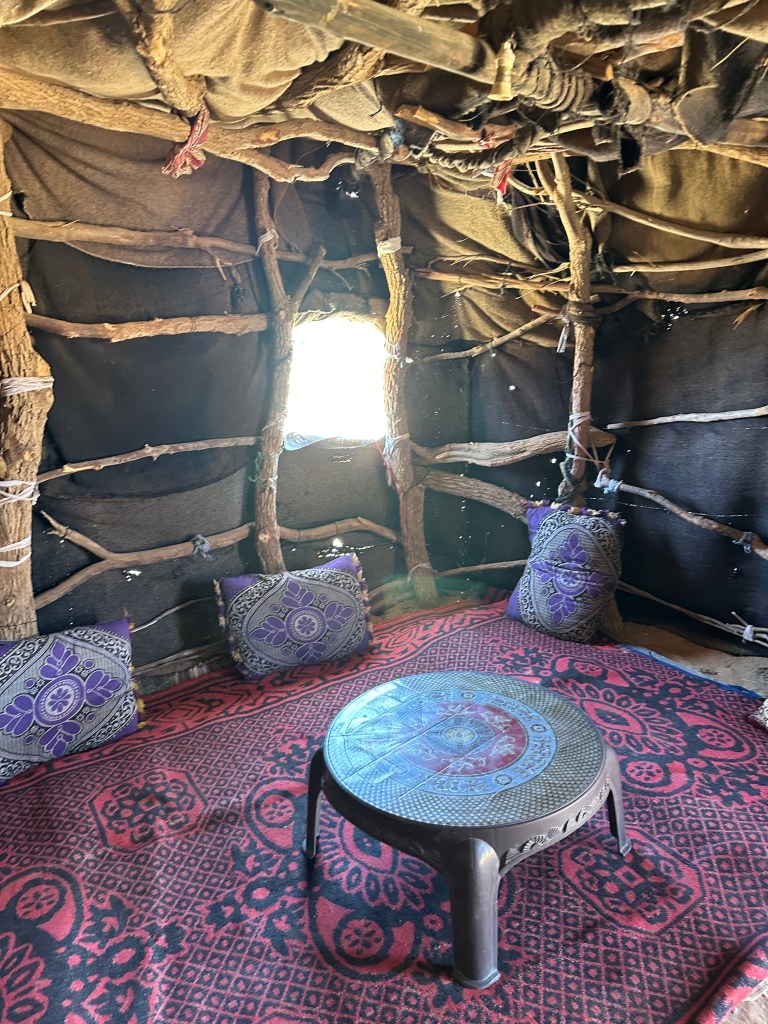
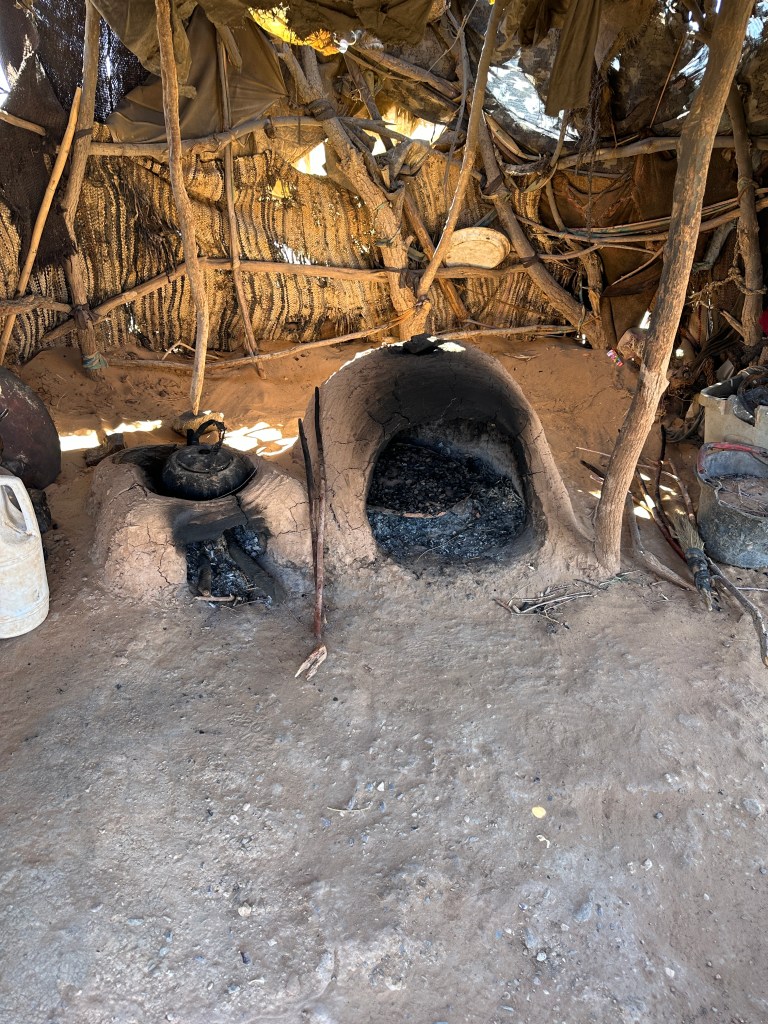
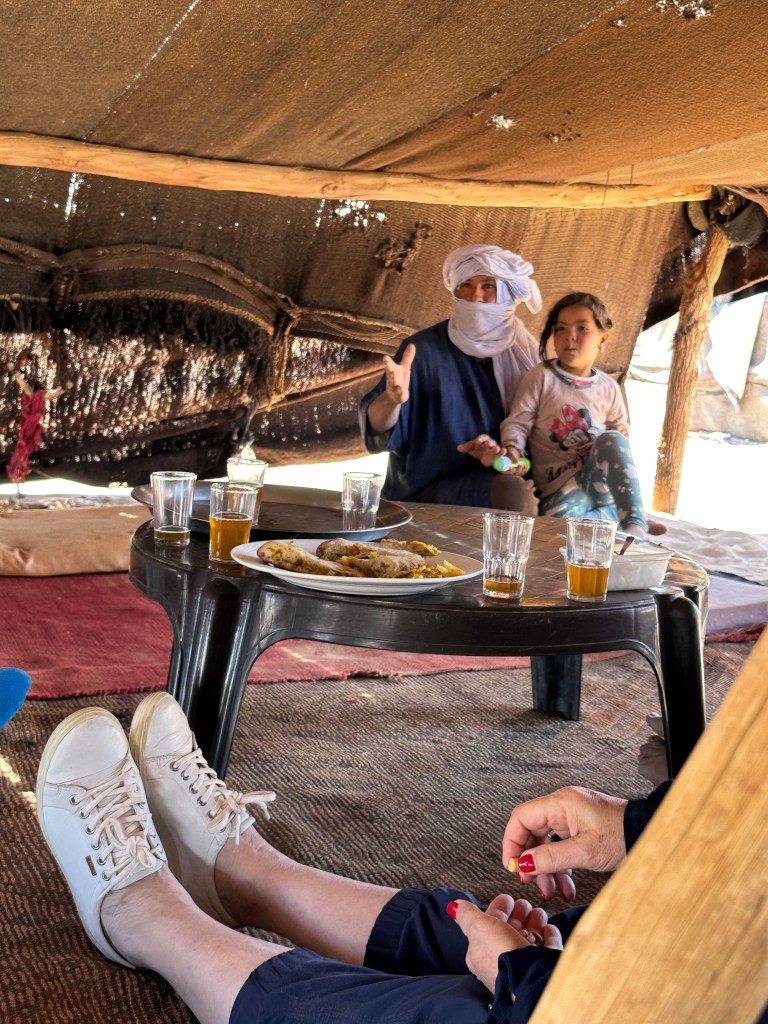


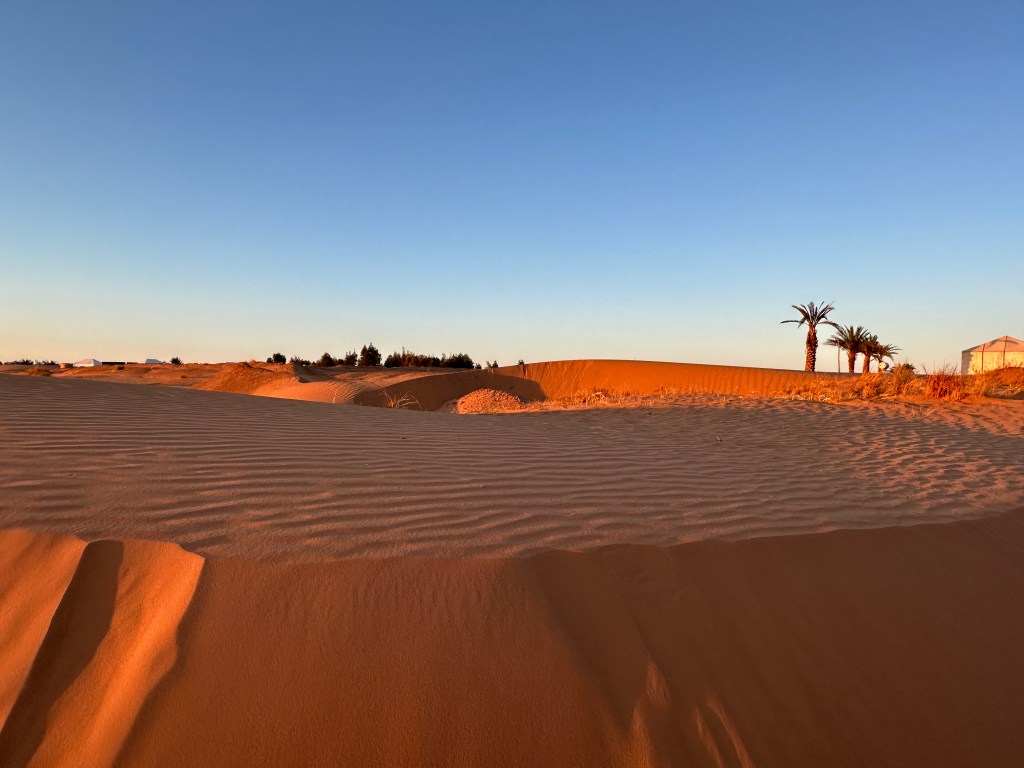

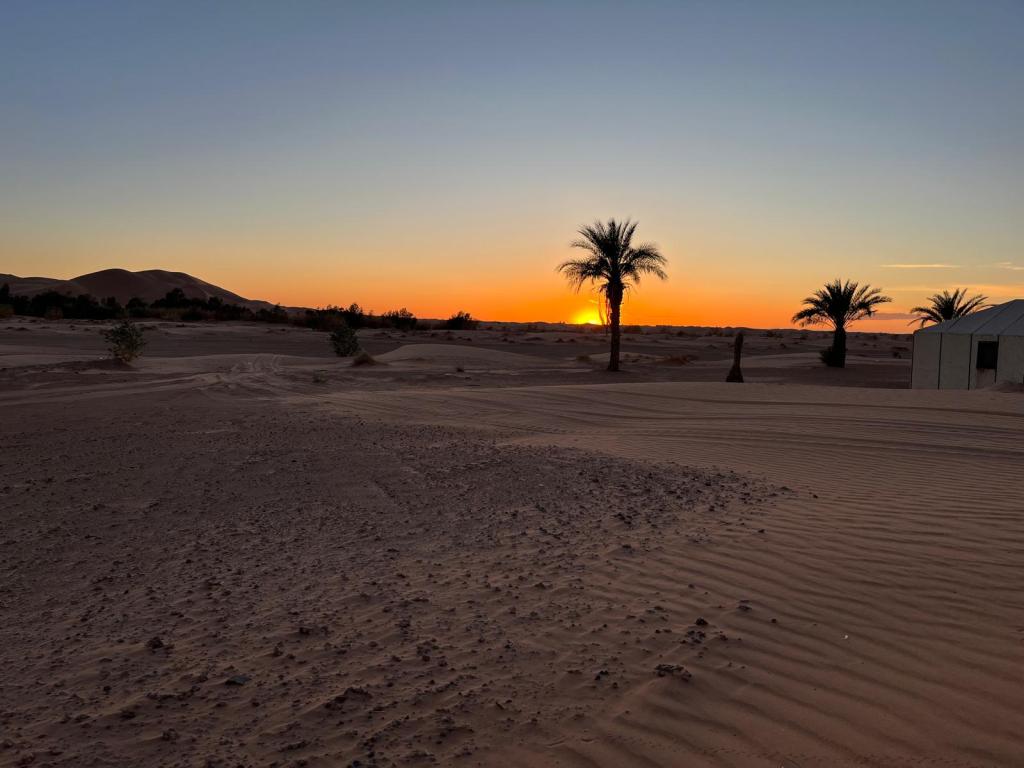


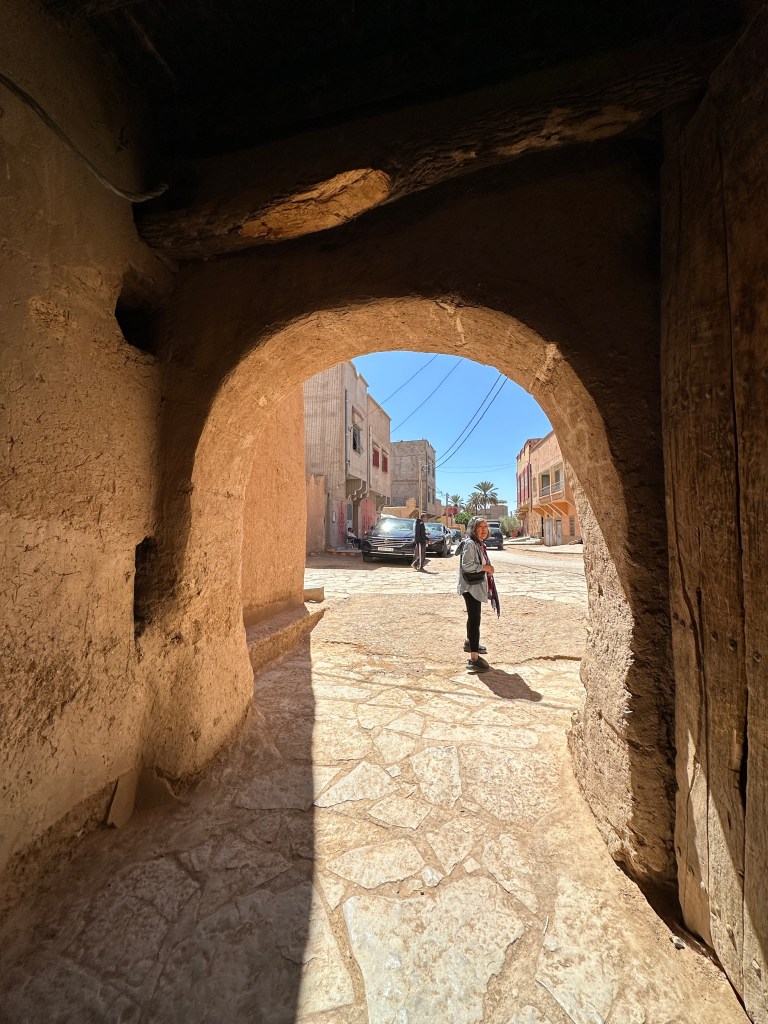


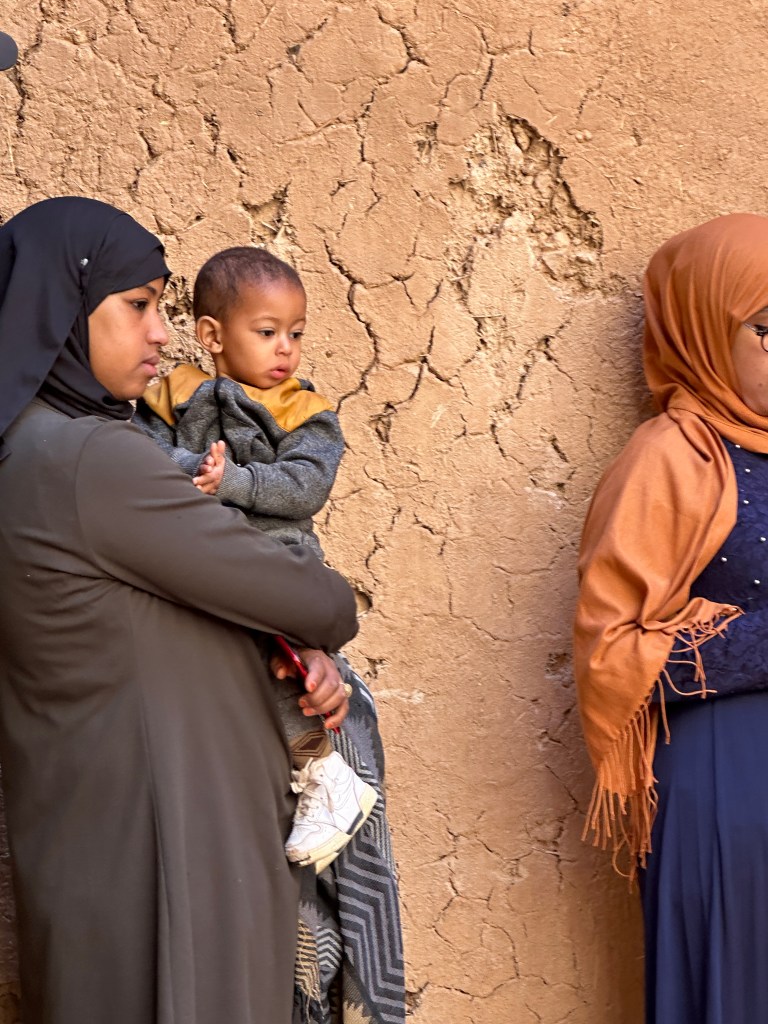
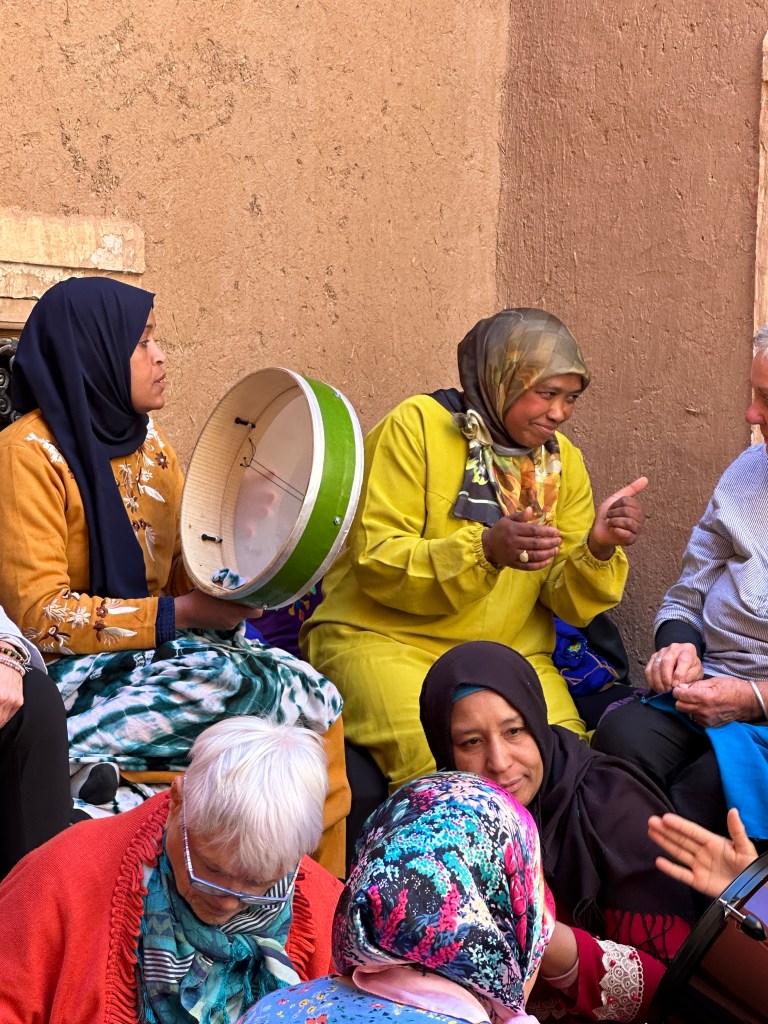

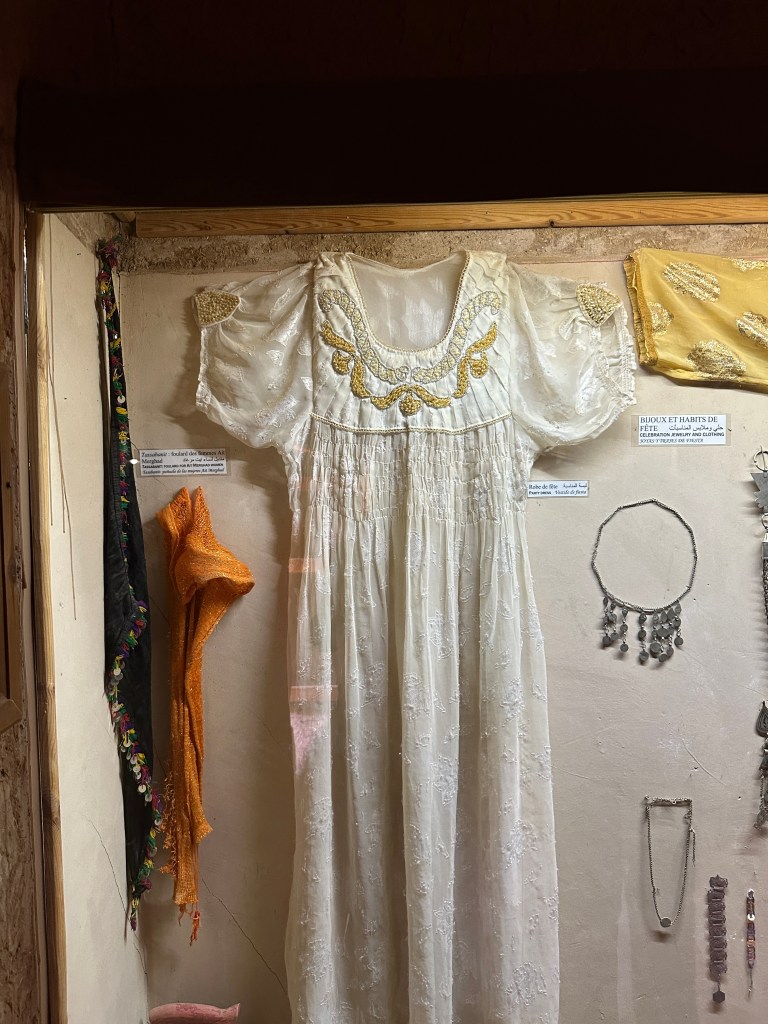

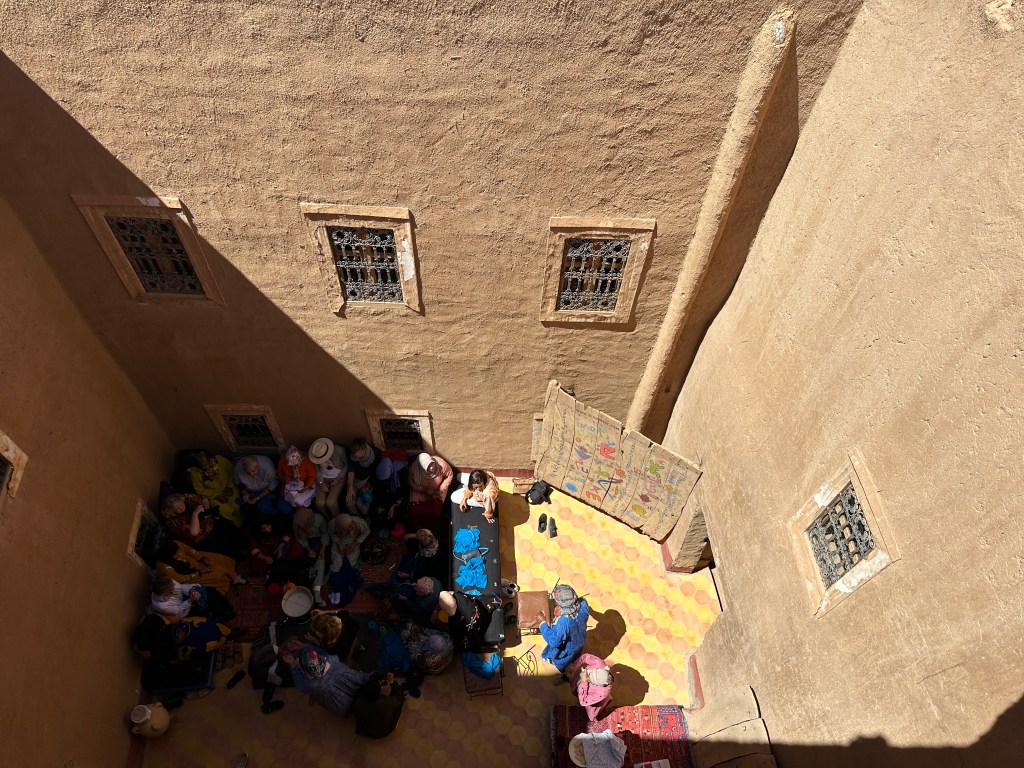

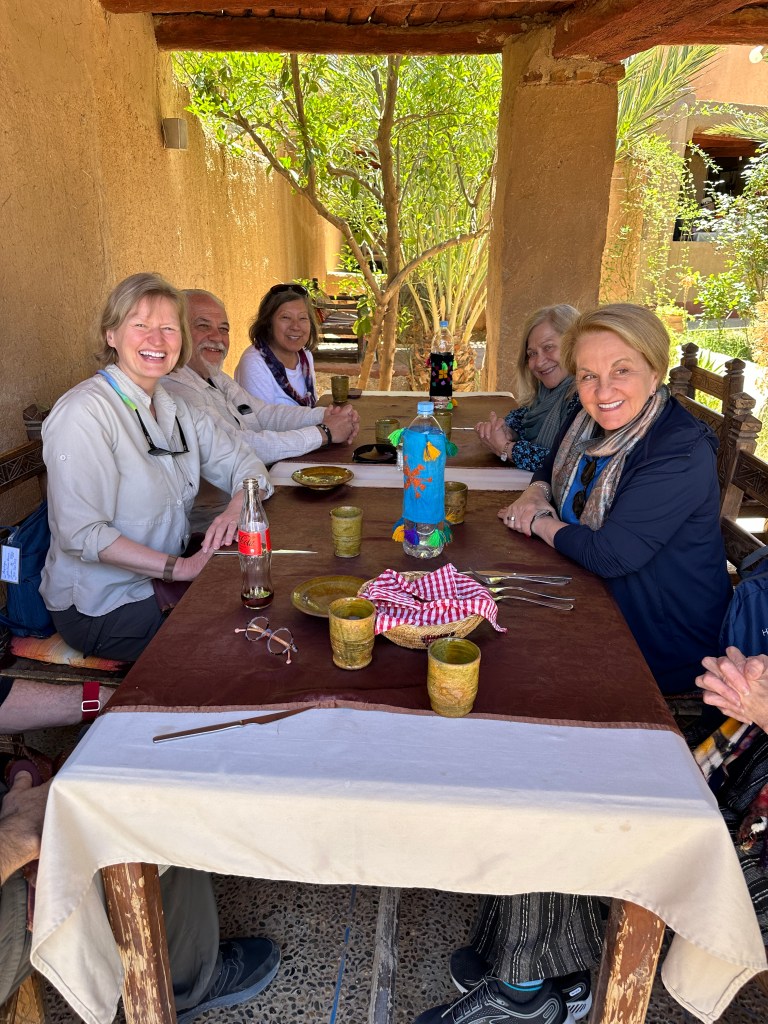
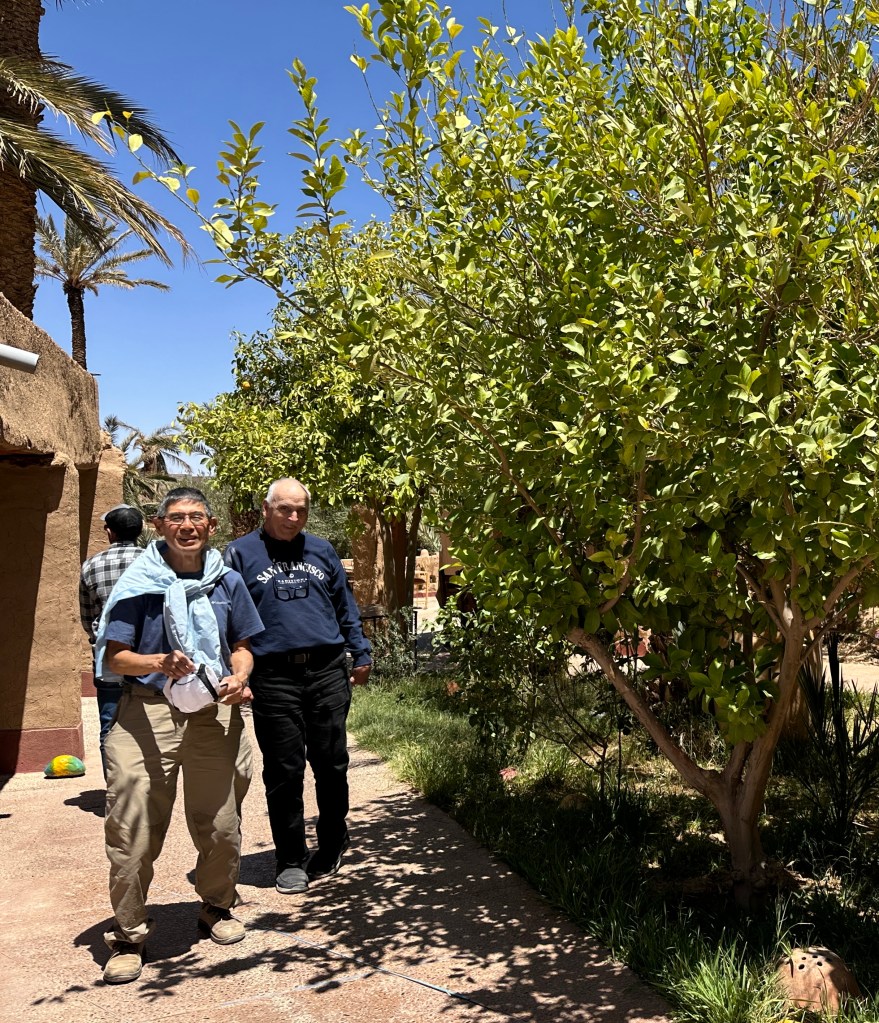
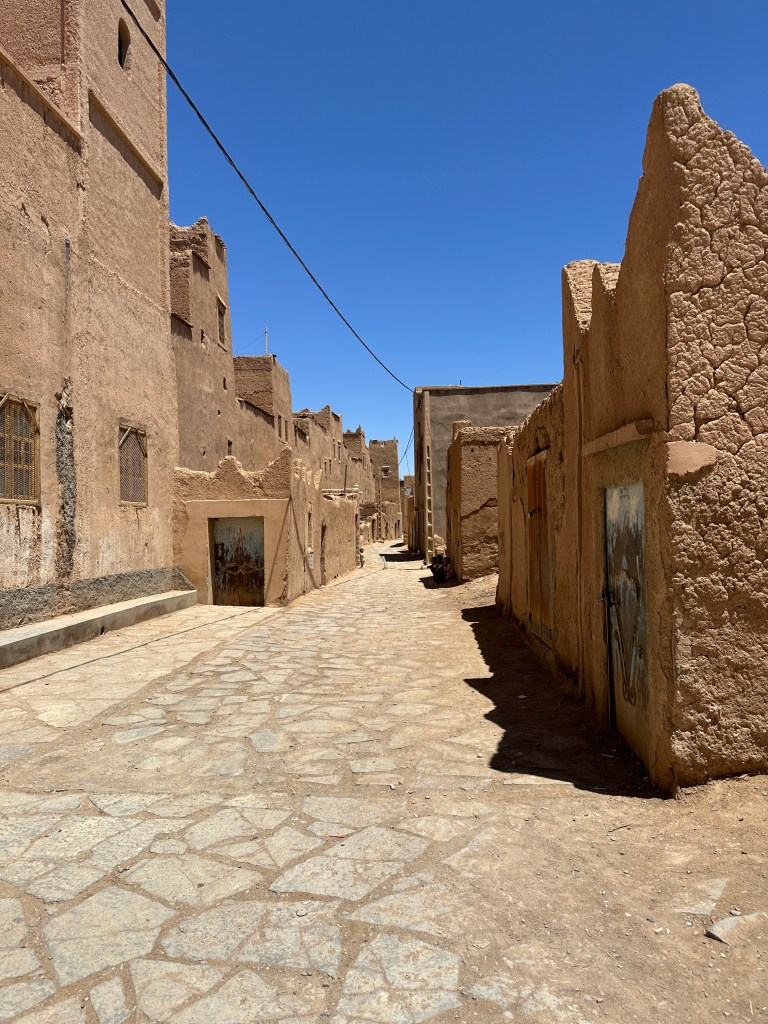
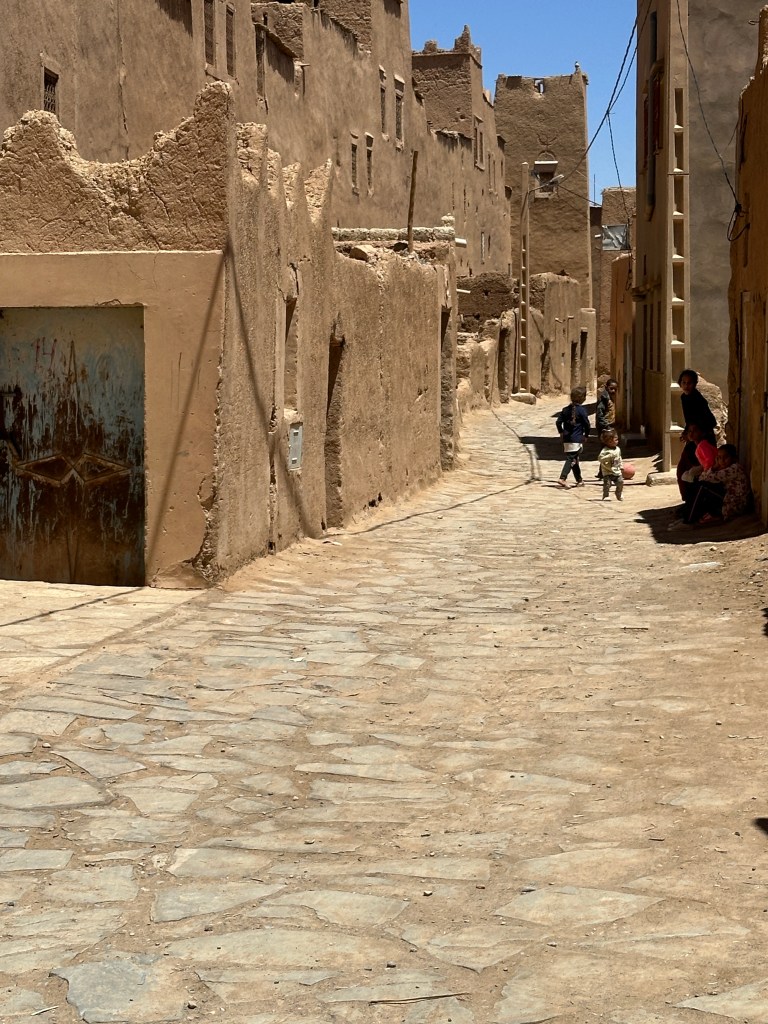
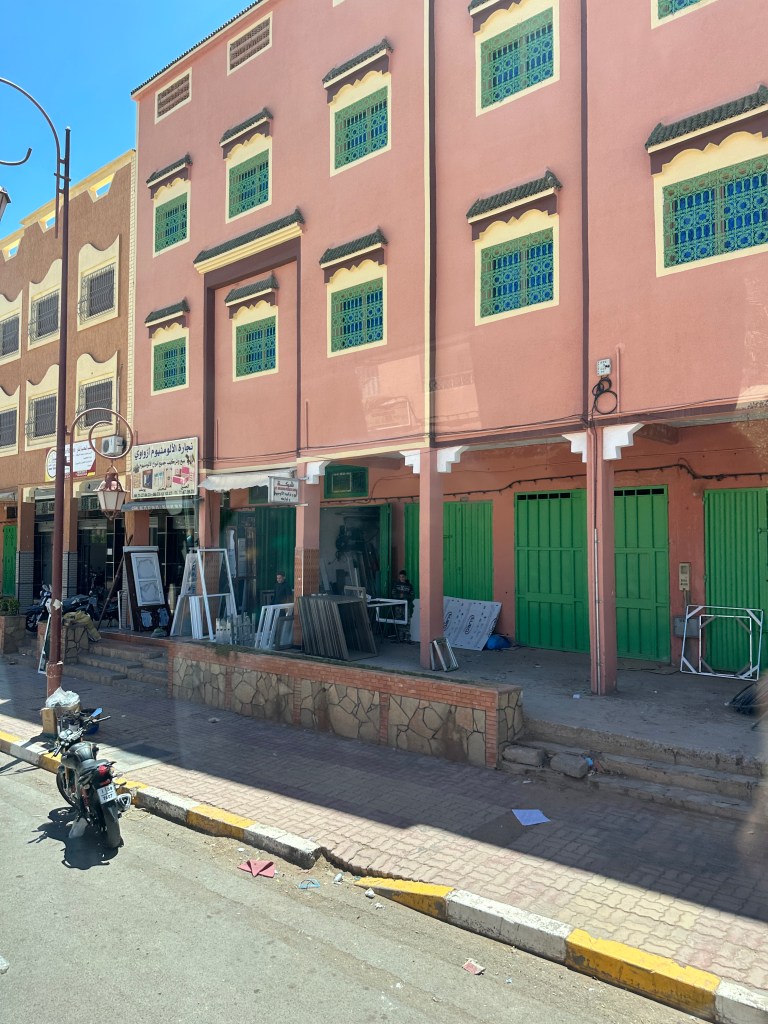
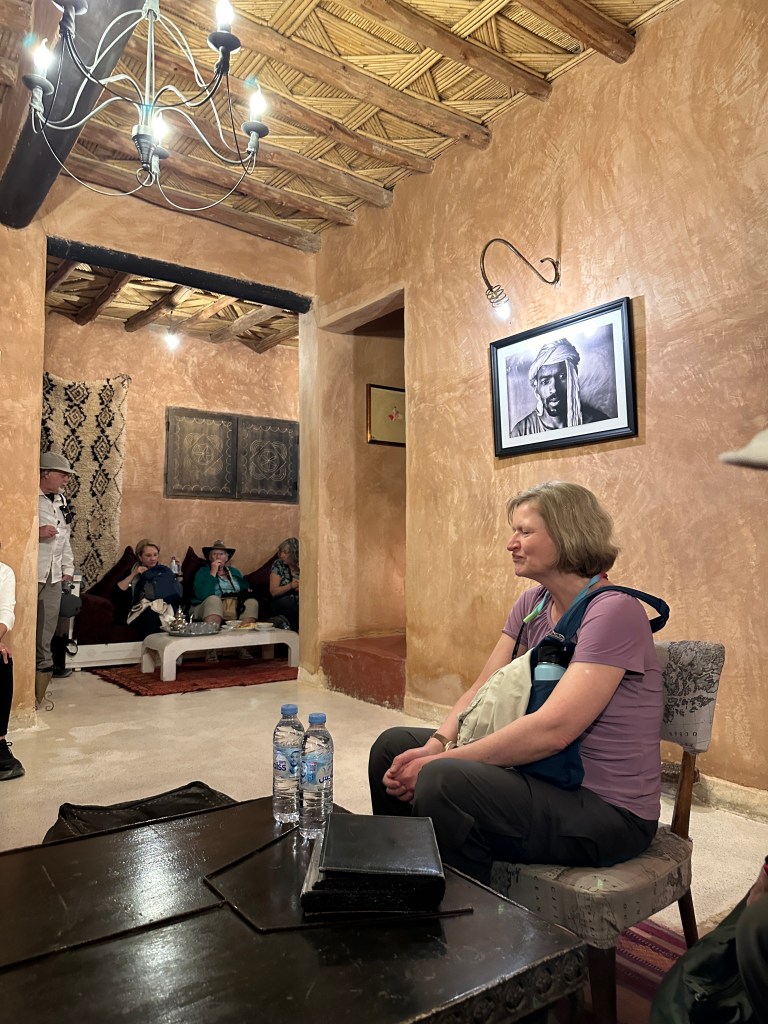



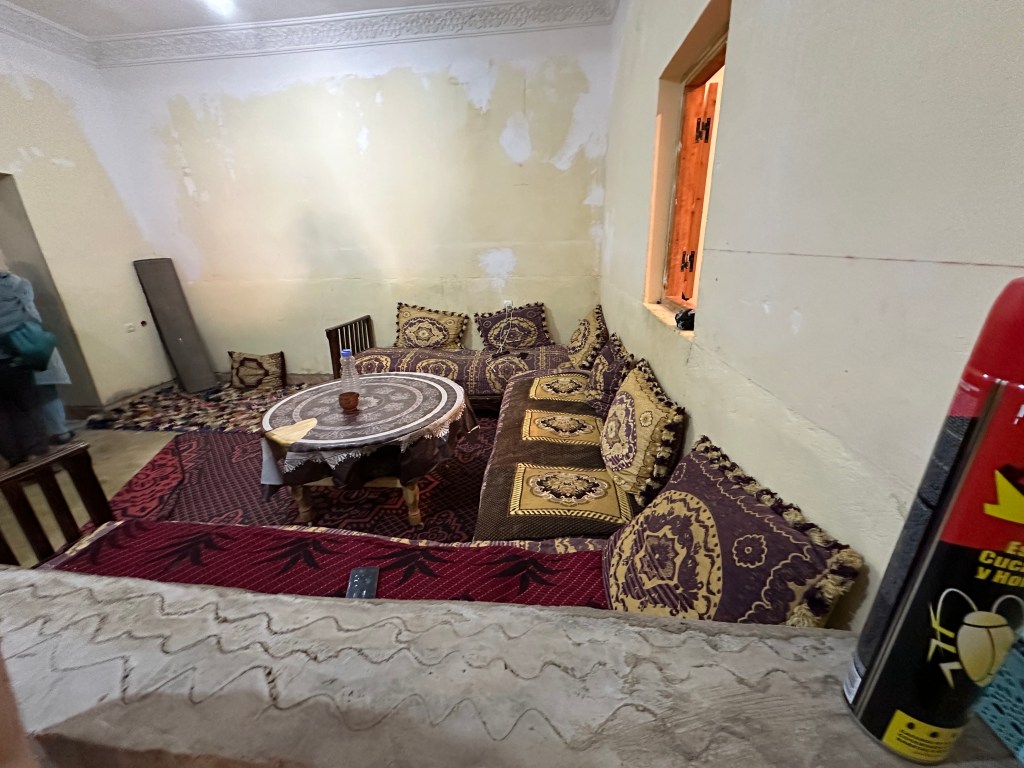


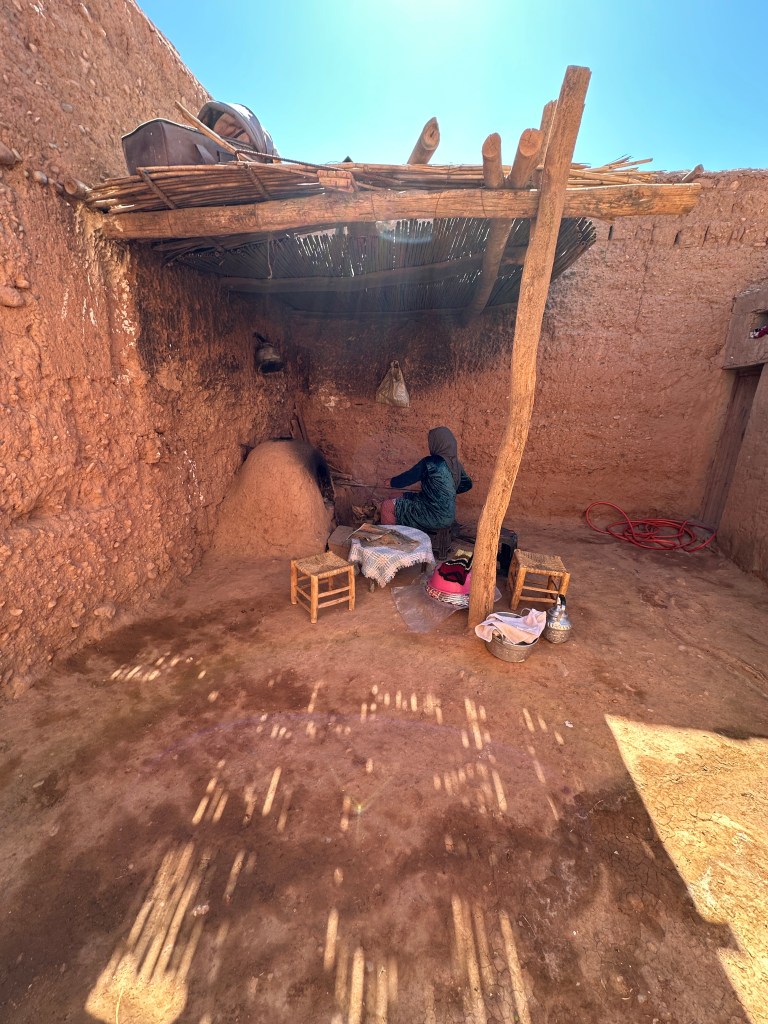
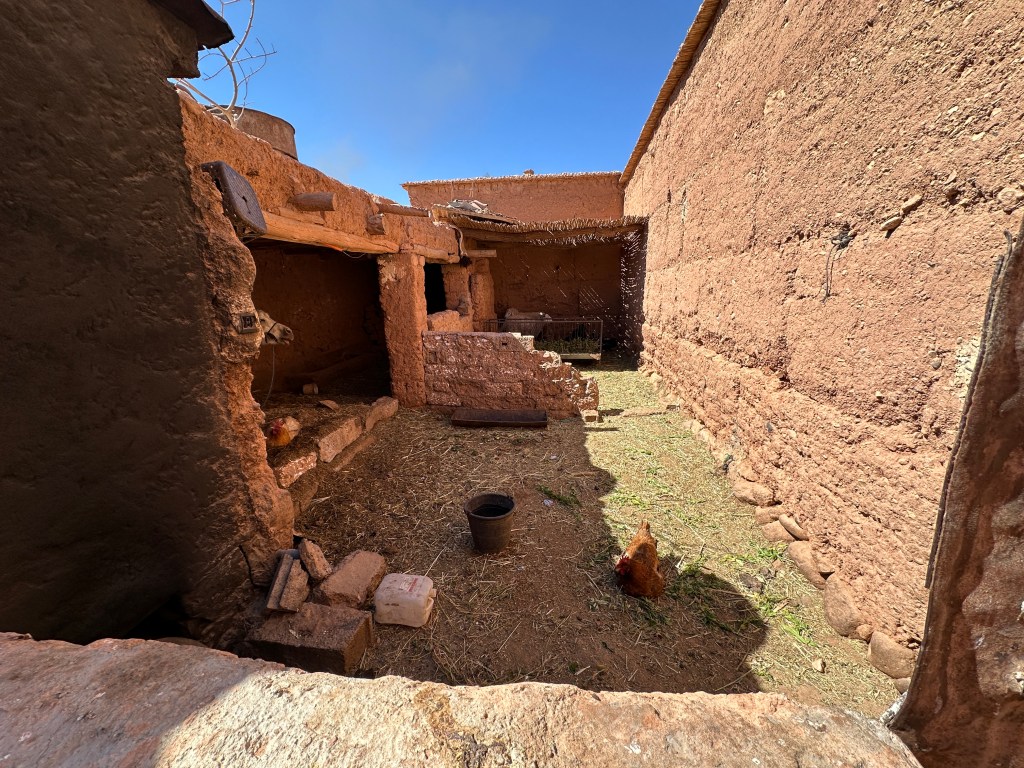


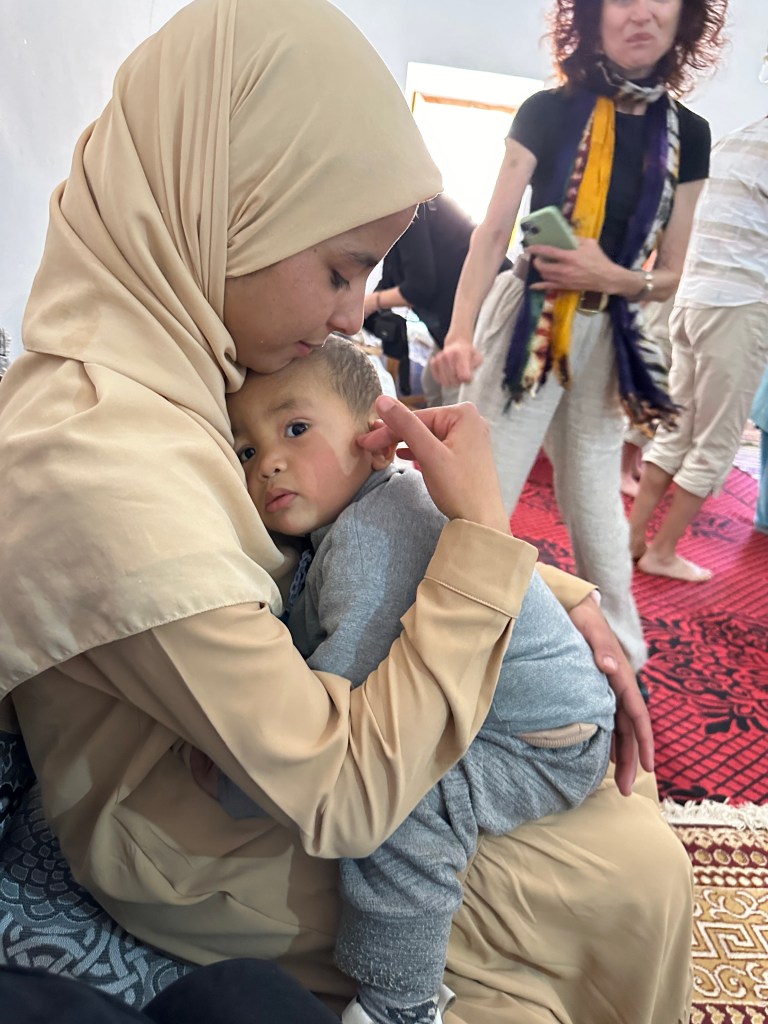


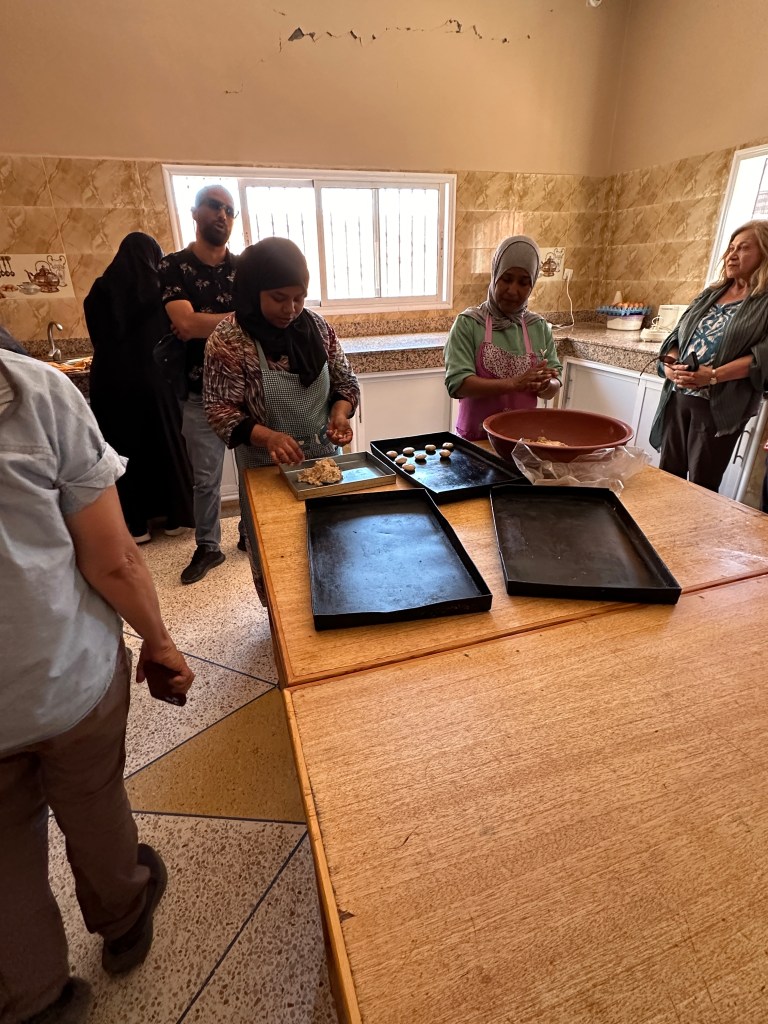



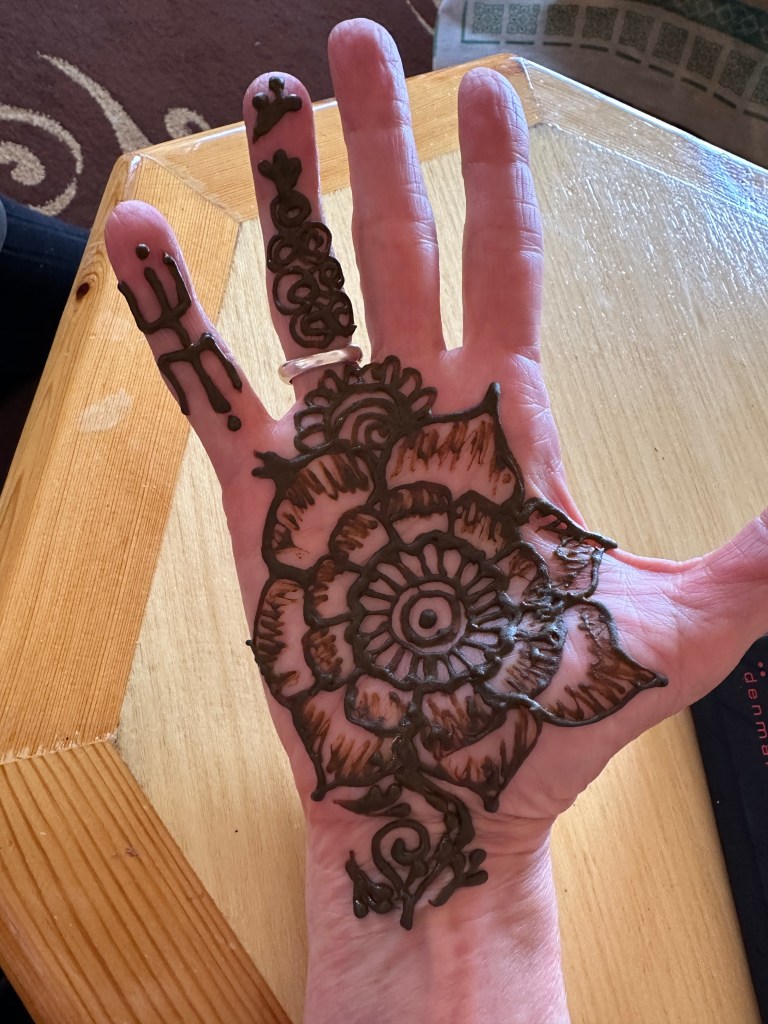

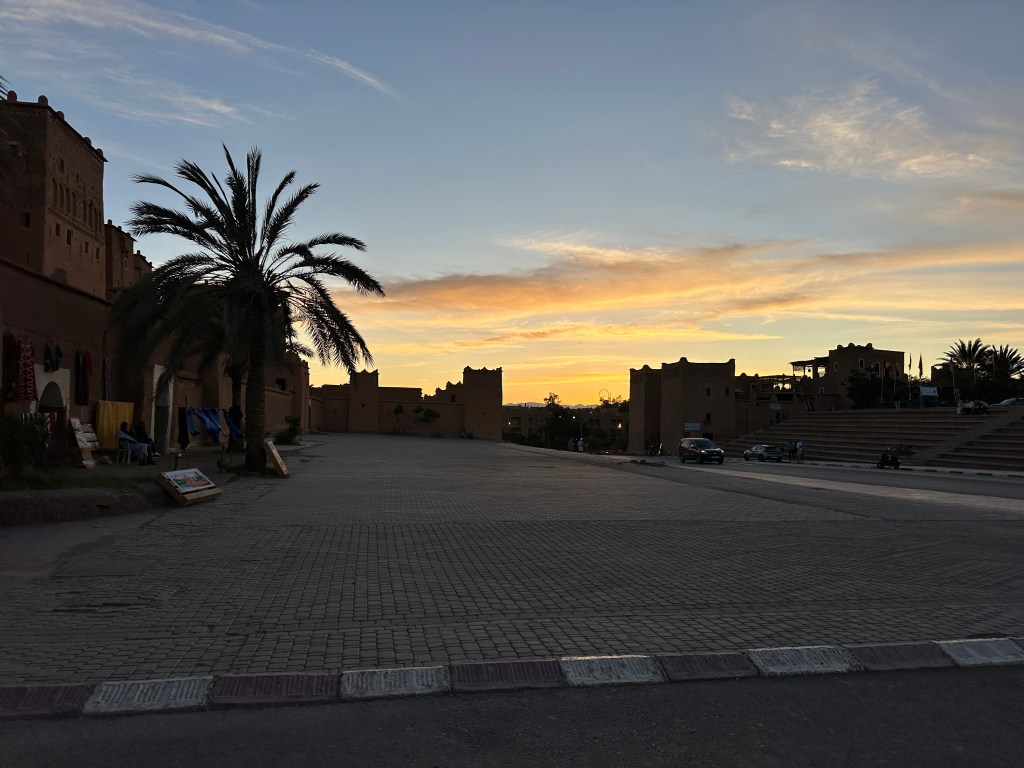
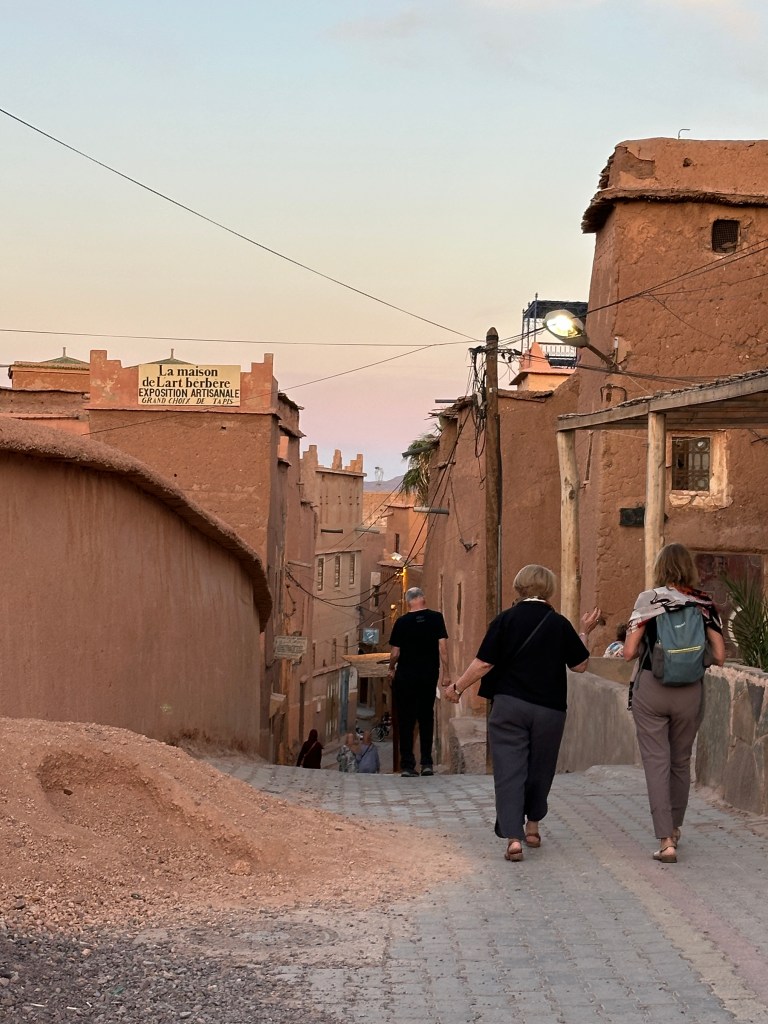


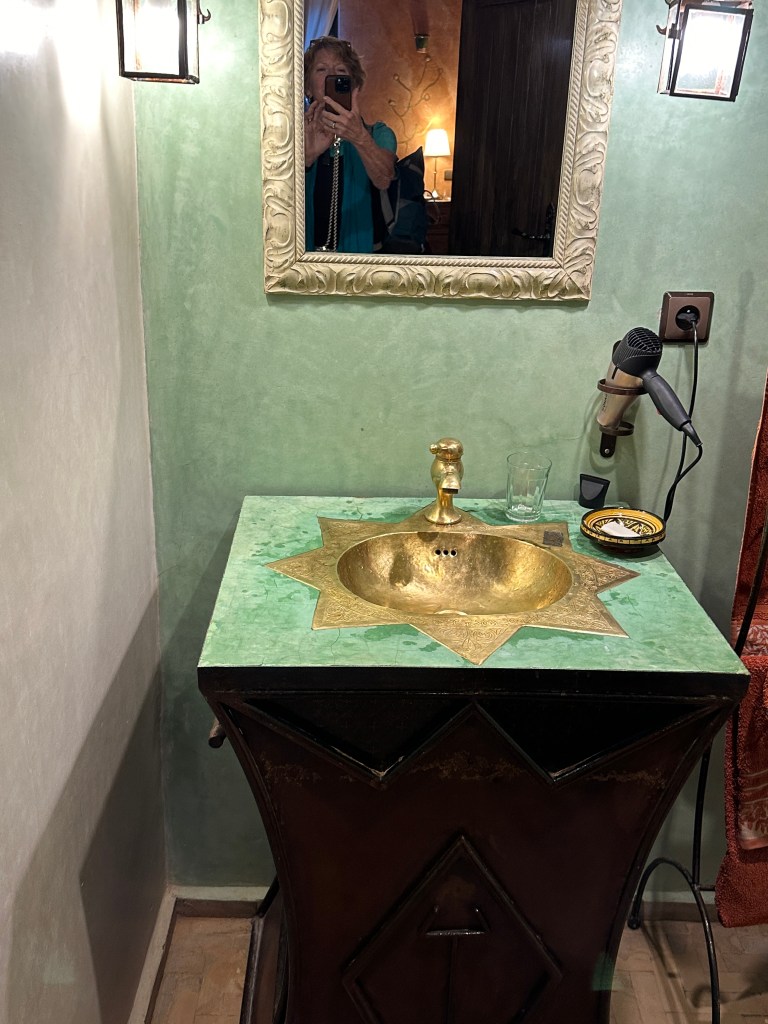
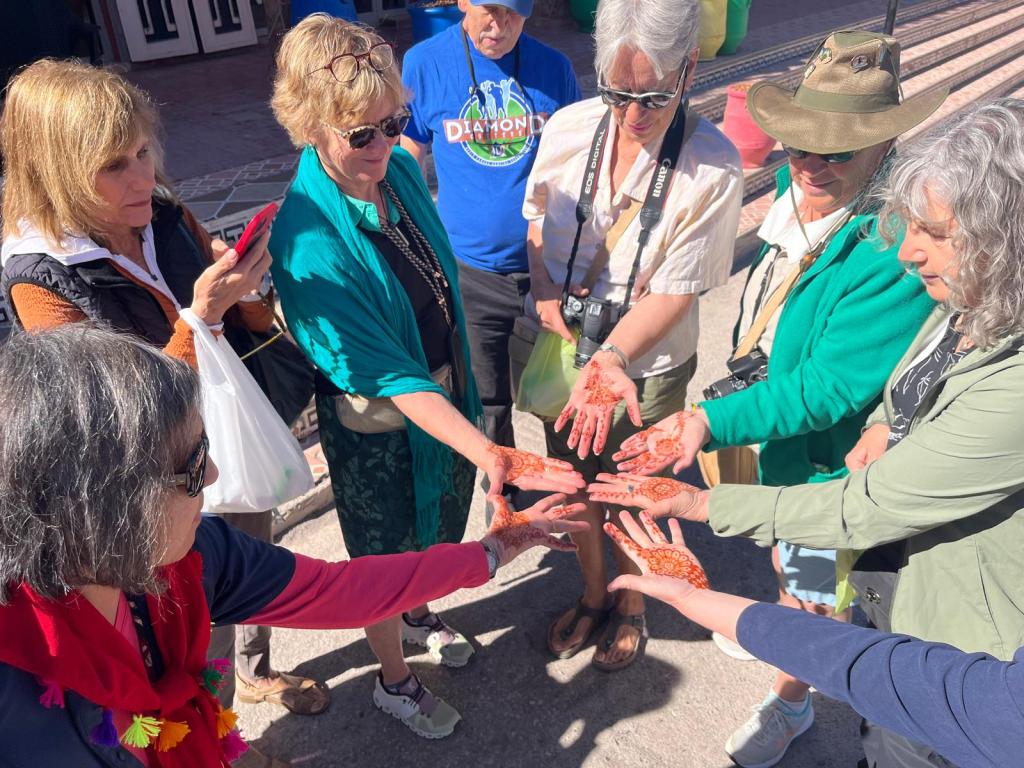


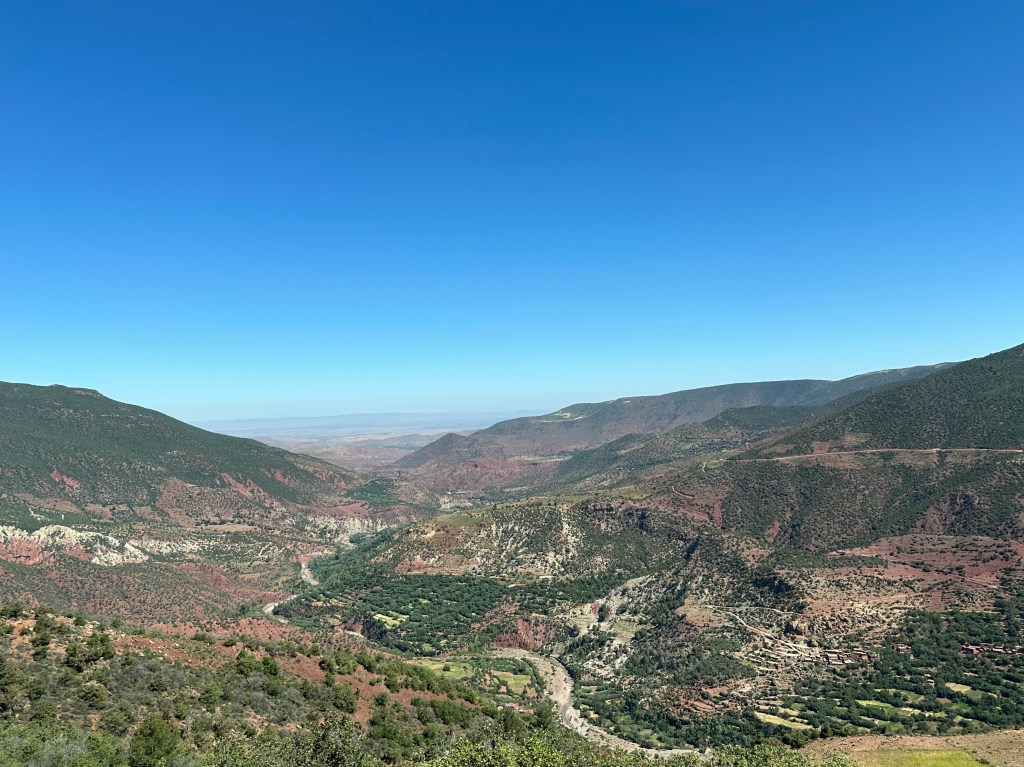
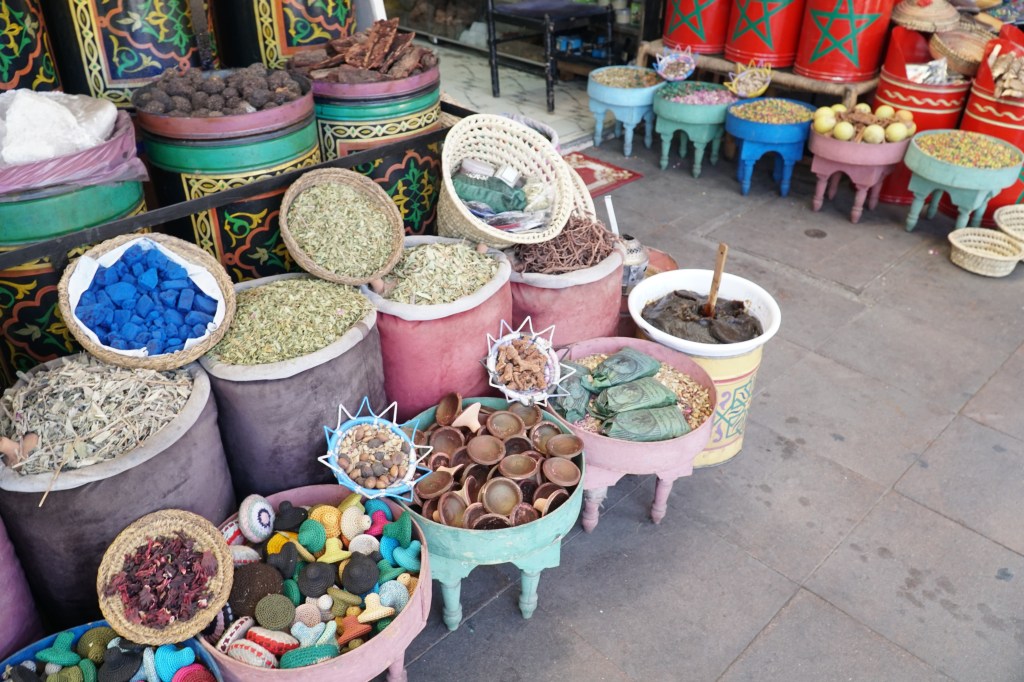

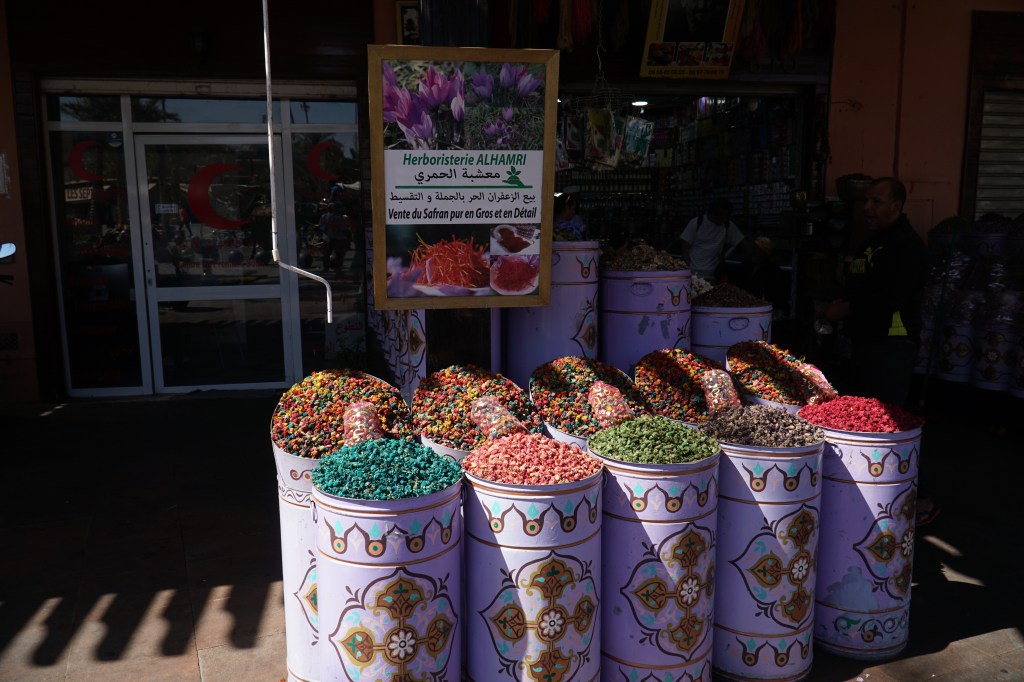


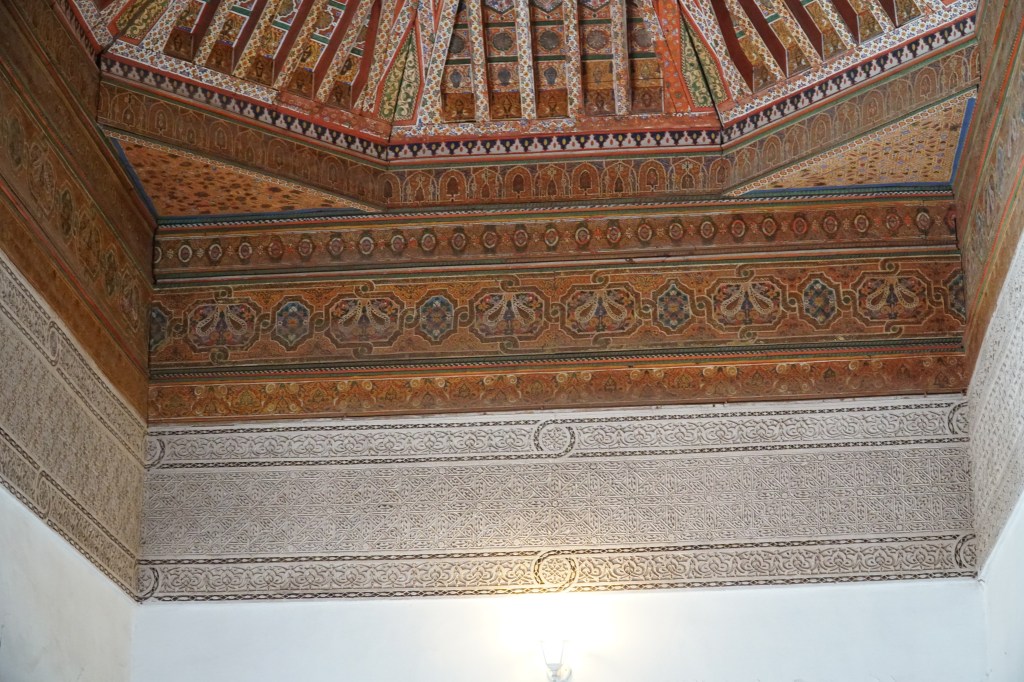
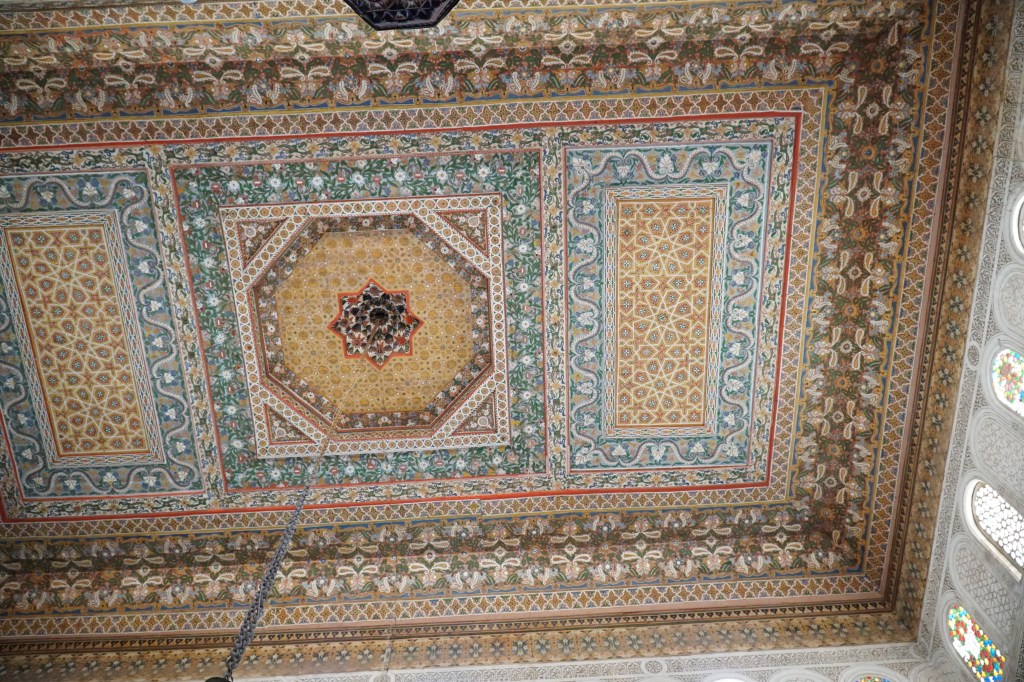
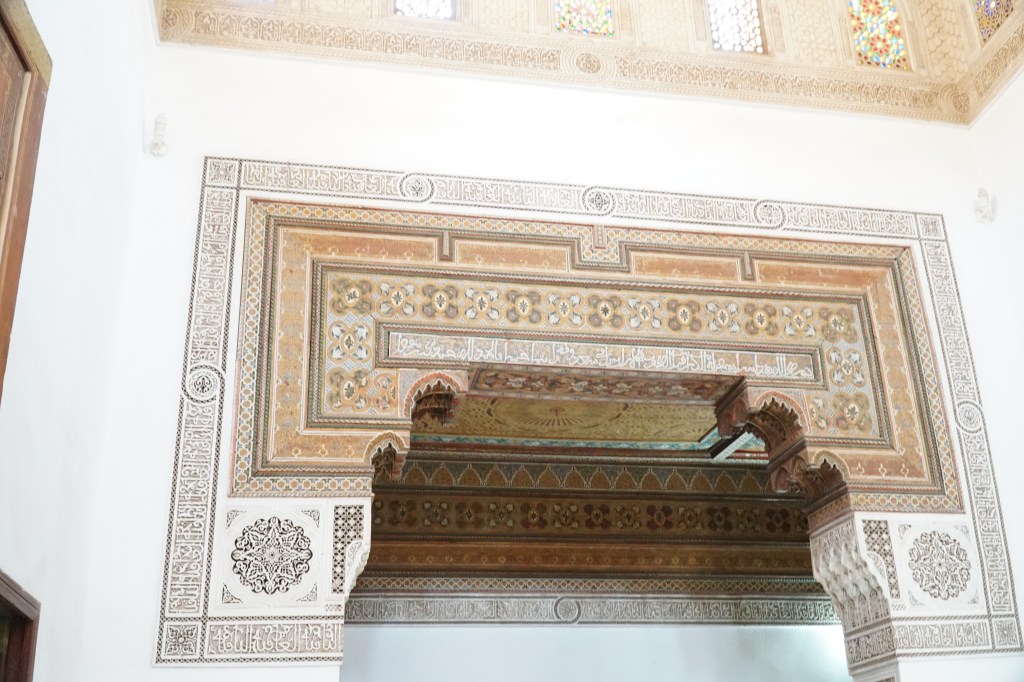

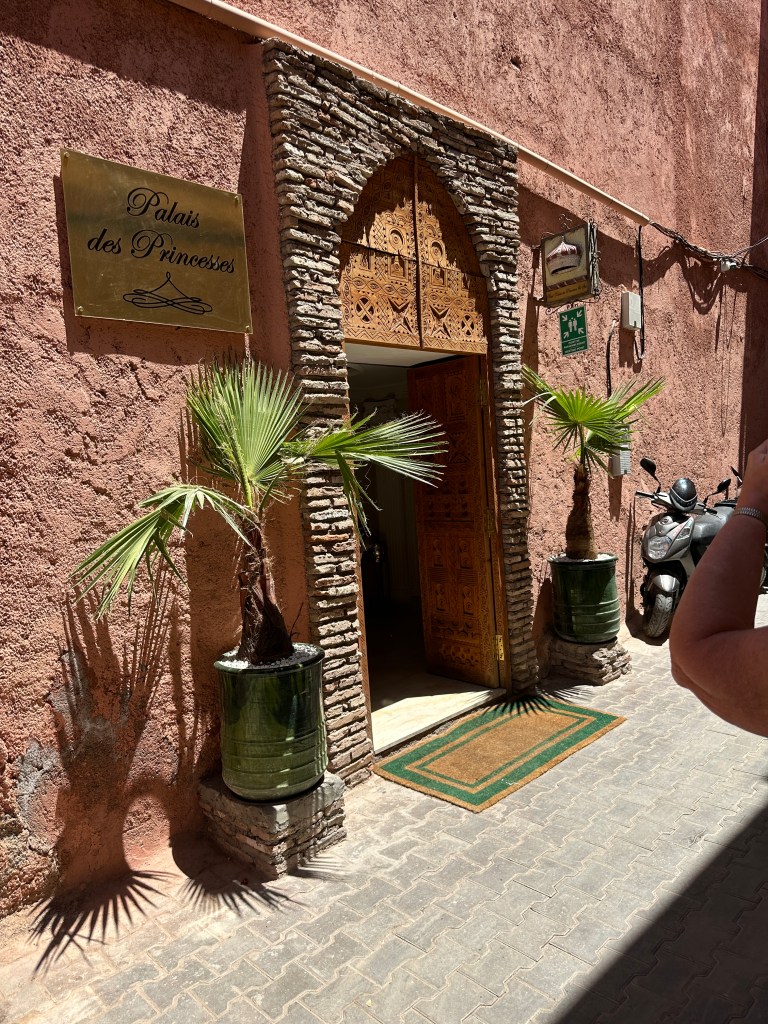
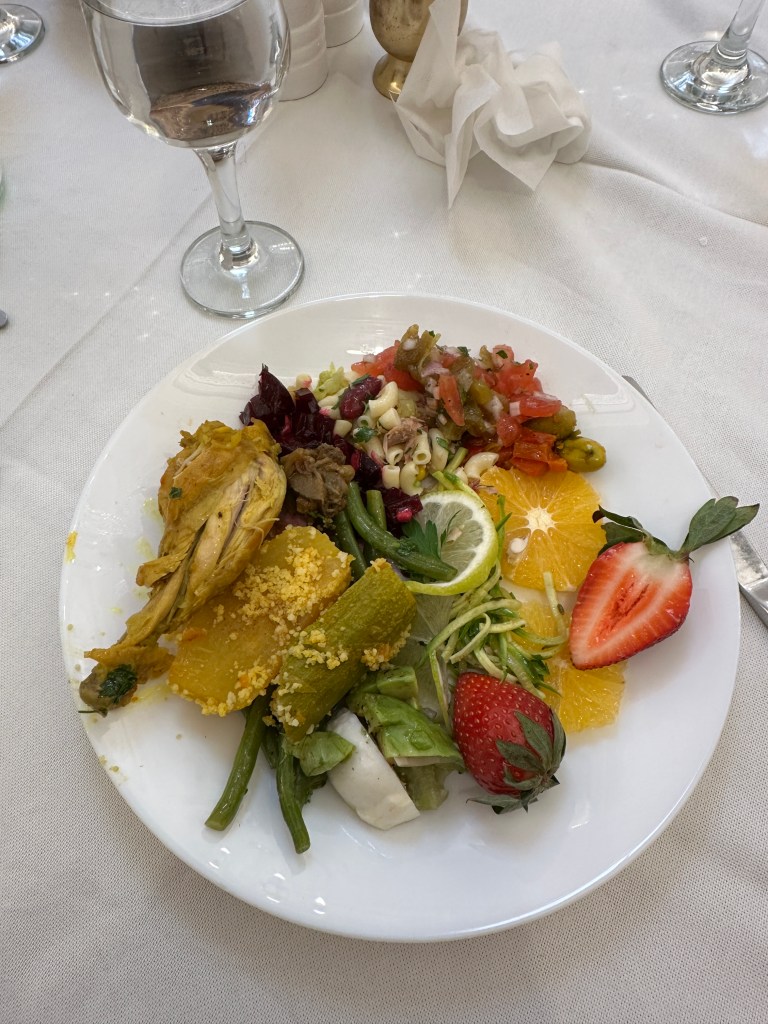

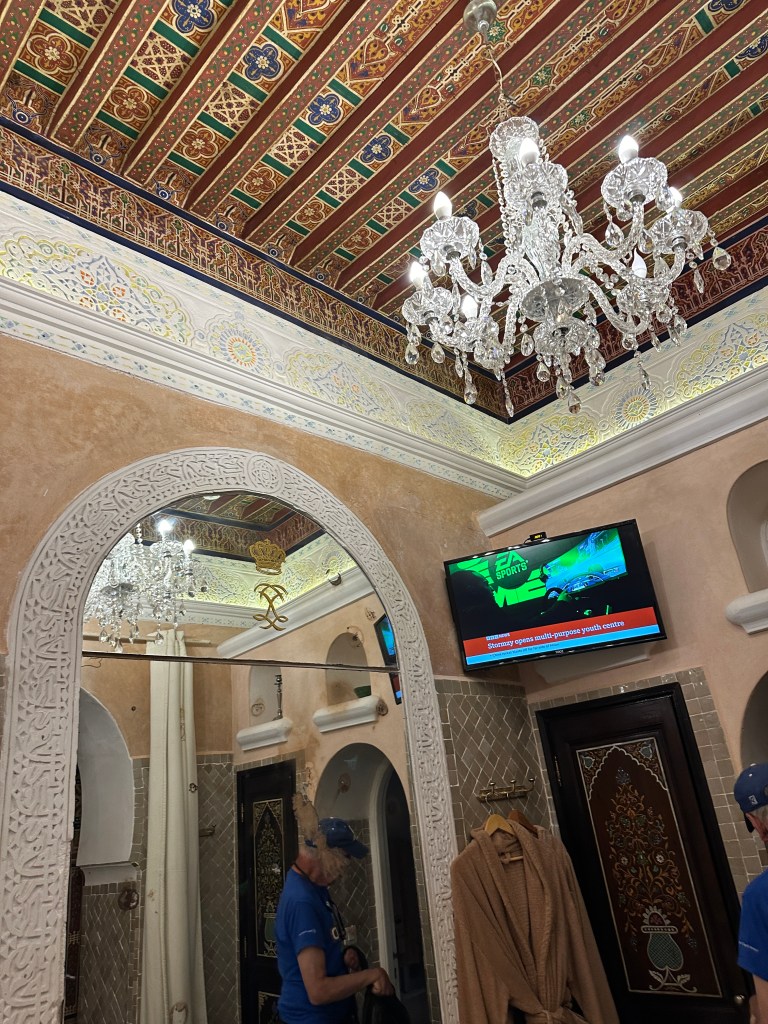
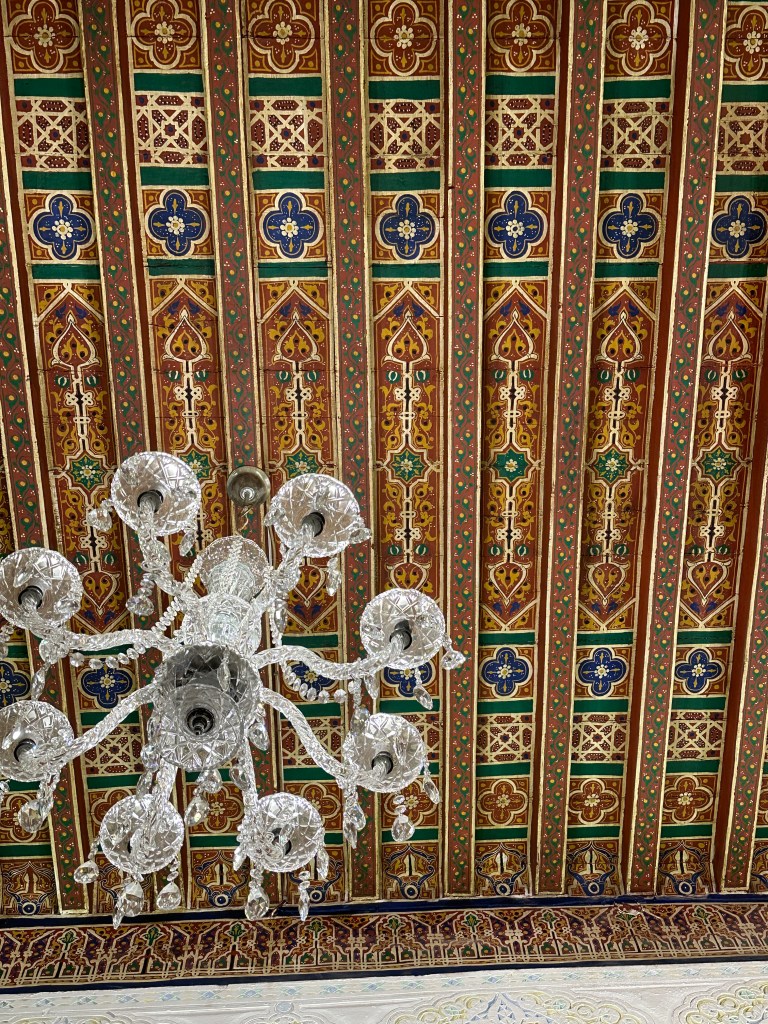
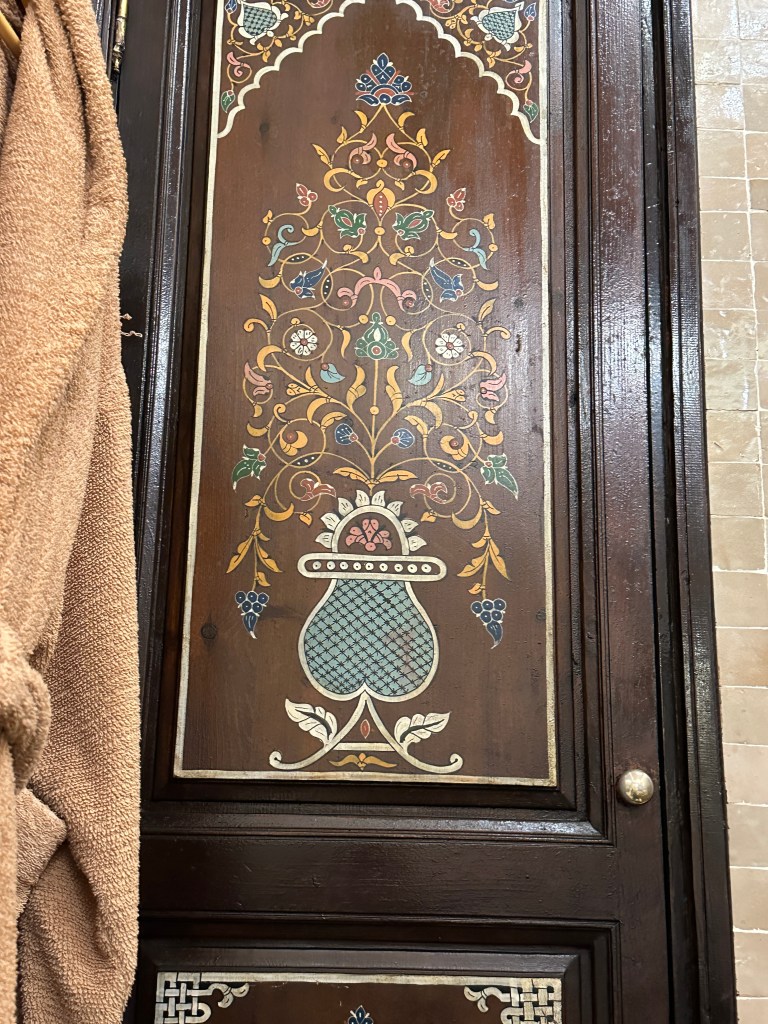
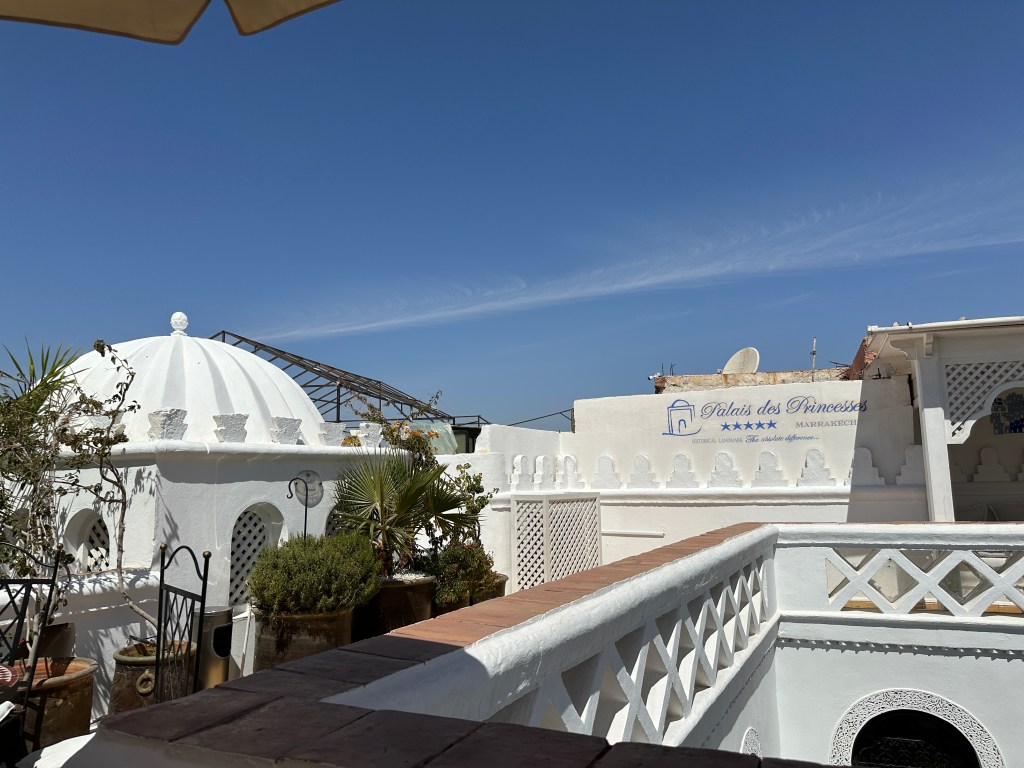


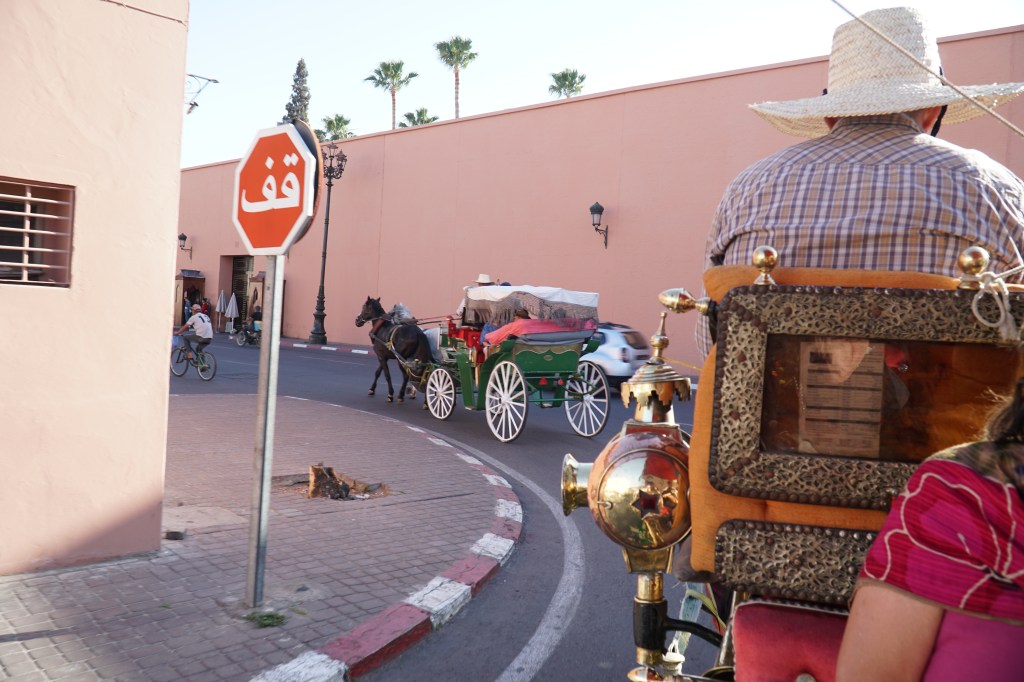
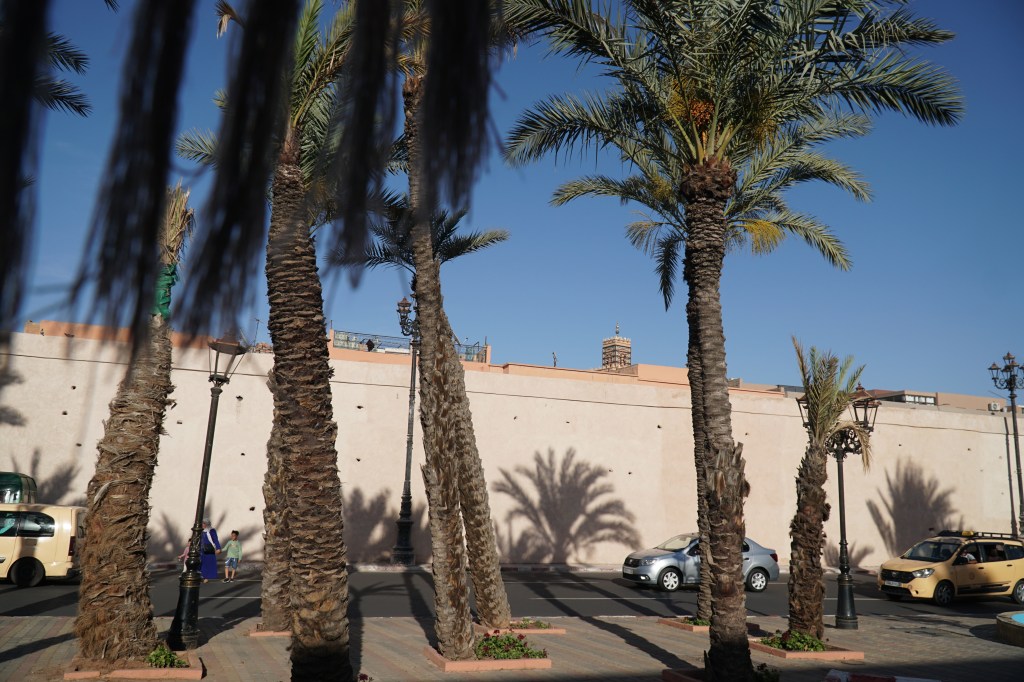


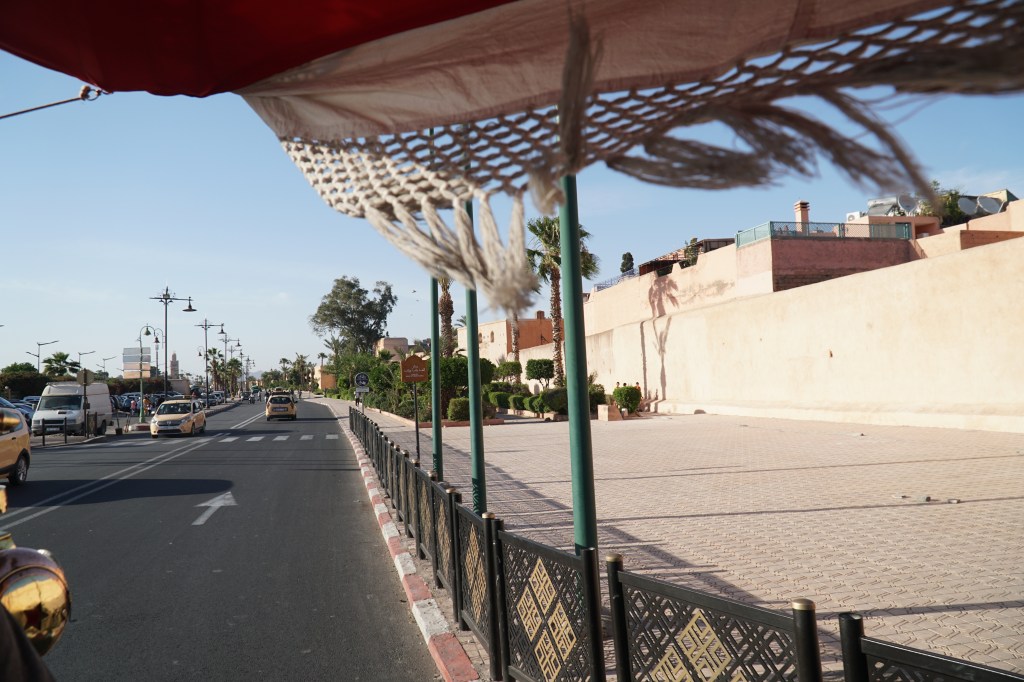
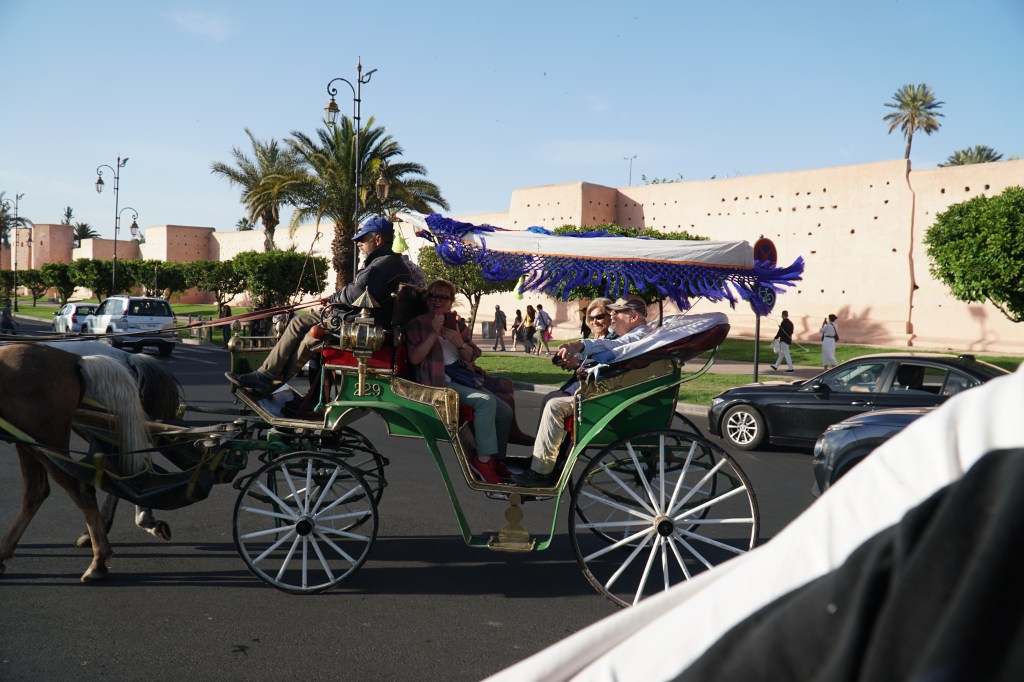


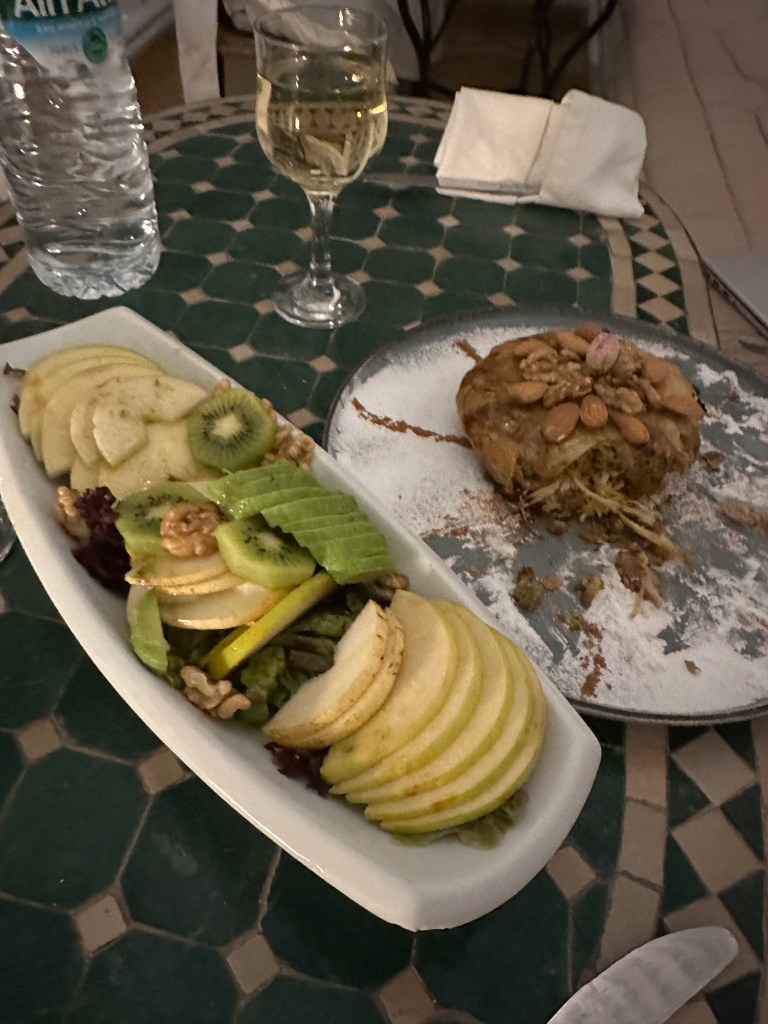

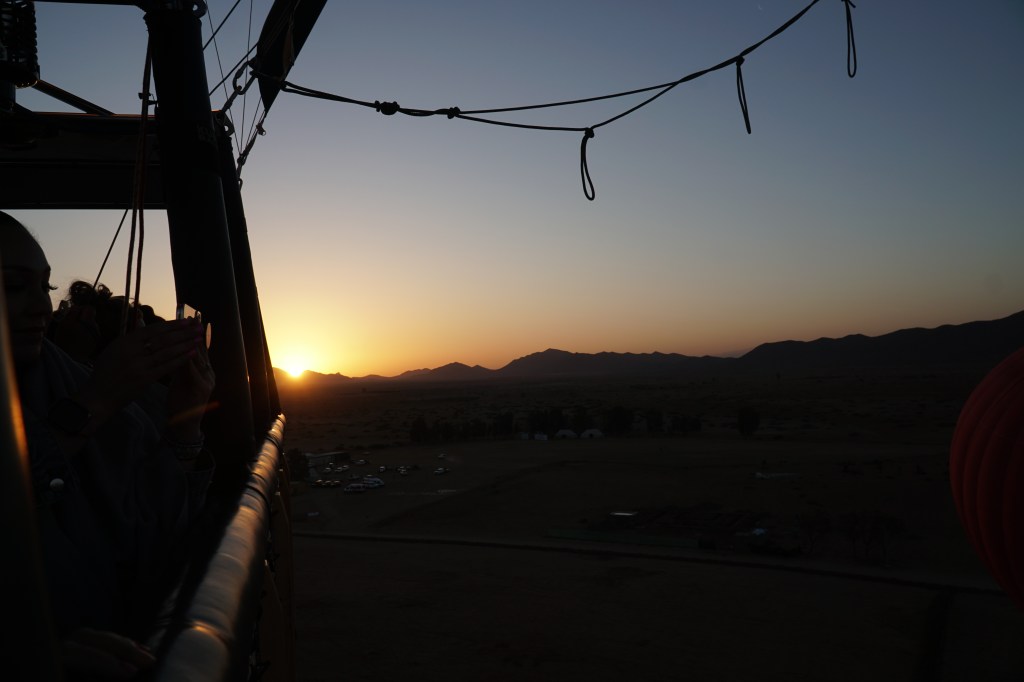
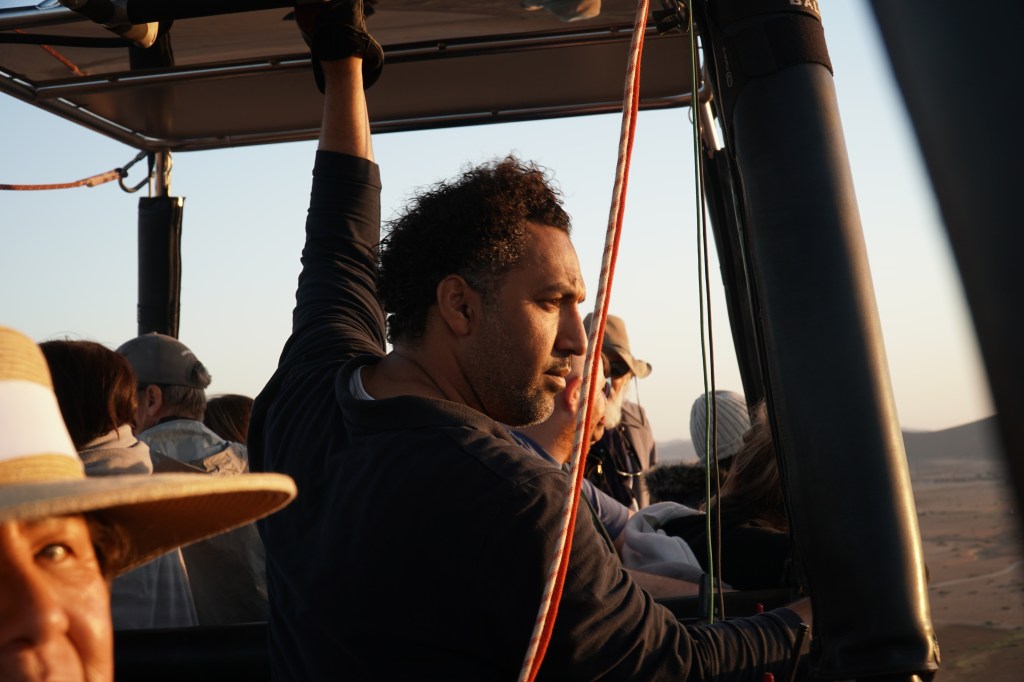
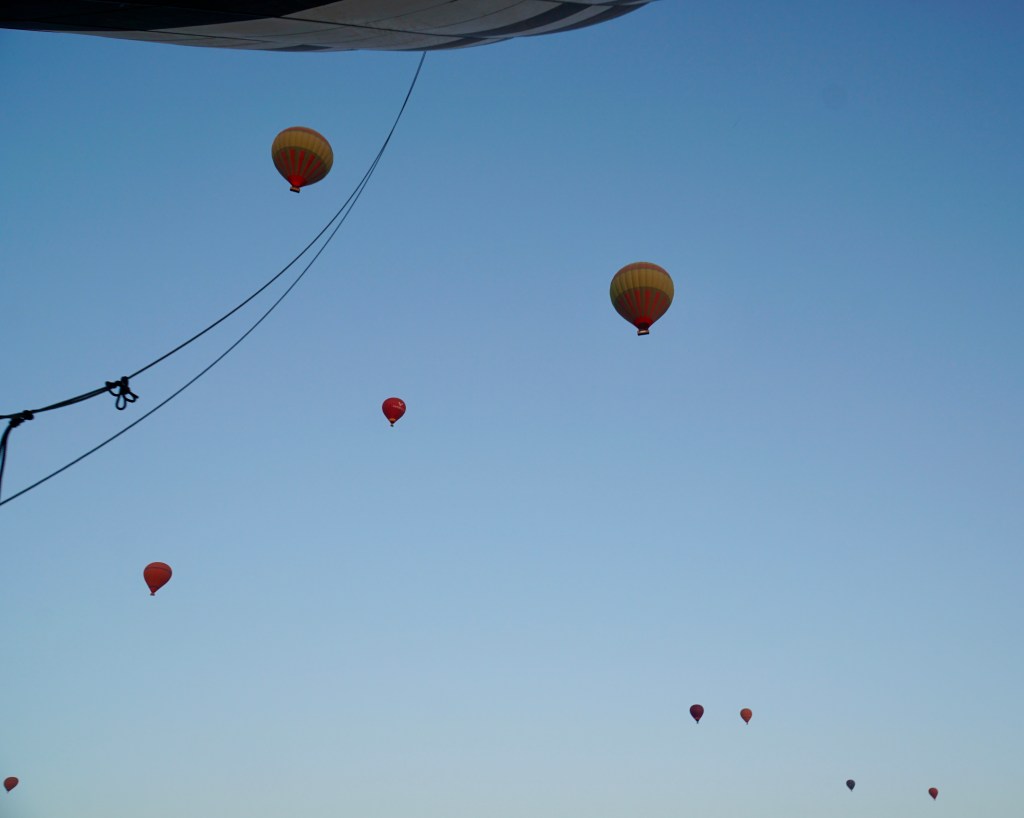
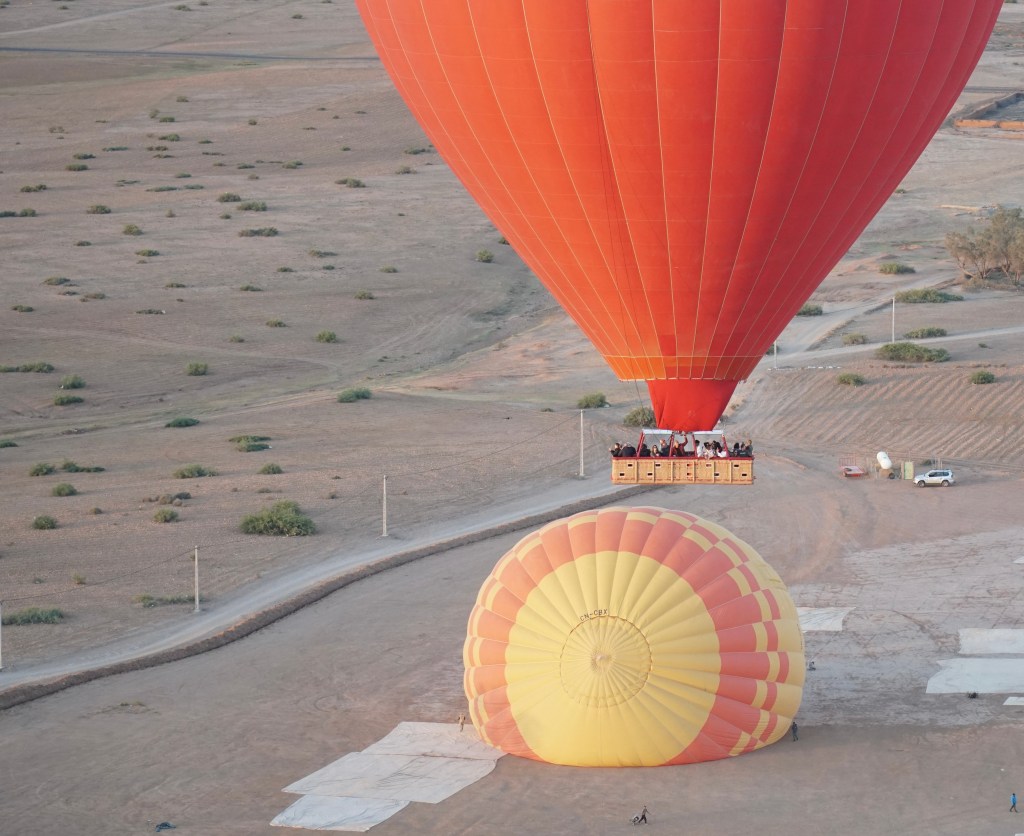

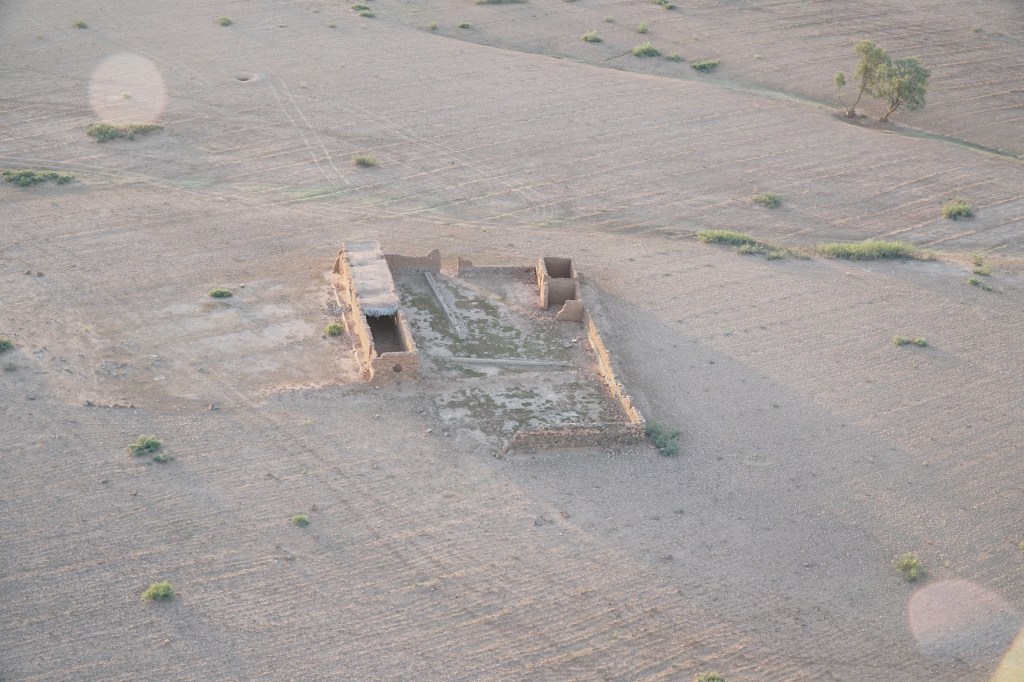


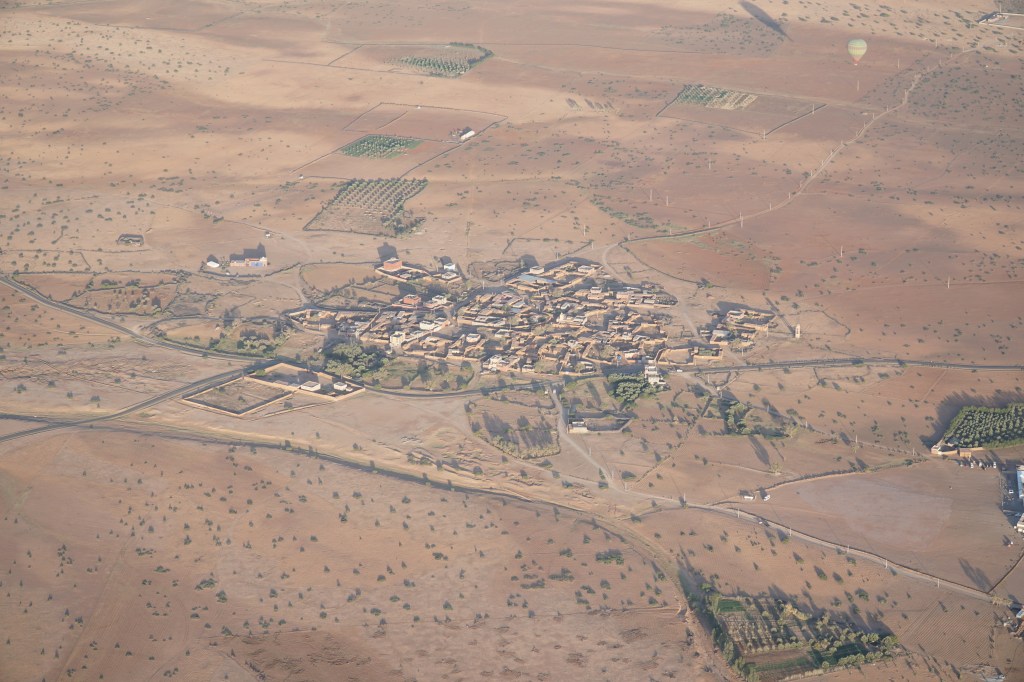

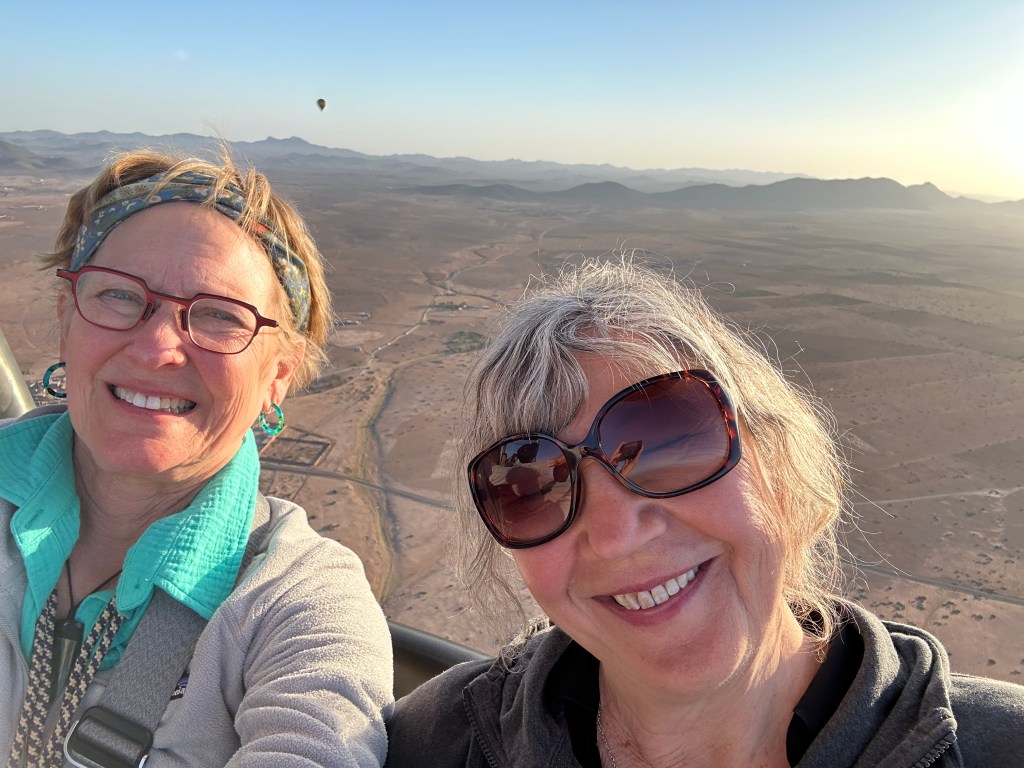
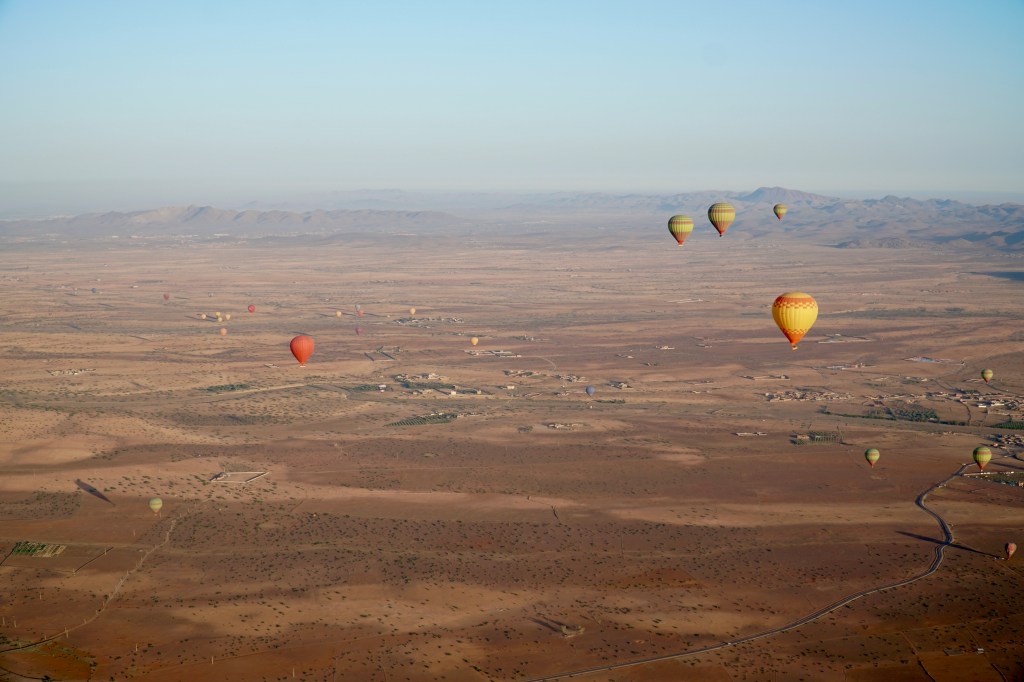


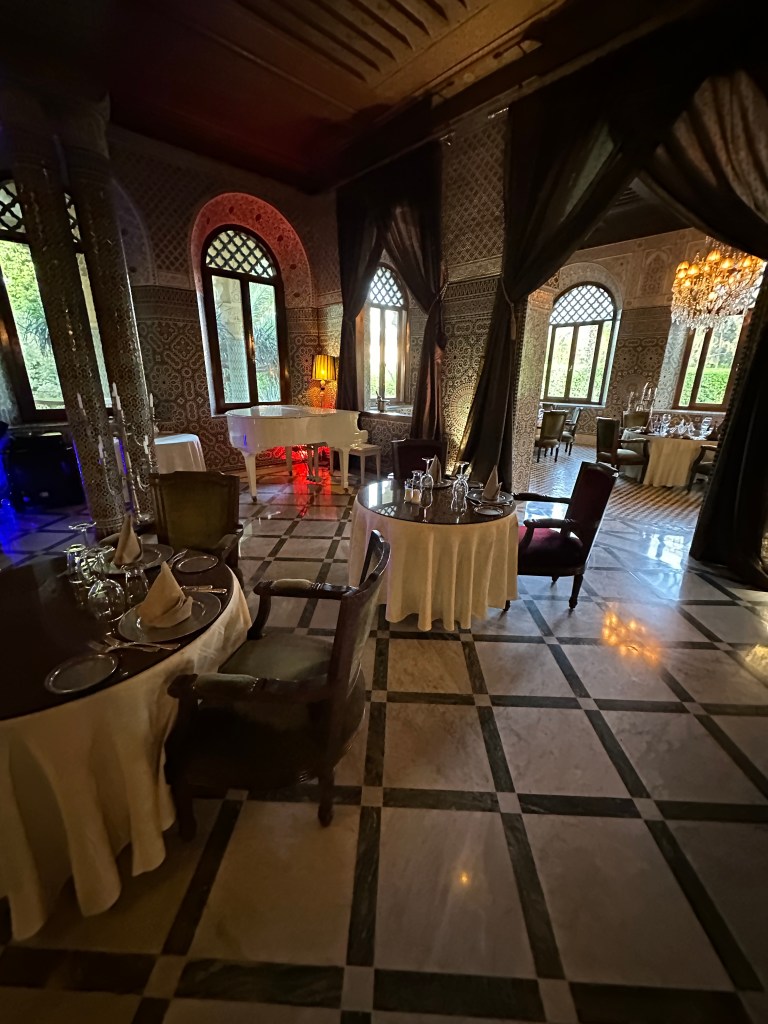

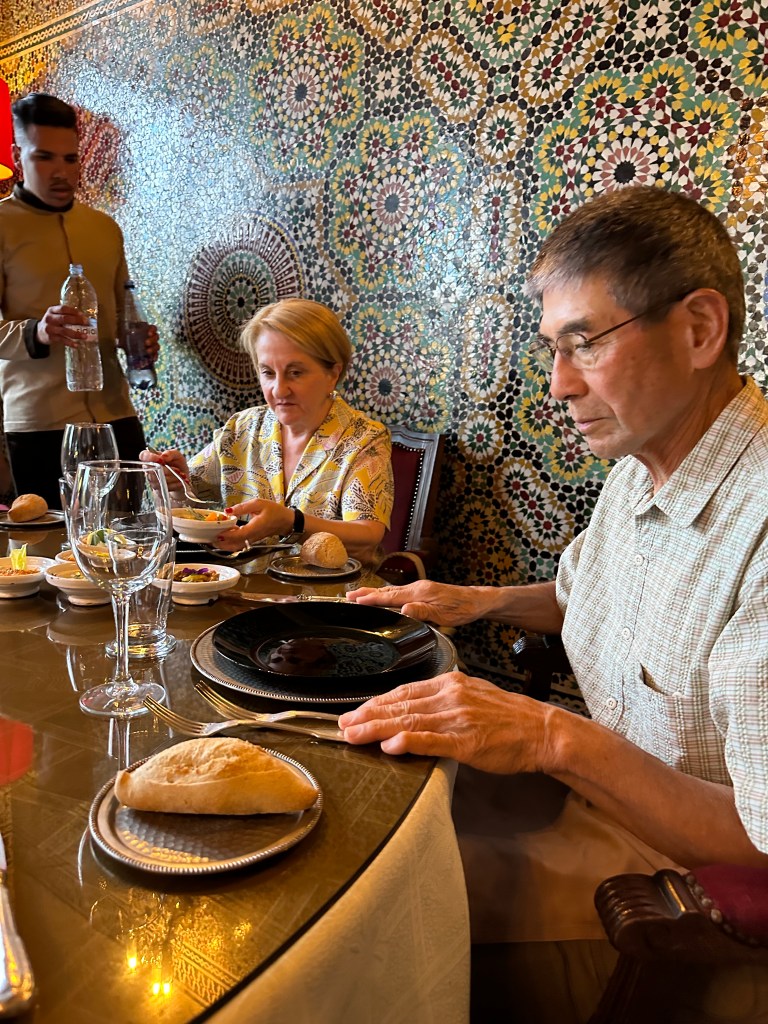
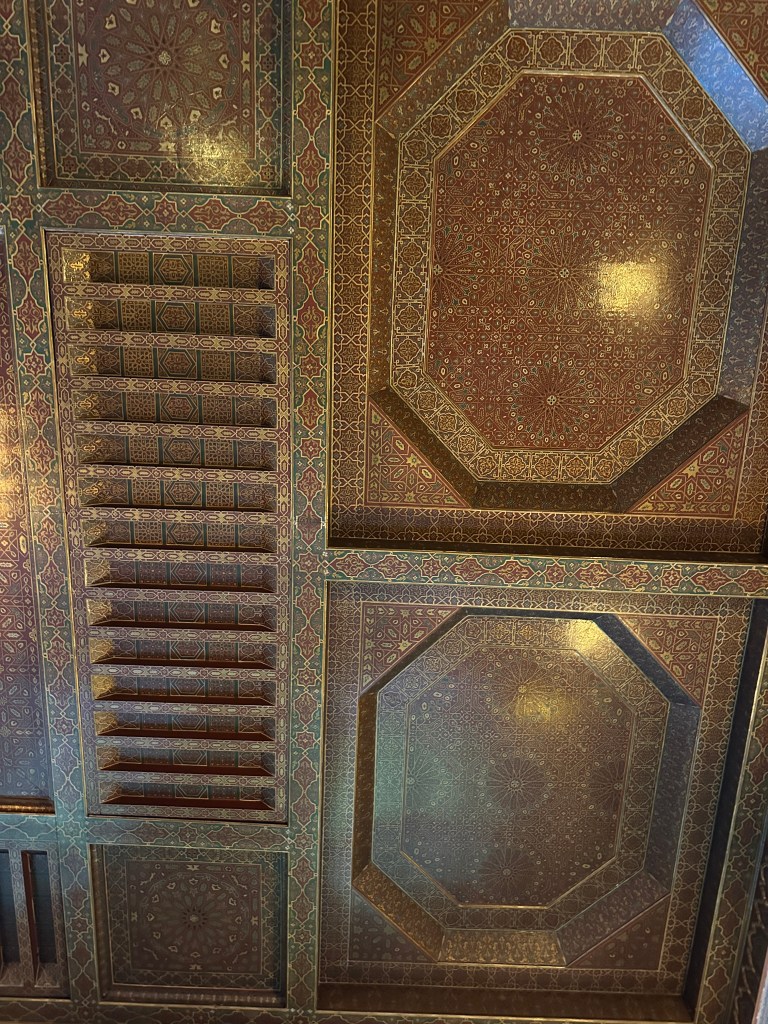


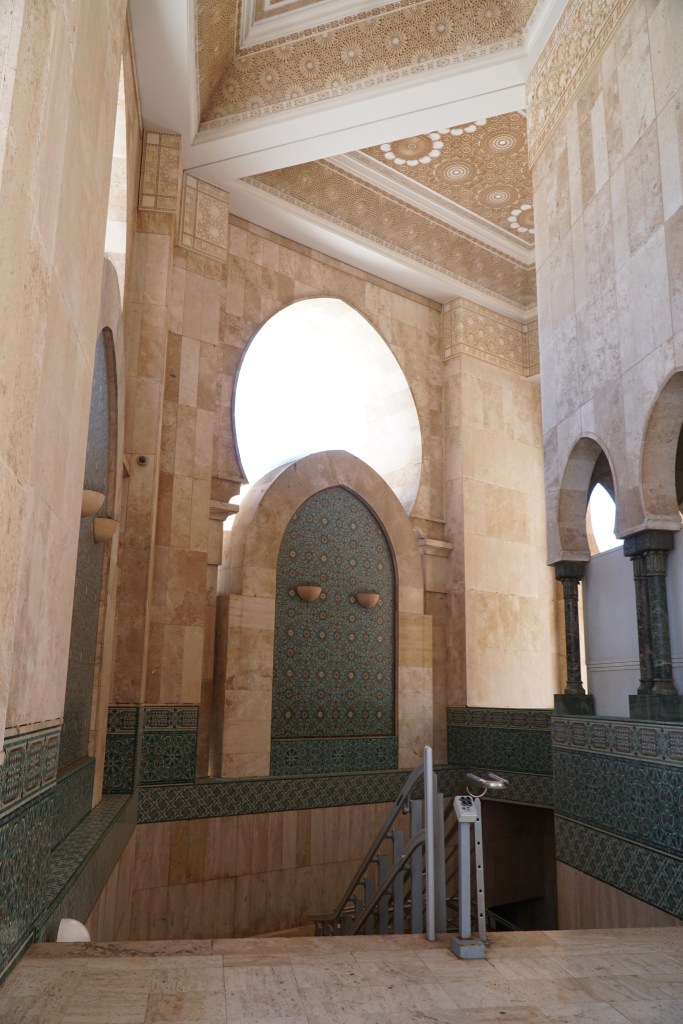
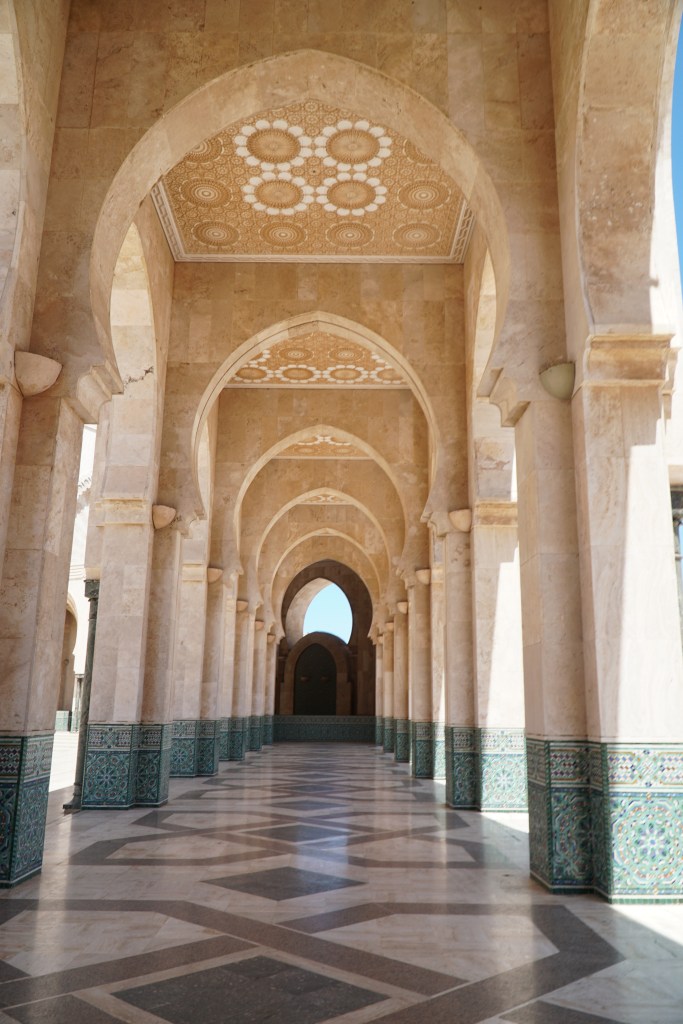
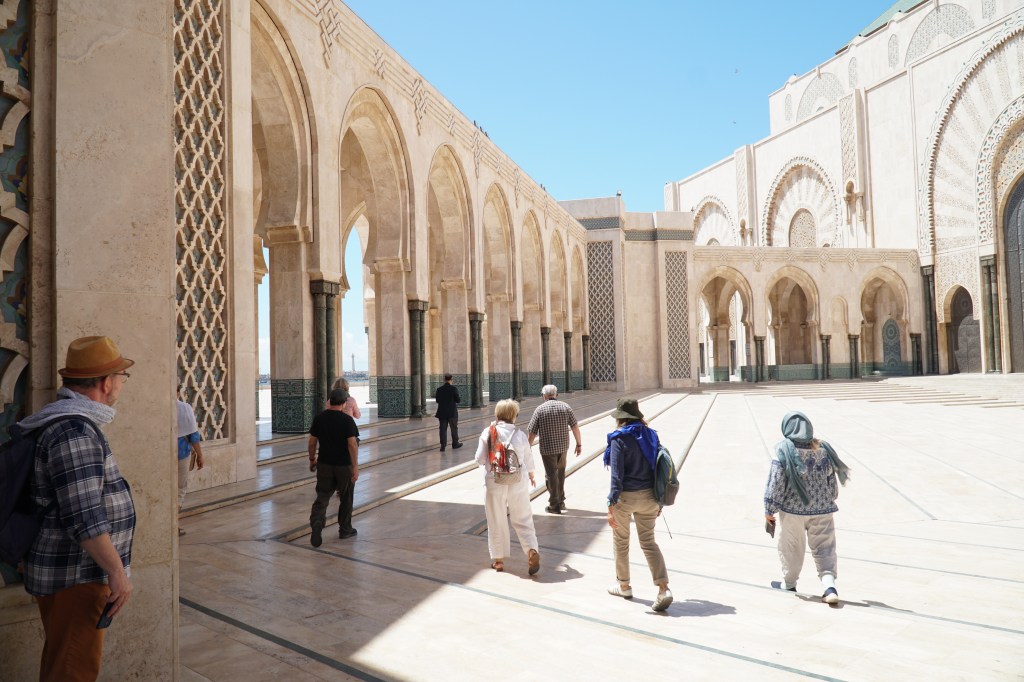
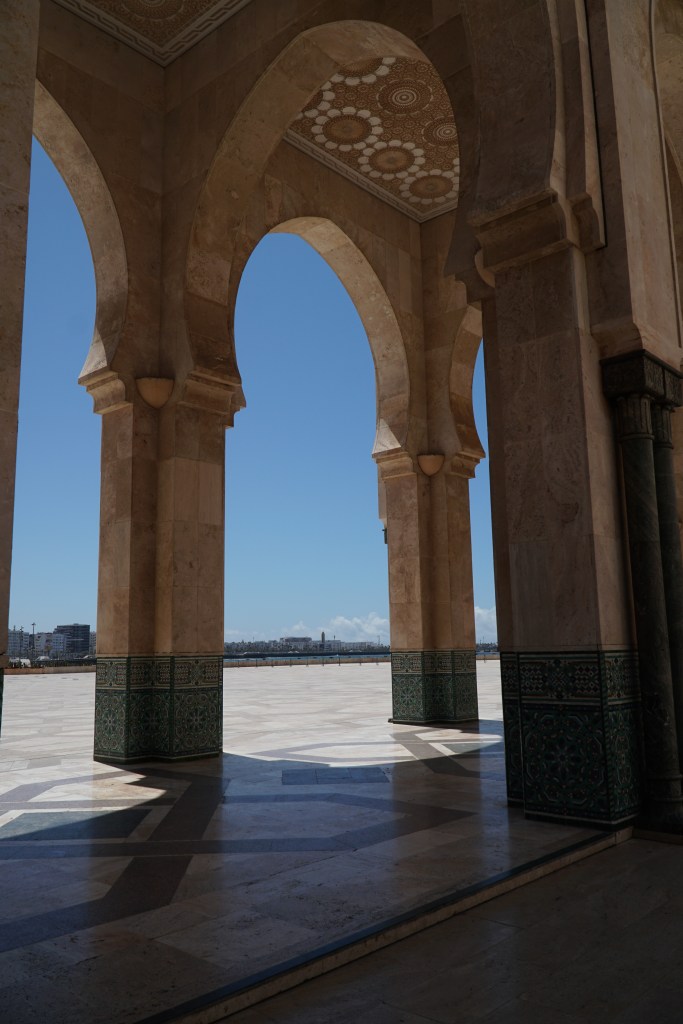


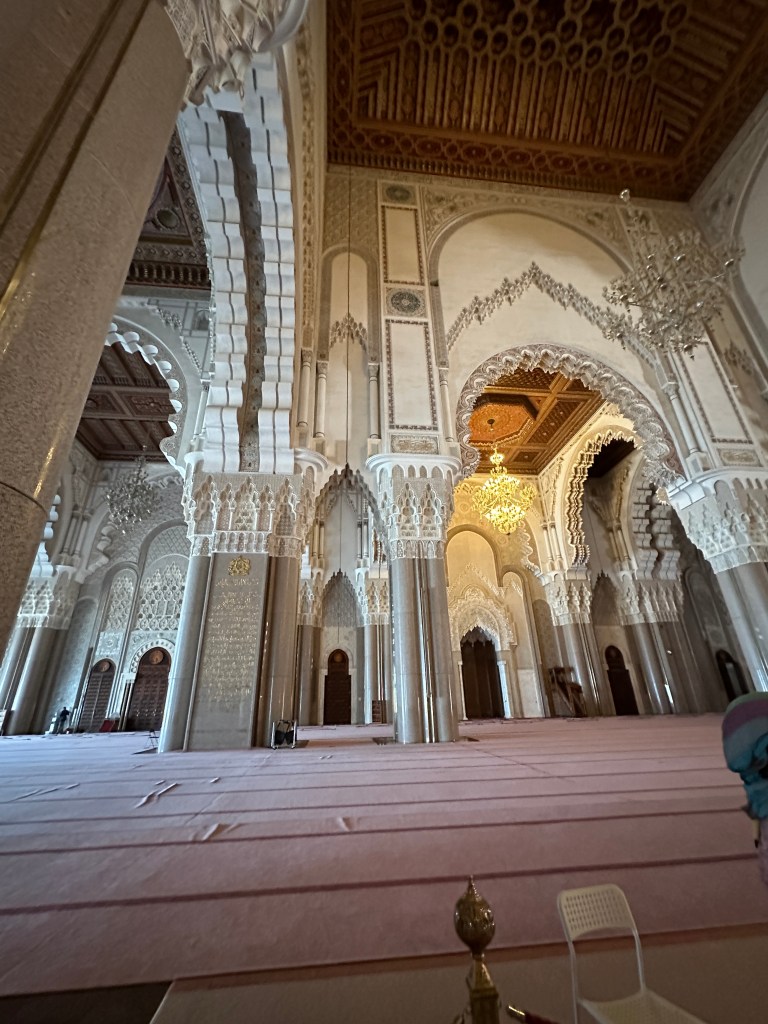


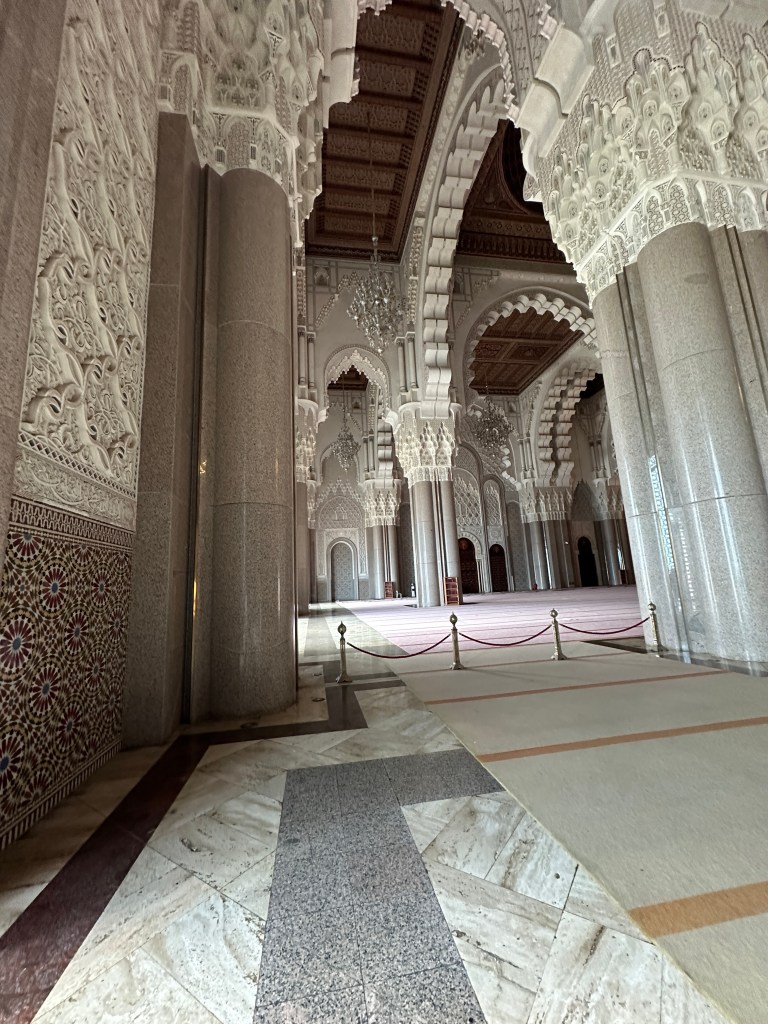
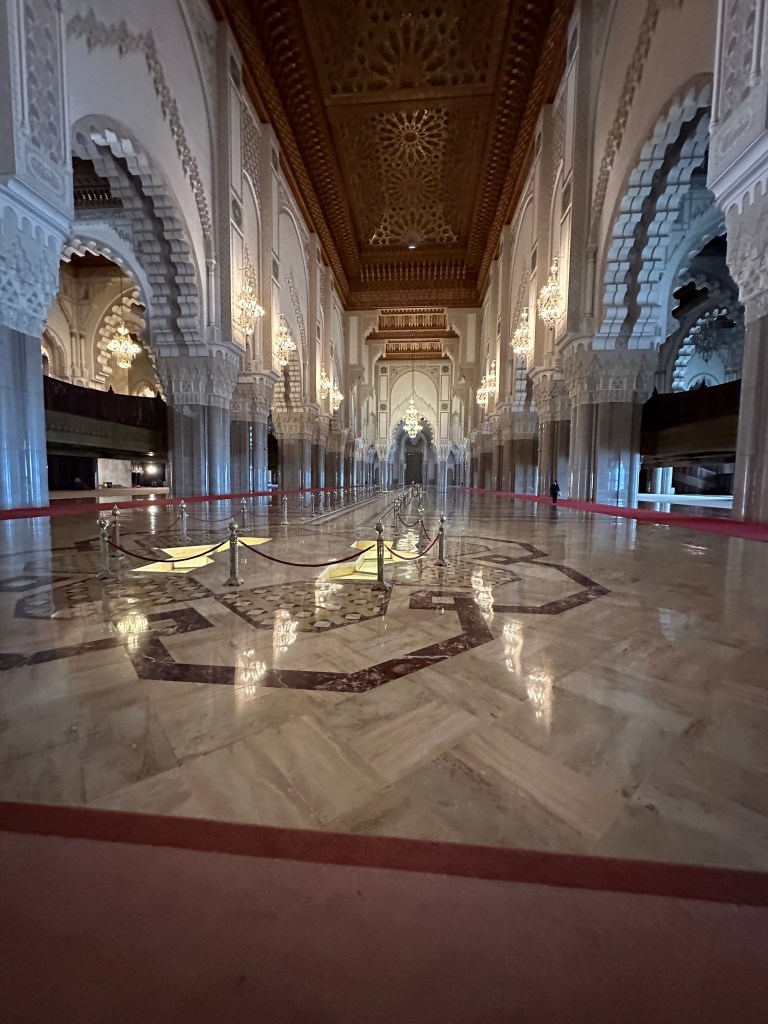


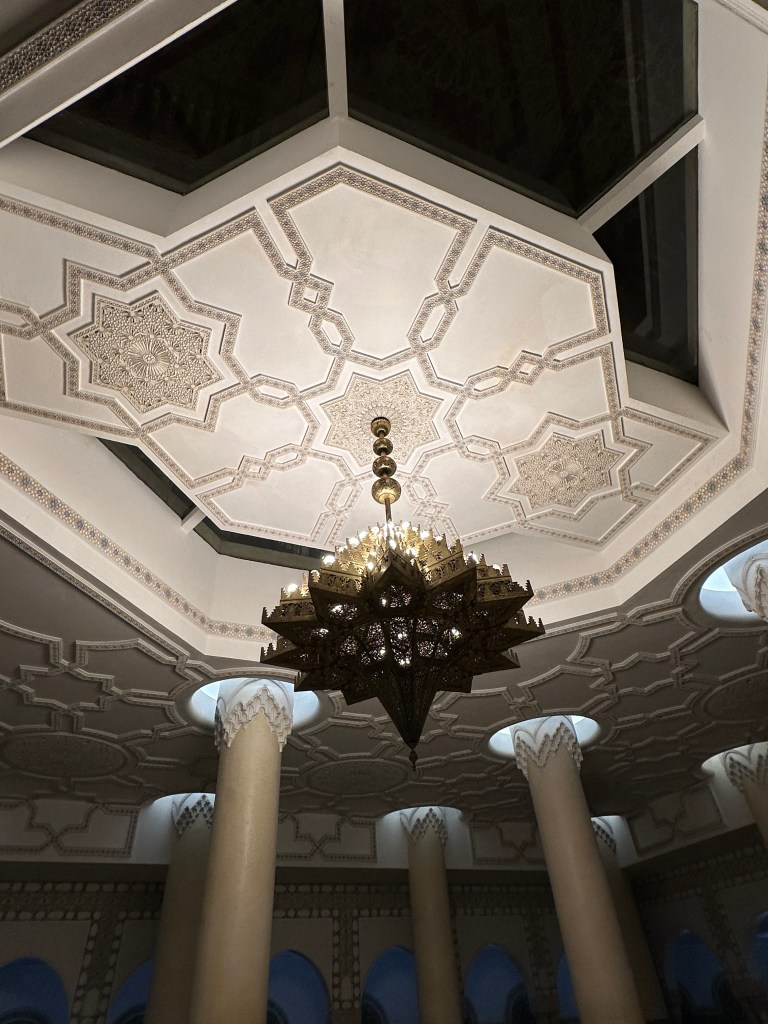


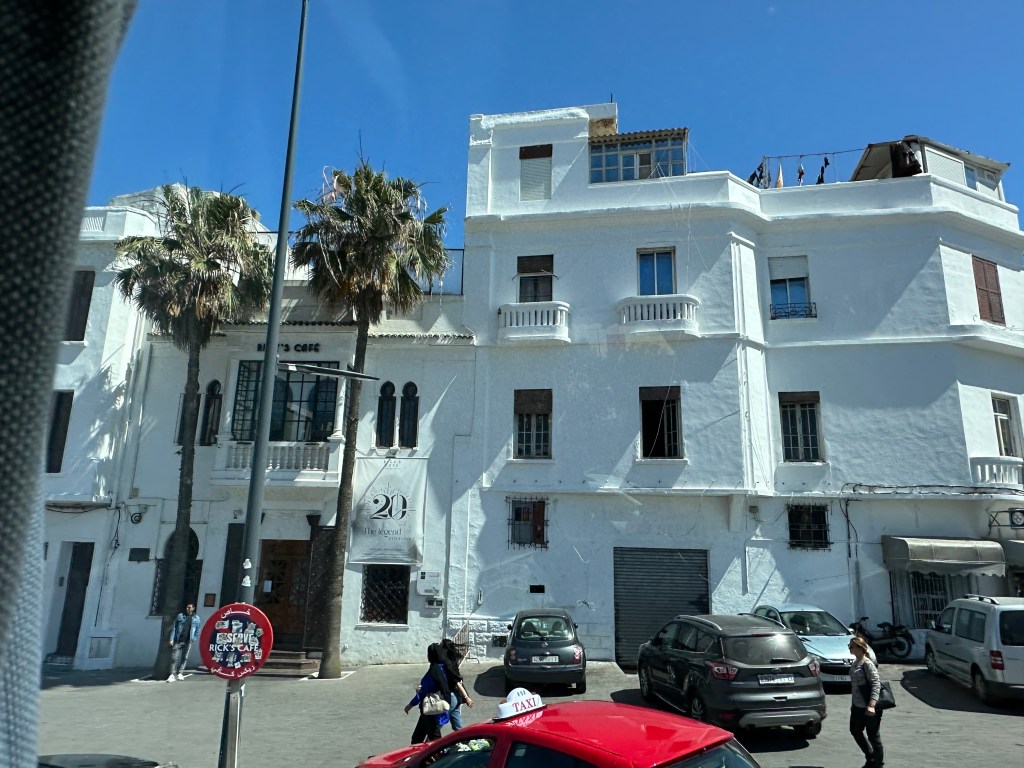

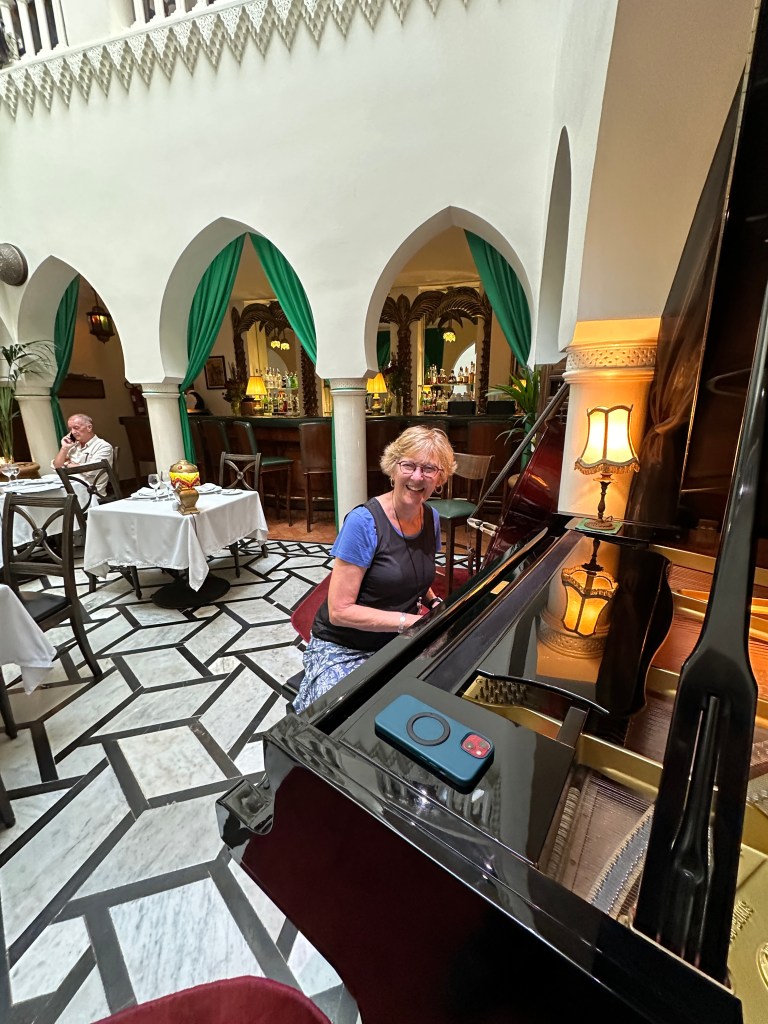

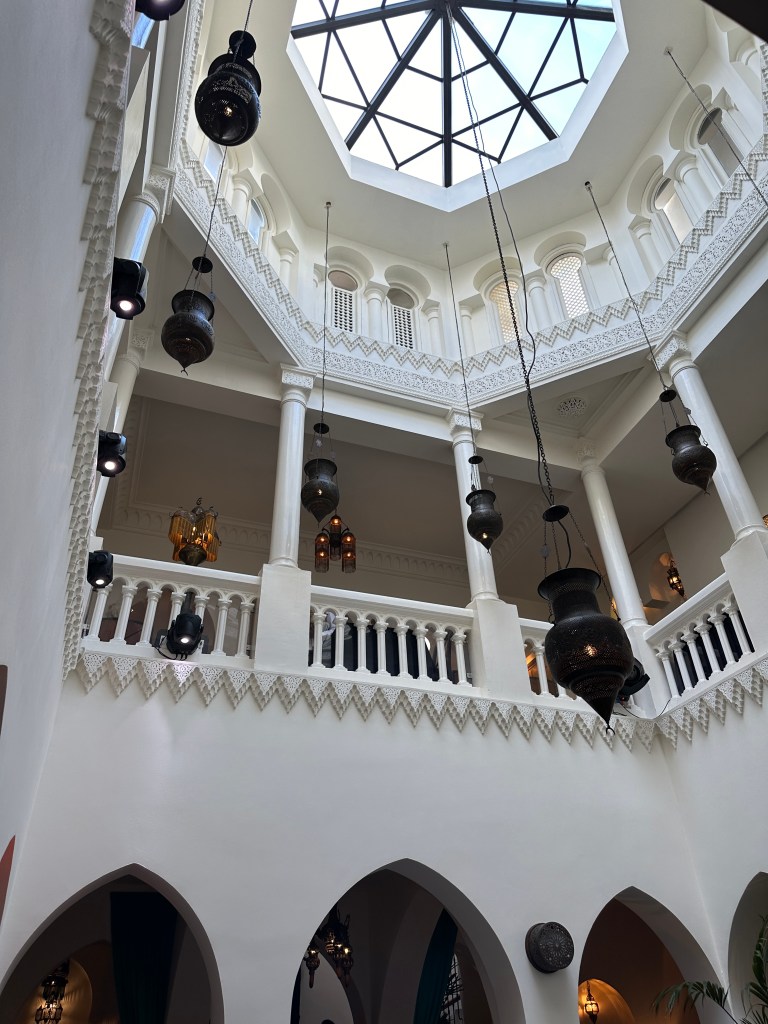

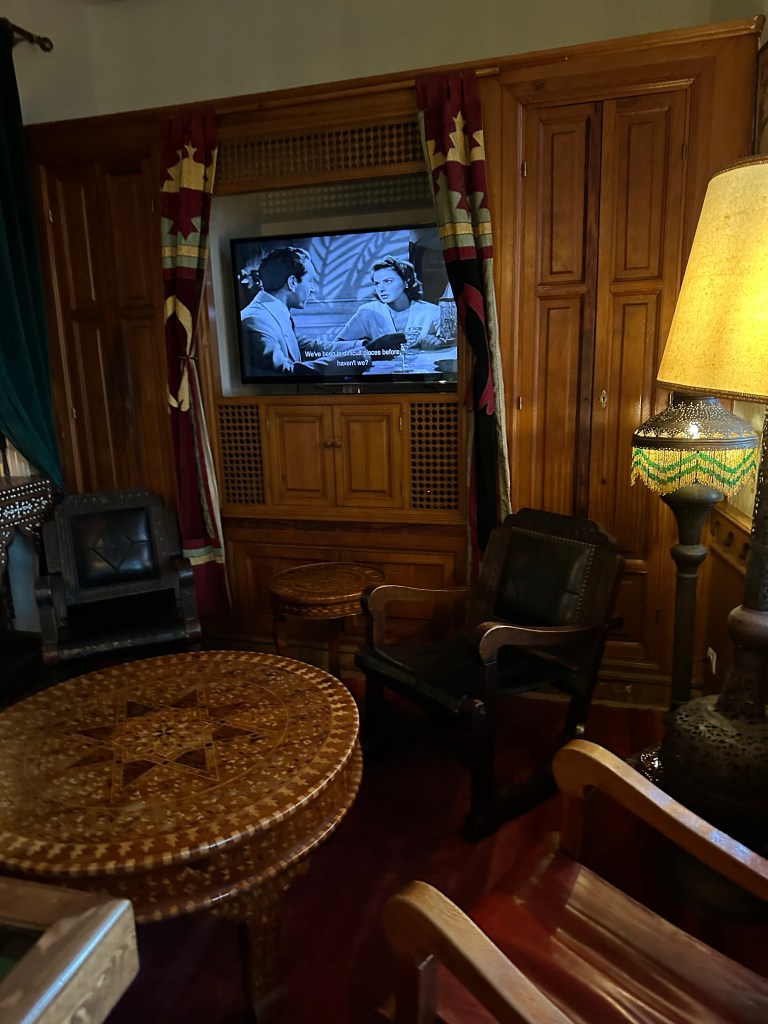
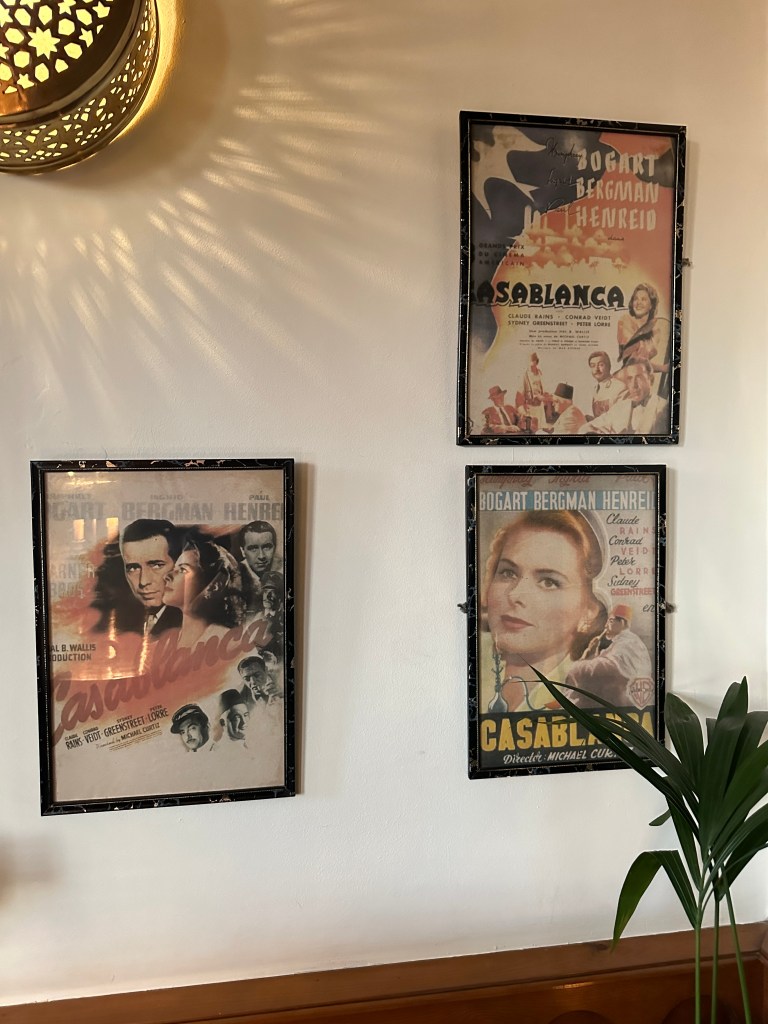


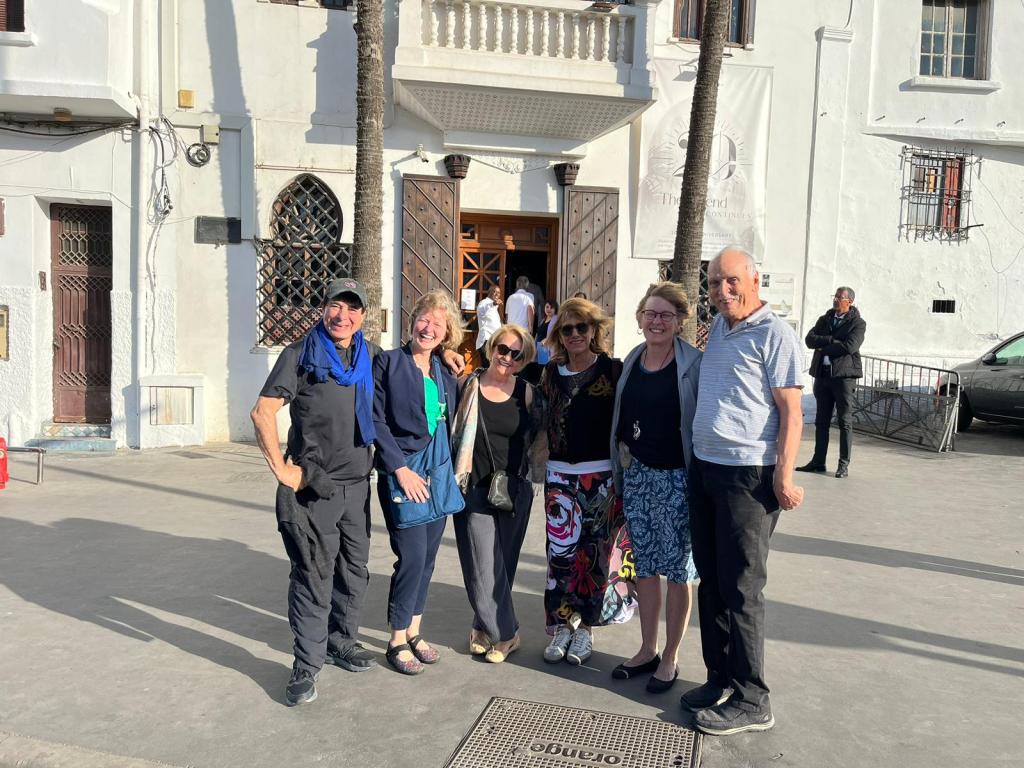

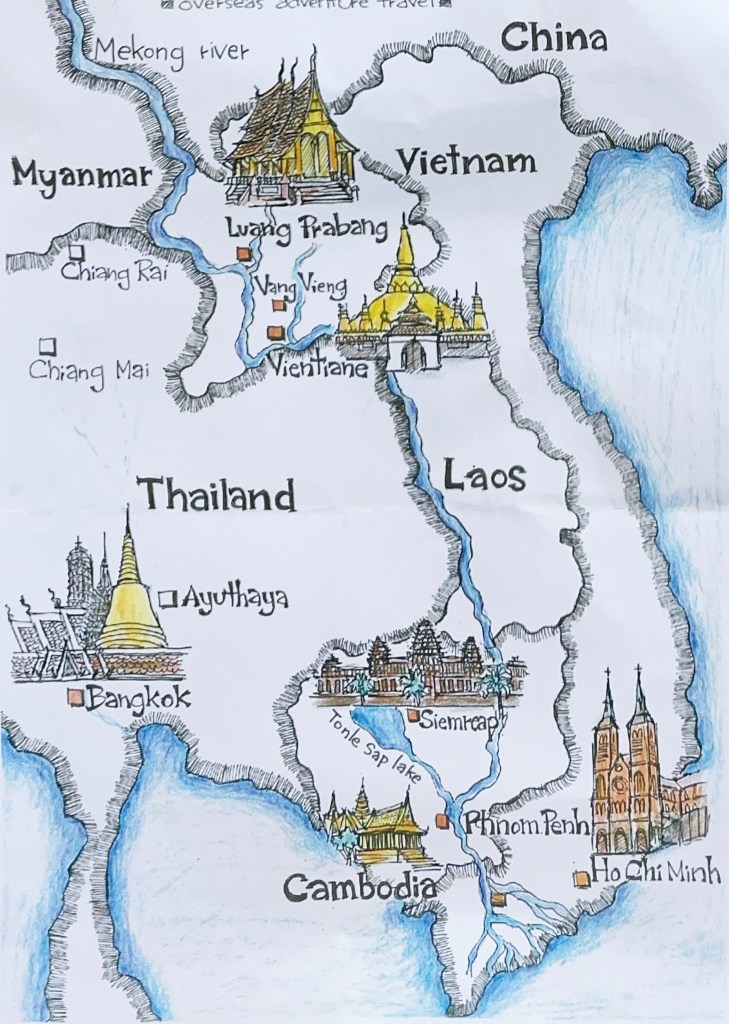



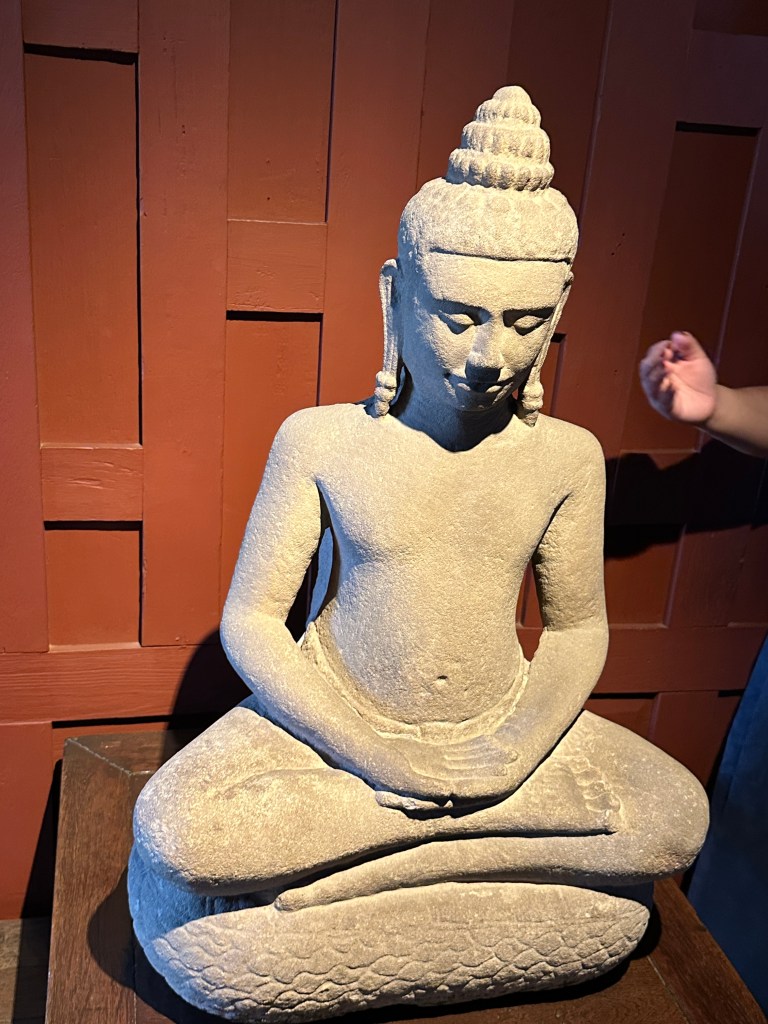






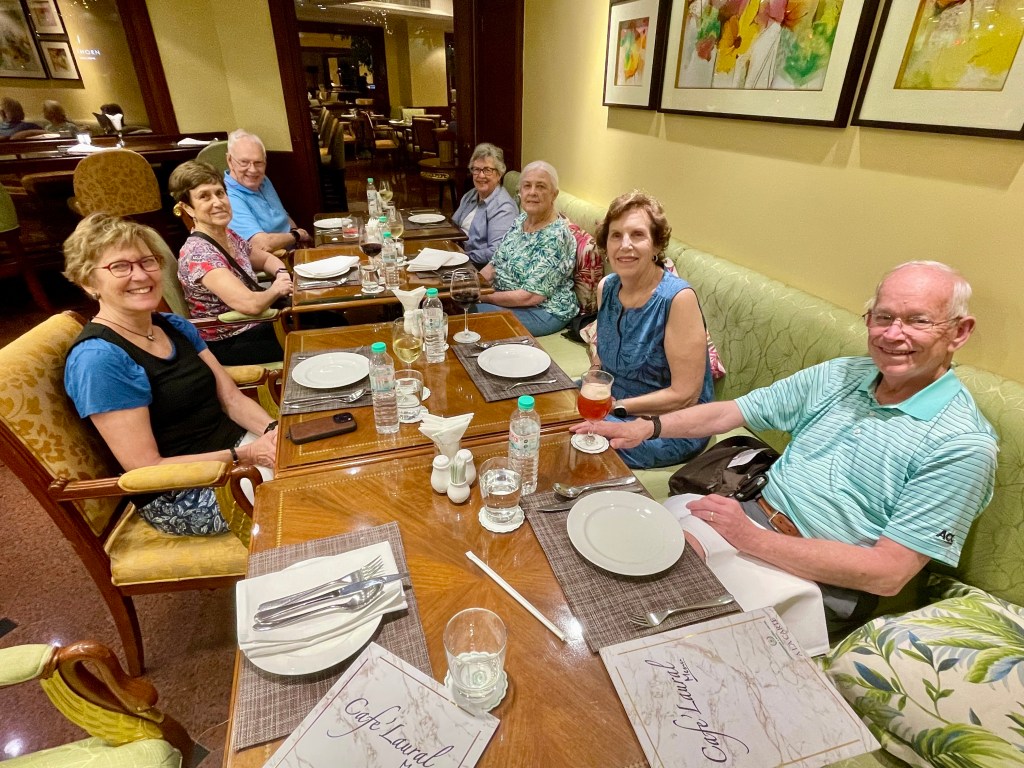


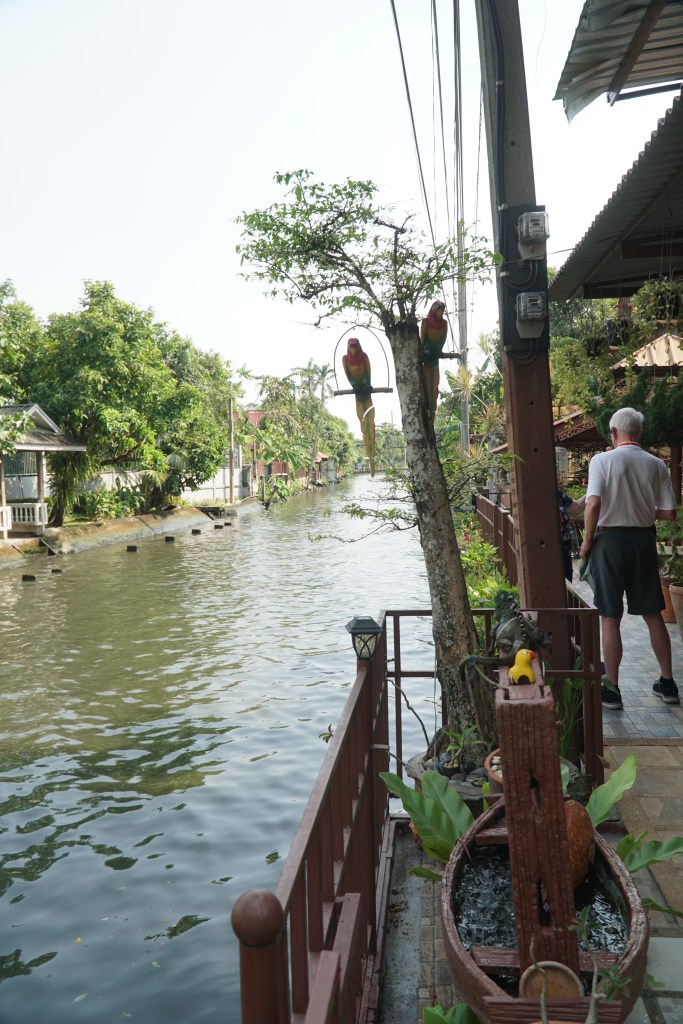
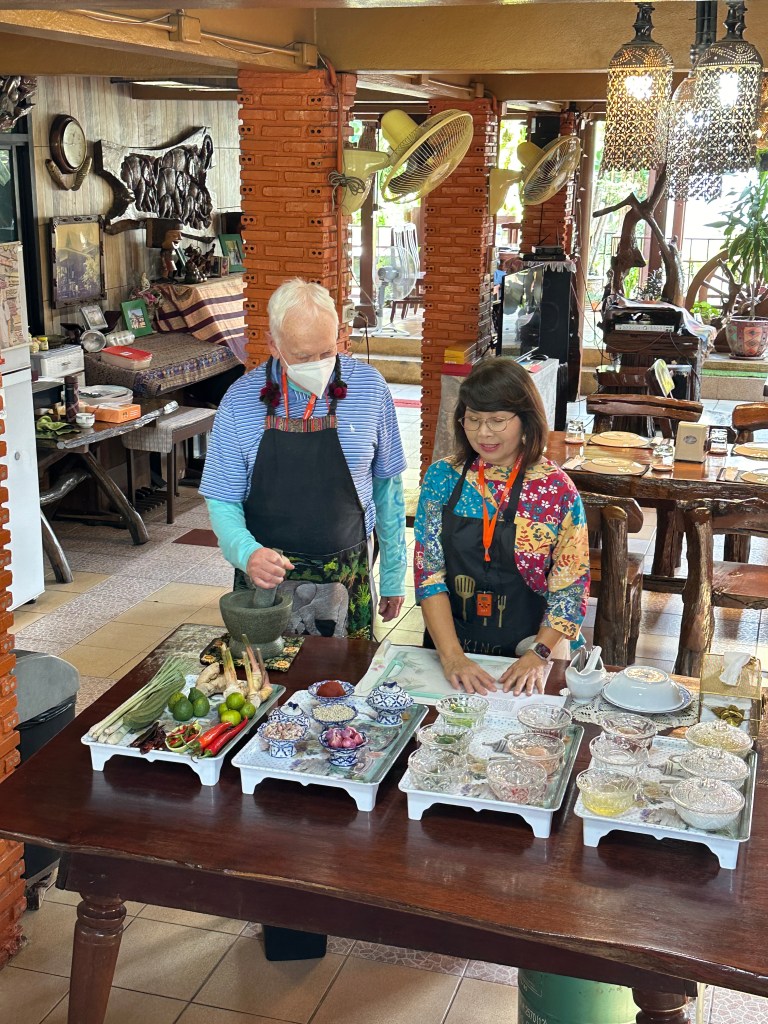


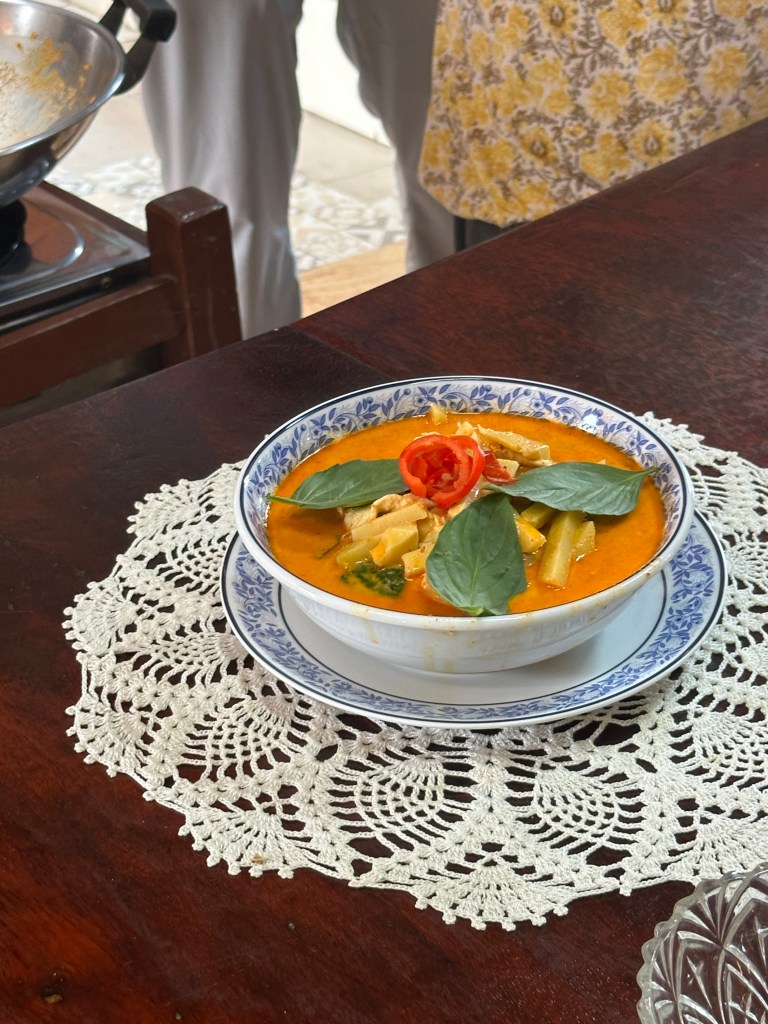


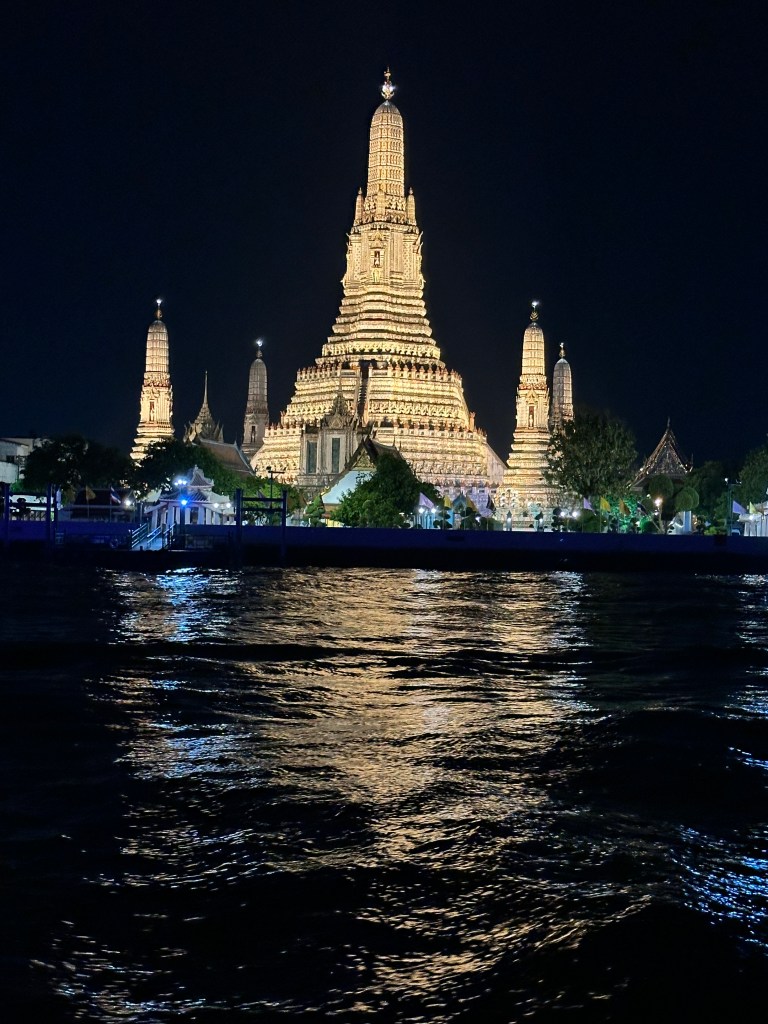
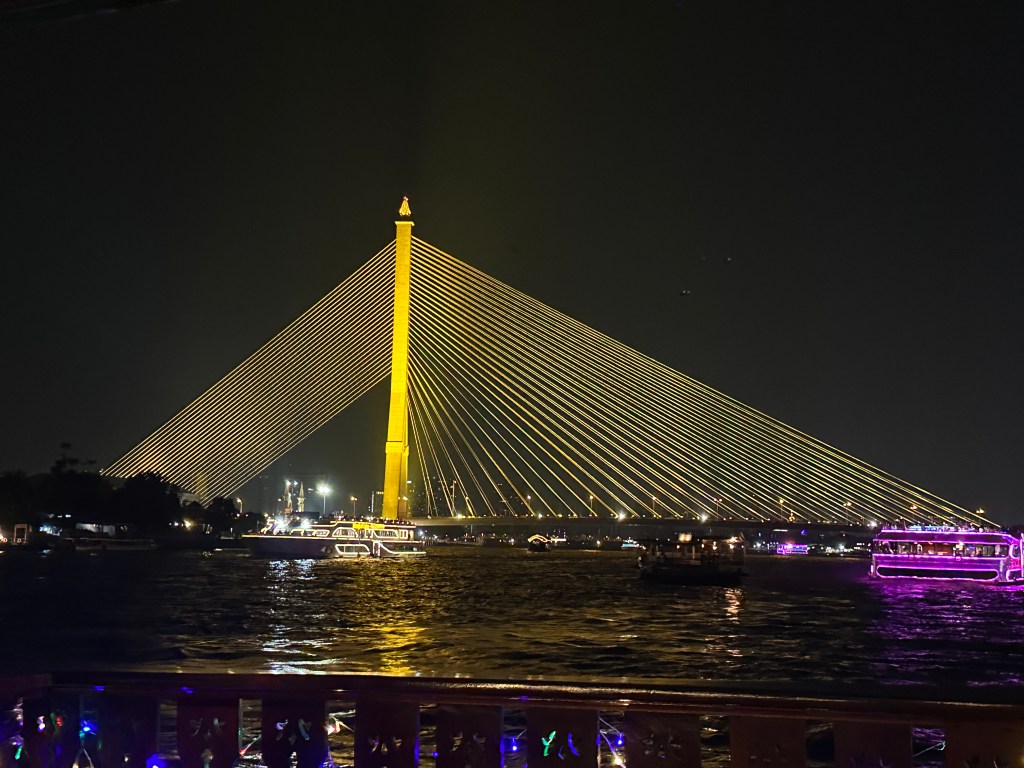

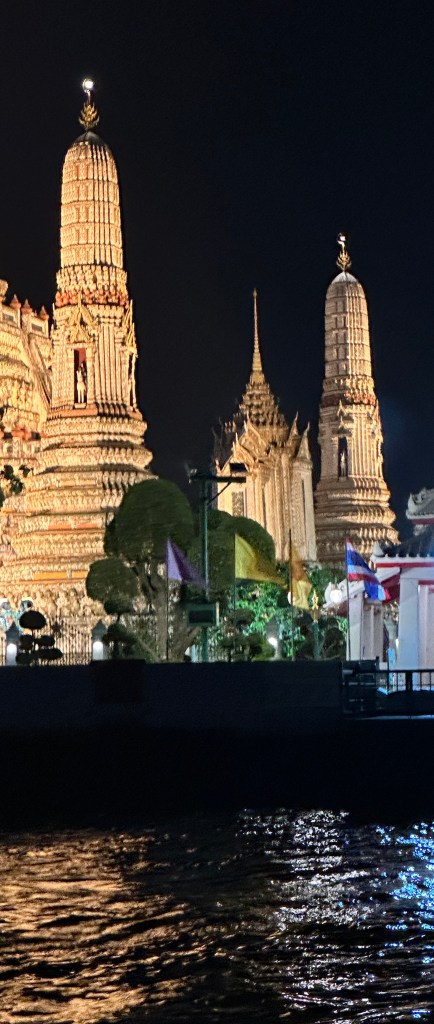
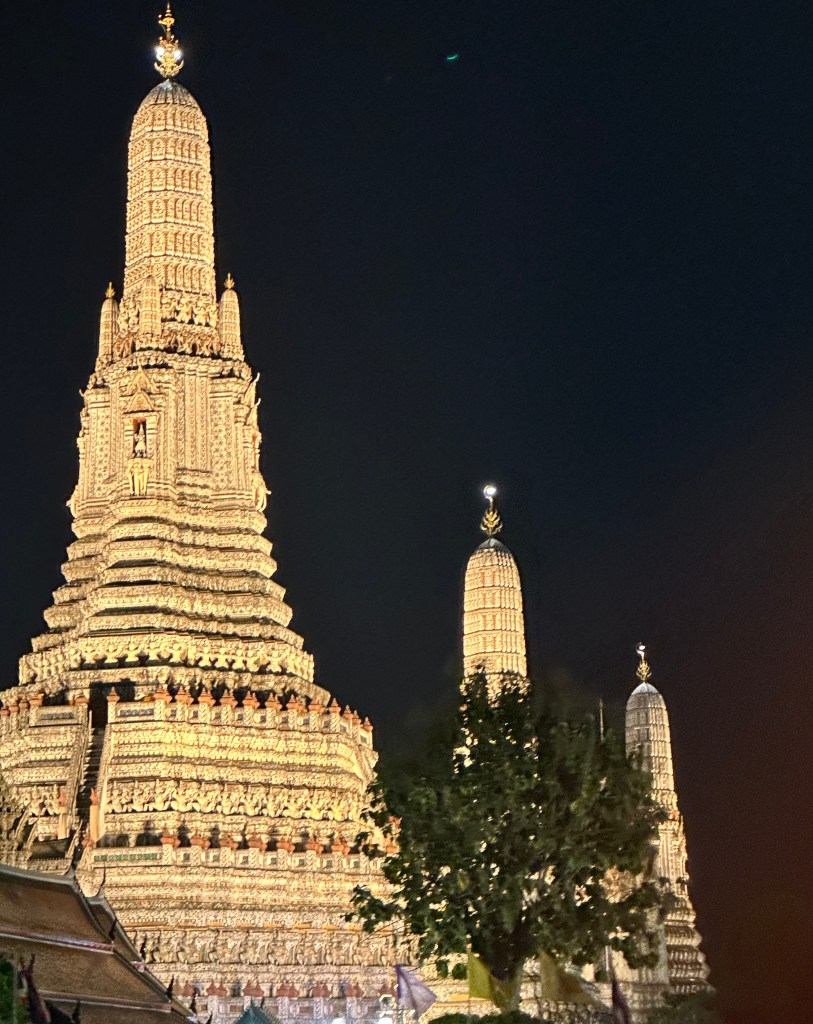
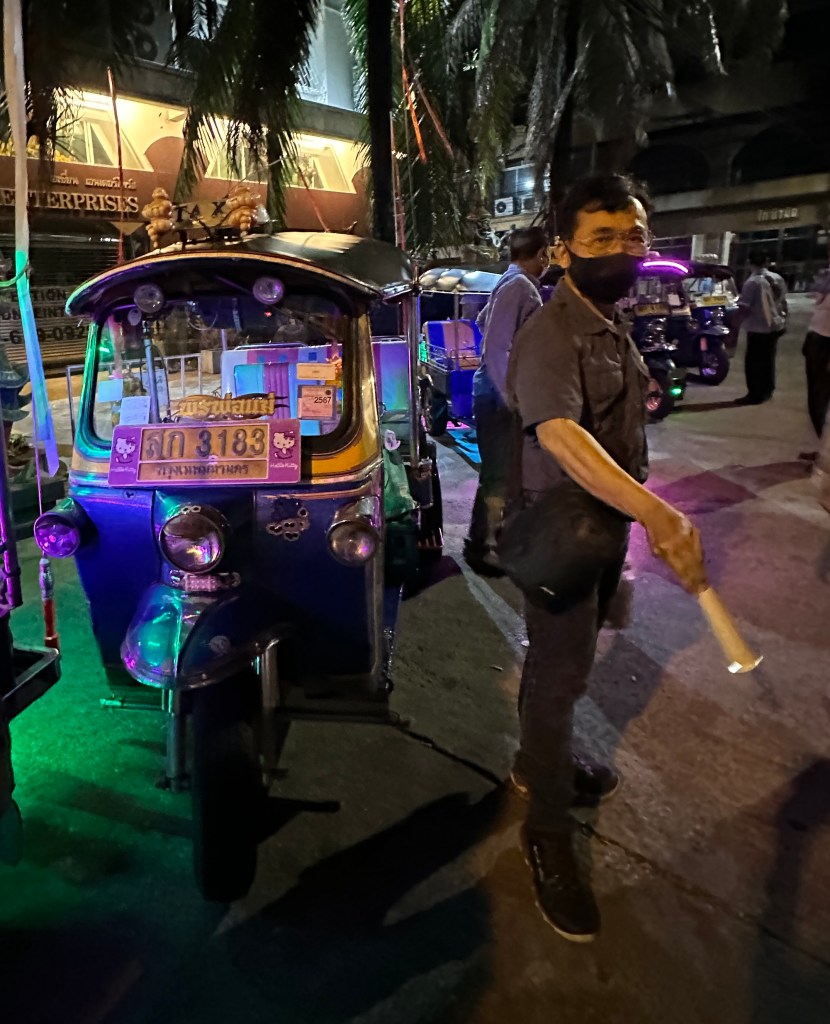


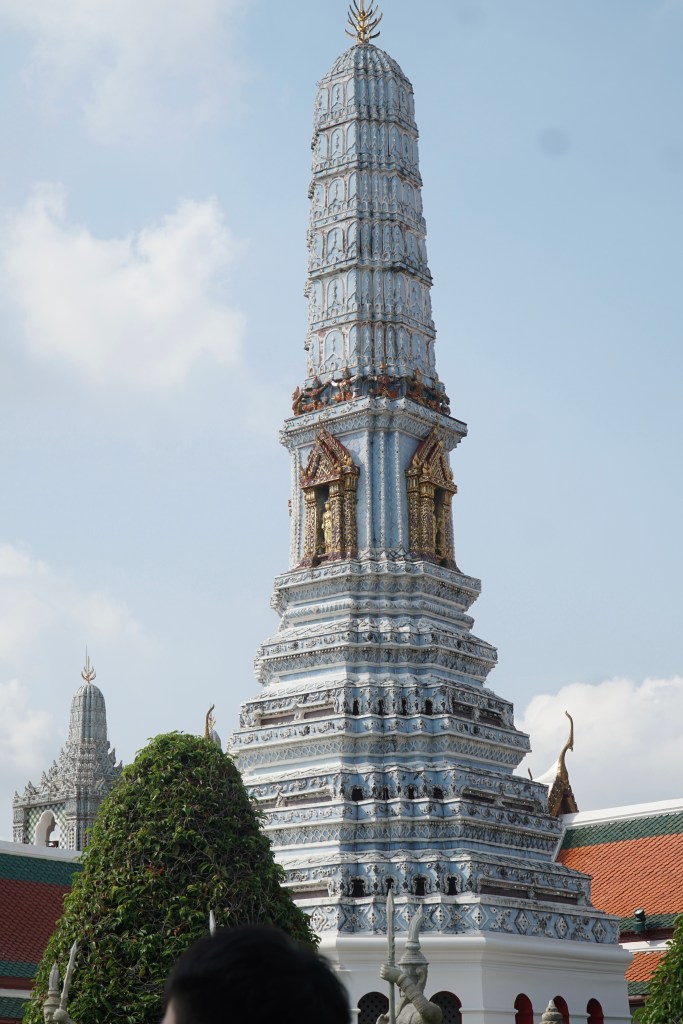

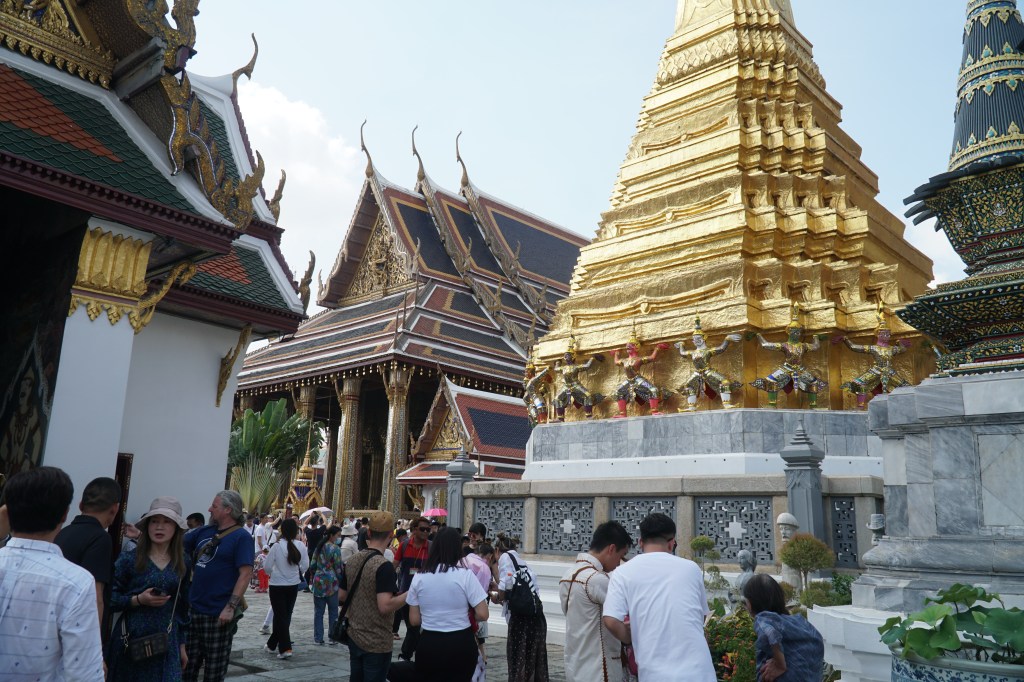


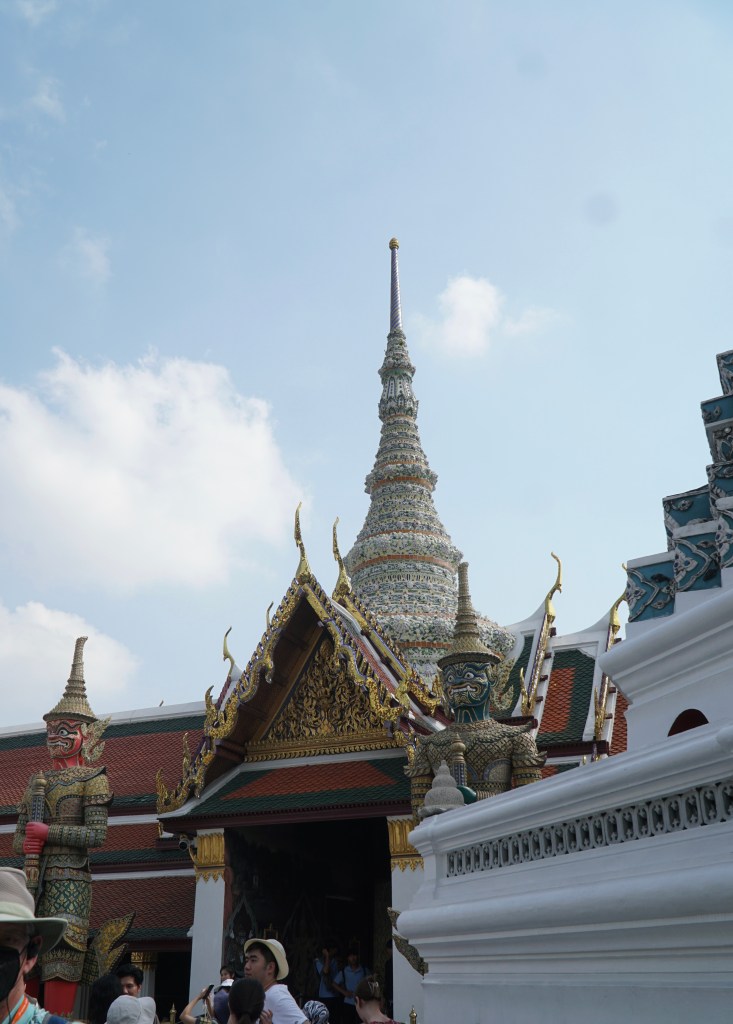


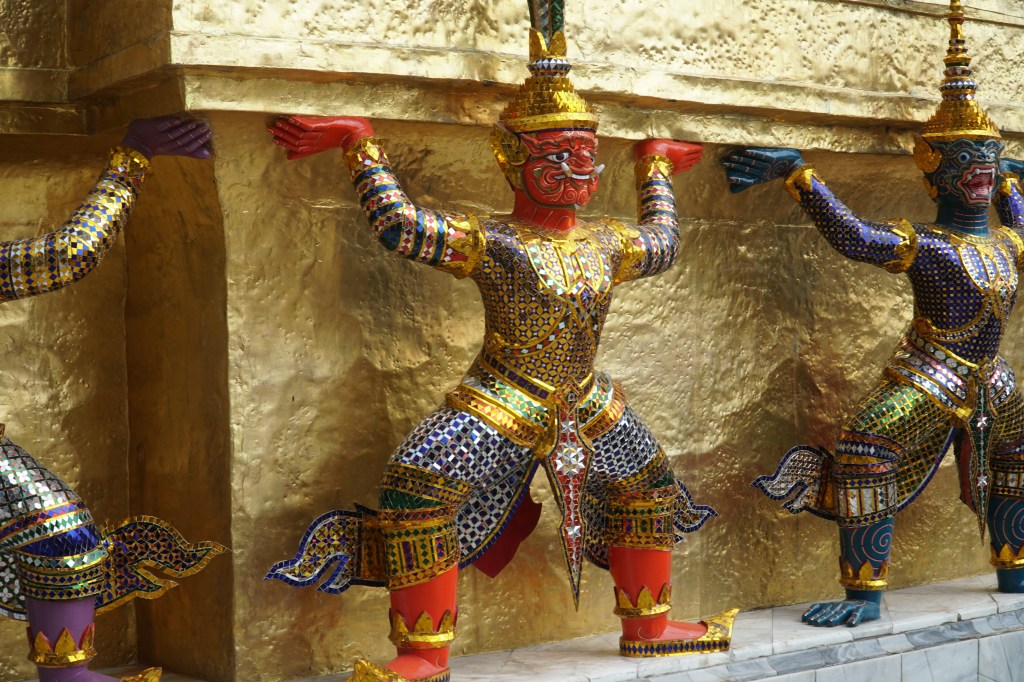





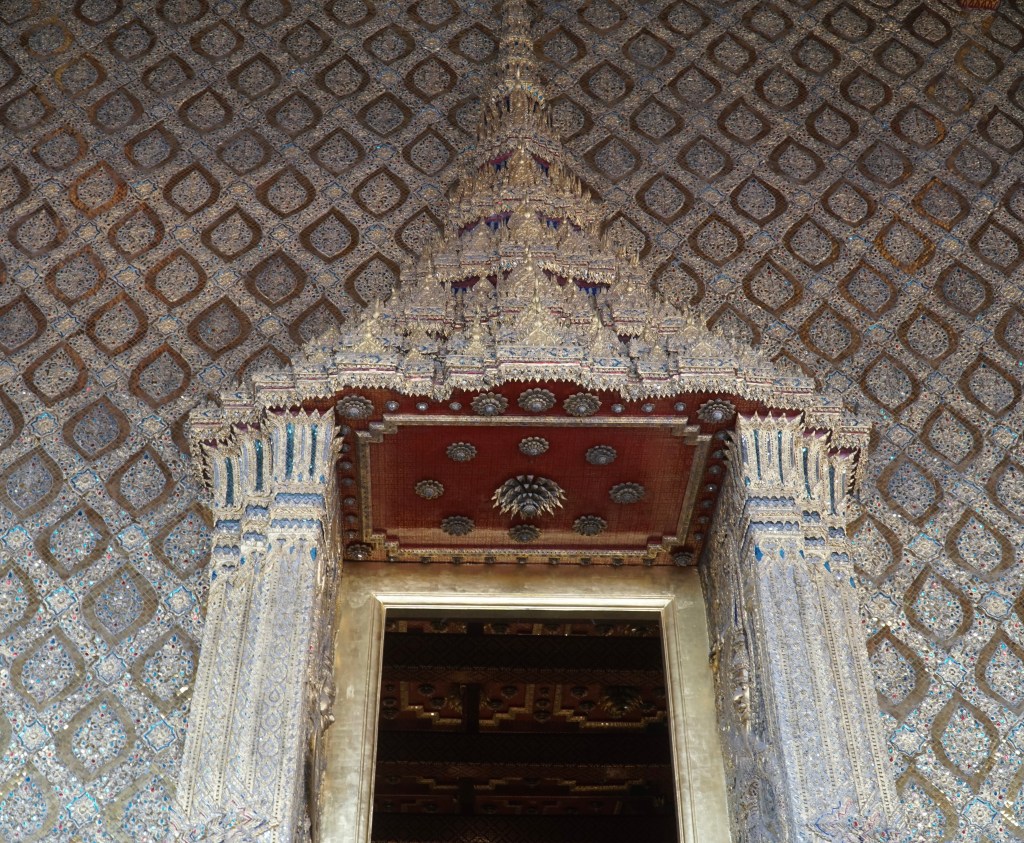


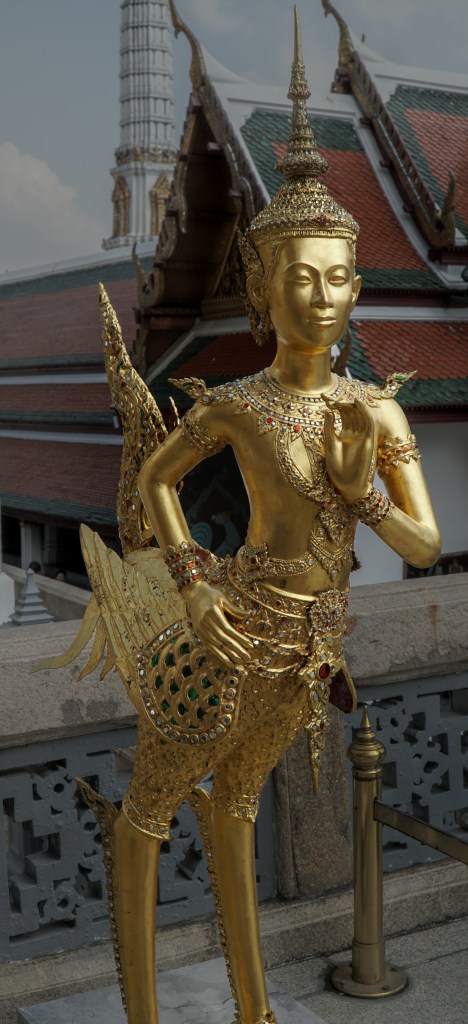


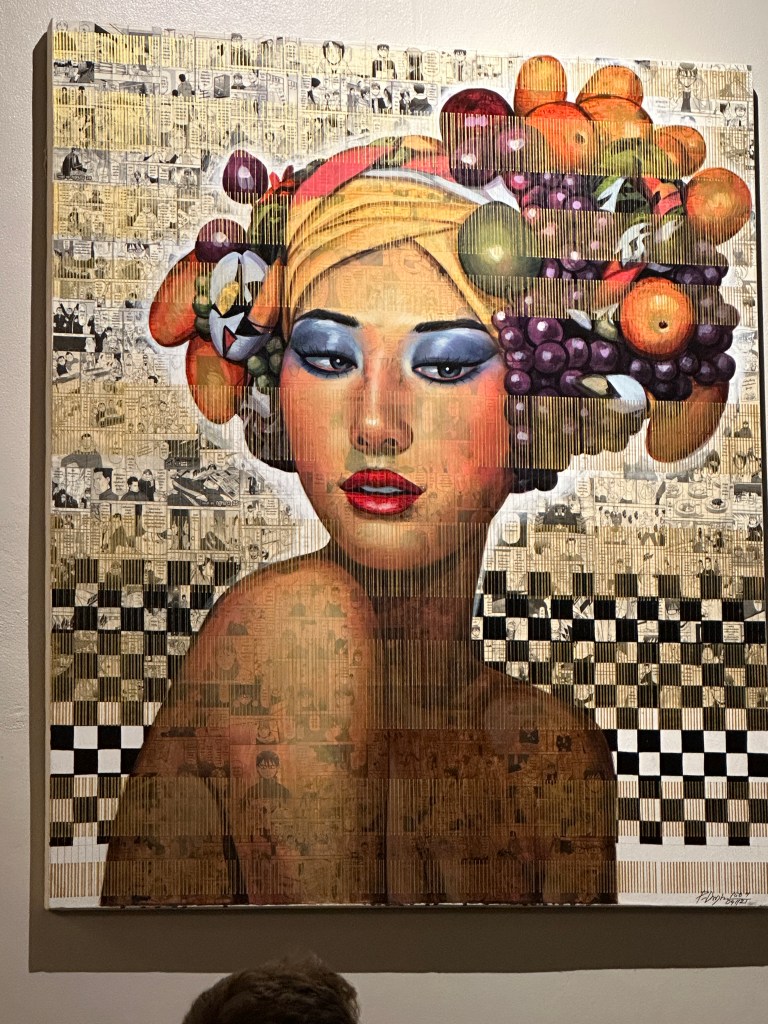





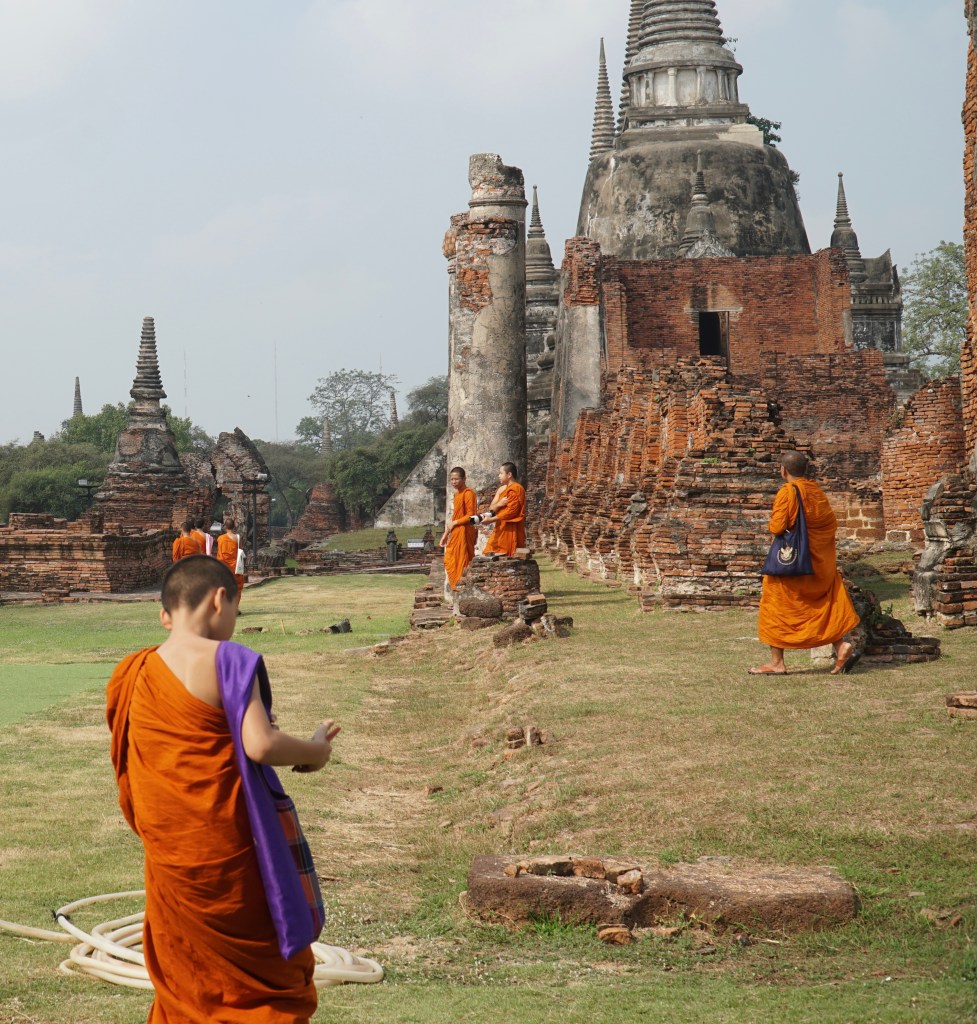


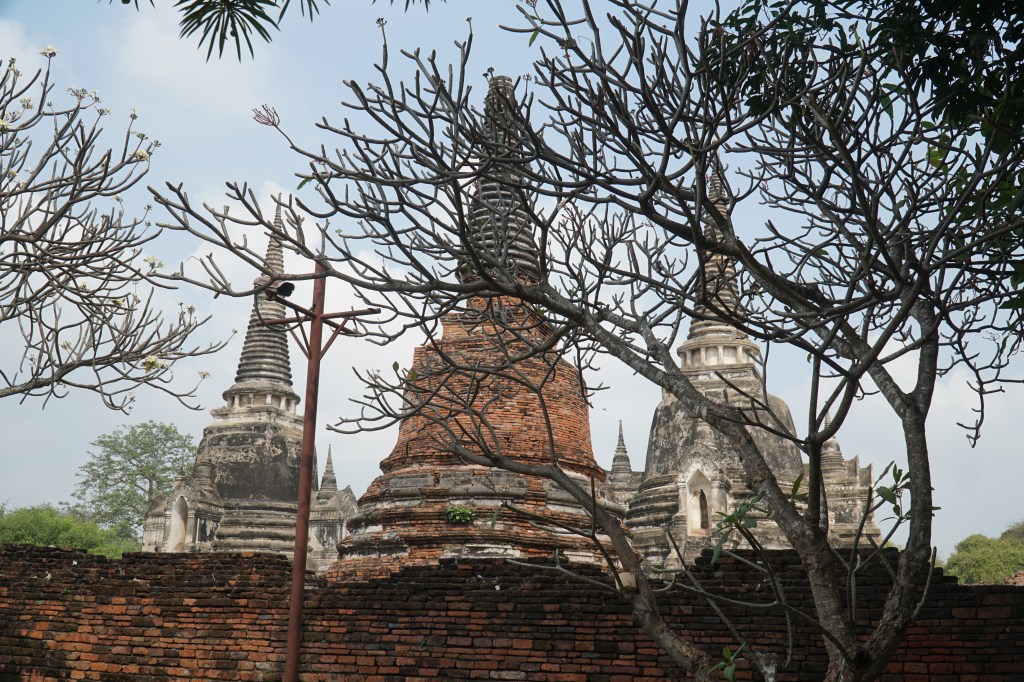
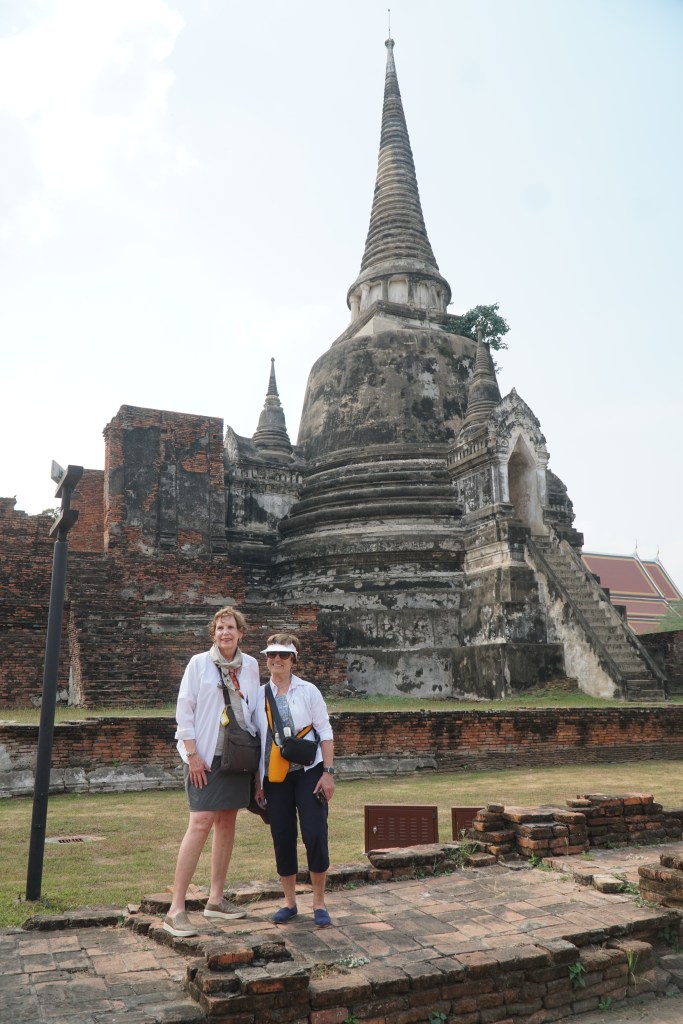


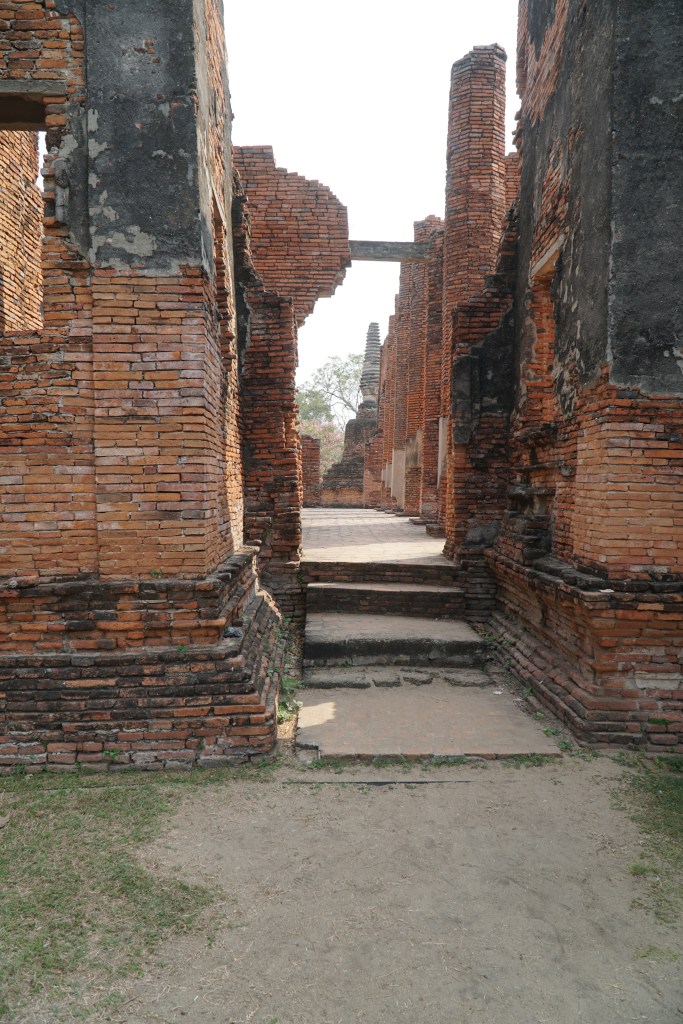


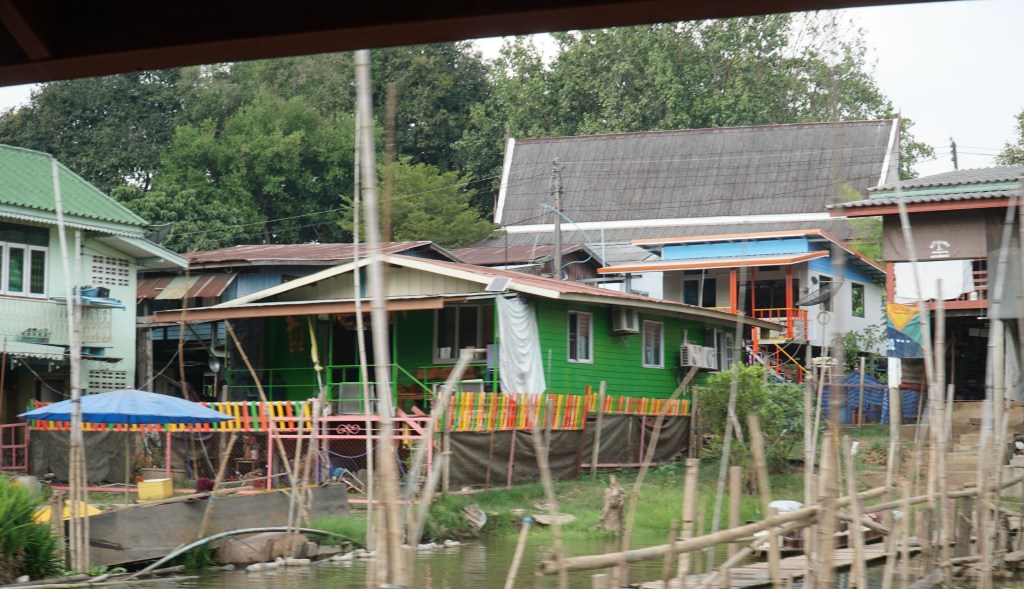
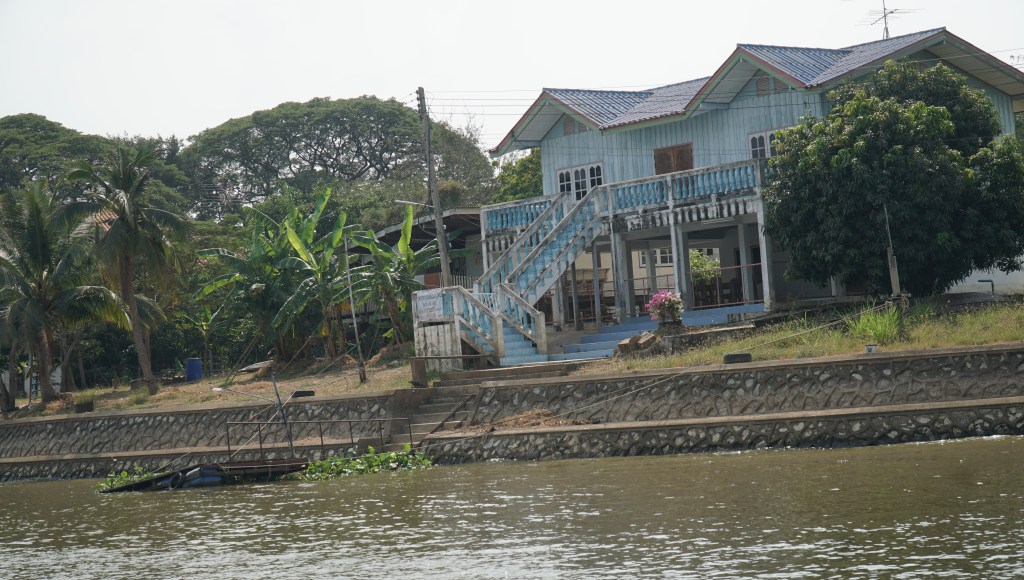


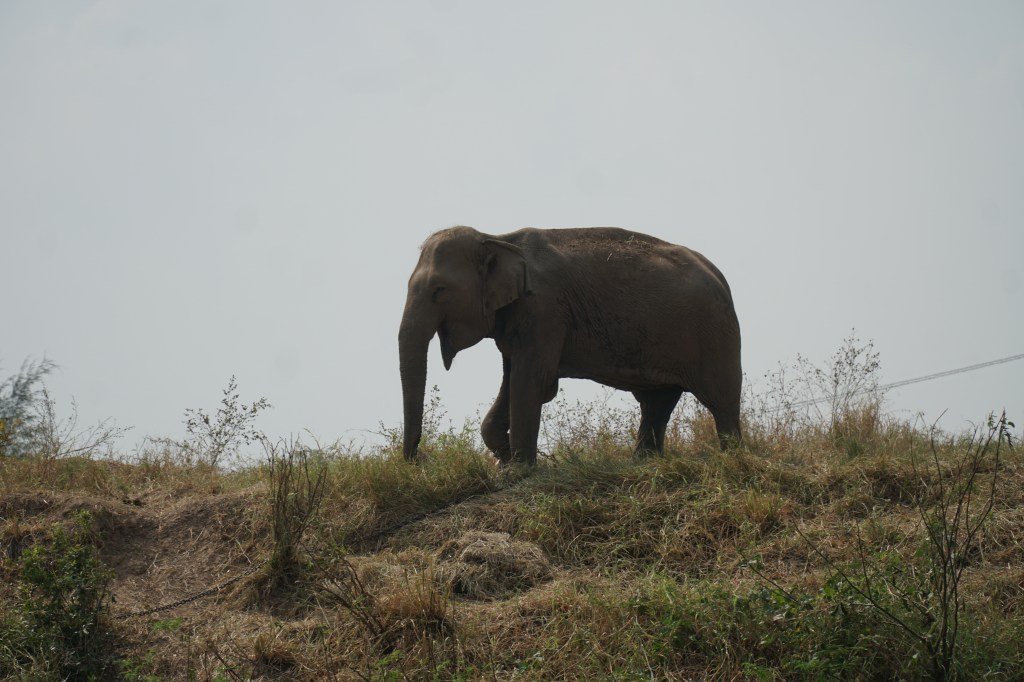

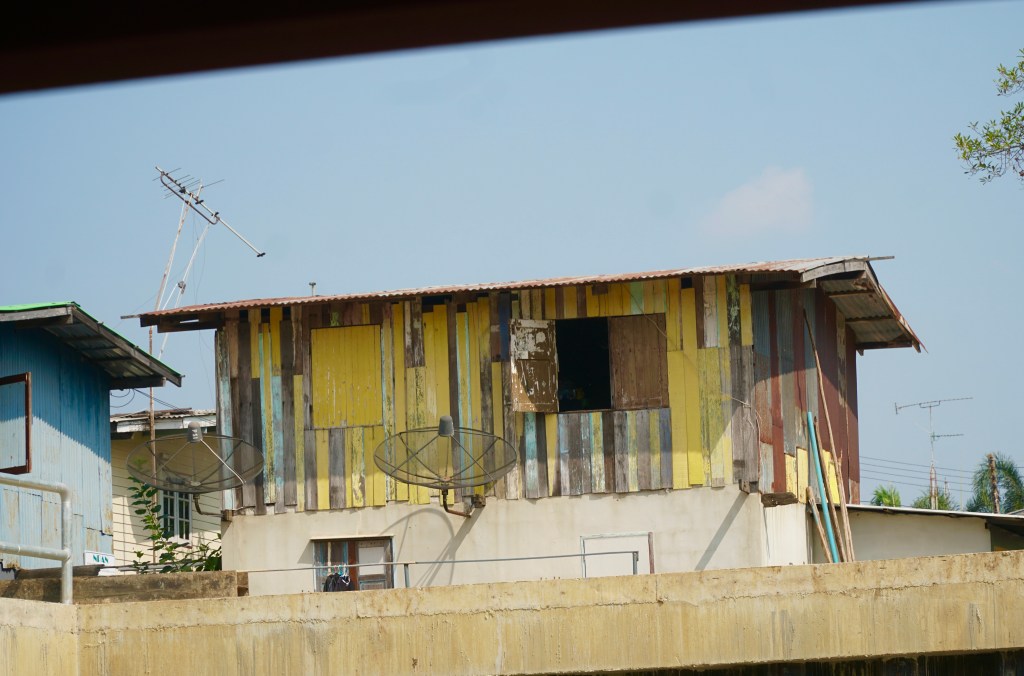


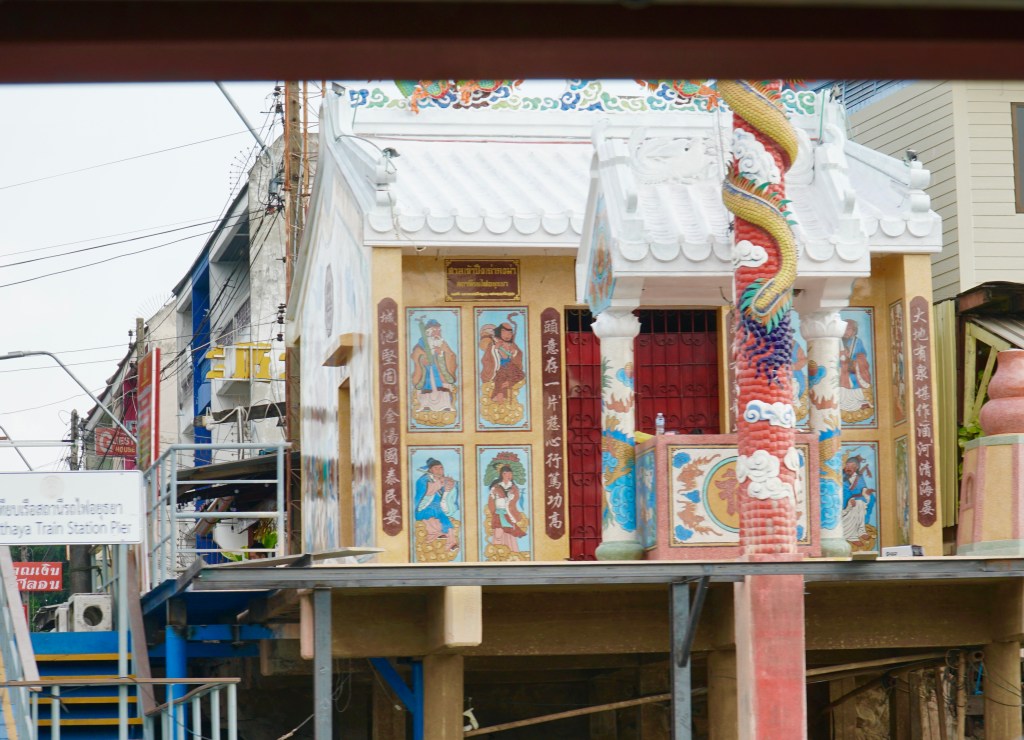

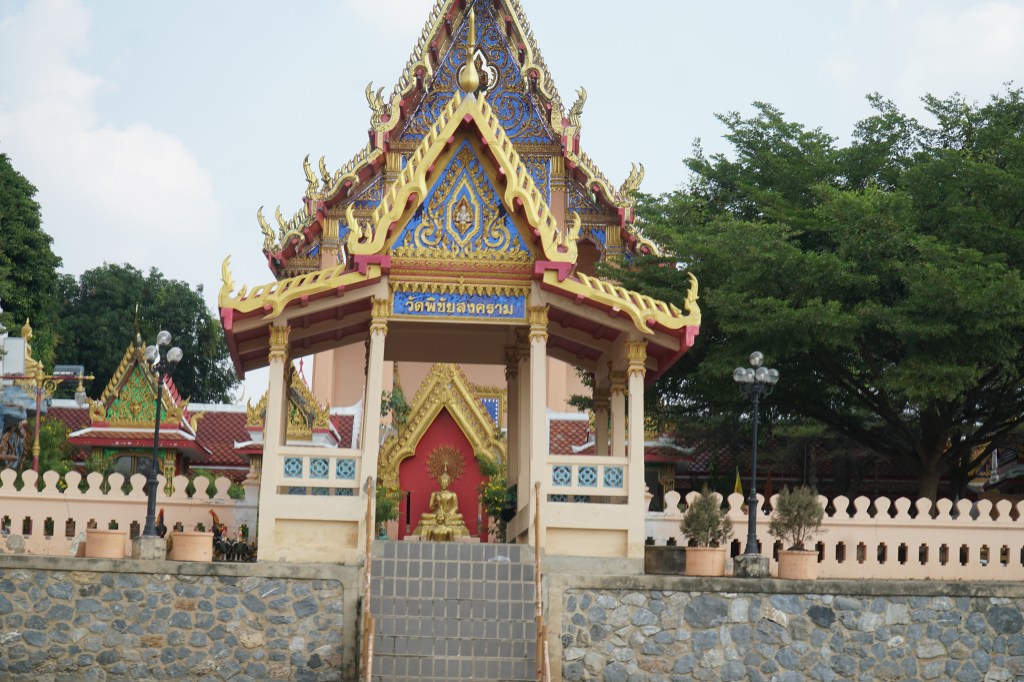


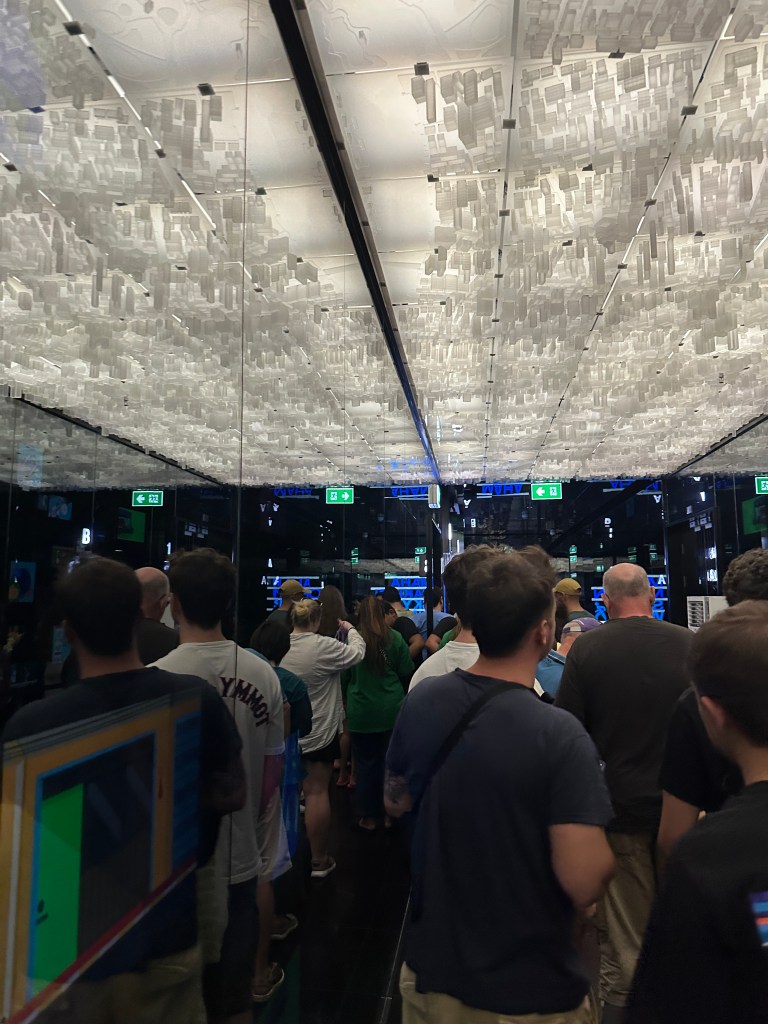






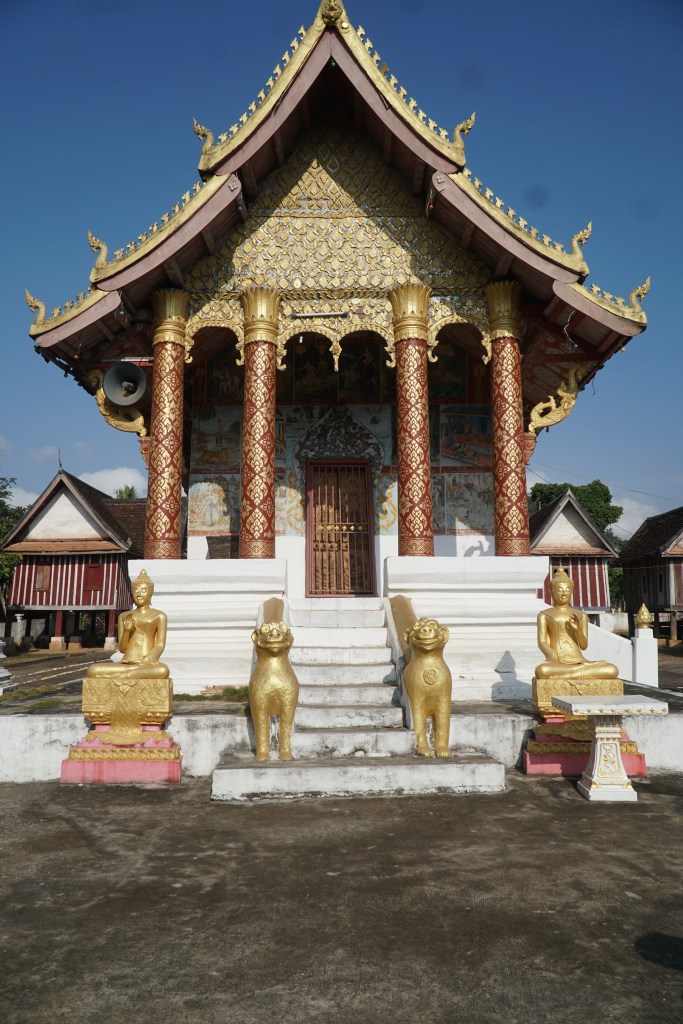




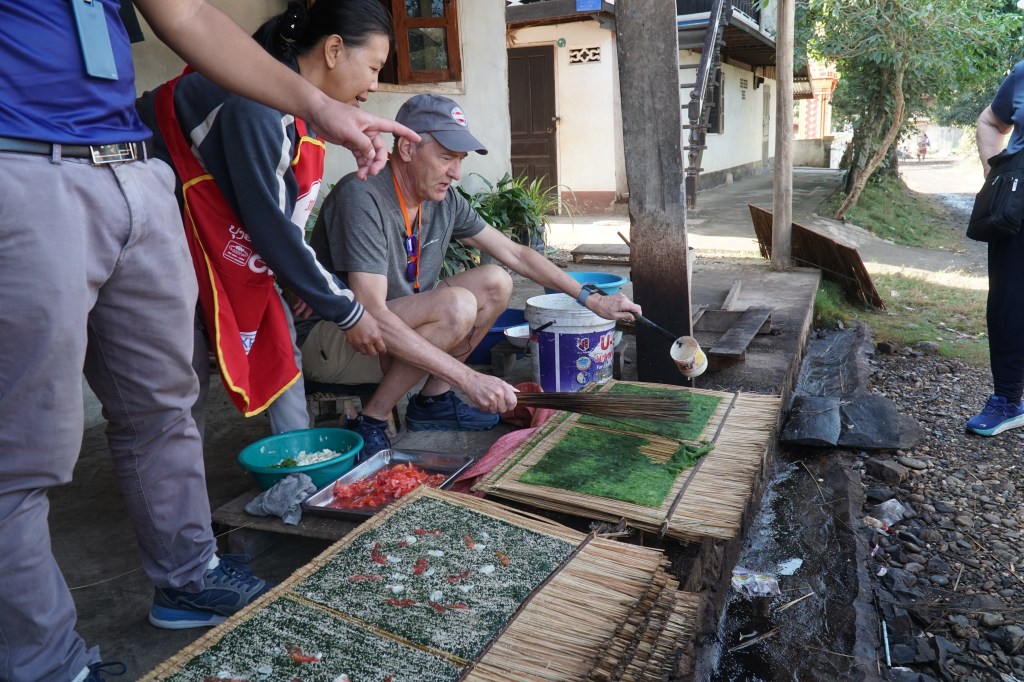
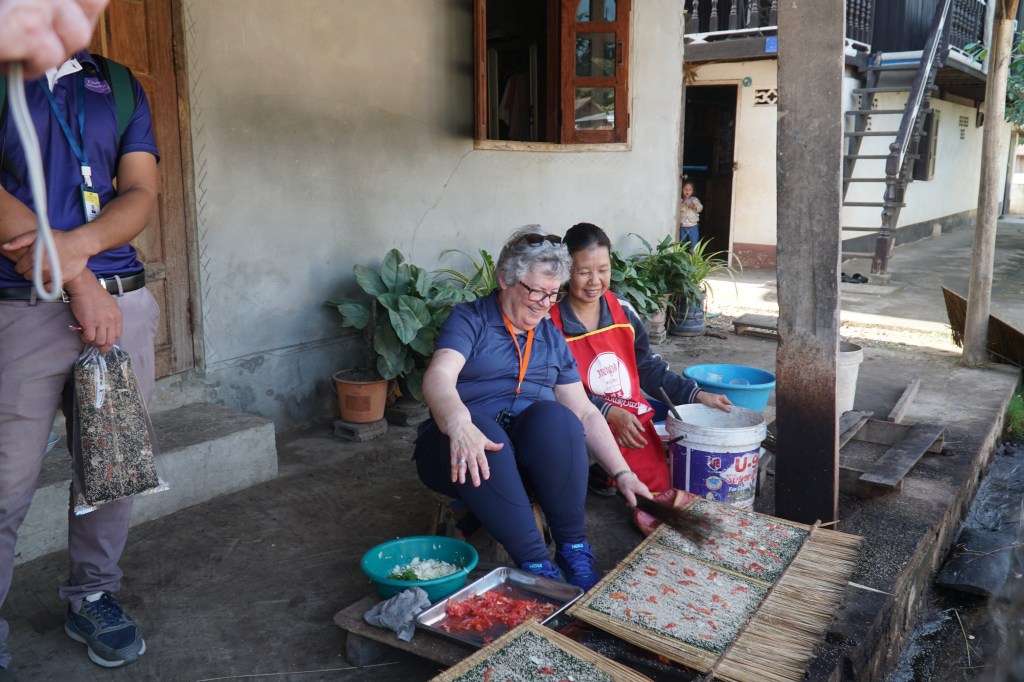
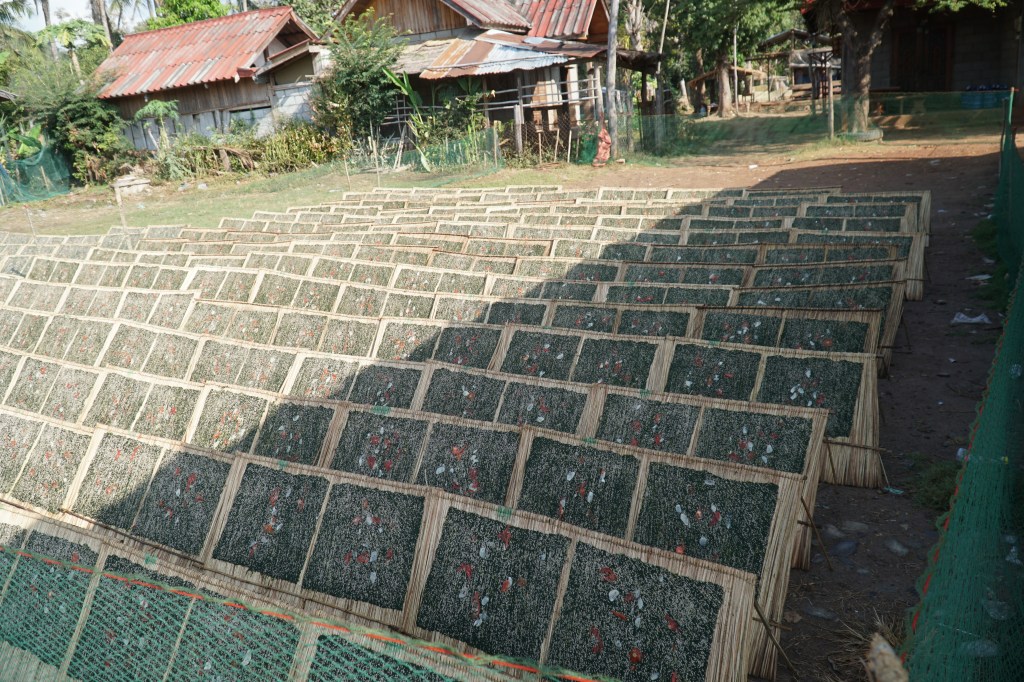
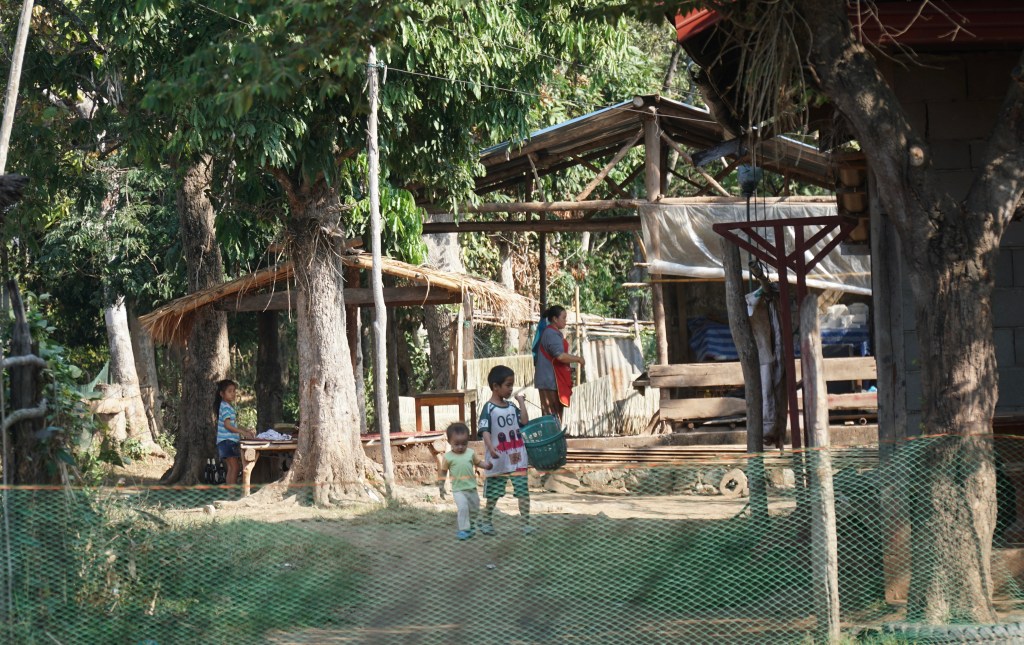


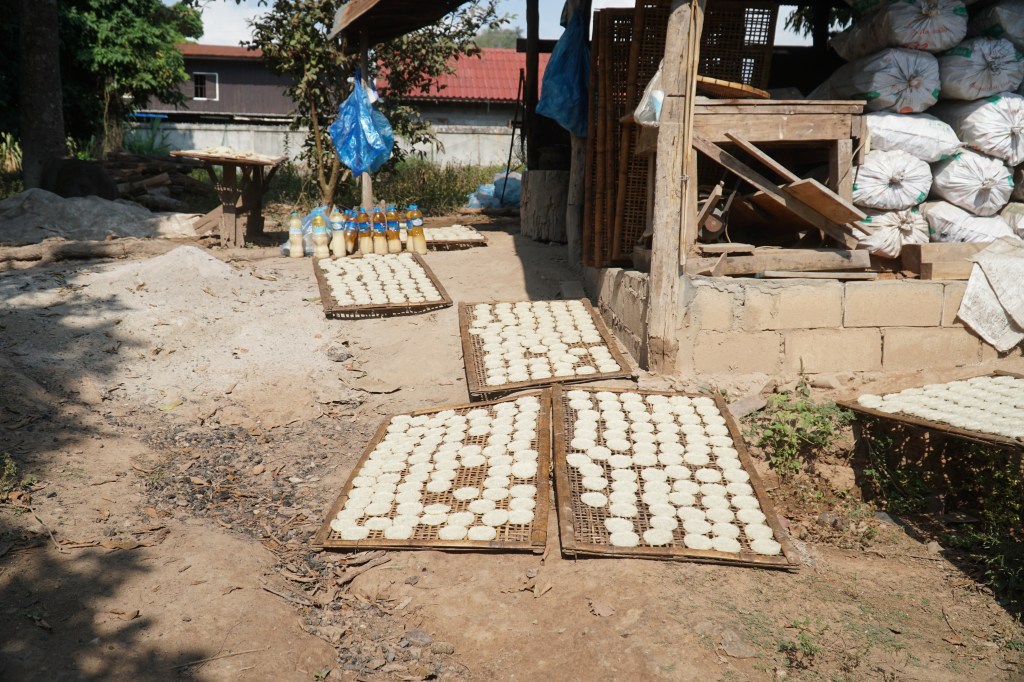
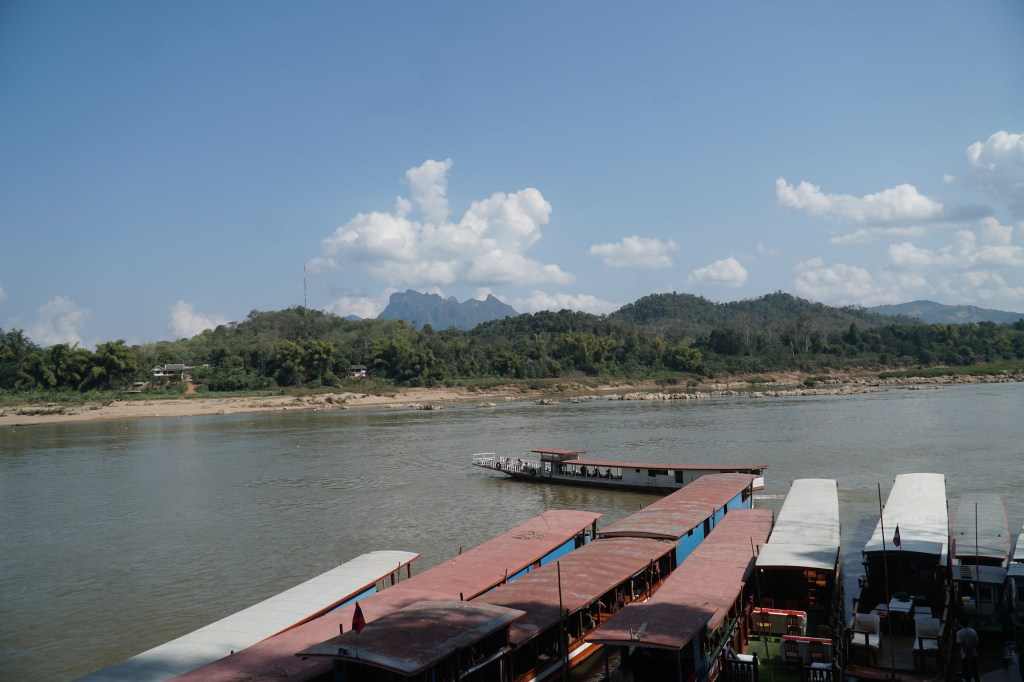
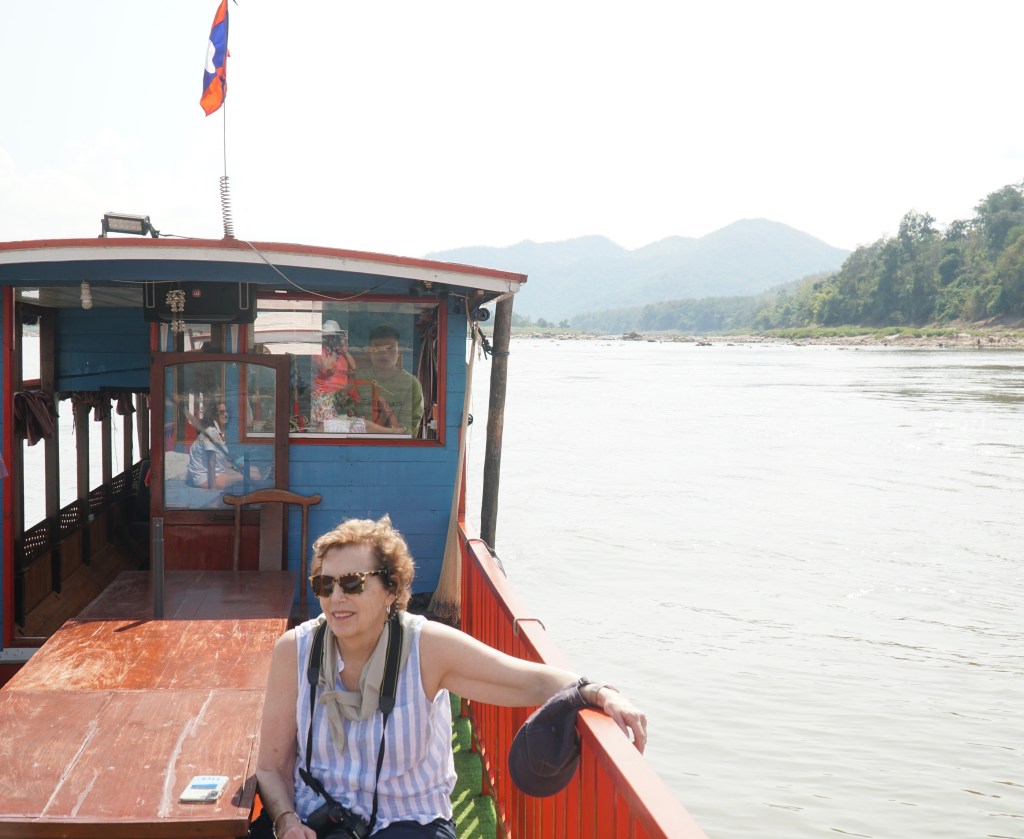


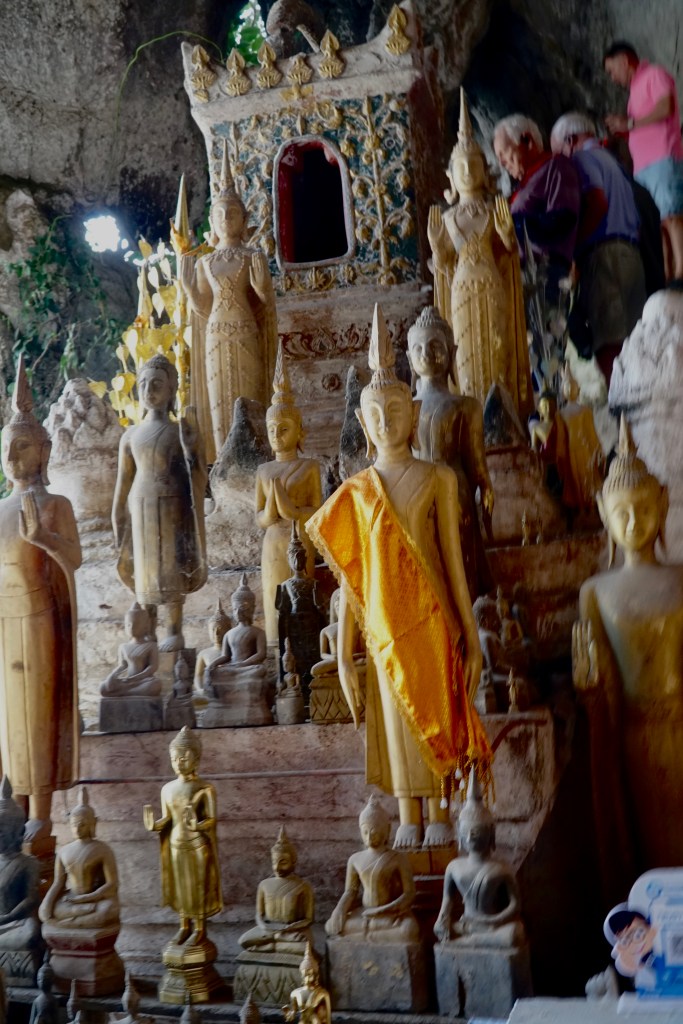
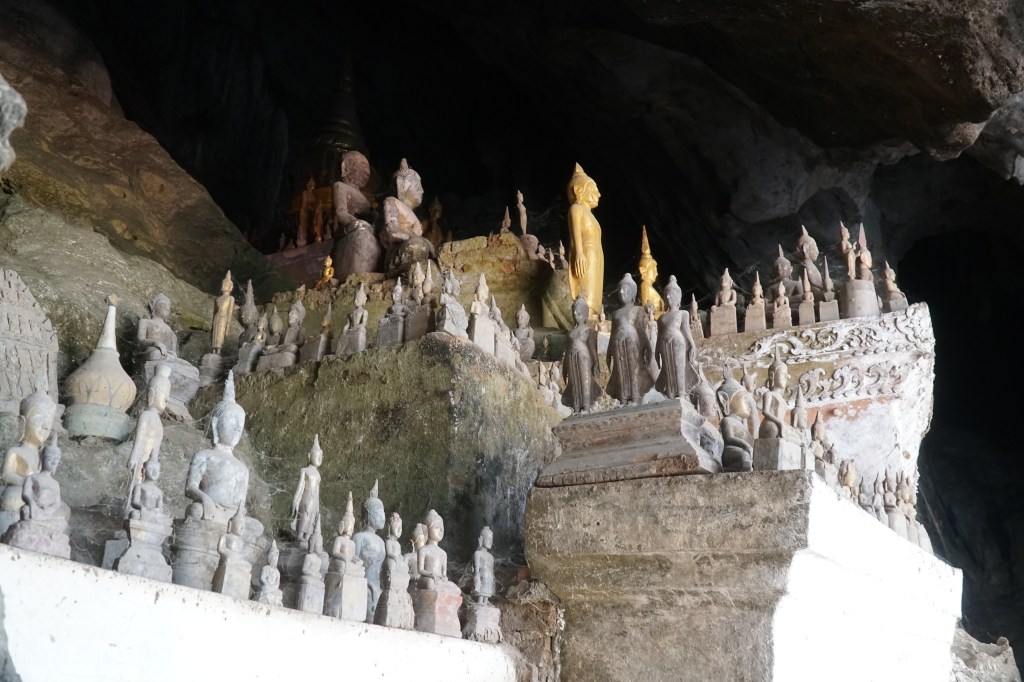


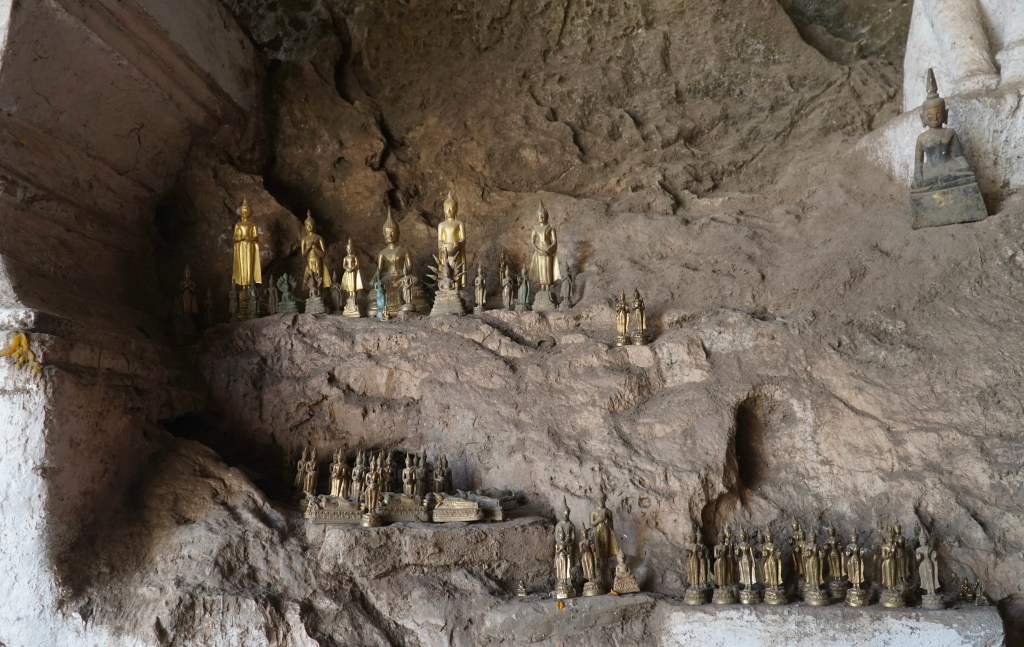

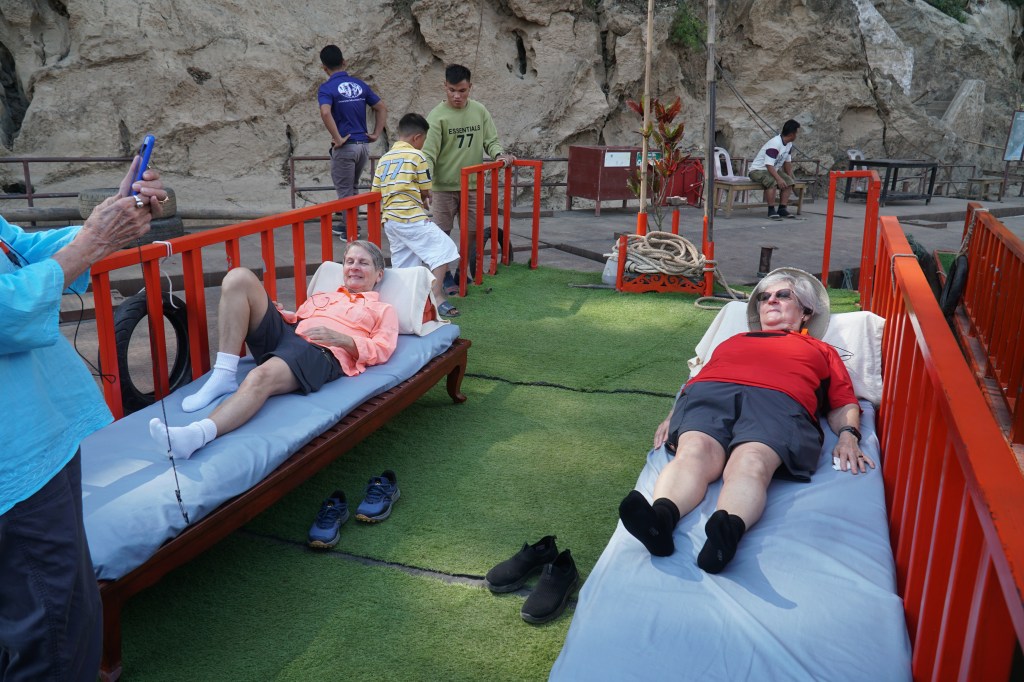
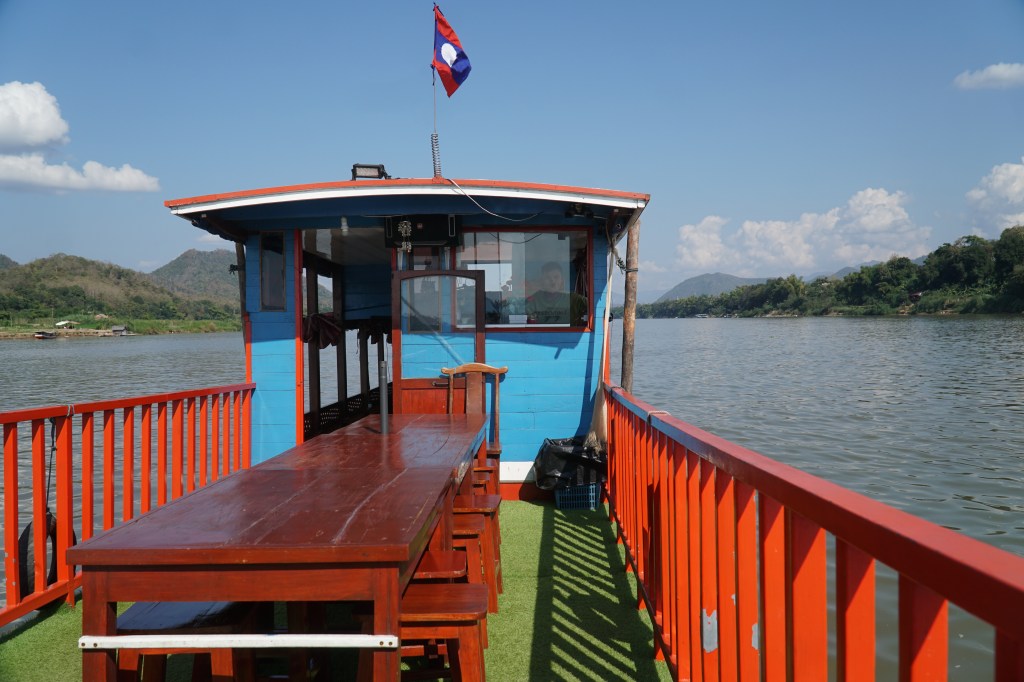


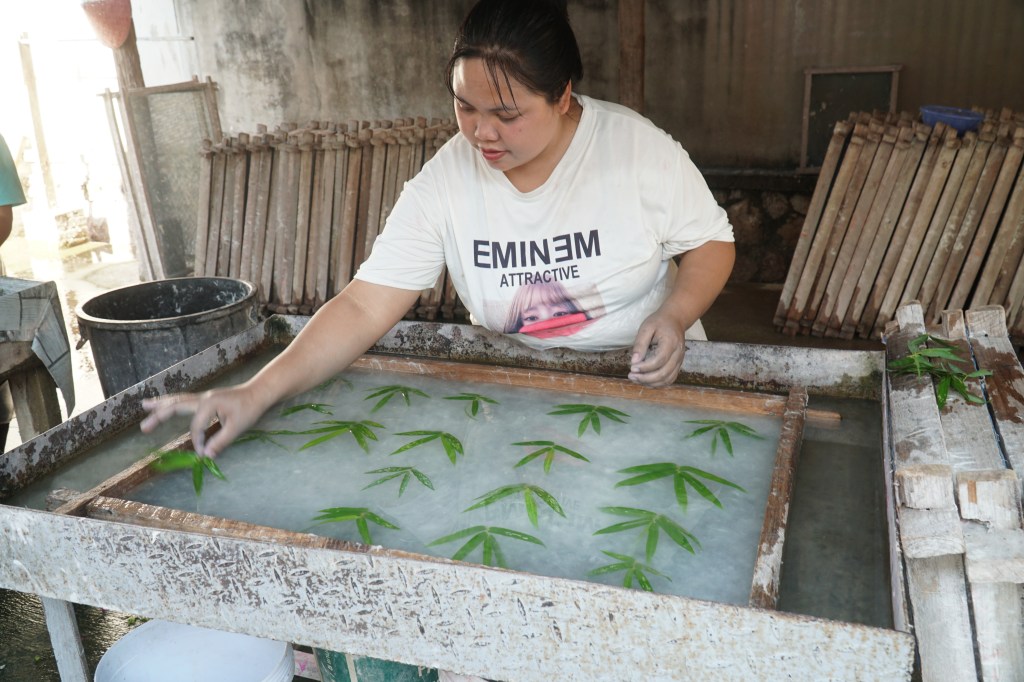
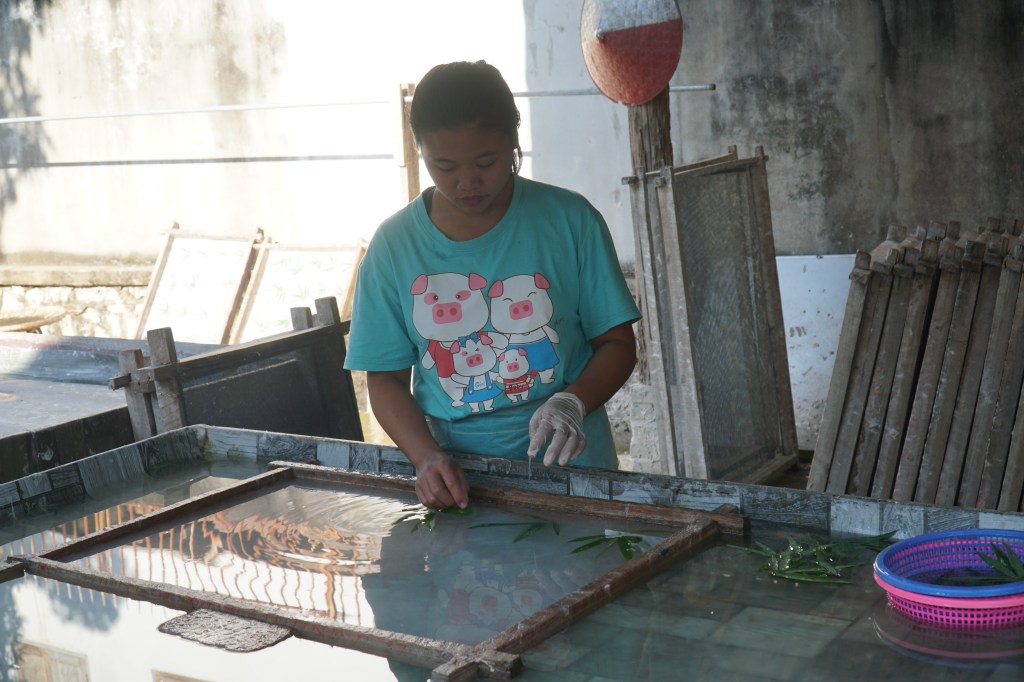
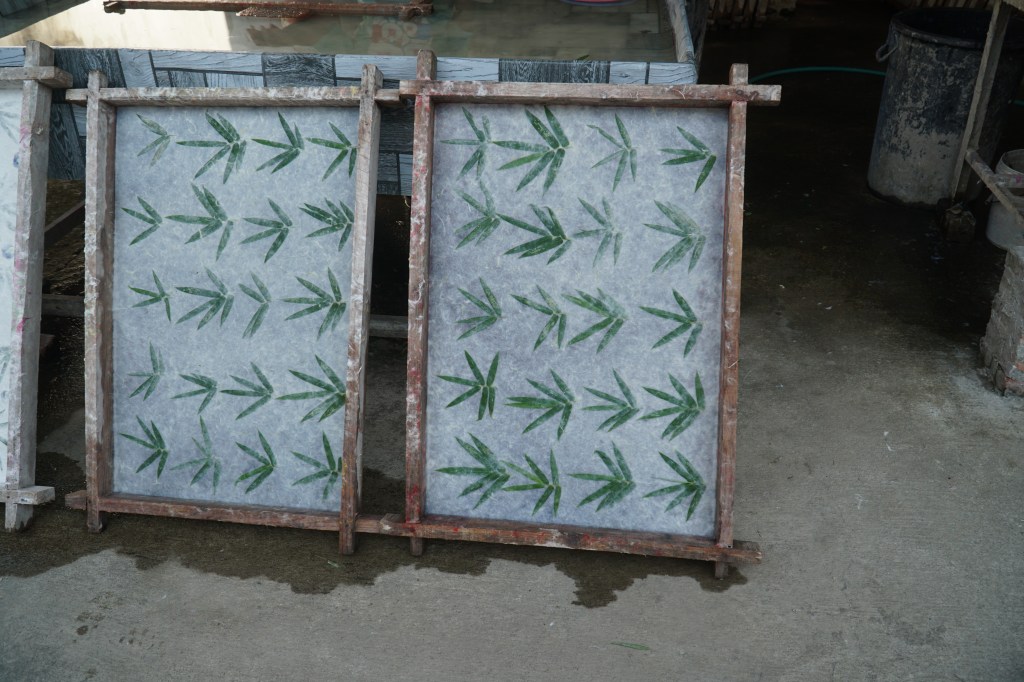

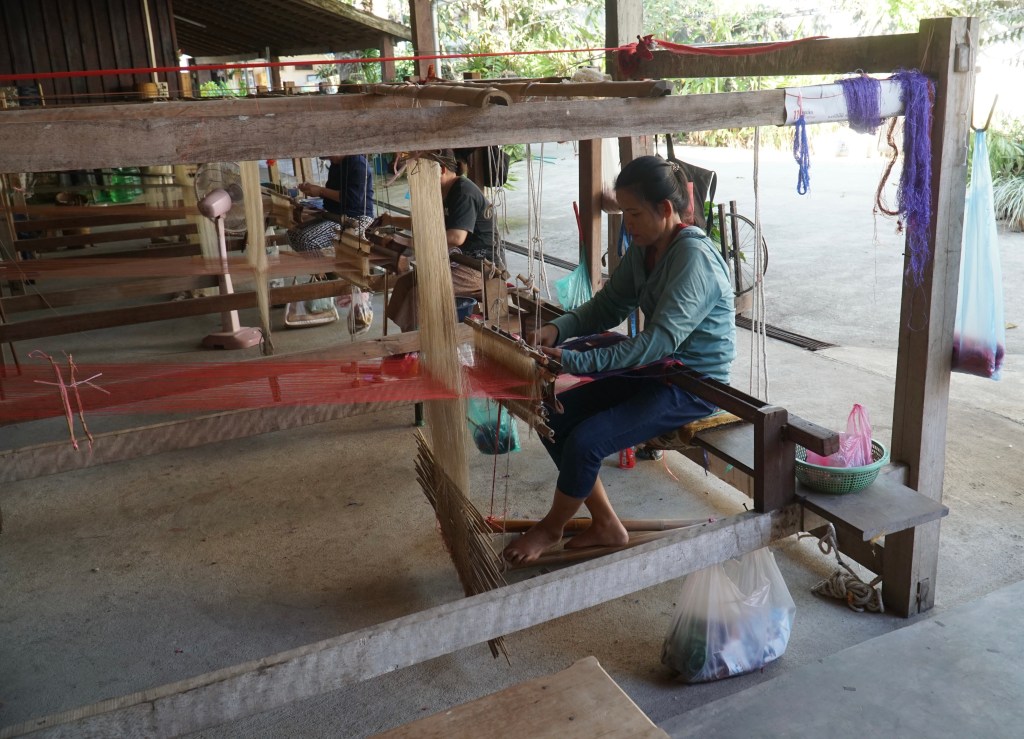


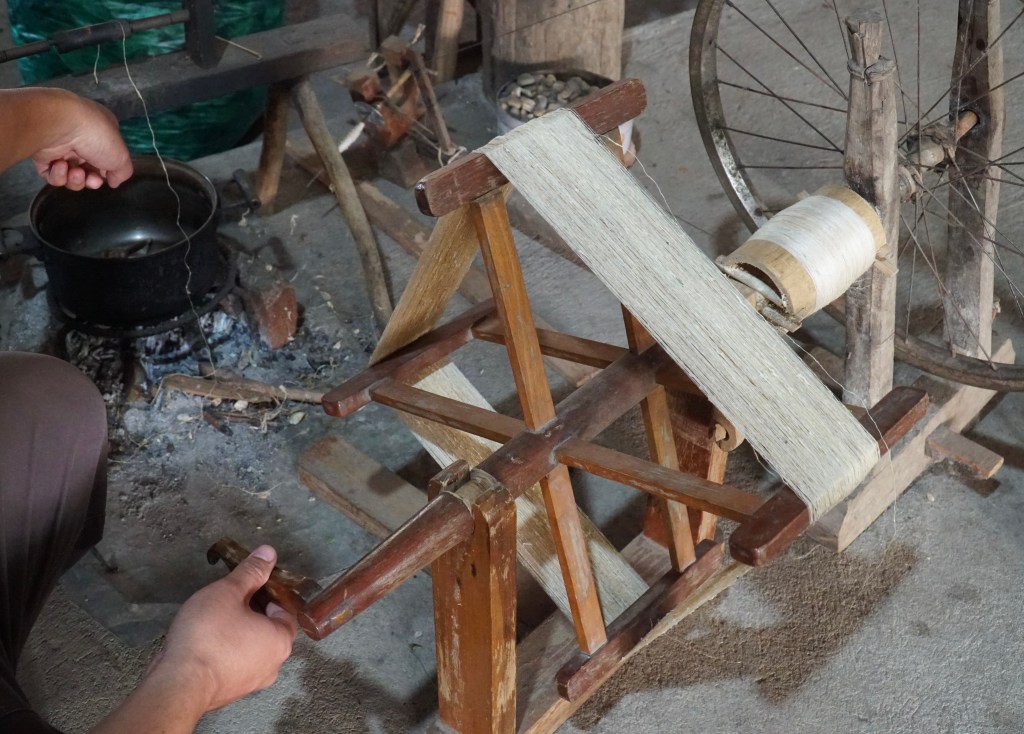


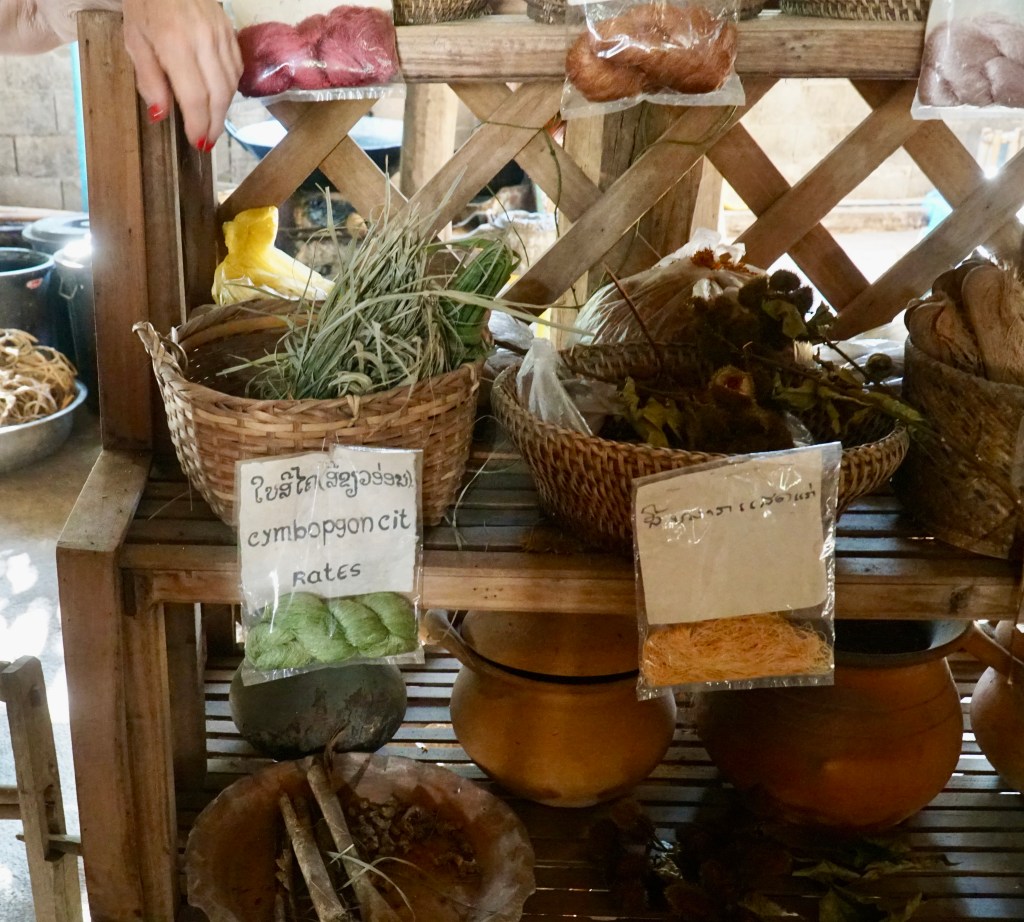


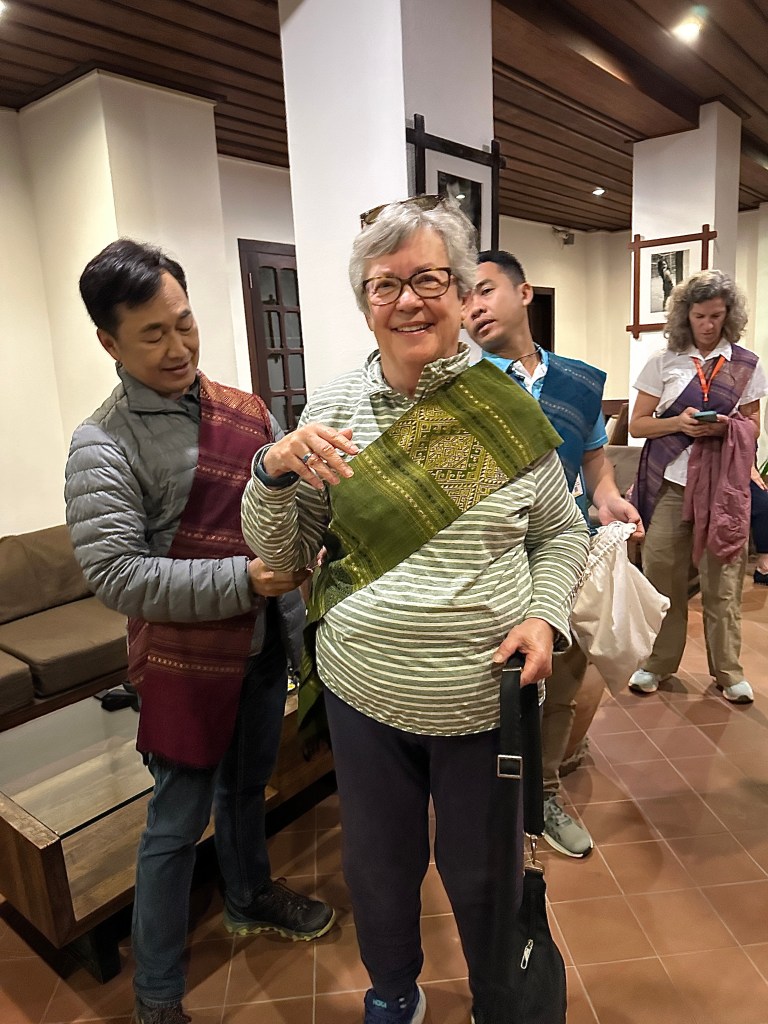
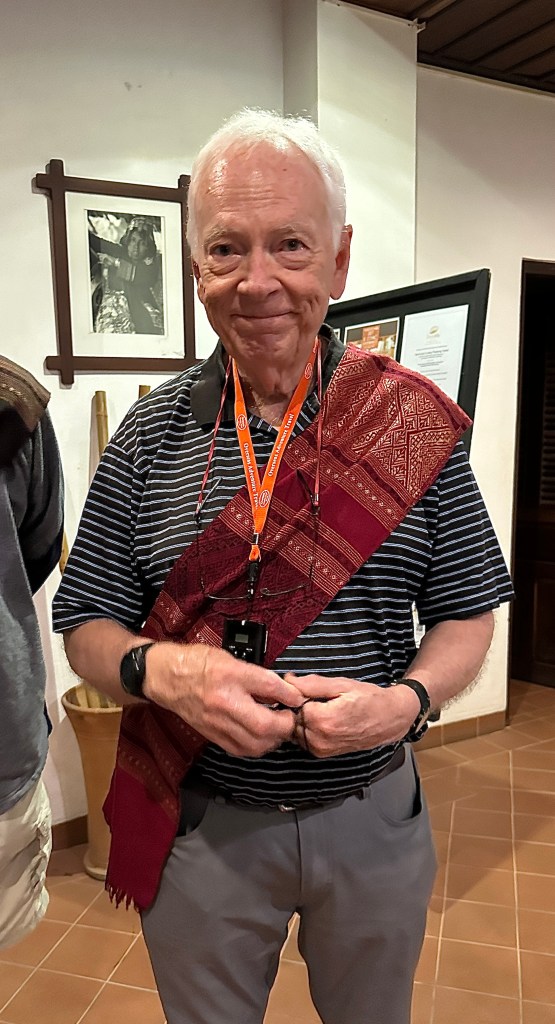

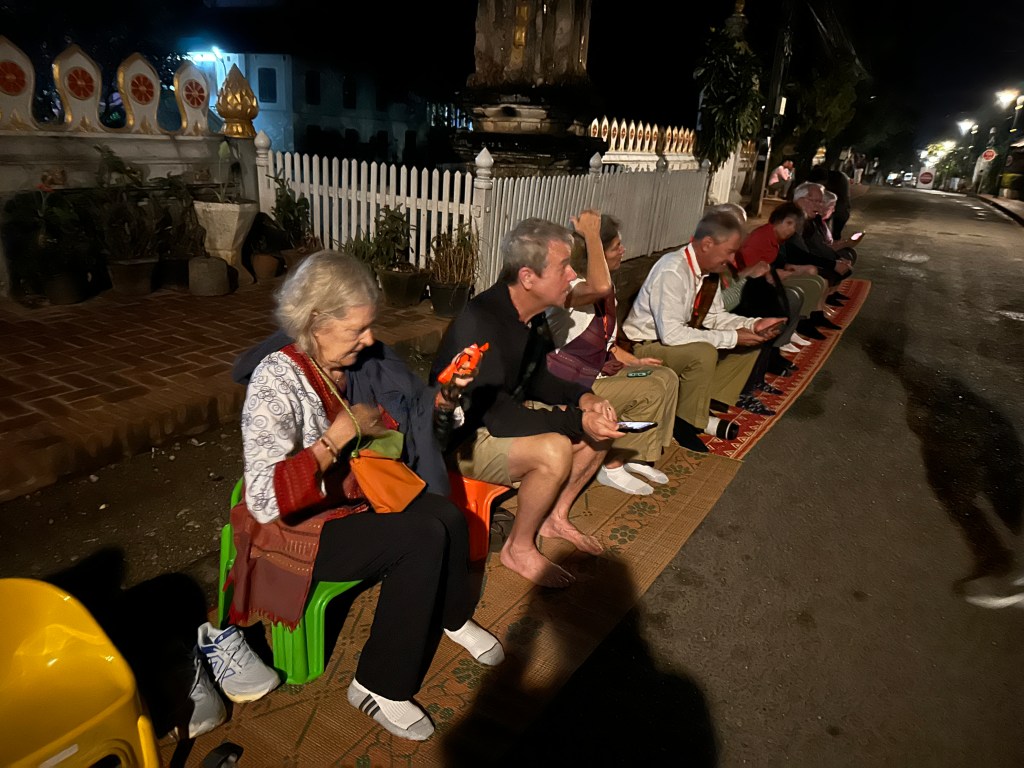


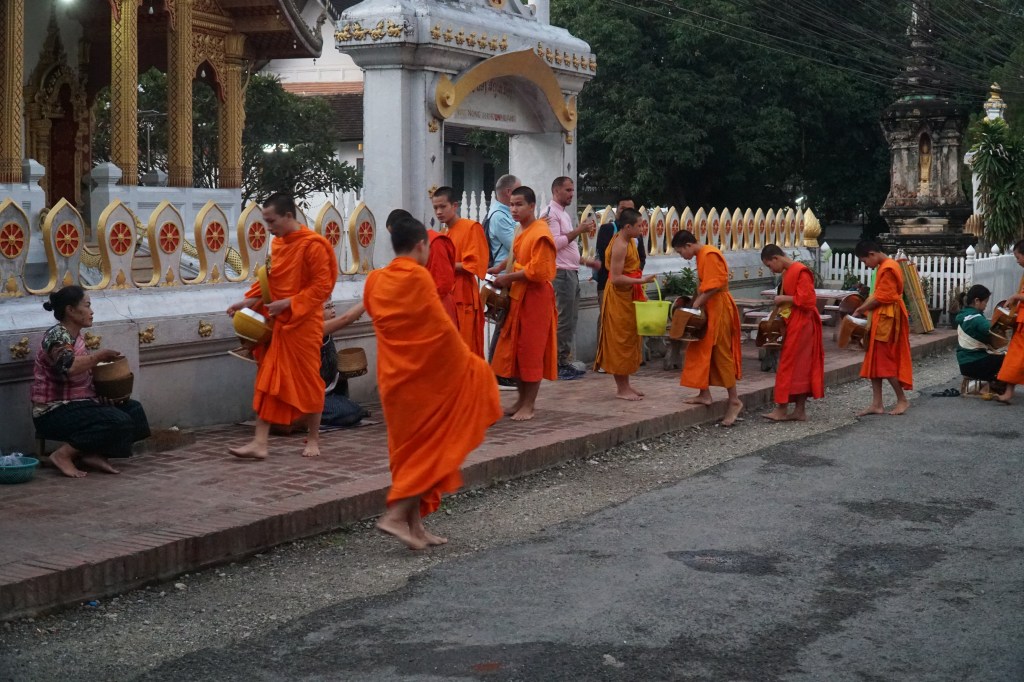
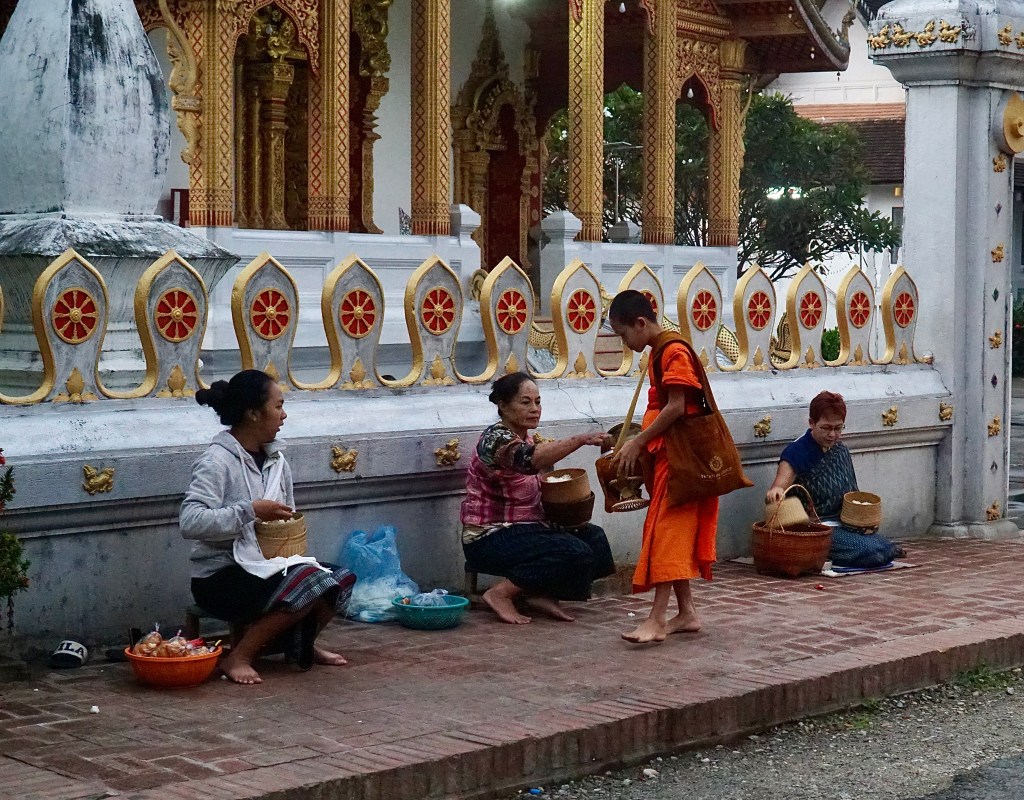
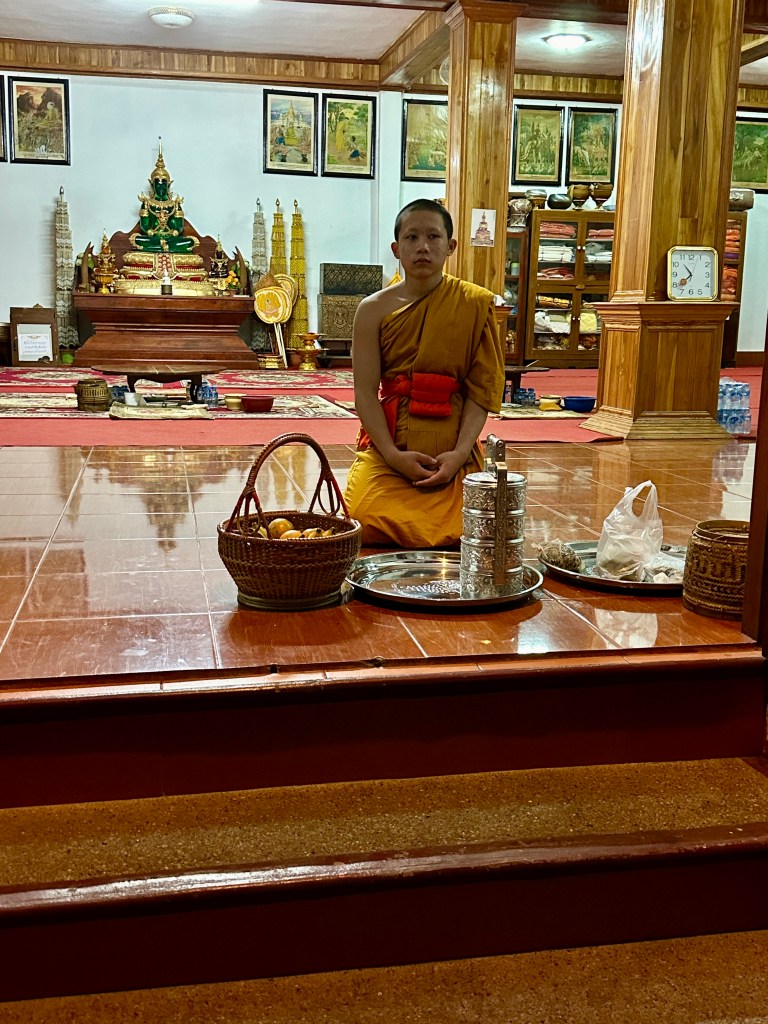


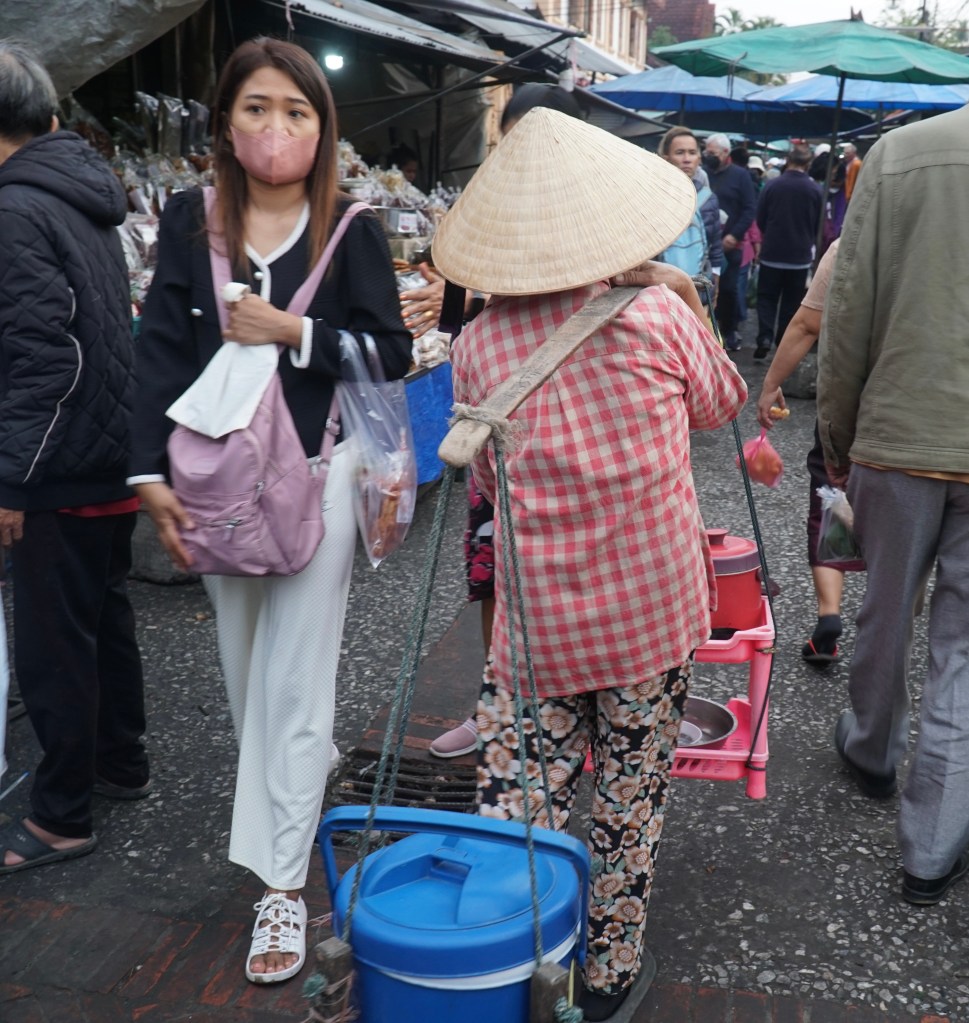


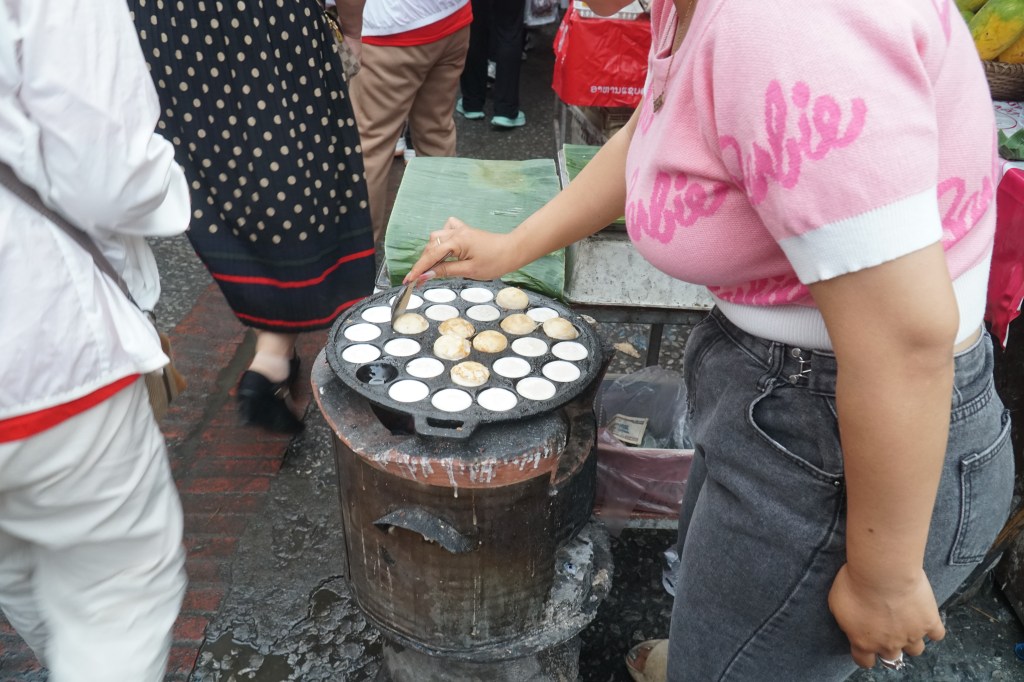


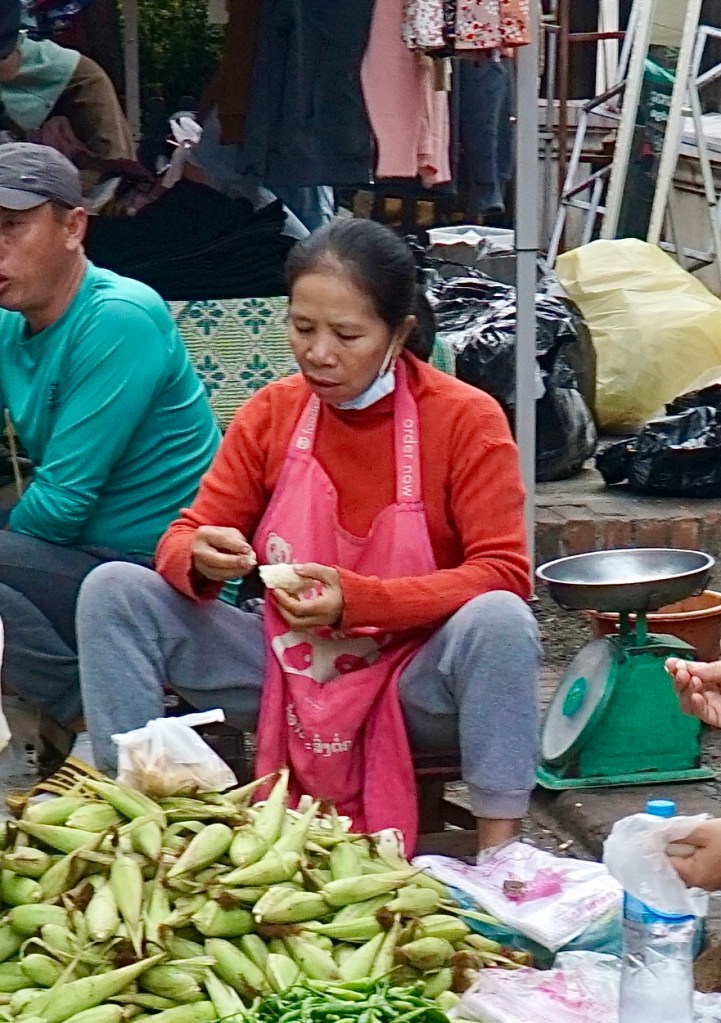


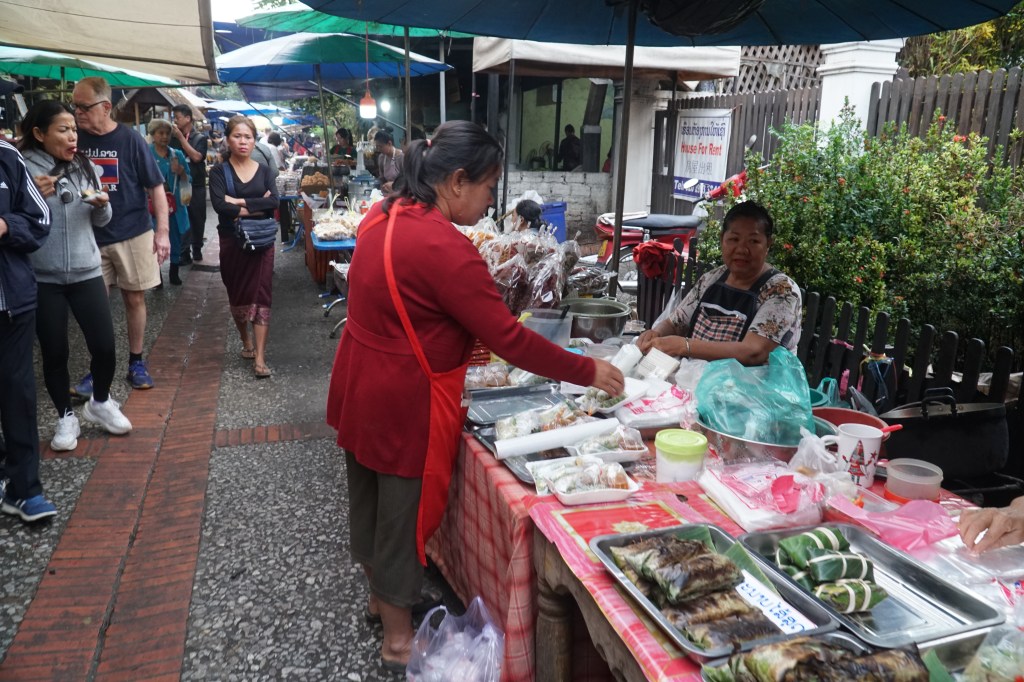


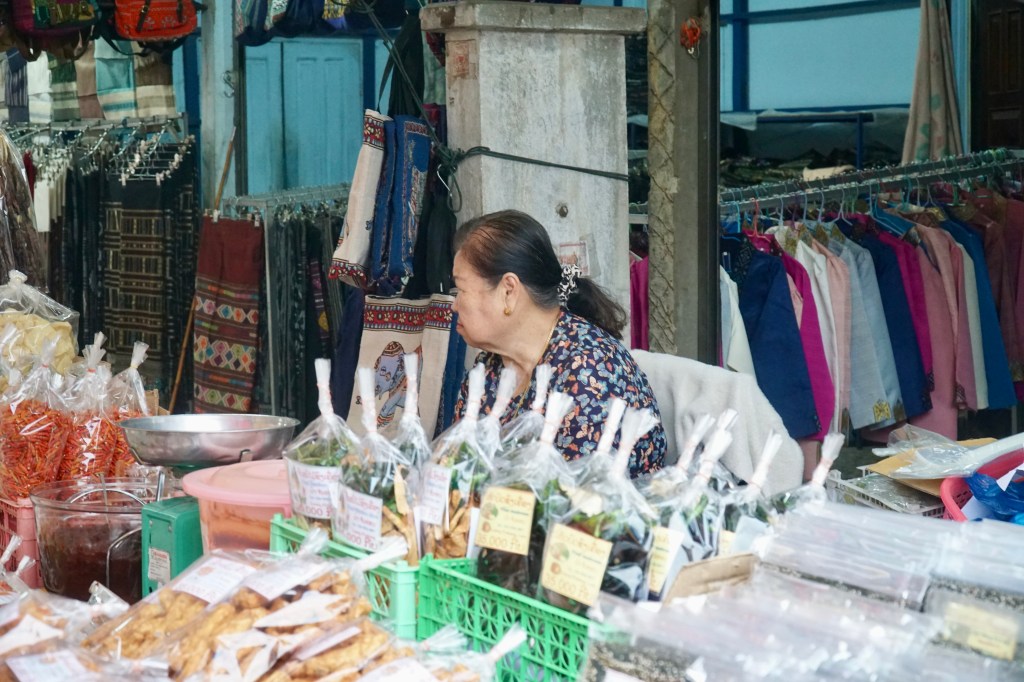

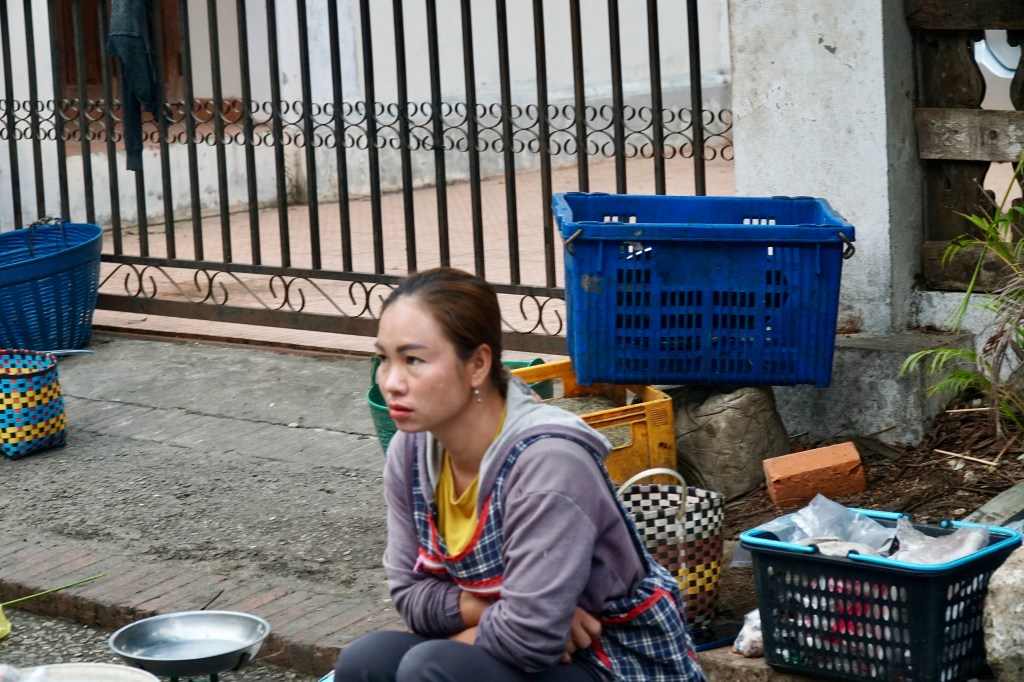


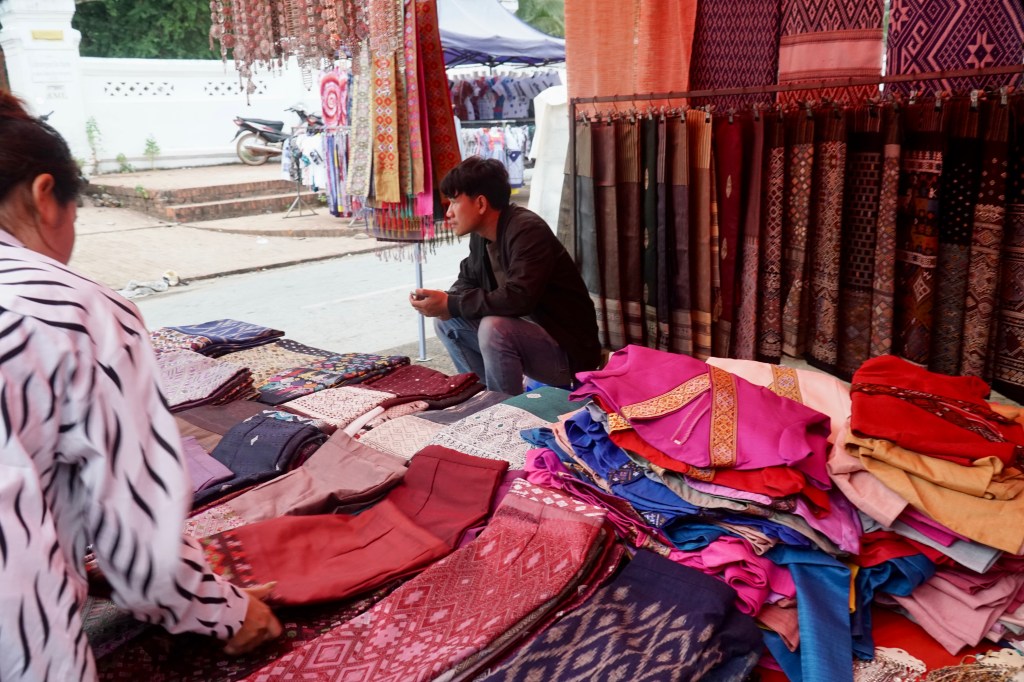
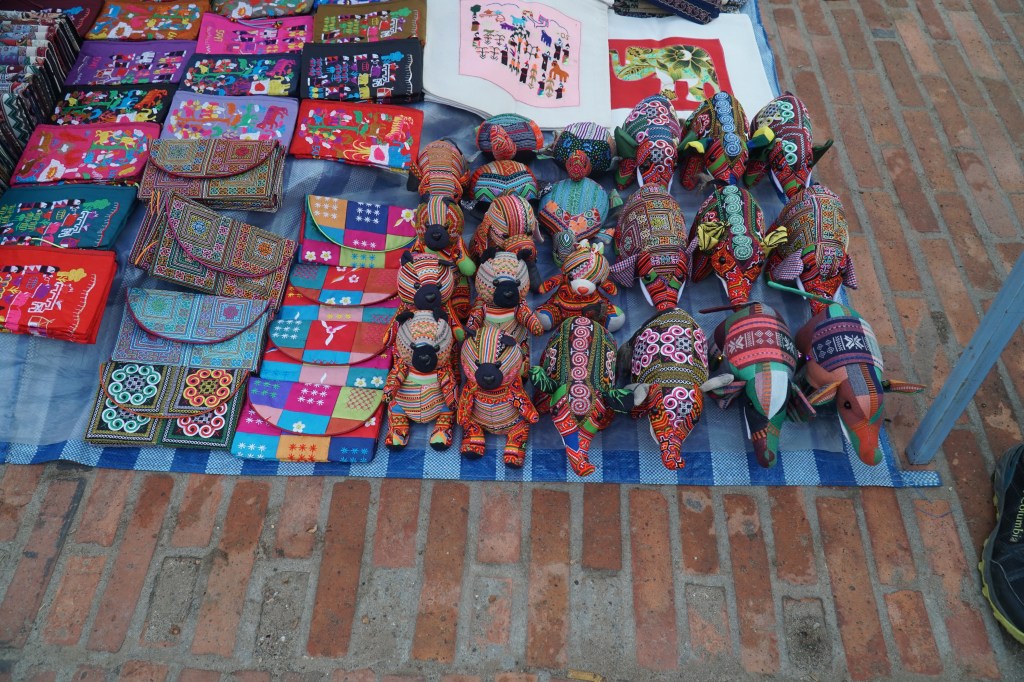


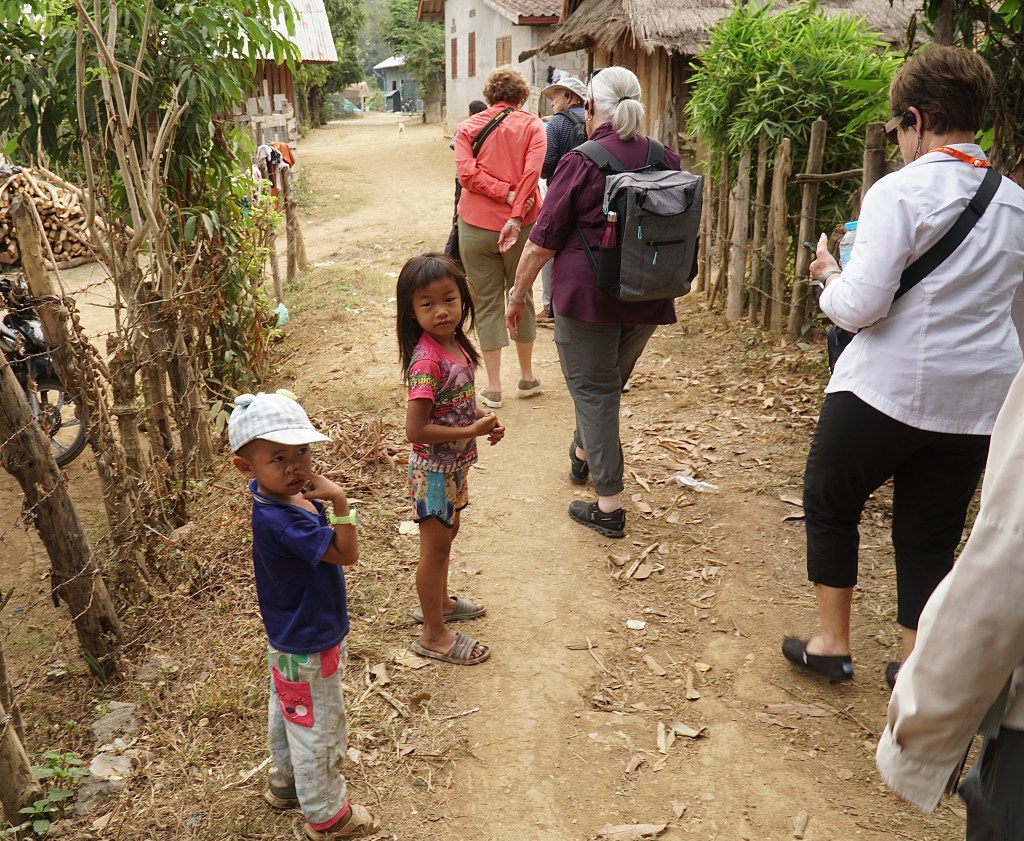
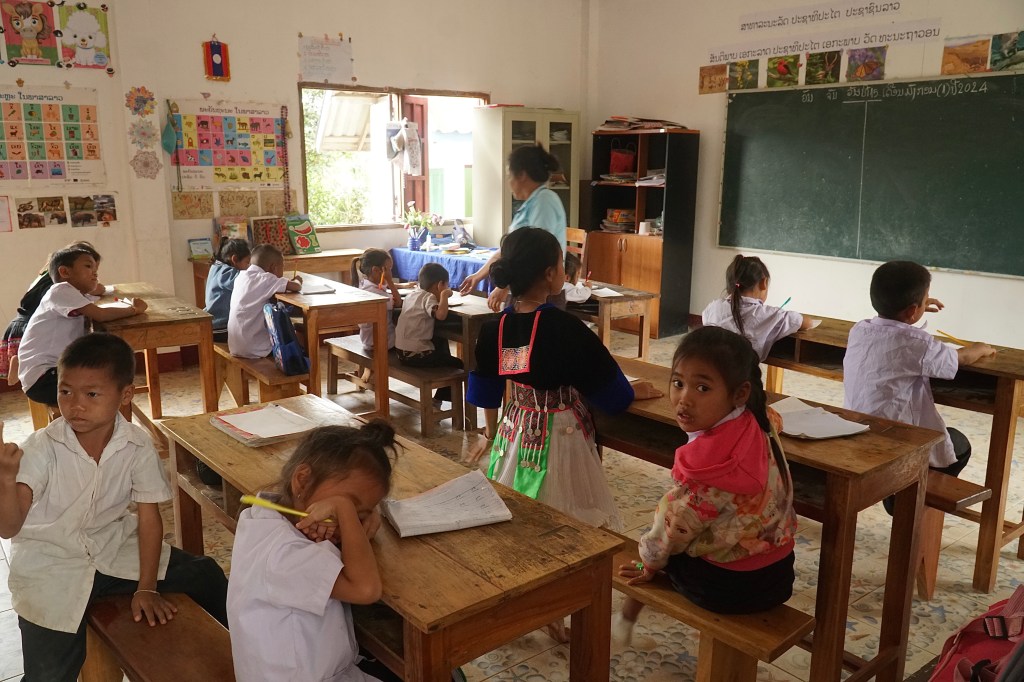
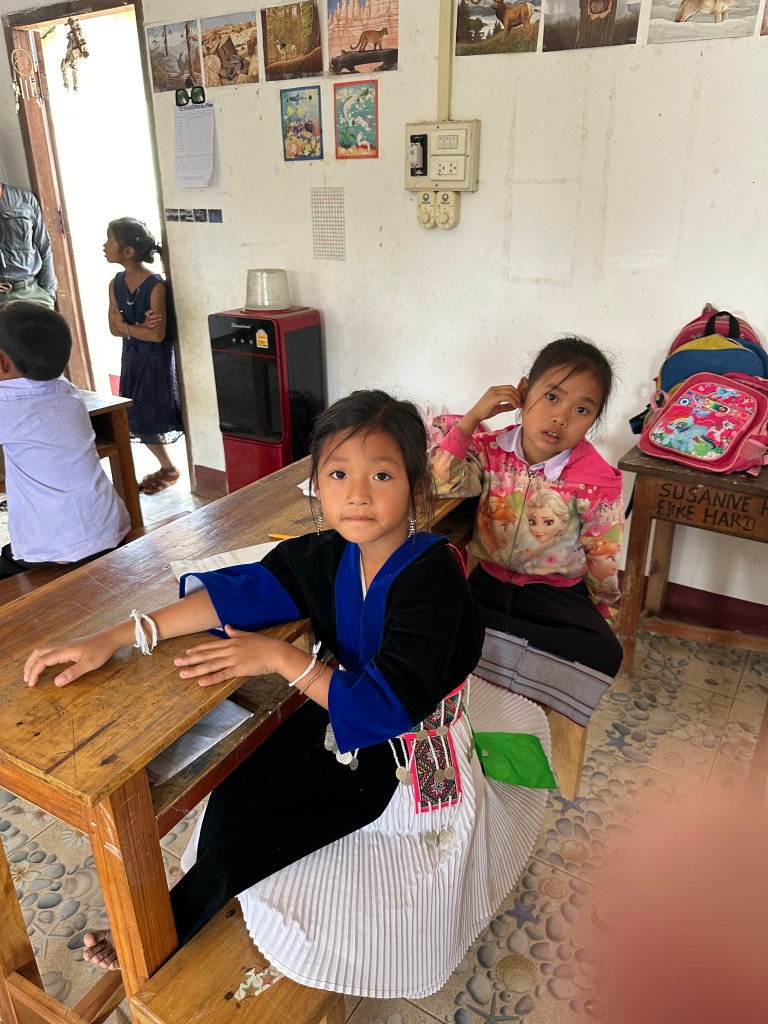


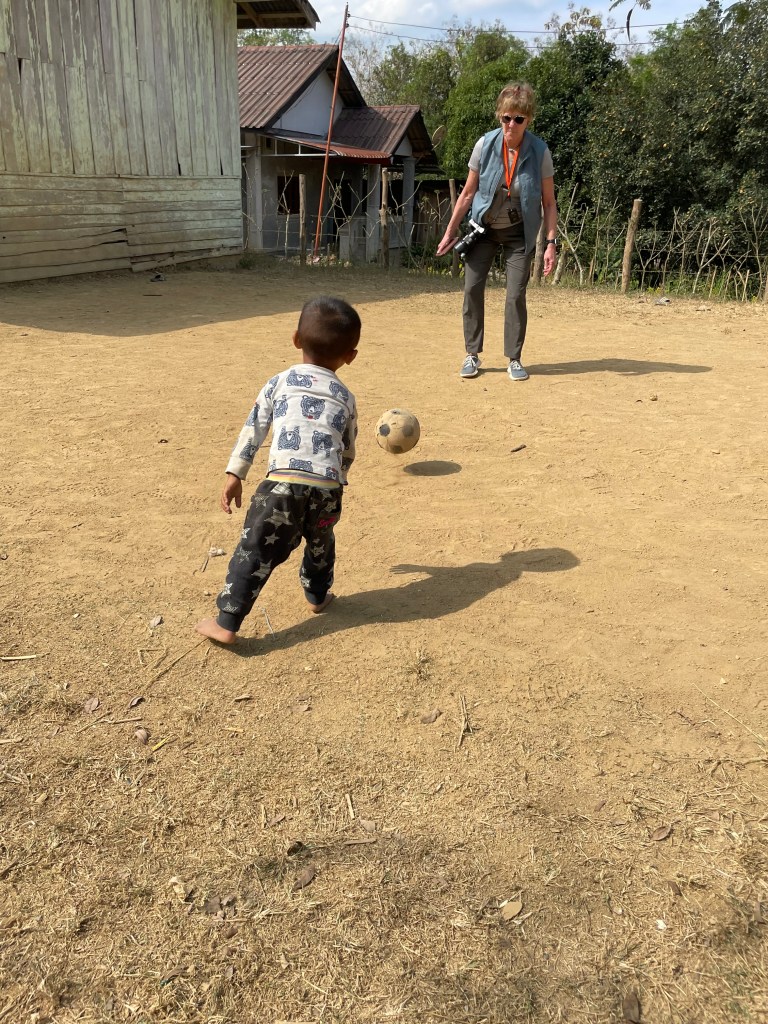

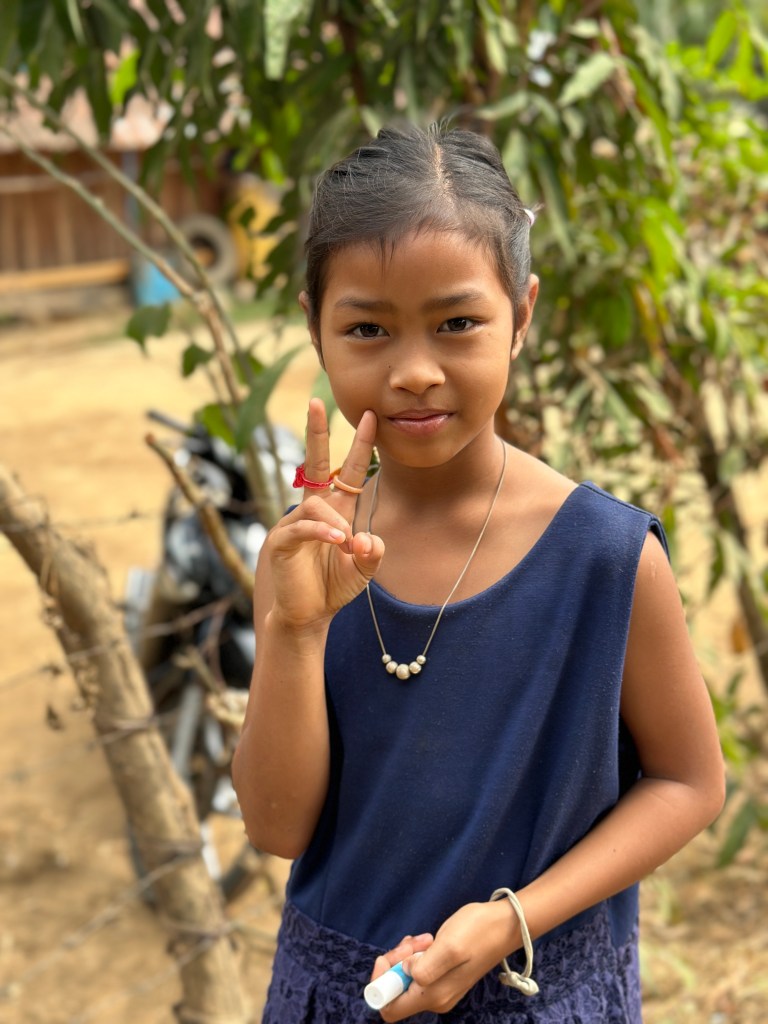
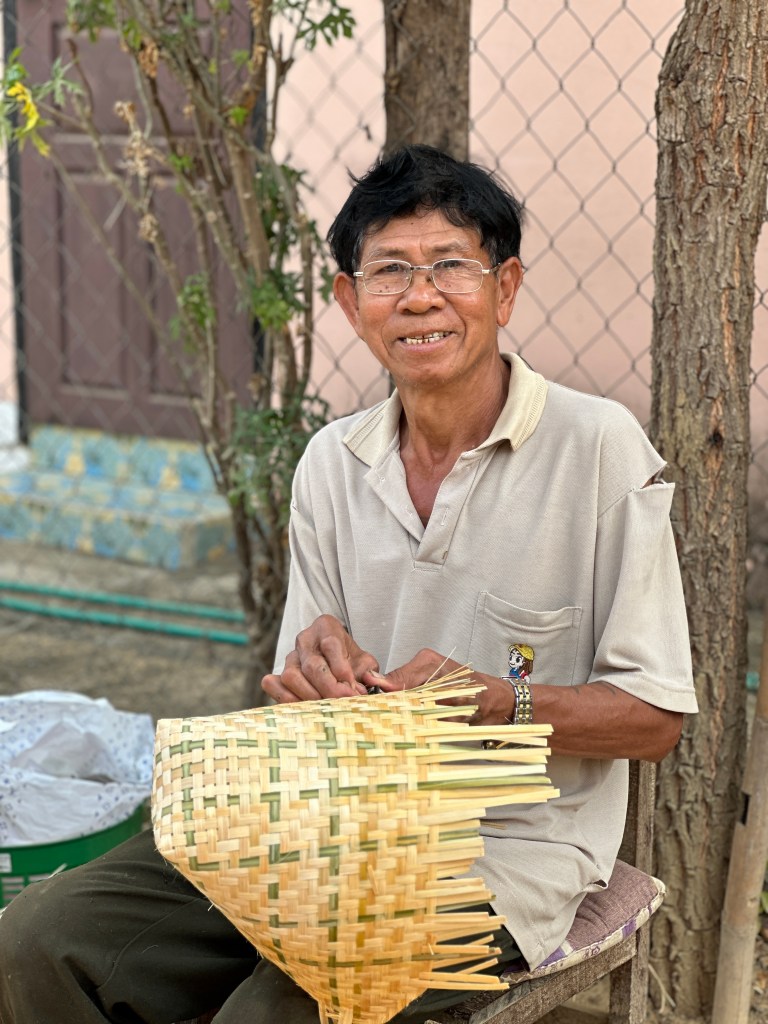

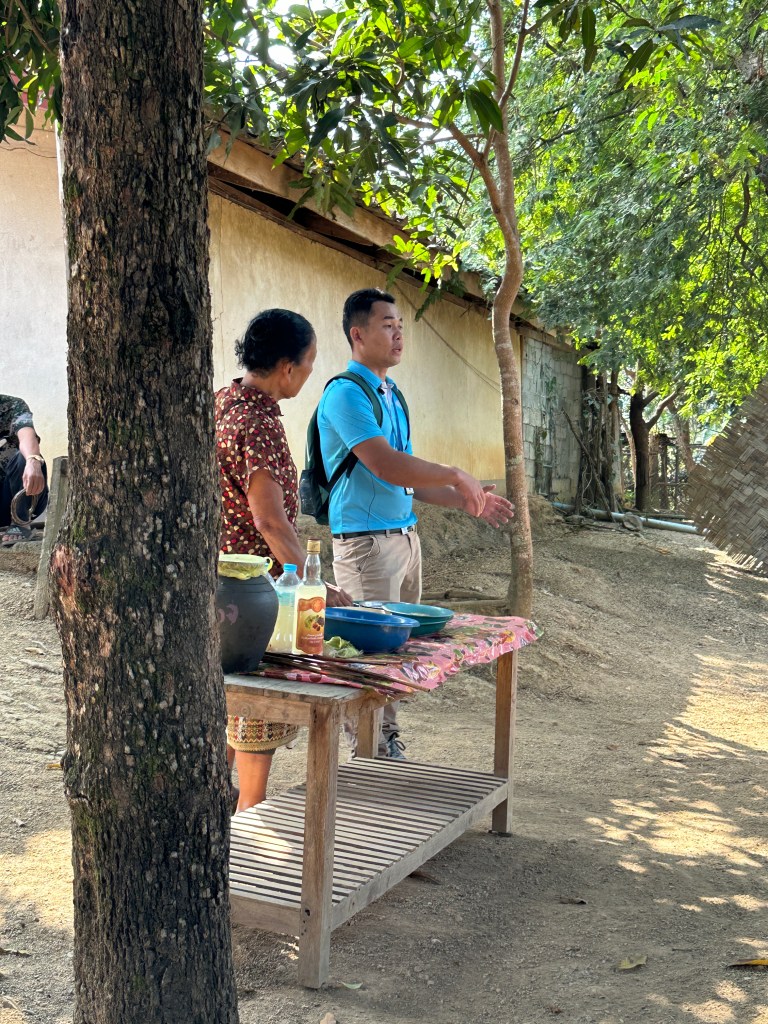


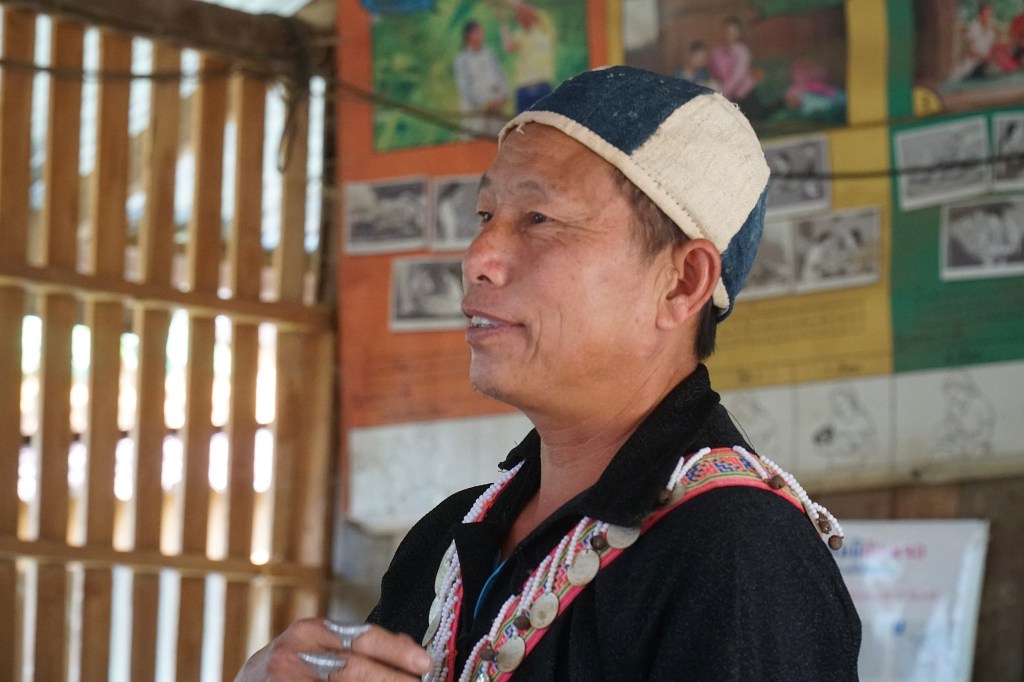
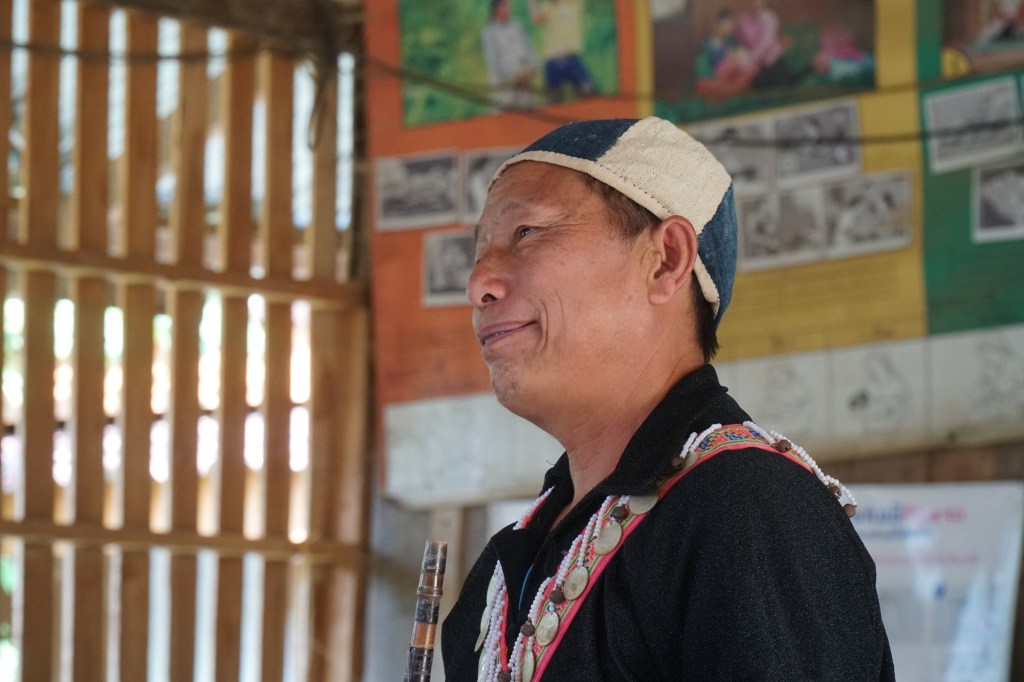
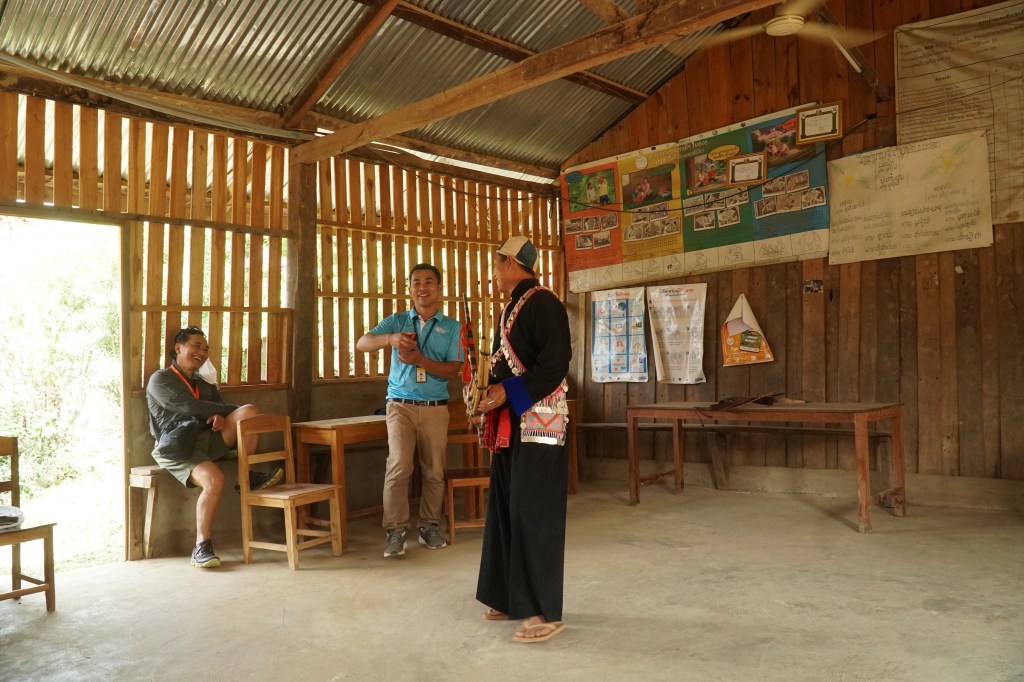


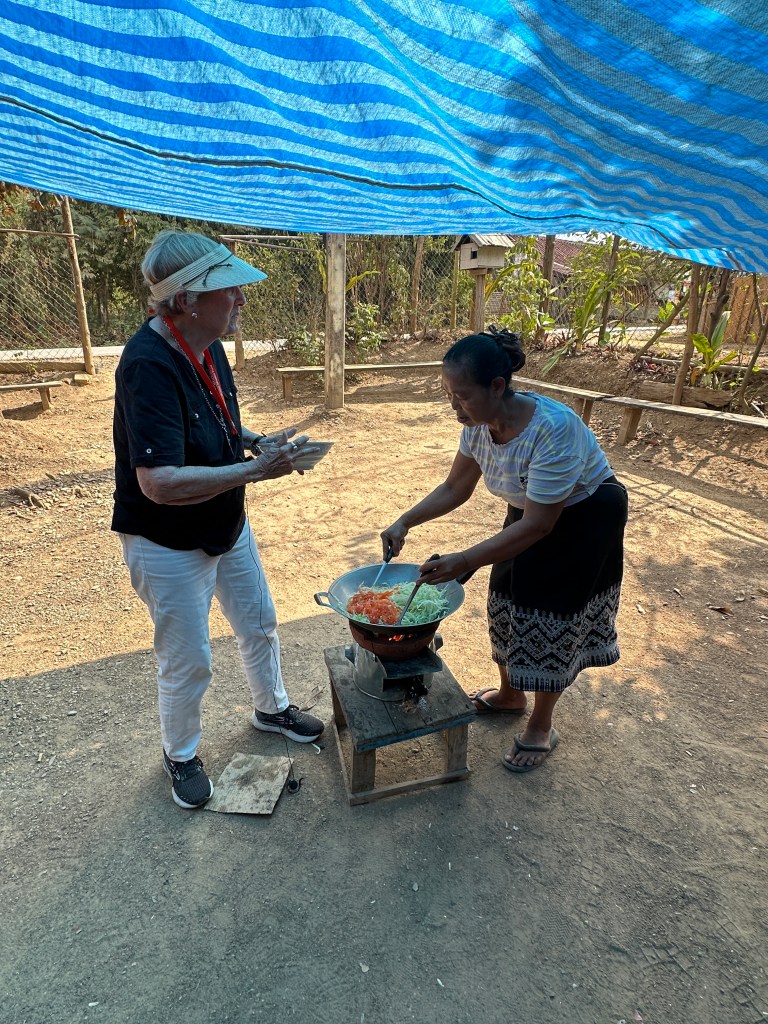


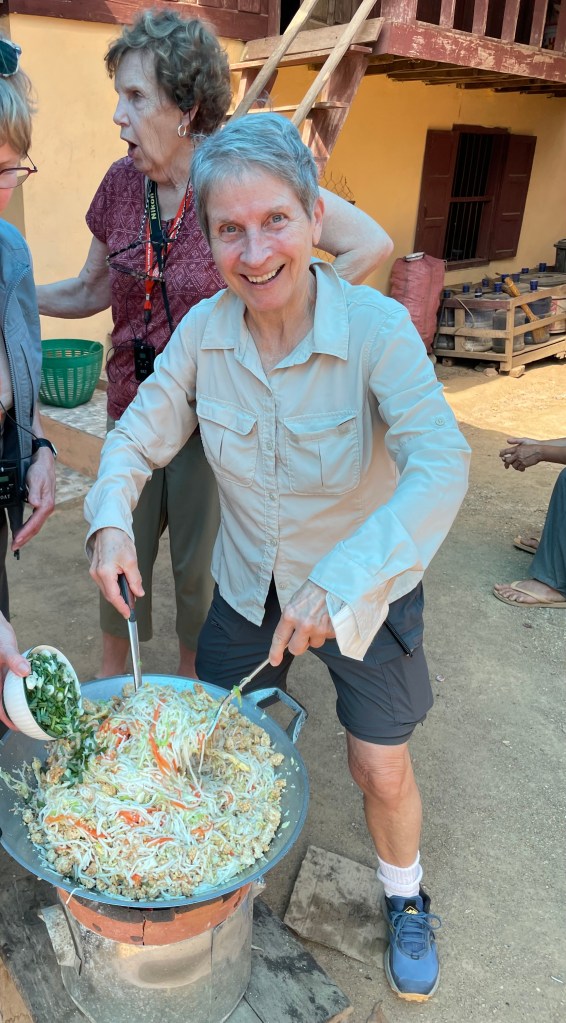

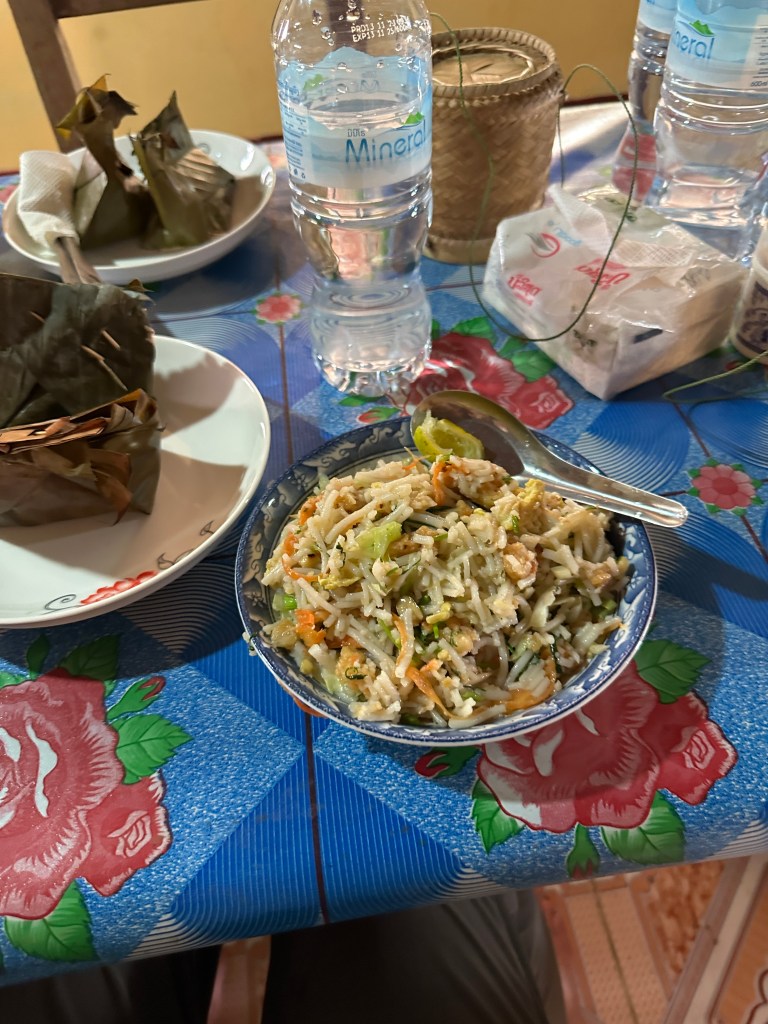
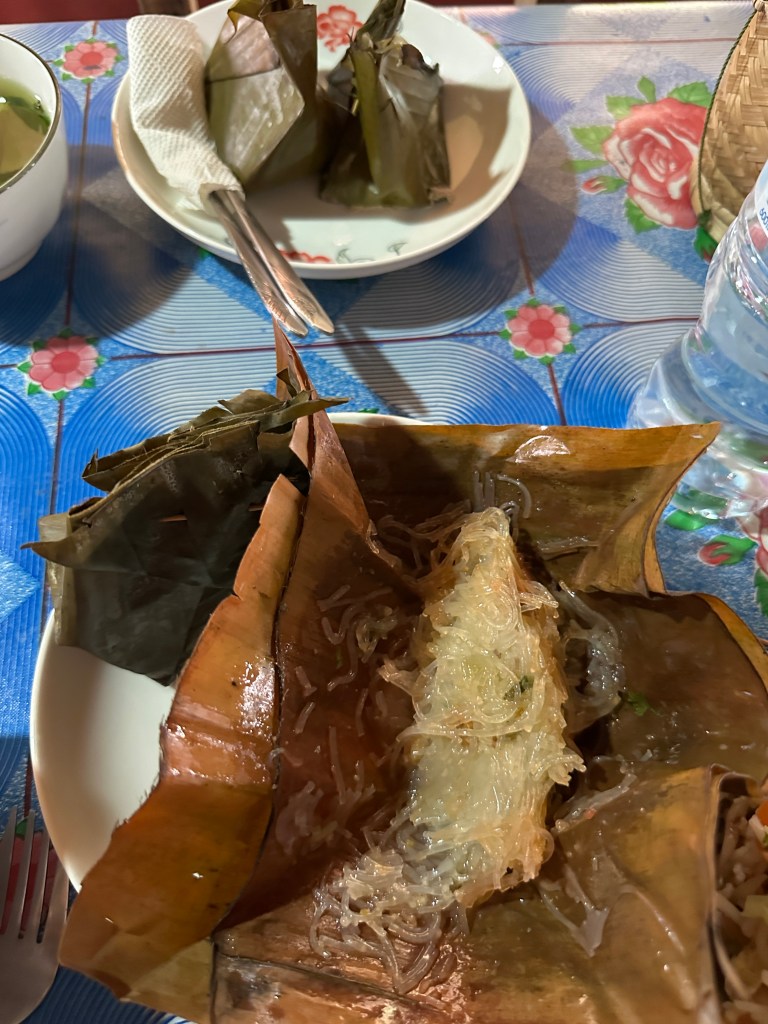


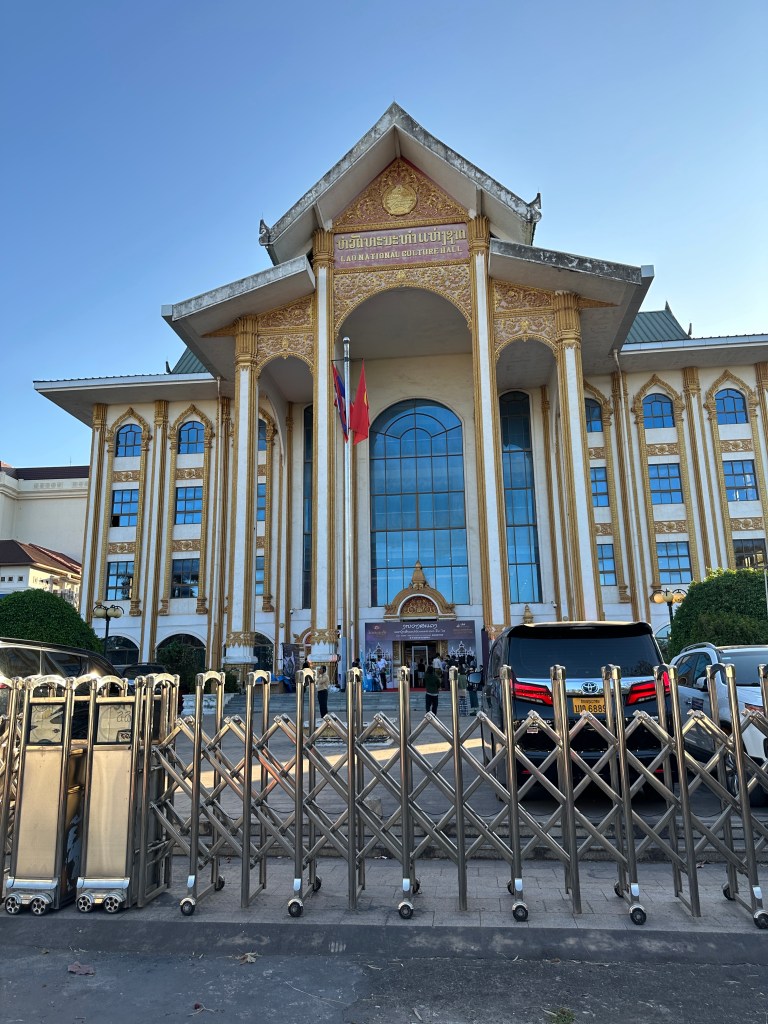


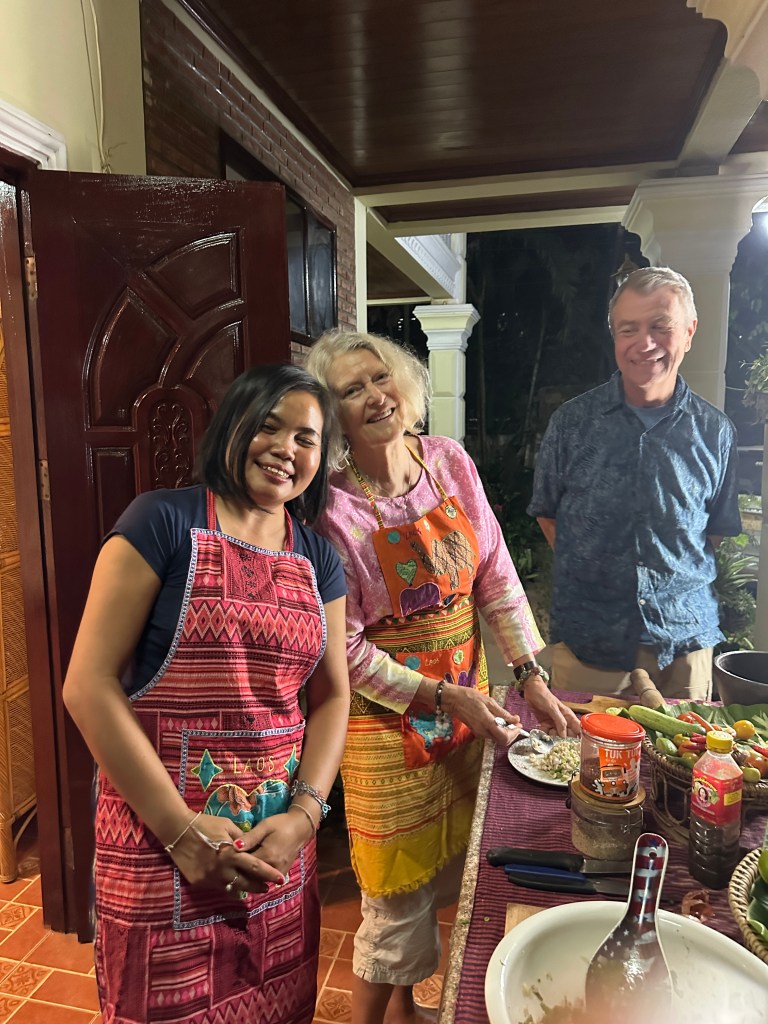


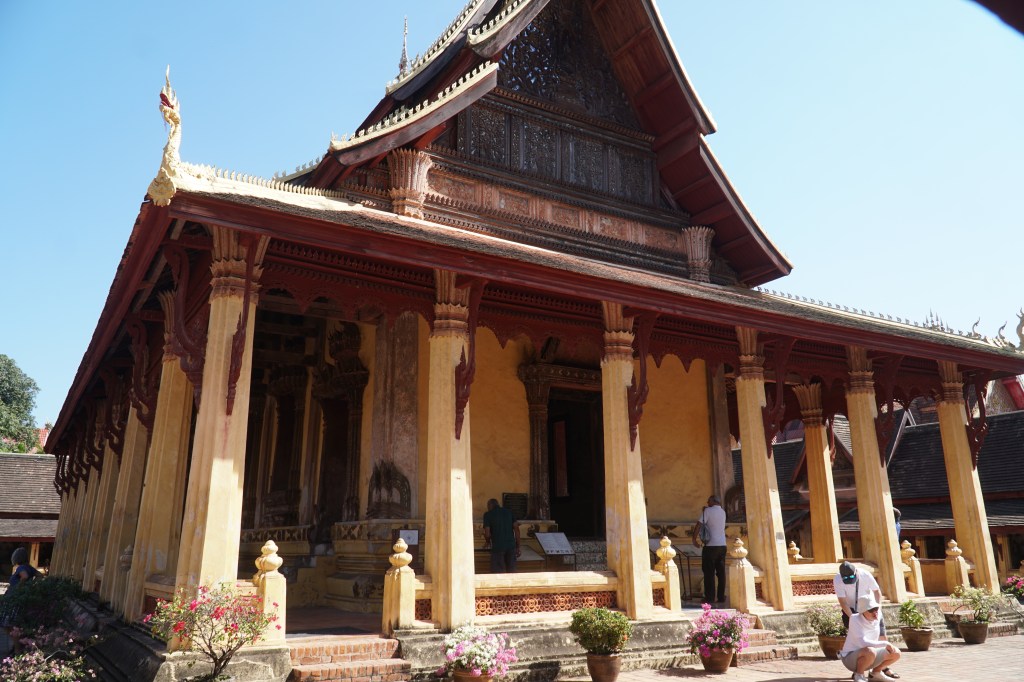
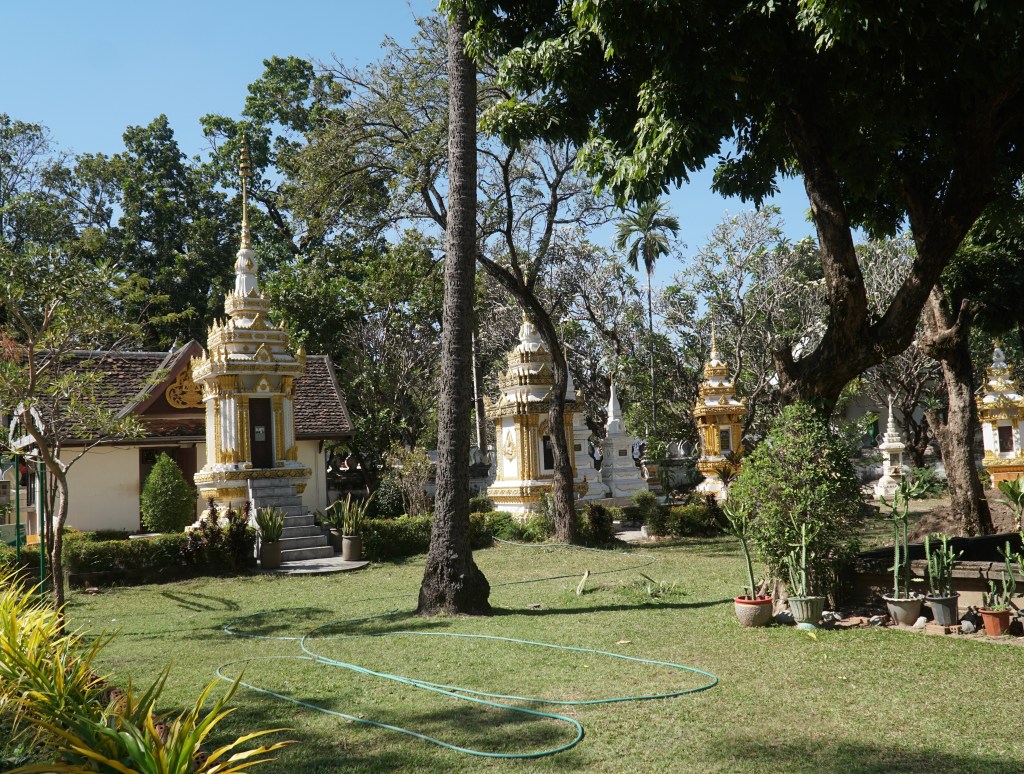


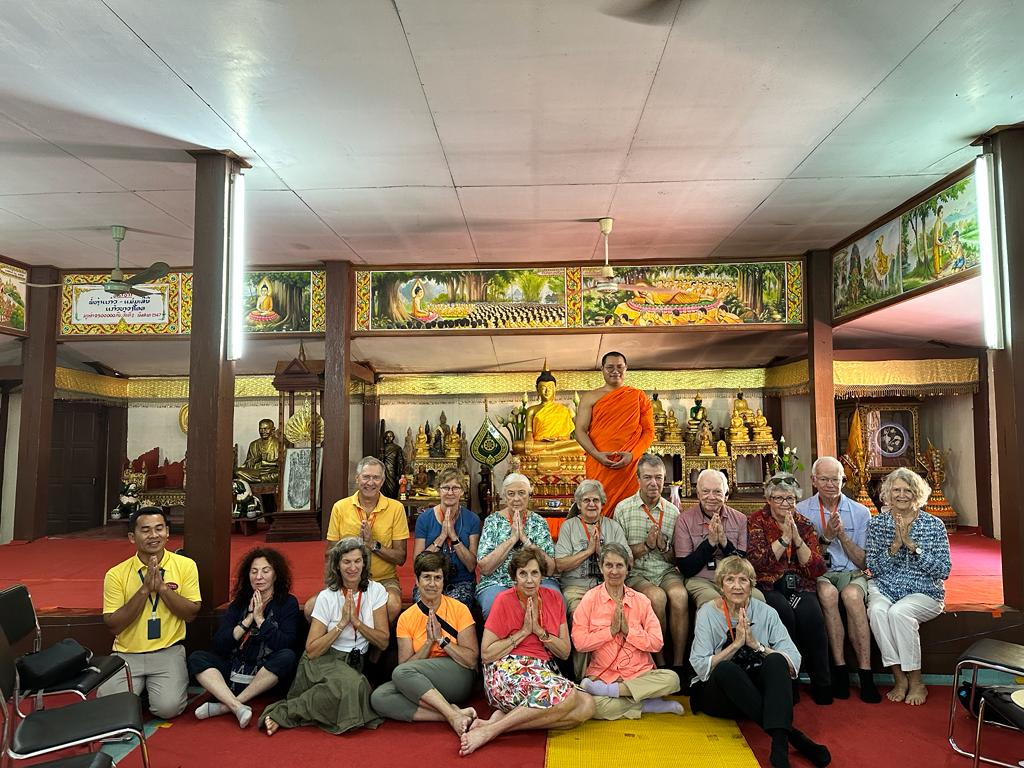

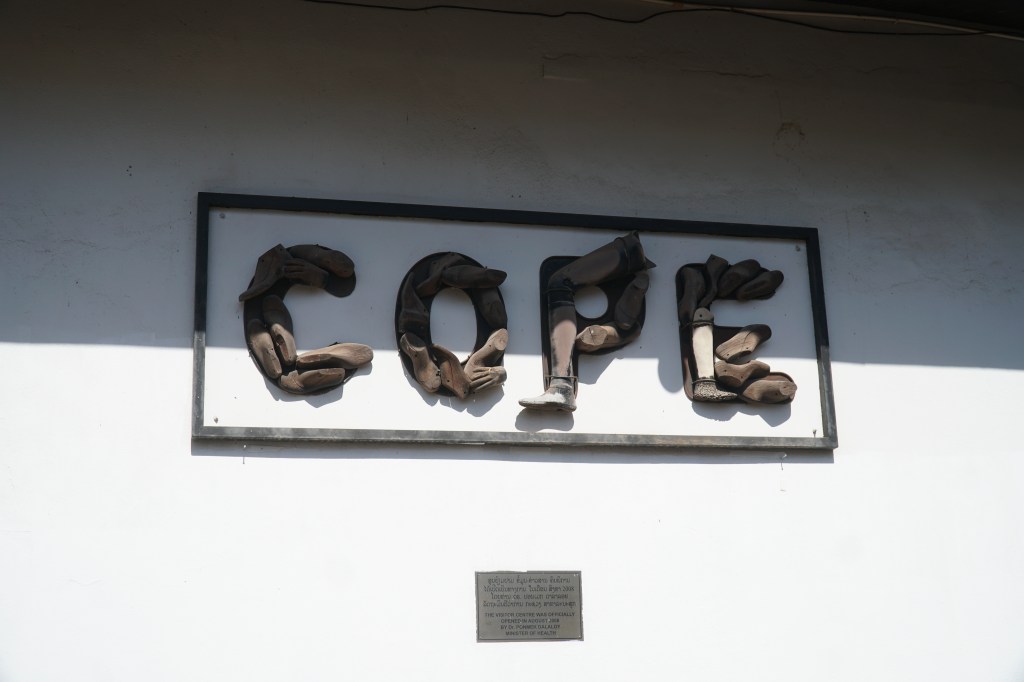


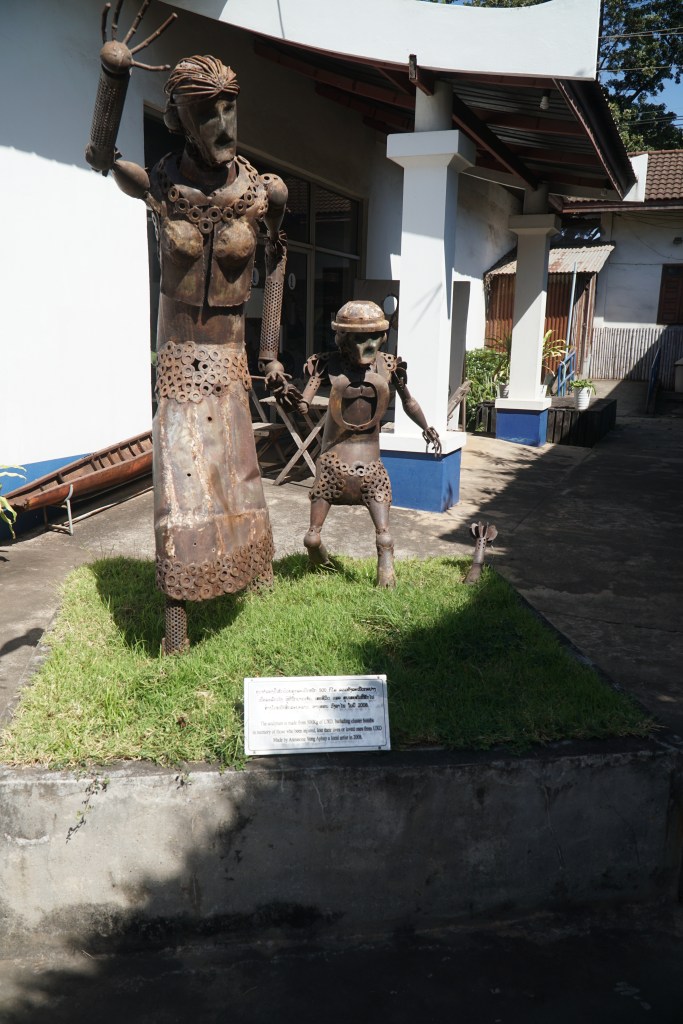
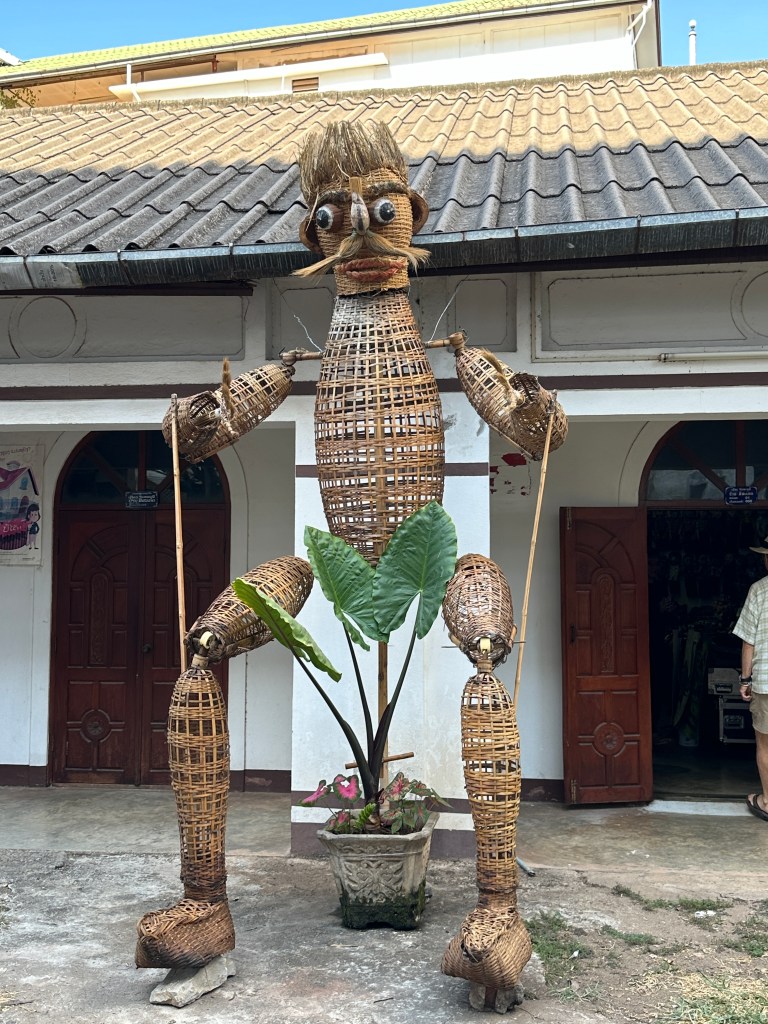





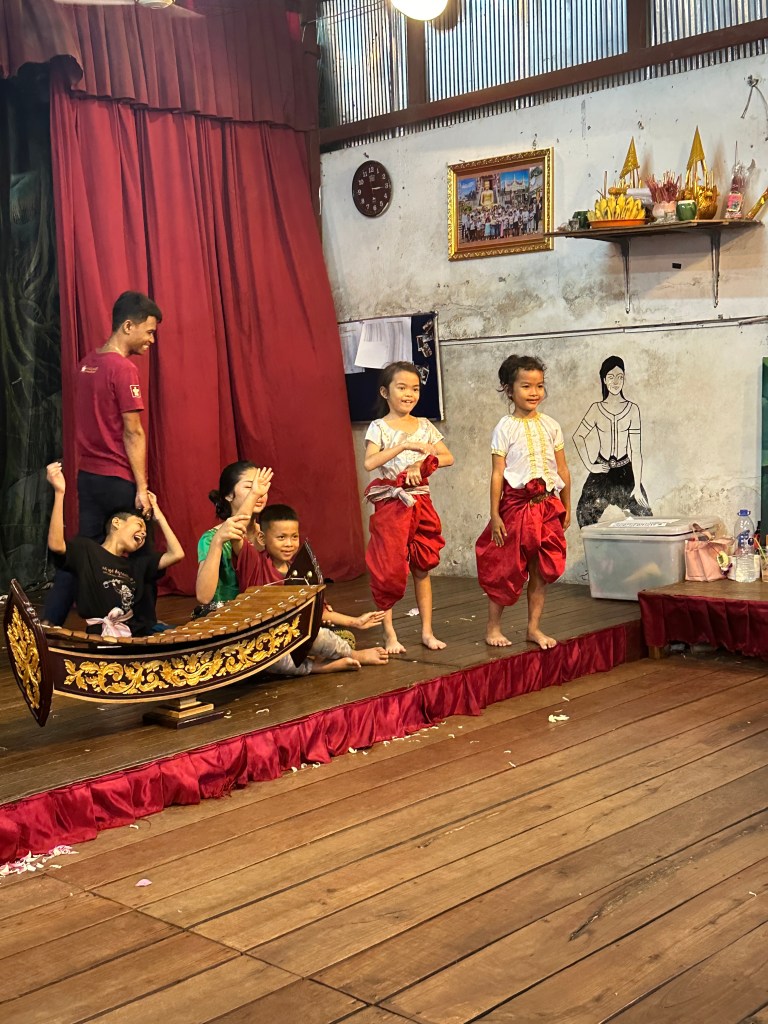
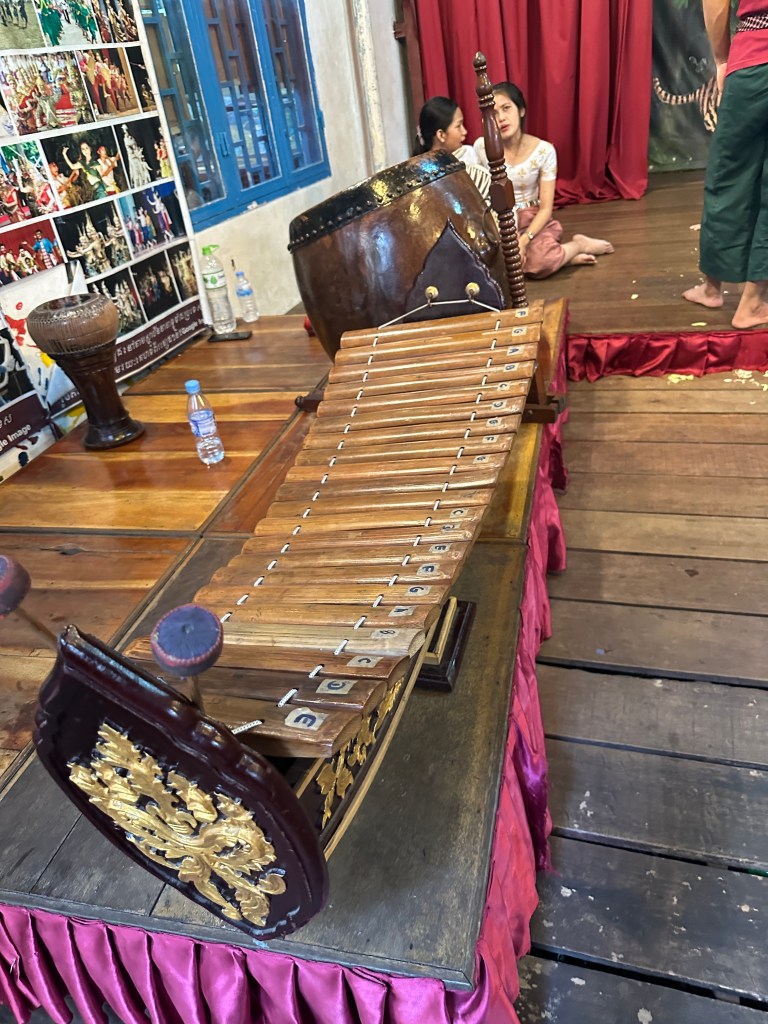


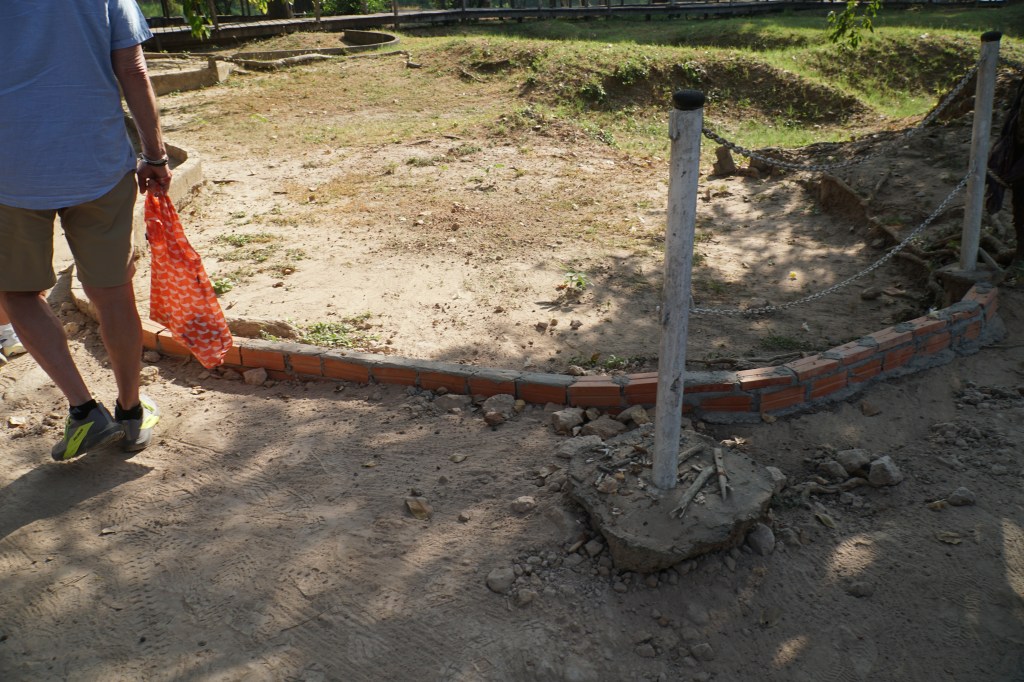


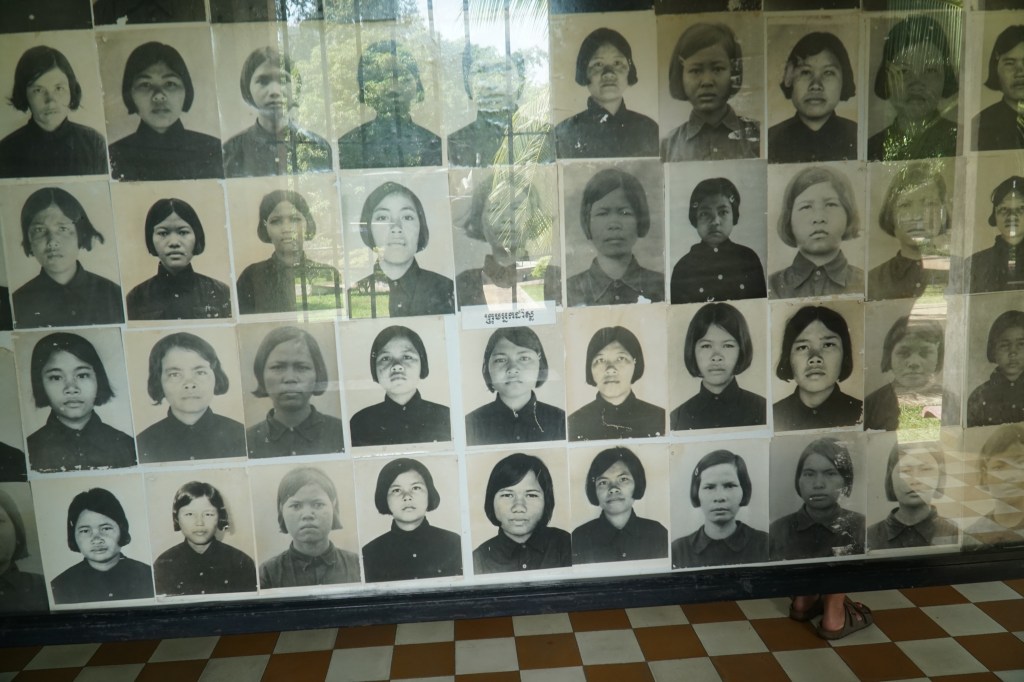




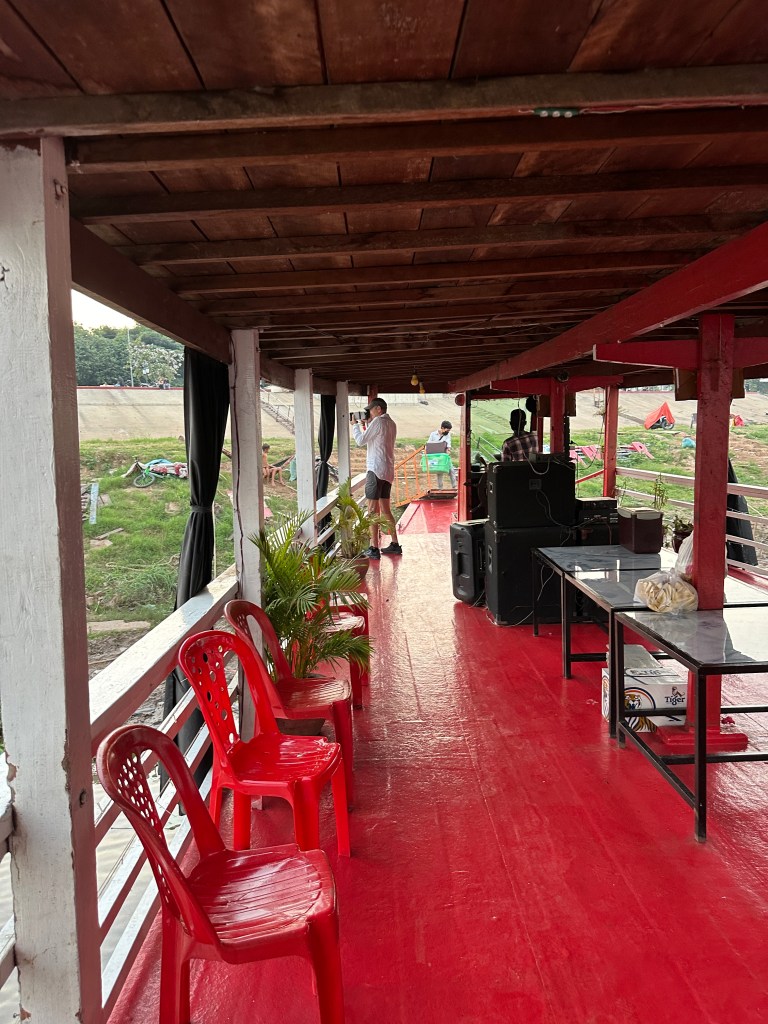
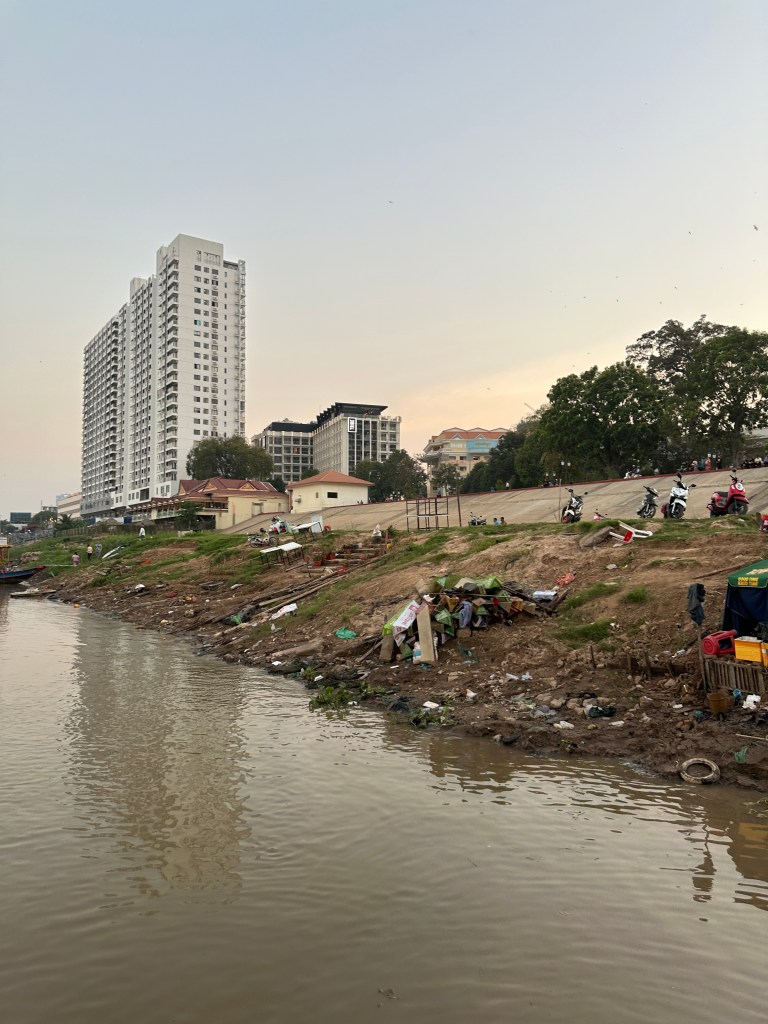
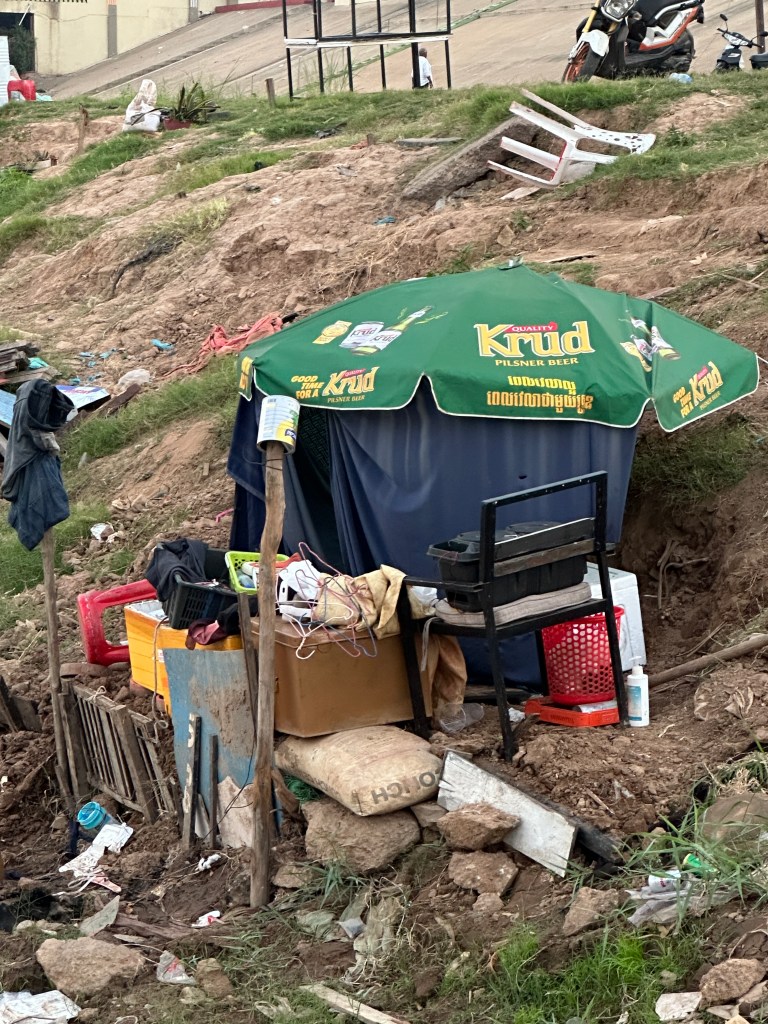


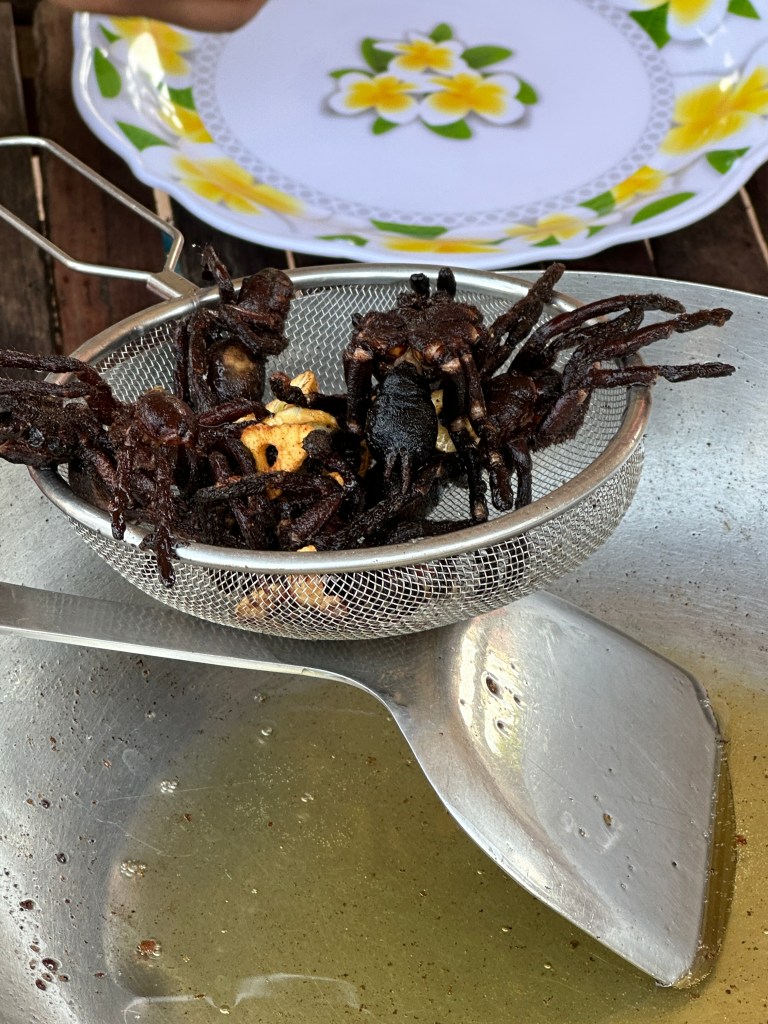


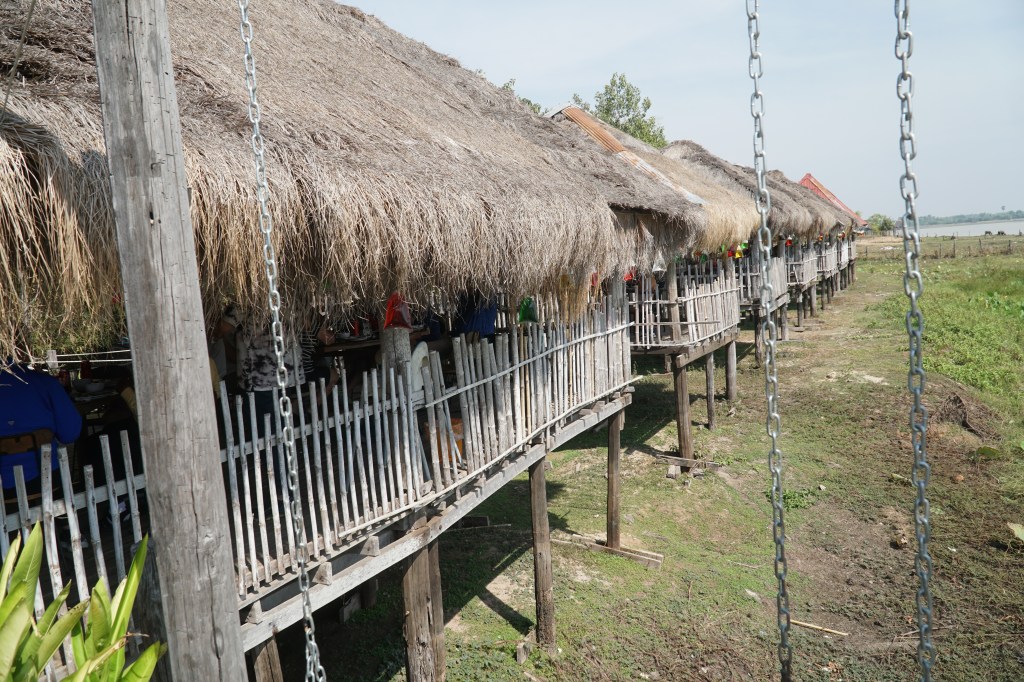

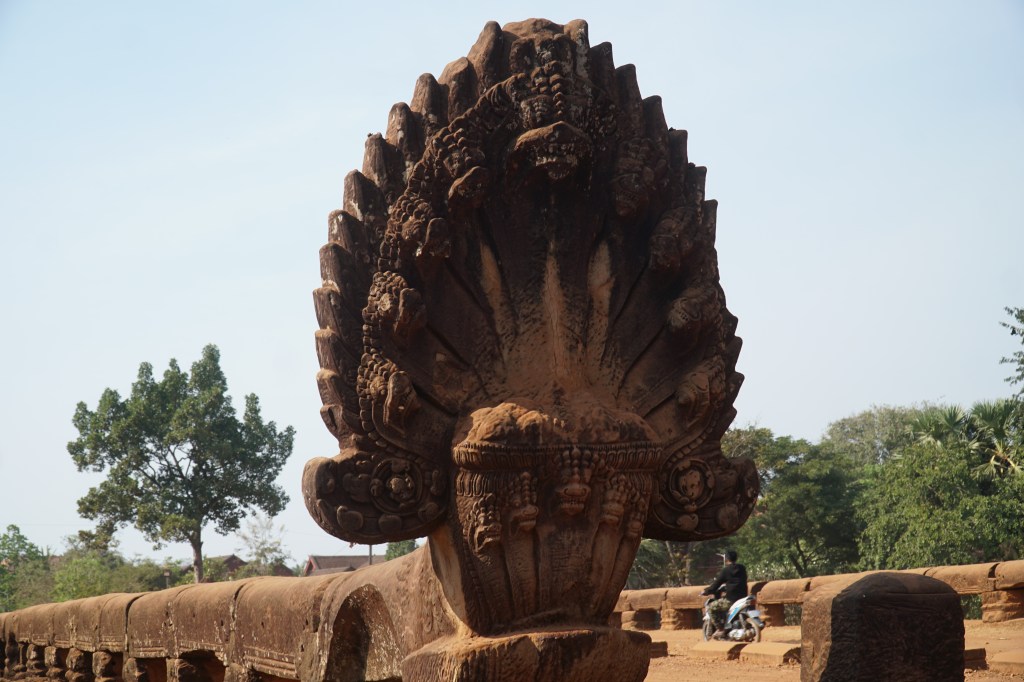
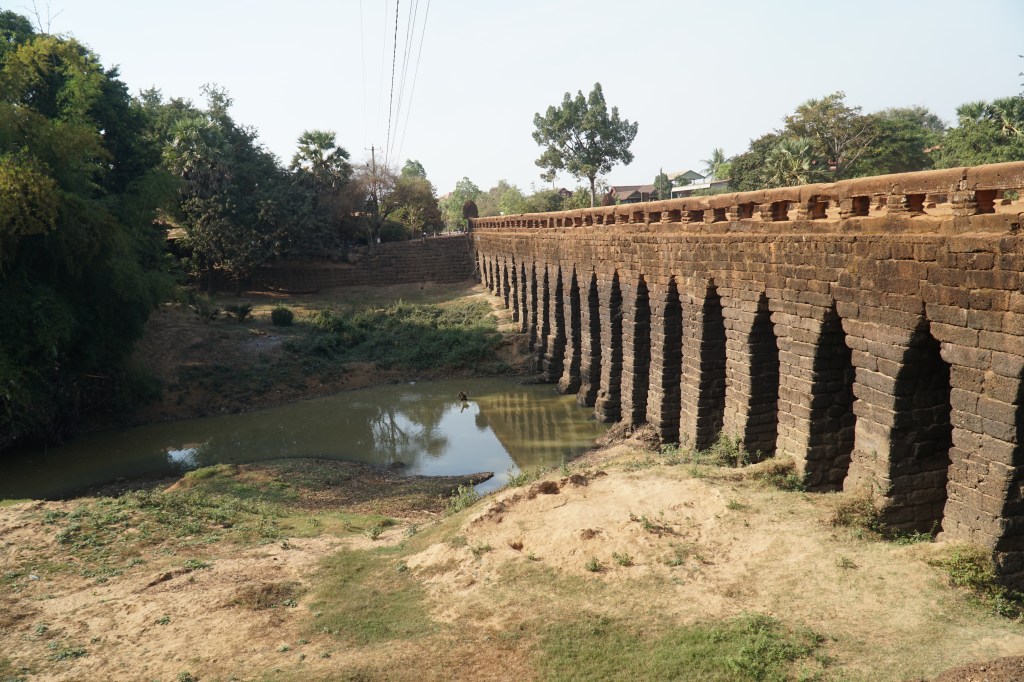
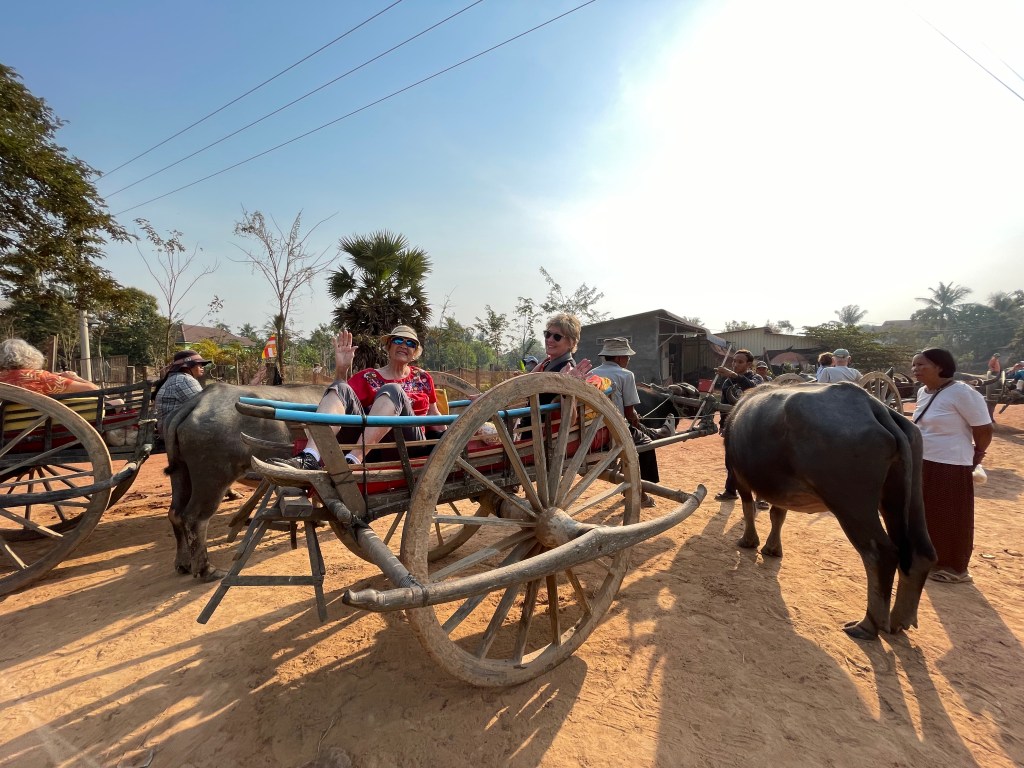
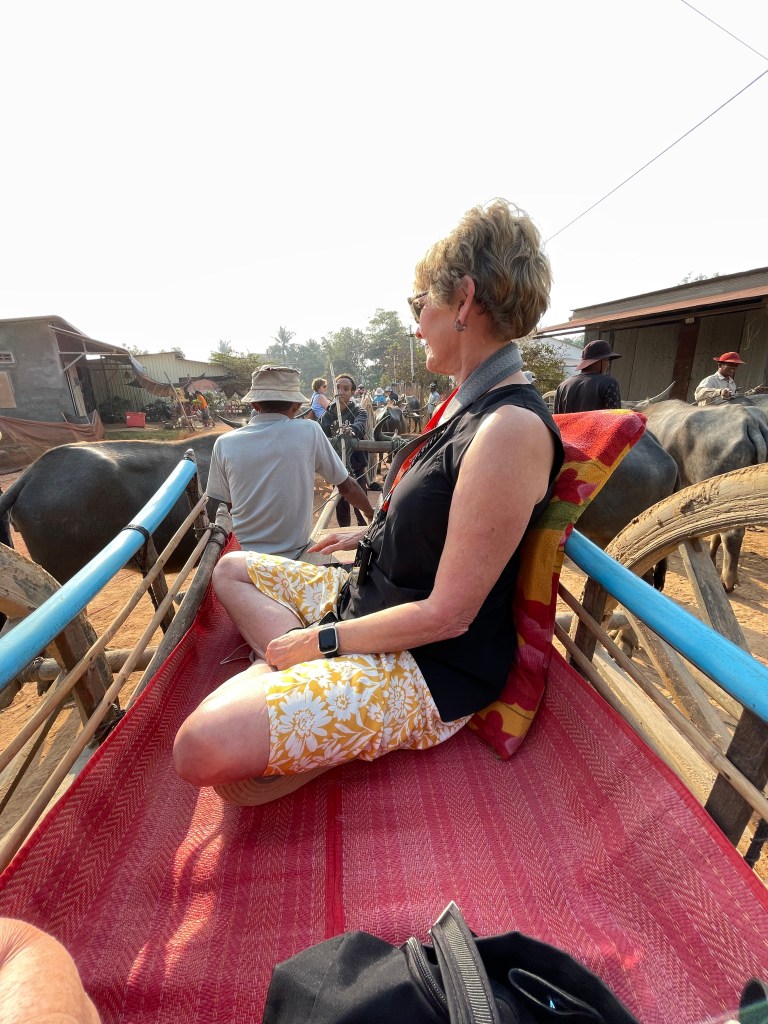


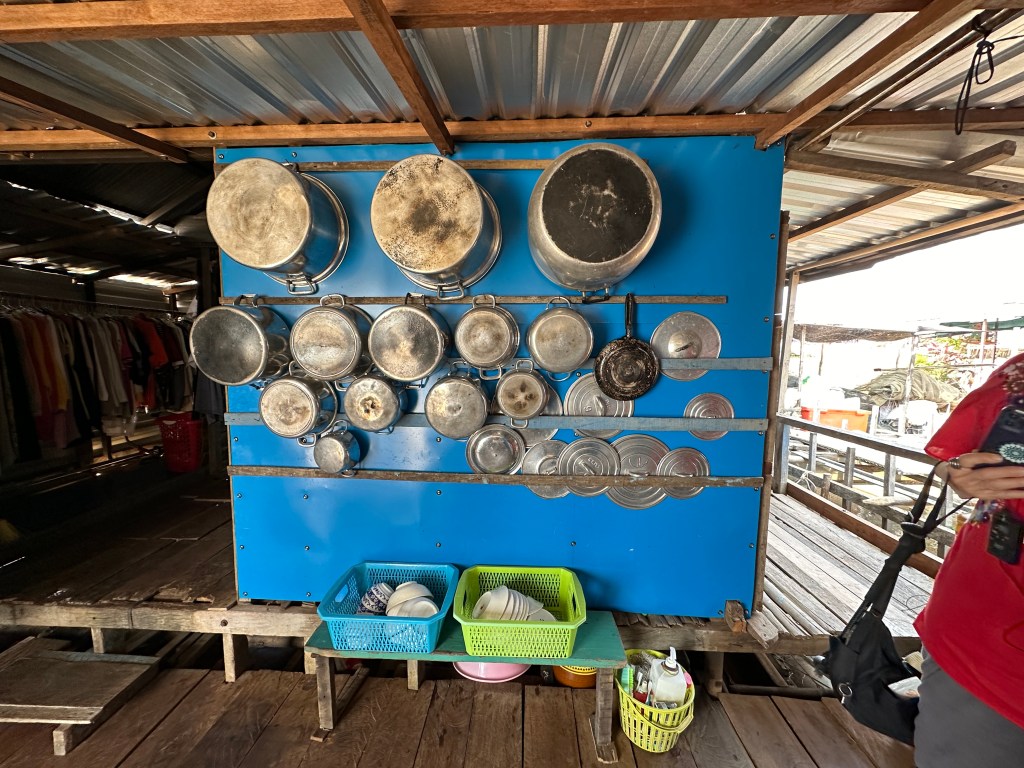
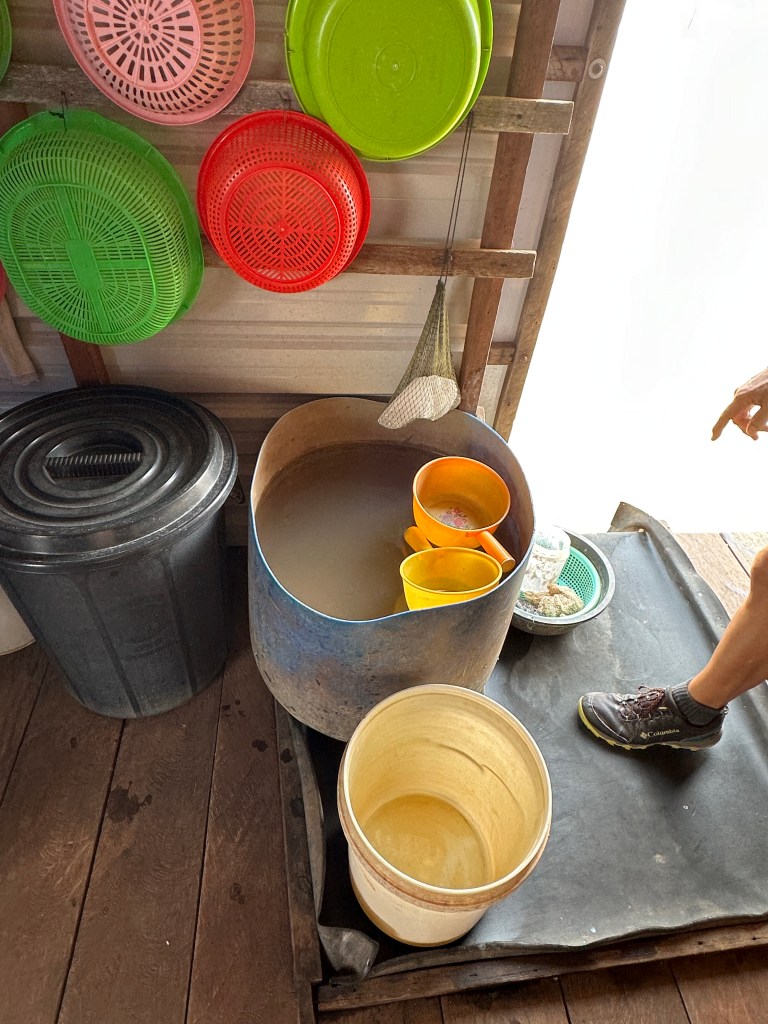


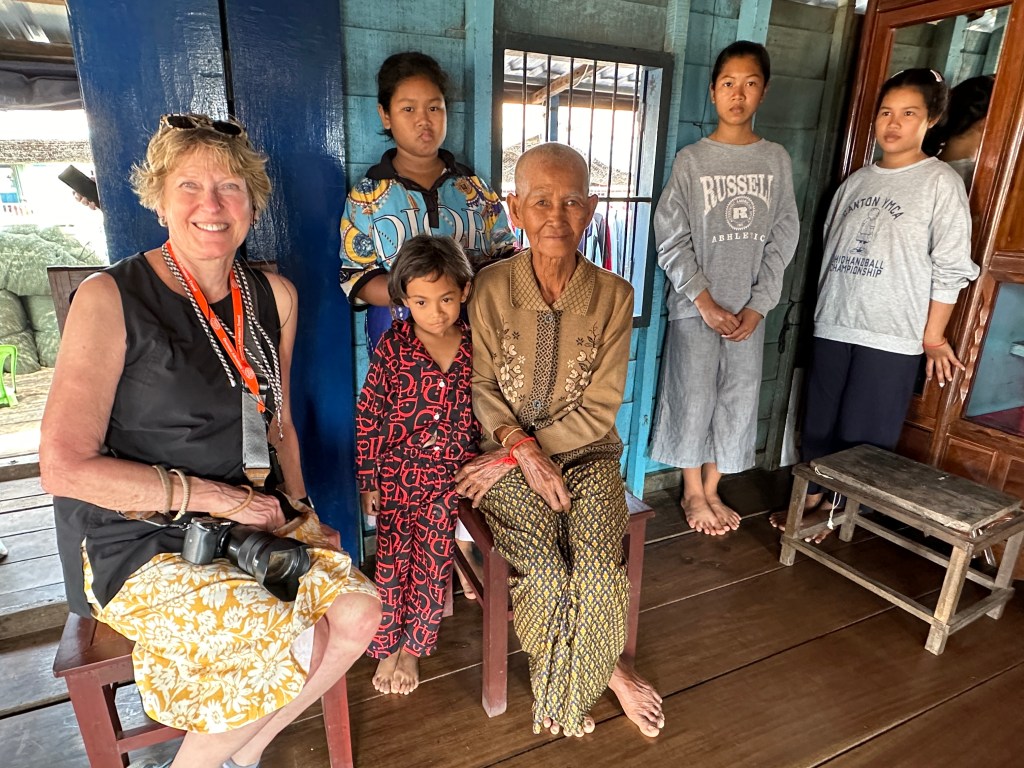
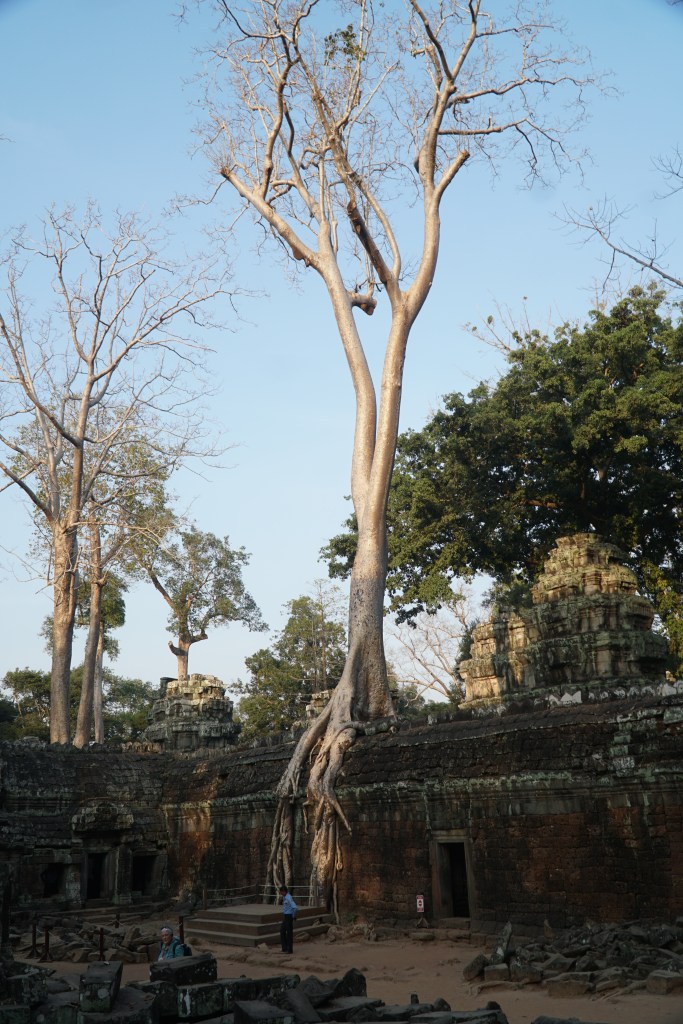


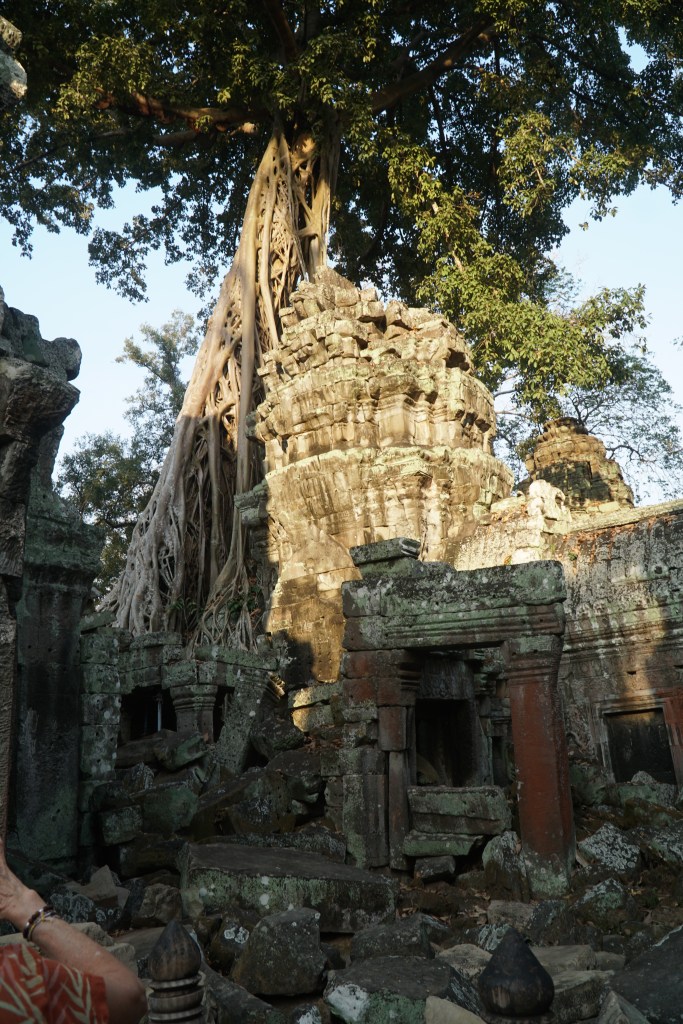
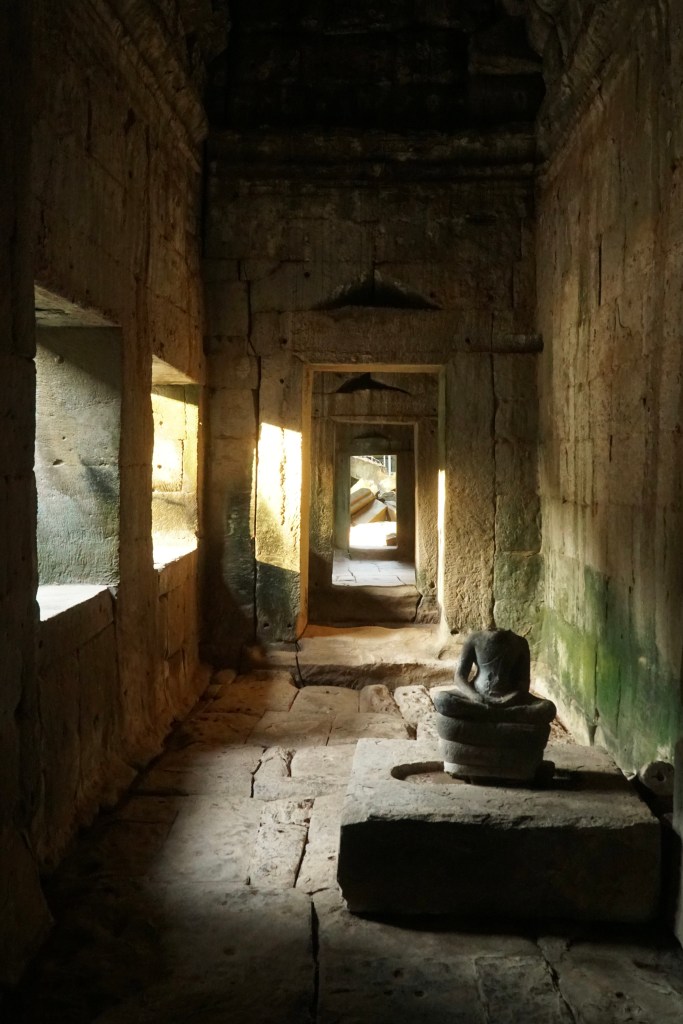


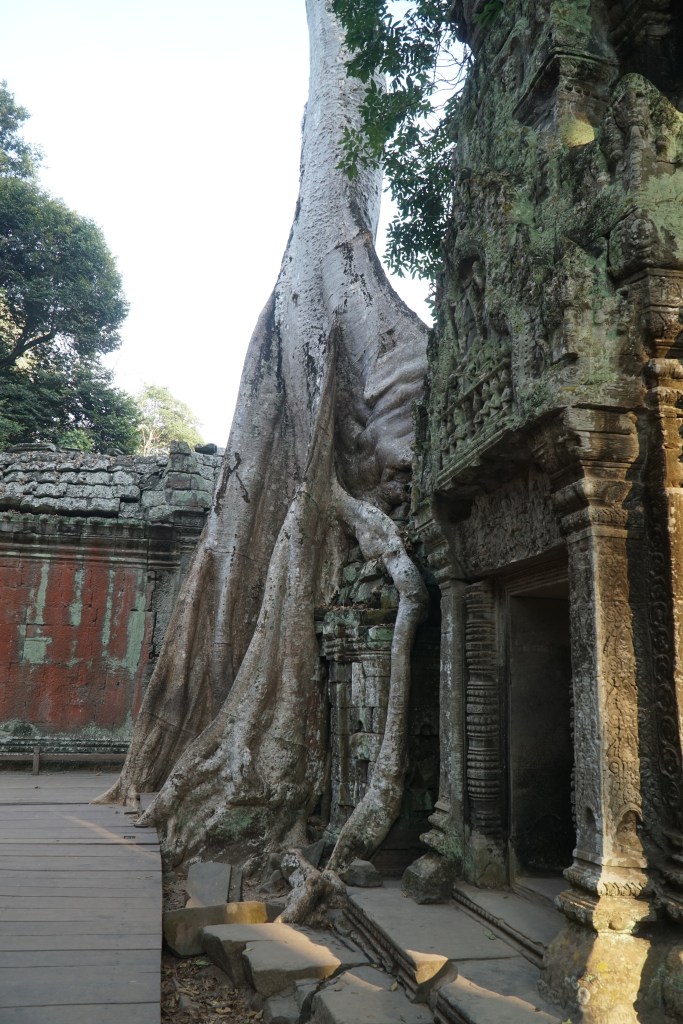

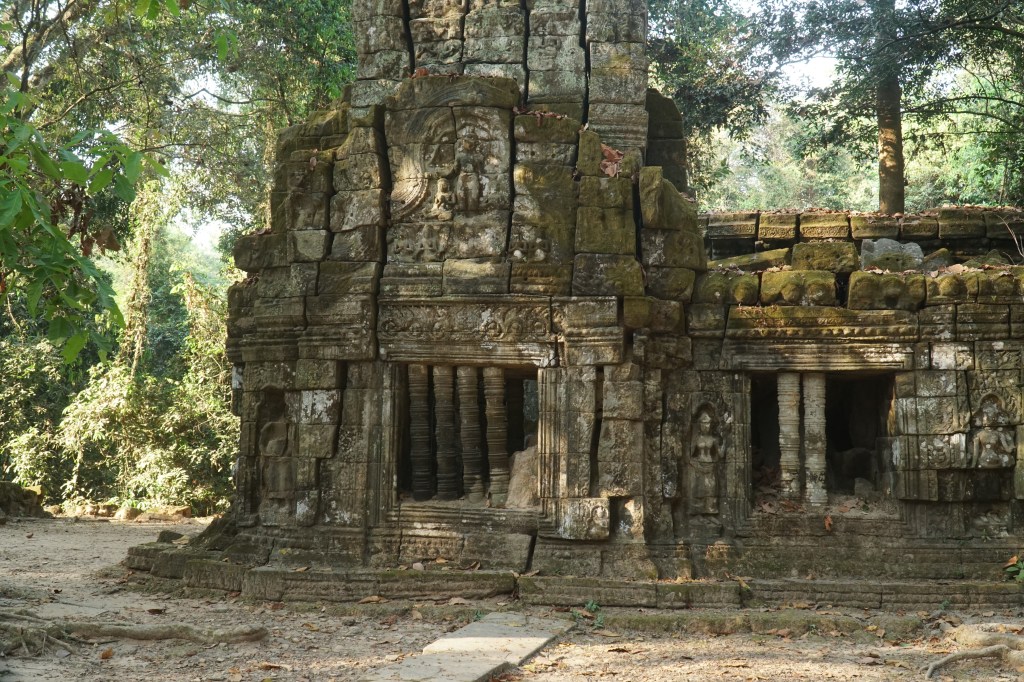


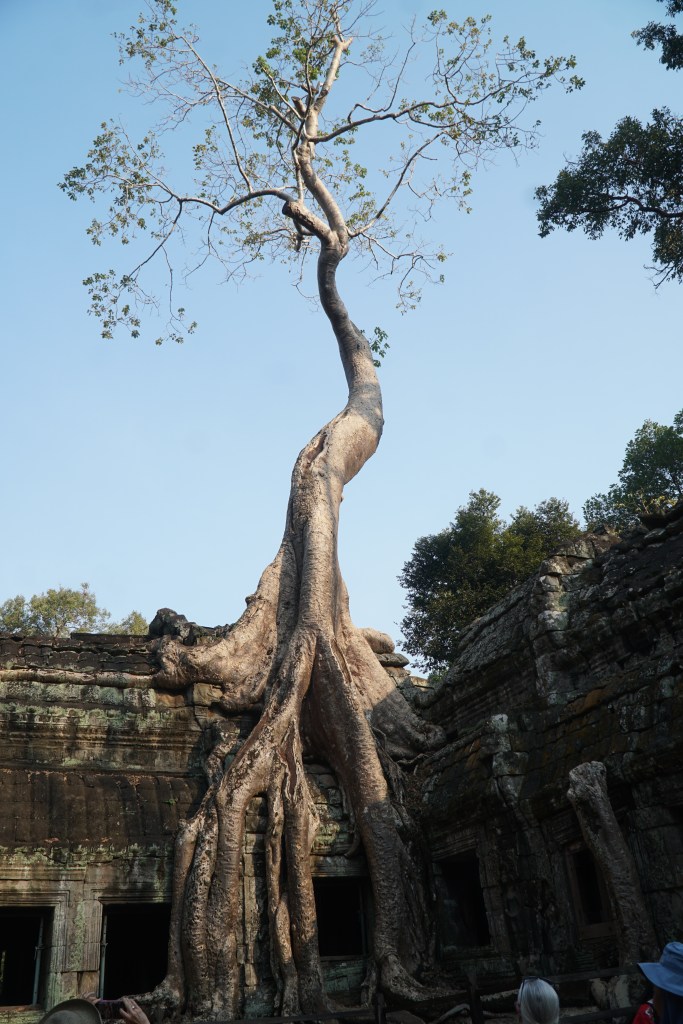

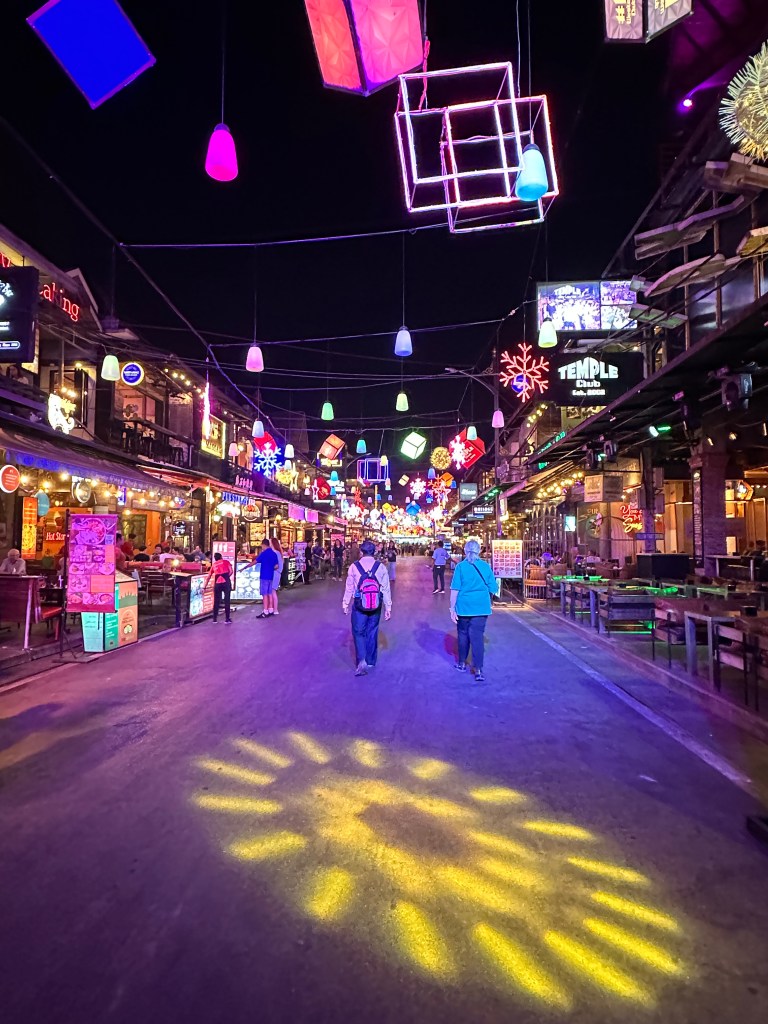
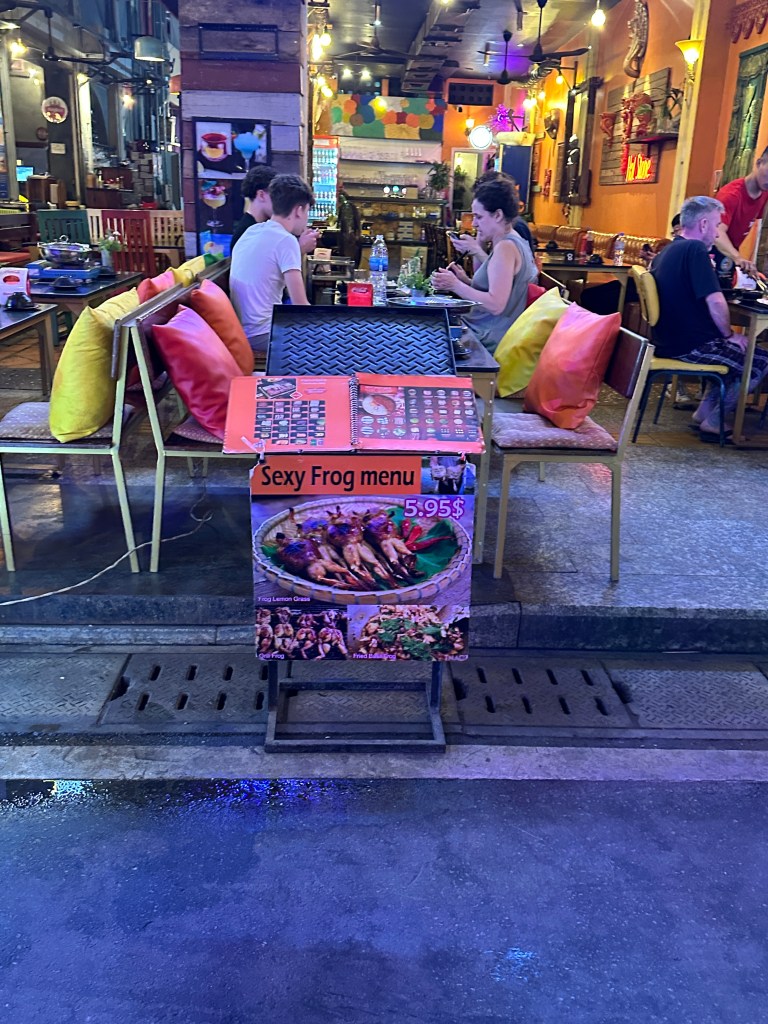


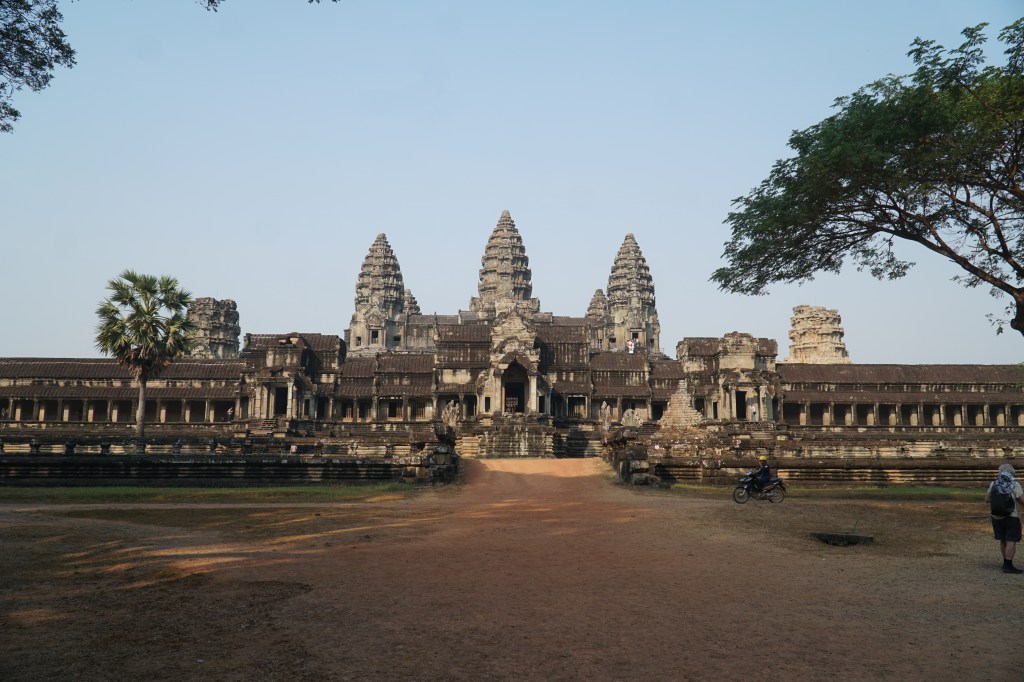


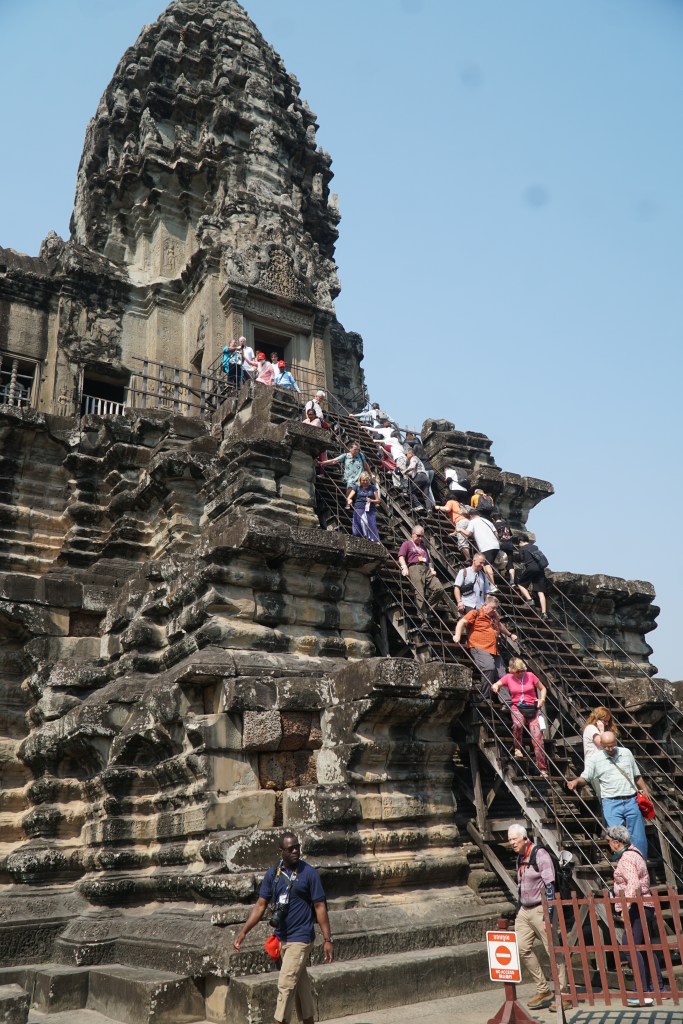
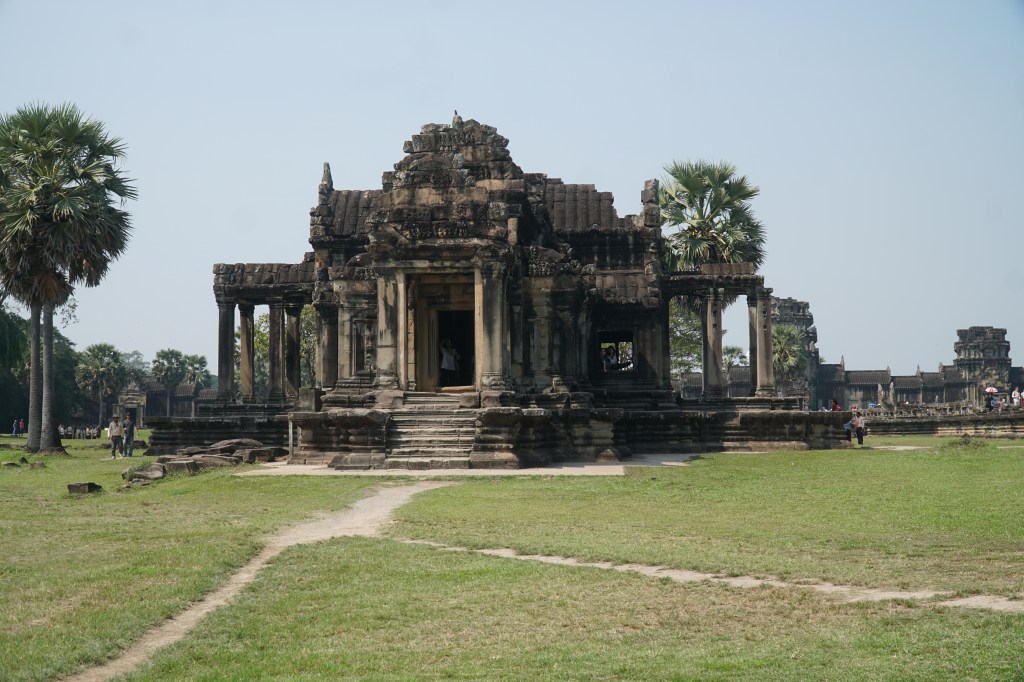


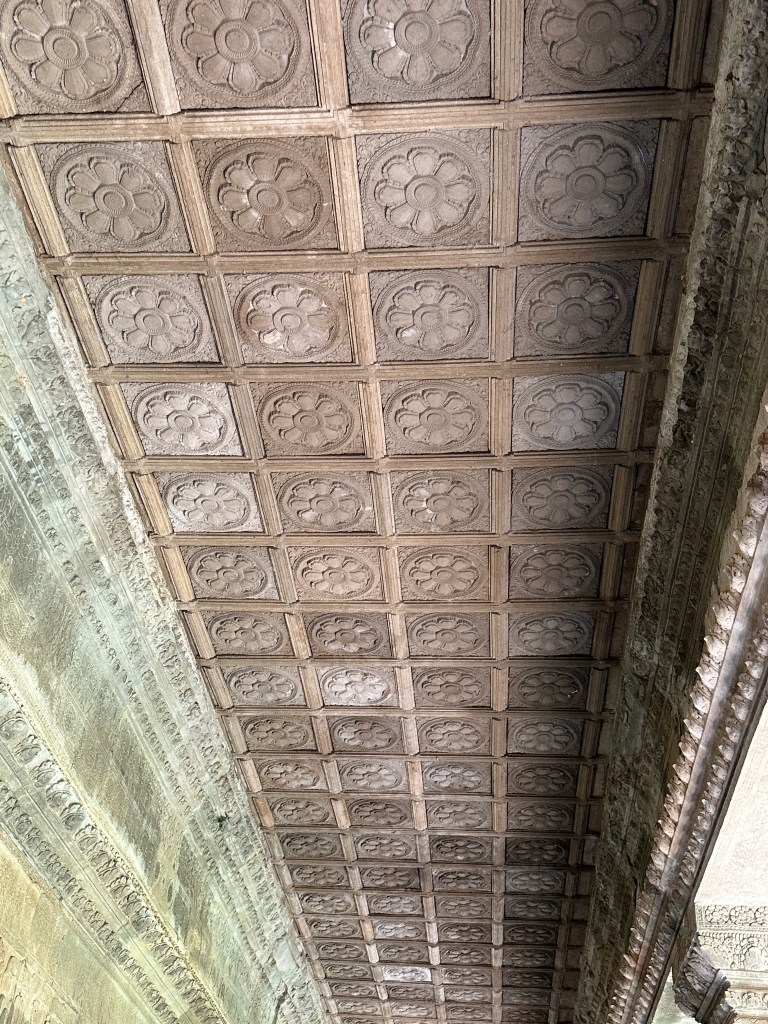

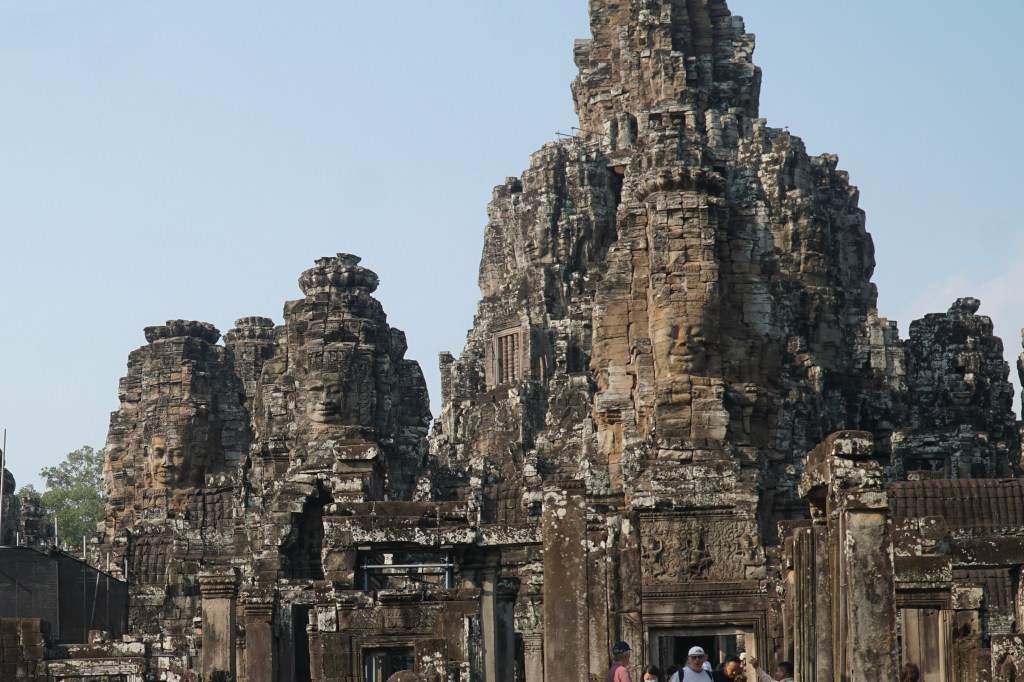
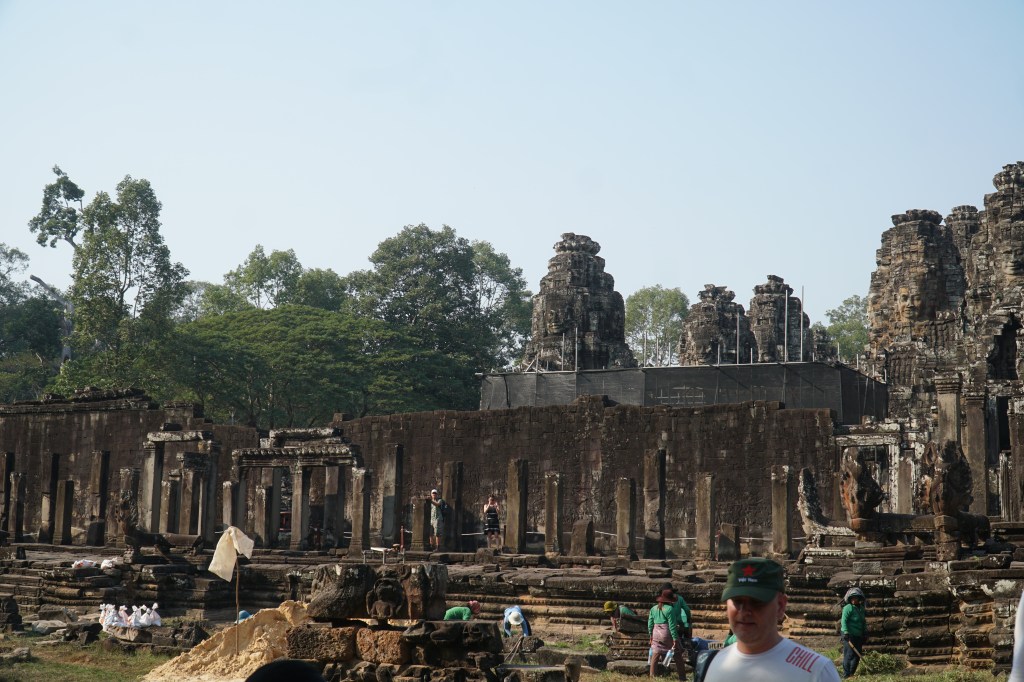


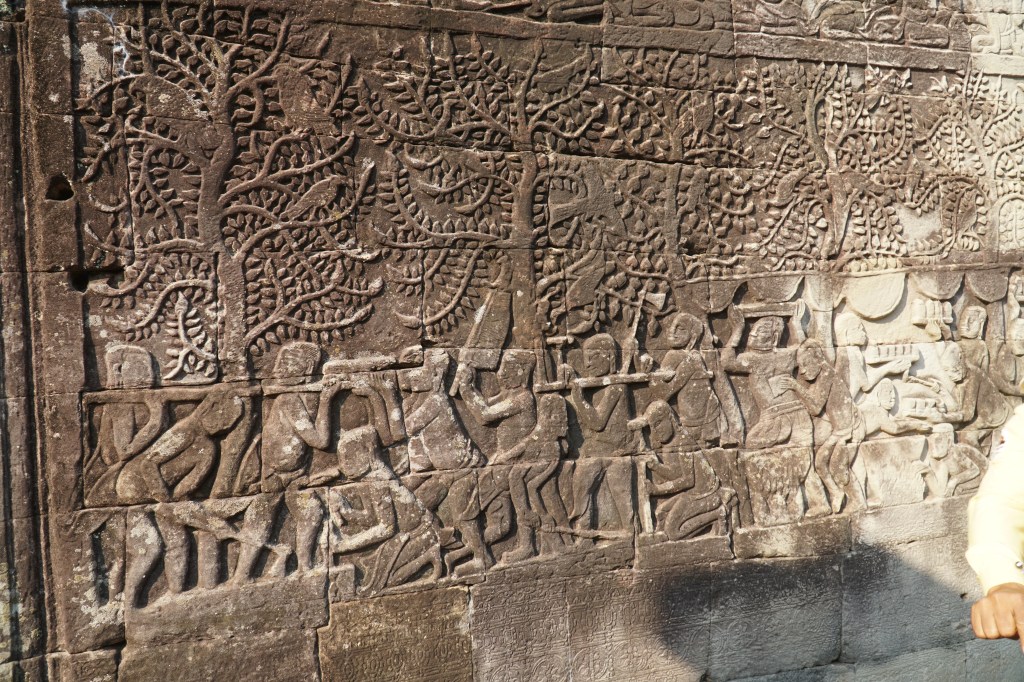


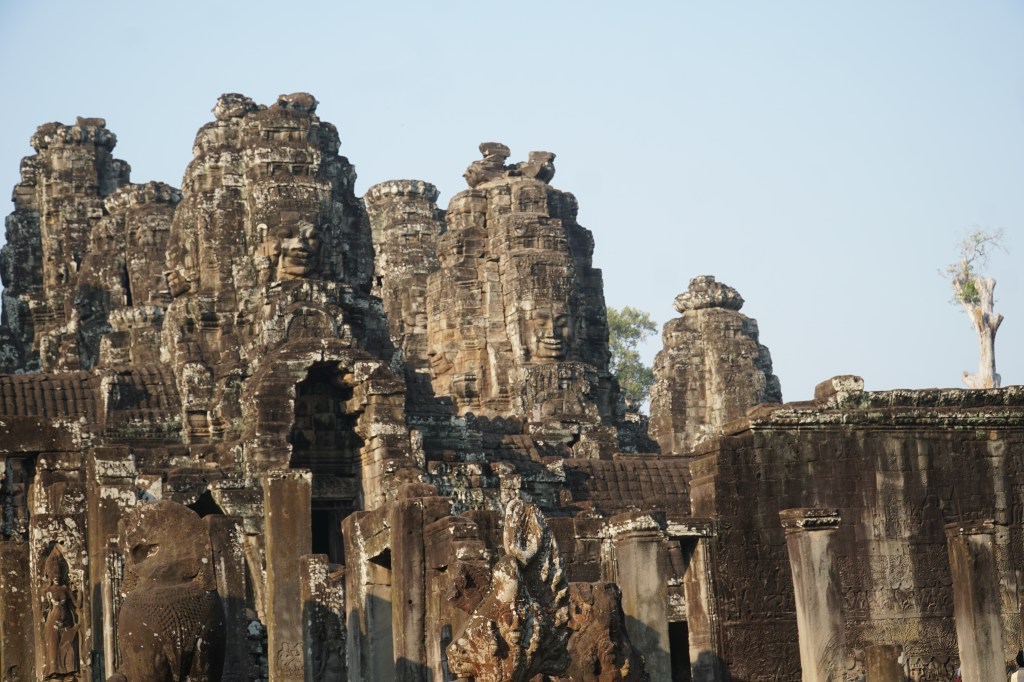


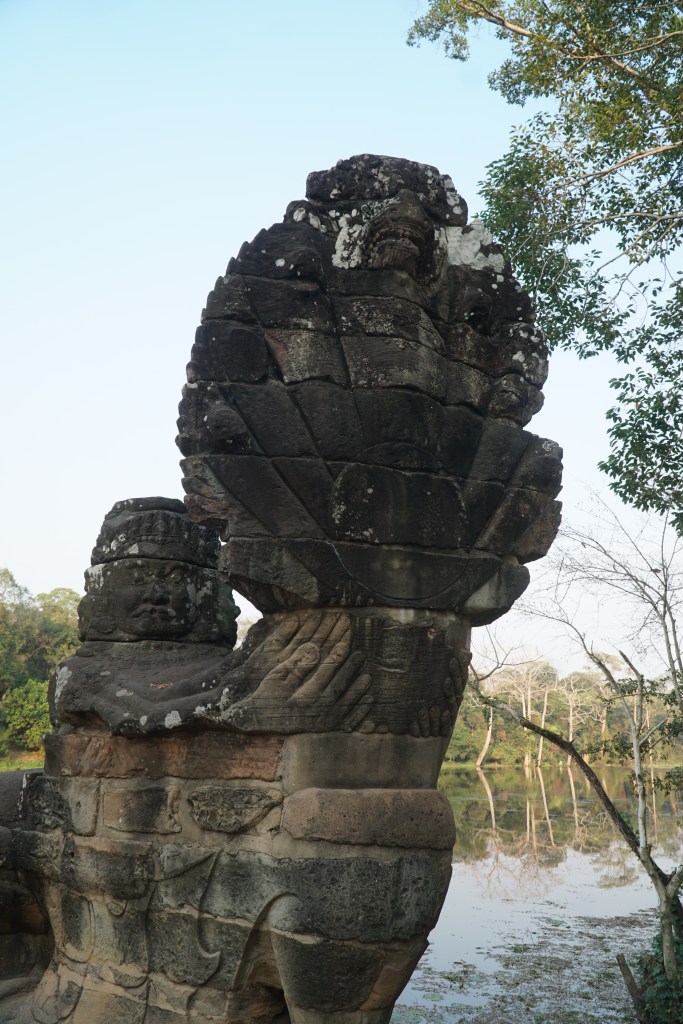


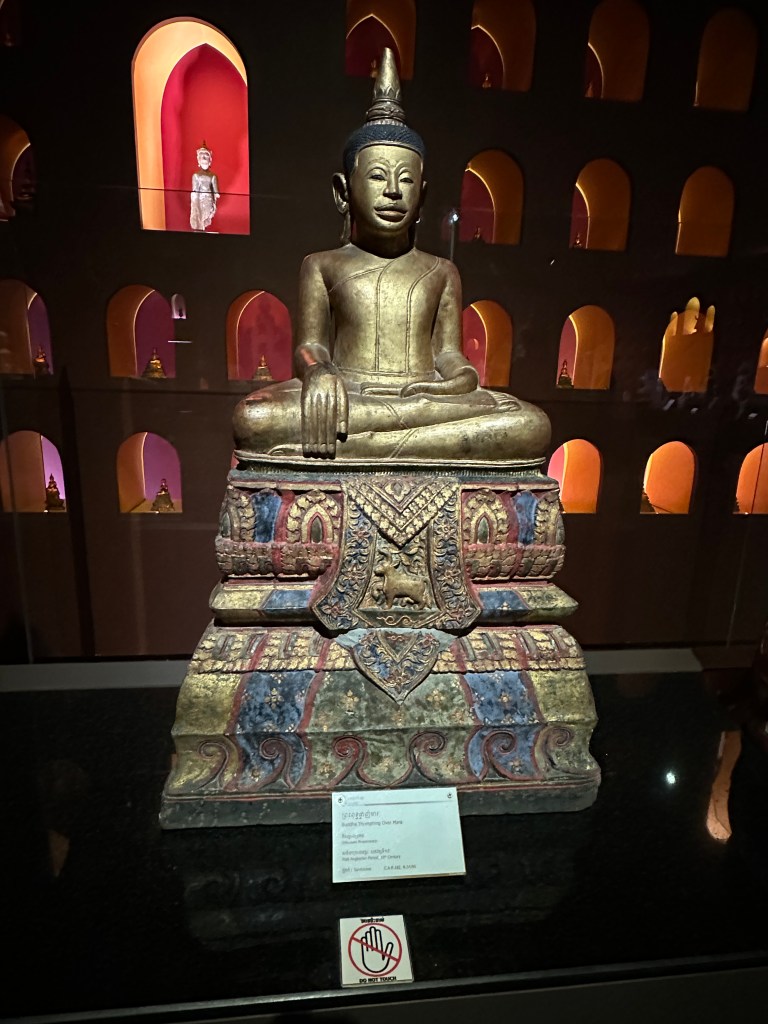
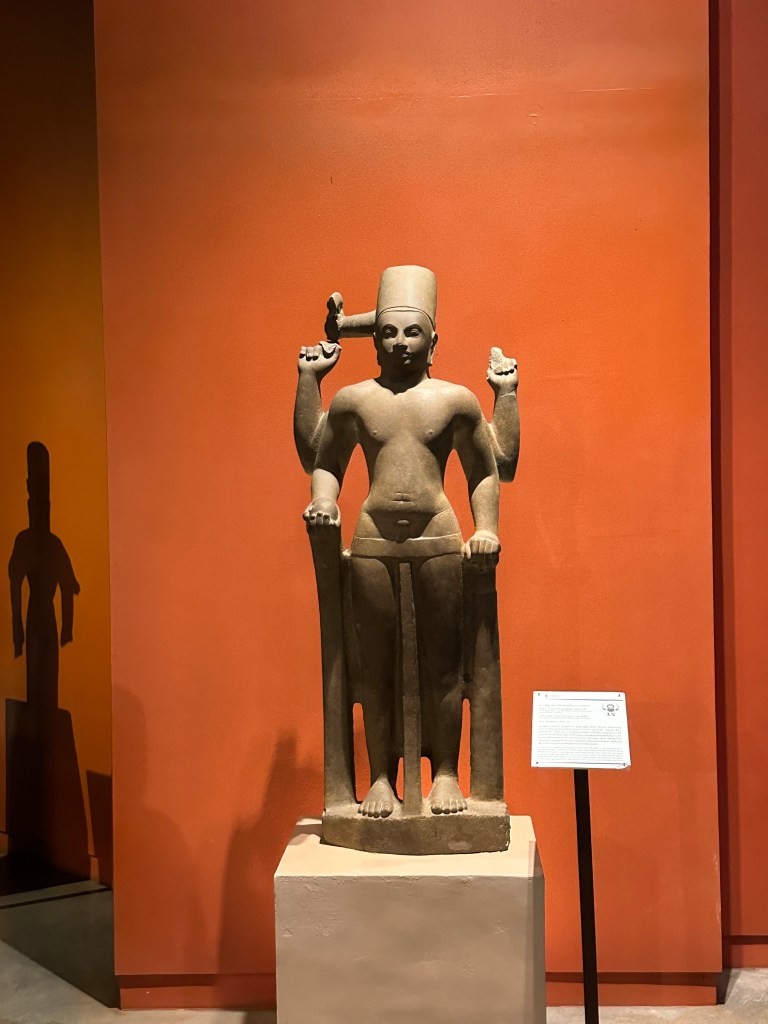



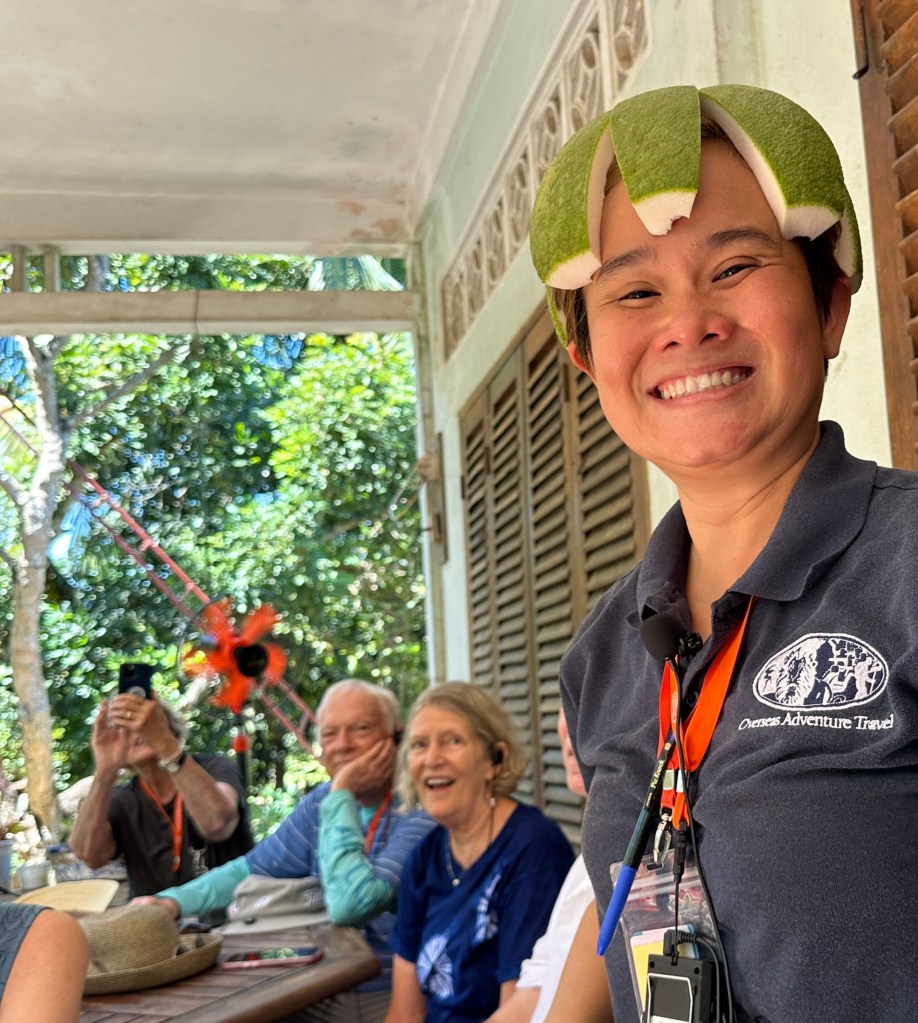


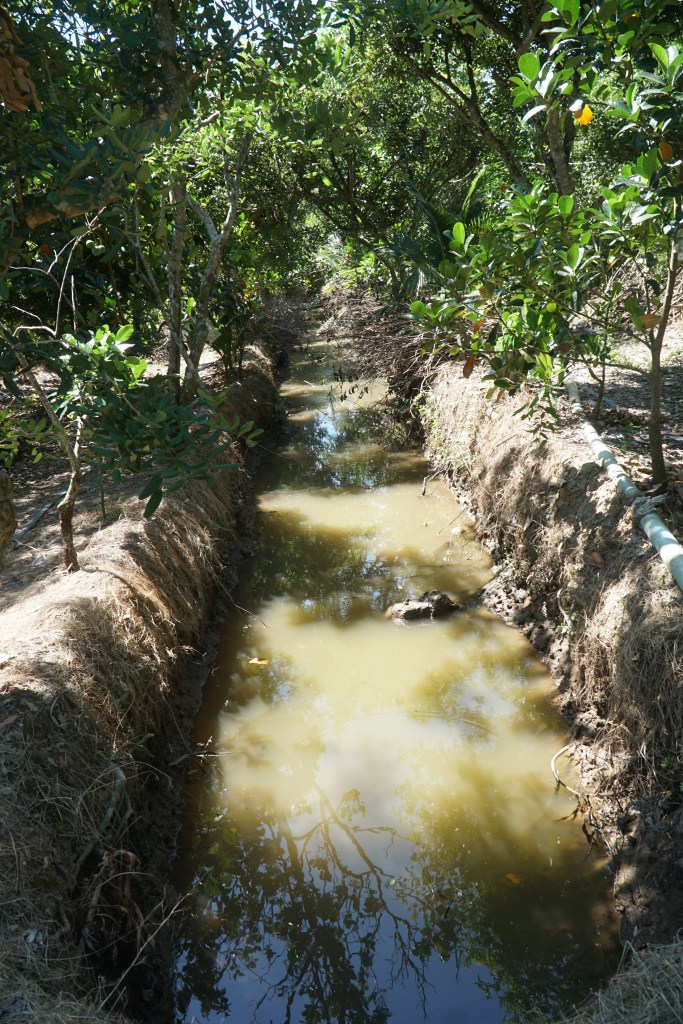
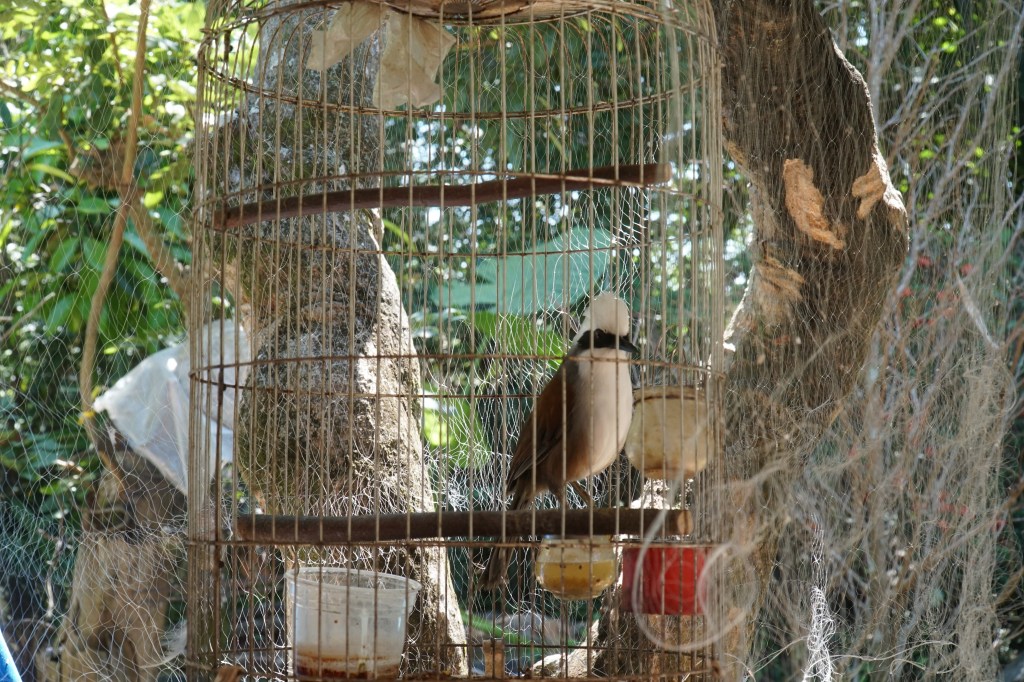


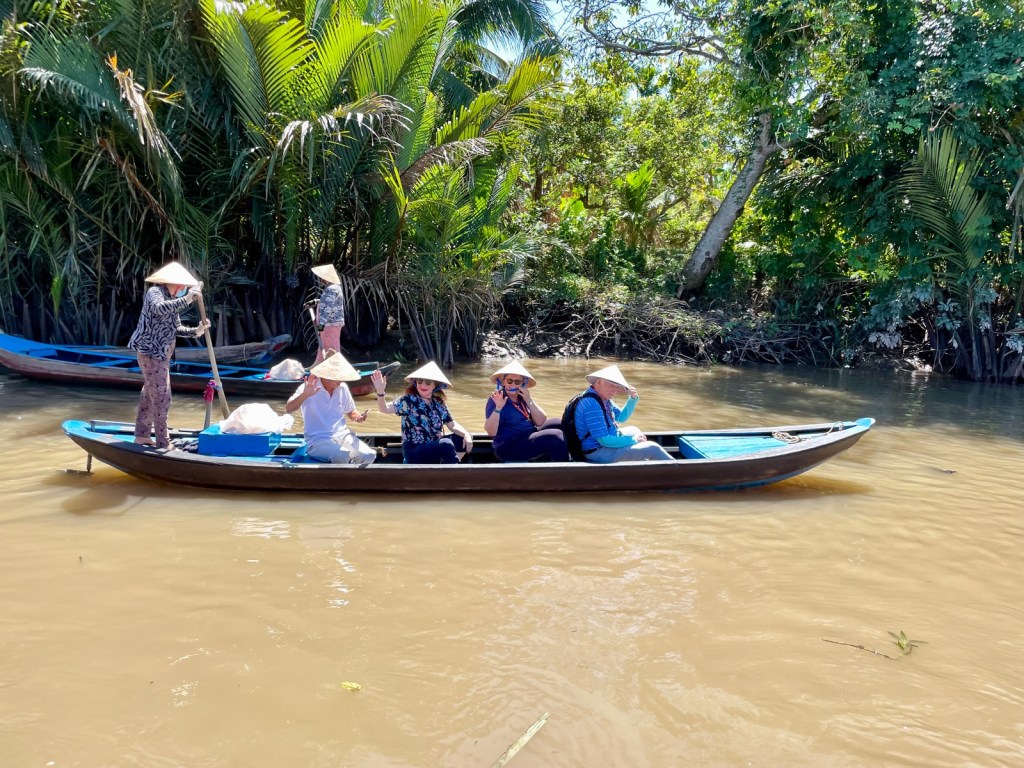
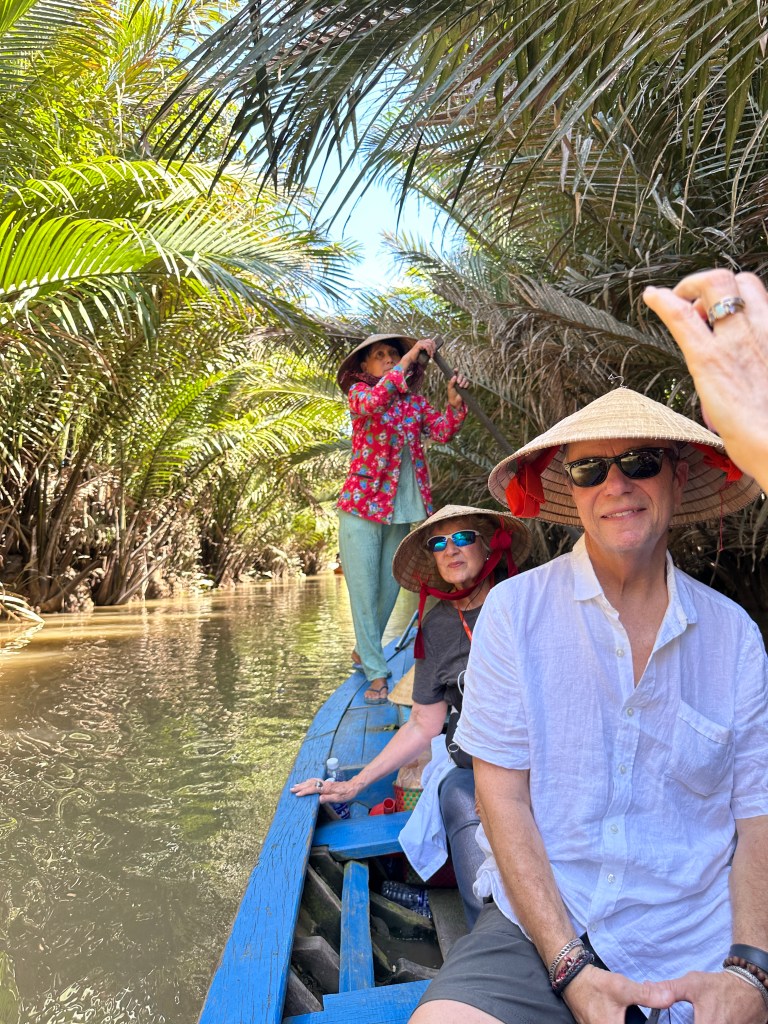


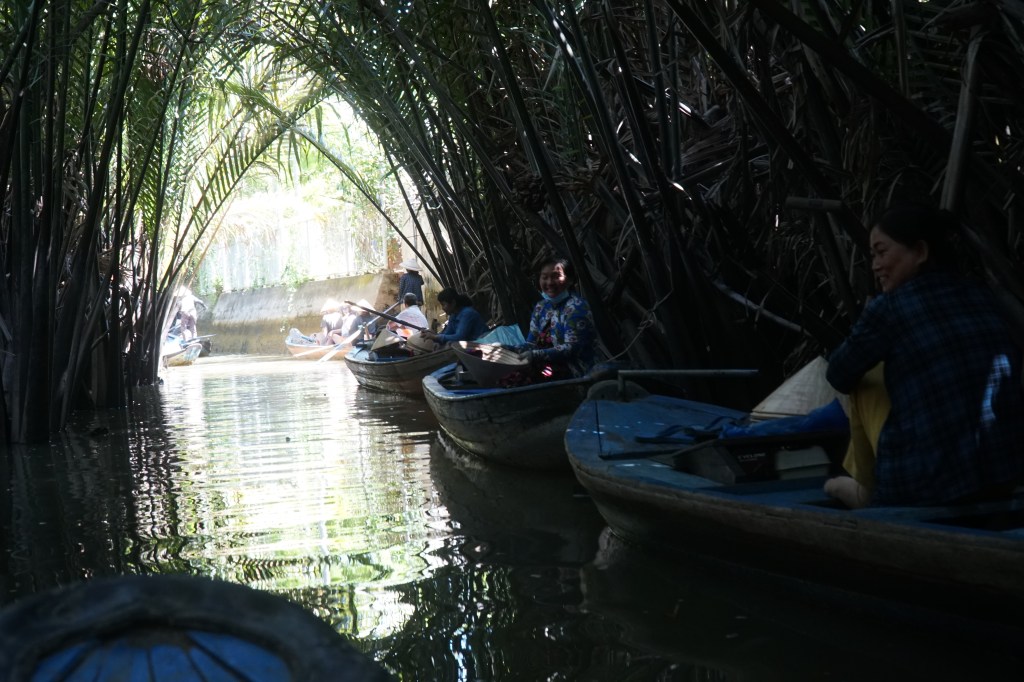


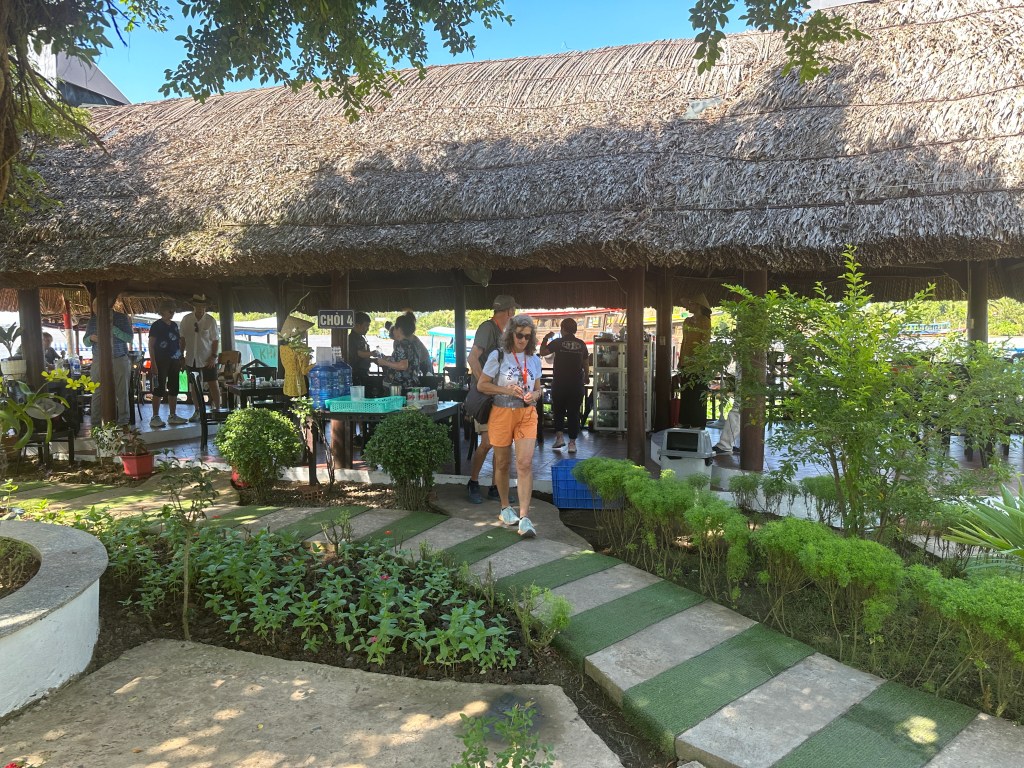
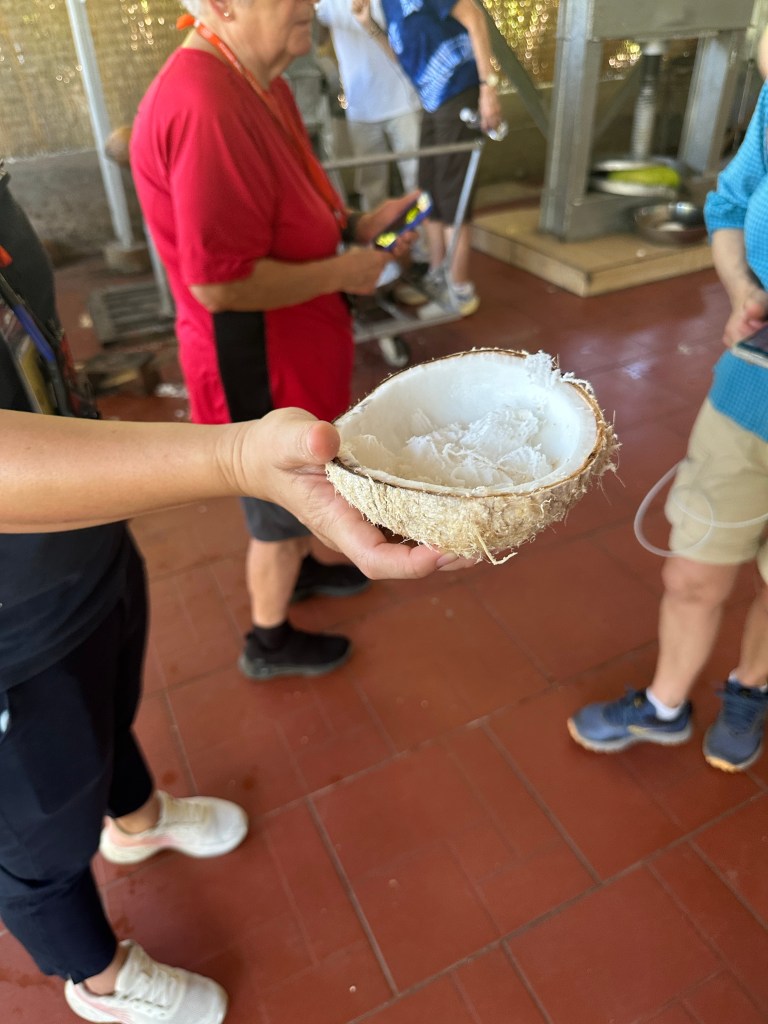






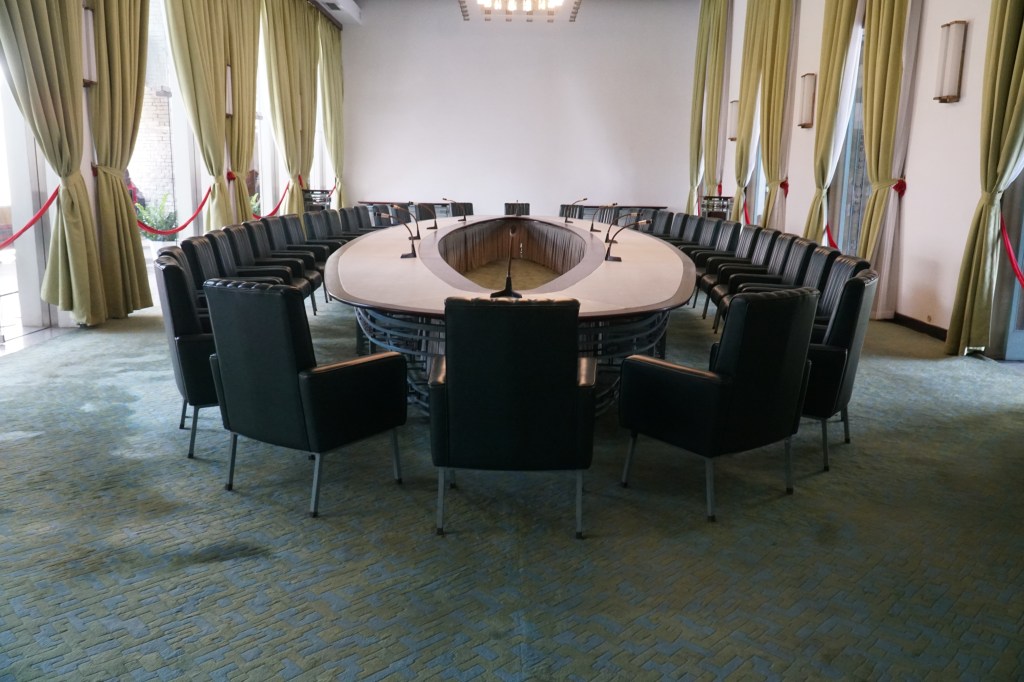

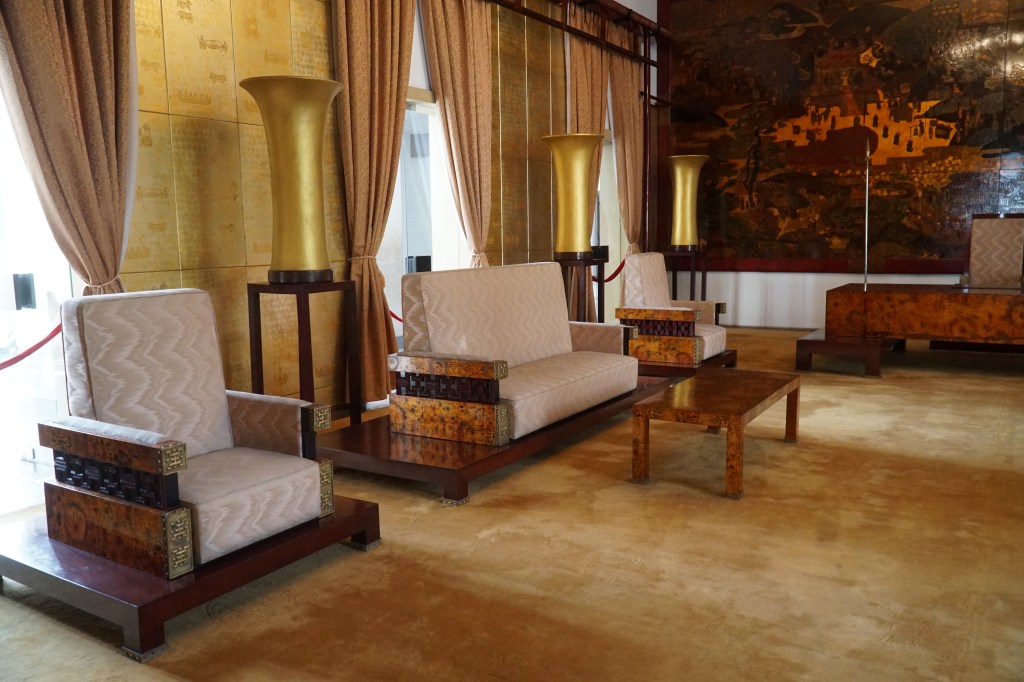

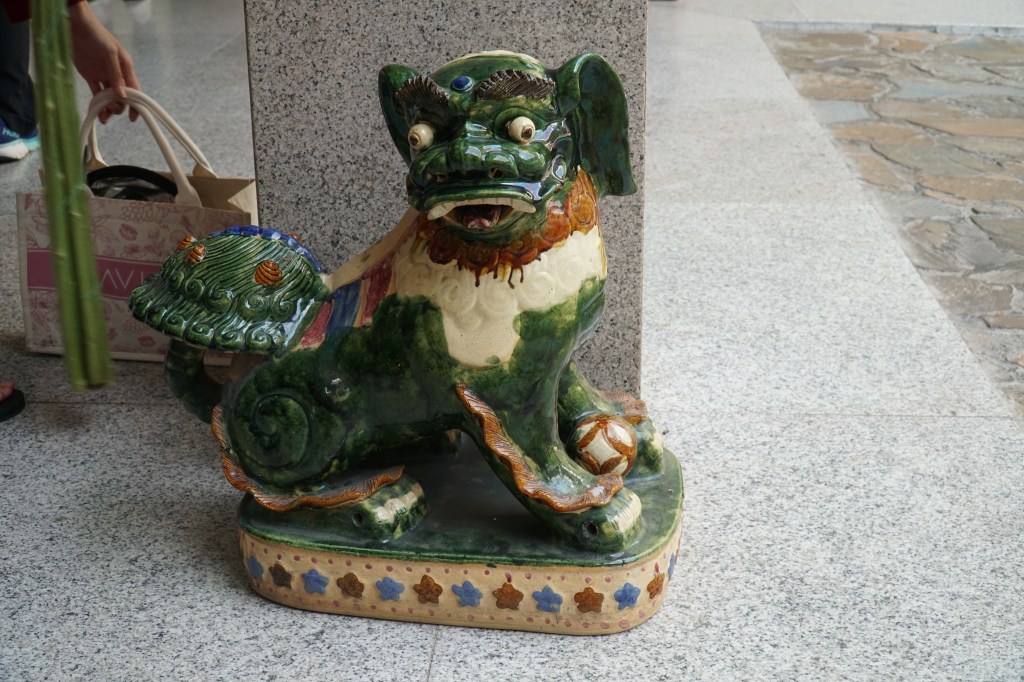


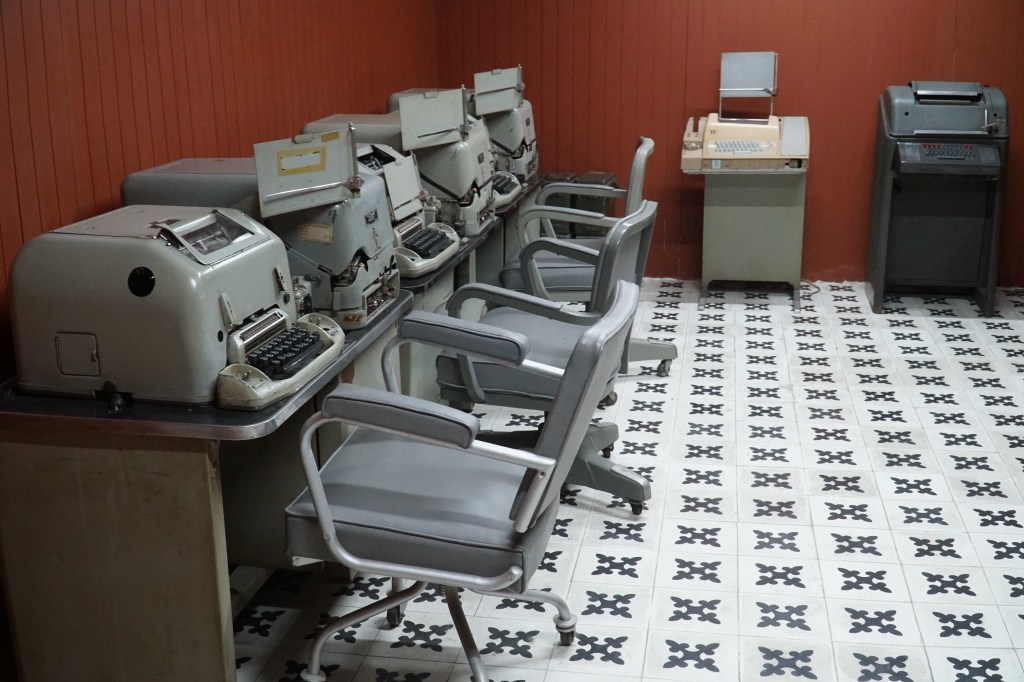


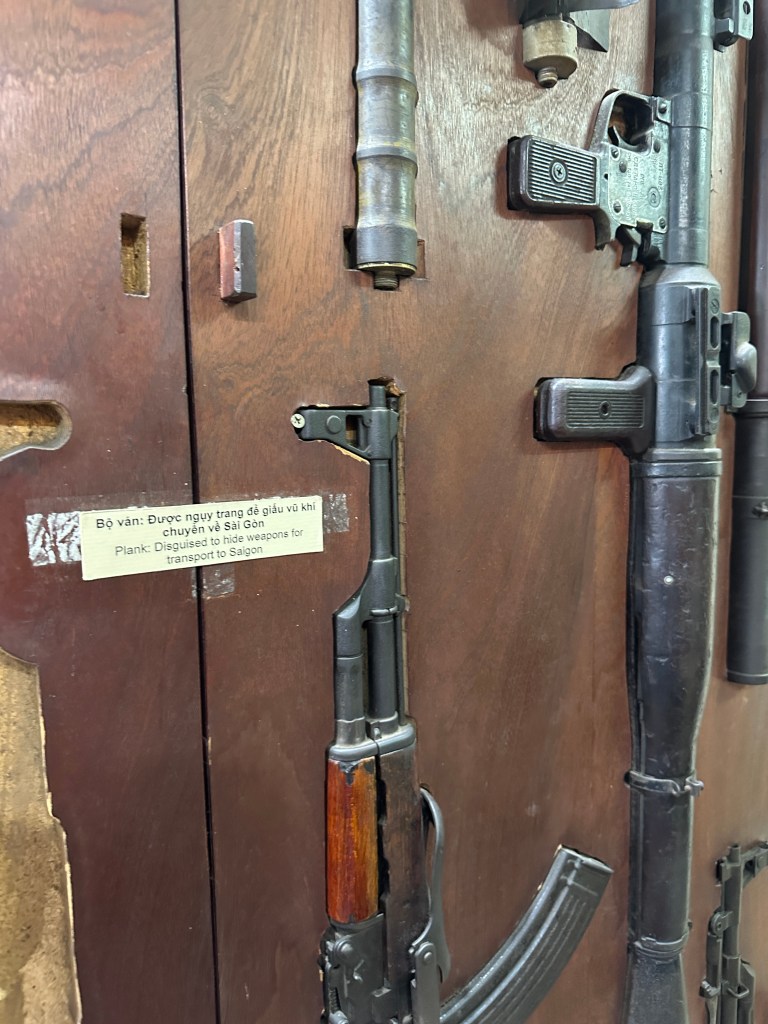


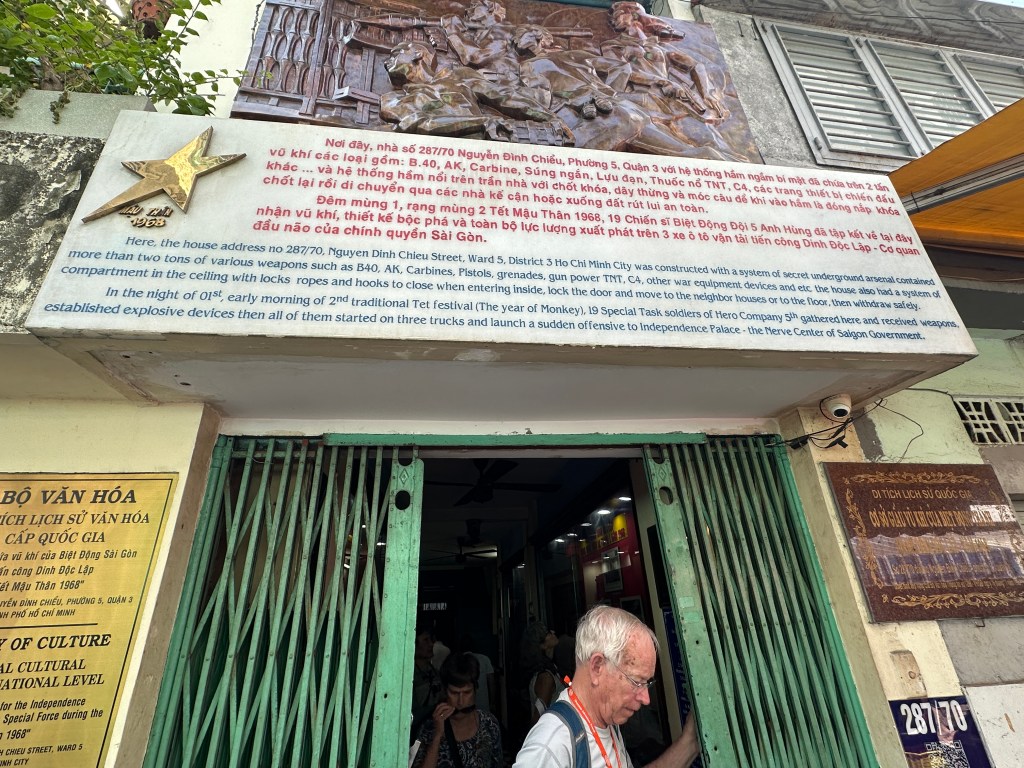










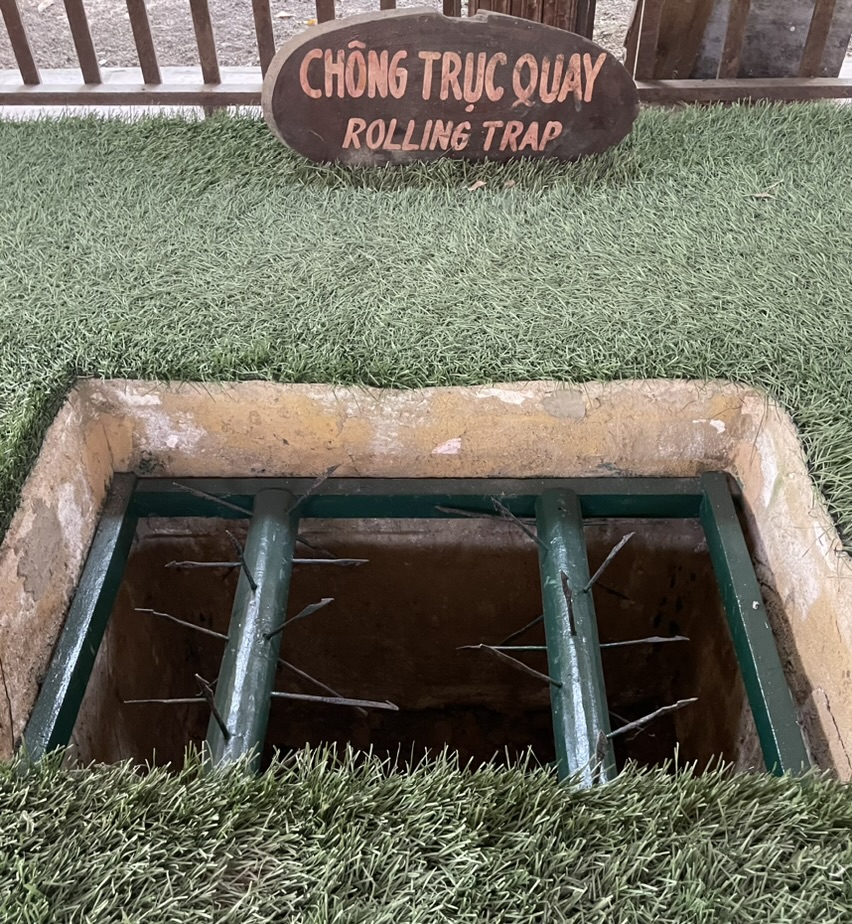
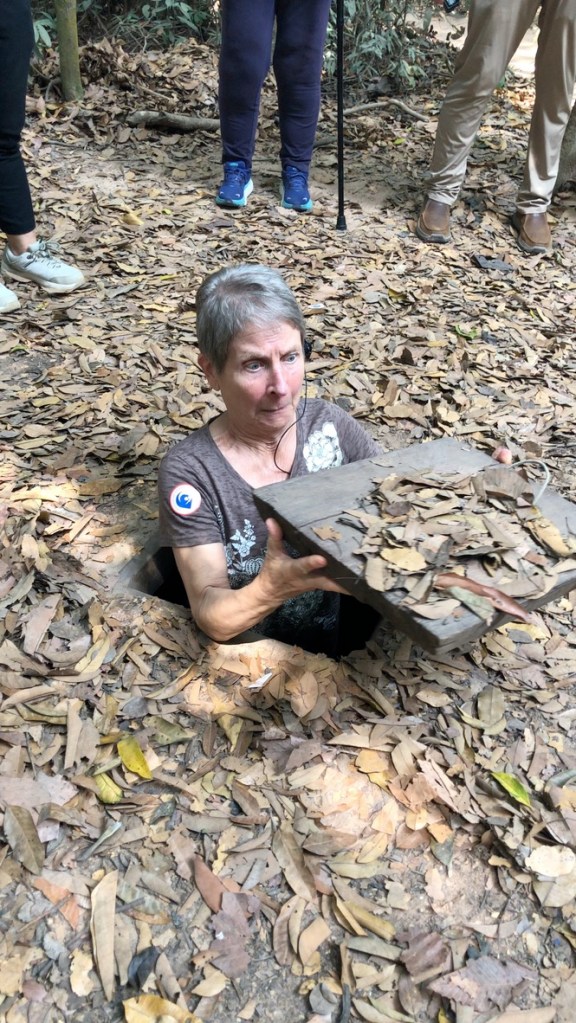

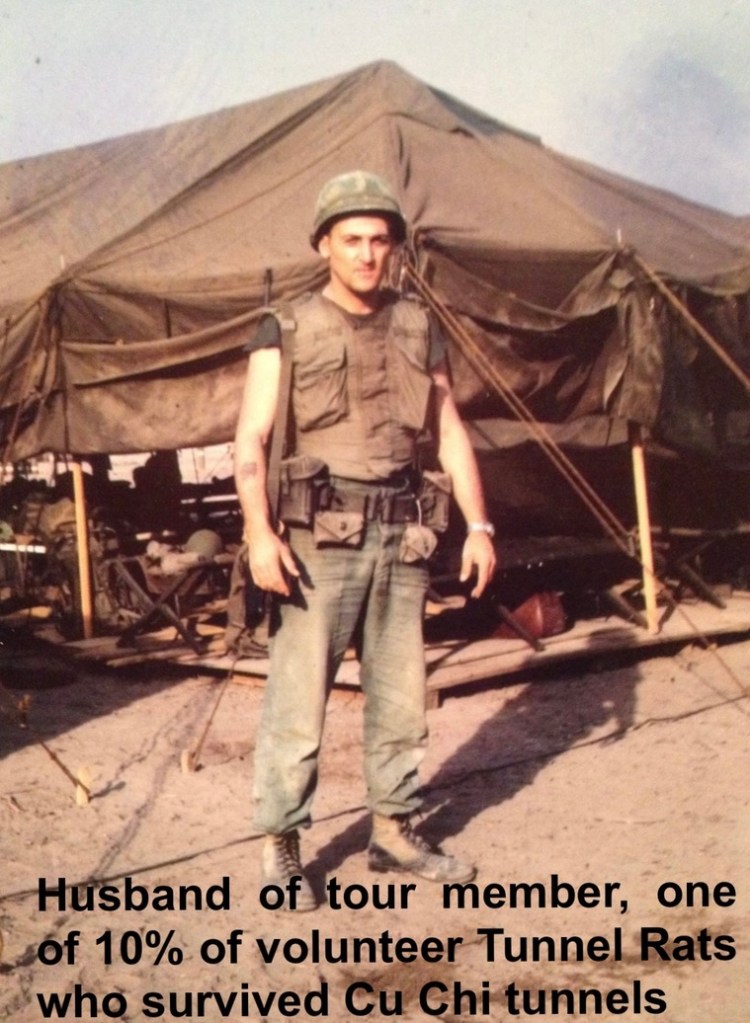


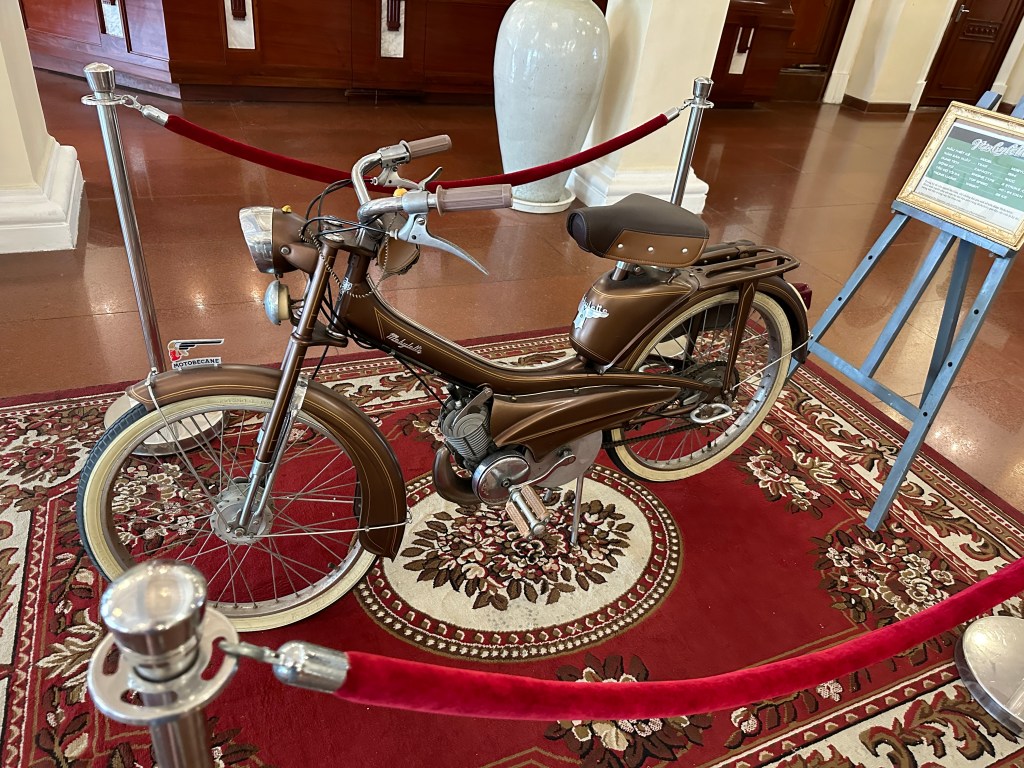


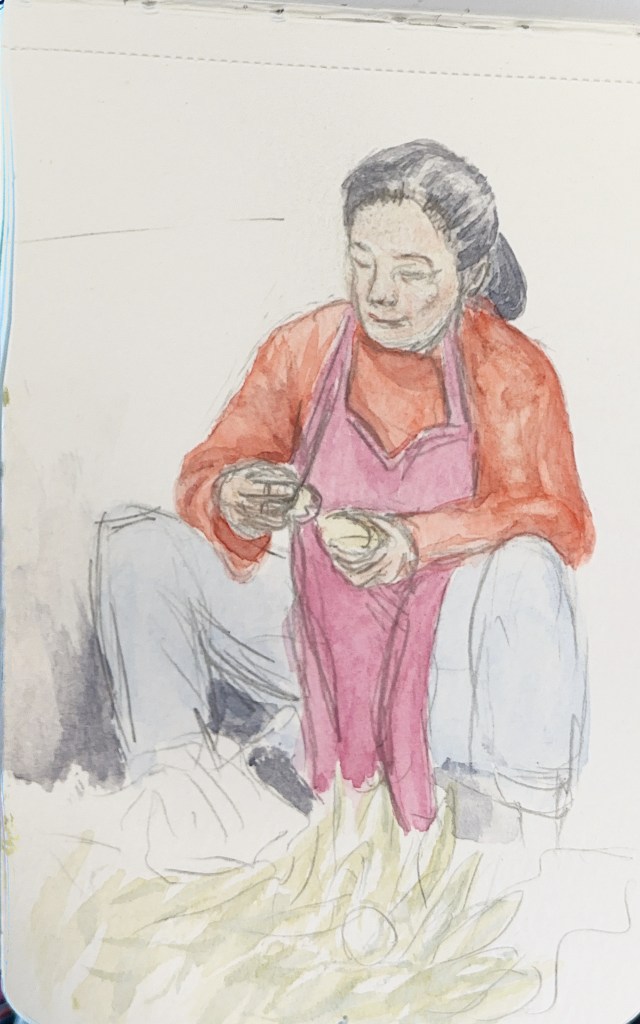
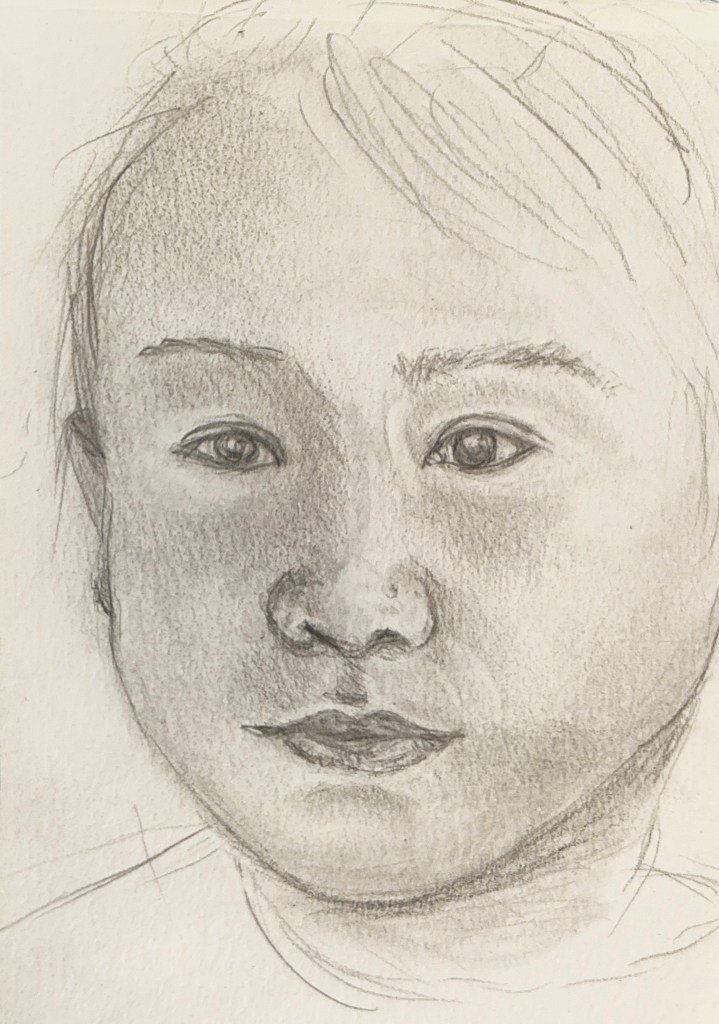
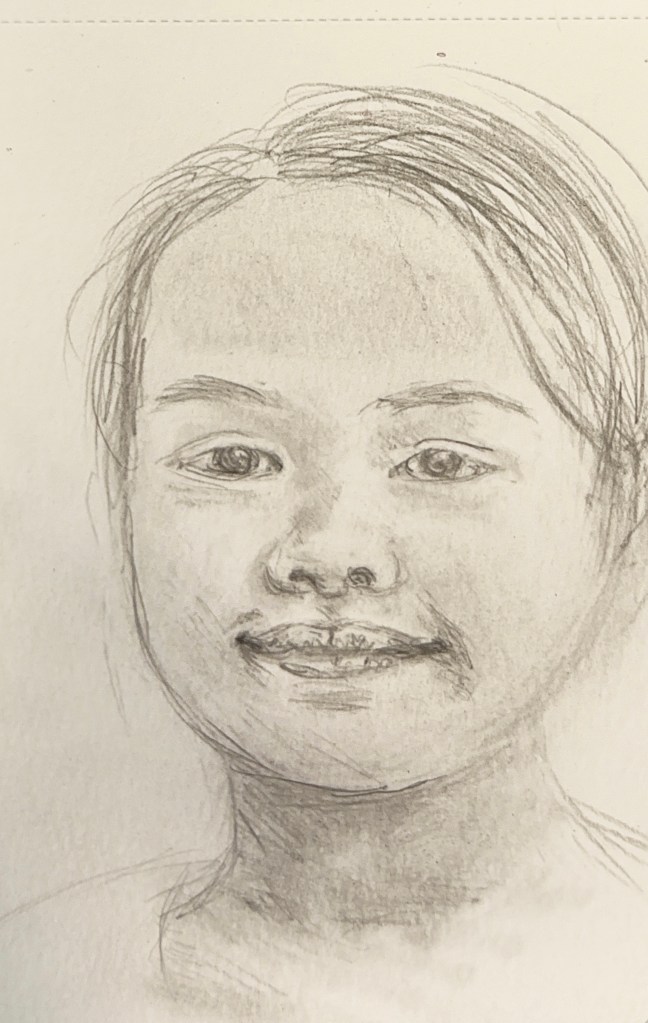


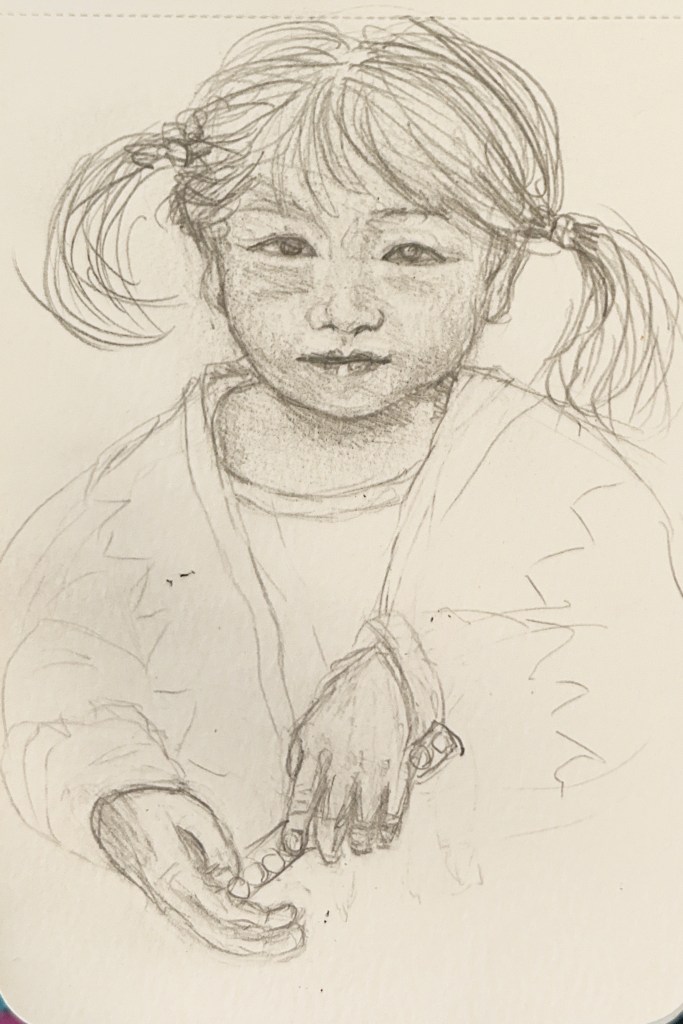






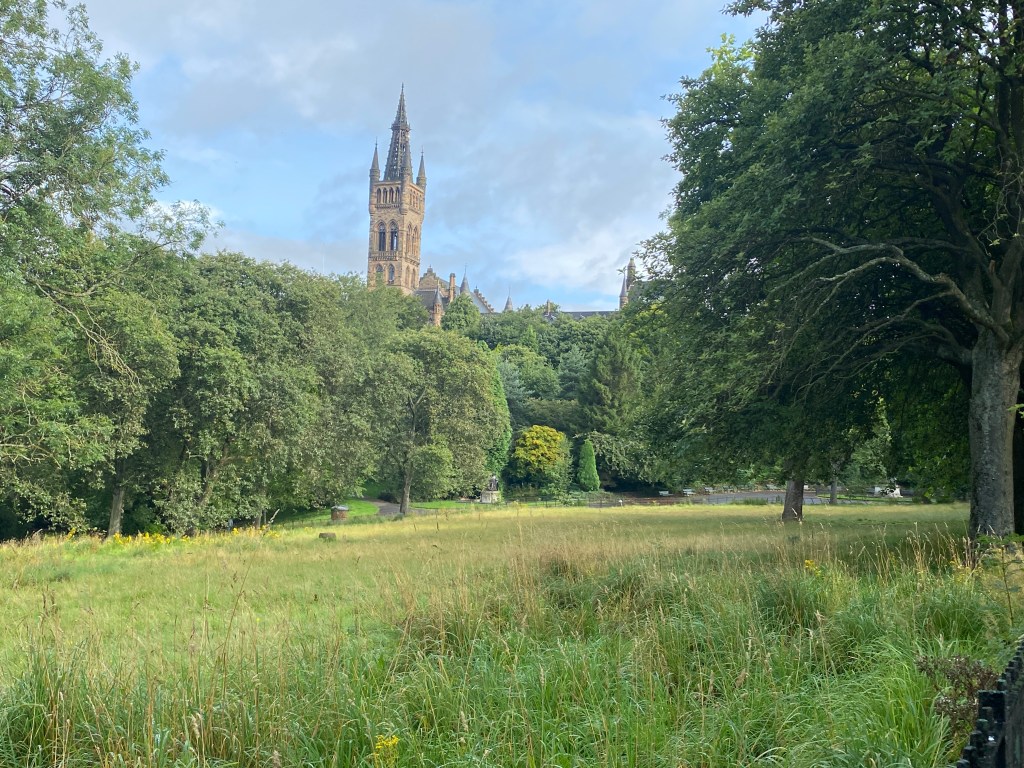

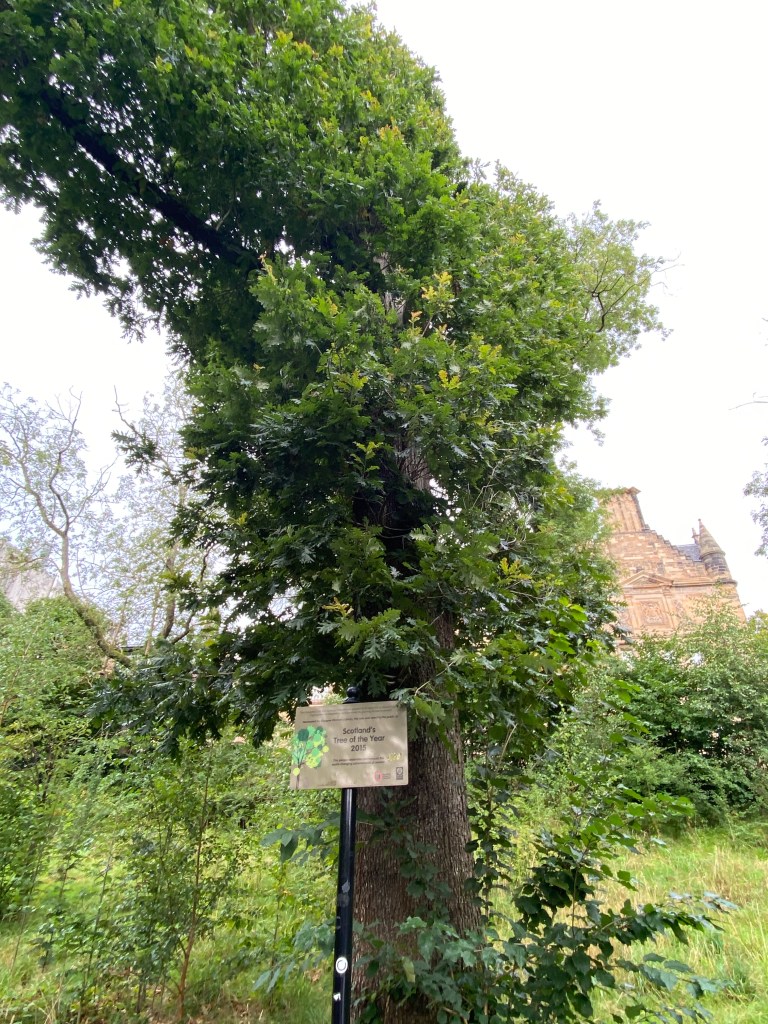




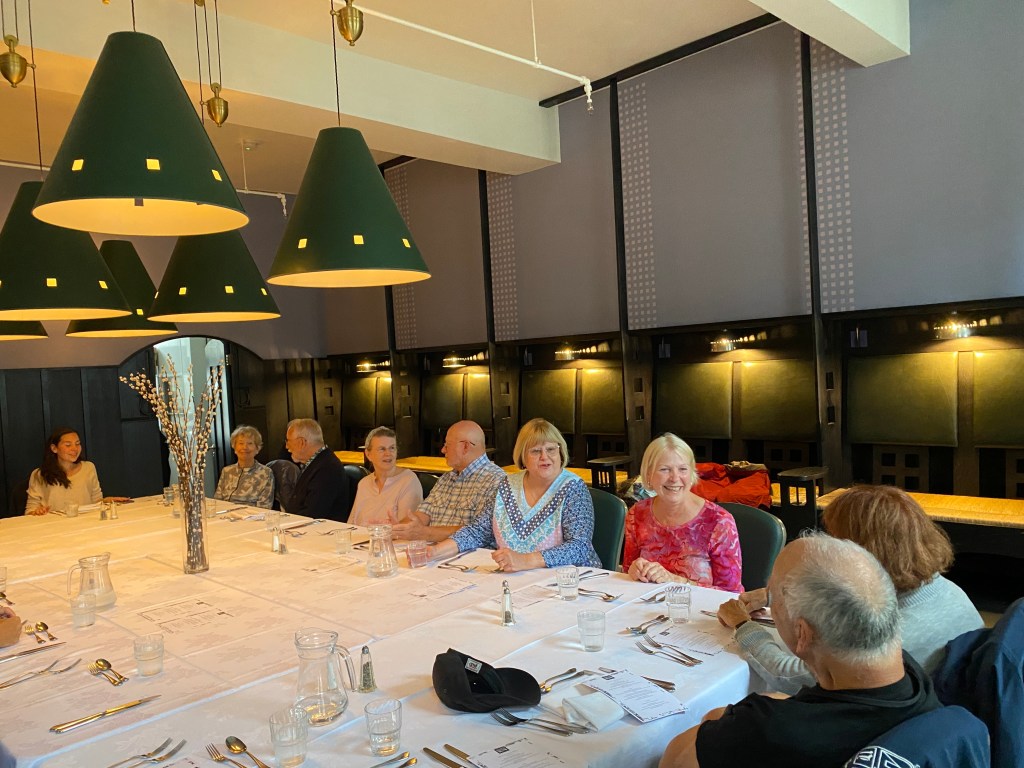

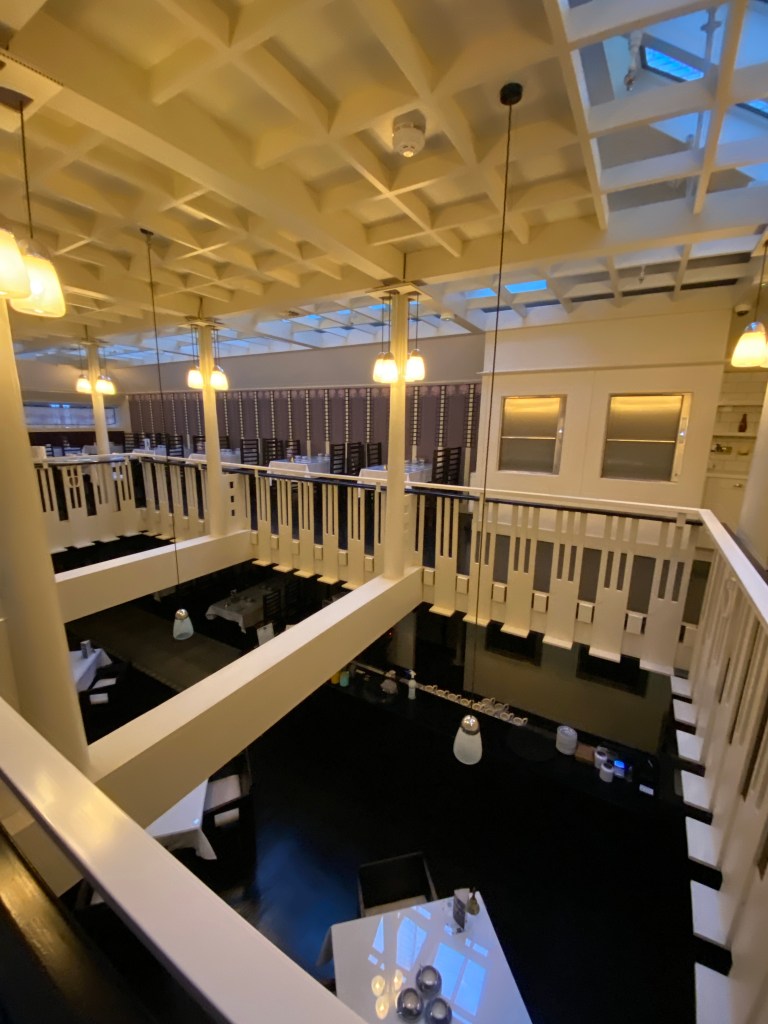

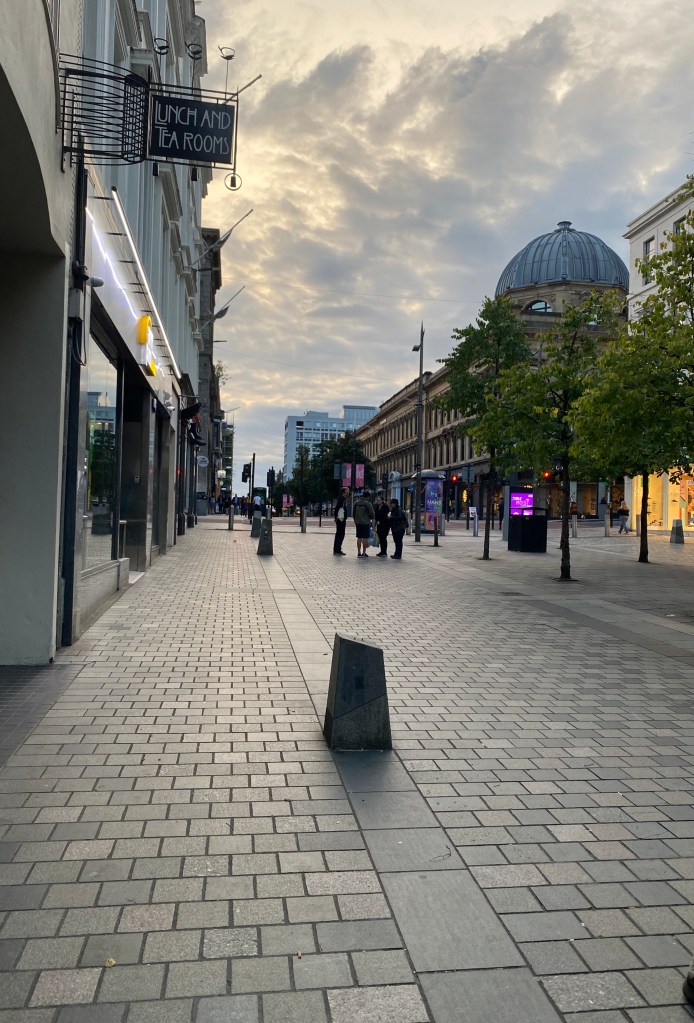


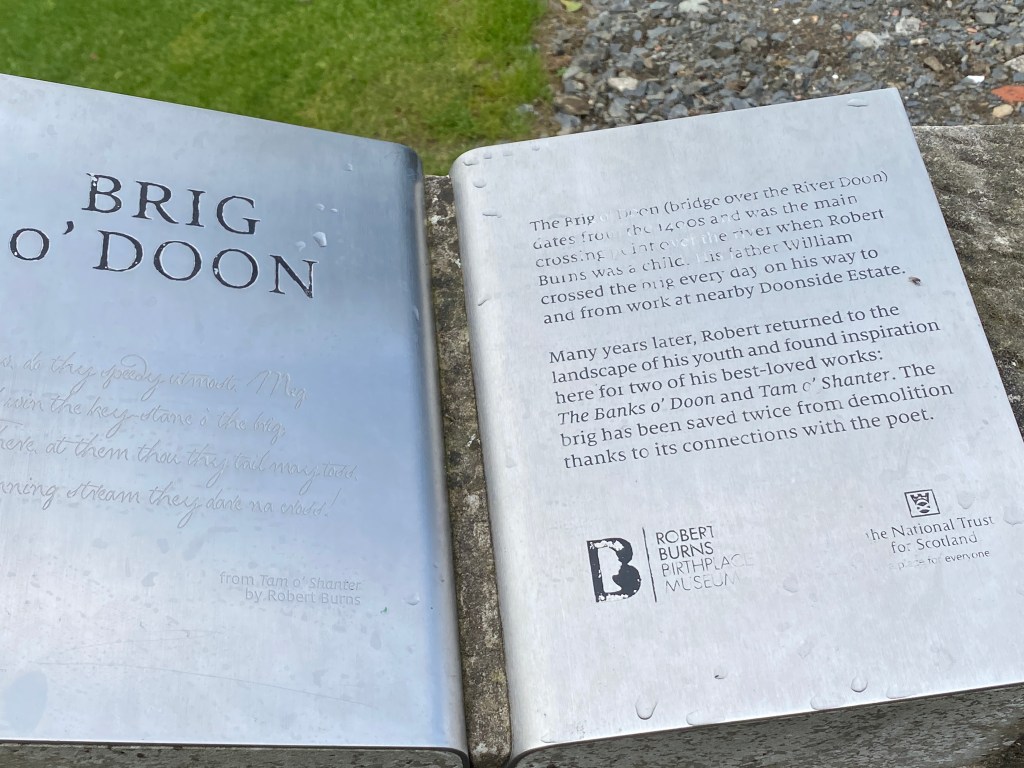


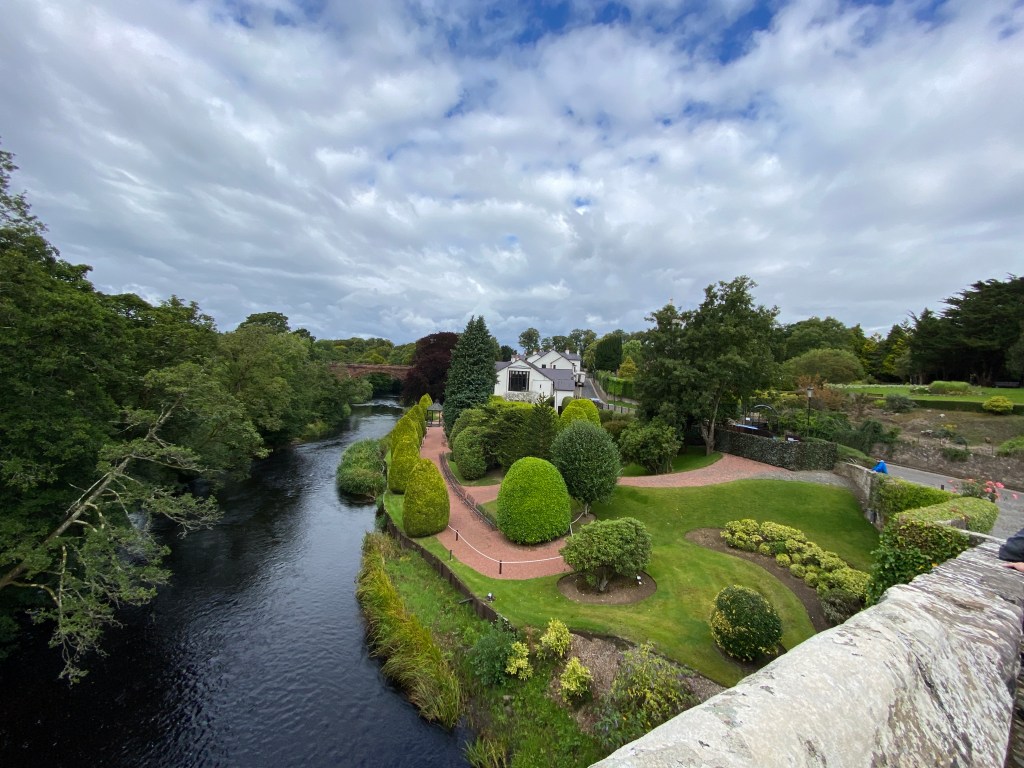


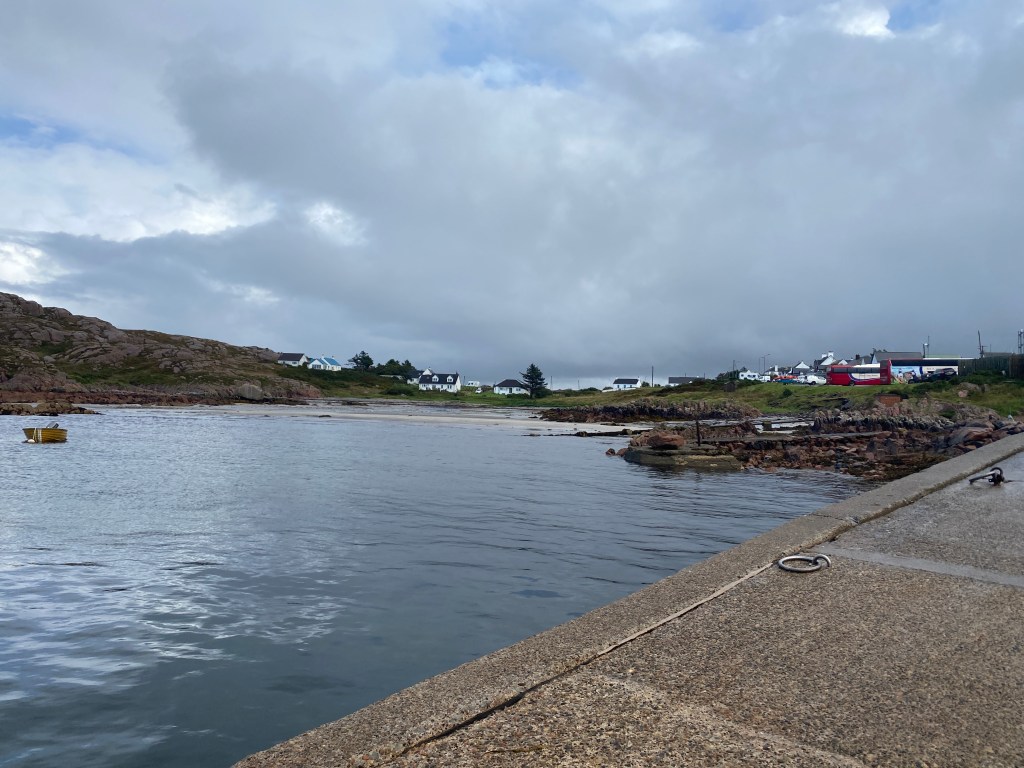


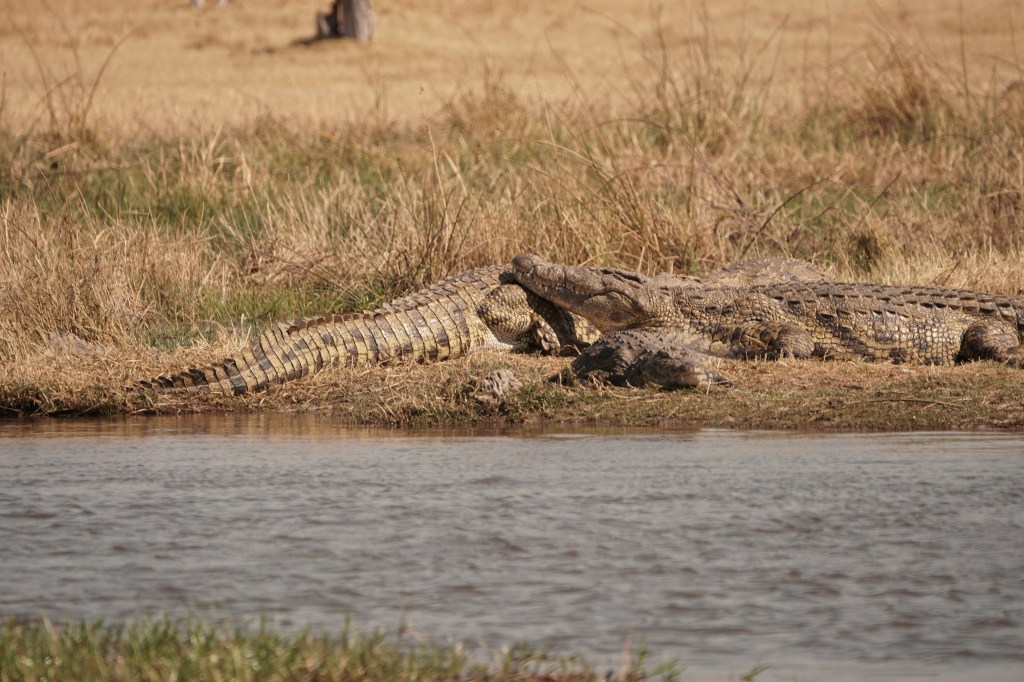


 My Travel Blog